
Ferry to Stockholm - Arriving across the Baltic
Reaching Stockholm by sea - the crossings from Kiel, Rostock and Travemünde, the leg that follows, both ferry terminals and the way into the centre.
Contents
There is no through ferry from Germany to Stockholm. If you are arriving by sea, you either take one of the crossings to southern Sweden and travel north from there, or you reach the city across the Baltic from Finland, Estonia and Åland. This guide sorts out both routes, names the arrival ports and explains how to get from the terminal into the centre. For everything sailing the other way, see the guide Ferries from Stockholm; for the comparison with flying, the train and driving, see the getting there guide.
From Germany to southern Sweden
Four routes will carry you and your vehicle across the Baltic. What separates them is mainly how much of the journey is left afterwards.
- Kiel to Gothenburg (Stena Line): the Stena Germanica and Stena Scandinavica take 14 hours and sail overnight. The operator quotes a starting fare of 181.10 euros for a one-way trip with car, driver and cabin.
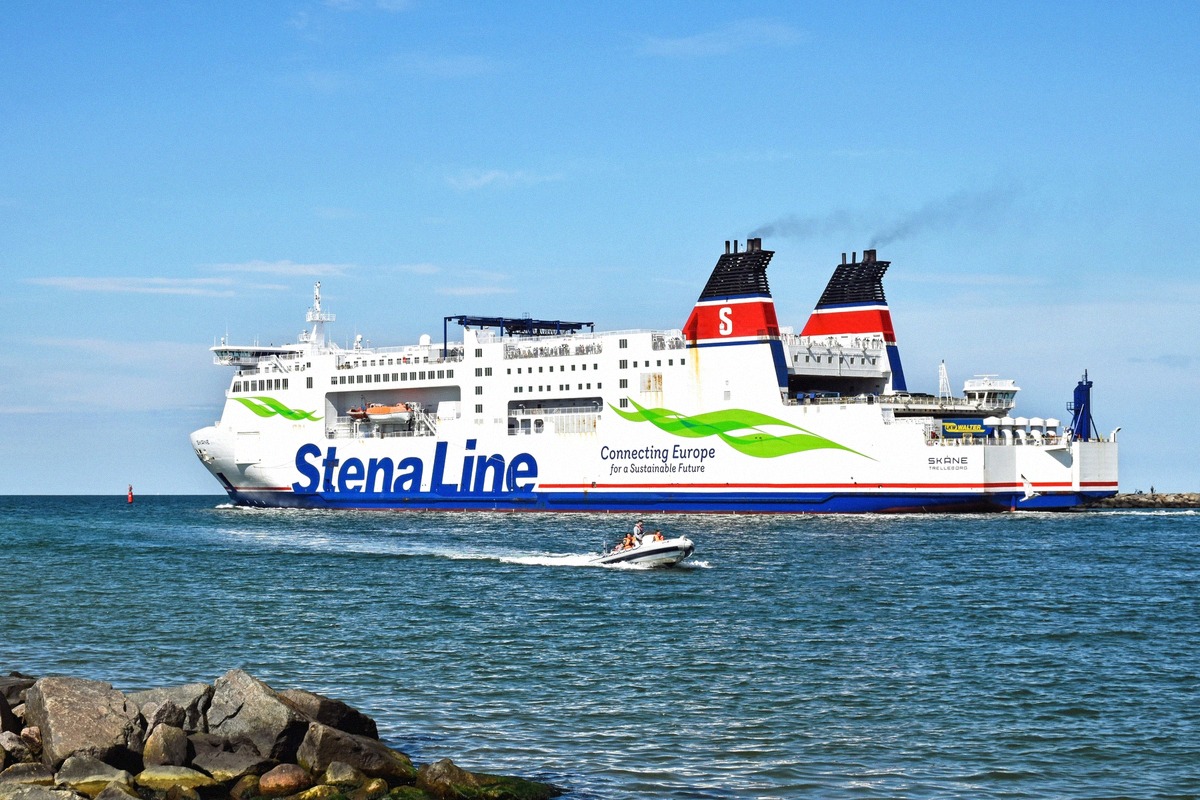
- Rostock to Trelleborg: the shortest of the four, around 6 hours. Stena Line runs it with the Skåne and the Mecklenburg-Vorpommern up to six times a day, and TT-Line serves the same route several times daily.
- Travemünde to Trelleborg (TT-Line): 8 hours for 220 kilometres, four departures a day as both day and night sailings, from 59 euros.
- Travemünde to Malmö (Finnlines): up to three times a day year-round in around 9 hours, from 36 euros with a bicycle; the car package for two people including the vehicle starts at 117 euros.
The leg north
The arrival port decides what your second travel day looks like. From Gothenburg it is around three hours by train or four to five hours by car. From Trelleborg and Malmö, Stockholm is a good six hours away by road, or about four and a half hours by train from Malmö.
If travel time is what counts, Kiel to Gothenburg saves roughly half a day compared with the Trelleborg routes, at the price of the longest crossing. Rostock, on the other hand, makes sense if you are starting in southern Sweden anyway and only reaching Stockholm at the end of a round trip.
Arriving by sea in the Stockholm region
Two ports in the region take scheduled ferries but do not sit in the city. Nynäshamn, 60 kilometres to the south, is the Swedish end of the Stena Line route from Ventspils in Latvia, which runs up to four crossings a day with the Stena Baltica and the Stena Scandica. Kapellskär, 90 kilometres to the north and right on the E18, is served by Finnlines from Naantali in Finland via Långnäs on Åland.
Both call for a planned onward leg, by car or by bus. How often anything runs from there is set out in Ferries from Stockholm.
Where the ferries dock in Stockholm
The city has two ferry terminals, and which one you get depends purely on the operator.
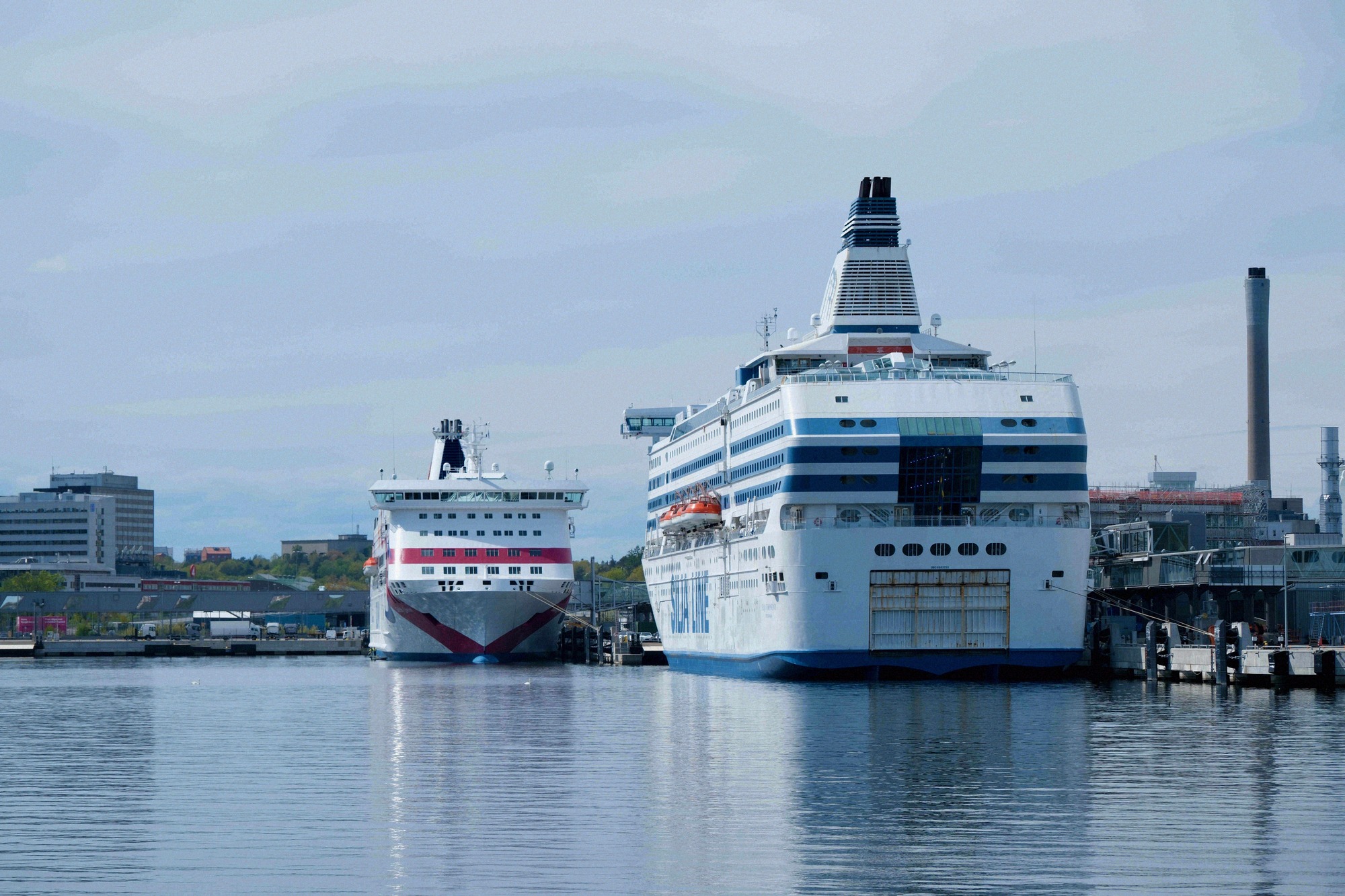
Värtahamnen lies in the north-east (Hamnpirsvägen 10, 115 74 Stockholm) and belongs to Tallink Silja Line. This is where the Silja Serenade and Silja Symphony arrive from Helsinki, the Baltic Queen from Tallinn and the Baltic Princess from Turku. The roof and facade are currently being renovated, though inside everything runs as usual; check-in and ticket sales are staffed daily from 05:45 to 17:30. Luggage lockers on the first floor cost 60 to 90 SEK depending on size and duration.
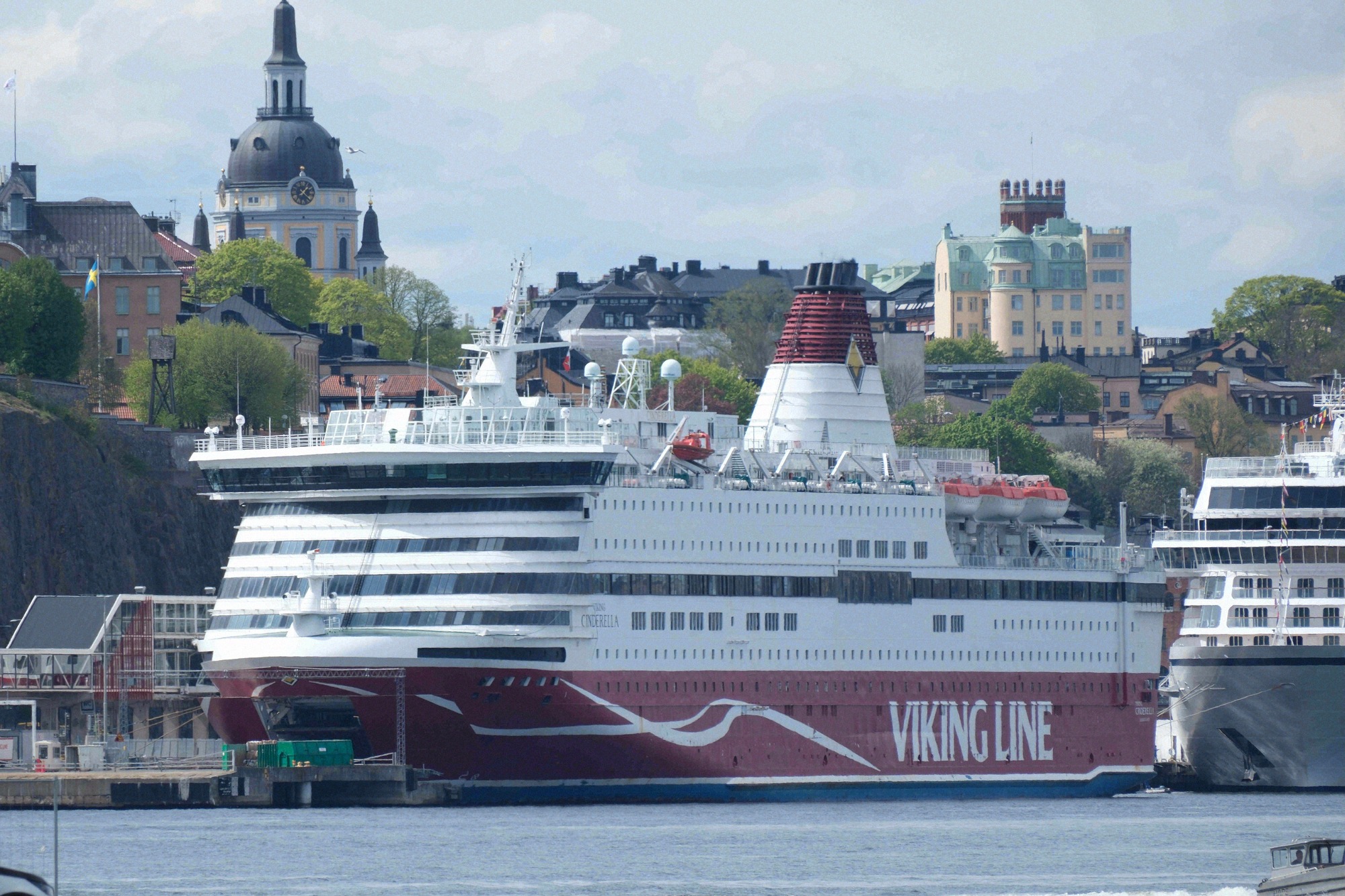
Stadsgården on Södermalm is the Viking terminal (Stadsgården, Tegelvikshamn, 116 30 Stockholm). Ships from Helsinki, Turku and Mariehamn dock here. The terminal opens at least two hours before a departure, and vehicle check-in is not at the building itself but 700 metres away, near Fotografiska.
From the terminal into the centre
Both terminals are on the public transport network, but the route differs sharply.
From Värtahamnen, Gärdet metro station is within walking distance and signposted from the terminal; from there the red line runs into town, and in the other direction the destination reads Ropsten. SL bus 76 also connects the harbour with the city centre. On top of that, Tallink Silja Line runs its own shuttle buses to Cityterminalen and Djurgården, and seasonally to the Mall of Scandinavia; they take 20 to 30 minutes depending on the destination and traffic. At Cityterminalen the departure bay changes daily, so check the display boards.
From Stadsgården, buses run between the Londonviadukten stop and Slussen metro station, with additional bus and boat connections timed around ship arrivals and departures, plus a taxi rank outside the terminal. For getting around the city after that, see the guide Getting around Stockholm; if you are flying on, see From the airport to the city centre.
When arriving by sea is worth it
The ferry is not the cheap way to Stockholm, it is the way that suits a particular kind of trip.
- With your own car or motorhome it is the obvious choice. The vehicle travels with you, and the overnight crossing replaces a hotel night.
- For a long weekend the numbers do not work. The crossing plus the remaining leg costs about a day and a half in each direction.
- With a dog or cat the ship is usually simpler than flying. Both Baltic operators carry animals on every route, in a travel carrier, a kennel or a pet-friendly cabin.
- Coming from Finland, Estonia or Åland you dock in the middle of the city, closer to the centre than any airport transfer can manage.