
Stockholm in 1 Day
The route for first-time visitors
Overview
Plan your Stockholm trip step by step, best time to visit, getting there and where to stay, SL tickets and the pass question, plus all our guides and ready-made routes for 1 to 3 days.
Once the framework is in place, it comes down to the daily plan. These pages do the sorting for you.
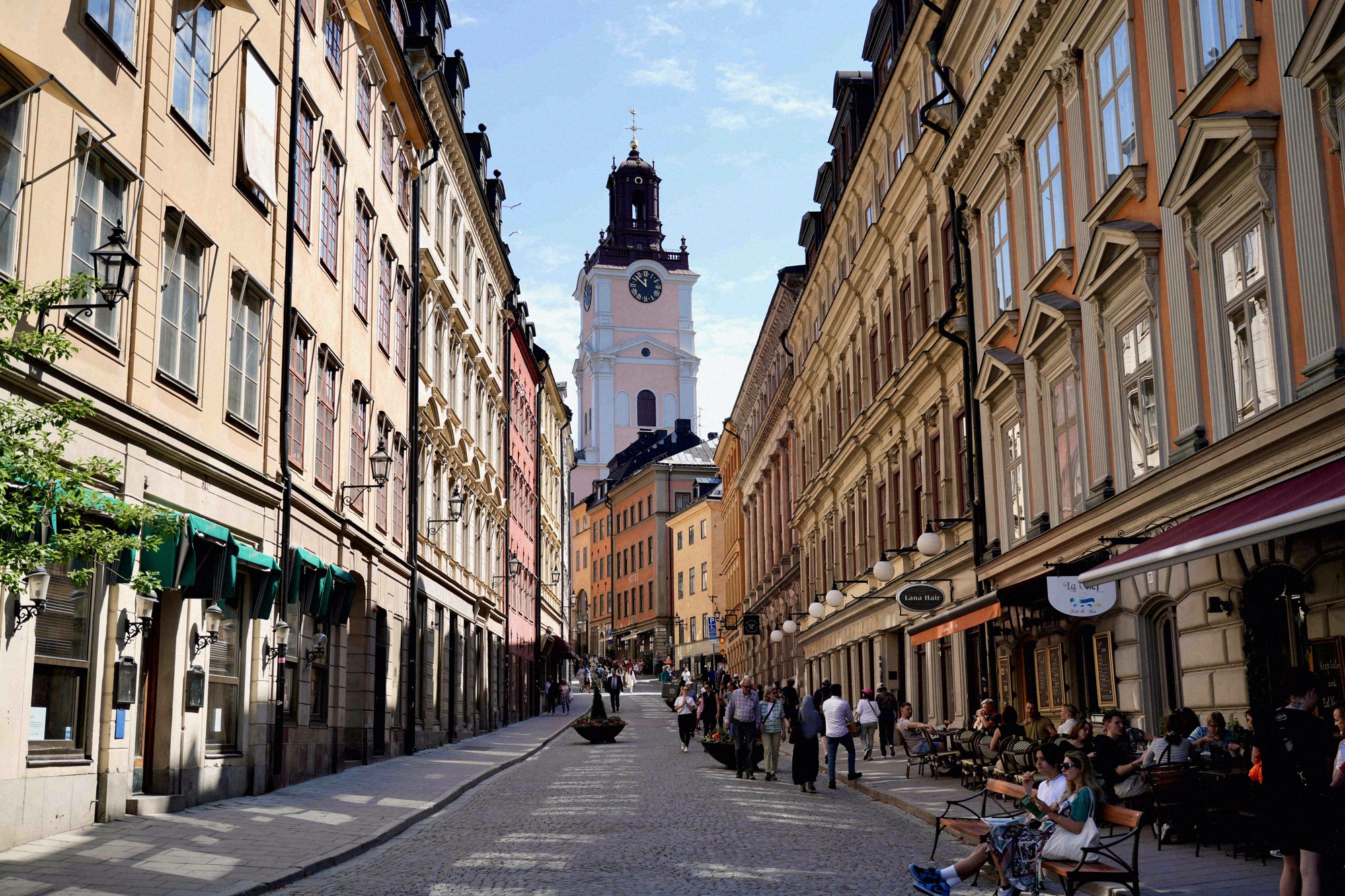
The route for first-time visitors
The long-weekend route
A relaxed itinerary
The decisions before you travel and the practicalities on the ground, each covered in depth in its own guide.
Weather, climate and daylight month by month
What's actually worth it
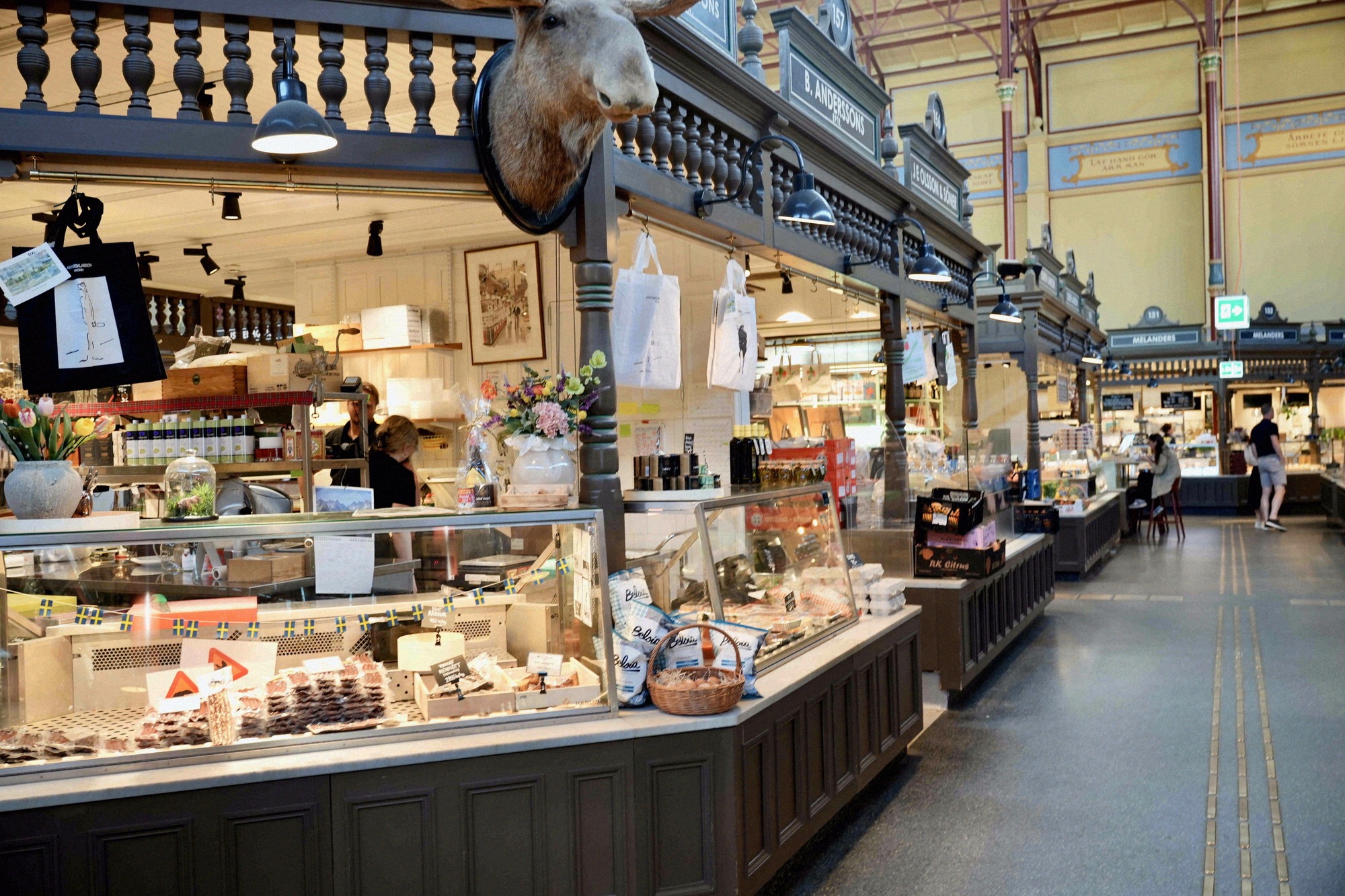
Köttbullar, fika & archipelago fish
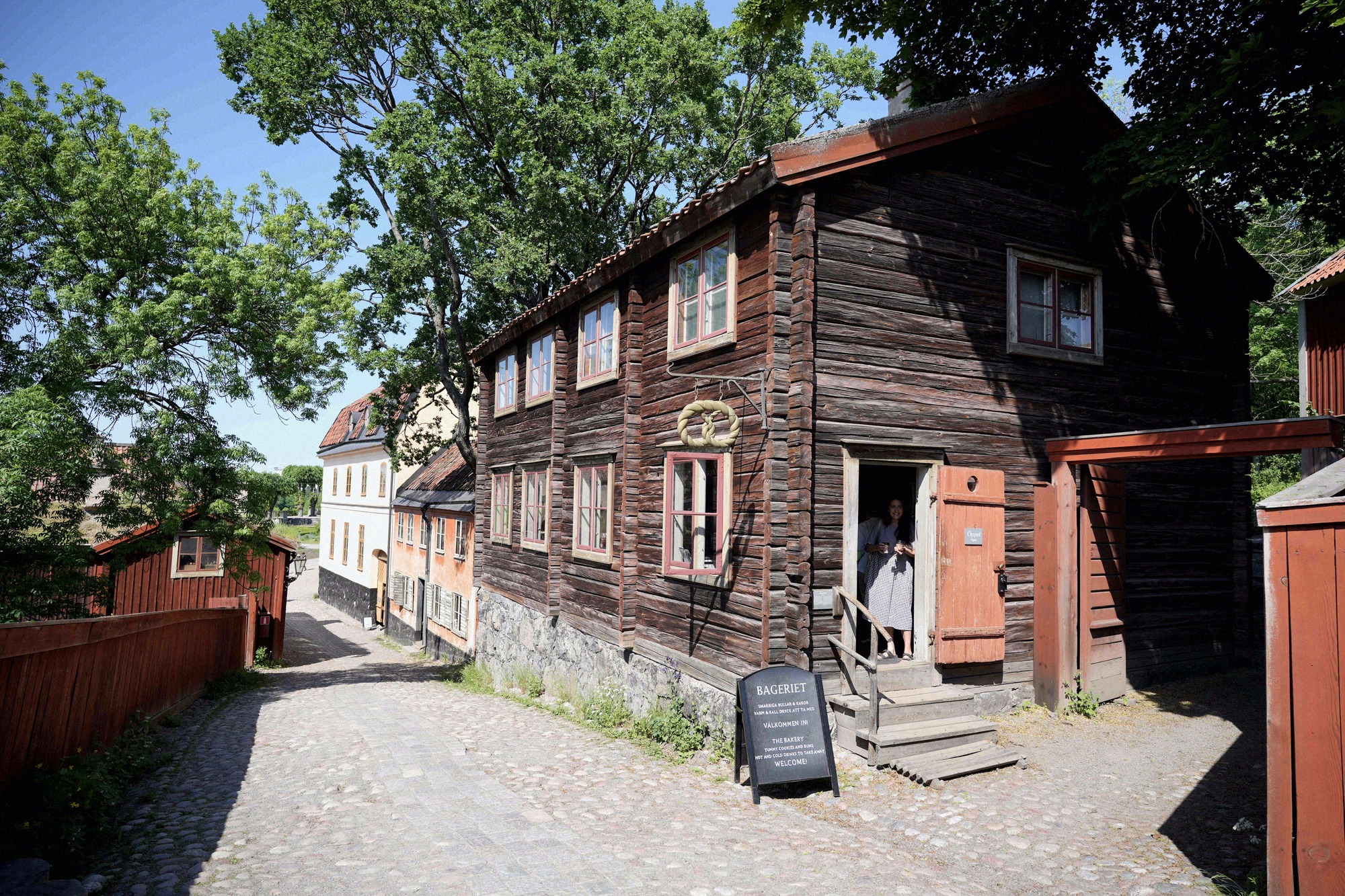
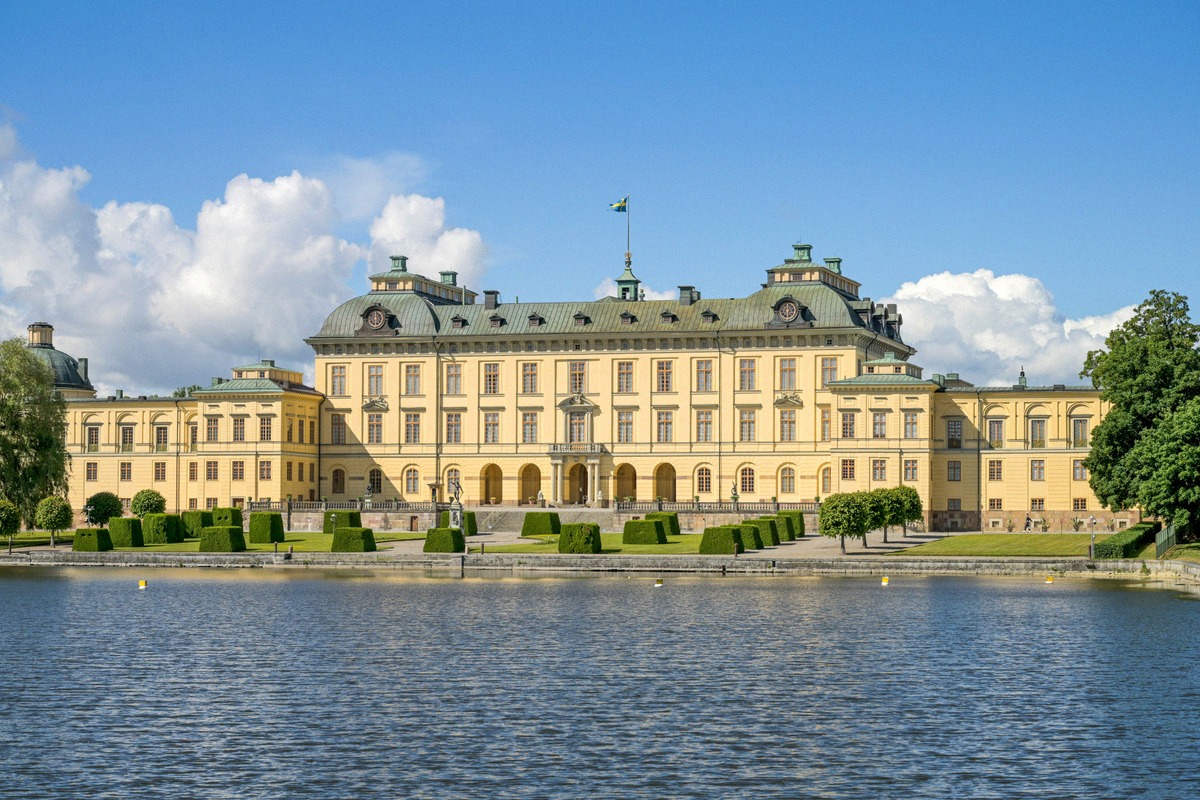
Drottningholm, Uppsala & the archipelago
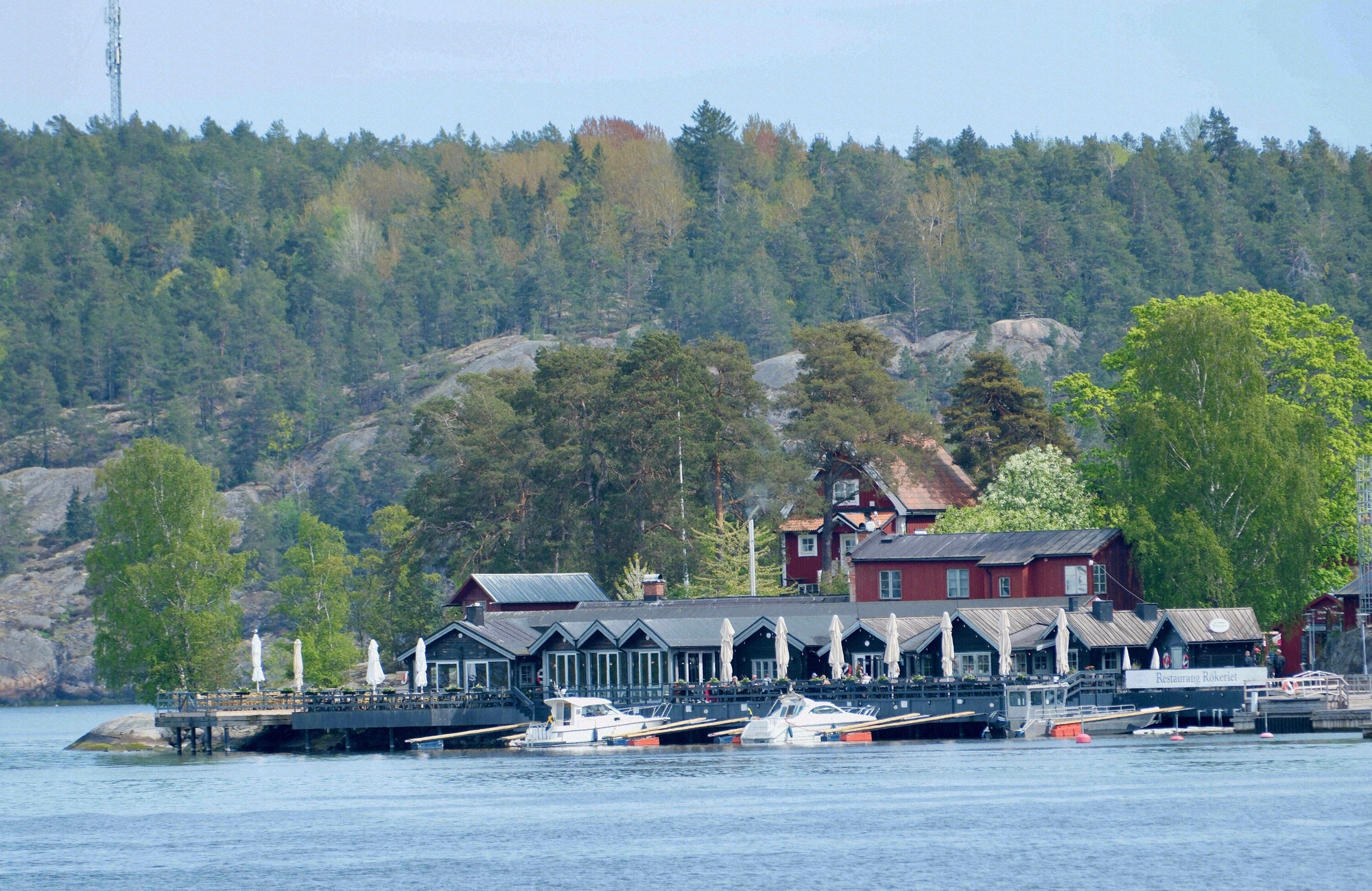
Islands off the city with Vaxholm & Sandhamn
Stockholm spreads across fourteen islands between Lake Mälaren and the Baltic Sea, which makes the city beautiful and the planning worthwhile. This page brings together the decisions you'll make before the trip and points you to the right guide for the details. If you would rather get straight to it, pick one of the ready-made day routes above. All prices are given in Swedish kronor (SEK).
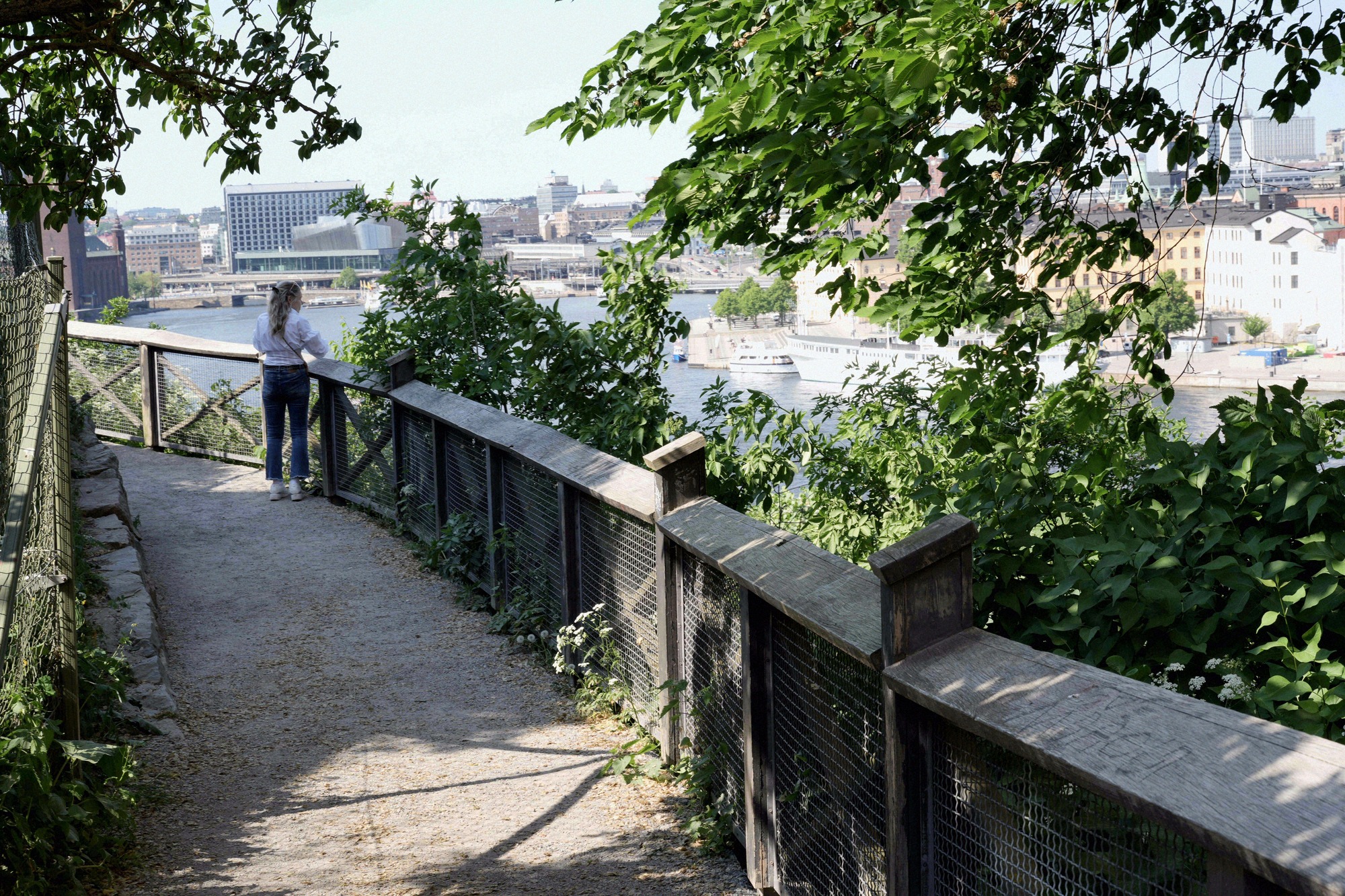
First, the question of timing - May to September brings long, bright days, but also more crowds and higher prices. Archipelago boats deserve a closer look - Waxholmsbolaget runs year-round from Strömkajen, but the densest summer timetable only applies roughly from Midsummer to mid-August; services thin out in May and September, and in the shoulder months (April, late September) it's worth checking the timetable in advance. The guide to the best time to visit covers what suits when.
For getting there, you're choosing between flying, taking the train or arriving by ferry. The getting there guide gives the overview; if you're flying in, the guide from Arlanda Airport to the city centre compares your options from the Arlanda Express to the coach, and if you're coming across the Baltic, check the ferry connections.
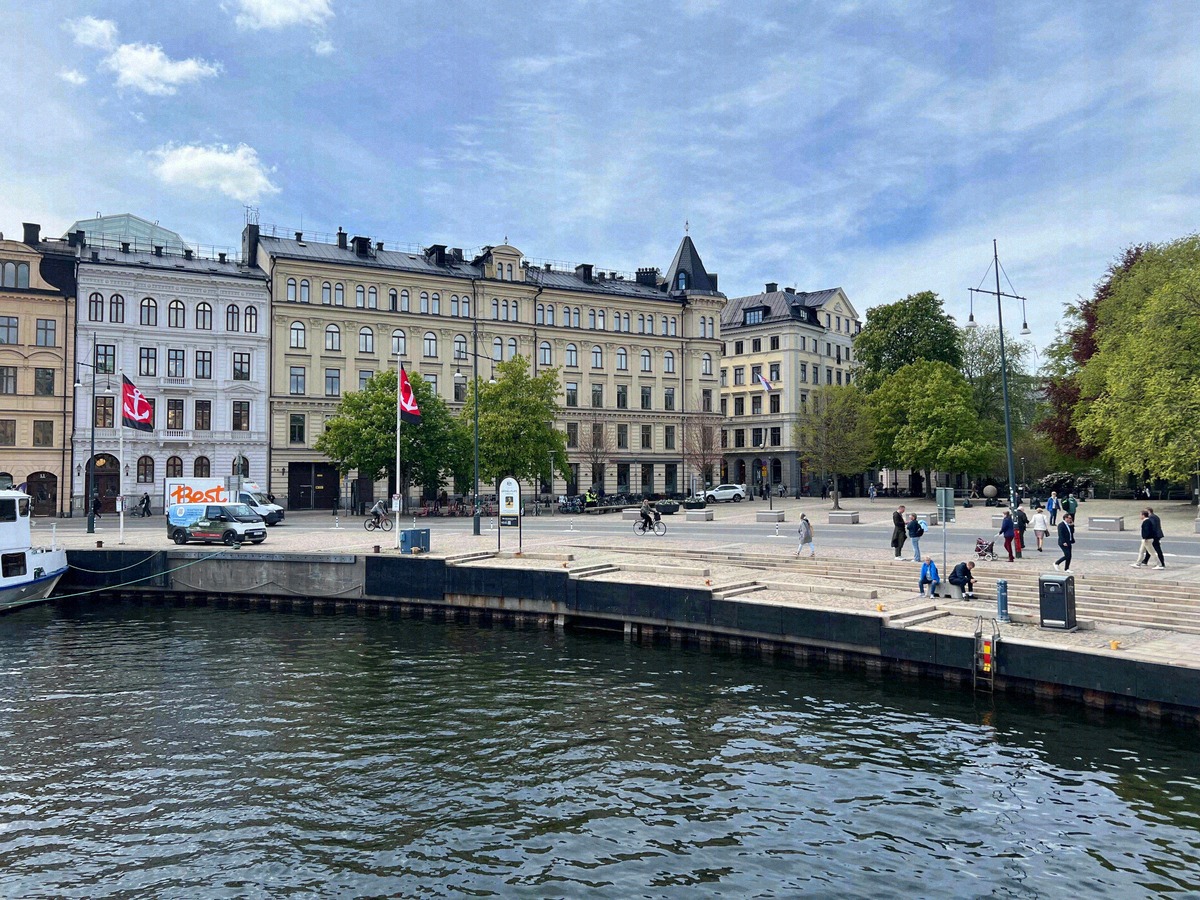
That leaves where to stay. Which neighbourhood suits which kind of trip is covered in where to stay in Stockholm; specific properties are covered in our pick of the best hotels. For an overview of the city districts themselves, see the guide to Stockholm's neighbourhoods.
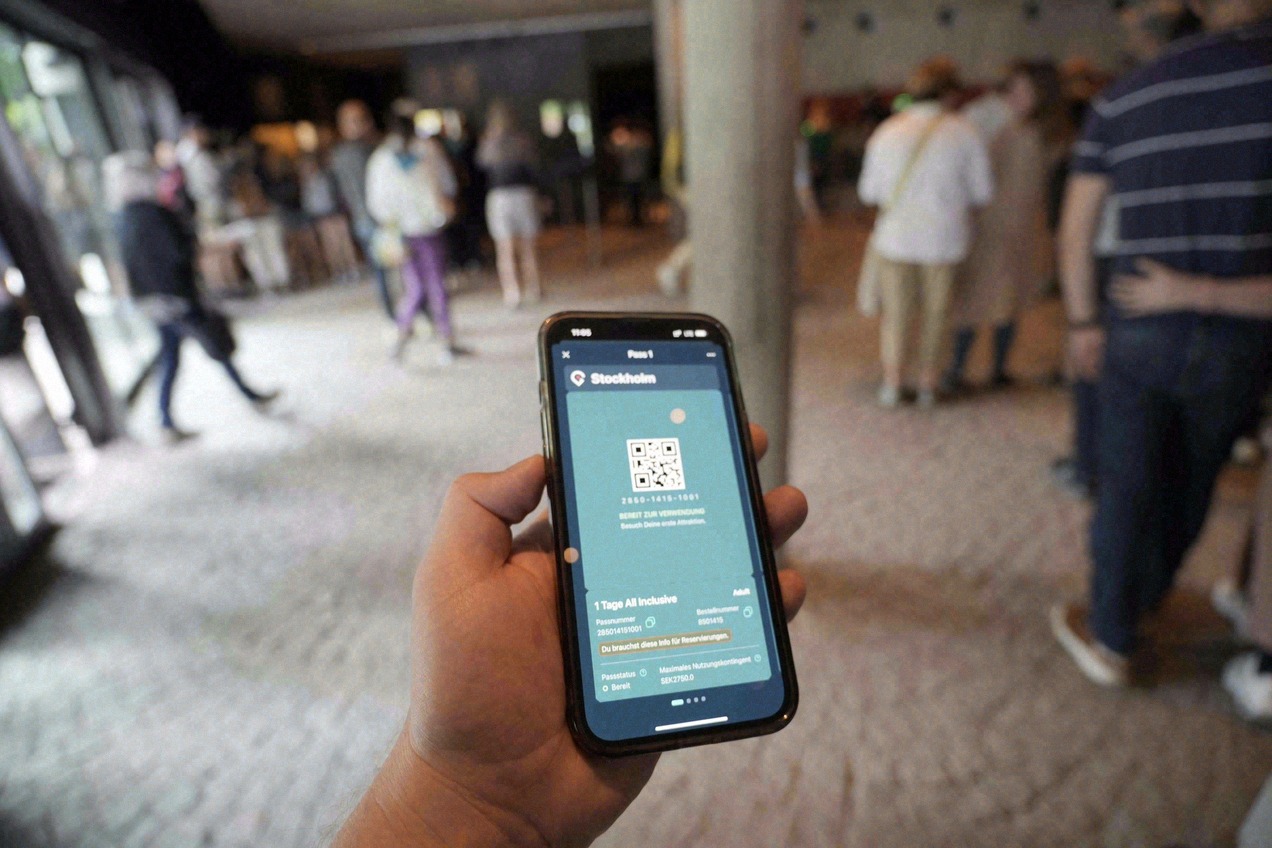
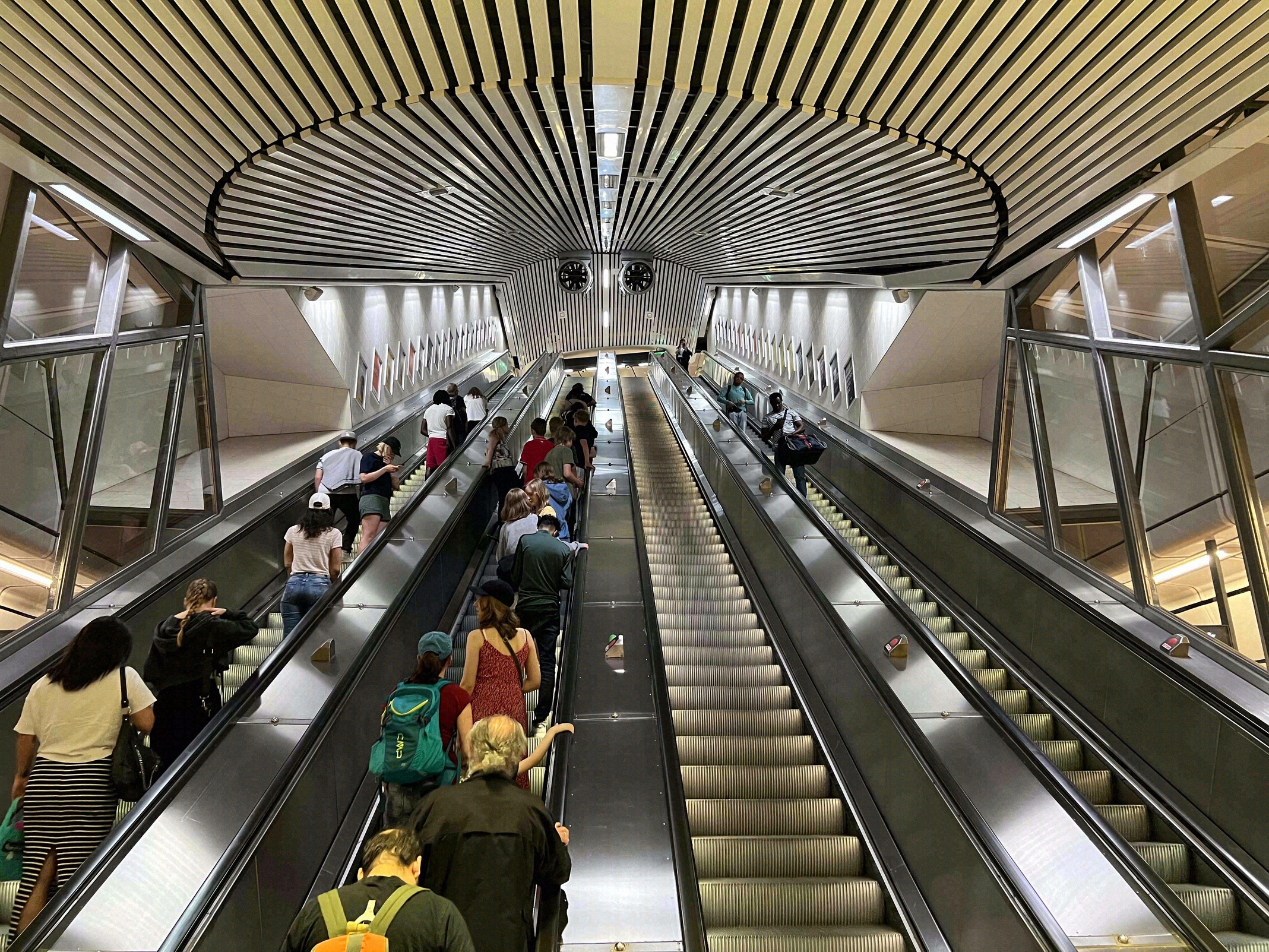
For getting around the city, the SL card is almost always the right call, it covers the metro (Tunnelbana), buses, commuter trains and the ferry to Djurgården. A single ticket (75 minutes) costs 43 SEK, and the 24-hour card is around 180 SEK; how the fare system works is explained in the public transport guide. Worth a trip in its own right is the tunnelbana art, the world's longest art exhibition. Separate from that is the admissions question, the Go City Stockholm Pass costs 949 SEK a day and covers around 68 attractions plus hop-on-hop-off buses, but no SL ticket.
Two worked examples show why it's worth doing the sums. A Djurgården day in summer with the Vasa Museum (240 SEK), Skansen (around 305 SEK in peak season) and Gröna Lund including its "Ticket to Ride" (495 SEK) costs around 1,040 SEK separately, so the day pass wins there. An old town day with the Royal Palace (240 SEK), the Nobel Prize Museum (160 SEK) and Fotografiska (195 SEK) comes to around 595 SEK and stays well below the pass. All the individual prices, the multi-day tiers and the comparison with single tickets are in the guide Stockholm Pass & SL tickets. Rule of thumb, the SL card plus a few well-timed free museum slots is the budget route, the pass is the see-everything route.
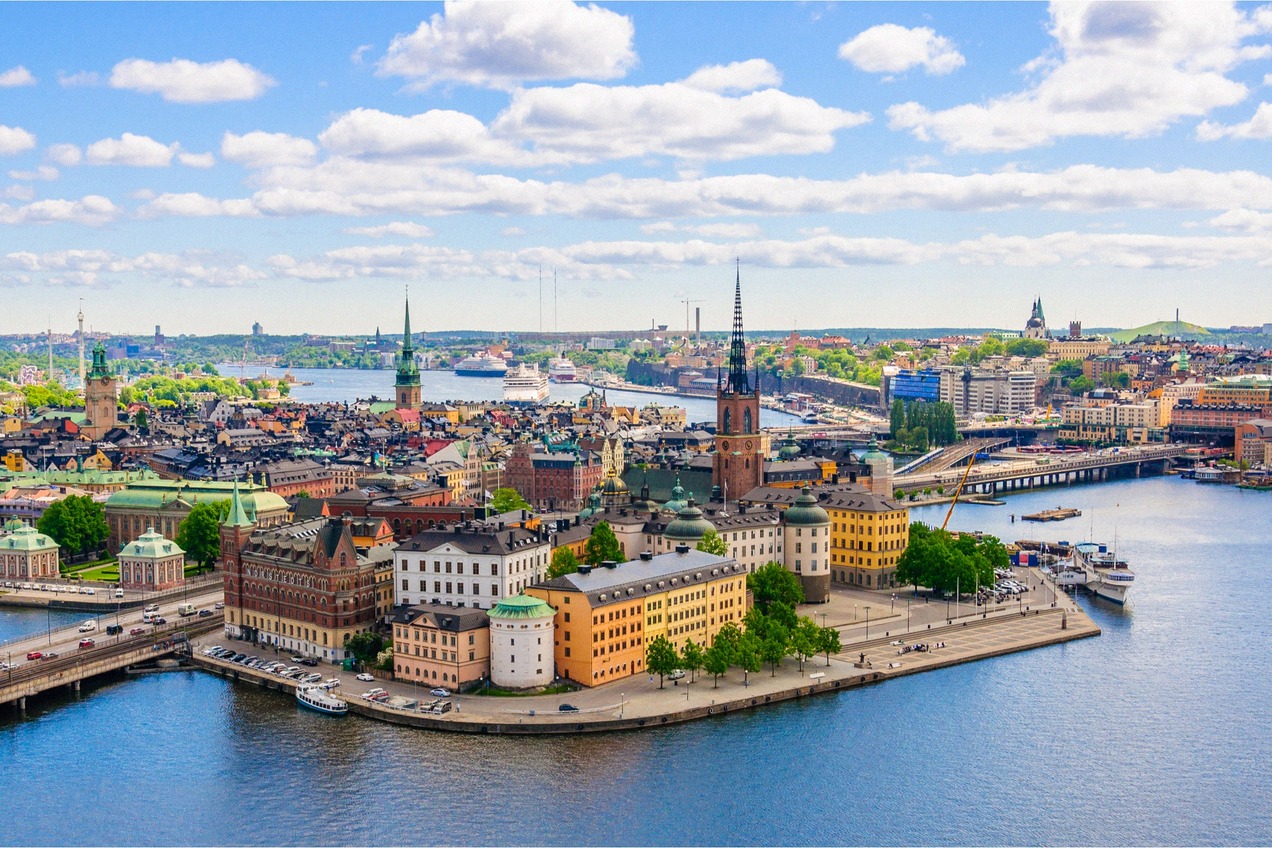
Once the framework is set, it's time to choose what to see. Start with the attractions overview, with prices, free tips and a focus on Gamla Stan and Djurgården. Sorted by theme, you'll find the museums centred on the Vasa Museum, the churches of the old town and the royal palaces. Off the coast lie the Stockholm Archipelago islands, the biggest day trip destination in the region.
Stockholm isn't cheap, but it's manageable with a plan. The rule of thumb is to take the free experiences first, then pay selectively for the must-sees. Free attractions include the Stockholm City Museum, the Moderna Museet collection, four of the six city-centre churches, plus the palace parks at Drottningholm and Ulriksdal and the changing of the guard at the Royal Palace.
Several major museums have fixed free-entry windows: Nationalmuseum on Thursdays 17:00-20:00, Moderna Museet on Fridays 18:00-20:00 (not from mid-June to mid-August), Liljevalchs konsthall all day on Mondays and the Jewish Museum on Saturdays 11:00-12:00. Cheaper rather than free are the discount slots at the Swedish History Museum (daily 16:00-17:00 at half price, 90 SEK) and the Army Museum (Tuesday evenings, 70 SEK). The main costs are the Vasa Museum (195 SEK, 240 SEK May to September) and the Royal Palace (220 or 240 SEK).
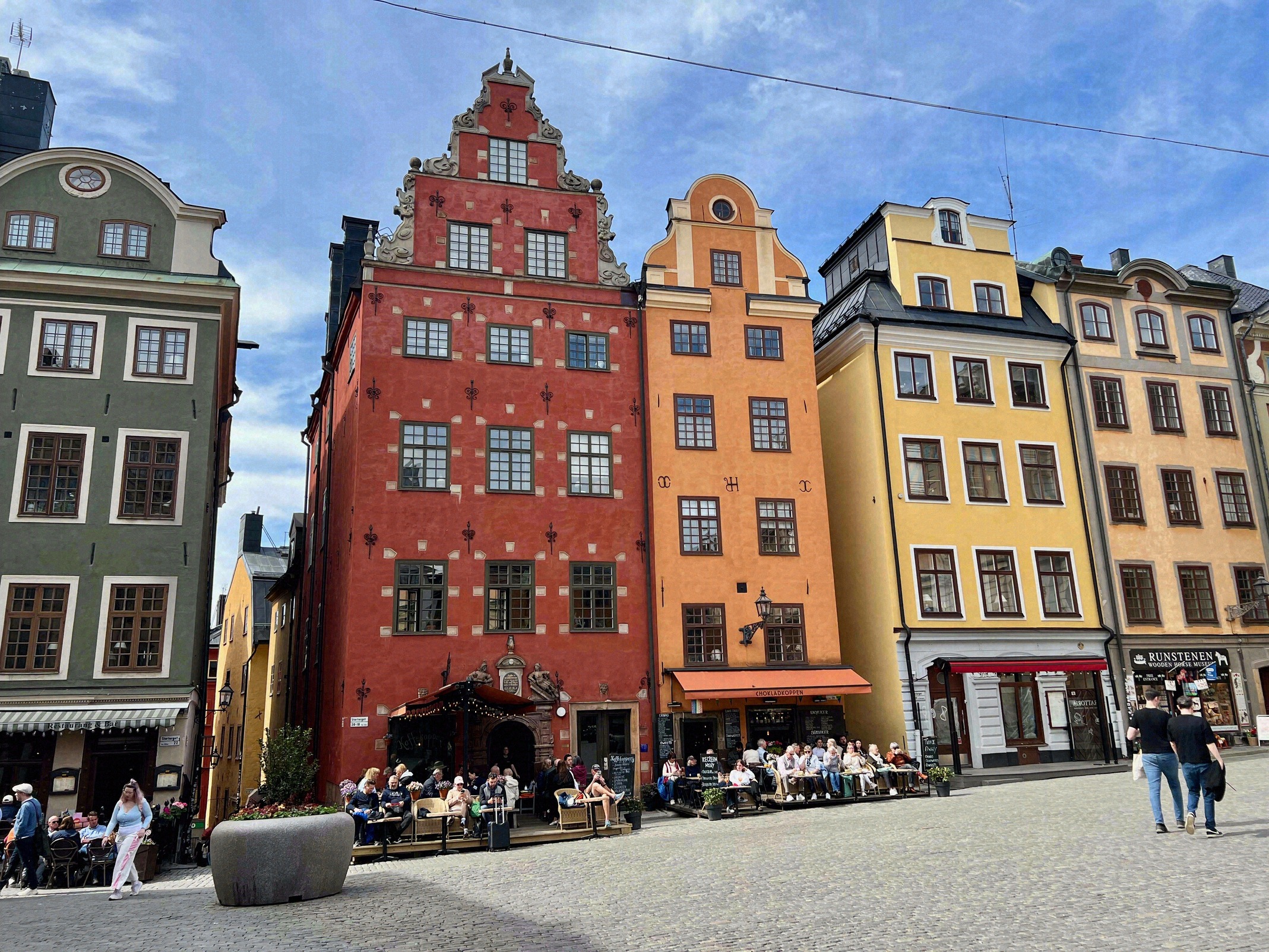
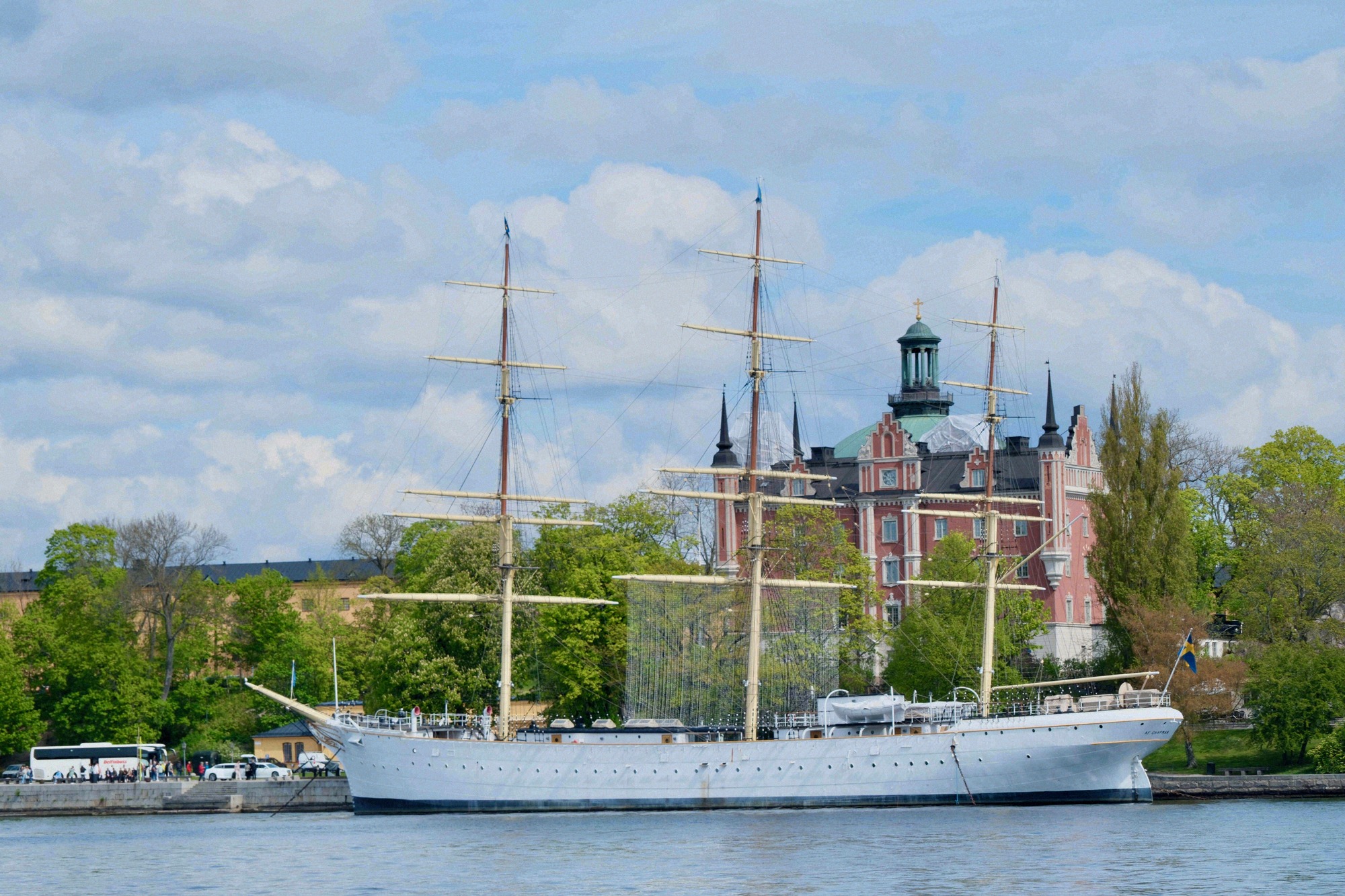
Once you have the framework in place, a ready-made route helps. For a short visit there's Stockholm in 1 day, for a weekend Stockholm in 2 days, and for a relaxed stay Stockholm in 3 days; to see what lies where, use the map of Stockholm. Travelling with family? The guide Stockholm with kids has the right building blocks, and for a free day, the day trips to Drottningholm, Uppsala or the archipelago are worth it. For where to eat like a local, see the guide to food and drink.