Getting There & Around
Overview
Flight, train, ferry or car, every route to Stockholm with journey times and 2026 prices, plus airport transfer, public transport and the city congestion tax once you're there.
Arlanda Express, bus, commuter train and taxi compared
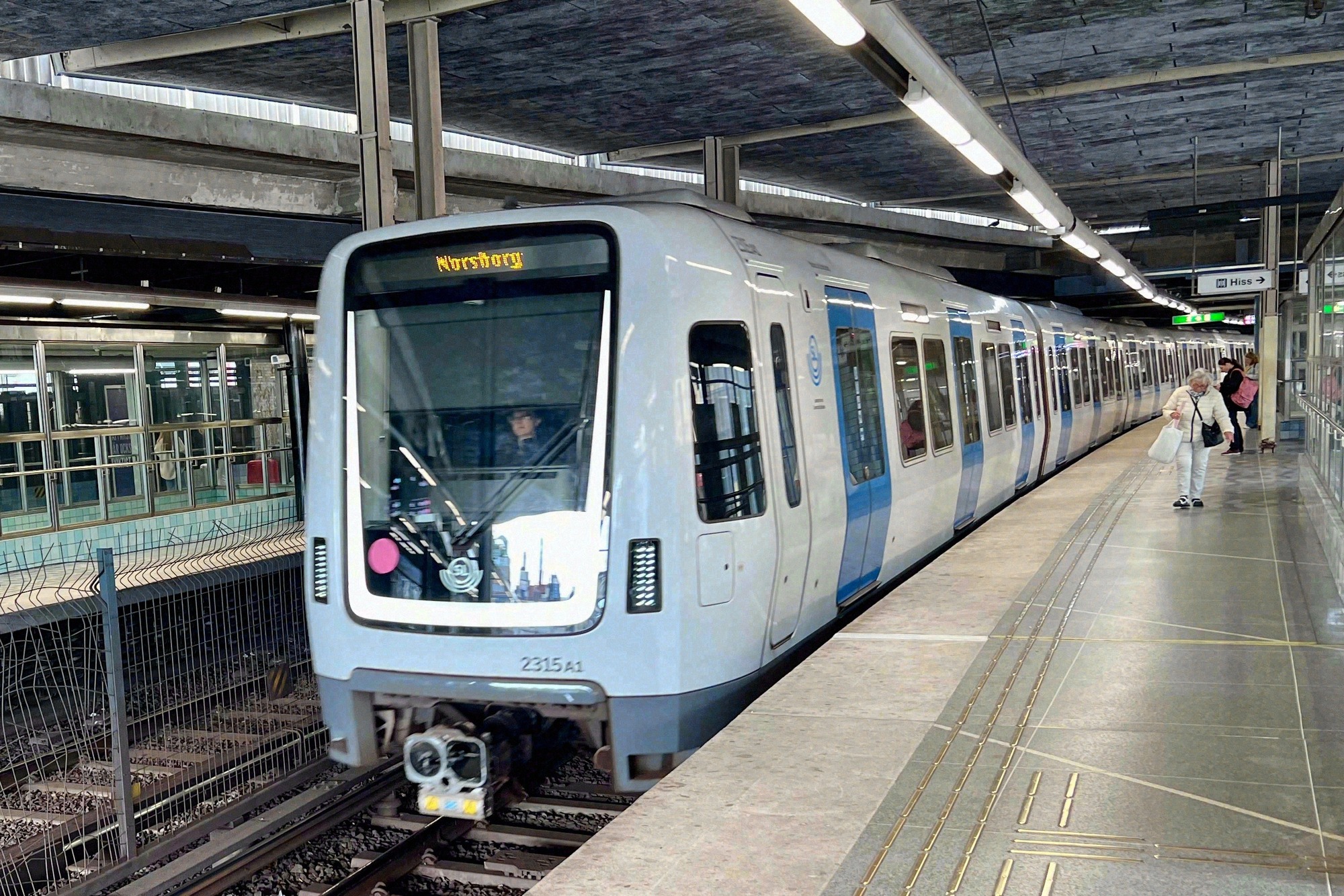
Stockholm sits on Sweden's east coast, around 800 kilometres by air from northern Germany. From continental Europe, the city is quickest to reach by air, though it can also be reached more sustainably by train and night train, or by car combined with a Baltic ferry. The guides in this section cover the whole journey, from the transfer from Arlanda Airport and arriving by ferry to the Baltic ferries out of Stockholm and getting around once you're there.
Which route makes sense depends mainly on your starting point, how much time you have and your budget, here are the main options from Germany, Austria and Switzerland (2026 prices as a guide):
| Route | Journey time | Price (guide) | Season |
|---|---|---|---|
| Flight to Arlanda + Arlanda Express | approx. 2 hrs flight + 18 min transfer | flight price varies, Express 340 SEK one way | year-round |
| Snälltåget night train from Berlin | approx. 14-15 hrs | seat from 499 SEK, private compartment from 1,999 SEK (2 people) | seasonal, spring to early January |
| EuroNight from Berlin/Hamburg | overnight | depends on class | daily until end of August 2026, then RDC with fewer days |
| Stena Line Kiel-Gothenburg + train/car | approx. 14 hrs ferry + 3-5 hrs | from €181.10 for car, driver and cabin | year-round |
| Driving via the Öresund Bridge | approx. 12-14 hrs from Hamburg | bridge toll, fuel, possibly congestion tax | year-round |
The main airport is Stockholm-Arlanda (ARN), around 40 kilometres north of the city. Direct flights from Germany run from Berlin, Frankfurt, Munich, Hamburg, Düsseldorf and Cologne/Bonn among others; from Austria, Austrian Airlines and Ryanair fly from Vienna, and from Switzerland SWISS and SAS fly from Zurich and Geneva. The network is denser in summer, but prices are higher too, booking early pays off especially for the light-summer season.
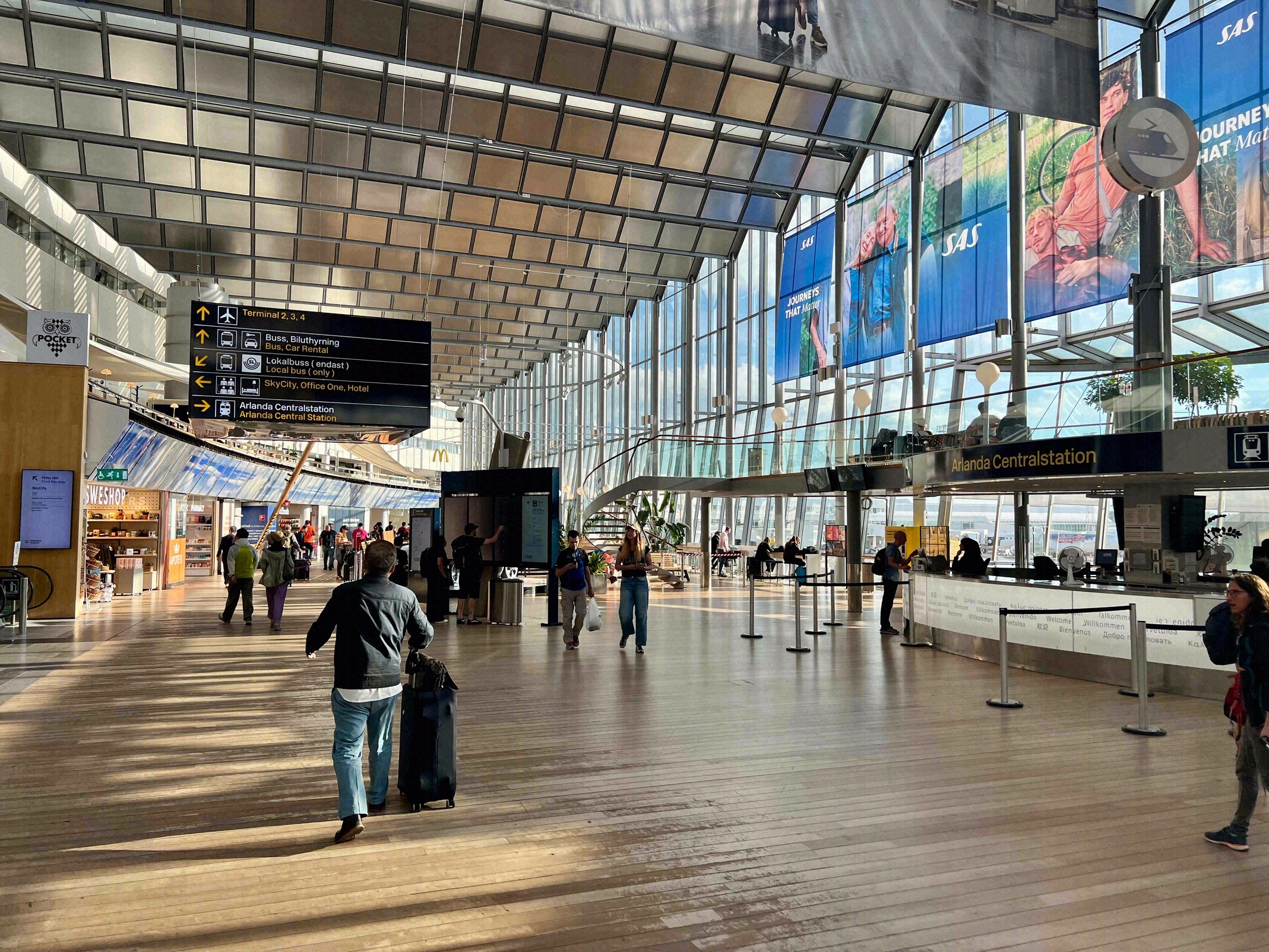
From Arlanda, the fastest way into the centre is the Arlanda Express, non-stop in 18 minutes to Stockholm Central Station, running roughly every 15 minutes for most of the day. Adults (26-64) pay 340 SEK one way and 640 SEK return, young adults (18-25) 160 SEK, and seniors (65+) 210 SEK. Children up to 7 always travel free; children aged 8 to 17 also travel free when accompanied by a paying adult (up to four children per adult). Cheaper alternatives are the Flygbussarna coach (129 SEK, around 40 minutes) and the Pendeltåg commuter train, the guide From Arlanda Airport to the city centre compares all four options, including fixed-rate taxis.
There are also three smaller airports, mainly relevant for budget carriers:
At Skavsta and Västerås, the long coach transfer is part of the deal, it can quickly eat into the appeal of an otherwise cheap flight.
If you'd rather travel sustainably with fewer changes, the train works well from Berlin and northern Germany. The Snälltåget night train runs from Berlin via Hamburg, Copenhagen and Malmö straight through to Stockholm; the journey takes around 14 to 15 hours, departing Berlin in the evening and arriving around midday. It runs seasonally, up to six nights a week from late May to late October, four times a week in November, plus selected dates over Advent and around New Year until early January, then a winter break until after Easter. Seats start at 499 SEK, with a private two-berth compartment from 1,999 SEK.
The EuroNight from Berlin and Hamburg still runs daily until the end of August 2026; Swedish state railway SJ then steps back, but operating partner RDC Deutschland continues running the train from September 2026, likely with fewer weekly departures. Day connections from Munich or Zurich require several changes and make for a long travel day.
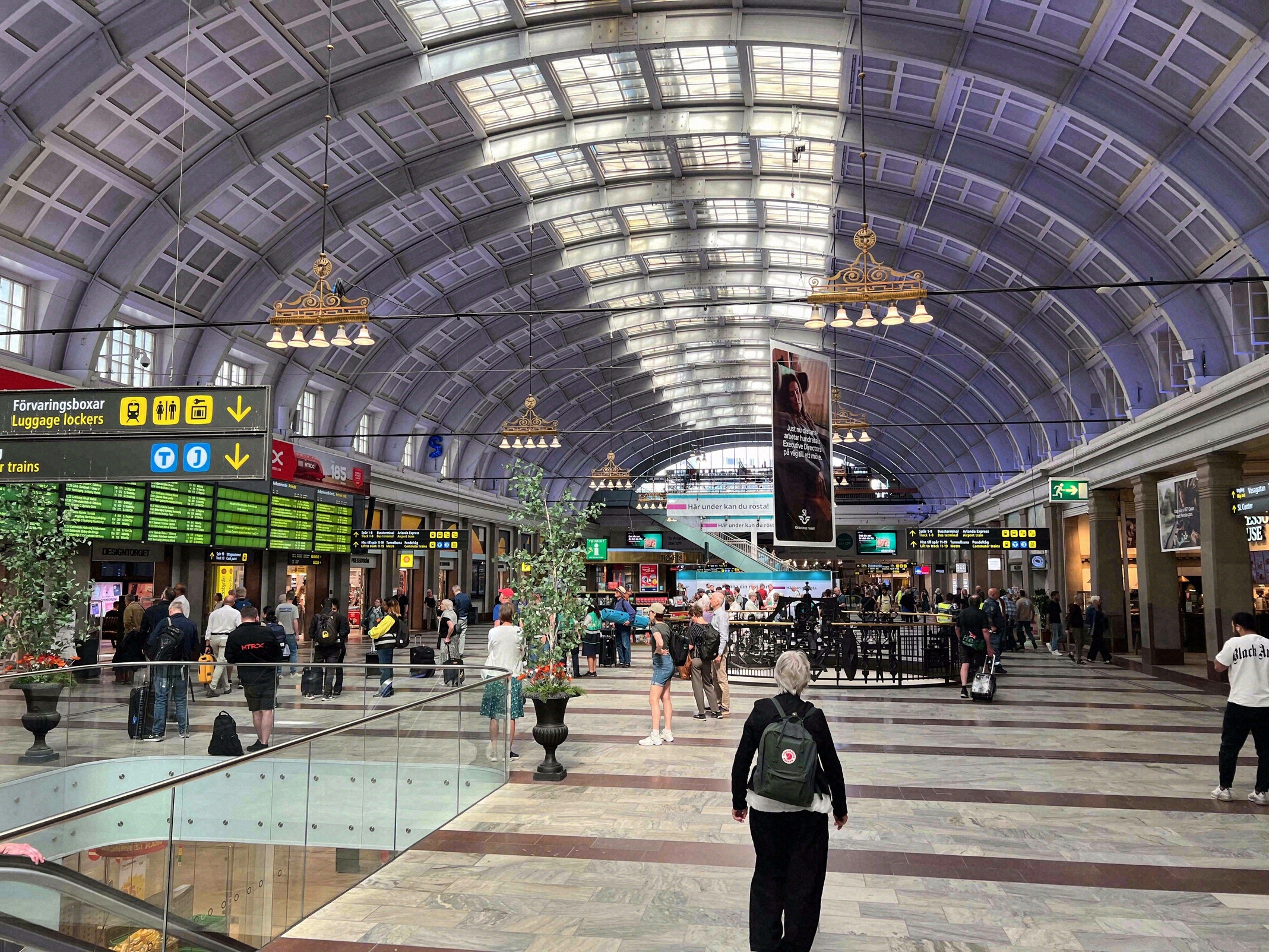
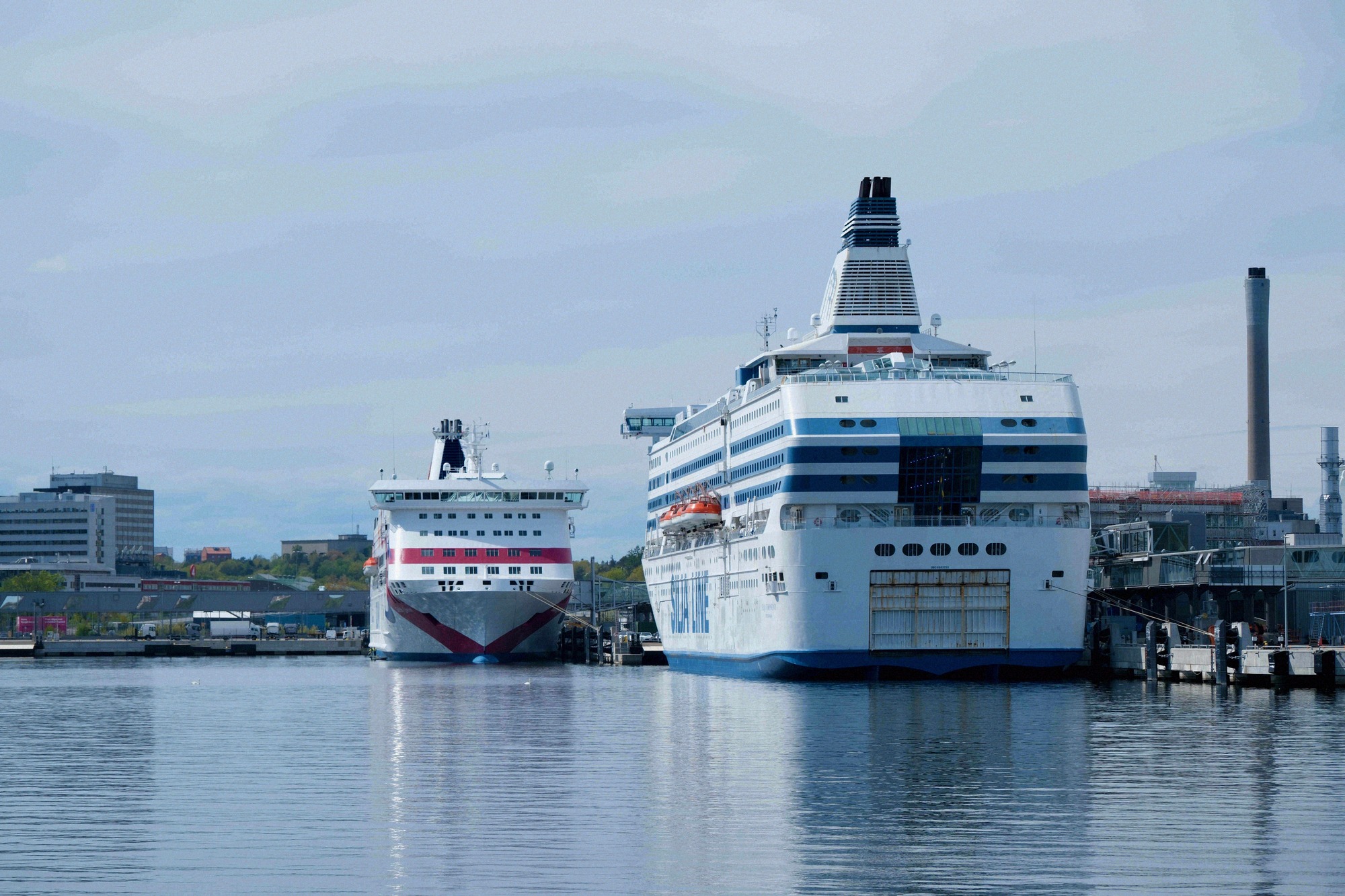
There's no longer a direct ferry from Germany to Stockholm, the former route from Rostock was discontinued in 2023. By sea, you can only reach a port in the south of the country and continue north: shortest via Trelleborg, most comfortable via Gothenburg, because that leaves the least distance to cover afterwards. Which of the four crossings suits which kind of trip, how long they take and where the ships dock is set out in the guide Ferry to Stockholm.
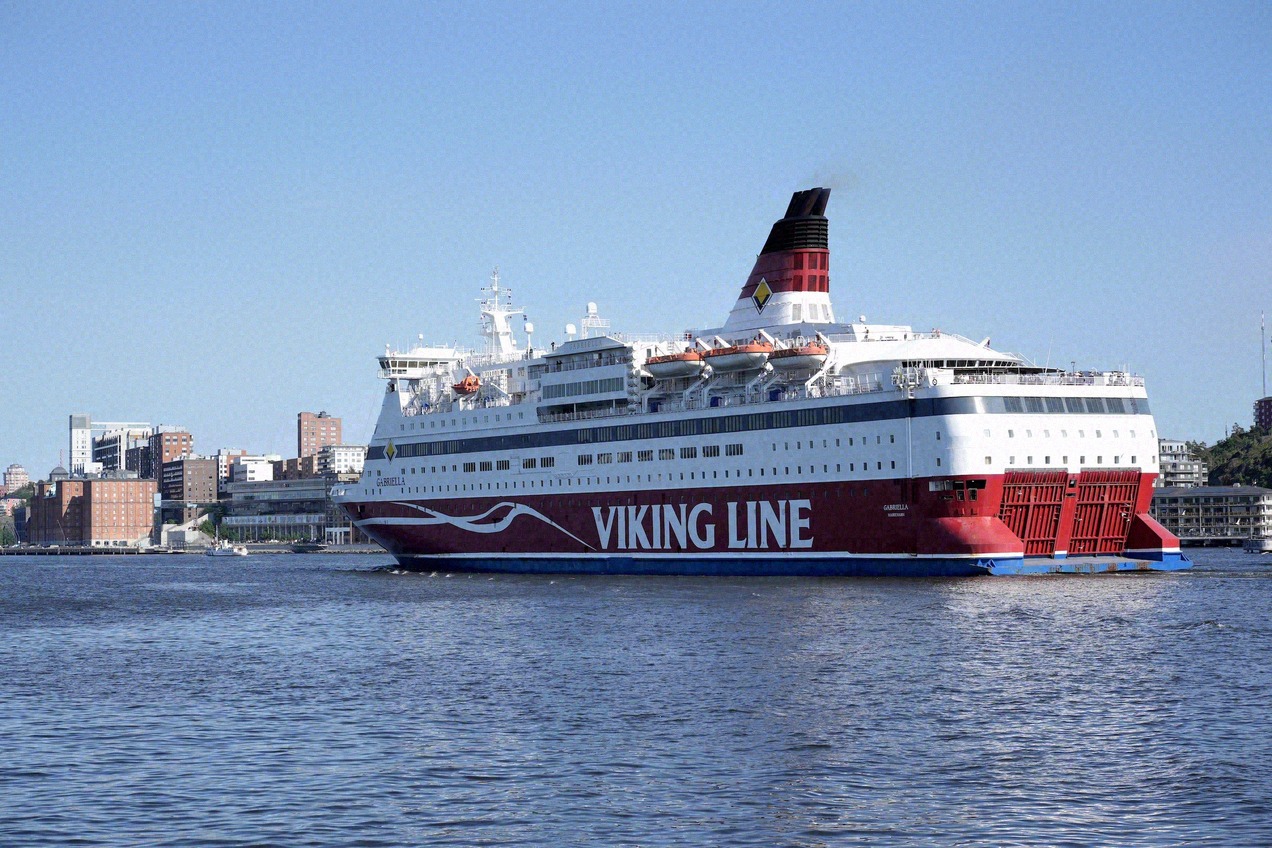
From Stockholm itself, the large Baltic ferries depart for Helsinki, Turku, Tallinn and Åland, with Gotland served from Nynäshamn - routes, timetables and fares are listed under Ferries from Stockholm.
If you're driving your own car, the alternative is via the Öresund Bridge through Denmark, from Hamburg, budget roughly 12 to 14 hours of driving time as a rough guide. On weekdays between 06:00 and 18:29, the city centre congestion tax (Trängselskatt) applies: 11 to 45 SEK per pass depending on time of day and season, with a daily cap of 135 SEK in high season (1 March to the day before Midsummer's Eve, and 15 August to 30 November) and 105 SEK off-peak. No tax applies at weekends, on public holidays or in July (except the first five working days); motorcycles are always exempt. Parking is also pricey, on-street parking in the centre costs around 26 to 50 SEK an hour, car parks 75 to 120 SEK, with a full day running to around 400 SEK.
You won't need a car for the city itself: the SL network of metro (Tunnelbana), buses, commuter trains and ferries reaches every sight, and the compact centre is best explored on foot anyway. Tickets, frequency and the best ferry routes are covered in the guide Public transport in Stockholm. A quick guide to choosing your route: