Vasa
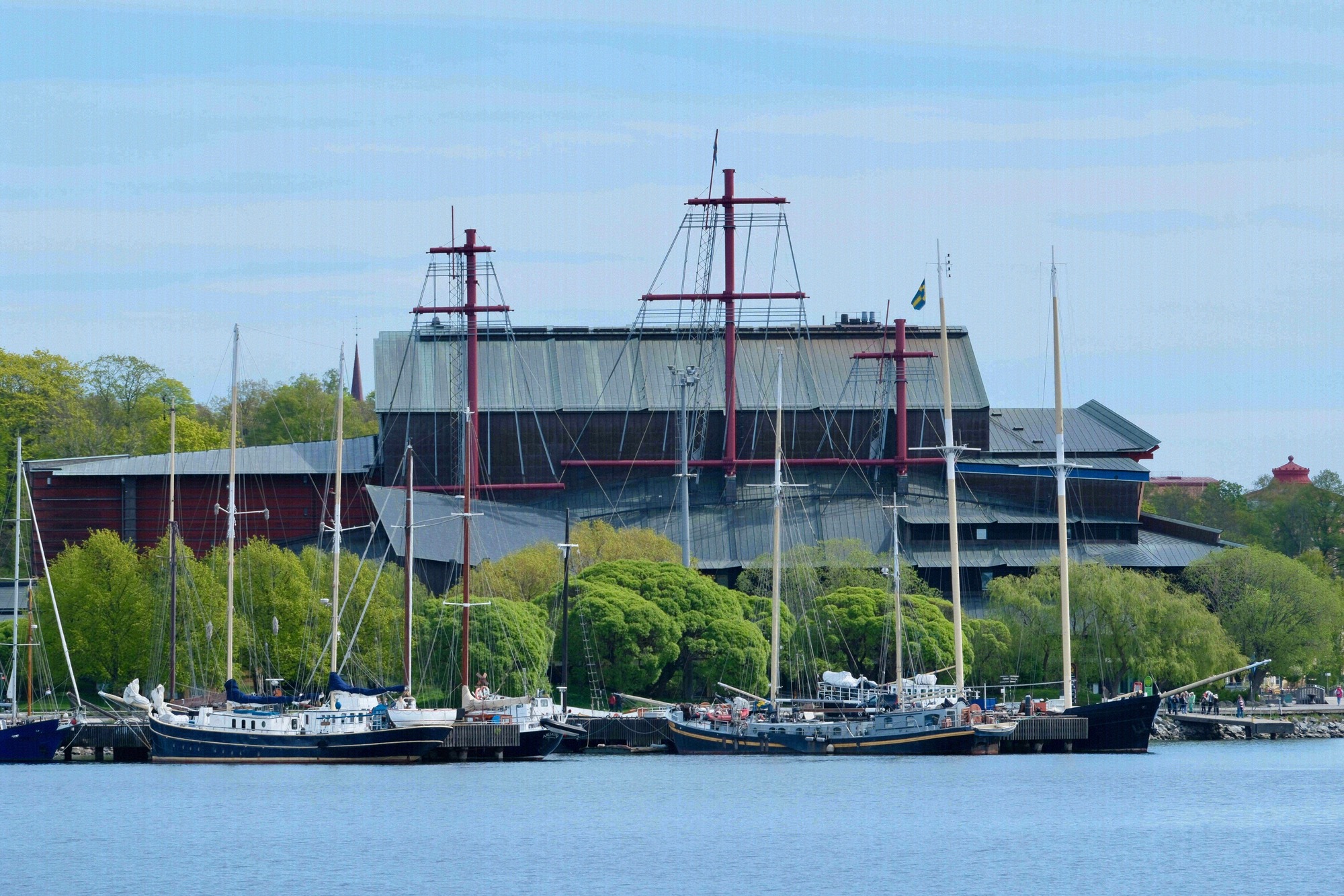
A 1628 warship in a hall of its own
Sweden · Your city guide
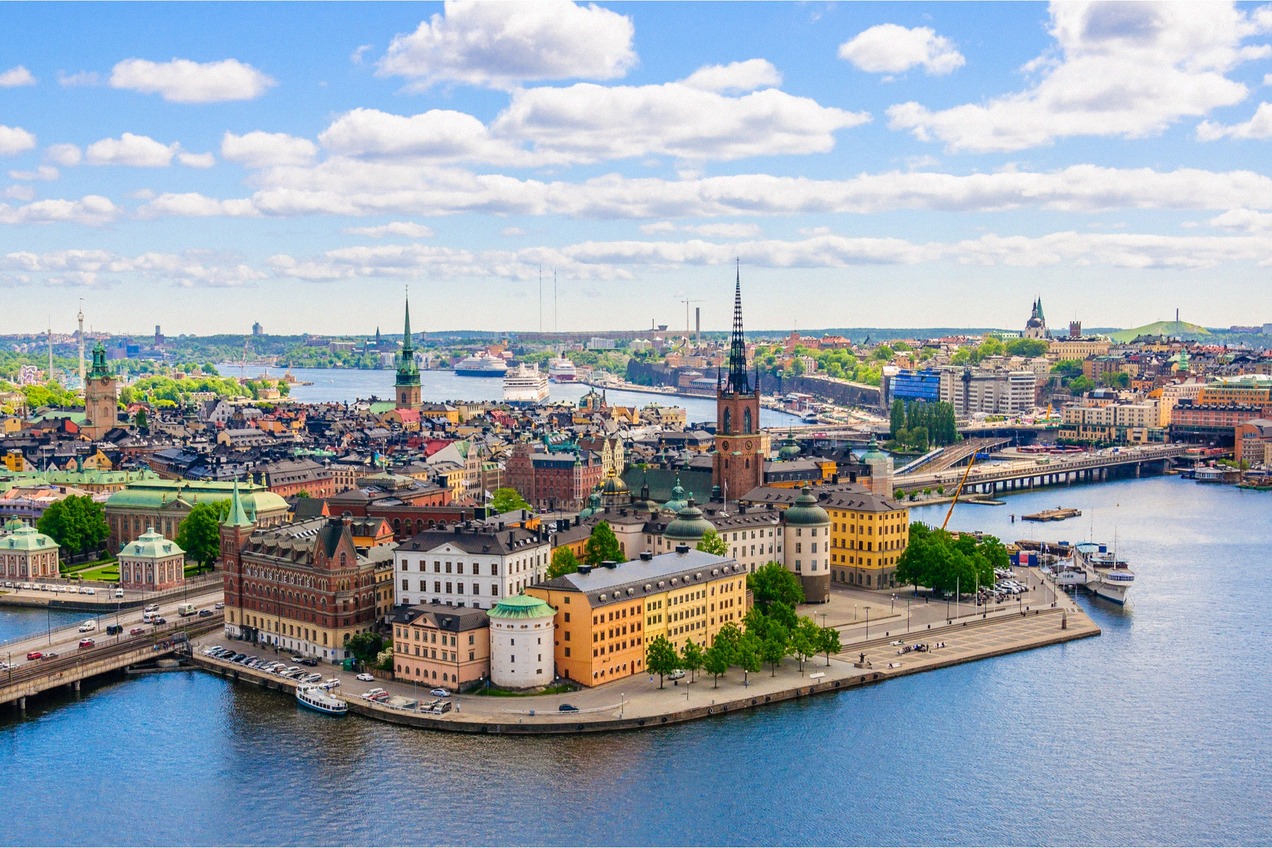
A capital built on islands: medieval lanes in Gamla Stan, the warship Vasa and the Skansen open-air museum on Djurgården, rocky viewpoints on Södermalm and more than 30,000 islands in the archipelago beyond.
The warship from 1628, the changing of the guard at the palace, Stortorget, Stockholm City Hall, where the Nobel banquet is held, Skansen from 1891 and the islands beyond the city.
A 1628 warship in a hall of its own
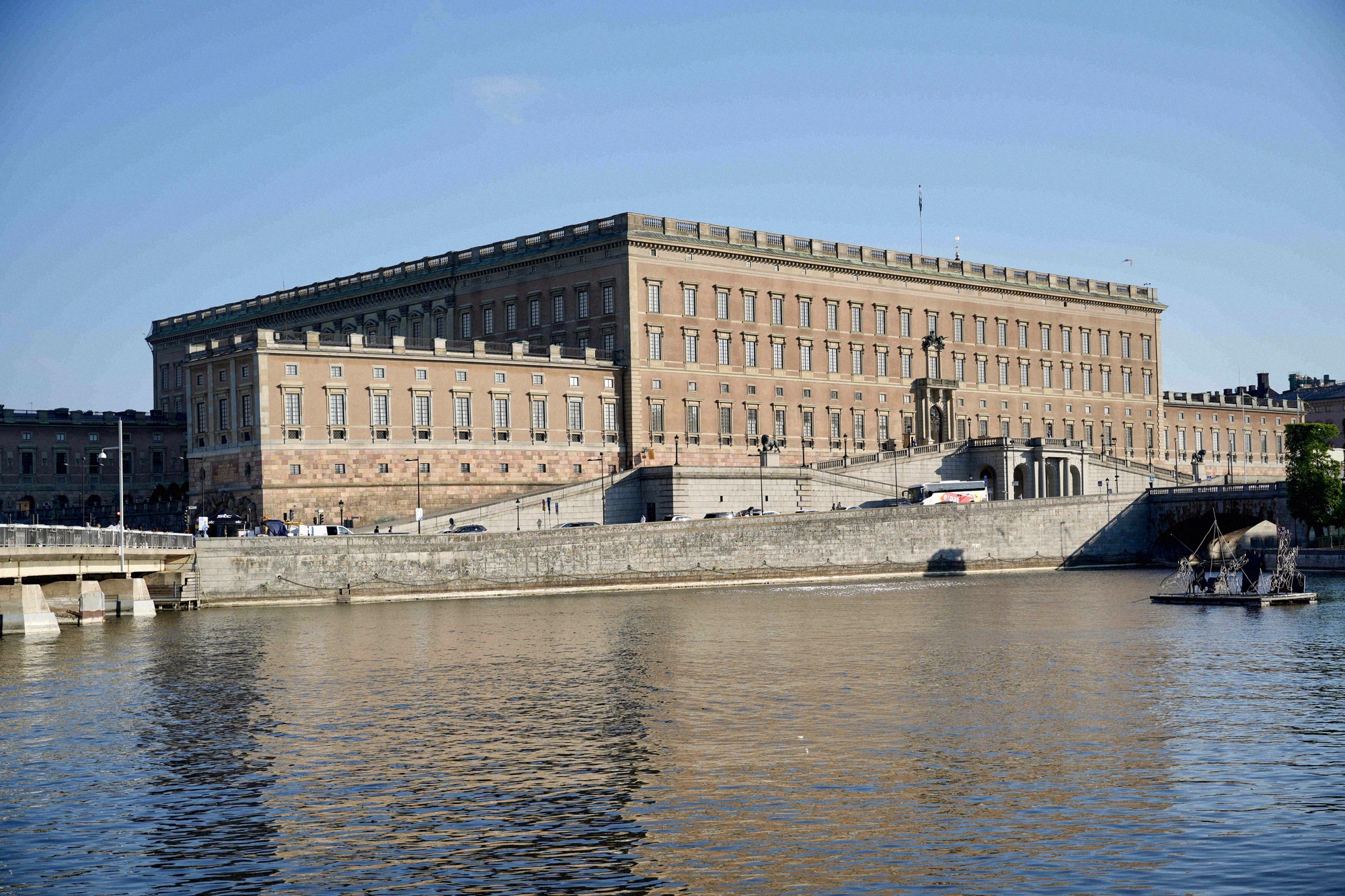
Baroque city palace with the crown jewels and the Changing of the Guard
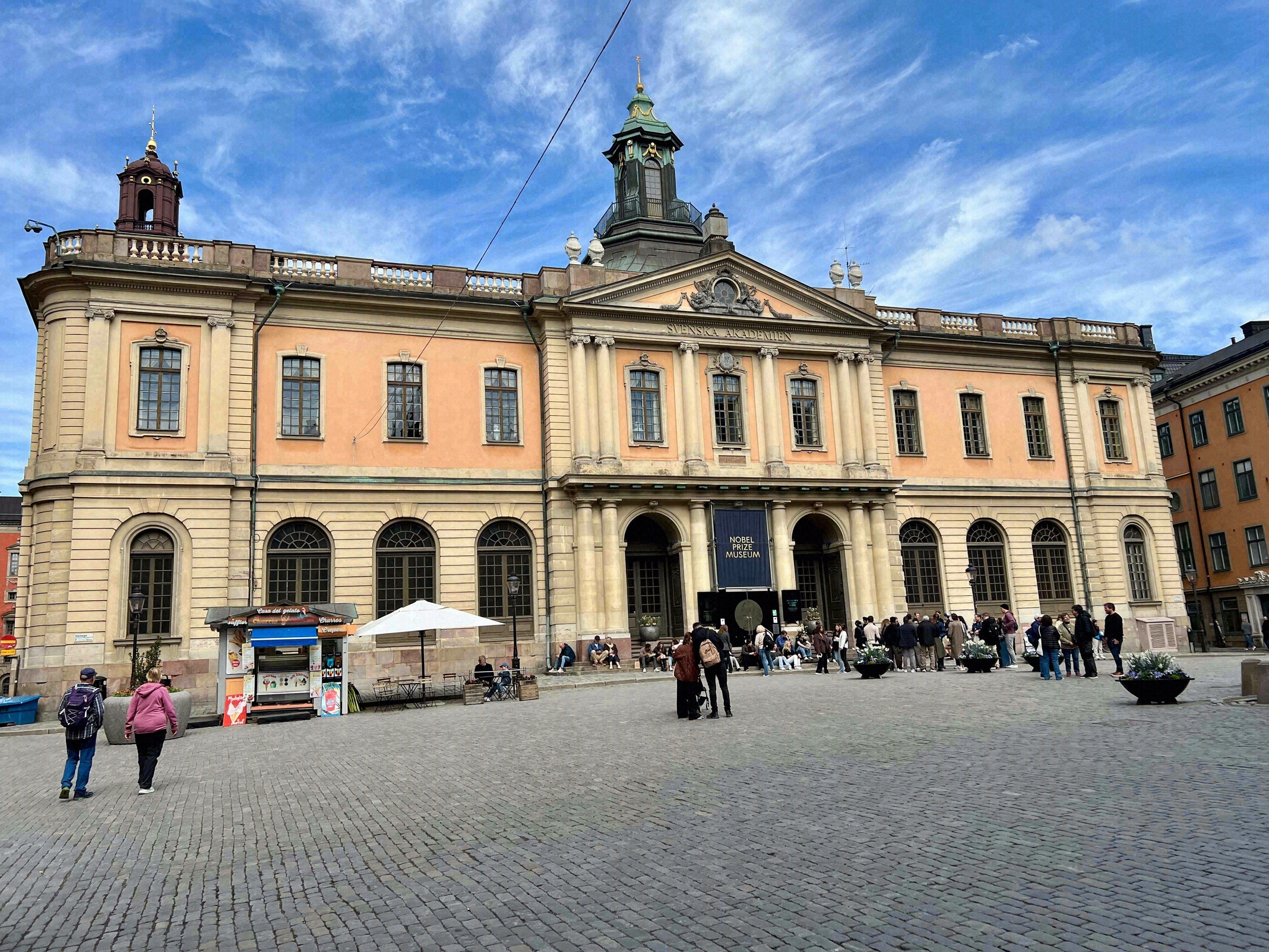
The city's oldest square with gabled houses and Börshuset
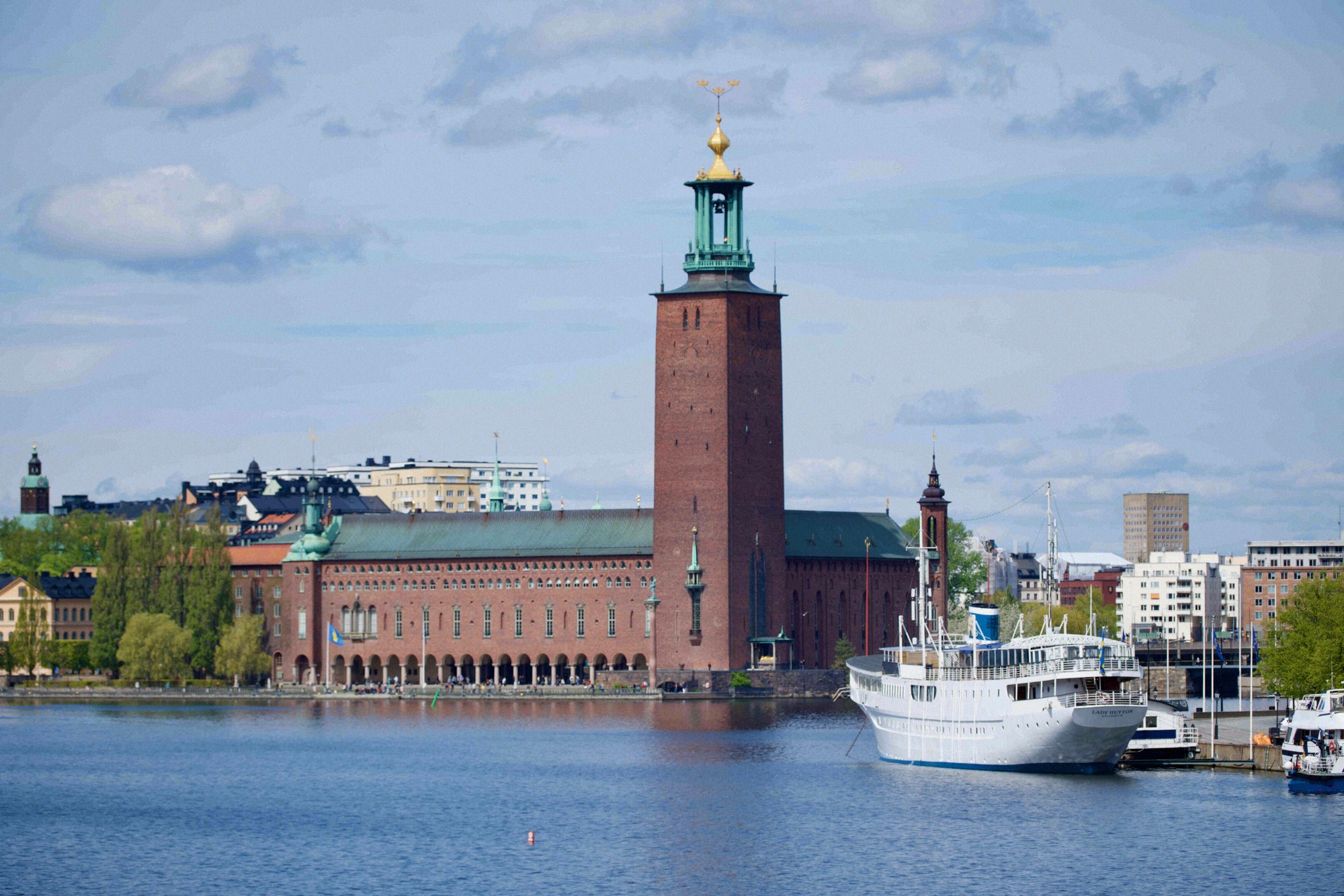
City hall on Riddarfjärden with the halls of the Nobel banquet
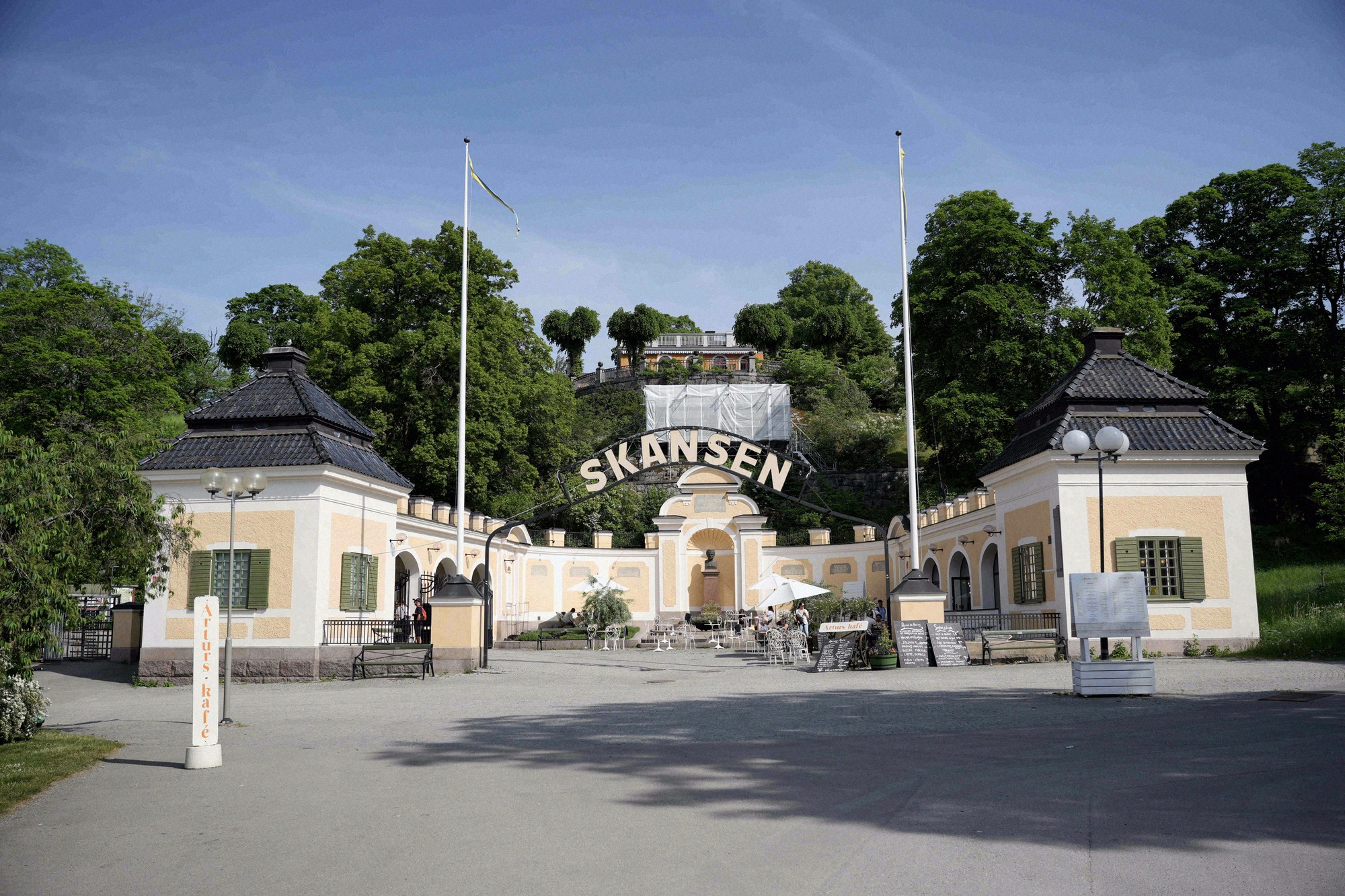
Open-air museum with farmsteads and a zoo on Djurgården
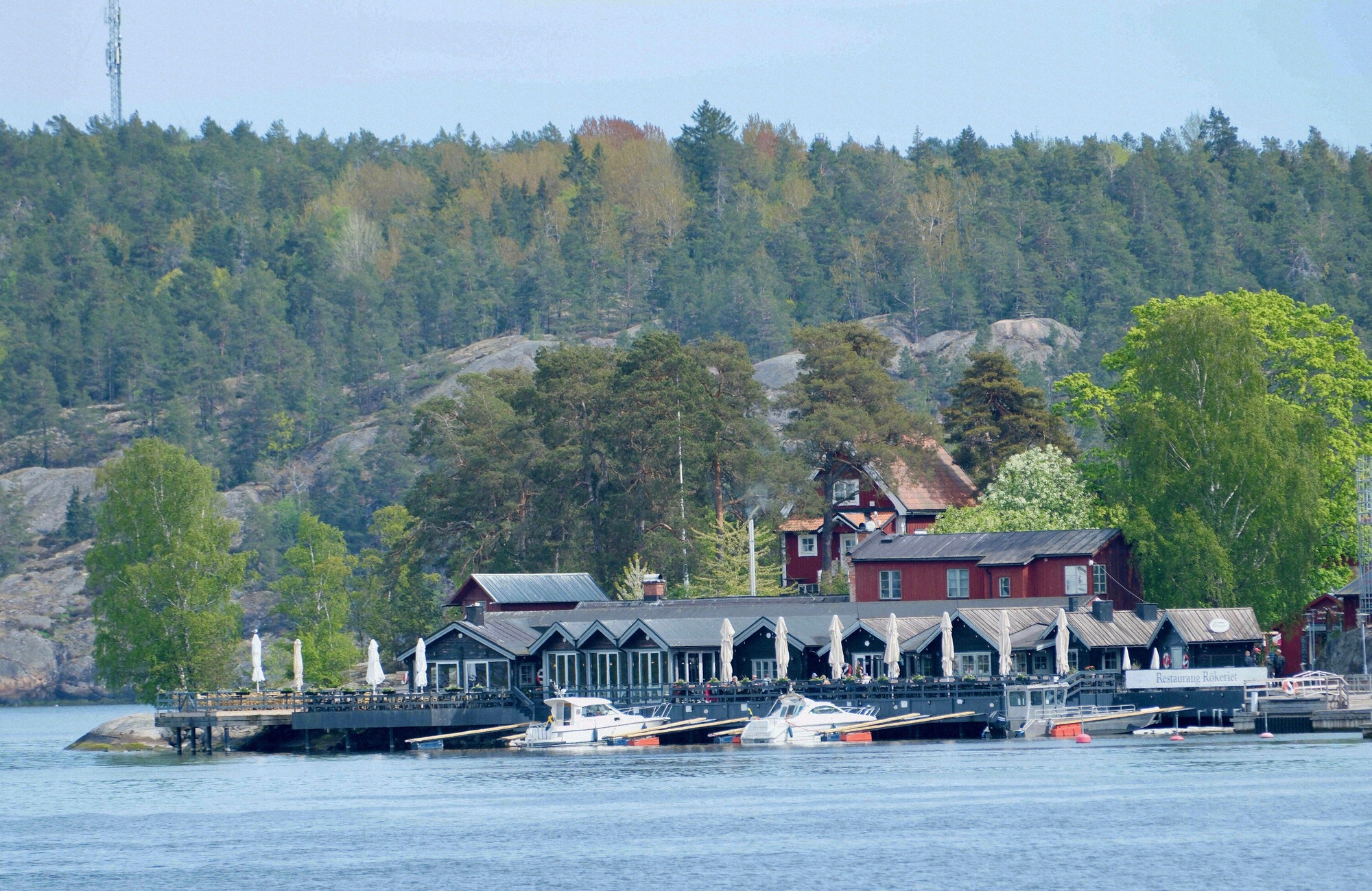
Fjäderholmarna, Vaxholm, Grinda, Sandhamn and Utö by boat
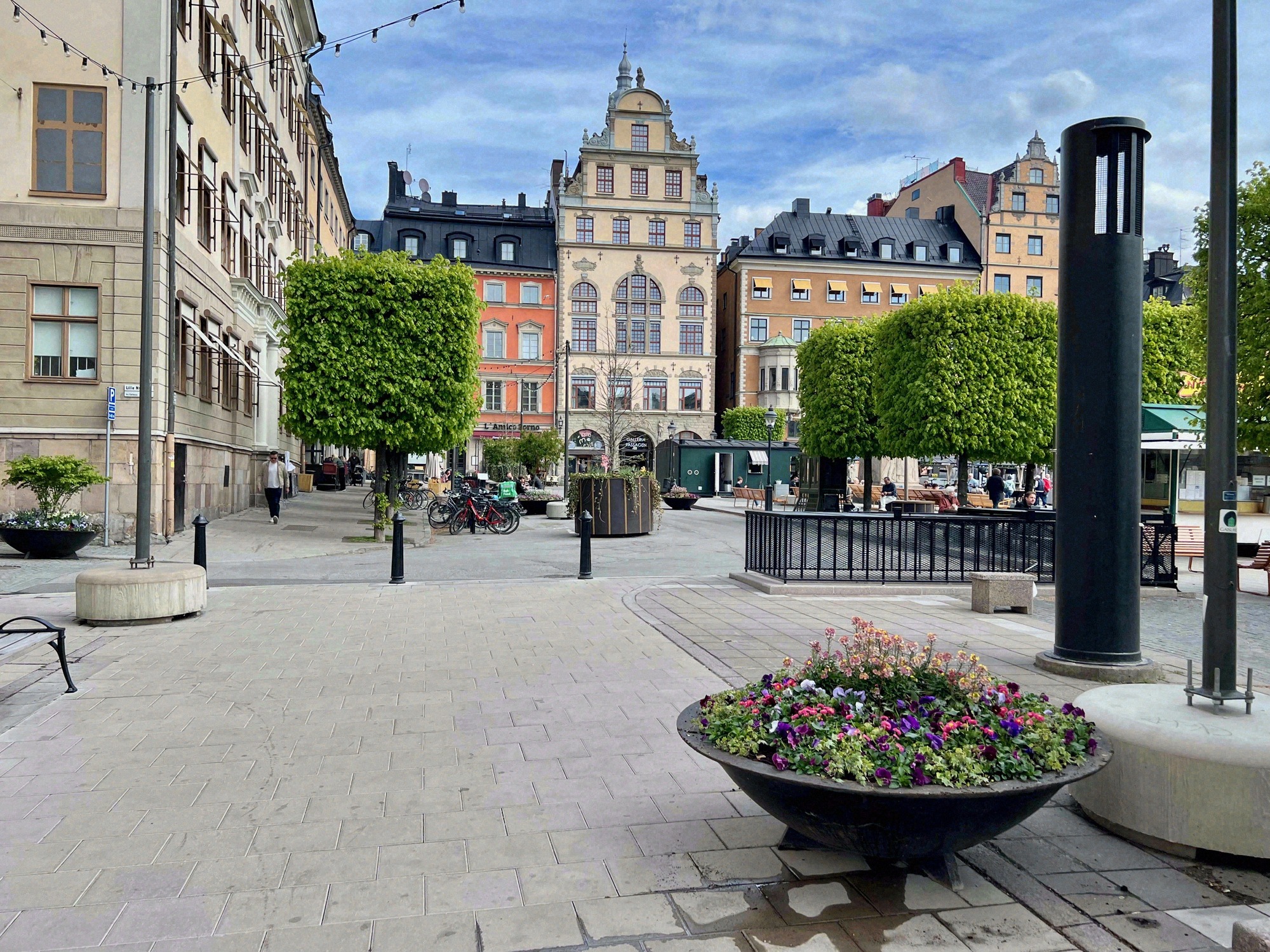
The old town on Stadsholmen, the museum island of Djurgården, Södermalm south of Slussen and Östermalm on Strandvägen.
Sights and neighbourhoods, filterable by type
Museums
Parks & Islands
Churches
Palaces & History
Landmarks & Experiences
Squares & Lanes
Food & Drink
Stockholm lies at just over 59 degrees north, where the Slussen lock separates Lake Mälaren from Saltsjön, the sea inlet in front of the city. It grew up in the 13th century around a castle on Stadsholmen, the island where the Royal Palace and Stortorget stand today. The old town, Gamla Stan, covers about 36 hectares. To the north lies Norrmalm with Central Station, to the south beyond Slussen Södermalm, to the west Kungsholmen with Stockholm City Hall, and to the east the island of Djurgården. How the islands and bridges fit together is shown on the map of Stockholm.
Three sights feature on almost every itinerary. The Vasa Museum houses the warship that sank on 10 August 1628 after sailing just 1,300 metres. The Royal Palace has over 600 rooms on eleven floors, and the King has his offices there; the changing of the guard in the outer courtyard begins at 12:15 from Monday to Saturday and at 13:15 on Sundays and public holidays. Skansen on Djurgården opened in 1891 and shows about 140 buildings from across Scandinavia on 30 hectares.
If you only have one day, the old town with the changing of the guard plus the Vasa Museum in the afternoon is enough, as planned in Stockholm in 1 day. With two days you can add the palace state rooms, City Hall and Skansen; a third day is for Södermalm with Fjällgatan and Nytorget, to Vaxholm or to Drottningholm.
On 21 June the sun rises at 03:31 and sets at 22:08; on 21 December it is above the horizon only from 08:43 to 14:48. The average daily high is 23.6 °C in July and 1.0 °C in January. June to August are also the wettest months, and on average there is snow on the ground on about 65 days a year. Which months suit what is covered under best time to visit Stockholm.
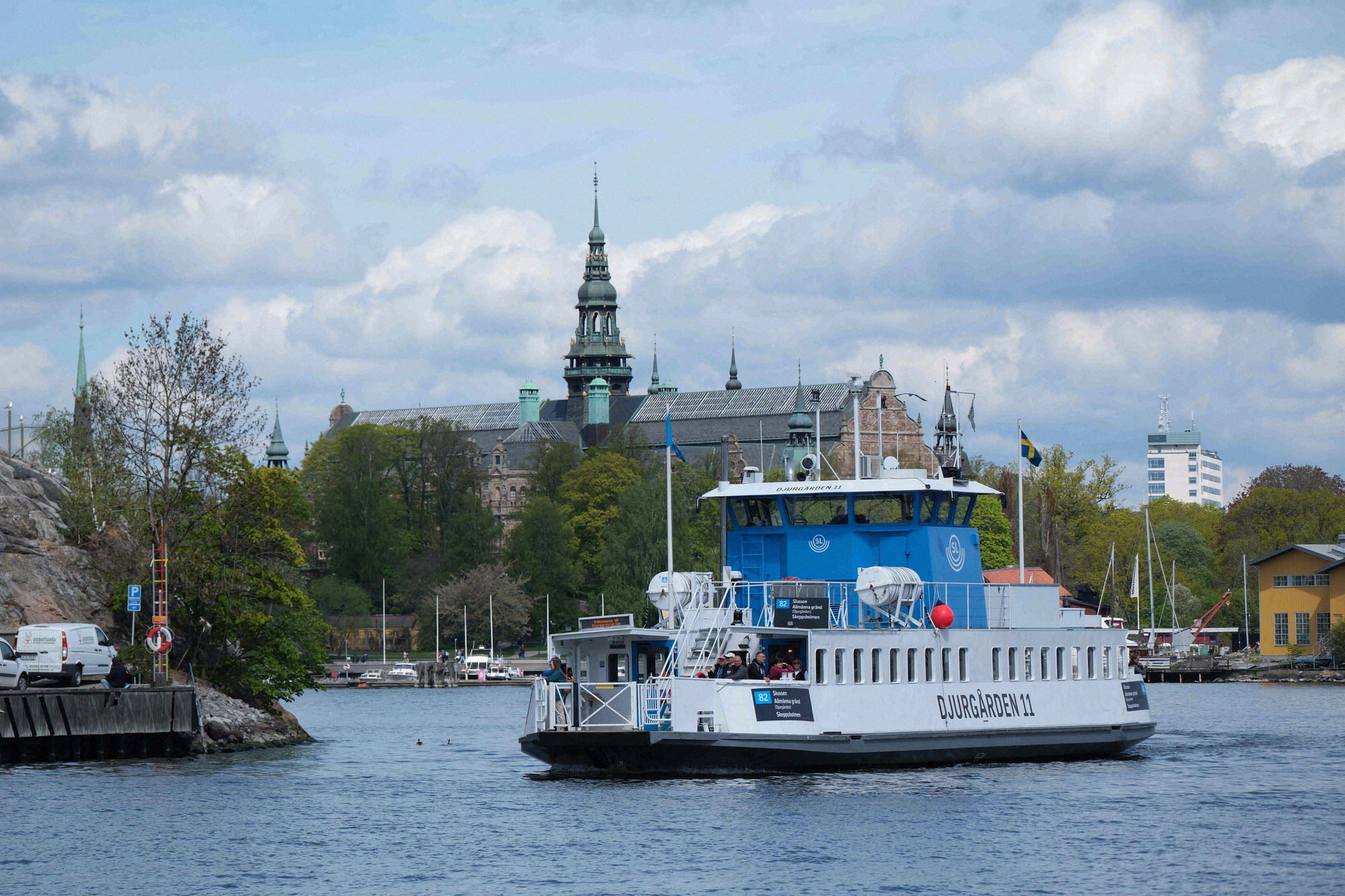
The Arlanda Express takes about 18 minutes from the airport to Central Station, the airport bus about 40 minutes; prices and alternatives are compared in from the airport to the city centre. In the city, the metro (tunnelbana), trams, buses and commuter boats all run on the same SL tickets, including ferry 82 from Slussen to Djurgården. A single ticket is valid for 75 minutes with unlimited changes, and from the fifth journey within 24 hours the 24-hour travelcard works out cheaper. Fares and where to buy tickets are explained in public transport in Stockholm.
The Stockholm archipelago comprises more than 30,000 islands, skerries and rocks. The nearest, Fjäderholmarna, are 25 minutes by boat from Slussen or Nybroplan, and Vaxholm is 50 minutes by boat from Strandvägen; an overview and timetables are in Stockholm archipelago. Drottningholm Palace on Lovön in Lake Mälaren has been a UNESCO World Heritage Site since 1991 and can be reached on the green metro line to Brommaplan and then by bus. Uppsala with its cathedral is 30 to 50 minutes away by train; more destinations are collected in day trips from Stockholm.