
Sjöhistoriska museet
Sweden's maritime museum by Ragnar Östberg in Museiparken on Gärdet
Gustav III had his yacht Amphion fitted out in the style of Versailles. Today its stern stands in a room built specially for it, a few steps from Johan Törnström's carved figureheads.
Contents
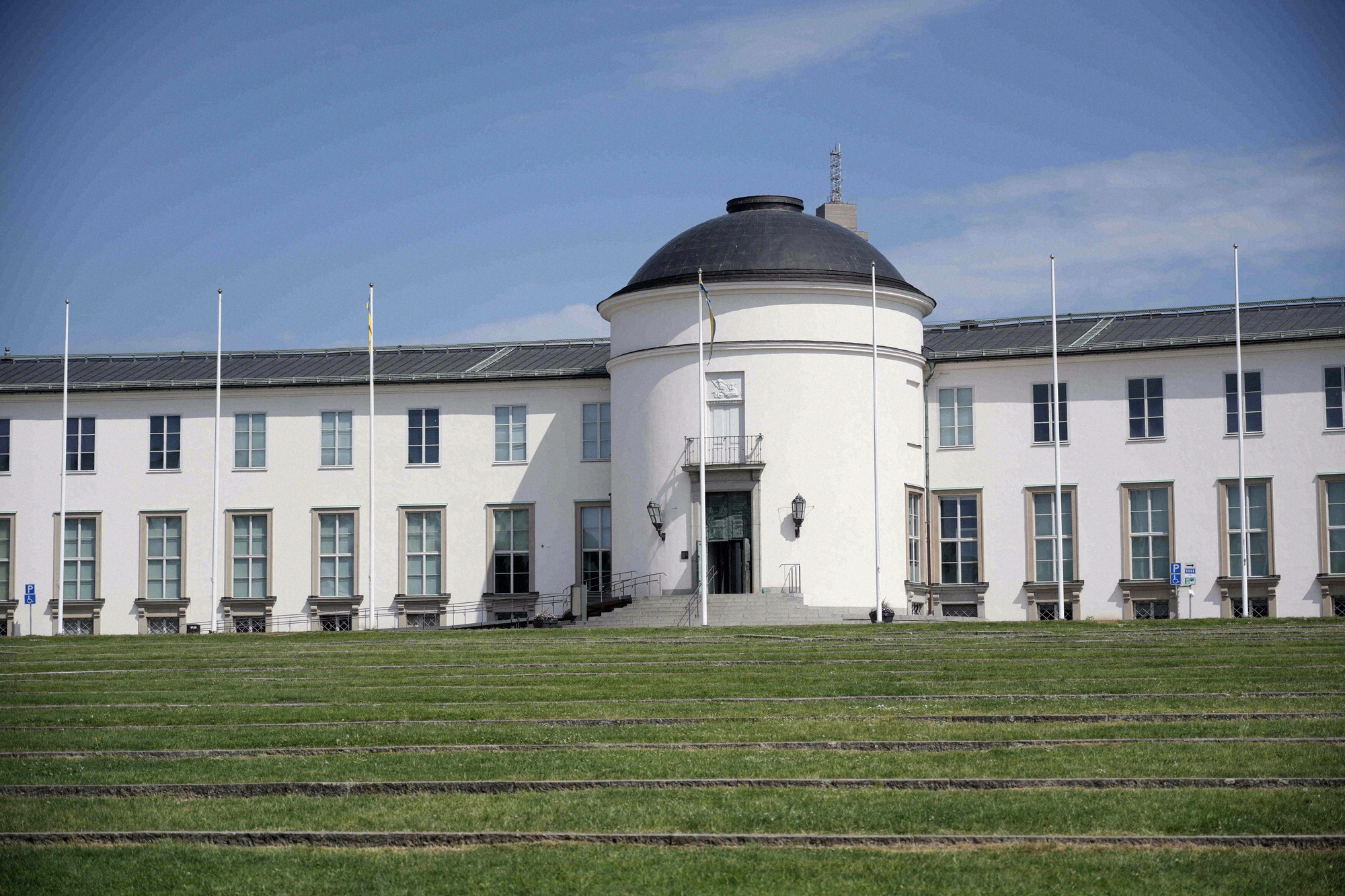
At Sjöhistoriska museet (Maritime Museum) you discover Sweden's history at sea: with the stern of a royal yacht, ship models, salvaged wreckage and figureheads that once adorned warships and merchant ships. The museum stands on Djurgårdsbrunnsvägen in Museiparken on Gärdet, on the Gärdet side of Djurgårdsbrunnsviken, not on Djurgården itself. It suits anyone who wants to learn more about the navy, trade and Stockholm's boats after the Vasa Museum, and it suits families, because admission is free up to the age of 18.
A museum building by Ragnar Östberg
The long, pale building was designed by Ragnar Östberg, the architect of Stockholm City Hall. It was built from 1933 to 1936 on the site of the 1930 Stockholm Exhibition, and King Gustaf V opened the museum on 28 May 1938. The building had to have room for the state collection of warship models. In front of the building the statue Sjömannen looks out over the water.

The gilded stern of the Amphion
As you come in, you look straight at the stern of the Amphion, whose gilded angel's face dominates the whole rotunda. The room was built specially for the stern and the cabin, whose furnishings have survived. Gustav III had the schooner yacht fitted out on the model of the court of Versailles. She was launched in 1778, almost sank on her maiden voyage and was celebrated in song by Carl Michael Bellman. In the naval battles against Russia in 1788 and 1790 she served as the command ship.
After the king's assassination in 1792 the yacht was put in a shed, where she stayed until 1829. In the 1850s she was moored as a quarantine ship for cholera patients and from 1875 as a barracks ship, and in 1885 she was broken up. Only the stern survived.
Warship models and the submarine Ulven
The exhibition "Battle Stations!" shows the navy's model collection from the 18th century to the present: frigates, gunboats, submarines and modern corvettes, including models of ships by the shipbuilder Fredrik Henrik af Chapman. One of the models probably dates from the late 17th century. Between the display cases are weapons from the pike to the submachine gun, along with a medieval Jacob's staff and a sextant.
The wreck of the Ulven stays with you longest. In 1943 the Swedish submarine struck a German mine during an exercise off Gothenburg, taking 33 men down with her. On display are salvaged parts and the telephone buoy that broke loose as she sank and was only found days later.
Lion, Vanadis and Dygden in the Memorial Hall
The collection of figureheads is one of the largest in Sweden, and the figures are spread throughout the building. A lion carved from Asian hardwood in the early 18th century probably adorned an East Indiaman. In the 19th century figureheads often depicted the daughters or wives of the shipowners, and the museum owns several such female figures from merchant ships.
In the Memorial Hall stands the Vanadis from the steam frigate of the same name from the 1860s, carved by Henrik Nerpin. Next to it towers Dygden, a red-painted male figure in classical style from the ship of the line of the same name and the largest and heaviest figure in the museum. Like the figures from the frigates Eurydice and Thetis, it is the work of the Admiralty sculptor Johan Törnström.
Hansa, commuter boats and a kayak to pack
The exhibition about the S/S Hansa remembers the Gotland ferry that was hit by a Soviet torpedo at 05:57 on 24 November 1944 and sank within a minute. Of the 86 people on board, two survived. The wreck was found in 1988 at a depth of 100 metres, 44 kilometres north of Visby. In the domed hall, "En stad på vatten" shows signs from the waterborne side of Stockholm's public transport and a film about five centuries of commuter boats. At "Paddle!" you pack a kayak, test your balance or crawl into a tent full of nature sounds. "Shipping & Shopping" follows merchant shipping up to the present day.
Your visit and Wednesday evenings at the museum
For the Amphion, the models, the figureheads and one of the smaller exhibitions, allow one and a half to two hours. Coats and bags go into the lockers on the lowest floor by the toilets. The museum and café do not accept cash; tickets are sold at the desk or online. The café serves lunch, sandwiches and pastries with a view. From September to May the museum and café stay open until 20:00 on Wednesdays; in summer the museum closes at 17:00 every day, and it is closed on Mondays.
Icebreaker and lightship below the Vasa Museum
The museum also has two ships that are not in Museiparken but at the museum ship pier at Galärvarvsvägen 24, directly below the Vasa Museum: the icebreaker Sankt Erik from 1915 and the lightship Finngrundet. You can only go aboard in summer, when museum guides show you round and answer questions. In winter they are closed.
Bus 69 to the door
Bus 69 from Centralen stops right in front of the museum. The nearest metro stations are Karlaplan and Gärdet on the red line. The nicer route is from Djurgårdsbron along the shore of Djurgårdsbrunnsviken, which takes about 15 minutes. For tickets on buses and the metro, see public transport in Stockholm.
Just 180 metres further on is Tekniska museet, and you can easily combine both museums in one day. Folke Bernadottes bro takes you across to Rosendal Palace and the Rosendals trädgård gardens on the other bank. The nearby Kaknästornet TV tower, on the other hand, is closed to visitors.
Frequently asked questions
Does Sjöhistoriska museet have an audio guide in English? +
What does Sjöhistoriska museet offer children? +
Can I take photos in the museum? +
Is there parking at the museum? +
Can I use the museum library? +
Nearby
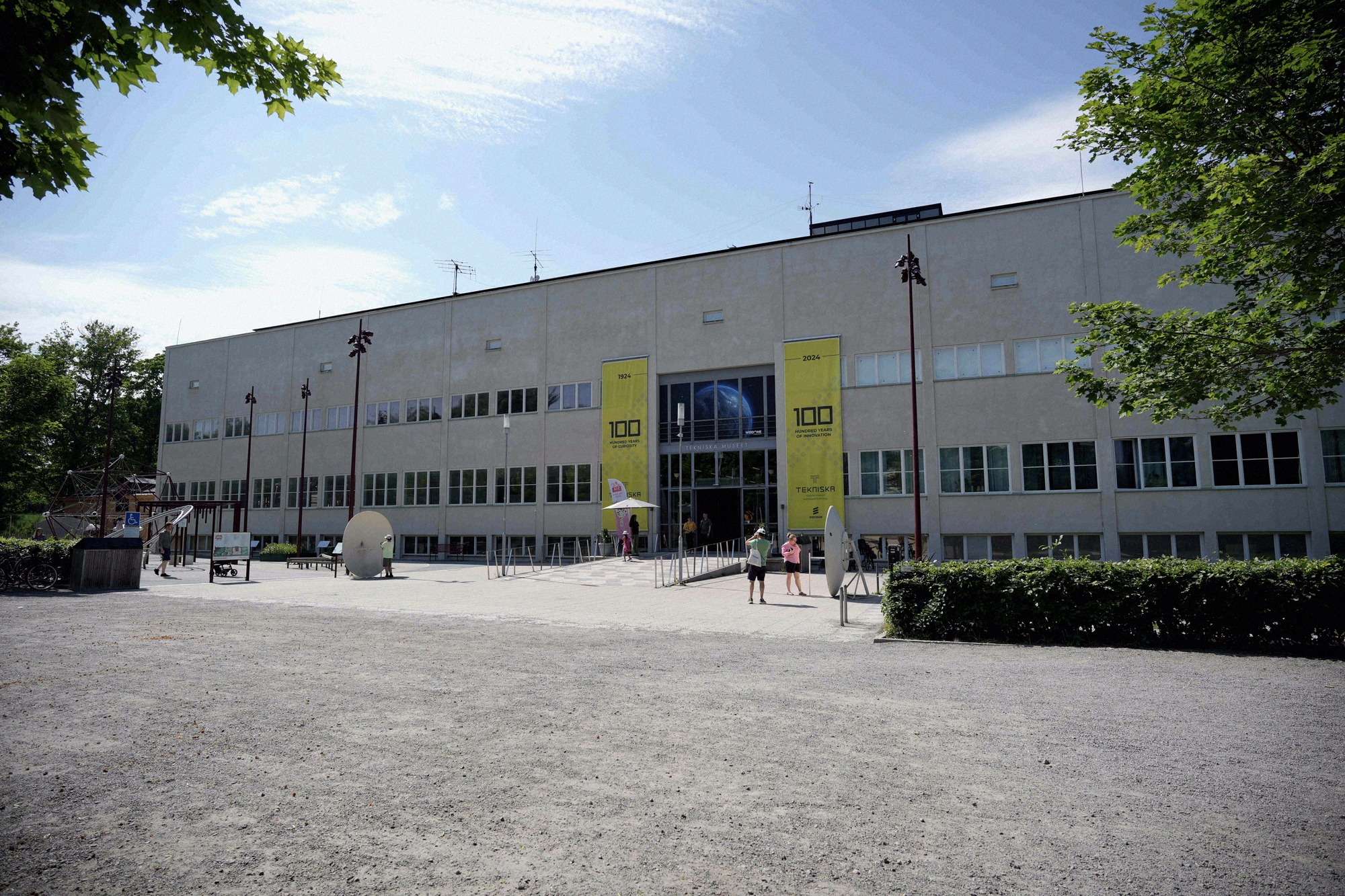
Tekniska museet
At Tekniska museet a Gripen jet hovers above a shelter, in MegaMind you paint with your eyes, and under the timber dome of Wisdome you travel through space in 3D.
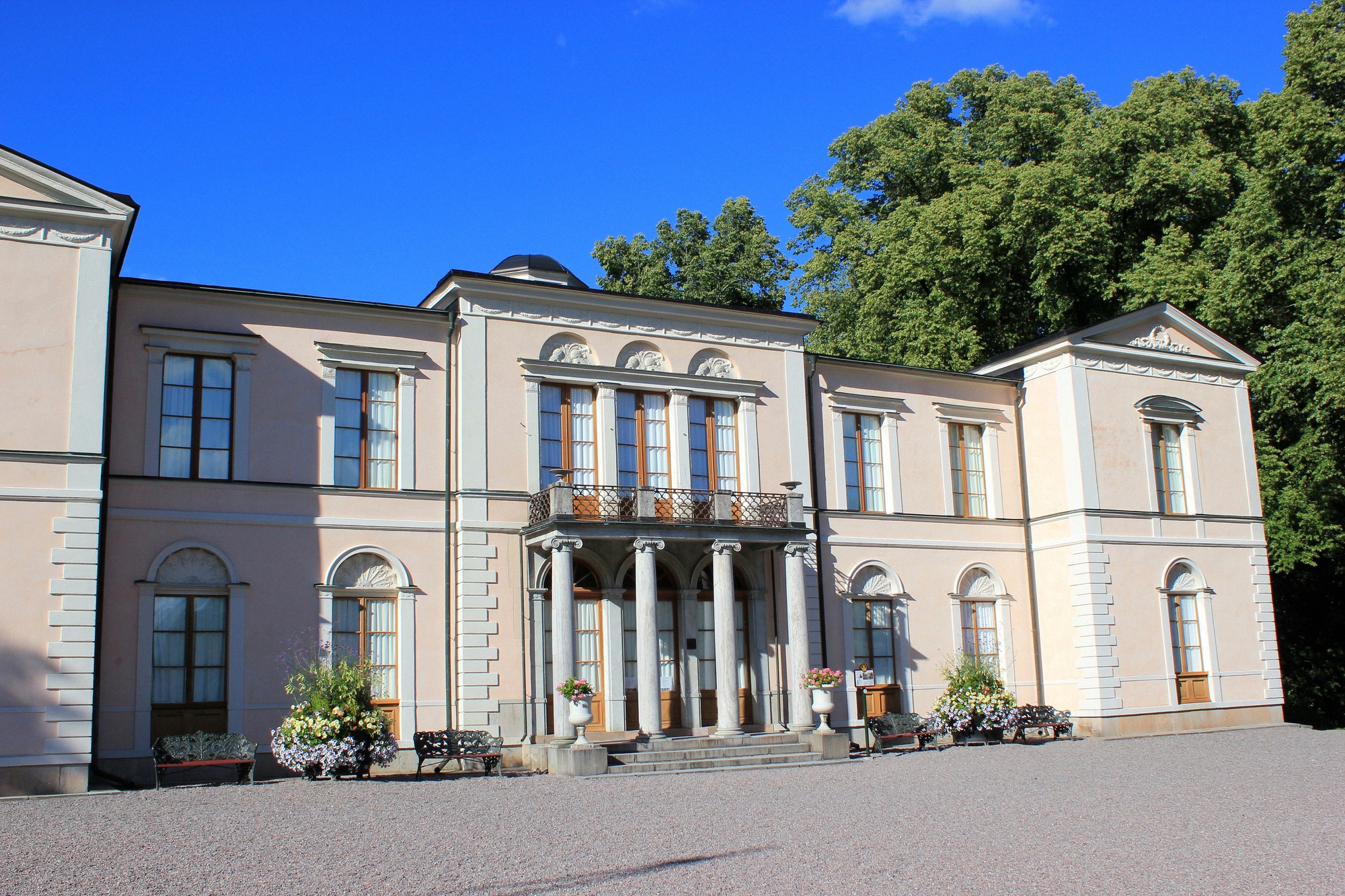
Rosendal Palace
Fredrik Blom built Karl XIV Johan a summer palace as a prefabricated house. The salons are almost unchanged and only open on summer guided tours; the palace stays closed in 2026.
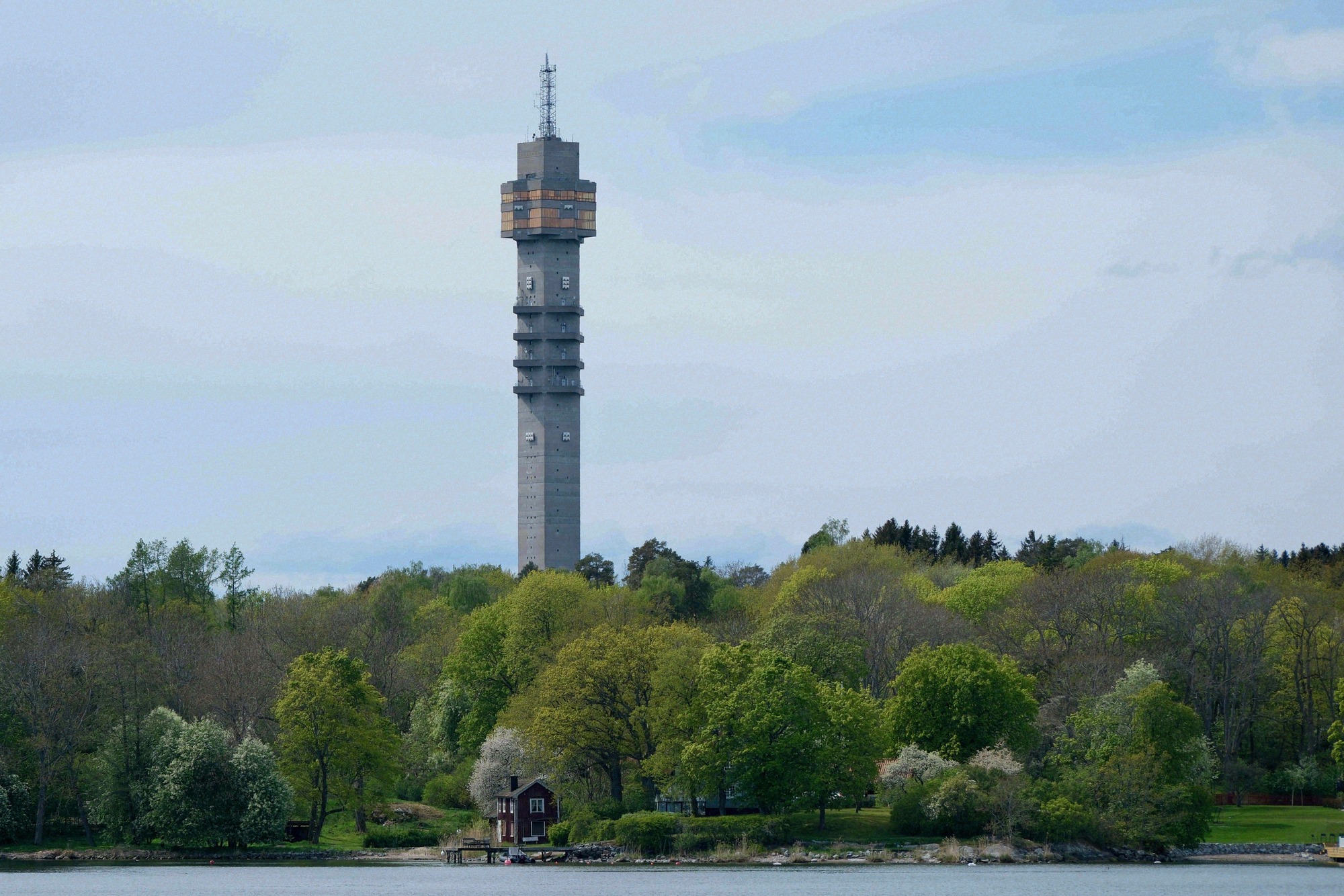
Kaknästornet
The TV tower on Gärdet has been closed since 2018 and is classed as a protected site. What lies behind the closure and which viewpoints make up for the view.
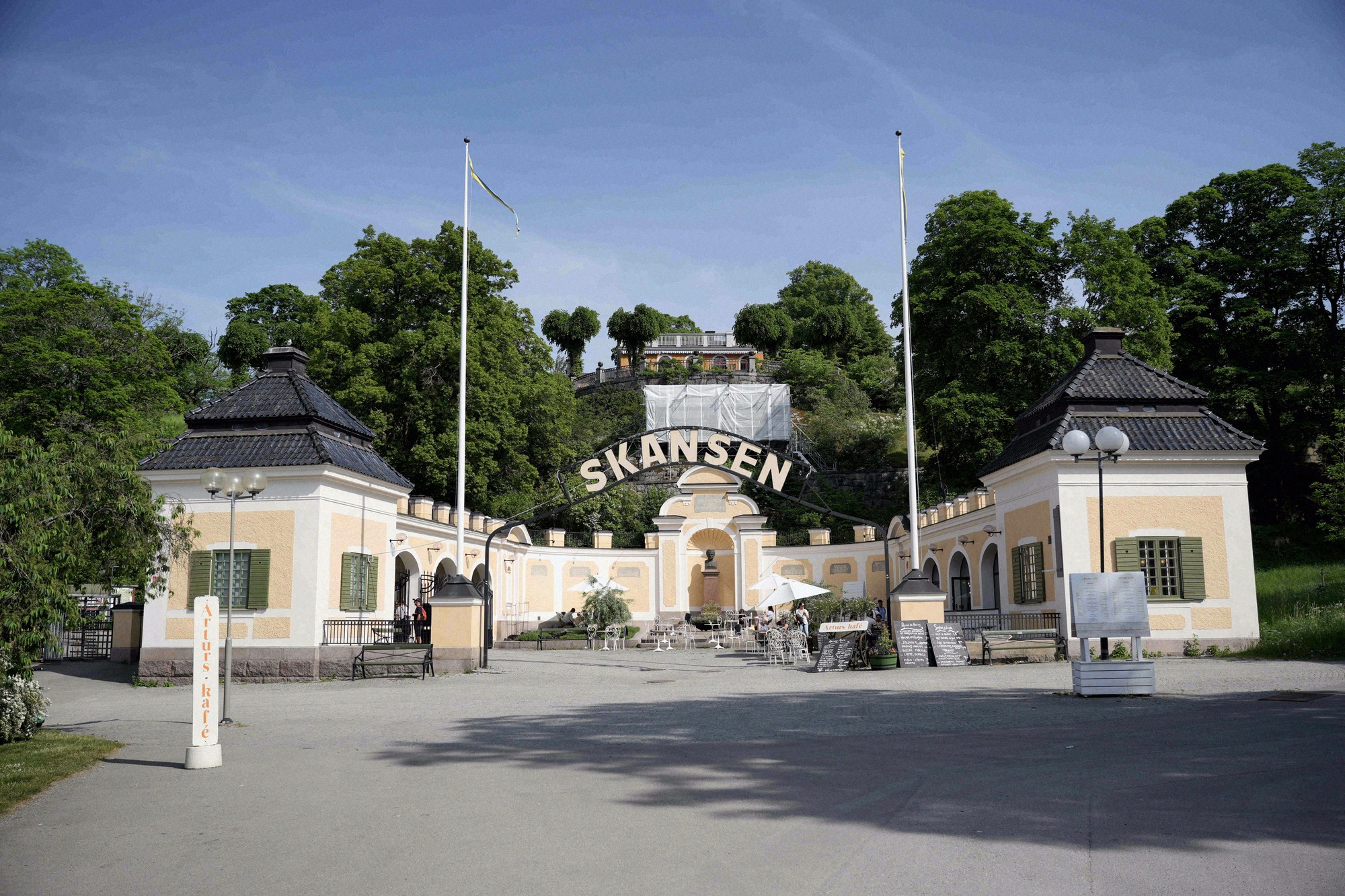
Skansen
Since 1891 the world's oldest open-air museum has shown around 140 buildings from all over Sweden on Djurgården, plus Nordic wildlife, a children's zoo and festivals through the year.
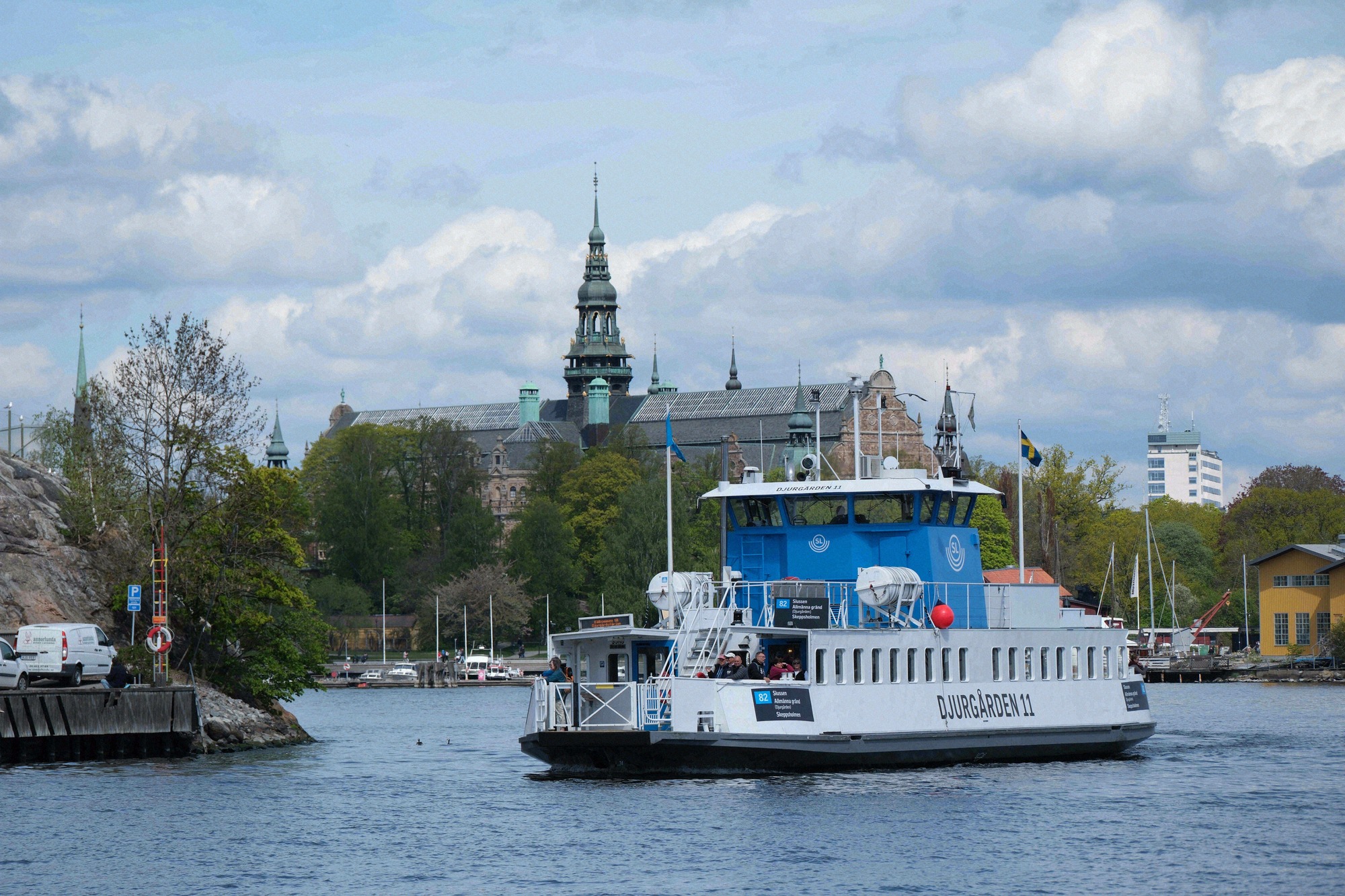
Nordiska museet
Sweden's largest museum of cultural history shows how people lived, ate and celebrated over 500 years, in a palace by the Djurgårdsbron, open until 20:00 on Wednesdays from September to May.
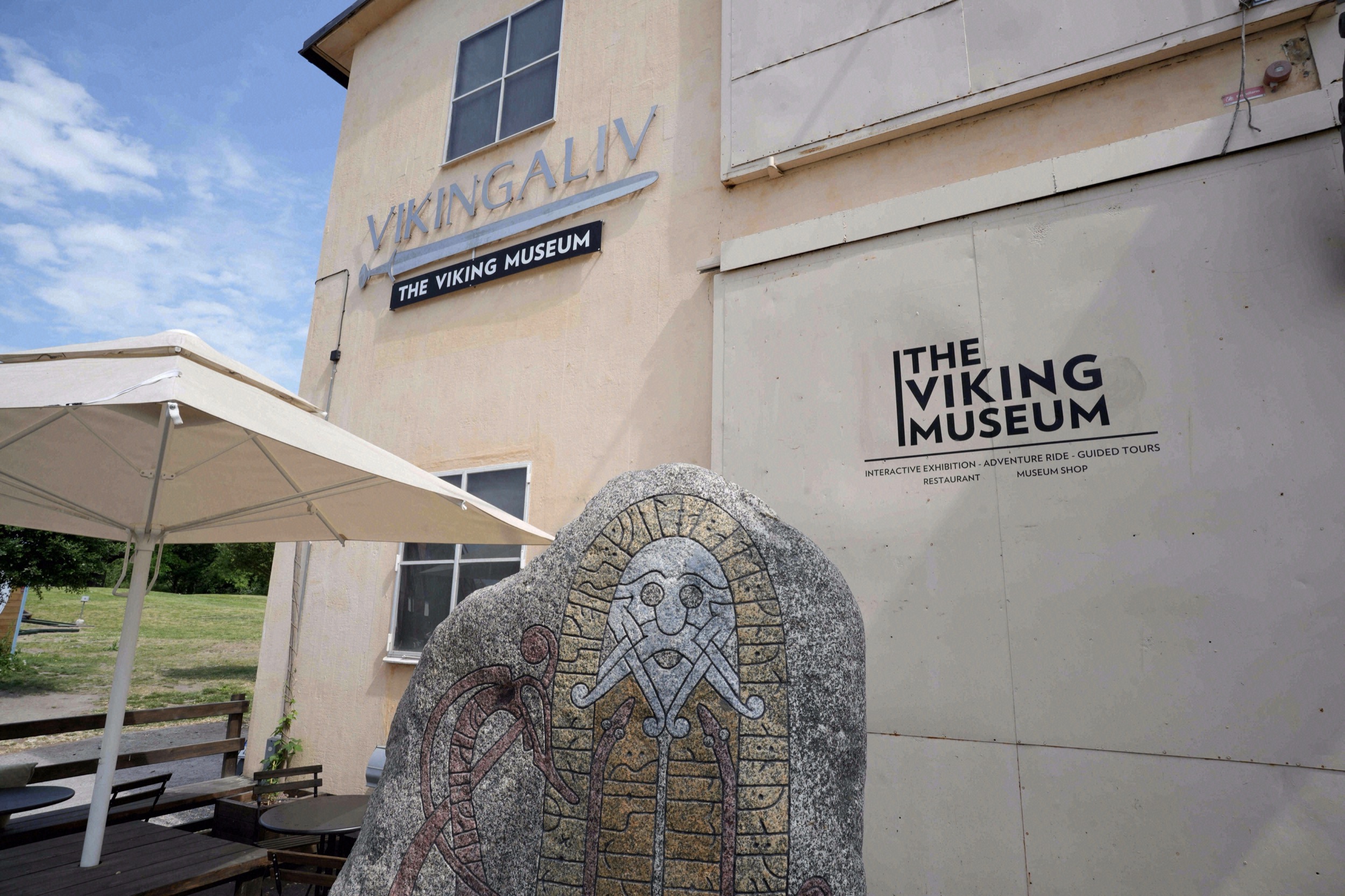
The Viking Museum
At Wasahamnen on Djurgården this interactive museum tells of life on the farms and of voyages across Europe, and the eleven-minute saga ride is included in the ticket.