
Admission
Entry to all exhibitions
Entry to all current exhibitions on a fixed date. Show your ticket on your smartphone at the entrance.
4.4 (116) · Tiqets
From €17.39
Free cancellation up to 24 hours before your visit
Book TicketChanging photography exhibitions in the old customs house on the quay
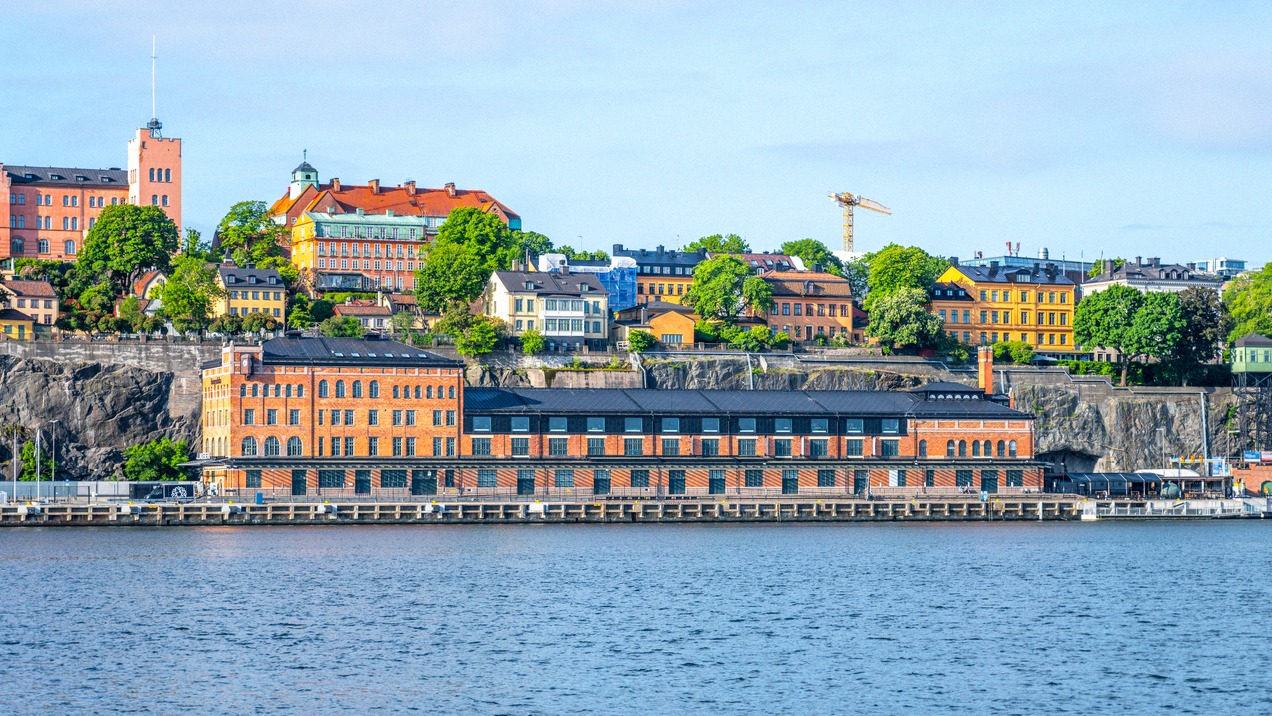
A centre for photography in the brick Stora Tullhuset on the Södermalm quayside, open daily until 23:00, with a restaurant and bar under the roof.
Tickets
One ticket covers all exhibitions running on the day of your visit.
Admission
Entry to all current exhibitions on a fixed date. Show your ticket on your smartphone at the entrance.
4.4 (116) · Tiqets
From €17.39
Free cancellation up to 24 hours before your visit
Book TicketFotografiska shows photography, and only in temporary exhibitions: there is no permanent collection, but around 15 new exhibitions a year instead. It is housed in the old Stora Tullhuset customs house on Stadsgårdshamnen, the quay on the north side of Södermalm, and is open daily until 23:00. That means you can save your visit for late in the evening. It is worth a visit for anyone interested in photography, and for couples or groups who want to see something after dinner. If you are looking for Stockholm's city history, the Stockholm City Museum (Stadsmuseet) near Slussen is a better choice.
The Stora Tullhuset was built from 1906 to 1910 to designs by the architect Ferdinand Boberg, originally as the port's customs house. The brothers Jan and Per Broman founded Fotografiska on 20 May 2010 and opened it with an exhibition by Annie Leibovitz. Later shows featured Anton Corbijn, Nick Brandt, Helen Levitt and Robert Mapplethorpe, among others. Today around 500,000 people visit each year, and there are further Fotografiska venues in Tallinn, Berlin and Shanghai. The New York venue operated from 2019 to 2024.
Your ticket covers everything on show that day. Several exhibitions run in parallel, so one visit usually combines very different subjects. Until 9 May 2027 the photographer Diana Markosian shows her work “Father”. Until 7 February 2027 you can see “Harder Better Faster Stronger”, which asks “Are Men OK?”, and “The Unmeasurable” by Nils Petter Löfstedt. From 5 December 2026 the group exhibition “Women Behind the Camera, 1848-1968” shows work by women photographers from 1848 to 1968. Because the programme changes constantly through the year, a return visit six months later feels like an almost entirely different museum.
The restaurant is at the top of the building and is open Wednesday to Saturday from 17:00 to 23:00. Lunch is served on weekdays from 11:00 to 15:00 and at weekends from 11:00 to 16:00. The bar opens daily at 10:00 and closes at 21:00 from Sunday to Tuesday and at 23:00 from Wednesday to Saturday. In 2020 the restaurant received a Michelin Green Star, the guide's award for sustainable cooking. You'll find a bistro on the second floor.
For an evening, this order works well: the exhibitions in the late afternoon, then upstairs for dinner. To save money, plan your visit for a Wednesday evening.
The cloakroom is unattended and there are no lockers, so it is best to leave large bags at your hotel. Lifts in both stairwells reach every floor. At the main entrance a steeper ramp for pushchairs is built into the steps, and on the waterfront side an accessible ramp leads into the building. Accessible toilets with baby changing facilities are on the lower ground floor. Children up to 12 go free when they come with an adult. Dogs are only allowed in if carried in a bag.
Take the metro's red or green line to Slussen, or the bus to Södermalmstorg. From there it is around 800 metres along the water, via a temporary staircase and footpath because of the Slussen construction site. The walk takes about eleven minutes. On the way you pass Katarinahissen, which takes you up to the walkway to Mosebacke free of charge. If you come by bike, there are bike racks in front of the entrance, and disabled parking bays are directly outside the building. If they are taken, use the Vikingterminalen instead.
Fotografiska combines well with an afternoon on Södermalm, for example the view from Fjällgatan, before you head to the customs house for the evening. For an overview of the city's museums with admission and highlights, see the page on museums in Stockholm.
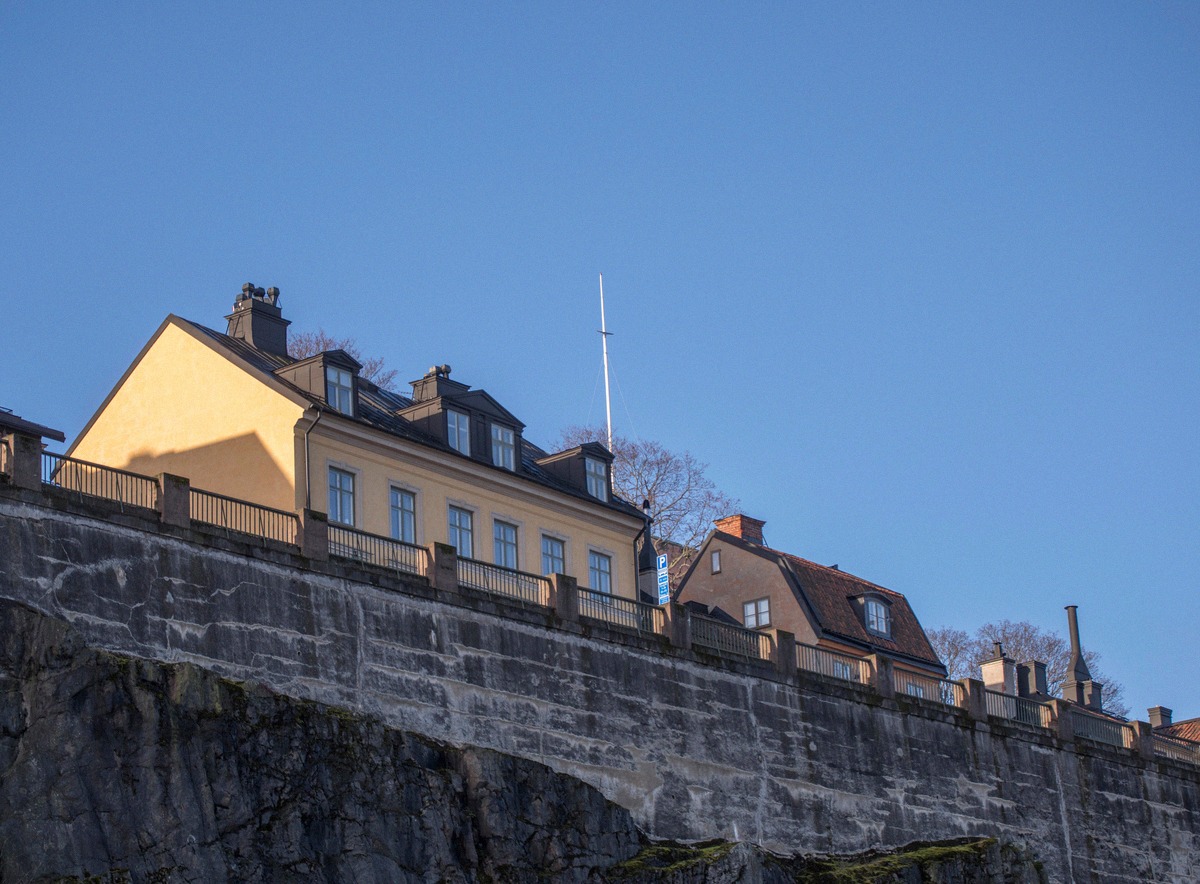
On Stigberget in eastern Södermalm you stand 27.8 metres above Saltsjön, looking out to Gamla Stan, Skeppsholmen and Djurgården, with 18th-century houses beside you.
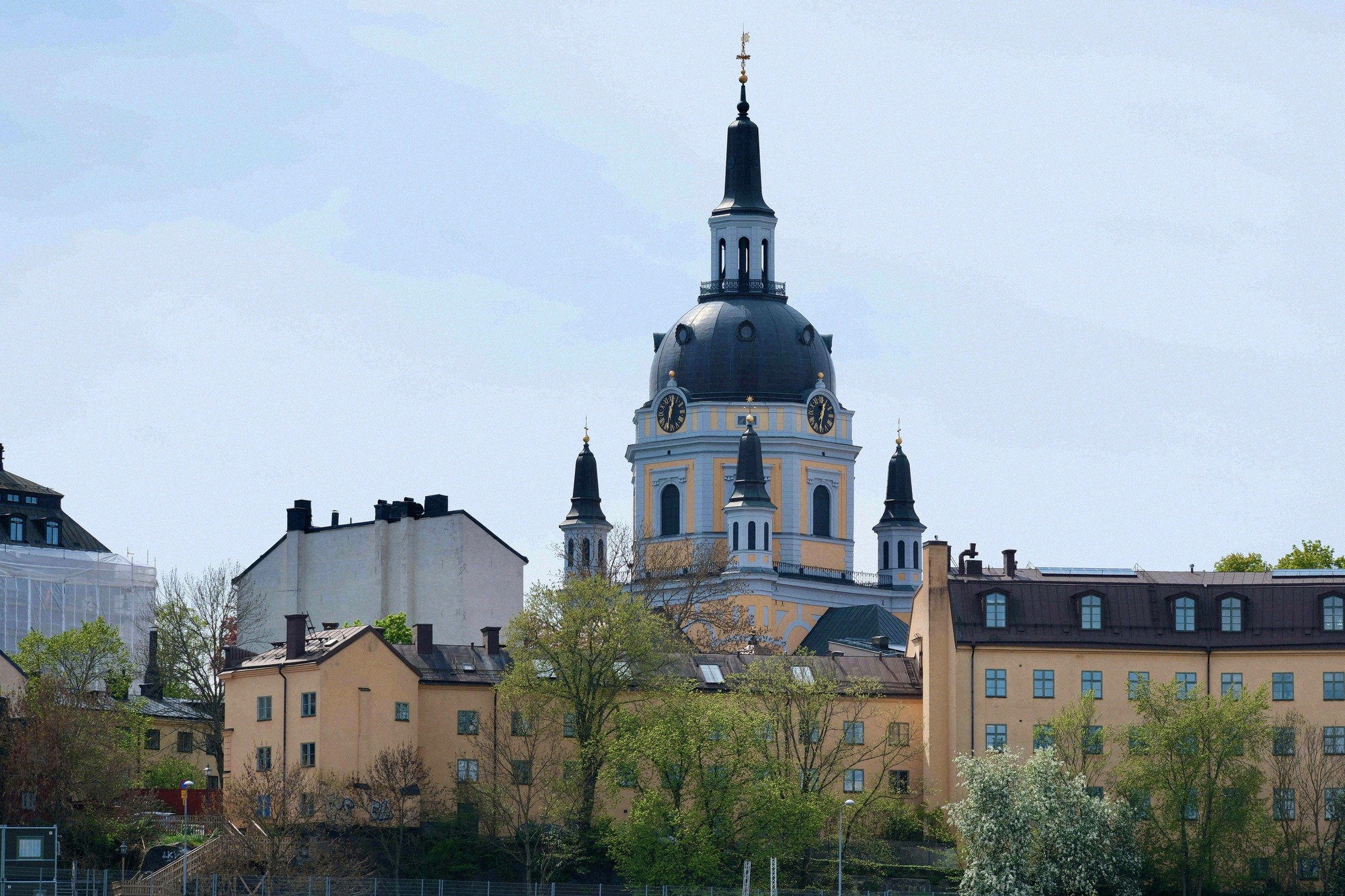
The domed church in eastern Södermalm was rebuilt after the 1990 fire using 17th-century techniques. Anna Lindh and Tomas Tranströmer are buried in the churchyard.
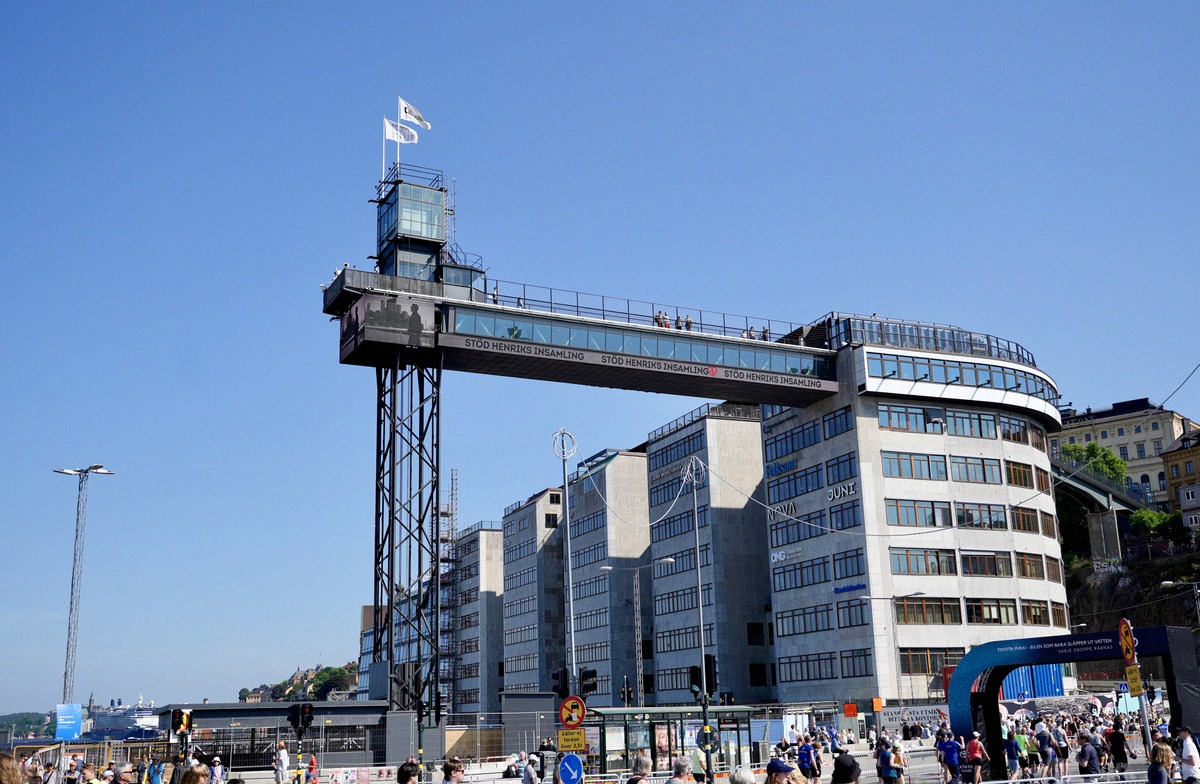
The lift takes you 38 metres up from Katarinavägen near Slussen to a walkway leading to Mosebacke torg. The ride is free, and from the top you look over the Slussen construction site to Gamla Stan.
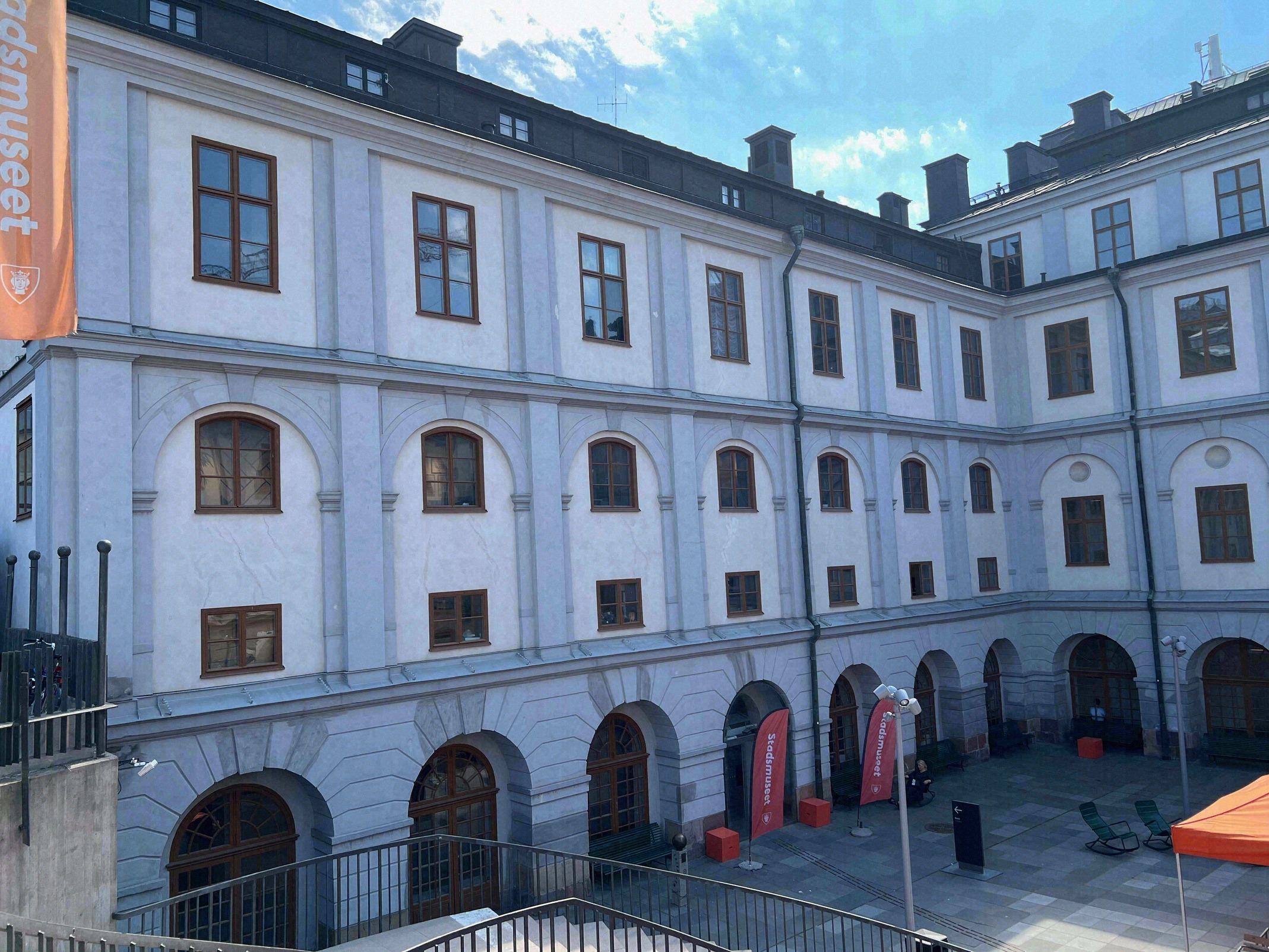
In Södra stadshuset, completed in 1680 at Slussen, the Stockholm City Museum (Stadsmuseet) shows on three floors how a small settlement on the edge of northern Europe became today's capital. Admission is free.
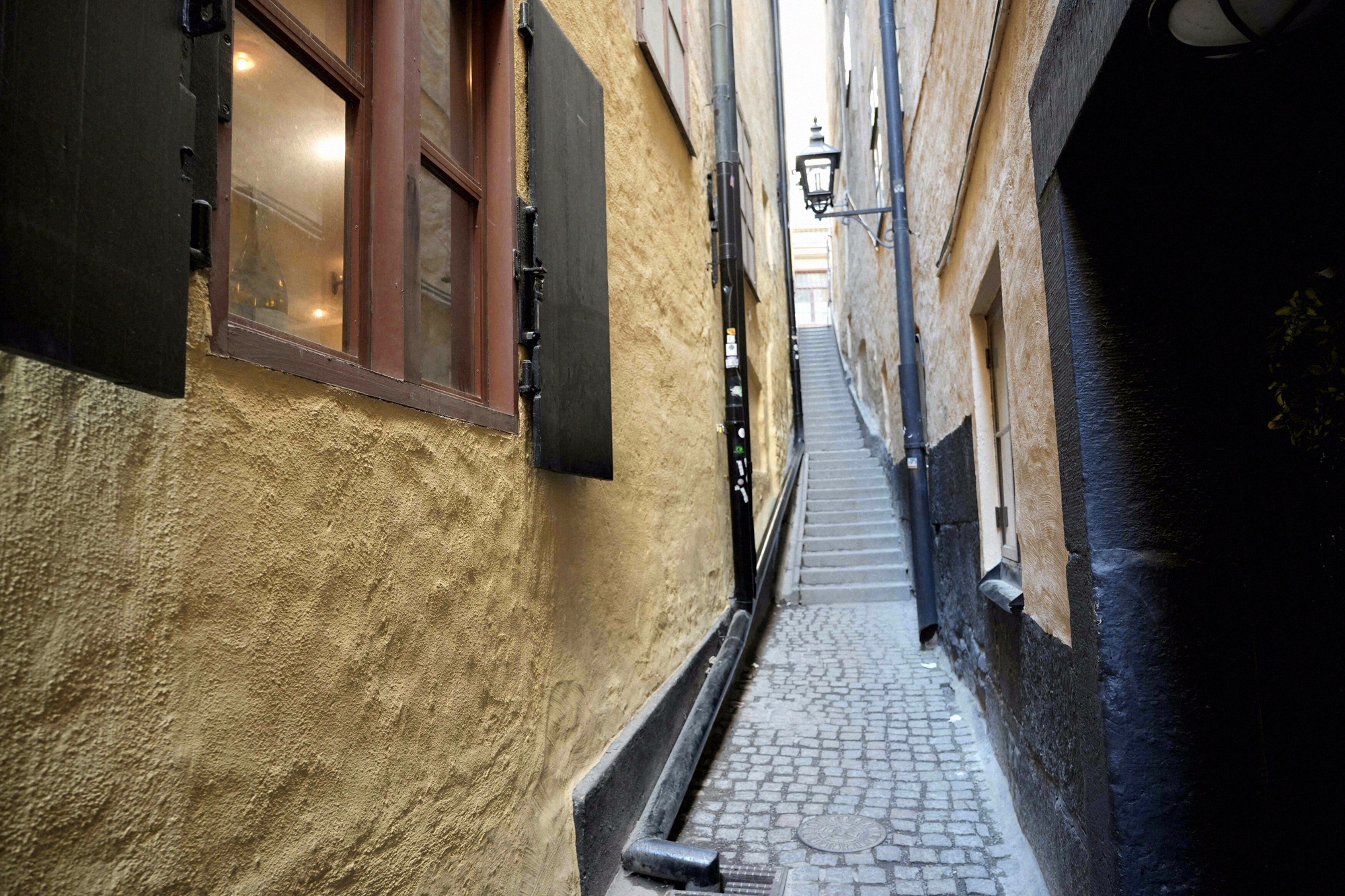
Stepped lane in the south of Gamla Stan, 90 centimetres wide at its narrowest point, named after a merchant from Wittenberg who bought plots here around 1600.
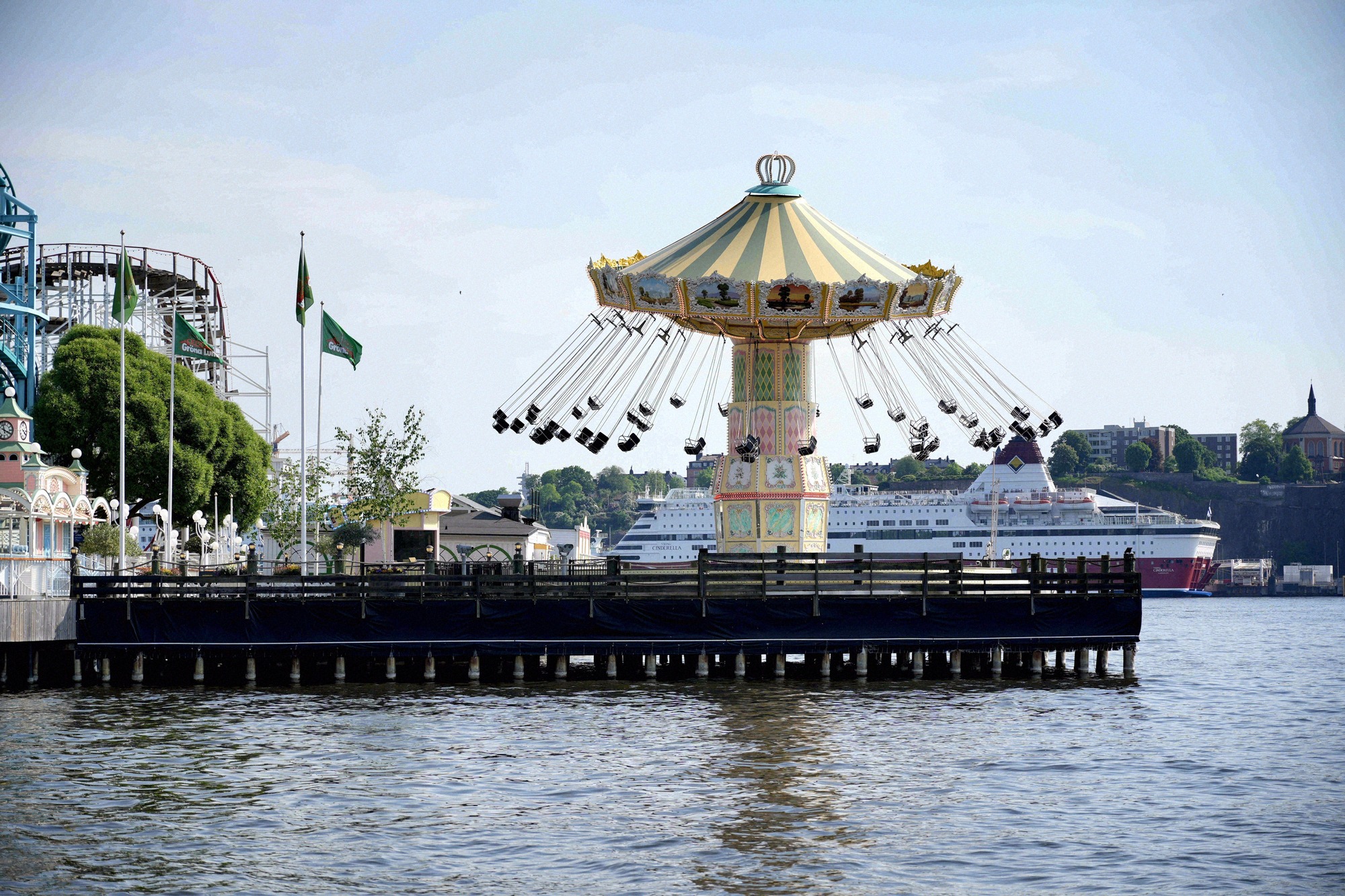
An amusement park on the Djurgården waterfront since 1883: around 30 rides, concerts in summer and a ticket system in which you pay for admission and rides separately.