
Katarina kyrka
Baroque church above Södermalm
A landmark Baroque church by Jean de la Vallée on Södermalm, rebuilt with historic techniques after the 1990 fire. Free admission.
Contents
A Baroque dome above Södermalm
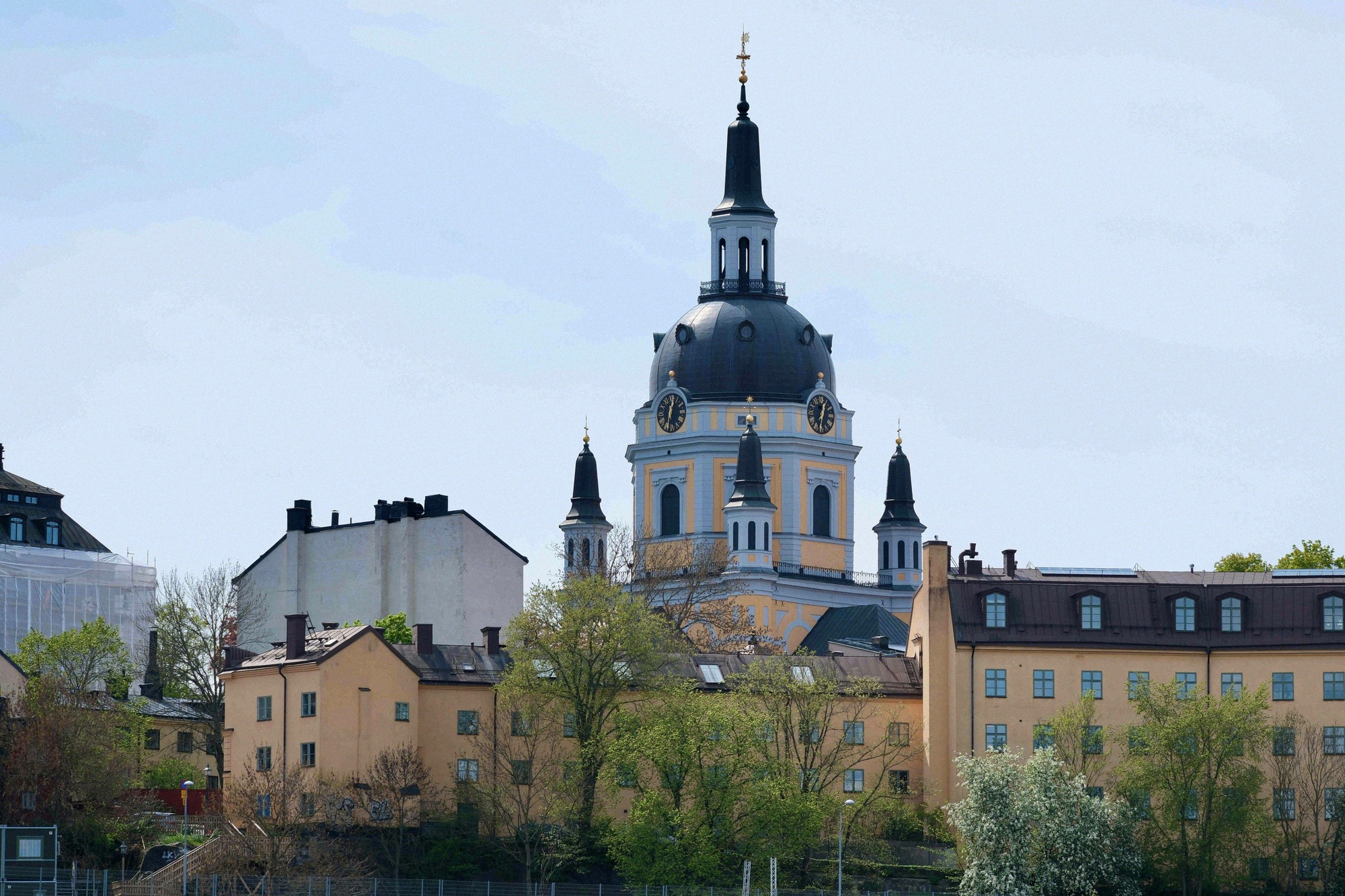
Katarina kyrka is one of Sweden's most notable Baroque churches and a landmark of Södermalm. Its landmark, copper-clad dome defines the island's skyline and is visible from many points across the city. Unlike the medieval Stockholm Cathedral in the Old Town, it is a centrally planned church built on the ground plan of a Greek cross, the first church of this form on Swedish soil.
It was built between 1656 and 1695 to designs by the architect and later mayor of Stockholm, Jean de la Vallée. The project responded to Södermalm's growth in the 17th century, as Sweden's great-power era saw the district expand. The church is named after Catherine, mother of the reigning King Charles X Gustav. It stands on historically charged ground: it was here, in 1520, that the nobles murdered in the Stockholm Bloodbath were burned.
Burnt down twice, rebuilt twice
The history of Katarina kyrka is marked by two devastating fires.
- In 1723, a major fire destroyed the north-eastern part of Södermalm along with the church. The tower and large parts of the roof collapsed, leaving little more than the outer walls standing. The rebuild gave the church its current, more imposing tower and its characteristic shape.
- On 17 May 1990, the church burned down again, almost completely gutted. Given the strong public and media interest, the decision was made to rebuild it as a faithful reconstruction.
The second rebuild was led by architect Ove Hidemark, who deliberately used historic techniques and materials rather than modern building methods, a heritage-conservation project that drew wide attention in Sweden. In 1995, Bishop Henrik Svenungsson reconsecrated the church. Donations covered a large share of the cost.
What to see inside
The interior follows the centrally planned layout: the four arms of the cross are equal in length, and above the crossing rises a square base carrying the octagonal tower, topped by the copper-clad dome, almost 23 metres across. The altar and organ front were recreated as copies of the Baroque originals after the fire. Surviving pieces, including church silver and a smaller crucifix, are partly displayed in cases and partly still in use.
The exterior is also worth a look: the façade is rendered in yellow, with the decorative elements picked out in pale grey. Because of the sloping site, the building has a basement level on its south side, reached by the double outdoor staircase named after Charles XII. For more background, the official website offers downloadable guides to the church and churchyard in Swedish and English, plus a 360-degree online tour.
The churchyard
Around the church lies a churchyard roughly 160 by 160 metres, its trees only established after a laborious effort to build up a layer of soil. Several well-known figures are buried here, including Foreign Minister Anna Lindh, murdered in 2003, and writer Per Anders Fogelström, whose novel Sommaren med Monika ("Summer with Monika") was filmed by Ingmar Bergman in 1953. The spacious, quiet churchyard makes for a pleasant short walk and is worth including in a visit.
Visiting: the practical details
The church is open daily: Monday to Saturday from 10:00 to 17:00, Sundays from as early as 8:30. As an active parish church of the Church of Sweden, visiting may be restricted during services and private events; current dates are listed in the parish calendar. Admission is free, and donations are welcome.
Allow 30 to 45 minutes for a visit, a little more with the churchyard. It's quietest on weekday mornings shortly after opening; on Sundays, services take priority over sightseeing. There's an ongoing concert programme, occasional art exhibitions, and volunteer church guides (Katarinavärdar). The church is wheelchair-accessible, with hearing loops installed, and disabled parking behind the church can be arranged through the caretaker. The parish can be reached on +46 8-743 68 00. Current details are available at svenskakyrkan.se/katarina.
Getting there and the surrounding area
The address is Högbergsgatan 13 on Södermalm. The nearest Tunnelbana (metro) stations are Medborgarplatsen and Slussen, a few minutes' walk uphill.
The location combines well with other spots on the island. The viewpoint street Fjällgatan, with its views over the city, is nearby, as is the old passenger lift Katarinahissen at Slussen. More on the neighbourhood in the overview of Södermalm, and further stops in the guide to the attractions overview.
Frequently asked questions
How much does it cost to visit Katarina kyrka? +
When is Katarina kyrka open? +
What makes Katarina kyrka special? +
How do I get to Katarina kyrka? +
Is Katarina kyrka accessible? +
Nearby
Fotografiska
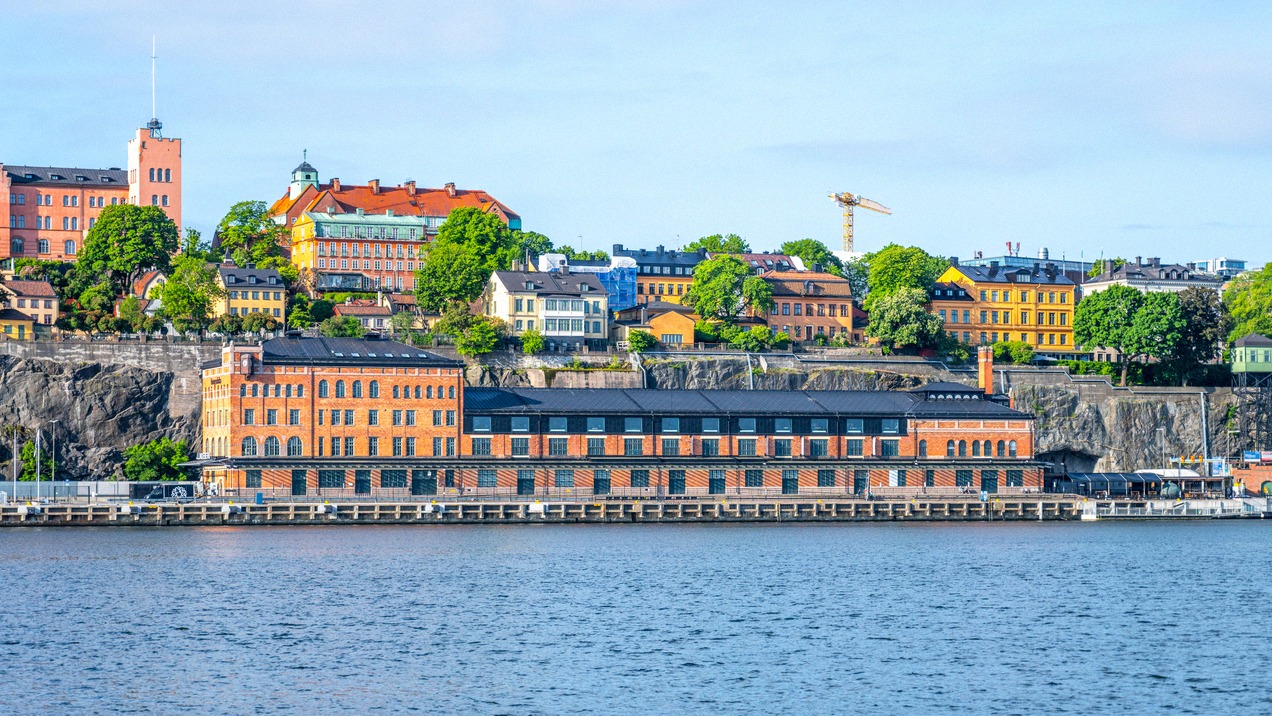
Fotografiska on Södermalm shows rotating world-class exhibitions of contemporary photography in a former customs house on the water, open late, until 23:00.
Katarinahissen
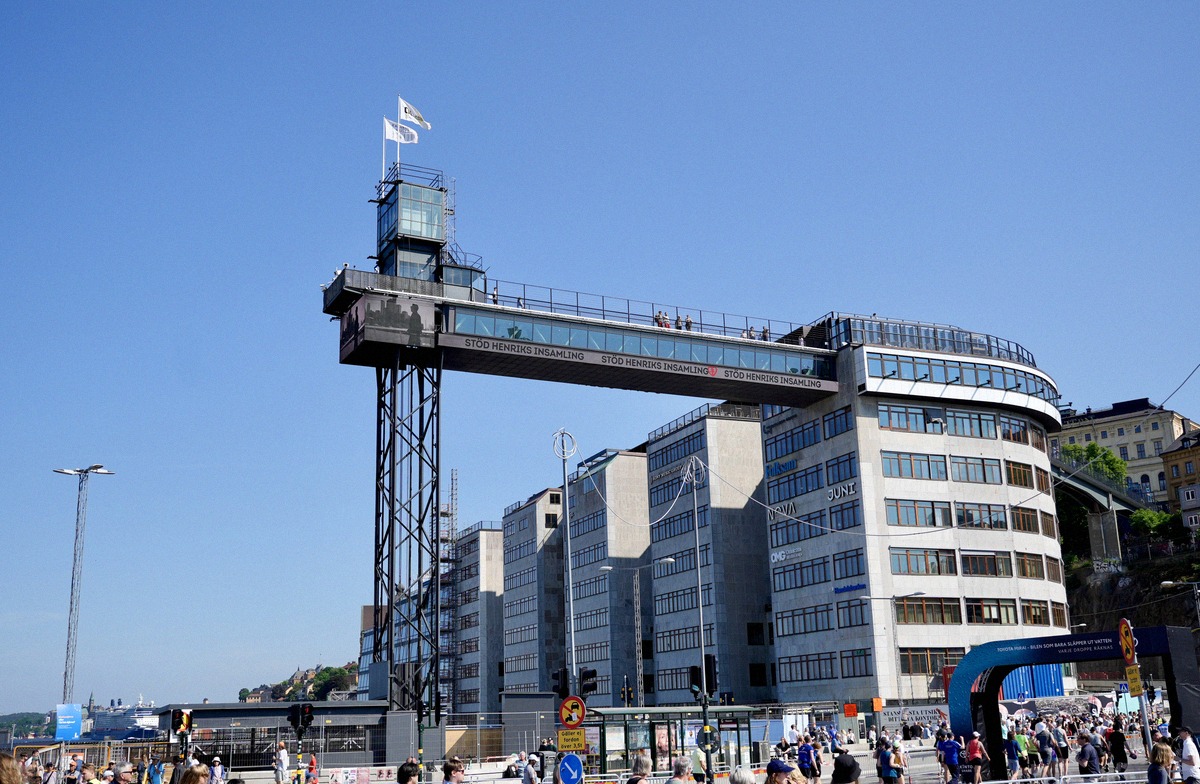
A steel lift from Slussen up to a hilltop walkway over Södermalm, with panoramic views over Gamla Stan, the harbour and the water. Ride and view are free.
Stadsmuseet
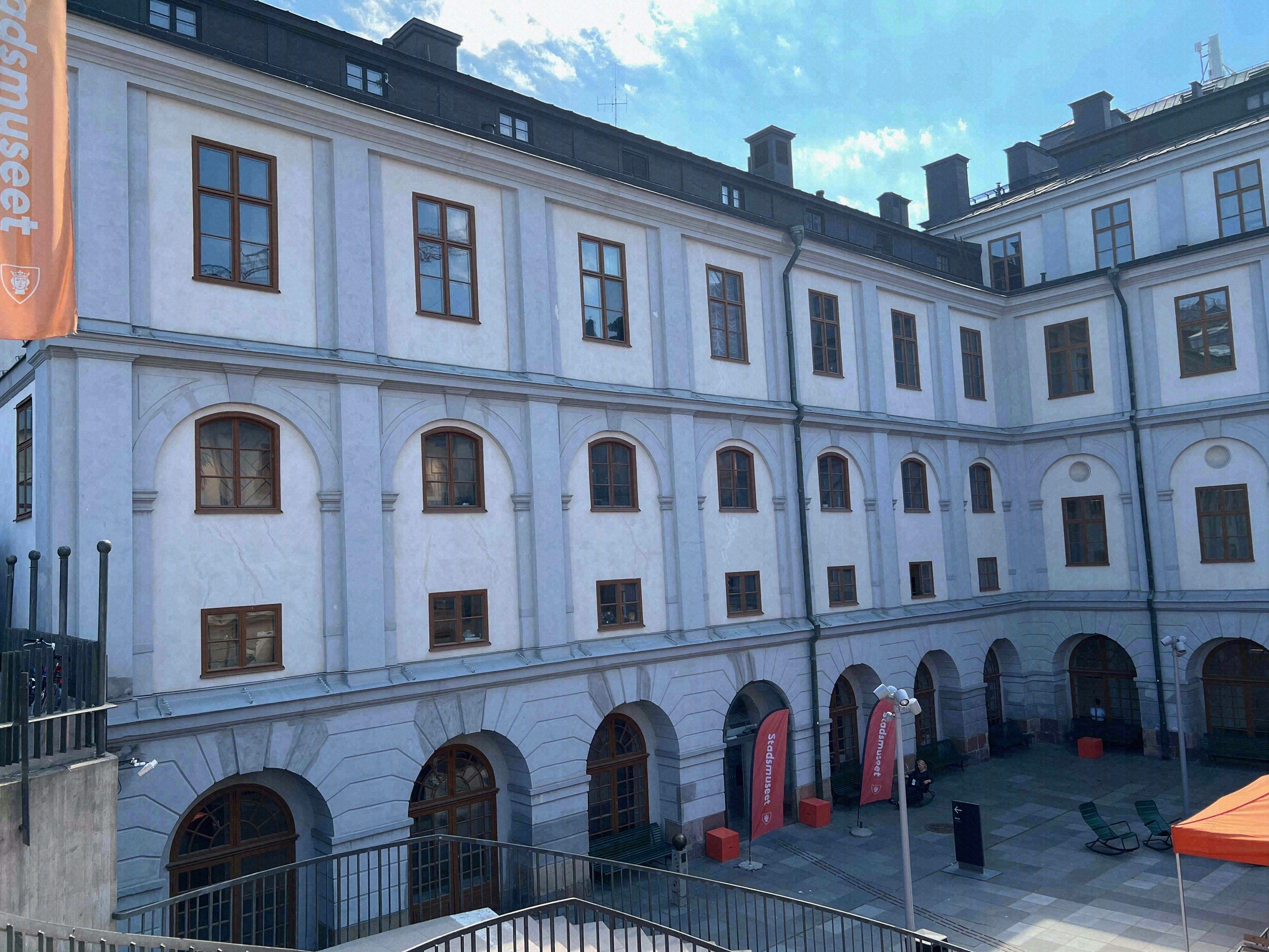
The Stadsmuseet (Stockholm City Museum), in a 1685 Baroque building at Slussen on Södermalm, tells the city's history through a collection of over 300,000 objects.
Fjällgatan
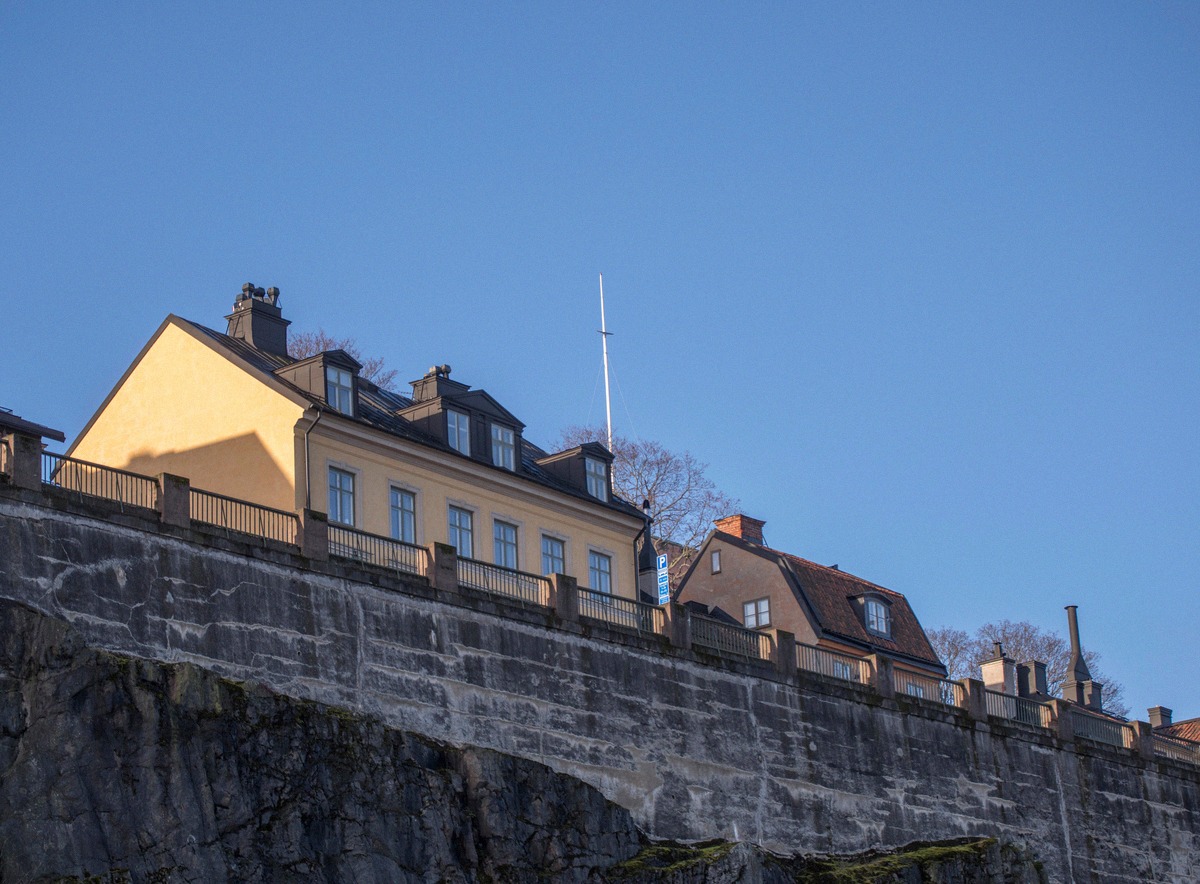
A cobbled lane high above the water on Södermalm, lined with wooden houses from the 18th century, with sweeping views over Gamla Stan, the harbour and Djurgården.
Mårten Trotzigs gränd
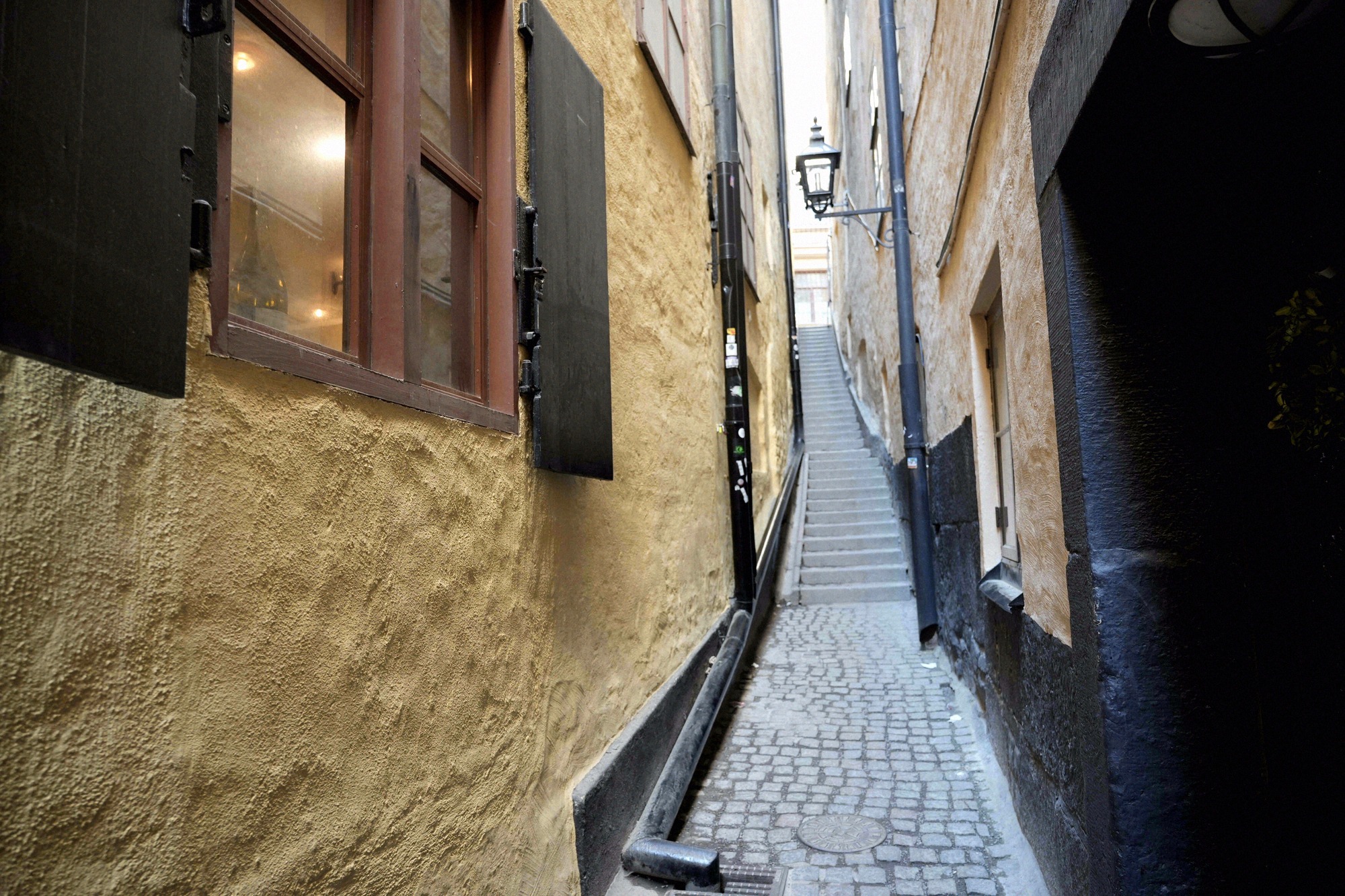
Mårten Trotzigs gränd in Gamla Stan measures 90 centimetres at its narrowest point, making it Stockholm's narrowest alley, a stepped lane of 36 steps.
Jewish Museum
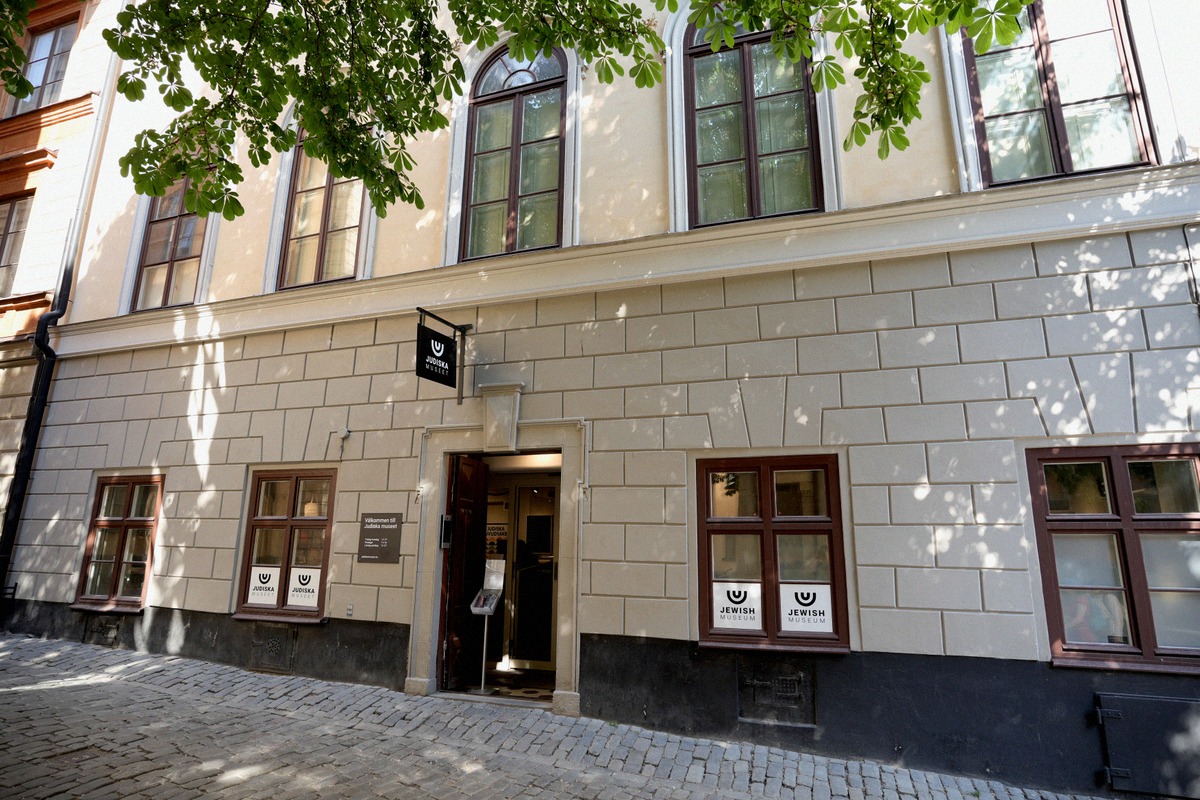
Judiska museet in Gamla Stan tells Sweden's Jewish history inside the city's oldest surviving synagogue, with the permanent exhibition The Jews & Sweden.