
Fjällgatan
Viewpoint street on Södermalm
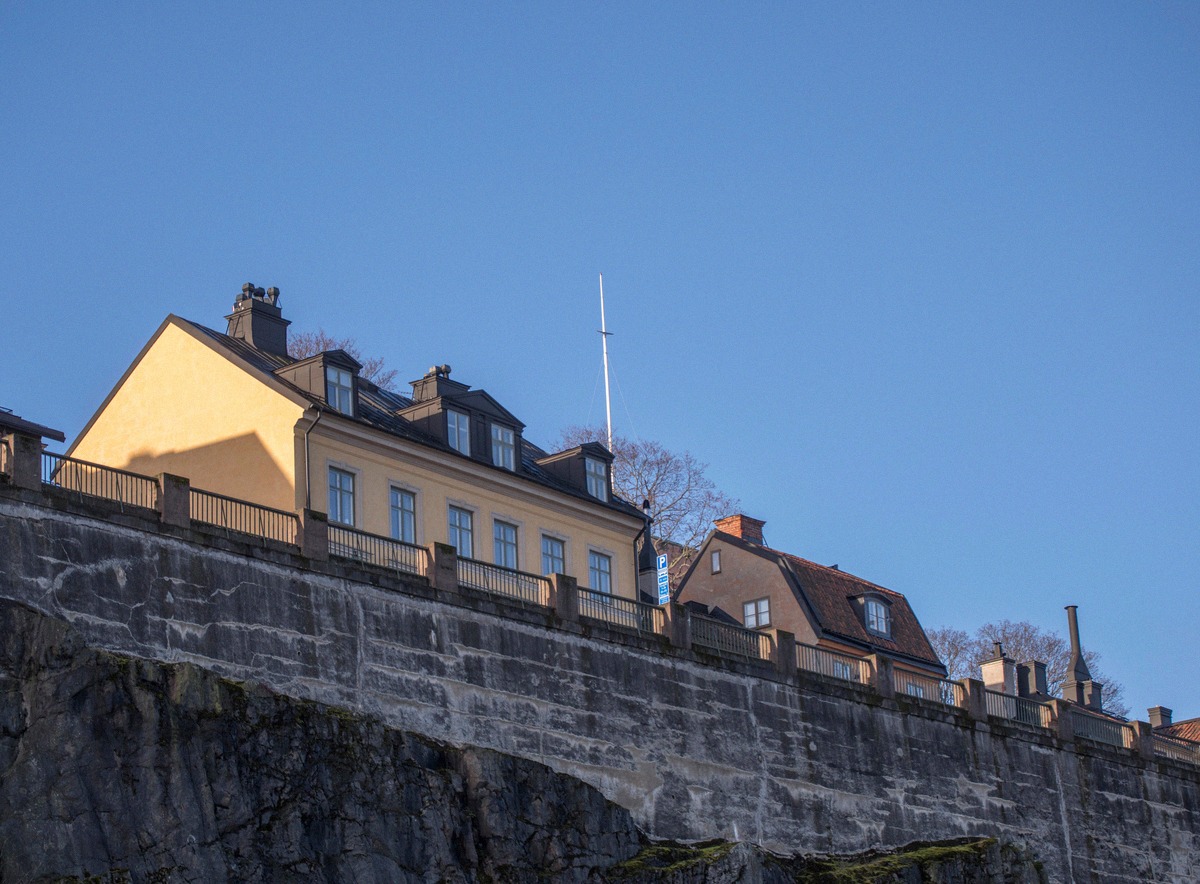
A cobbled lane high above the water on Södermalm, lined with wooden houses from the 18th century, with sweeping views over Gamla Stan, the harbour and Djurgården.
Contents
What Fjällgatan is
Fjällgatan is a cobbled street on the Stigberget hill in eastern Södermalm, roughly 40 metres above the water. It is lined with well-preserved wooden houses from the 18th century - most of the buildings in the quarter between Stigbergsgatan and Fjällgatan were rebuilt after a major fire in 1723. The lane is considered one of the best-preserved examples of an 18th-century Stockholm street.
As a public street, Fjällgatan is open and accessible free of charge all year round. There is no admission fee, no opening hours and no closing times.
History and heritage conservation area
The street took its current name in 1885; before that it was named after the Galgenberg (“Gallows Hill”) that once stood here. At the urging of Anna Lindhagen, calls were made in 1913 to preserve the historic townscape south of Fjällgatan, and in 1956 the area was finally designated a heritage conservation area. This has kept the character of old, pre-industrial Stockholm intact around the lane.
At Fjällgatan 37 stands the popular summer café Fjällgatans Kaffestuga, housed in a former weigh-house (“Waaghaus”) from 1872, a scale house once used to weigh goods. The café keeps its own seasonal opening hours and is mainly open over the summer half of the year.
The view
From the small terrace, a wide view opens out across the harbour to the old town of Gamla Stan, the island of Skeppsholmen and Djurgården. The spot is especially popular at sunset. Right next door runs the old lane Stigbergsgatan, with more small wooden houses
- a worthwhile short detour.
Visiting and getting there
The climb up follows the steep Erstagatan. On foot, Fjällgatan is reachable from the Medborgarplatsen metro (T-bana) station, heading east via Folkungagatan, or from the Slussen interchange. Because of the steep approach and the cobblestones, the lane has only limited accessibility.
A visit takes around 30 to 45 minutes. Fjällgatan combines well with Södermalm's other viewpoints: the Katarinahissen lift at Slussen and the clifftop path Monteliusvägen are both nearby - Monteliusvägen roughly 1.6 kilometres to the west, with the rock of Skinnarviksberget beyond it. A loop taking in Monteliusvägen, Fjällgatan and Fåfängan takes about 40 minutes on foot in total. More on the neighbourhood in the overview of Södermalm.
A completely different perspective comes from the glass SkyView gondola on the Avicii Arena, climbing the outside of the sphere to 85 metres.
Frequently asked questions
What is Fjällgatan? +
What does a visit cost? +
What can you see from here? +
How do you get up there? +
Nearby
Fotografiska
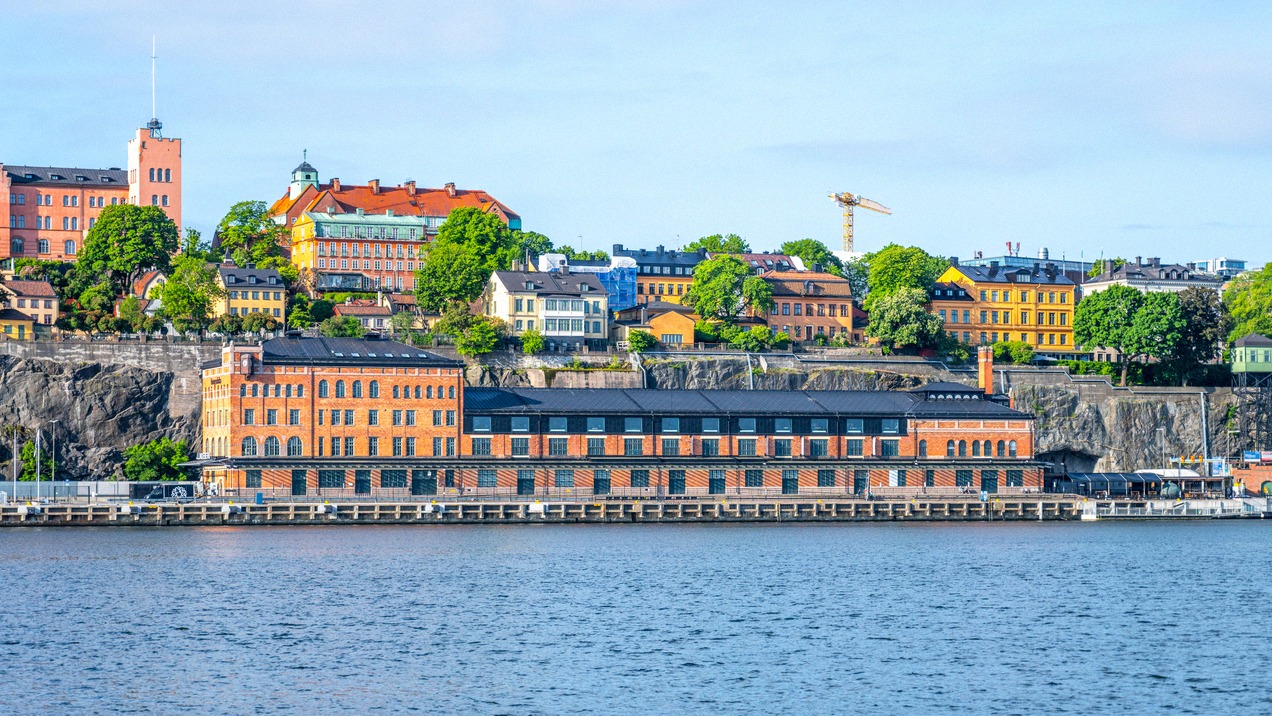
Fotografiska on Södermalm shows rotating world-class exhibitions of contemporary photography in a former customs house on the water, open late, until 23:00.
Katarina kyrka
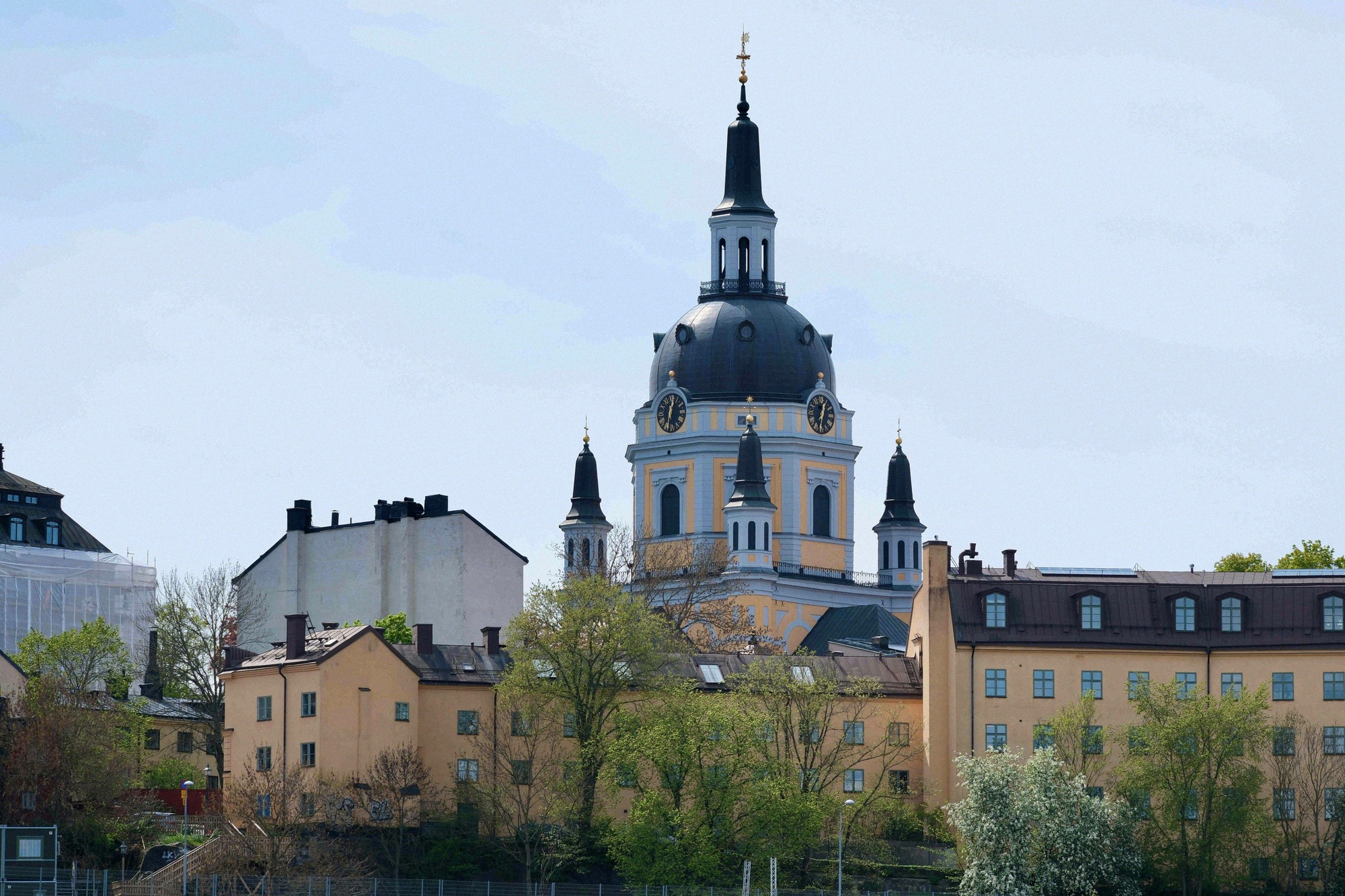
A landmark Baroque church by Jean de la Vallée on Södermalm, rebuilt with historic techniques after the 1990 fire. Free admission.
Gröna Lund
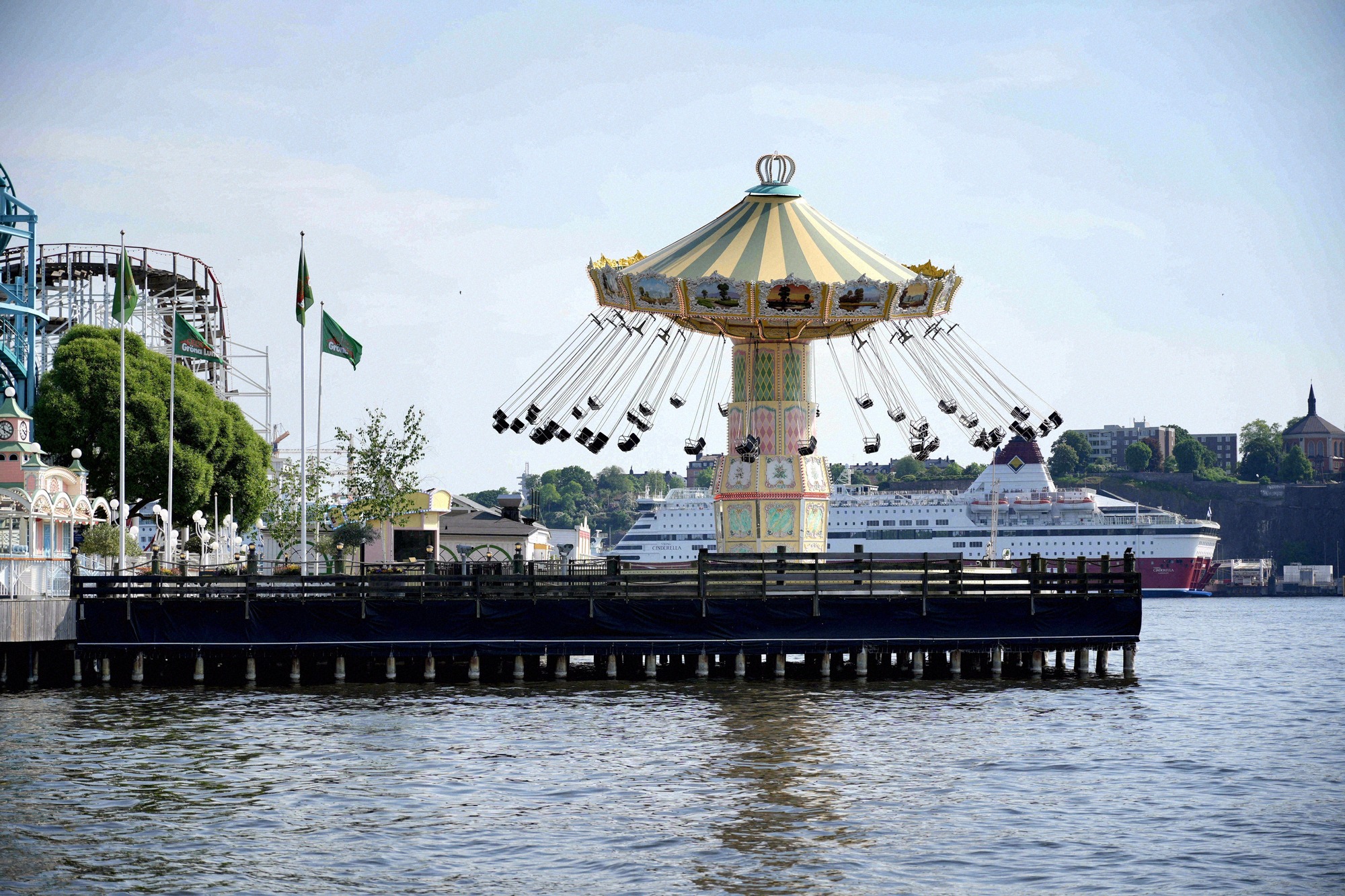
Gröna Lund, known to locals as "Grönan", is Sweden's oldest amusement park (since 1883) on Djurgården - 30 rides, seven roller coasters and summer concerts.
Katarinahissen
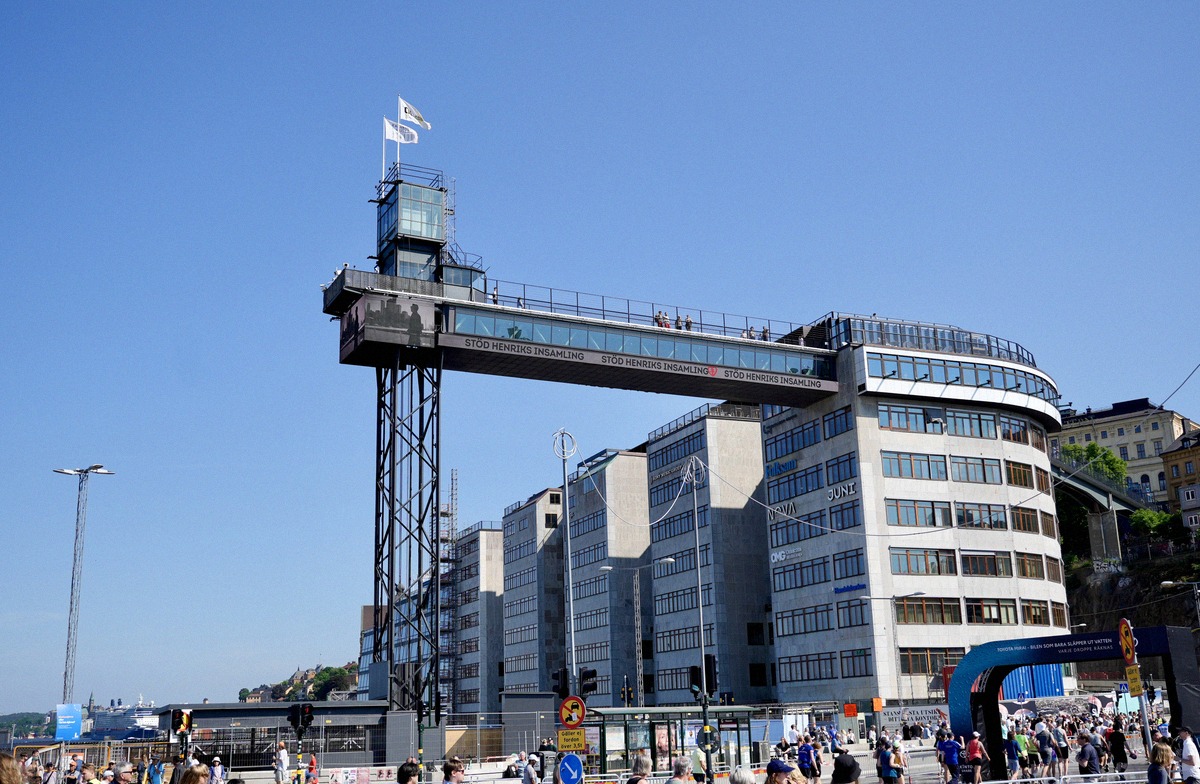
A steel lift from Slussen up to a hilltop walkway over Södermalm, with panoramic views over Gamla Stan, the harbour and the water. Ride and view are free.
ABBA Museum
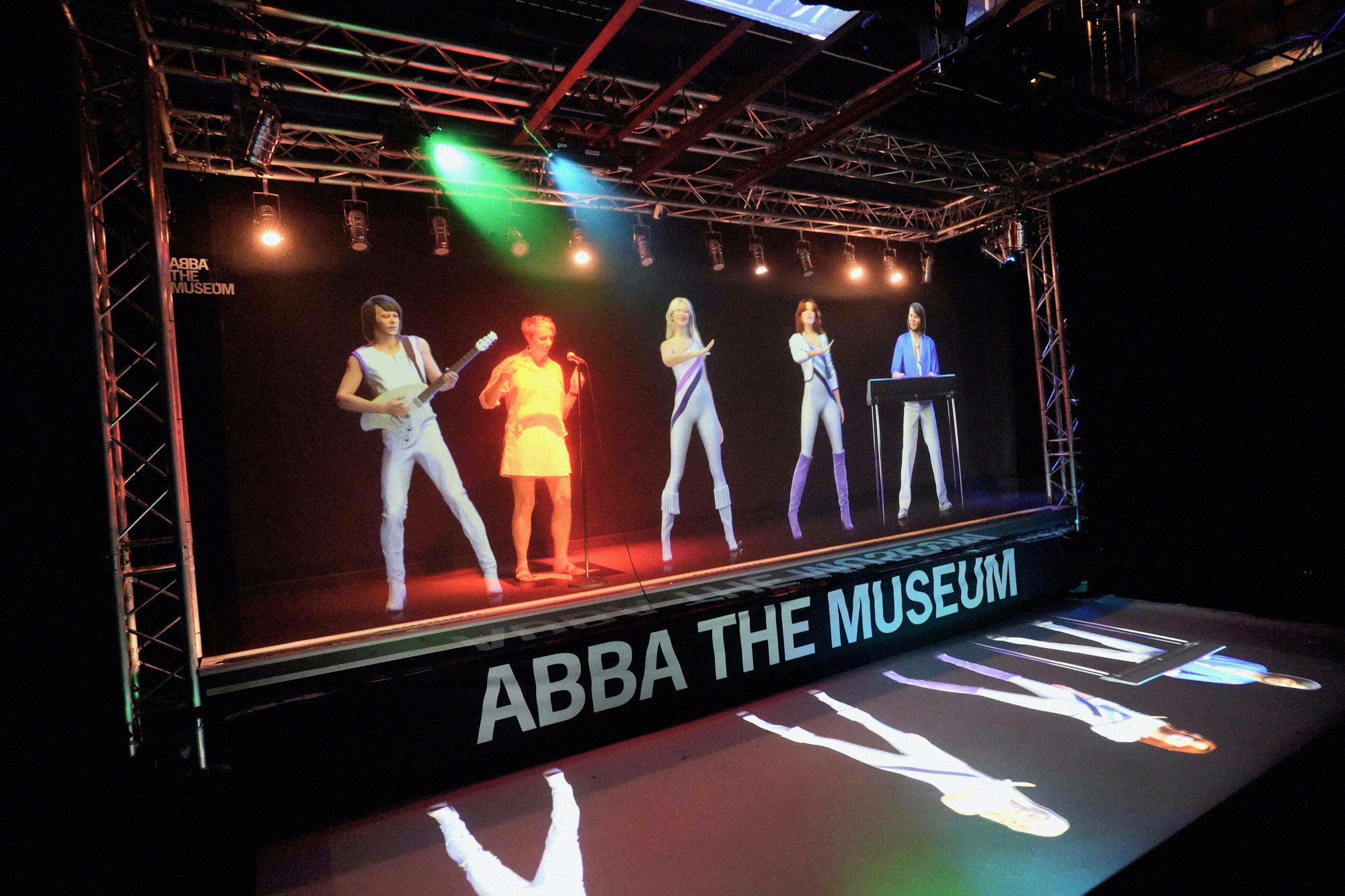
ABBA The Museum on Djurgården celebrates Sweden's most famous pop band: original costumes and stage recreations alongside a karaoke booth, hologram stage and mixing station.
Moderna Museet
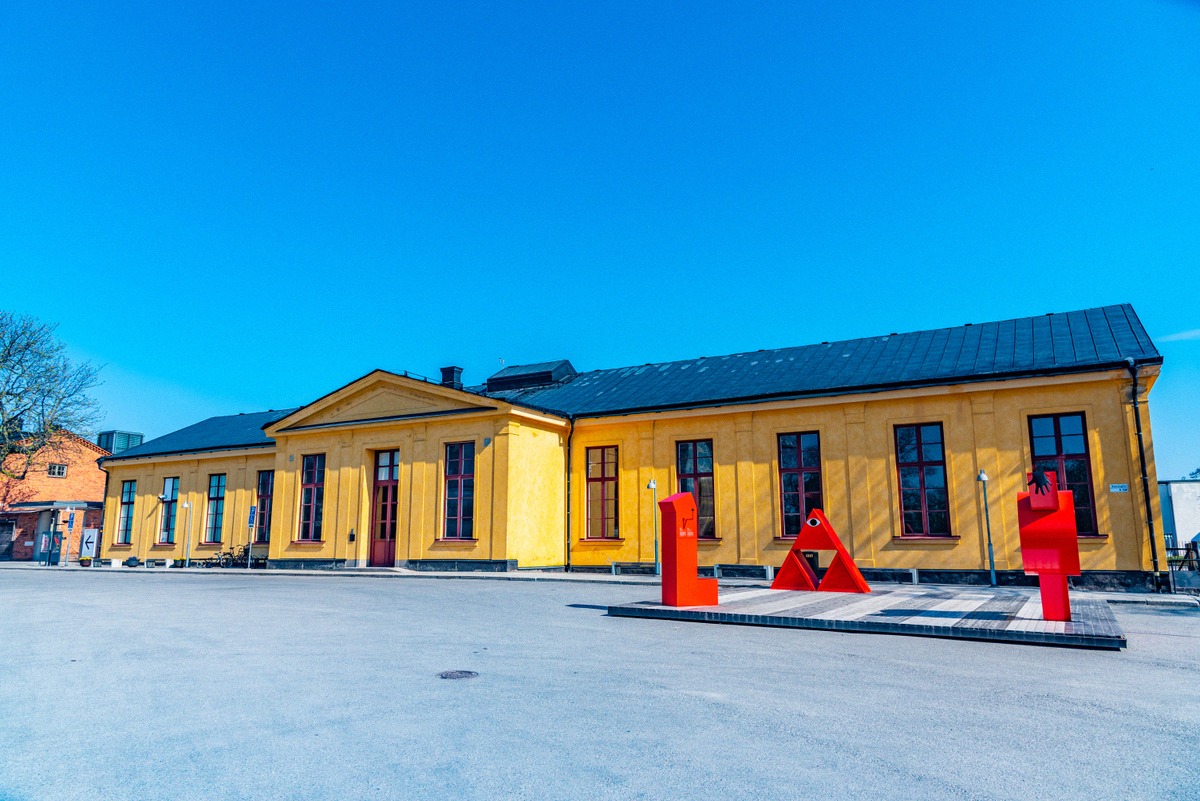
Sweden's museum of modern and contemporary art on Skeppsholmen - Picasso, Dalí, Matisse and Nordic modernism, free admission to the permanent collection.