
Moderna Museet
Modern and contemporary art on Skeppsholmen
Sweden's museum of modern and contemporary art on Skeppsholmen - Picasso, Dalí, Matisse and Nordic modernism, free admission to the permanent collection.
Contents
Modern art on Skeppsholmen
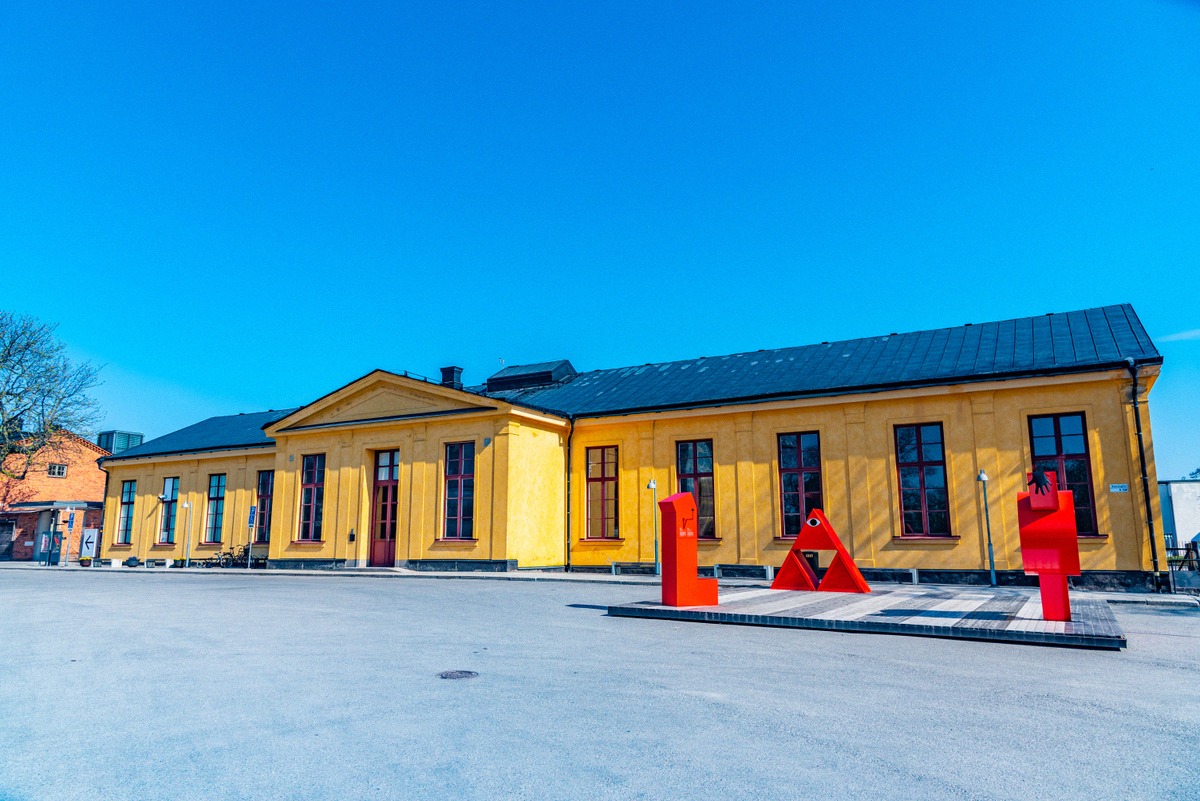
The Moderna Museet on the small, quiet island of Skeppsholmen is Sweden's leading museum of modern and contemporary art. Founded in 1958, its collection now ranks among the most significant in Europe. Part of the appeal is the setting itself, well away from the Gamla Stan crowds: a short walk over a bridge, a waterfront museum building, plus shoreline paths and a sculpture garden.
The permanent collection comprises around 140,000 works, about 6,000 paintings, sculptures and installations, 25,000 works on paper, around 100,000 photographs and roughly 400 films and videos. The focus runs from the 20th century to the present day.
What to expect
The collection is built around the big names of classic modernism and post-war art:
- Pablo Picasso, Henri Matisse and Salvador Dalí for early modernism
- Marcel Duchamp and the early-20th-century avant-garde
- Robert Rauschenberg, Donald Judd and American post-war art
- Niki de Saint Phalle, Louise Bourgeois and Meret Oppenheim
Alongside this sits a strong body of Nordic modernism and an extensive photography collection. Around the museum, a sculpture garden and the island's waterside paths invite you to linger, a peaceful contrast to nearby Gamla Stan.
Admission and best time to visit
A big plus: the permanent collection is free. Admission is only charged for the temporary special exhibitions, standard 170 SEK (160 SEK online), concession 140 SEK, free for under-18s. Fridays from 18:00 to 20:00 the special exhibitions are free too, making it a good option for an after-work visit. Exact prices for individual special exhibitions can vary; booking runs through the official website.
The free collection is quietest on weekday mornings from 10:00. Tuesdays and Fridays the museum stays open until 20:00, otherwise until 18:00; it's closed on Mondays. Plan for 1.5 to 2.5 hours for the collection, more if you add a special exhibition and a walk around the island.
Getting there and around
Skeppsholmen sits centrally but has no metro station of its own. The nearest Tunnelbana (Stockholm's underground/metro) stop is Kungsträdgården; from there, walk past the Nationalmuseum and across the Skeppsholmsbron bridge onto the island. Bus 65 runs from Centralen (Stockholm Central Station), and ferry line 17 connects Skeppsholmen with Slussen, Djurgården and Nybroplan.
On the same island, two more museums are worth a look: the architecture and design museum ArkDes (in the same building complex) and the Östasiatiska Museet (Museum of Far Eastern Antiquities). On the way over from the mainland you pass right by the Nationalmuseum, and Kungsträdgården park sits right at the bridge, together they make for a relaxed day of museums and walking.
Frequently asked questions
Is admission to the Moderna Museet free? +
What are the highlights of the collection? +
How do I get to Skeppsholmen? +
How much time should I plan for? +
Nearby
Bergrummet
The Bergrummet (Stockholm Toy Museum) holds Scandinavia's largest toy collection inside a former naval bunker under Skeppsholmen, around 40,000 objects from tin toys to comics.
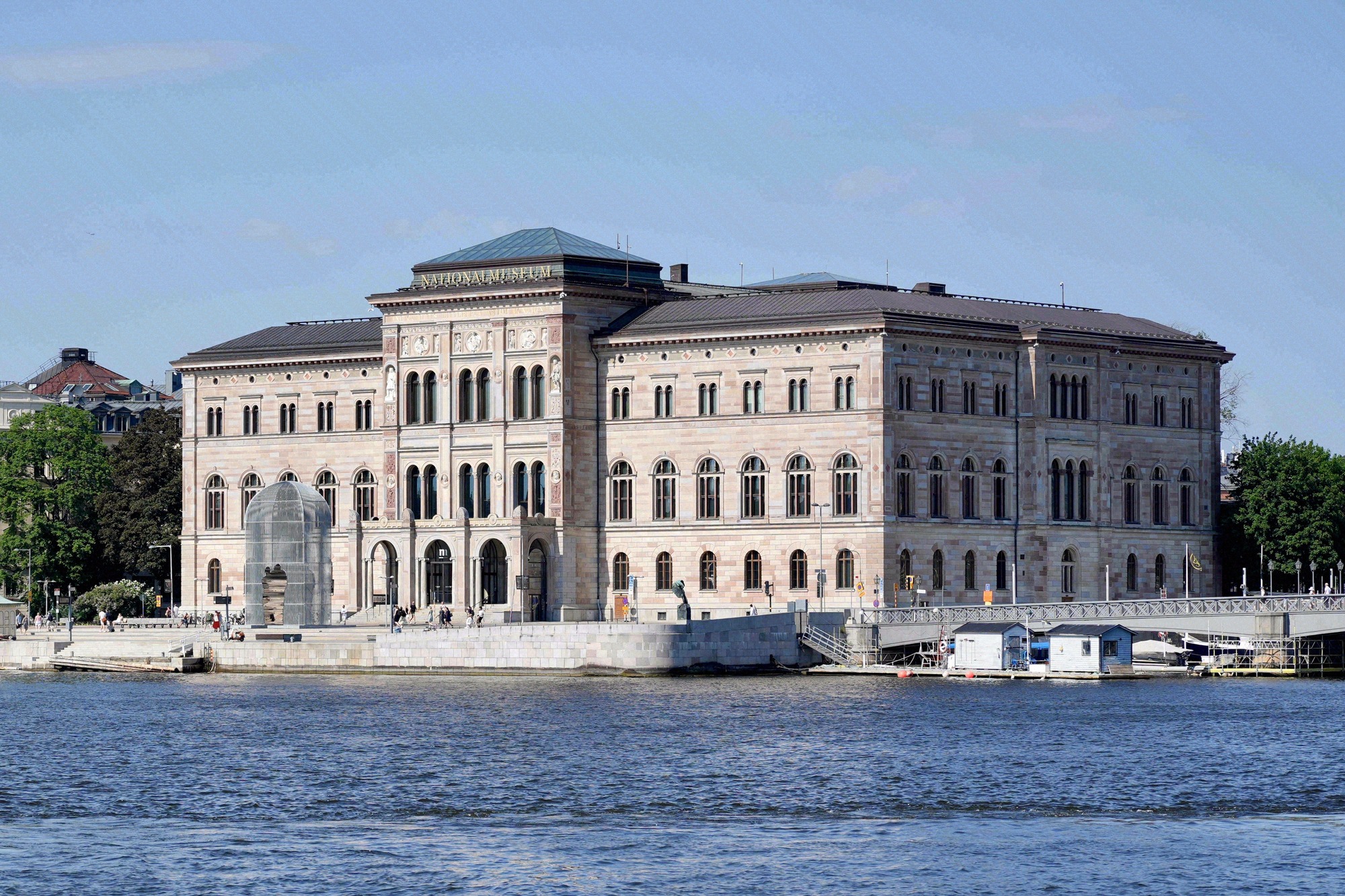
Nationalmuseum
Sweden's largest art museum on the Blasieholmen quay opposite the Royal Palace. Old Masters from Rembrandt to Renoir, Swedish painting, and design and crafts.
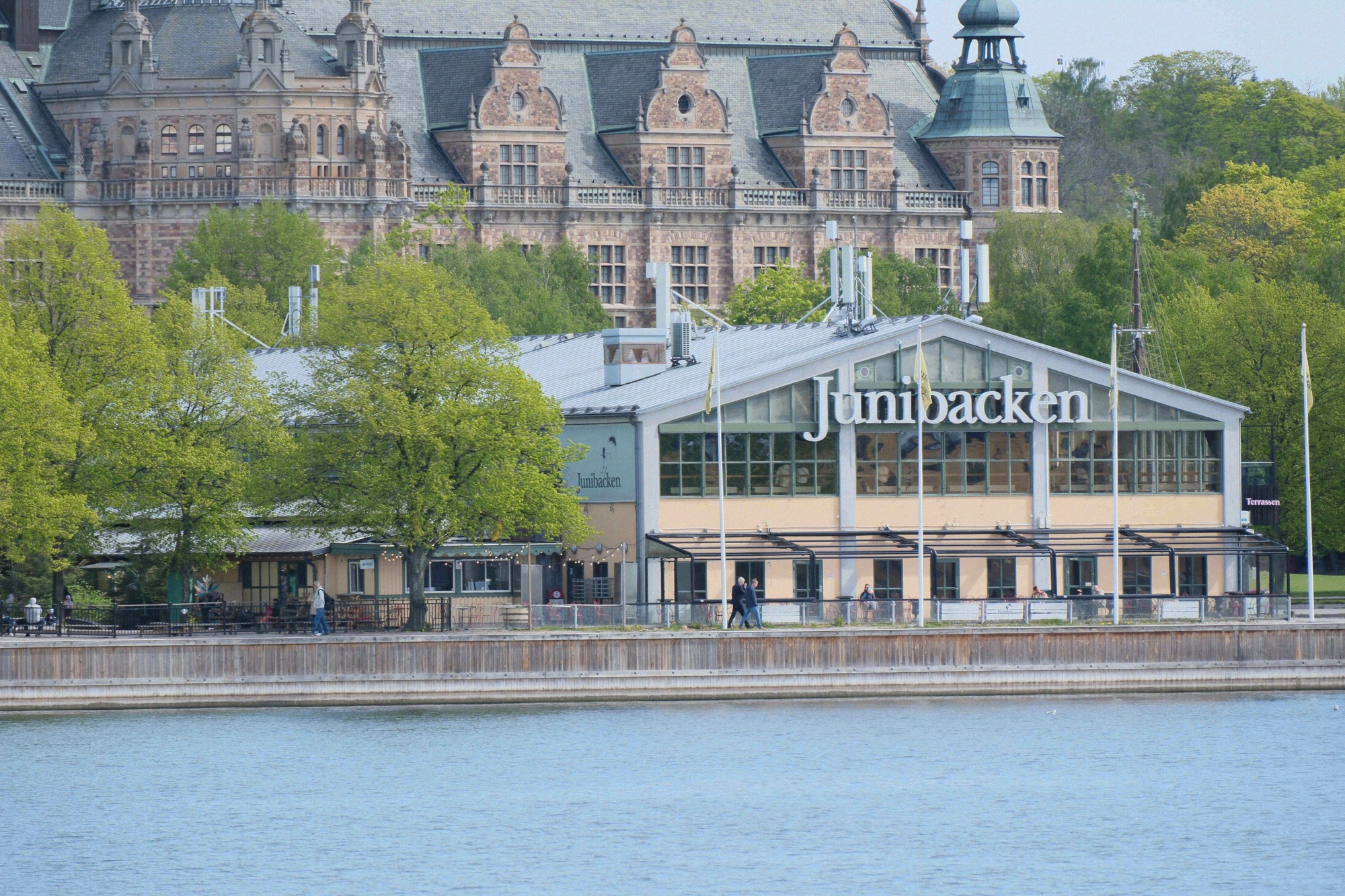
Junibacken
Storybook house on Djurgården built around Astrid Lindgren's characters, with the overhead story train Sagotåget and Pippi Longstocking's walk-in Villa Villekulla.
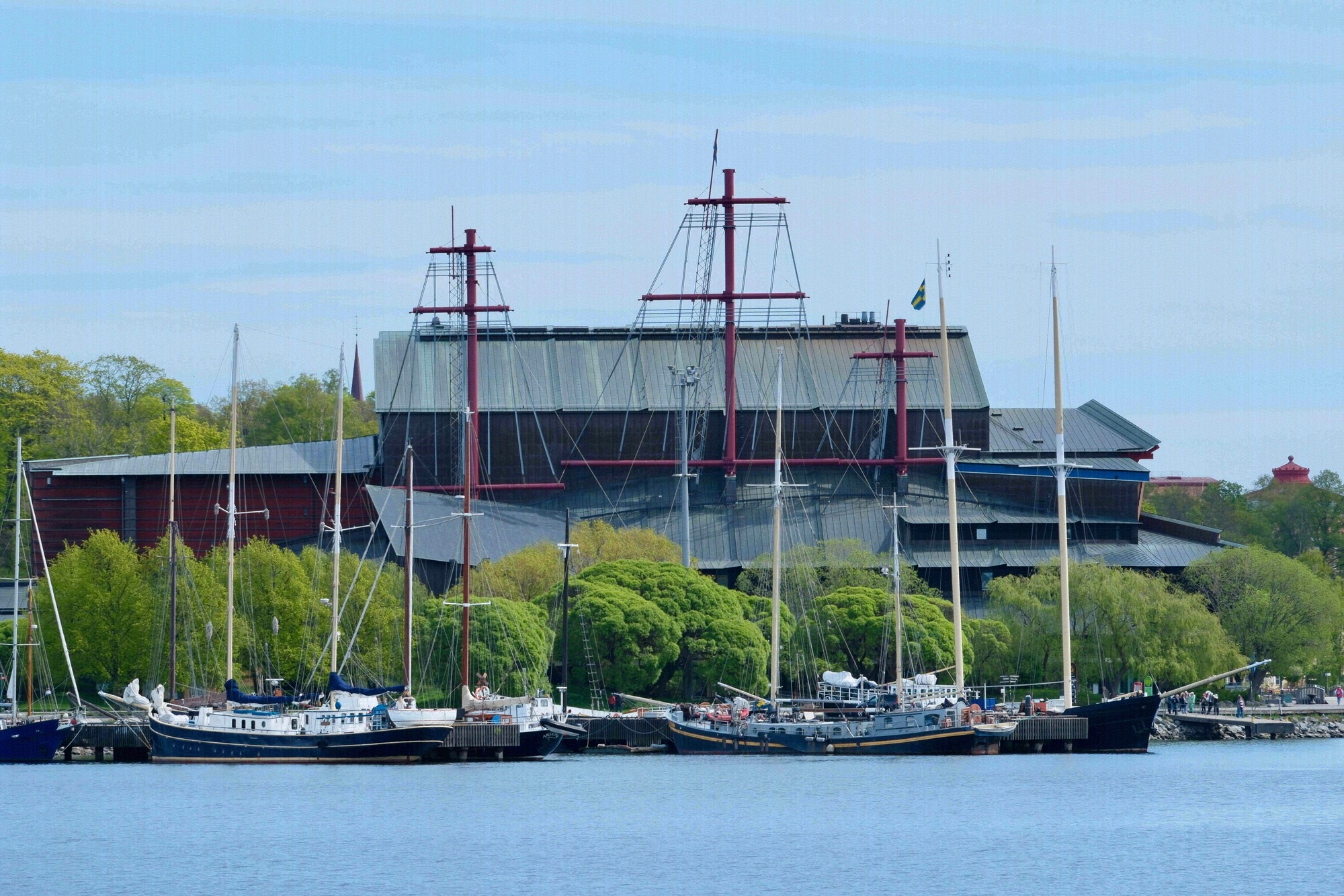
Vasa
The Vasa Museum on Djurgården houses the only nearly intact 17th-century ship afloat, a warship that sank in 1628 and was raised in 1961.
The Viking Museum
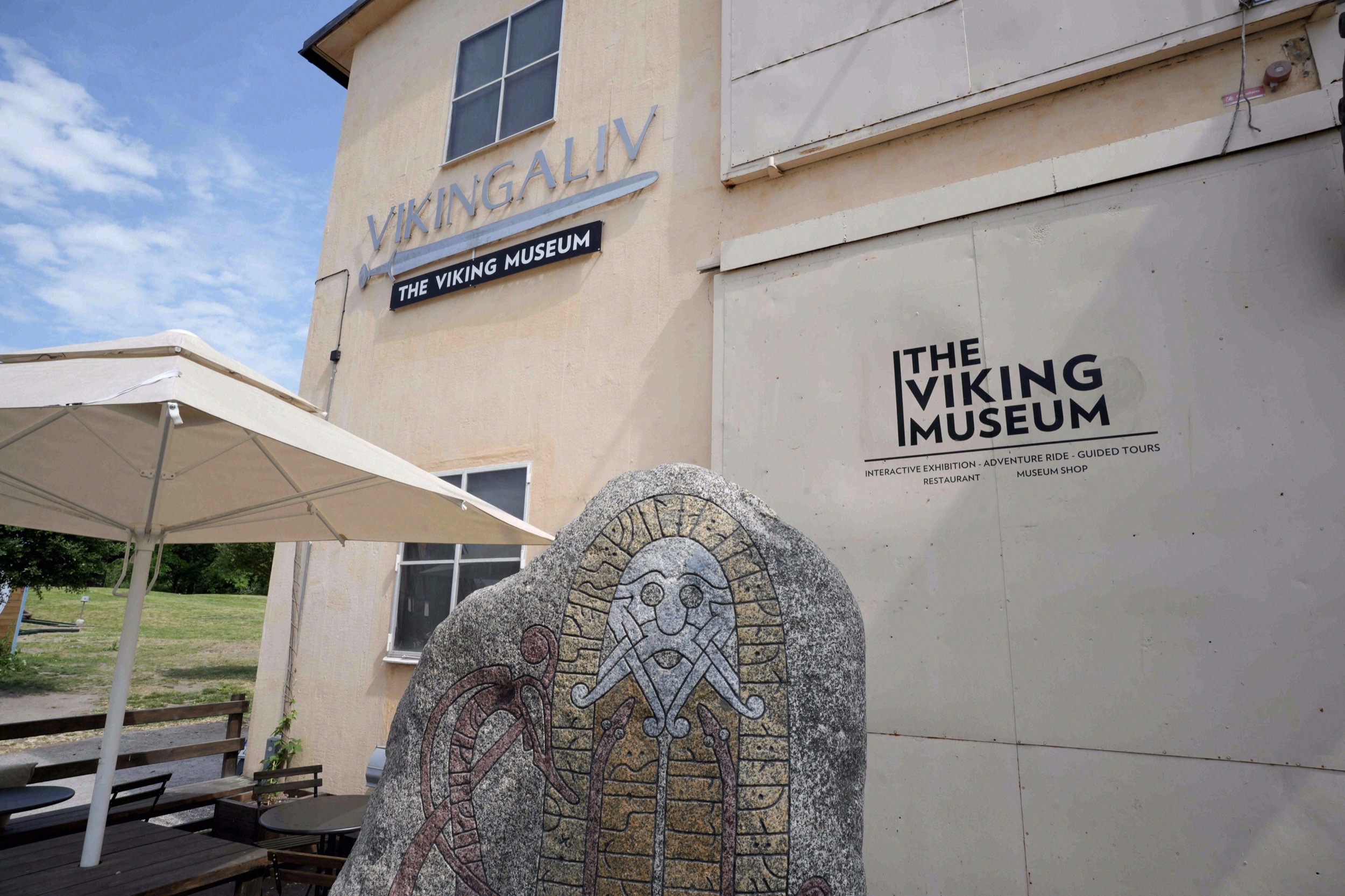
The Viking Museum (opened as Vikingaliv) on Djurgården tells the story of the Viking Age through archaeological finds. The centrepiece is the Ragnfrid saga ride through a village in the year 963.
Nordiska Museet
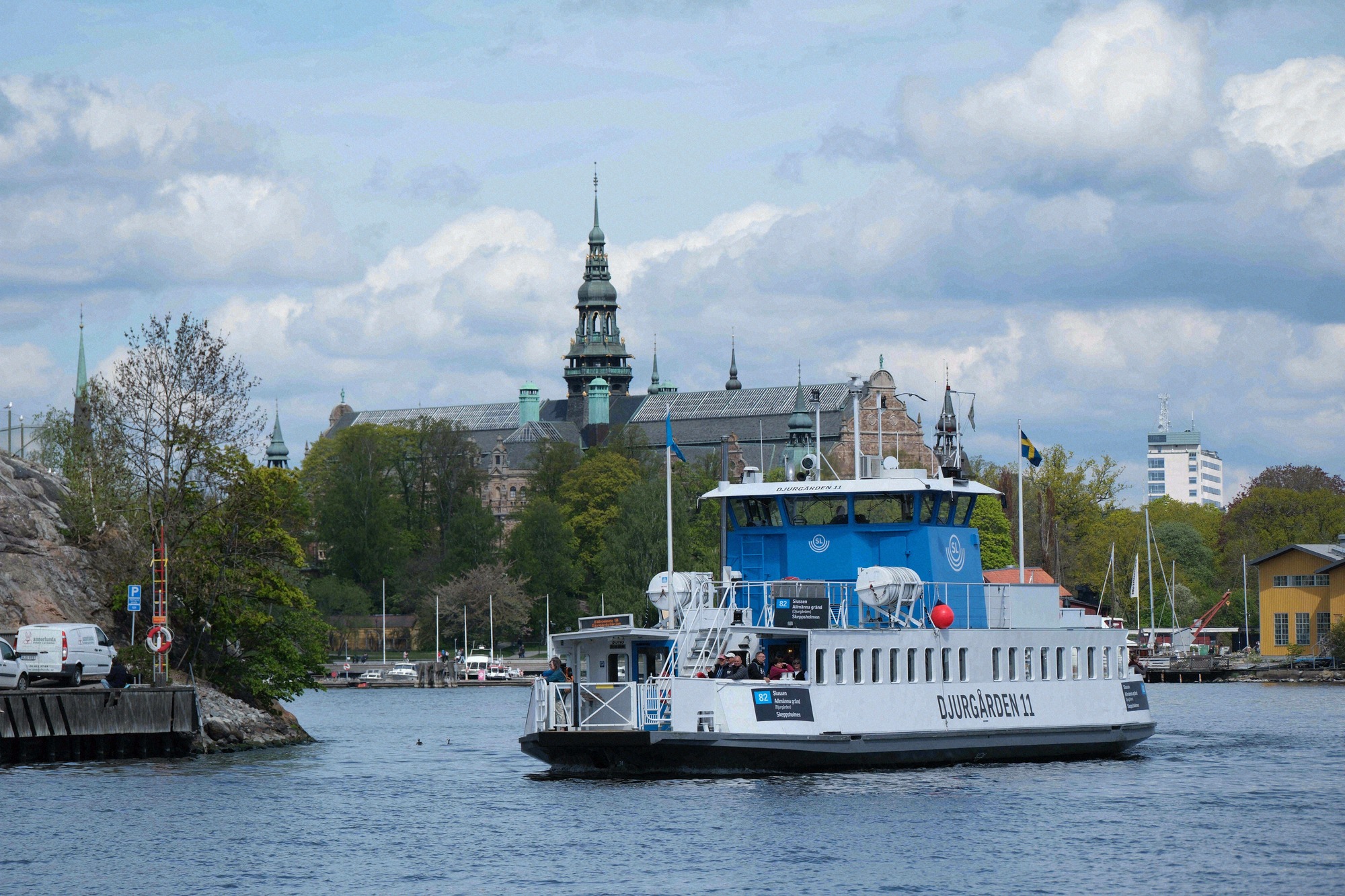
Palace-like museum on Djurgården covering 500 years of Swedish cultural history, with folk costumes, home life and the country's largest Sami collection.