Nationalmuseum
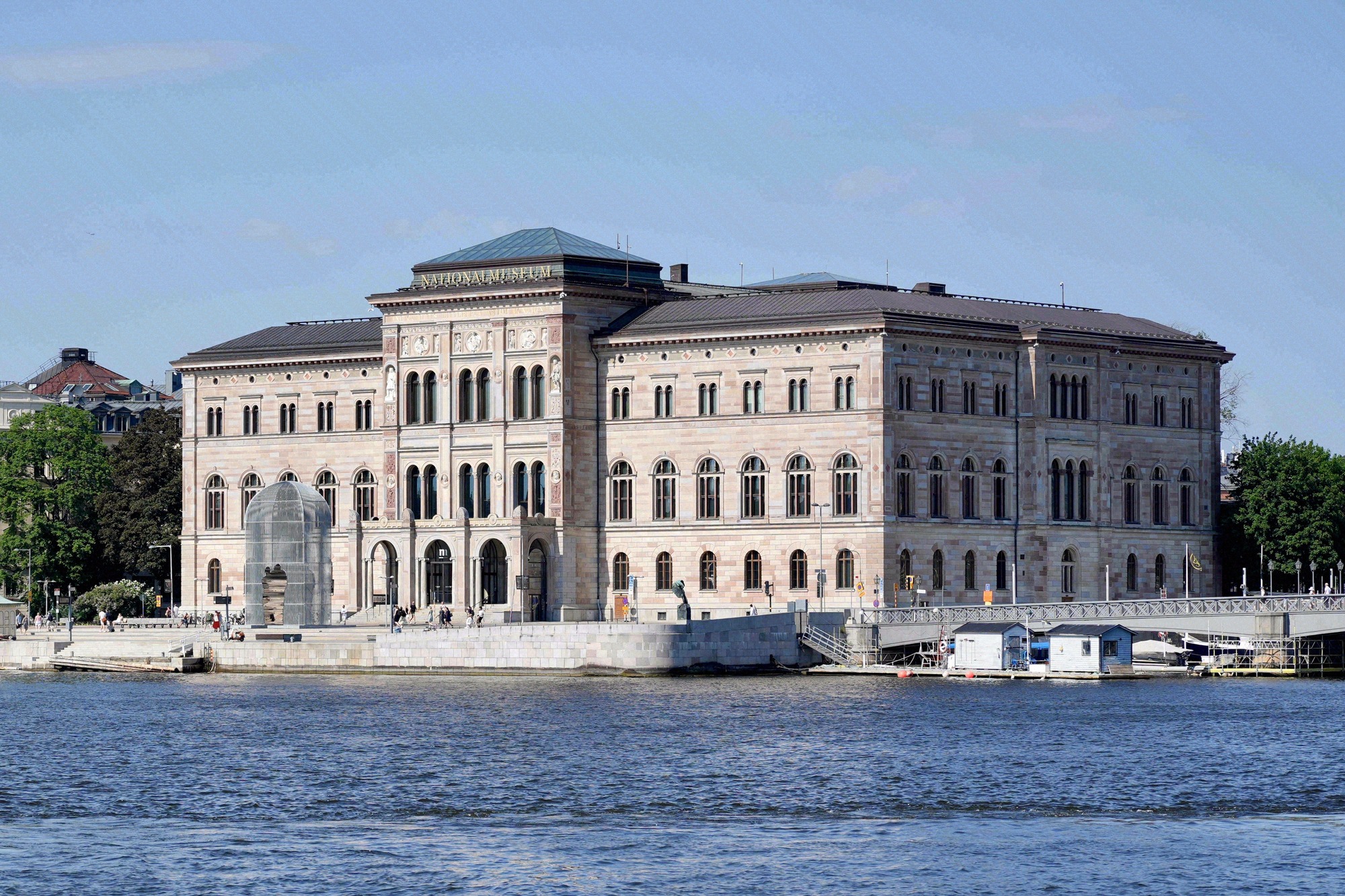
Sweden's museum of art and design on Blasieholmen
Sweden's largest art museum on the Blasieholmen quay opposite the Royal Palace. Old Masters from Rembrandt to Renoir, Swedish painting, and design and crafts.
Contents
Sweden's largest art museum
The Nationalmuseum stands on Södra Blasieholmshamnen on the Blasieholmen peninsula, right on the water opposite the Royal Palace. It's Sweden's largest art museum, holding the richest collection in the Nordic region, around 700,000 objects, including some 500,000 drawings.
The building closed for a major renovation in 2013 and reopened on 13 October 2018. Since then, its bright, redesigned galleries display nearly three times as much as before. That renovation is now some years behind it, if you last read about it as "freshly restored", you'll instead find an established, fully open museum.
From Rembrandt to Zorn
The core of the collection is European painting from the late Middle Ages to the early 20th century. Highlights include Rembrandt's The Kitchen Maid and Simeon's Song of Praise, Renoir's La Grenouillère, and Arcimboldo's whimsical composite head The Lawyer. Rubens, Goya and Gauguin also feature in the collection.
Just as worth seeing is the Swedish art. Alexander Roslin's group portrait Gustav III and His Brothers, Anders Zorn's Castles in the Air from 1885, and the light-filled interiors of Carl Larsson all show how distinctive Swedish painting was in its own right. One particular highlight is the world's largest collection of portrait miniatures, with more than 5,200 pieces.
Design, treasury and courtyards
The Nationalmuseum isn't only a picture gallery. A large design collection is devoted to Swedish design and crafts from the Baroque period to the present, a good starting point if you're more interested in Swedish design than in Old Masters.
The renovation added several new display spaces:
- the Timeline, a chronological walk through the collection
- a treasury with particularly valuable pieces
- the Children's Art World for younger visitors
- a sculpture courtyard inside the building
The ground floor, with shop, restaurant, studios and courtyards, is open to everyone, worth a quick look even without a ticket.
Opening hours, admission and tickets
The museum is open Tuesday to Sunday, closed on Mondays. Most days it runs from 11:00 to 17:00, with longer hours on Thursdays until 20:00. It's closed on Christmas Eve and Christmas Day, New Year's Eve, New Year's Day, and Midsummer Eve and Midsummer Day.
Unlike in the past, the permanent collection is no longer free. Adults pay 160 SEK, which covers the collection and all special exhibitions. Entry is free under 20, and it drops to 80 SEK in the last hour before closing. To save on admission, come on a Thursday between 17:00 and 20:00, when entry is free for everyone, though it's noticeably busier. Buy tickets in advance via the official ticket page; on site, payment is card or Swish only, no cash.
Visiting and the best time to go
Allow 2 to 3 hours for a full overview. If you focus on the Old Masters, around an hour is enough, and a design-only round takes about 45 minutes. It's quietest on weekday mornings (Tuesday to Friday).
The museum is comprehensively accessible: lifts with automatic doors on every floor, wheelchairs and walking frames to borrow, accessible toilets, a tactile model in the foyer, and hearing loops. Assistance dogs are welcome, and a companion gets in free.
Getting there and combining your visit
The address is Södra Blasieholmshamnen 2. By metro (tunnelbana) to Kungsträdgården (blue line), it's about a five-minute walk. Bus 65 stops right outside the museum, and lines 2, 55 and 76 stop at Karl XII:s torg. In summer, the Djurgården ferry takes you to Skeppsholmen, about a ten-minute walk from there.
The location works well for a museum or culture-focused day. Right opposite is the Royal Palace in Gamla Stan (Stockholm's old town). On the neighbouring island of Skeppsholmen you'll find the Moderna Museet for modern art, and for another grand city palace turned museum, there's Hallwylska Palatset in Östermalm. If you're planning to visit several museums, see the overview guide which museums and sights are worth it.
Frequently asked questions
What can you see at the Nationalmuseum? +
Does the Nationalmuseum charge admission? +
How much time should I allow? +
When is it least crowded? +
How do you get to the Nationalmuseum? +
Is the Nationalmuseum accessible? +
Nearby
Bergrummet
The Bergrummet (Stockholm Toy Museum) holds Scandinavia's largest toy collection inside a former naval bunker under Skeppsholmen, around 40,000 objects from tin toys to comics.
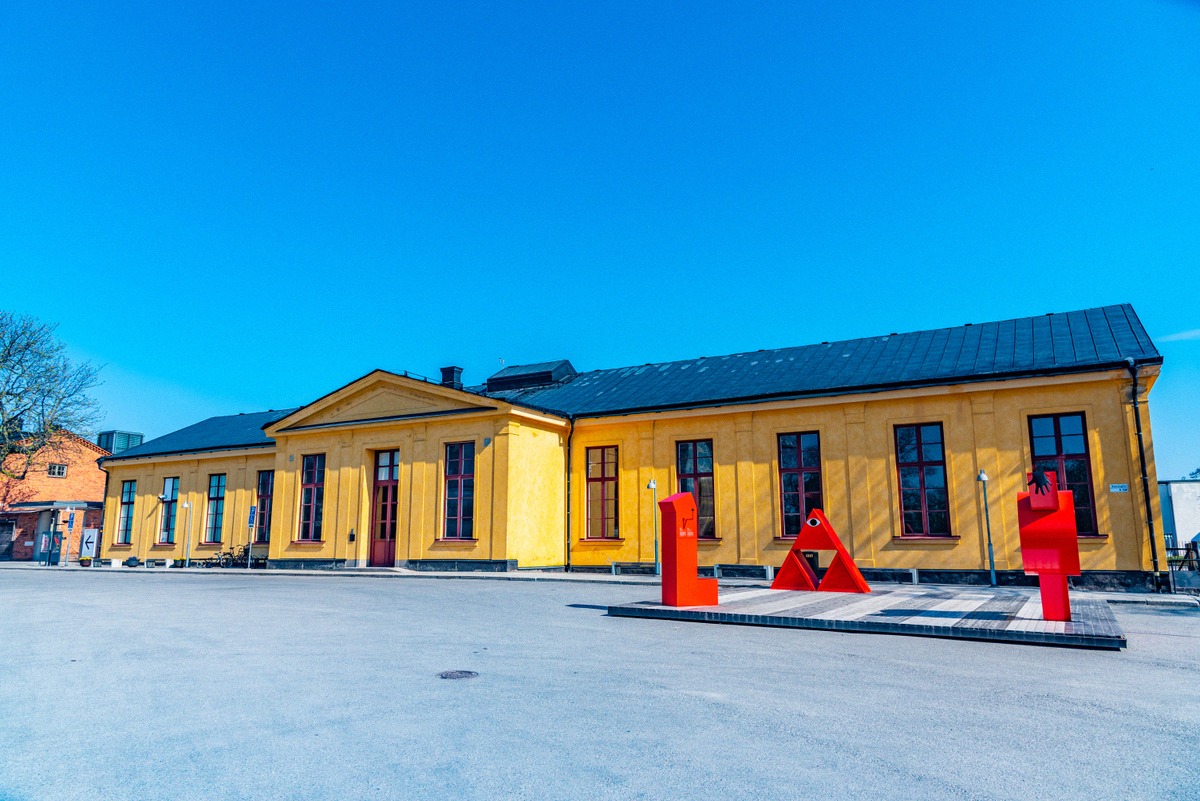
Moderna Museet
Sweden's museum of modern and contemporary art on Skeppsholmen - Picasso, Dalí, Matisse and Nordic modernism, free admission to the permanent collection.
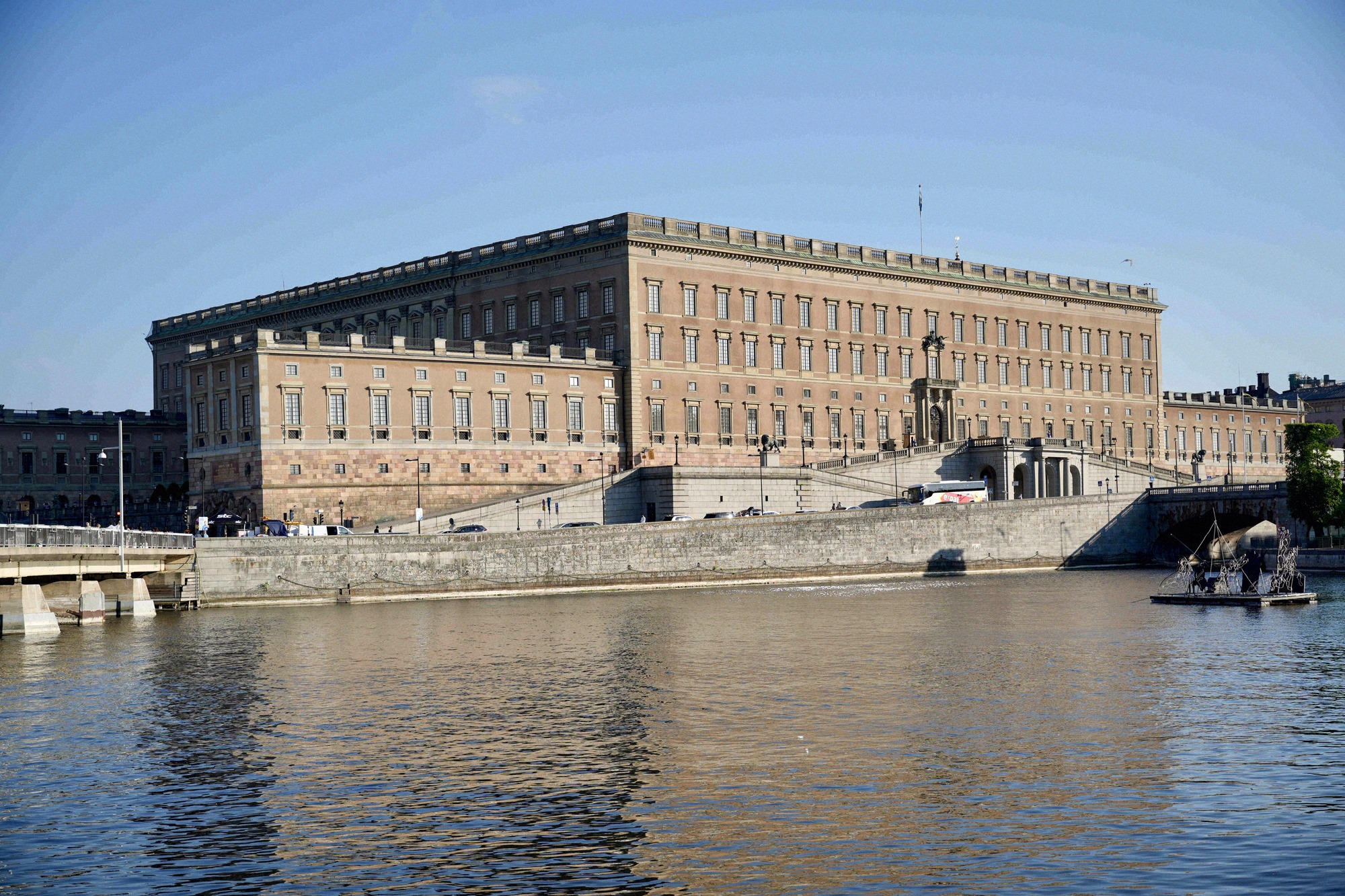
Royal Palace
The Royal Palace (Kungliga slottet) in Gamla Stan is the official residence of the King, a Baroque building with over 600 rooms, treasury, Tre Kronor Museum and Changing of the Guard.
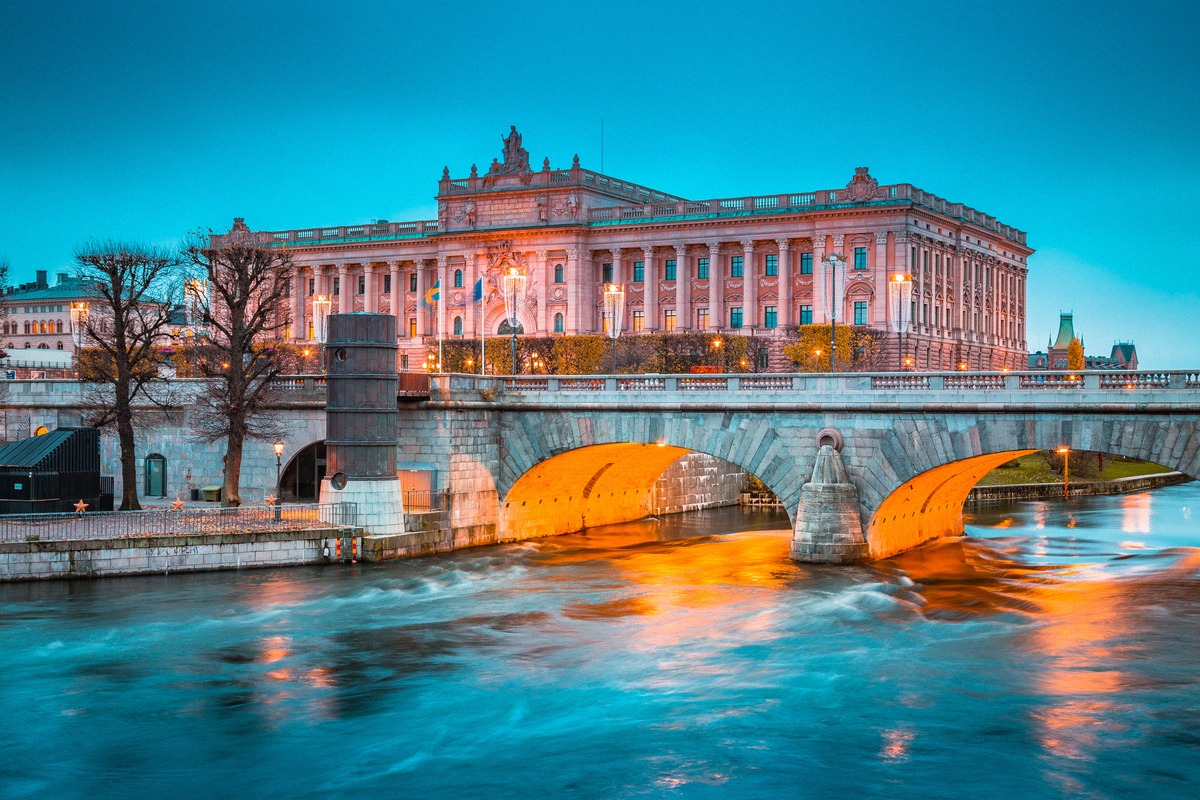
Medeltidsmuseet
Medeltidsmuseet, Stockholm's medieval history museum beneath the Norrbro on Helgeandsholmen, is currently open only as a seasonal pop-up in Gamla Stan.
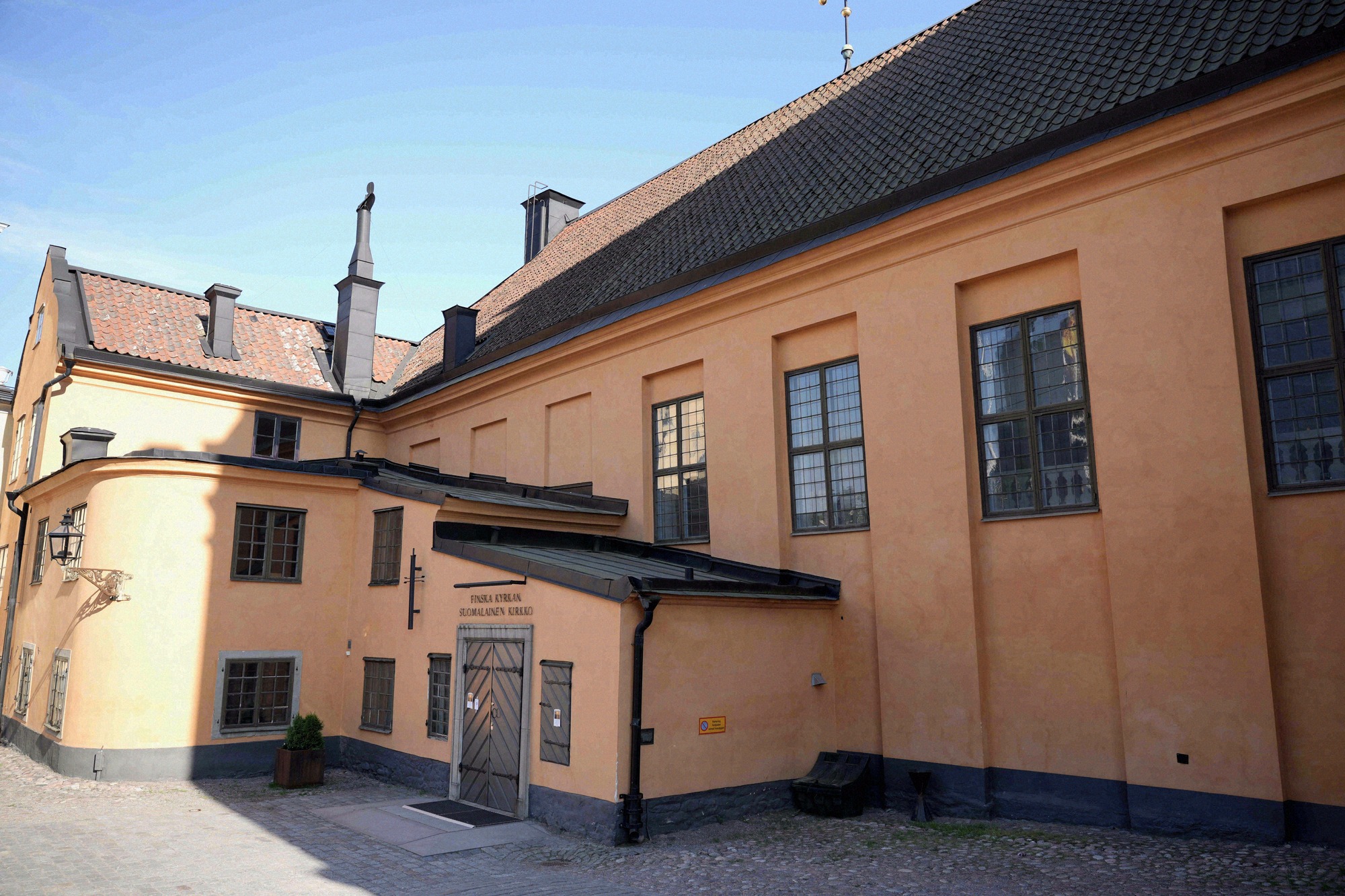
Finska kyrkan
Finska kyrkan (the Finnish Church, officially Fredriks kyrka) is a quiet Baroque church in Gamla Stan, facing the Royal Palace, with the tiny Järnpojken in its courtyard.
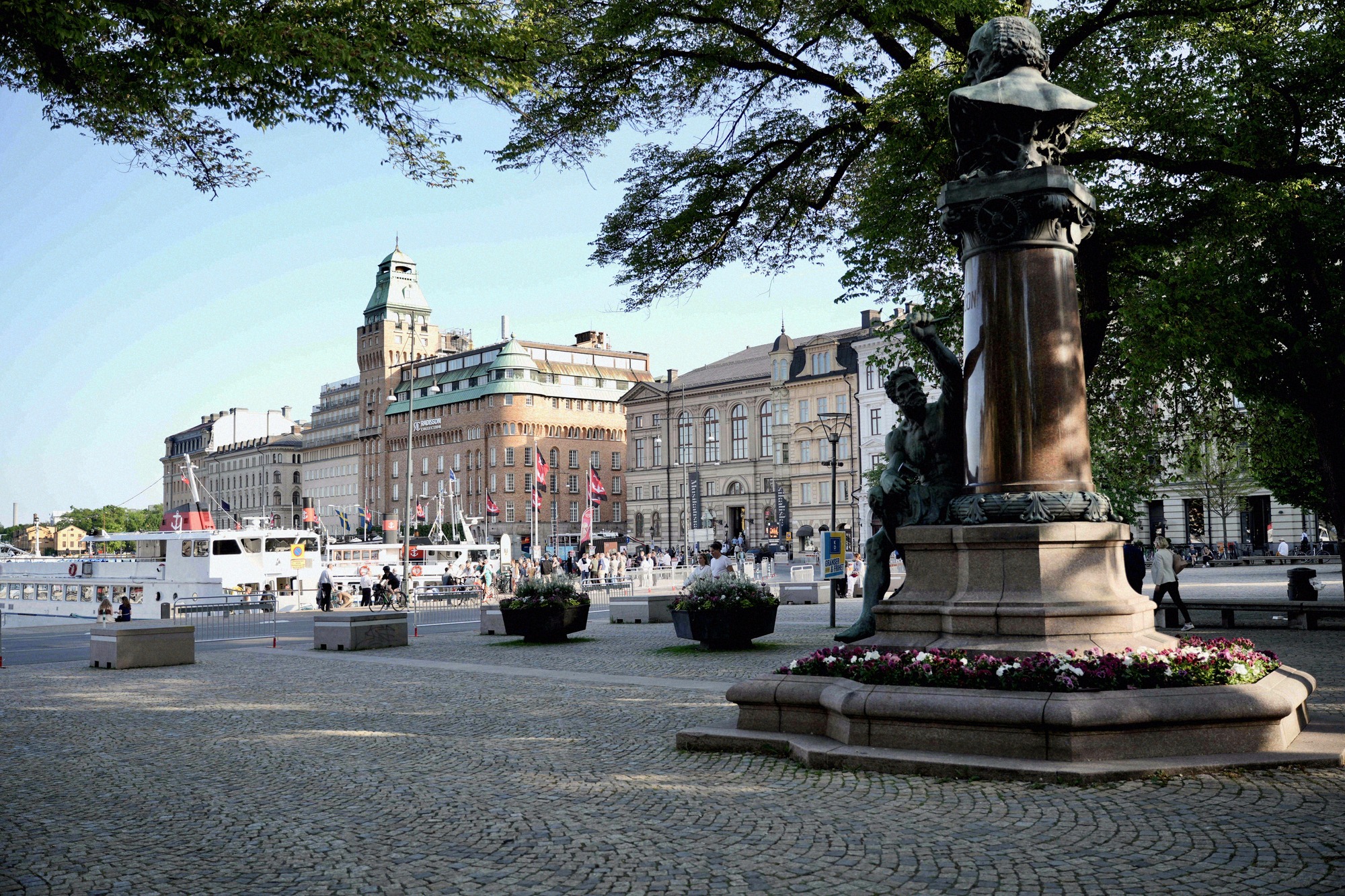
Kungsträdgården
This central "King's Garden" in Norrmalm is Stockholm's green living room, a sea of cherry blossom in spring, an ice rink in winter, free to enter and full of events year-round.