
Gamla Stan
Medieval old town on its own island
Stockholm's historic heart on its own island, the Royal Palace, Stortorget (the oldest square), Storkyrkan cathedral and a maze of narrow, cobbled lanes.
Contents
Gamla Stan is the part of Stockholm almost every visit heads for, and the part where it's easiest to get lost. This page walks you through the old town in a sensible order, tells you what's genuinely worth seeing, and answers the questions that come up most often on the spot.
Stockholm's historic heart
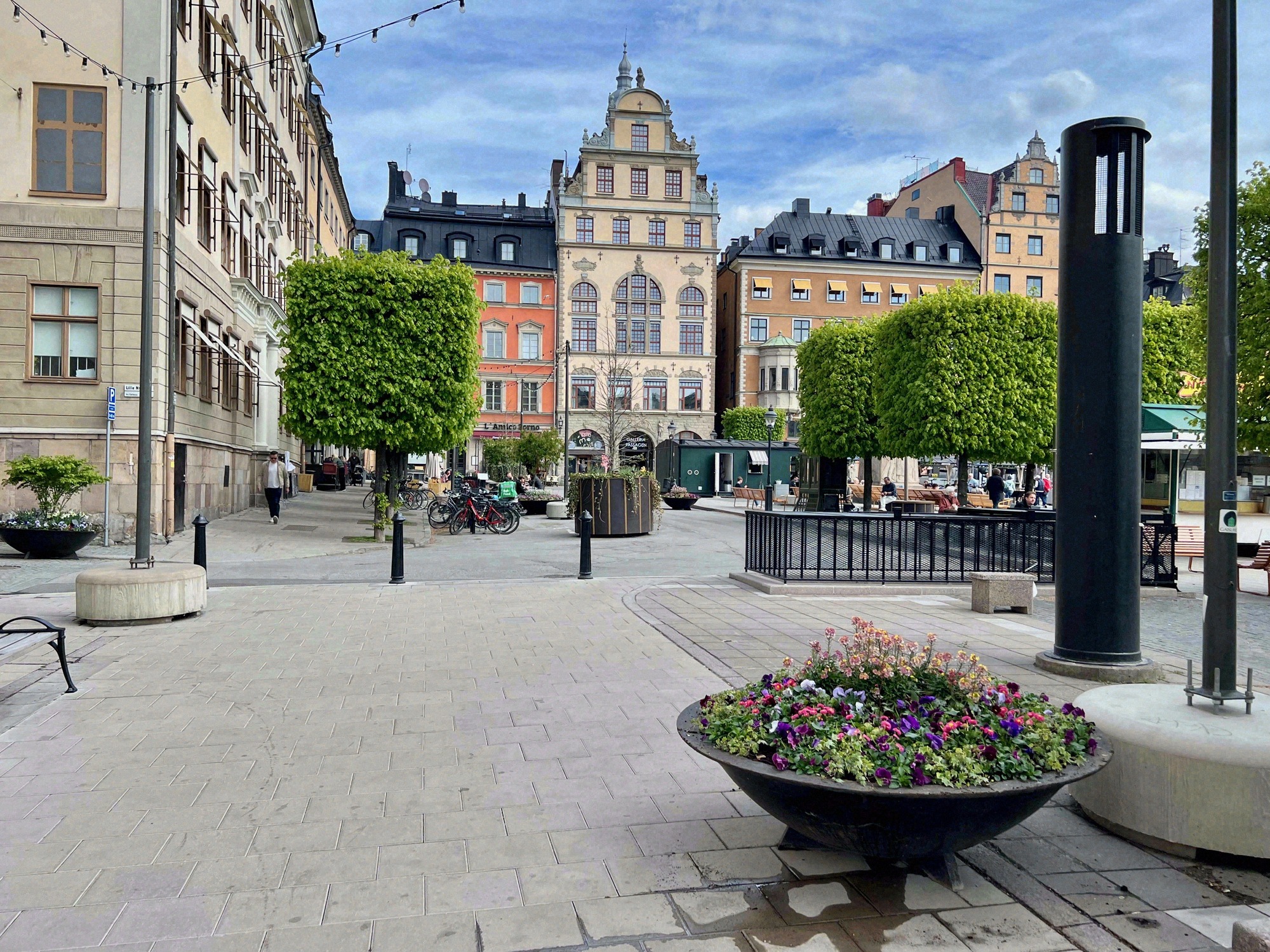
Gamla Stan is Stockholm's old town, sitting on its own island between Norrmalm and Södermalm. Founded around 1252, it's one of Europe's best-preserved medieval town centres, a maze of narrow, cobbled lanes, colourful gabled houses and small squares, with the Royal Palace towering above it all.
The island is small enough to cross in half an hour and dense enough to keep you for hours. Two lengthwise streets give it structure: Västerlånggatan, the main shopping street in the west, and the quieter Österlånggatan in the east. Between them runs Prästgatan, a narrow historic lane first recorded in 1586 and named after the clergy of Storkyrkan and the German Church who lived there. If you want to escape the crowds, simply move one lane inwards.
A walking route in two to three hours
This route works as a single walk and takes in the main sights in an order that avoids doubling back. It starts at Gamla stan metro station at the southern end of the island:
- Järntorget, the second large square of the old town, a quiet start right behind the station.
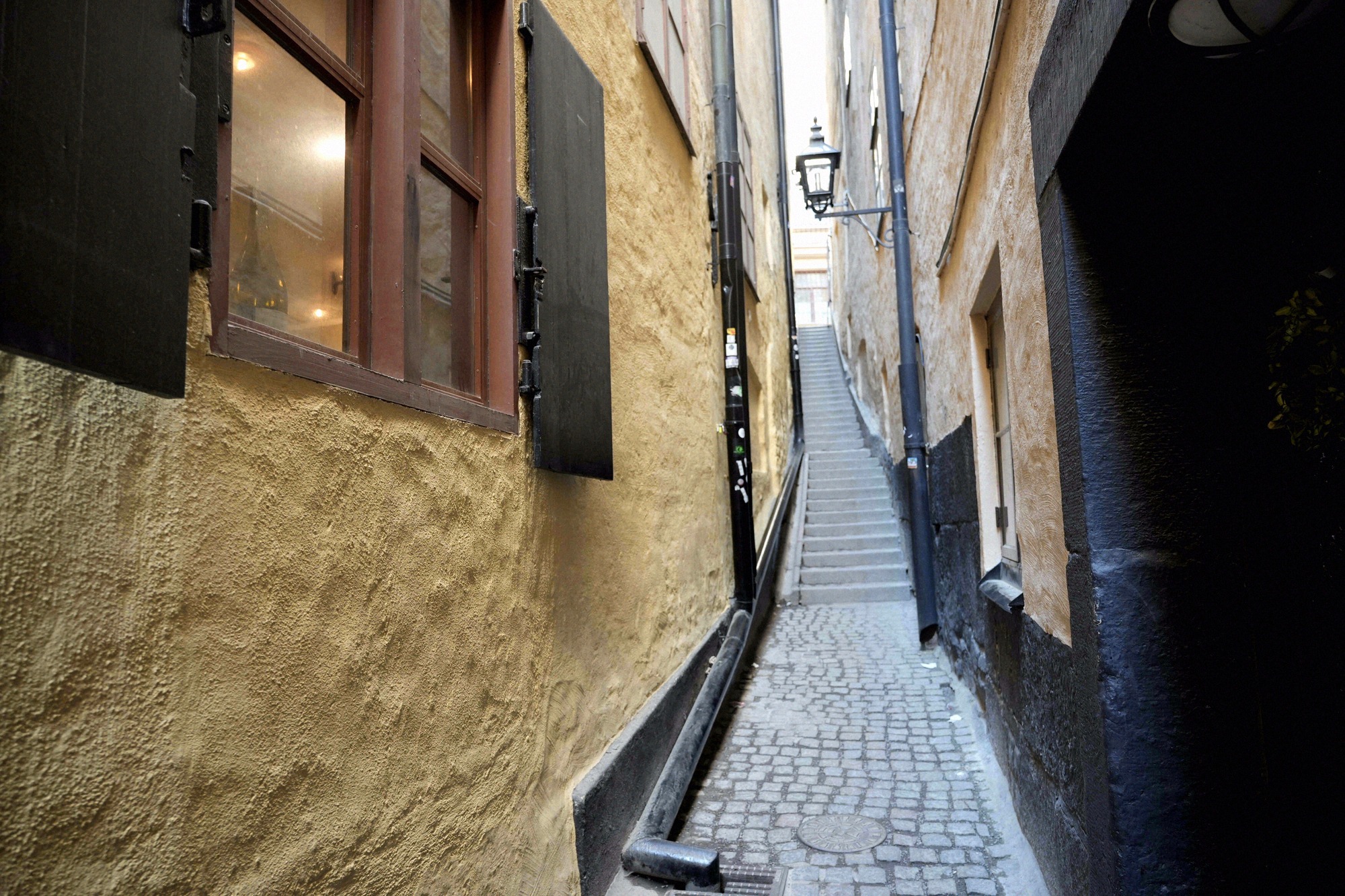
- Mårten Trotzigs gränd, the narrowest lane in the city, a few steps further north. The stepped lane climbs from Västerlånggatan up to Prästgatan.
- On along Prästgatan heading north, passing the Tyska kyrkan, the German Church with its distinctive spire.
- Stortorget, Stockholm's oldest square, with the colourful gabled houses and the Nobel Prize Museum. Worth a longer pause.
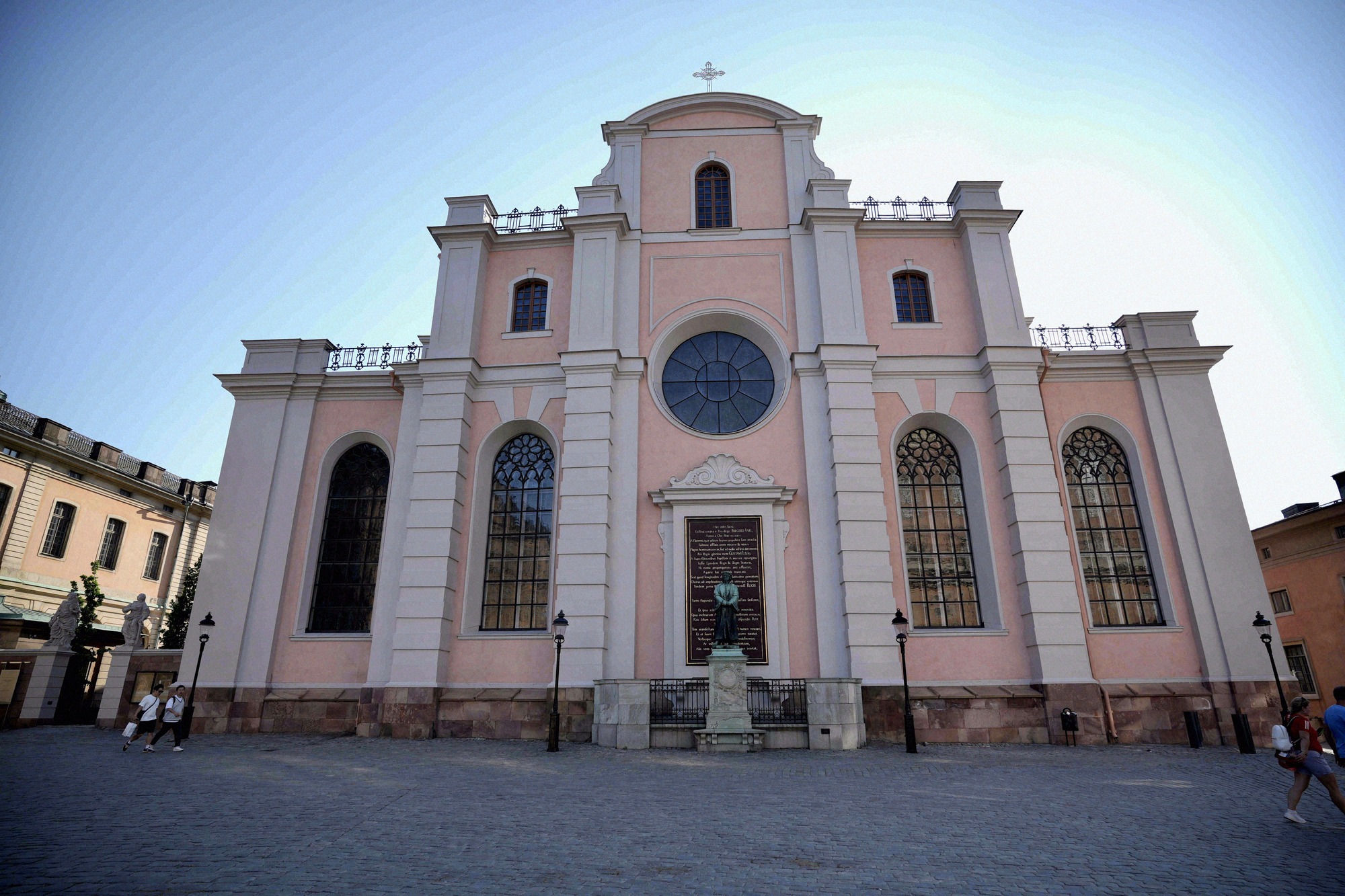
- Storkyrkan, the cathedral right next door, home to the 3.5-metre wooden sculpture "Saint George and the Dragon" from 1489.
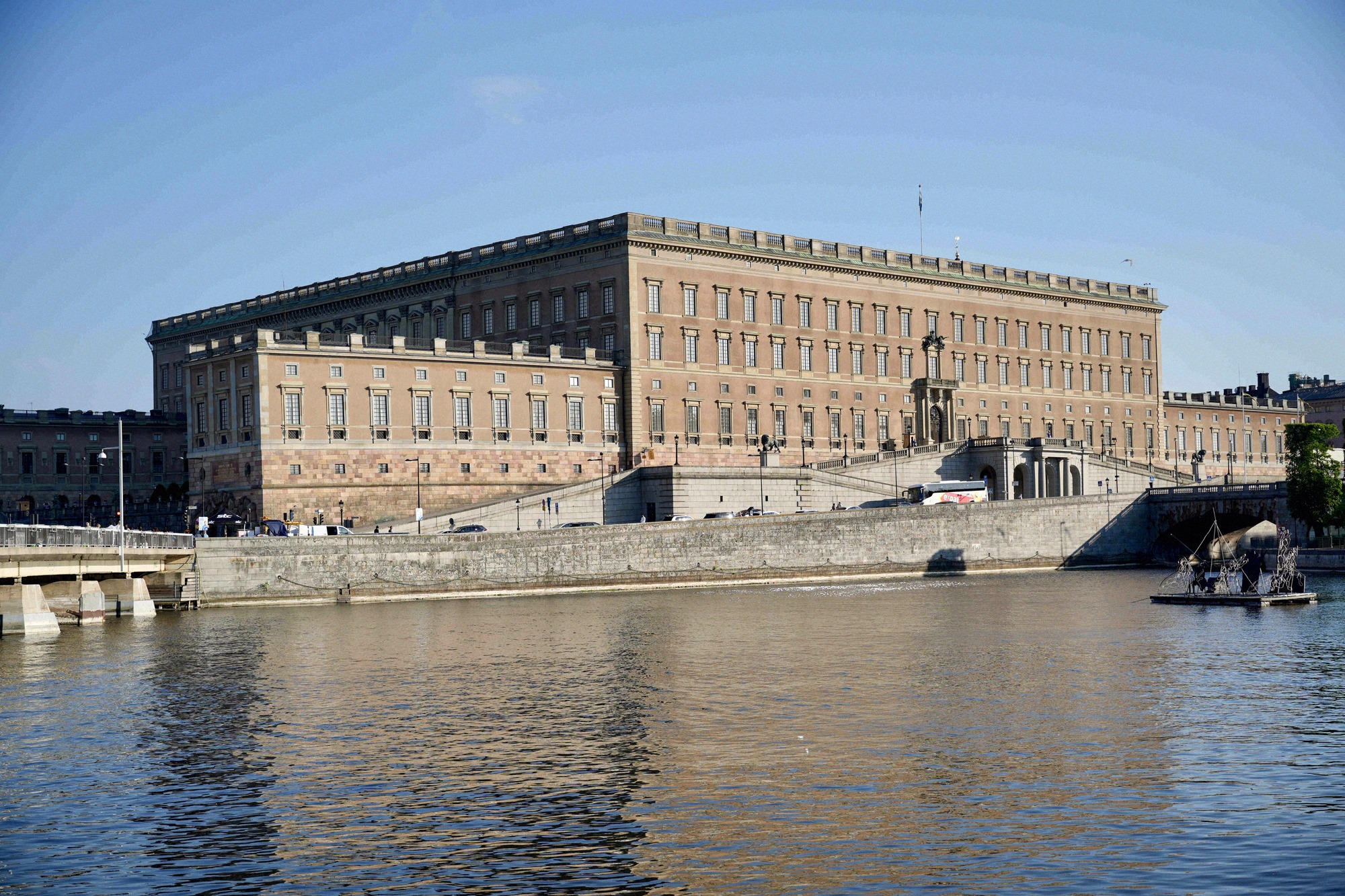
- The Royal Palace on Slottsbacken. If you want to catch the changing of the guard, time the walk so that you're in the outer courtyard at 12:15 (13:15 on Sundays and public holidays).
- To finish, cross the bridge to Riddarholmen for the Riddarholmen Church, burial church of the Swedish kings, and the island's western shore, looking across the Riddarfjärden to the City Hall.
The route on its own takes two to three hours. Add a visit inside the palace and you're looking at half a day.
The colourful houses, and where they actually are
The motif on every second Stockholm postcard has a fairly precise address: the narrow, brightly painted gabled houses stand on the west side of Stortorget, and the best known of them is the red Schantzska huset at Stortorget 20. The square is freely accessible, costs nothing and is almost empty early in the morning. Everything else about it, from the Stockholm Bloodbath of 1520 to the Christmas market, is on our page about Stortorget.
The old town's second photo motif is Mårten Trotzigs gränd: 90 centimetres at its narrowest, a stepped lane between Prästgatan and Västerlånggatan just short of Järntorget. Coming from Västerlånggatan, the entrance is easy to miss.
What else there is to see
Just off the route are further stops you can add depending on your interests:
- Riddarhuset, the House of Nobility, one of the finest Baroque buildings in the city.
- Finska kyrkan opposite the palace, whose courtyard, open at all times, holds the Järnpojken, Sweden's smallest public monument at around 15 centimetres.
- Nobel Prize Museum at Stortorget, in the old stock exchange building.
- Medeltidsmuseet, the medieval museum under the Norrbro, has been permanently closed since November 2023 and currently exists only as the seasonal Medeltidsboden pop-up. It's only worth planning for during that season.
For food and coffee there's a simple rule: the further from Västerlånggatan, the better the ratio of price to quality. The classics on Stortorget are an institution all the same, more on that in our guide to Food and Drink in Stockholm.
Crowds, best time and practicalities
As lovely as Gamla Stan is, its main artery Västerlånggatan gets busy with visitors. In high season it's crowded between late morning and early afternoon, while the side lanes and Österlånggatan stay quiet even then. The old town is at its most atmospheric early in the morning and in the evening, once the shops have closed and the cobblestones are empty.
The nearest Tunnelbana station is Gamla stan (green and red lines, one stop south of T-Centralen); from the city centre you can also walk across the bridges, and from Södermalm via Slussen. The island is largely car-free, and sturdy shoes are a good idea on the cobbles. How to get around the rest of the city is covered in our guide to Public Transport in Stockholm.
It's a charming place to stay, but a lively one; for a quieter base, Norrmalm or Södermalm next door are good alternatives, more on that under Where to Stay in Stockholm.
Frequently asked questions
How long do you need for Gamla Stan? +
Where are Stockholm's colourful houses? +
Where is Stockholm's narrowest lane? +
How do I get to Gamla Stan? +
When is Gamla Stan at its quietest? +
Is it worth staying in Gamla Stan? +
Around Gamla Stan
Royal Palace
The Royal Palace (Kungliga slottet) in Gamla Stan is the official residence of the King, a Baroque building with over 600 rooms, treasury, Tre Kronor Museum and Changing of the Guard.
Stockholm Cathedral
Stockholm Cathedral (Storkyrkan), the city's oldest church: brick Gothic in Gamla Stan with the Saint George sculpture and the Vädersolstavlan.
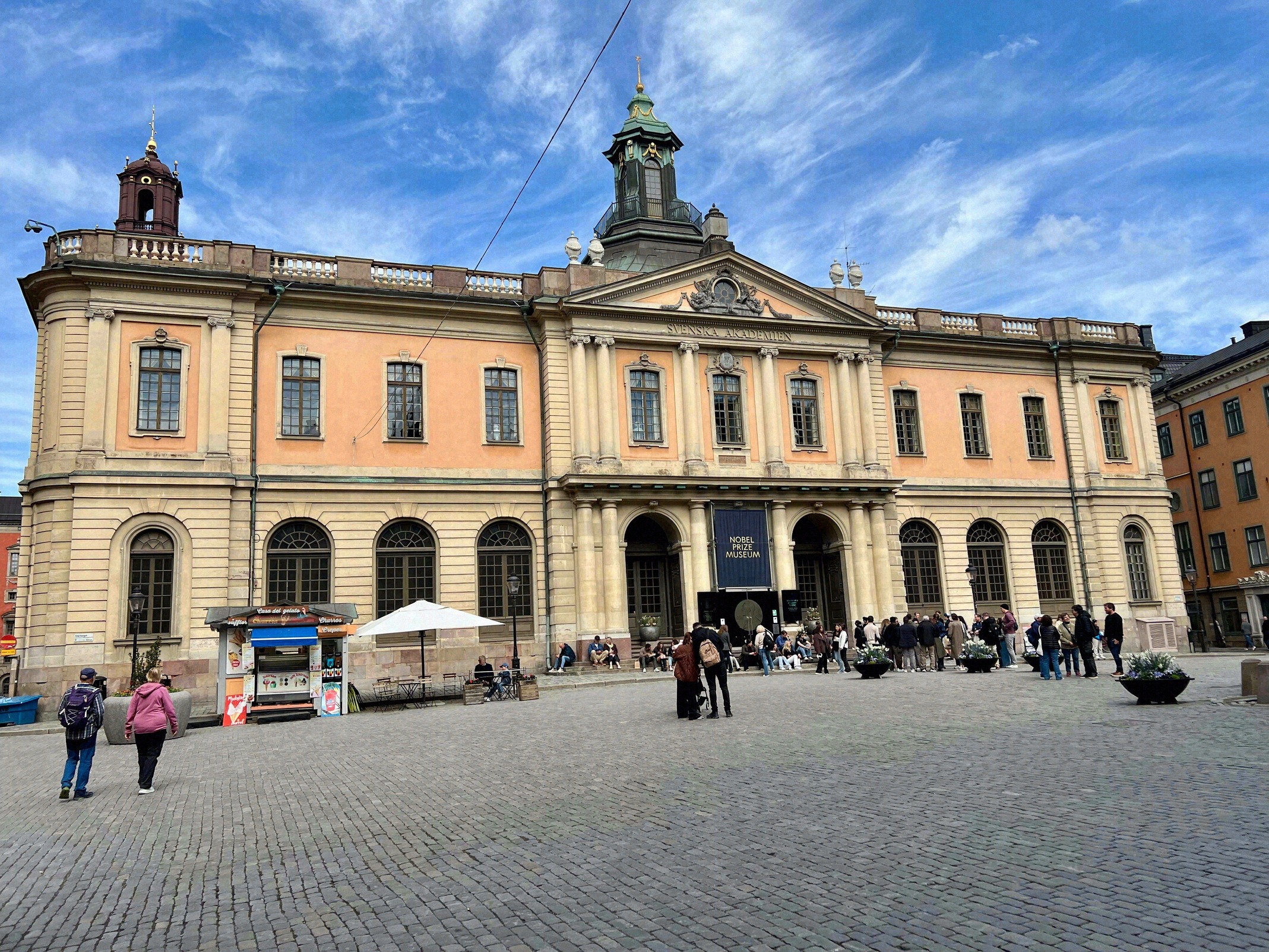
Stortorget
Stockholm's oldest square, in the heart of Gamla Stan, lined with colourful gabled houses and the Nobel Prize Museum, scene of the 1520 Stockholm Bloodbath.
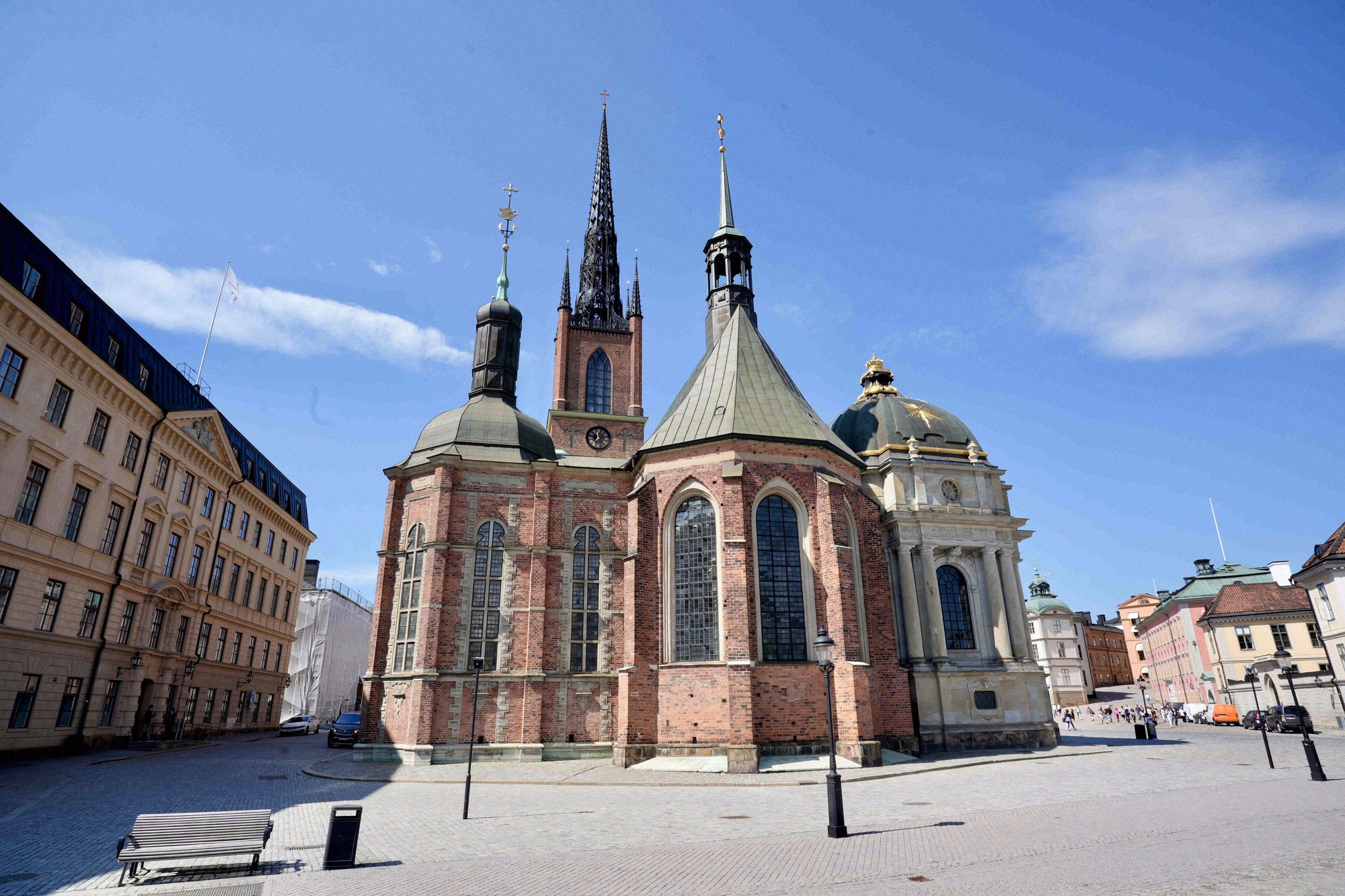
Riddarholmen Church
Medieval monastery church on the quiet island of Riddarholmen, burial place of nearly all Swedish monarchs and a cast-iron spire that marks the city skyline.
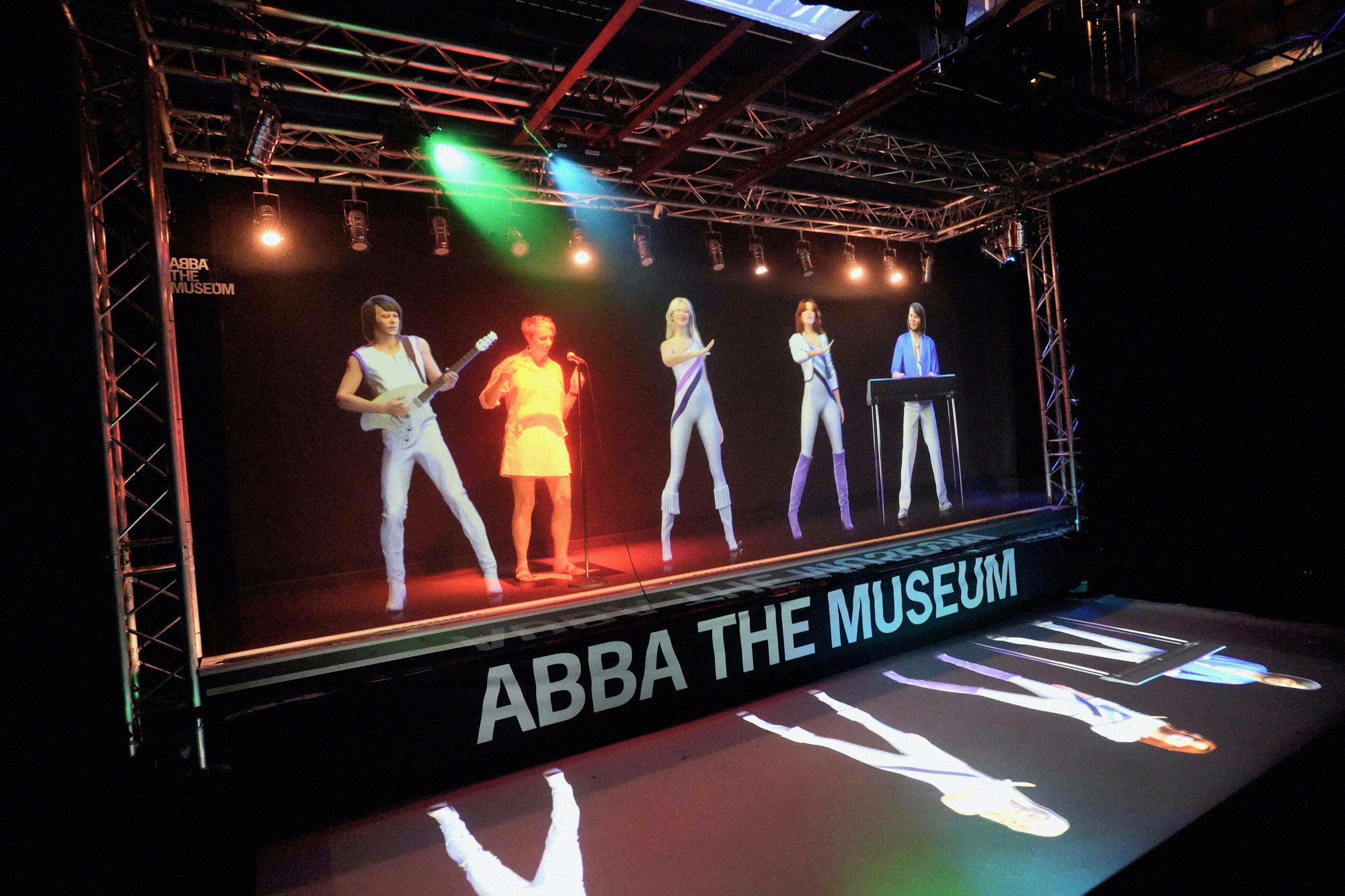
ABBA Museum
ABBA The Museum on Djurgården celebrates Sweden's most famous pop band: original costumes and stage recreations alongside a karaoke booth, hologram stage and mixing station.
Bergrummet
The Bergrummet (Stockholm Toy Museum) holds Scandinavia's largest toy collection inside a former naval bunker under Skeppsholmen, around 40,000 objects from tin toys to comics.
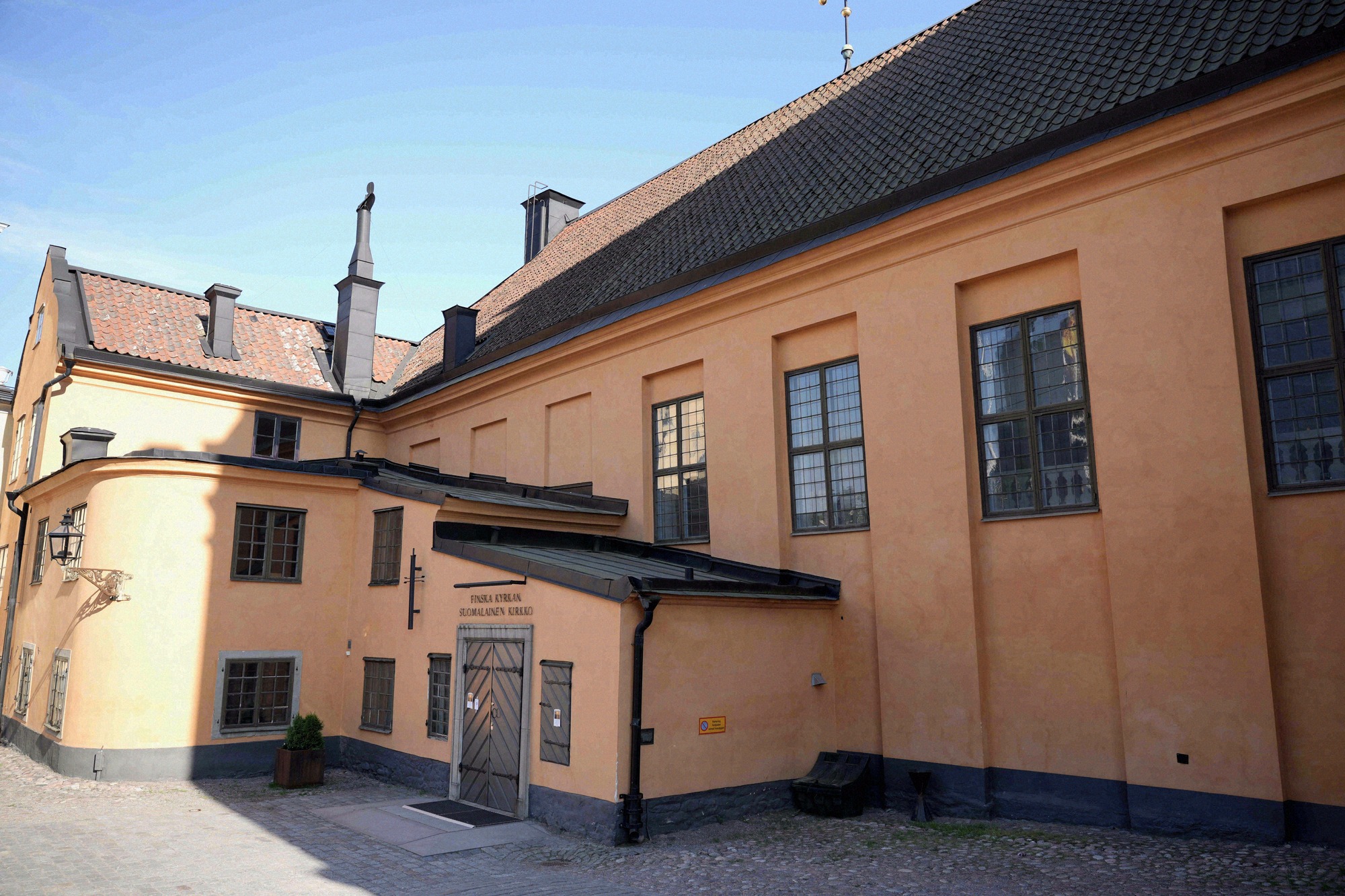
Finska kyrkan
Finska kyrkan (the Finnish Church, officially Fredriks kyrka) is a quiet Baroque church in Gamla Stan, facing the Royal Palace, with the tiny Järnpojken in its courtyard.
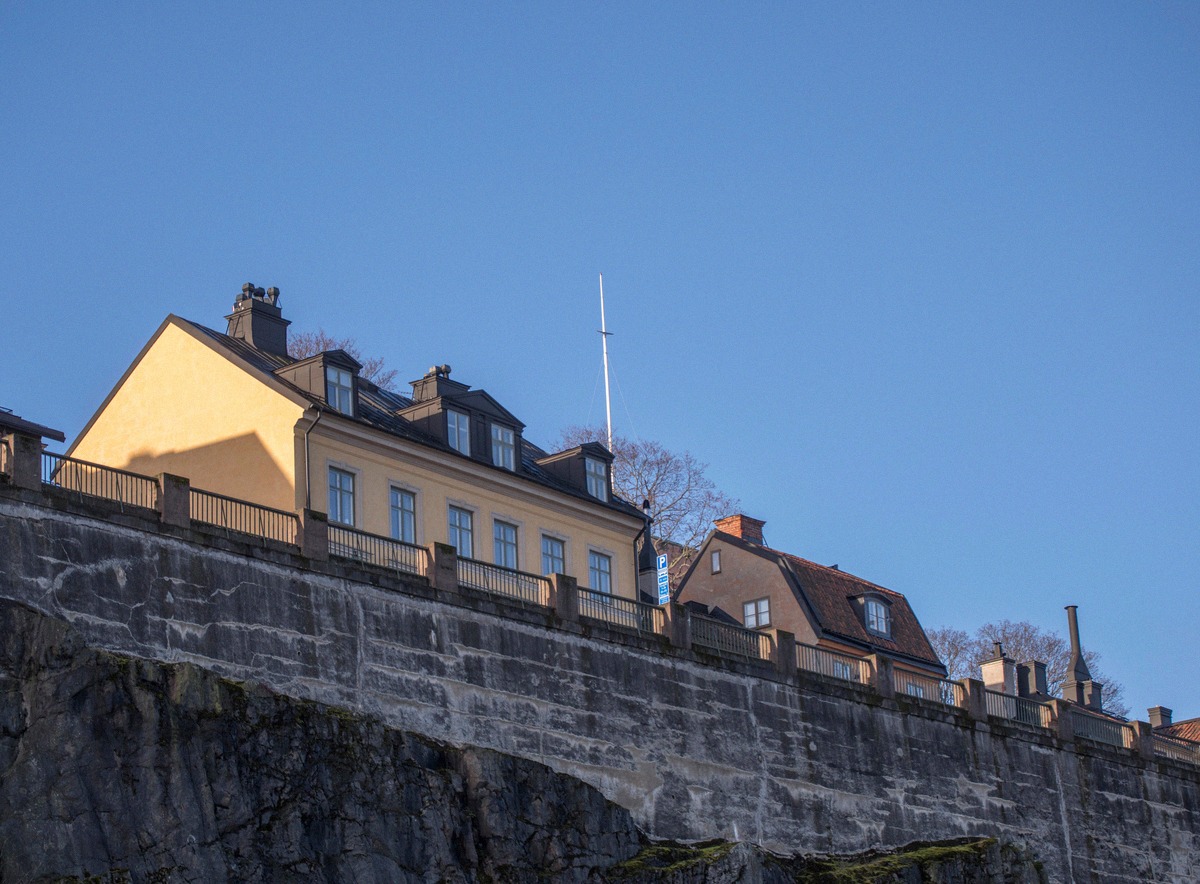
Fjällgatan
A cobbled lane high above the water on Södermalm, lined with wooden houses from the 18th century, with sweeping views over Gamla Stan, the harbour and Djurgården.
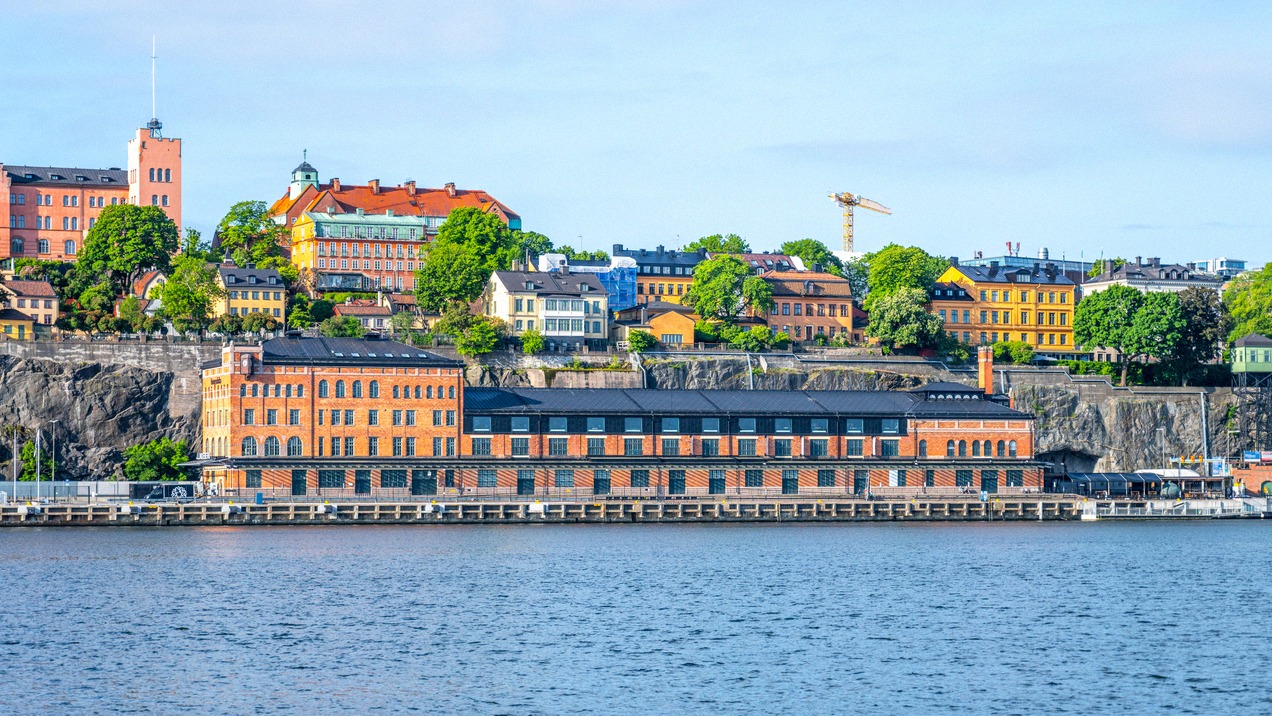
Fotografiska
Fotografiska on Södermalm shows rotating world-class exhibitions of contemporary photography in a former customs house on the water, open late, until 23:00.
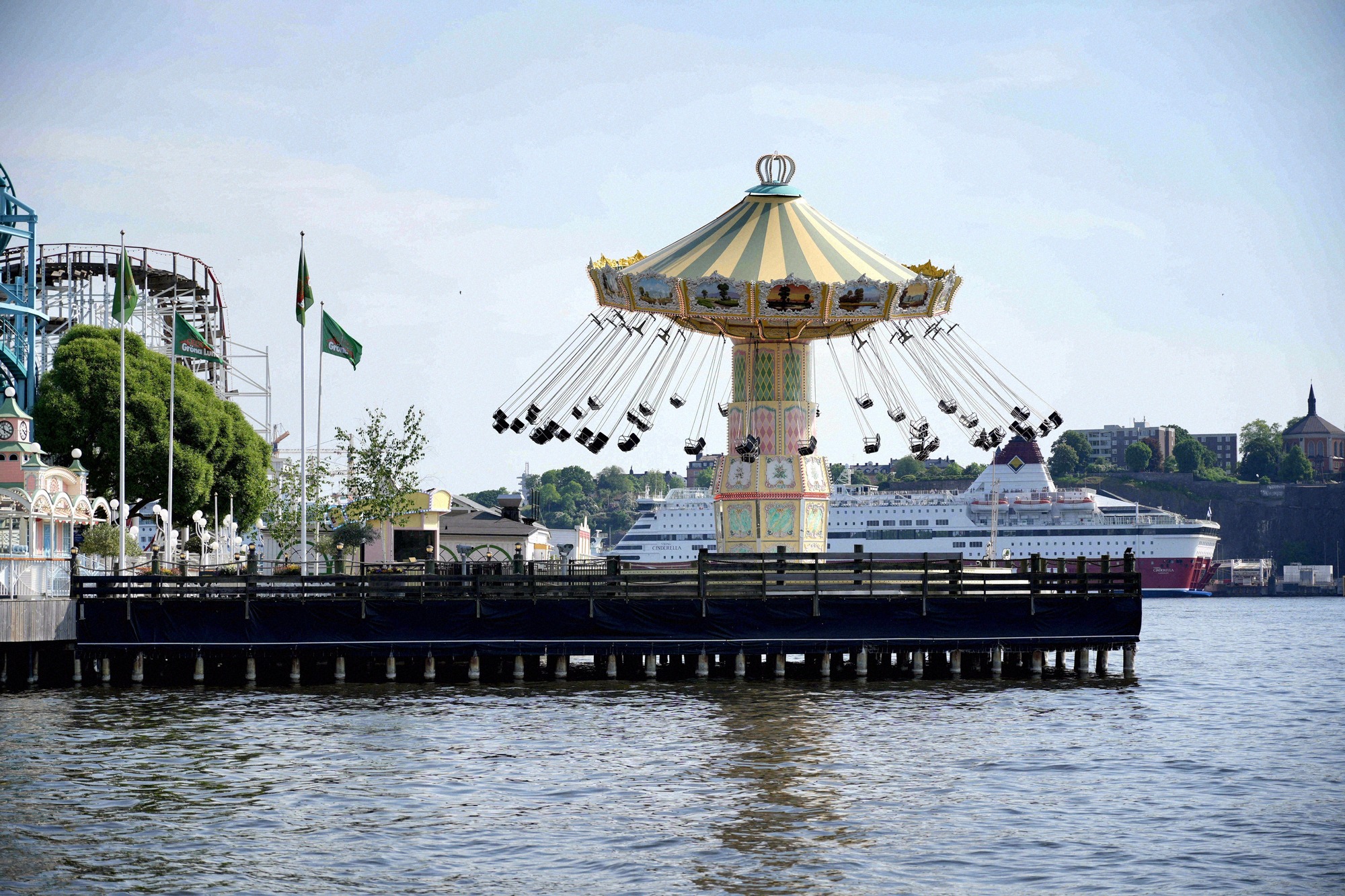
Gröna Lund
Gröna Lund, known to locals as "Grönan", is Sweden's oldest amusement park (since 1883) on Djurgården - 30 rides, seven roller coasters and summer concerts.
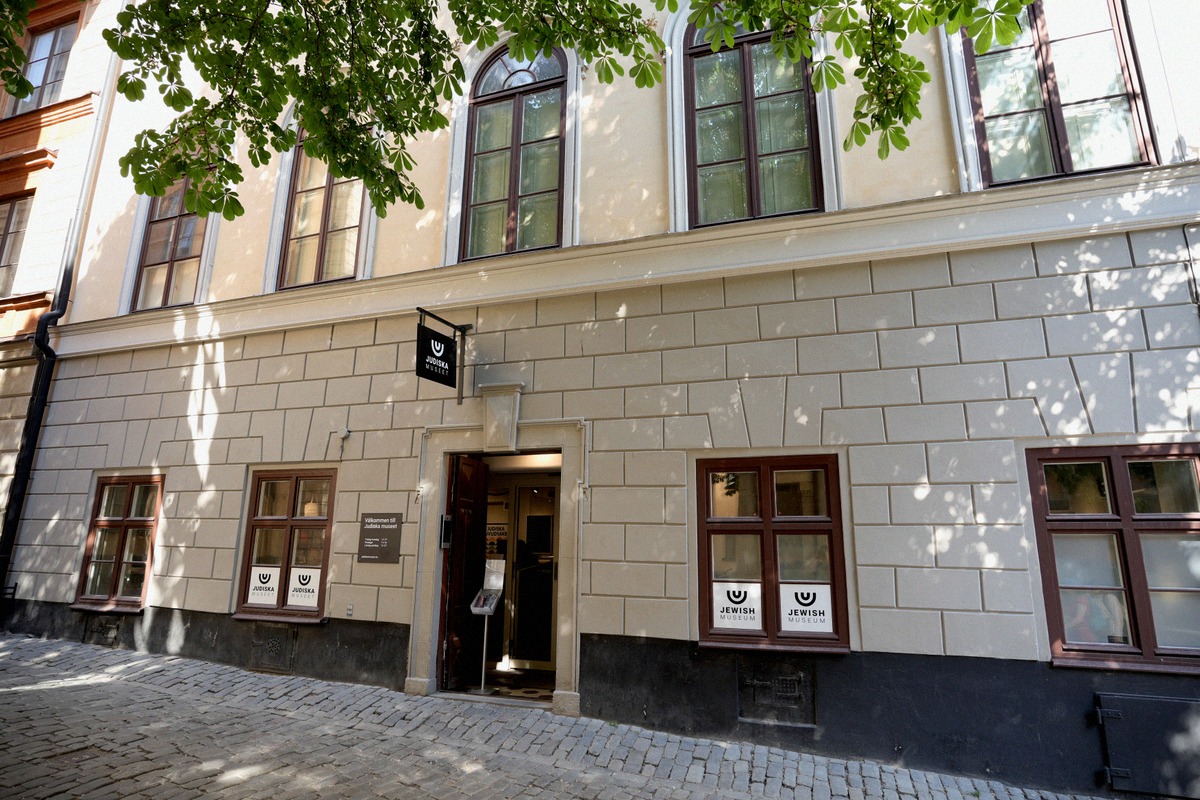
Jewish Museum
Judiska museet in Gamla Stan tells Sweden's Jewish history inside the city's oldest surviving synagogue, with the permanent exhibition The Jews & Sweden.
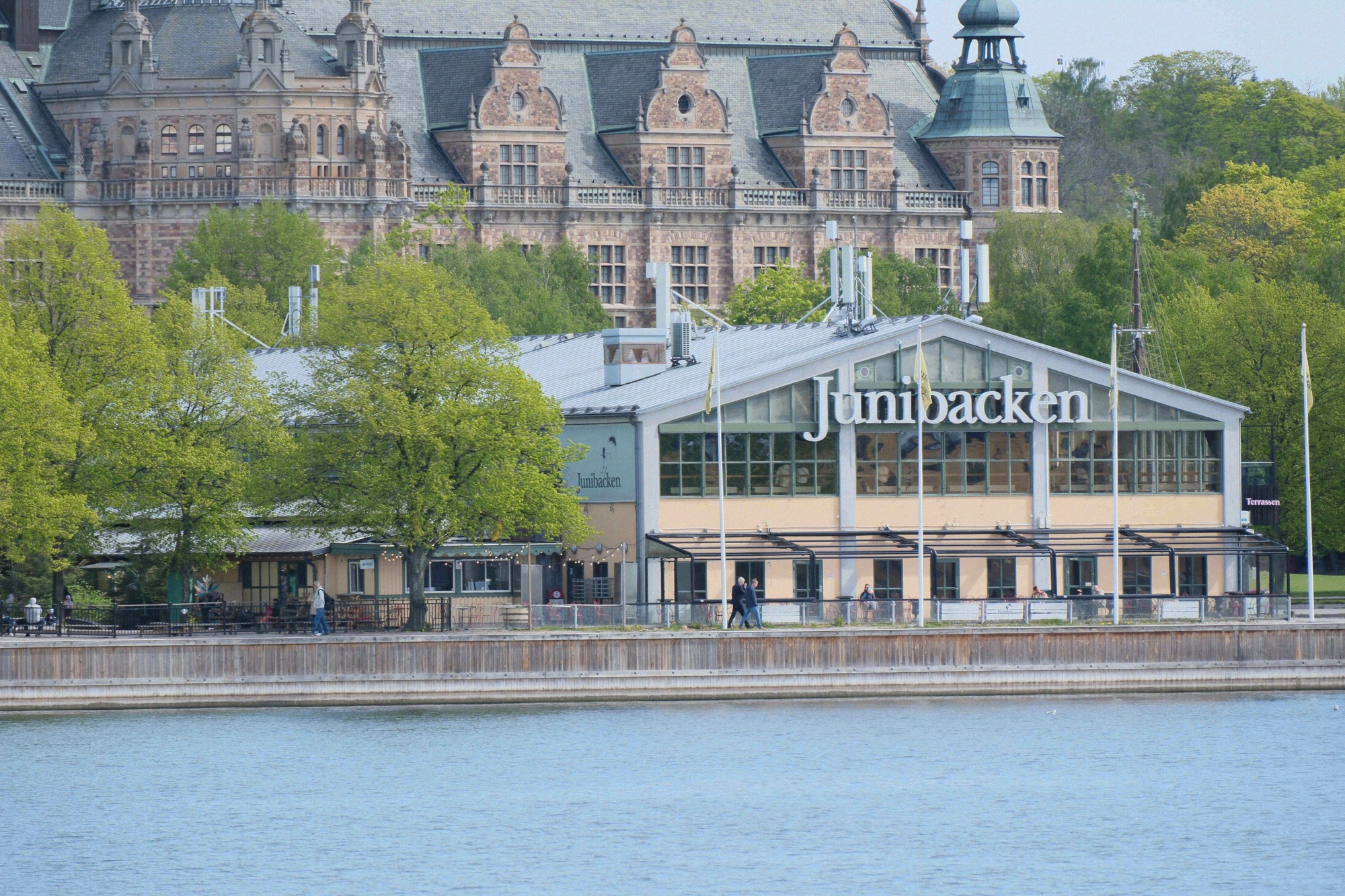
Junibacken
Storybook house on Djurgården built around Astrid Lindgren's characters, with the overhead story train Sagotåget and Pippi Longstocking's walk-in Villa Villekulla.
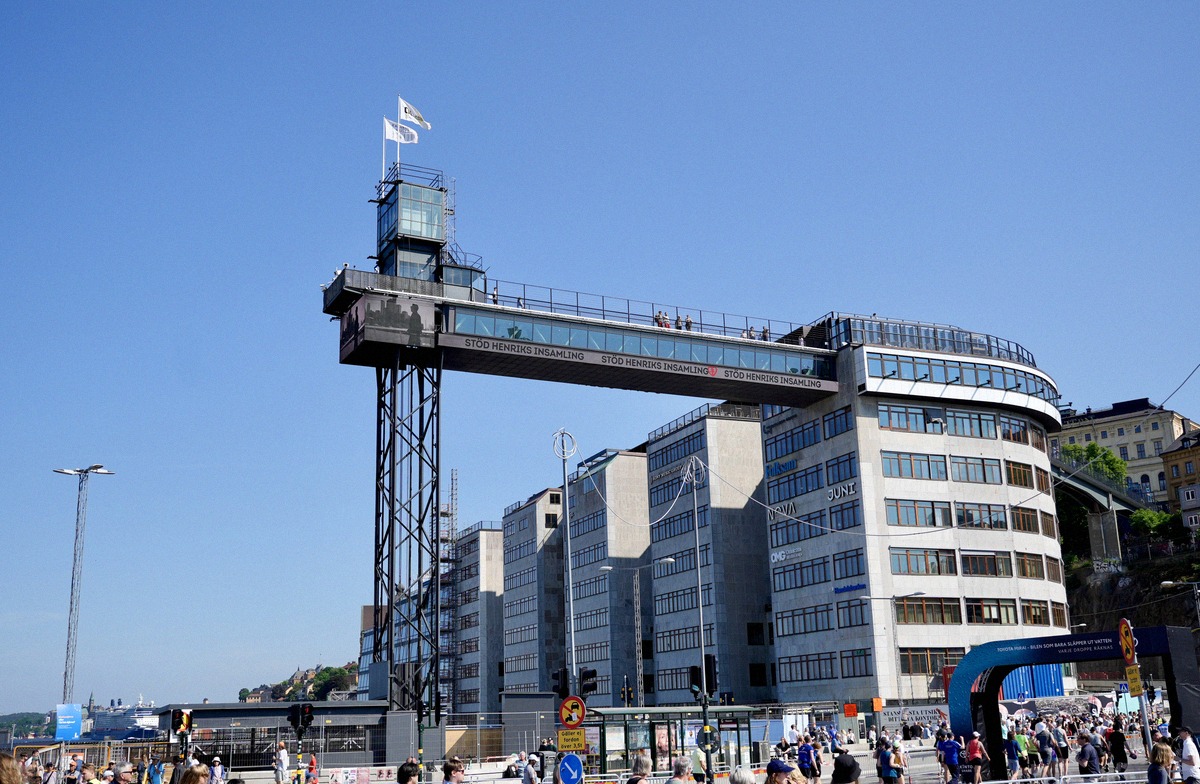
Katarinahissen
A steel lift from Slussen up to a hilltop walkway over Södermalm, with panoramic views over Gamla Stan, the harbour and the water. Ride and view are free.
Liljevalchs konsthall
Municipal art gallery on Djurgården, in the 1916 Bergsten building plus the glass-bottle Liljevalchs+ wing. Changing exhibitions and the Vårsalongen since 1921.
Mårten Trotzigs gränd
Mårten Trotzigs gränd in Gamla Stan measures 90 centimetres at its narrowest point, making it Stockholm's narrowest alley, a stepped lane of 36 steps.
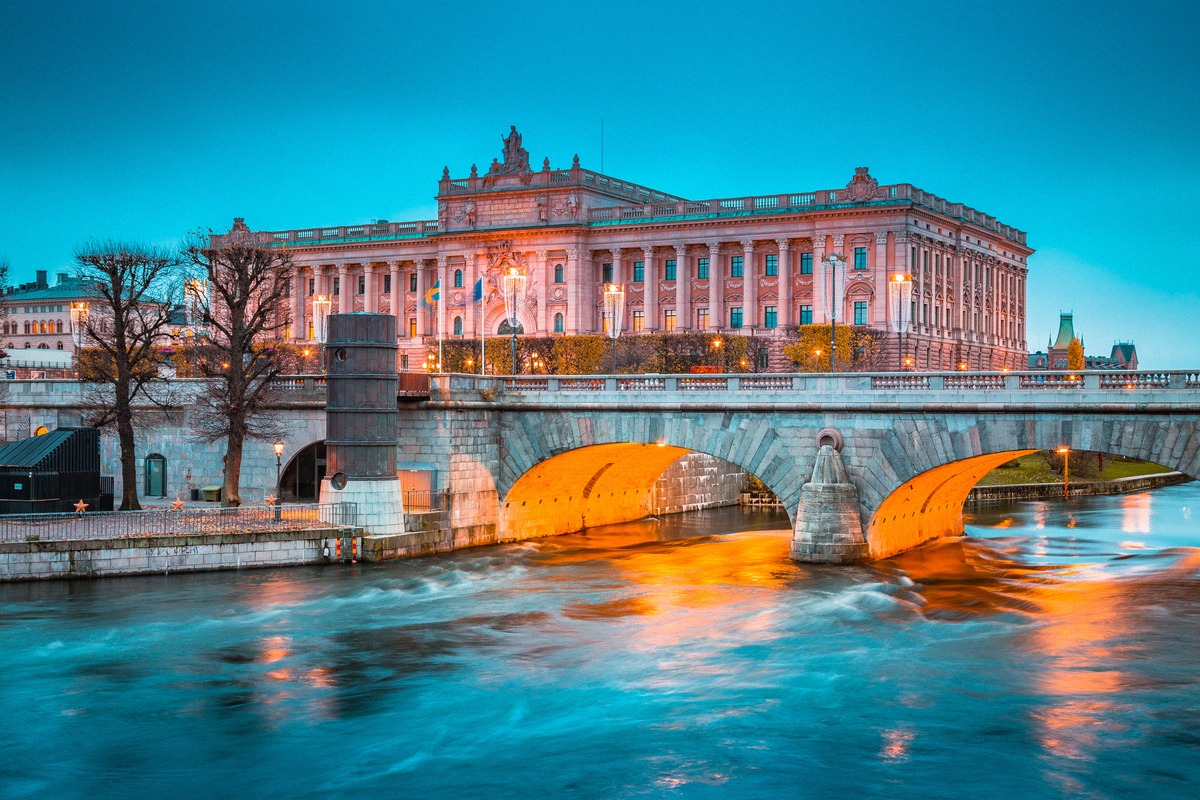
Medeltidsmuseet
Medeltidsmuseet, Stockholm's medieval history museum beneath the Norrbro on Helgeandsholmen, is currently open only as a seasonal pop-up in Gamla Stan.
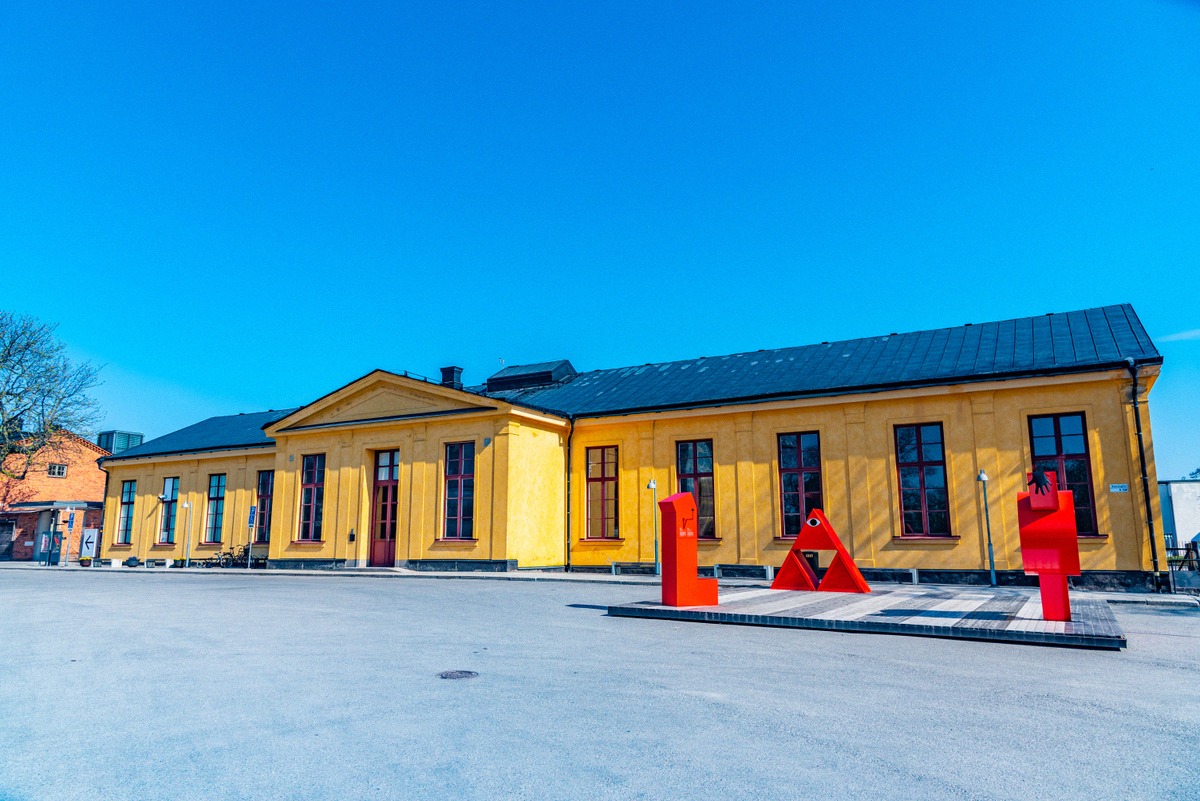
Moderna Museet
Sweden's museum of modern and contemporary art on Skeppsholmen - Picasso, Dalí, Matisse and Nordic modernism, free admission to the permanent collection.
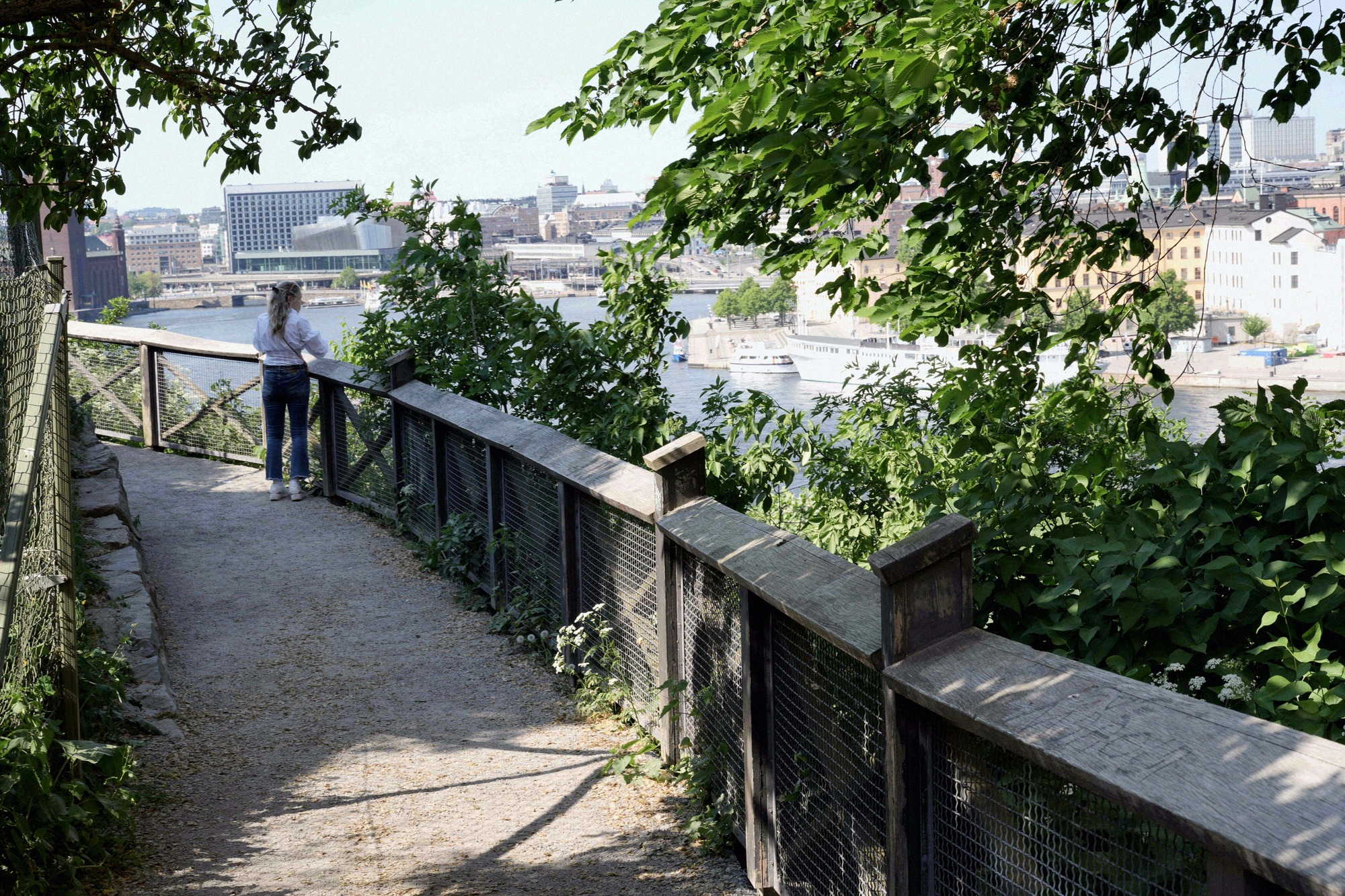
Monteliusvägen
Monteliusvägen is a 416-metre clifftop path on Mariaberget in Södermalm, with terraces, benches and the classic view across Riddarfjärden to Riddarholmen and the City Hall.
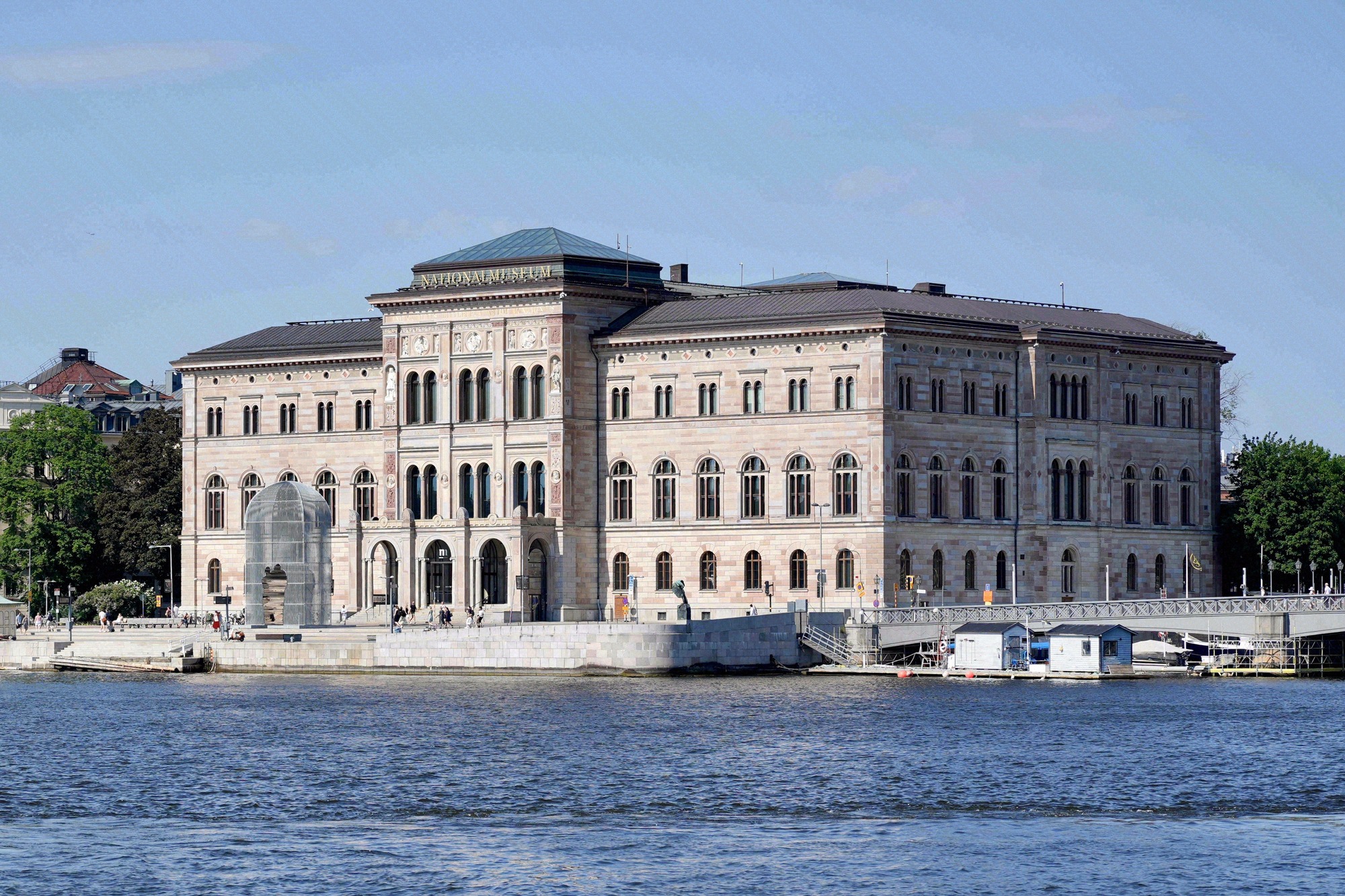
Nationalmuseum
Sweden's largest art museum on the Blasieholmen quay opposite the Royal Palace. Old Masters from Rembrandt to Renoir, Swedish painting, and design and crafts.
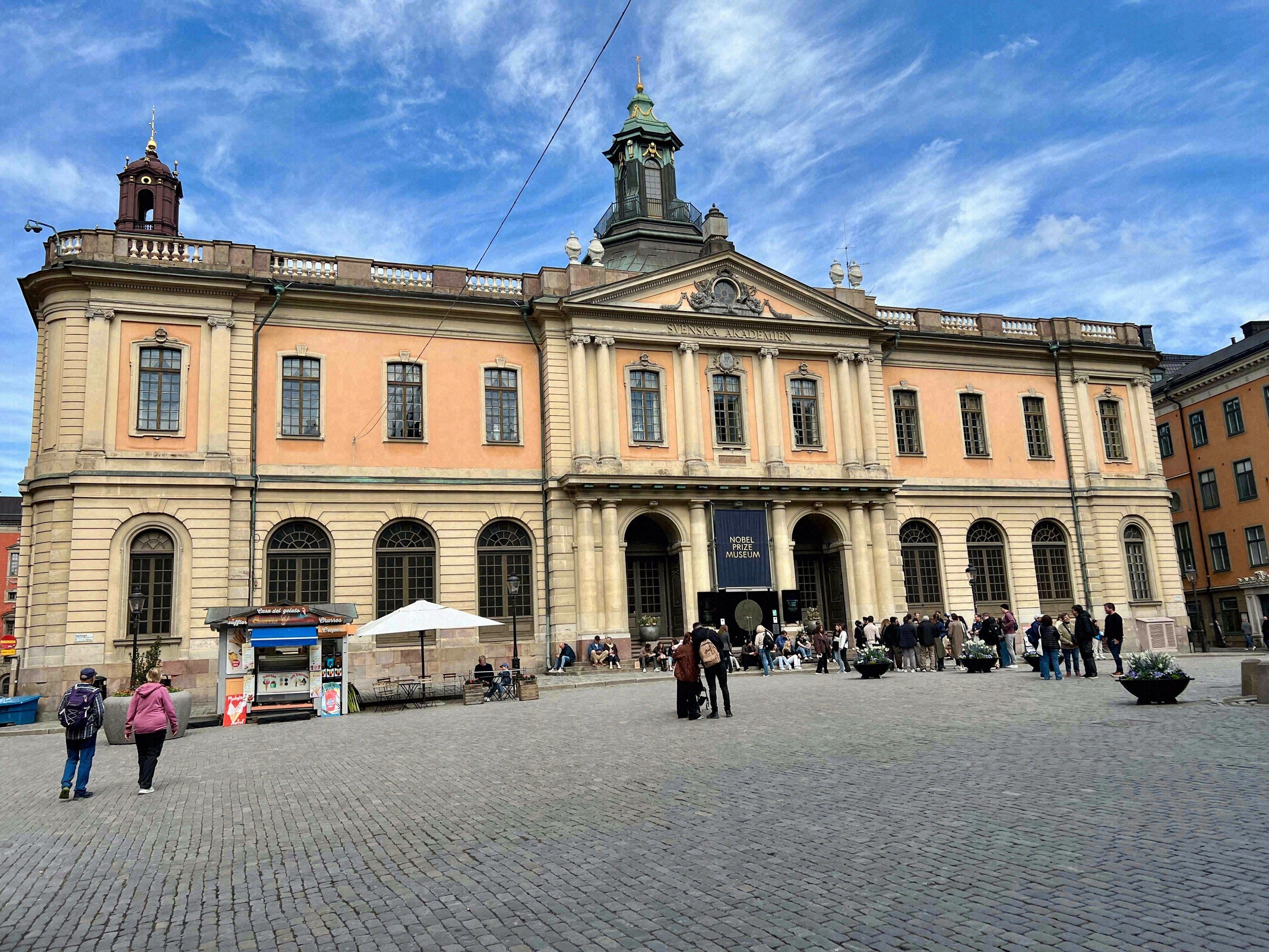
Nobel Prize Museum
The Nobel Prize Museum on Stortorget in Gamla Stan celebrates Alfred Nobel and the Nobel laureates since 1901, with films, an overhead gallery and Café Satir.
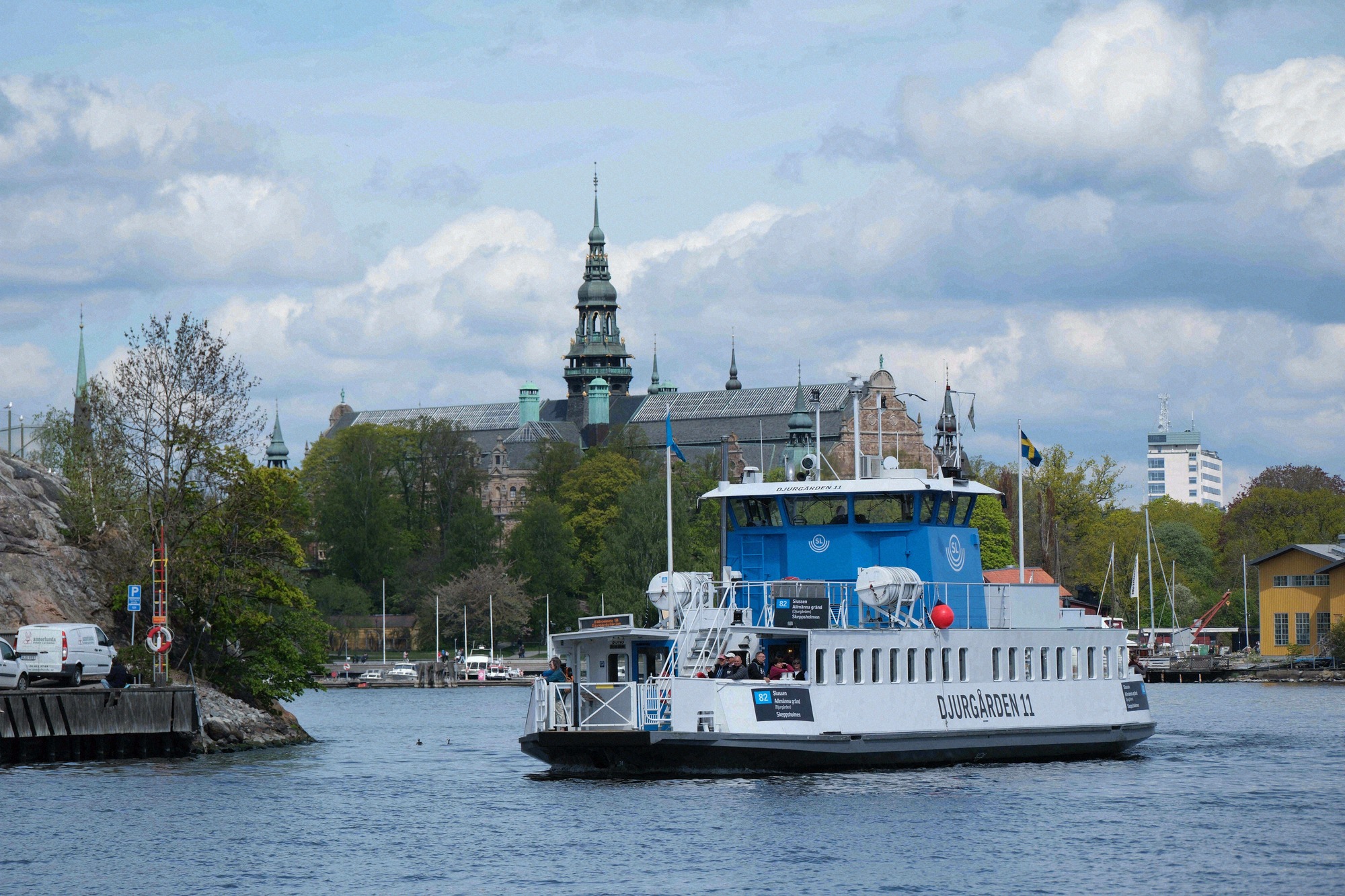
Nordiska Museet
Palace-like museum on Djurgården covering 500 years of Swedish cultural history, with folk costumes, home life and the country's largest Sami collection.
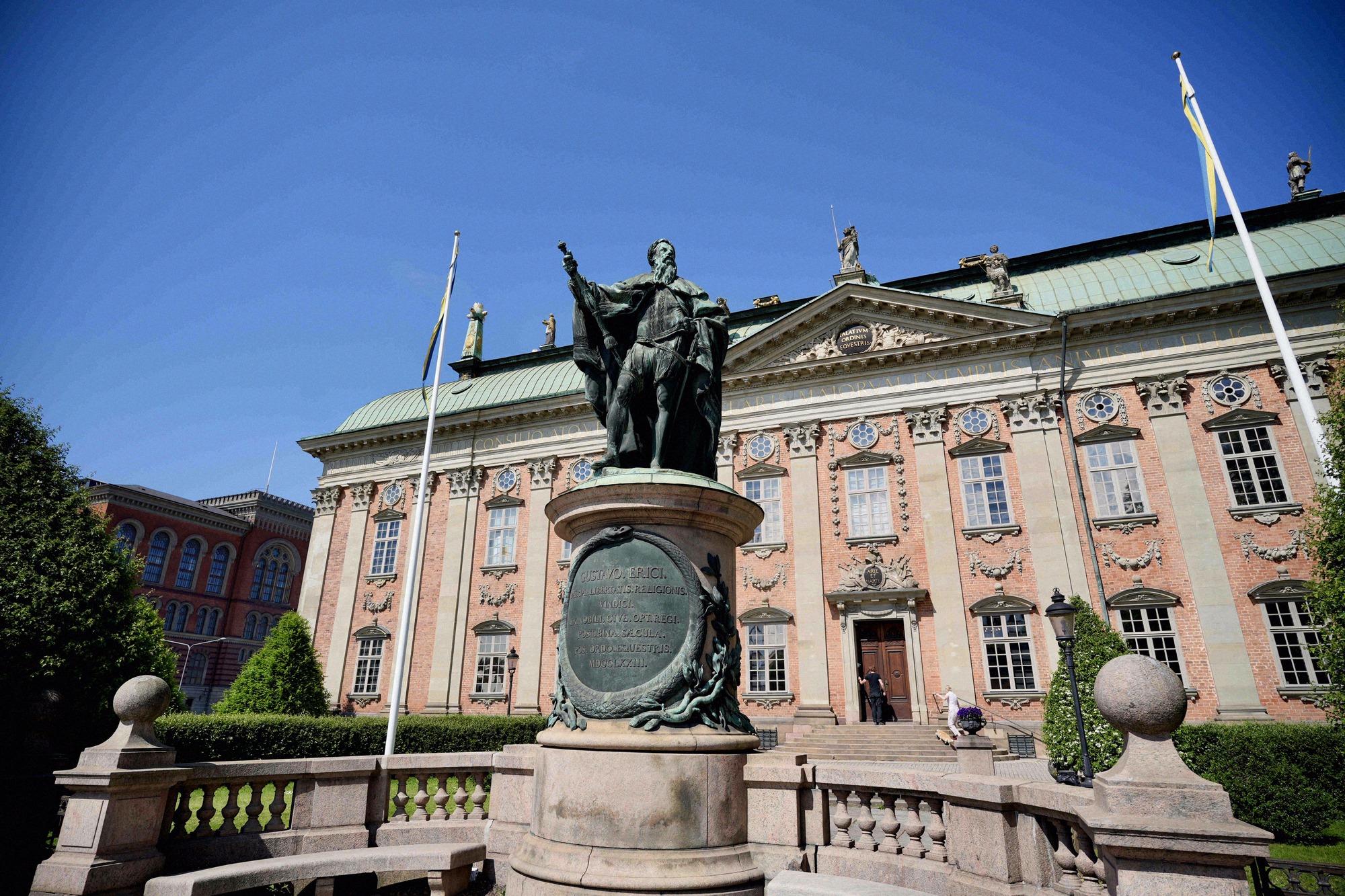
Riddarhuset
Baroque palace from 1660 on Riddarhustorget with a pink facade and a hall lined with around 2,300 noble coats of arms. Open weekdays for a short midday window only.
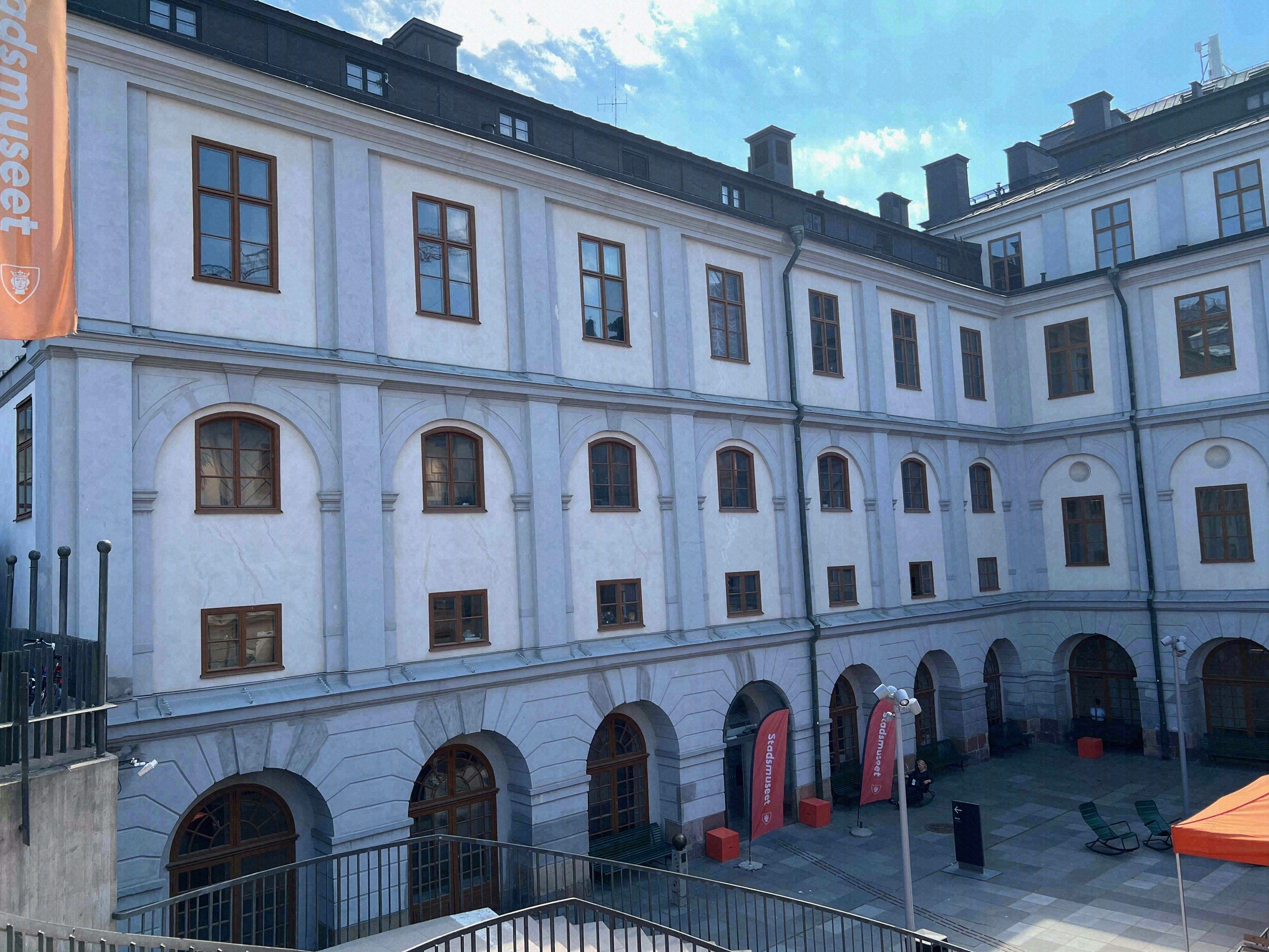
Stadsmuseet
The Stadsmuseet (Stockholm City Museum), in a 1685 Baroque building at Slussen on Södermalm, tells the city's history through a collection of over 300,000 objects.
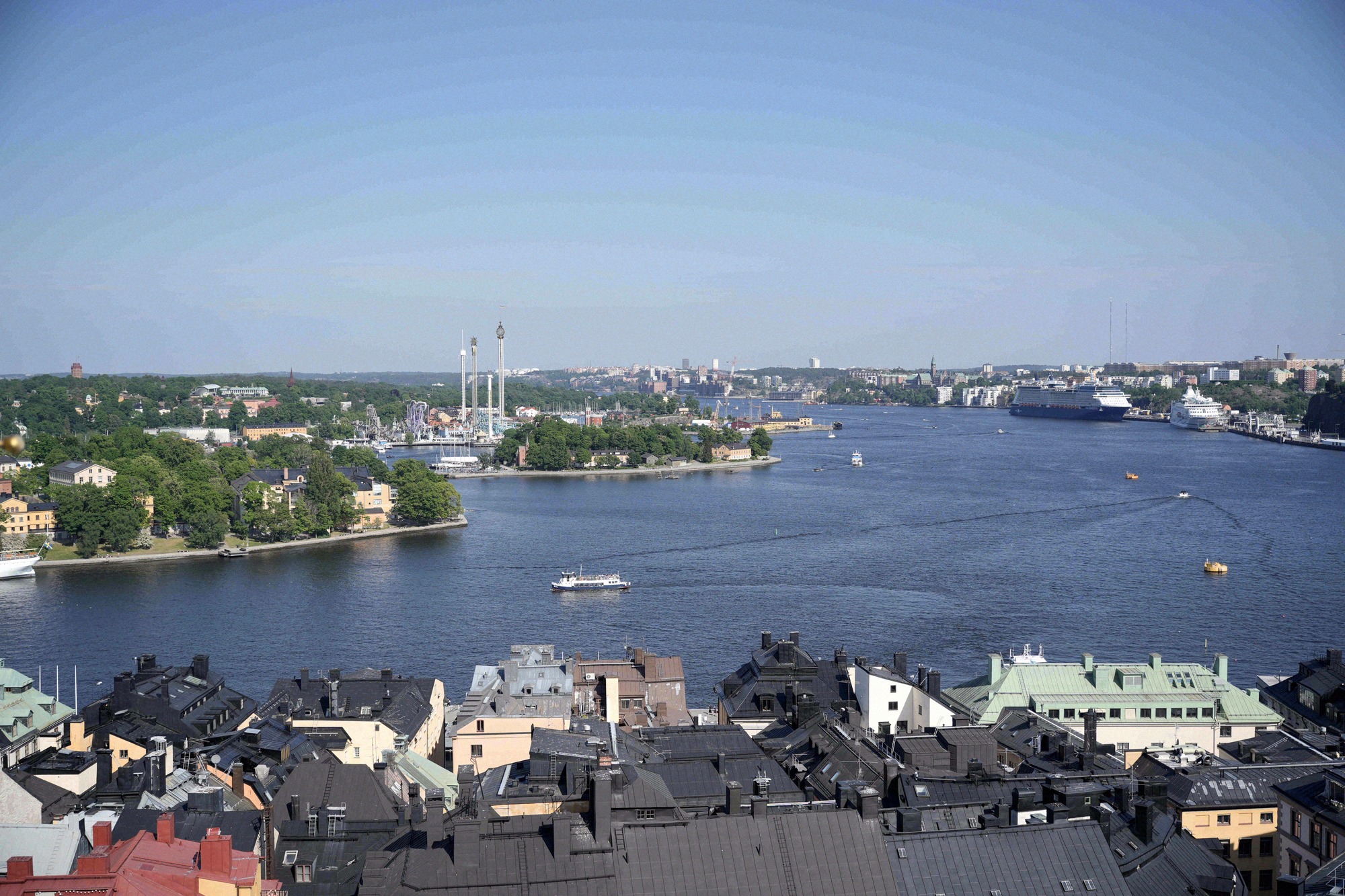
German Church
The German Church of St Gertrude in Gamla Stan has housed the oldest German congregation abroad since 1571; its 96-metre tower is the tallest building on the old town island.