
Liljevalchs konsthall
The city's art gallery from 1916, with its Liljevalchs+ extension
Since 1916 Liljevalchs has shown contemporary art in Carl Bergsten's pink building, and since 2021 an extension with almost 7,000 glass bottle bottoms in its façade has added more space.
Contents
Liljevalchs konsthall at Djurgårdsvägen 60 is Stockholm's oldest and largest public art gallery. It belongs to the city and shows art and design in large and small exhibitions that change through the year, and each year the art season opens here with Vårsalongen. The gallery is run by Joanna Sandell Wright, who also curates exhibitions herself. For the other museums along the road, see Djurgården.
Bergsten's pink building of 1916
The gallery opened in 1916 as Sweden's first independent public exhibition space for contemporary art. The building was paid for by the estate of the industrialist Carl Fredrik Liljevalch the Younger, on land owned by the city, which has also owned the gallery since 1974. Carl Bergsten and Cyrillus Johansson jointly won the 1913 architectural competition, which drew 32 entries. Bergsten got the commission because his design was cheaper to build. The first exhibition, in March 1916, included work by Carl Larsson and Anders Zorn.
The reinforced concrete building is seen as an example of Swedish Grace, the transition from National Romanticism to the classicism of the 1920s. Most of the galleries are lit indirectly from above, through glass roofs and lanterns. Beyond the entrance is the sculpture hall, 8.5 metres high beneath a coffered ceiling. In front of the entrance, Carl Milles' Archer has stood on a twelve-metre granite column since 1919, and above the doorway his Cerberus keeps watch.
Liljevalchs+ with almost 7,000 glass bottles
The Liljevalchs+ extension opened on 12 August 2021 at Falkenbergsgatan 3, on the site of a former car park. Gert Wingårdh designed it together with the glass designer Ingegerd Råman. Almost 7,000 clear glass bottle bottoms are set into the façades and inner walls, which were cast in concrete on site. The three floors hold 2,400 square metres of exhibition space, and 166 roof lanterns form a grid that allows many different room layouts. Thanks to its climate control, the gallery can also show fragile and very large works here.
It did not come cheap: in 2014 the city budgeted 130 million kronor, and the final cost was 584 million. The museum shop now sits behind the glass frontage at the entrance.
DRIFT and The House of the Muses
Until 28 February 2027 Liljevalchs+ shows DRIFT by Sara-Vide Ericson. In 2025 the painter sailed across the Arctic Ocean on the icebreaker Oden and spent six weeks painting in a container on deck while the ship broke through ice two metres thick. Around eighty new works came out of the journey, and all of them are being exhibited for the first time. For some she used sediment from the seabed, brought up from a depth of 4,000 metres and ground into pigment.
In the Bergsten building, The House of the Muses by Ylva Snöfrid runs until 10 January 2027. From her home she has brought 400 paintings, sketches and oil-painted furniture into the gallery. Each of the thirteen galleries belongs to one of the nine Muses or one of the four elements. In the last one the picture cycle "The Dream Rite" lies on the floor, and you are allowed to walk across it.
Vårsalongen, the spring salon since 1921
From mid-February to the end of April, Vårsalongen opens the art season. It has been held since 21 April 1921, missing only a few years during the Second World War, which makes it Sweden's oldest continuously running exhibition. Anyone aged 18 or over who lives in Sweden or Sápmi can apply, and a jury that changes every year makes the selection. Established artists hang alongside first-time exhibitors, and around 100,000 visitors come. All the works are for sale.
For Vårsalongen 2027, from 12 February to 2 May, 4,651 artists applied, and 207 of them are showing 374 works. The youngest are 18, the oldest 95, and sculpture, painting and textiles are the most common media. The jury consisted of the musician Veronica Maggio, the artist Olof Marsja and the writer and artist Kayo Mpoyi, chaired by Joanna Sandell Wright.
One ticket for both buildings
You buy exhibition tickets on site, at Djurgårdsvägen 60 as well as at Falkenbergsgatan 3. One ticket covers the whole gallery with all current exhibitions, and payment is by card only. The gallery opens daily at 11:00 and closes at 20:00 on Tuesdays and Thursdays and at 17:00 on the other days. One hour is enough for one exhibition; for both, allow about two.
Rucksacks and larger bags go into lockers downstairs: in the Bergsten building one floor below the entrance, in Liljevalchs+ on level 0. Only bags up to about A4 size are allowed in the galleries, and the gallery cannot store suitcases at all. Shoe spikes and walking sticks also go into the lockers because they scratch the floor. There is nowhere in the building to eat a packed lunch. For coffee there is Café Blå+, for lunch the Blå Porten restaurant and, when the sun is out, its garden, which also has its own entrance from Djurgårdsvägen.
Tram 7 from T-Centralen in eleven minutes
Tram 7 takes about eleven minutes from T-Centralen to the Liljevalchs/Gröna Lund stop, which is also served by bus 67. The same bus runs from Karlaplan metro station on the red line. The ferries from Slussen, Hammarby Sjöstad and the Viking terminal call at Allmänna Gränd. Bus 69 or 76 takes you to Djurgårdsbron, and from there it is about a 15-minute walk. There is a disabled parking space at Falkenbergsgatan 3, towards the Gröna Lund car park. For paying on trams and buses, see public transport in Stockholm.
On your way back, take a look at the square in front of the gallery with Charlotte Gyllenhammar's sculpture "Ute, Flicka". A few doors along at Djurgårdsvägen 68 you can sing along at ABBA The Museum, and the Gröna Lund amusement park shares the stop with the gallery. For the days when other museums in Stockholm are free, see Stockholm's museums.
Frequently asked questions
When is admission to Liljevalchs konsthall free? +
Can I take photos at Liljevalchs konsthall? +
Can I buy works from Vårsalongen? +
How can I apply for Vårsalongen myself? +
Are there guided tours? +
Nearby
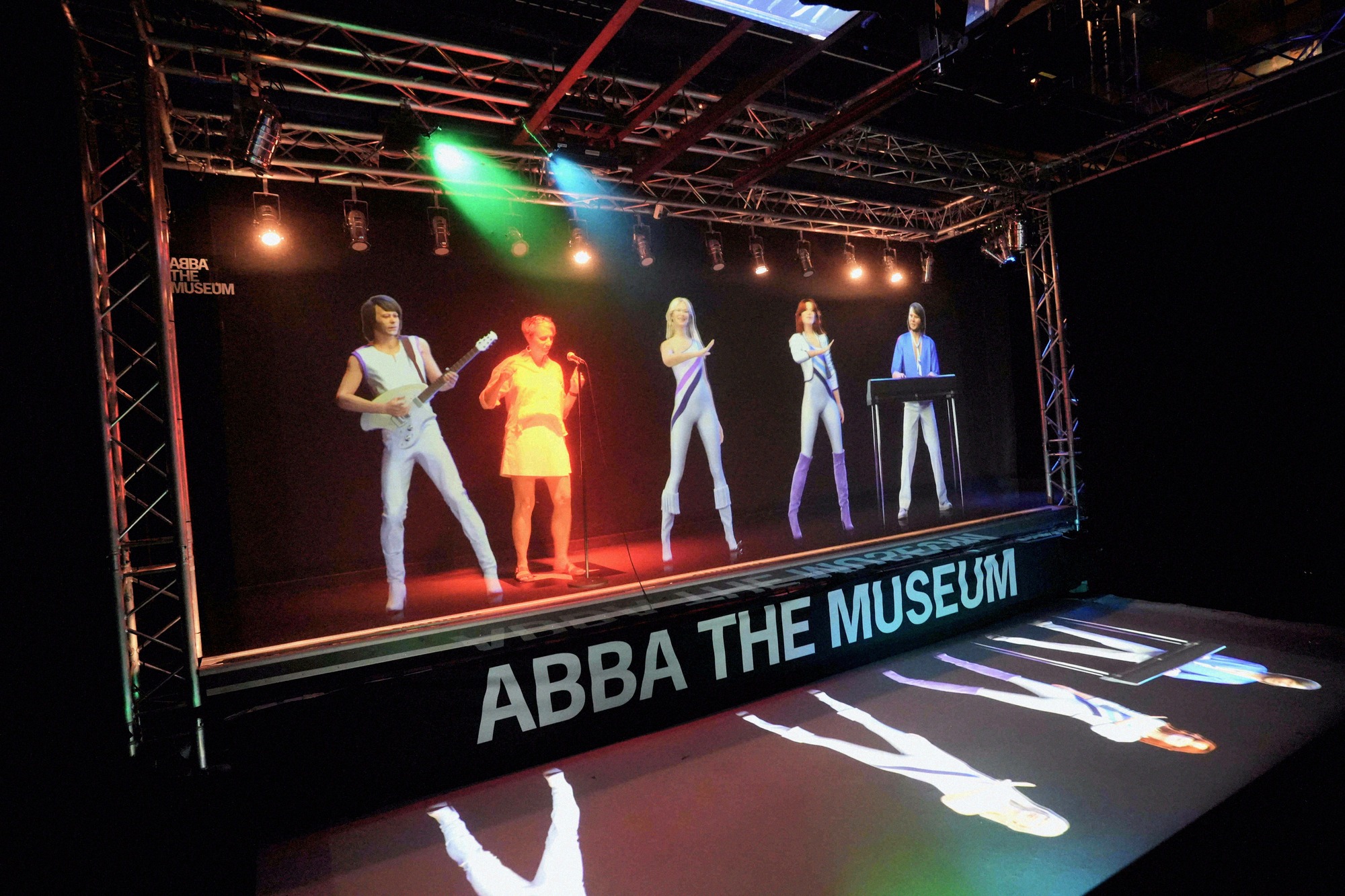
ABBA The Museum
At this pop museum at Djurgårdsvägen 68 you'll find Benny's piano and the Waterloo costumes, and on the hologram stage you perform as the fifth member of the band.
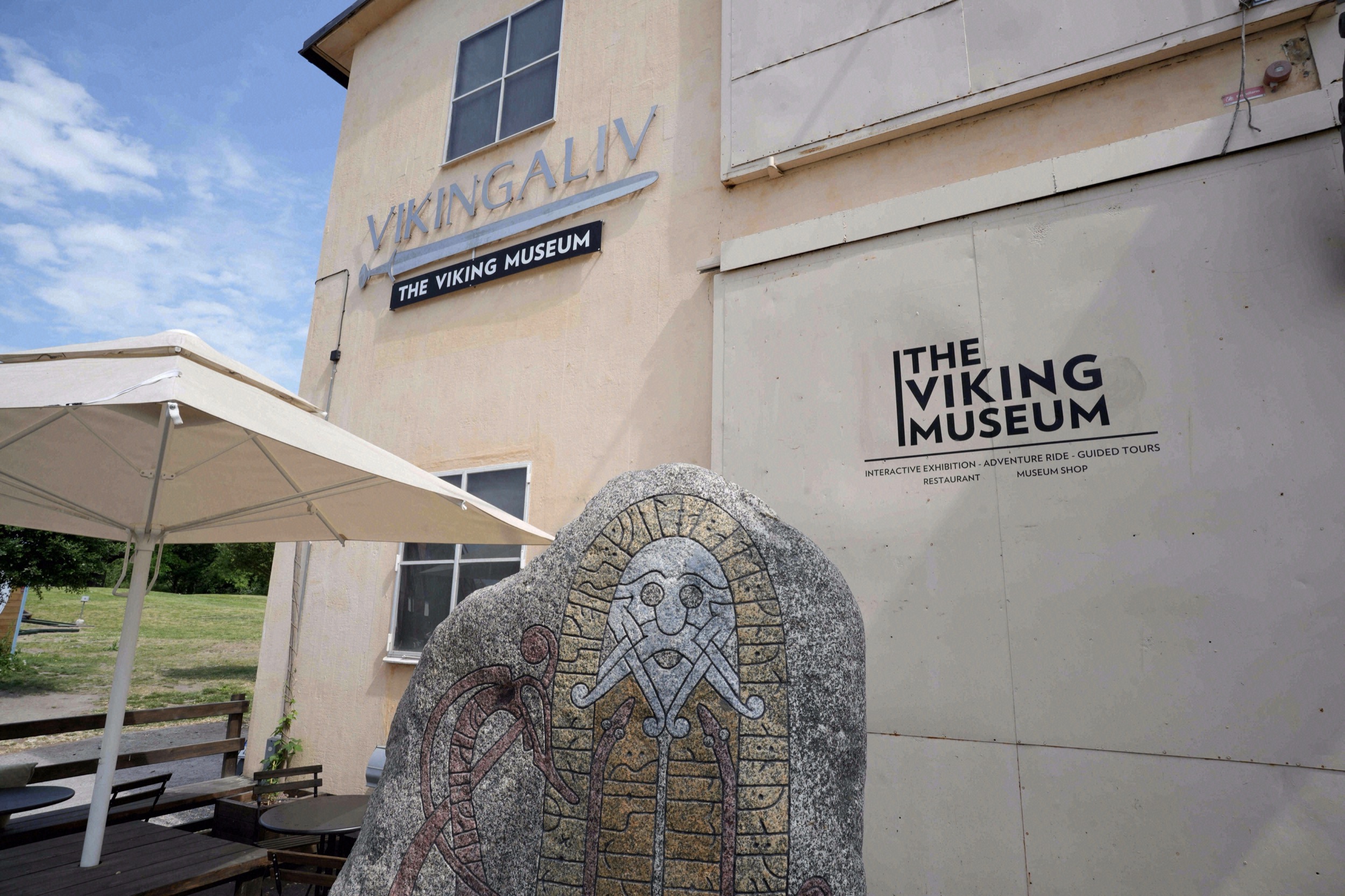
The Viking Museum
At Wasahamnen on Djurgården this interactive museum tells of life on the farms and of voyages across Europe, and the eleven-minute saga ride is included in the ticket.
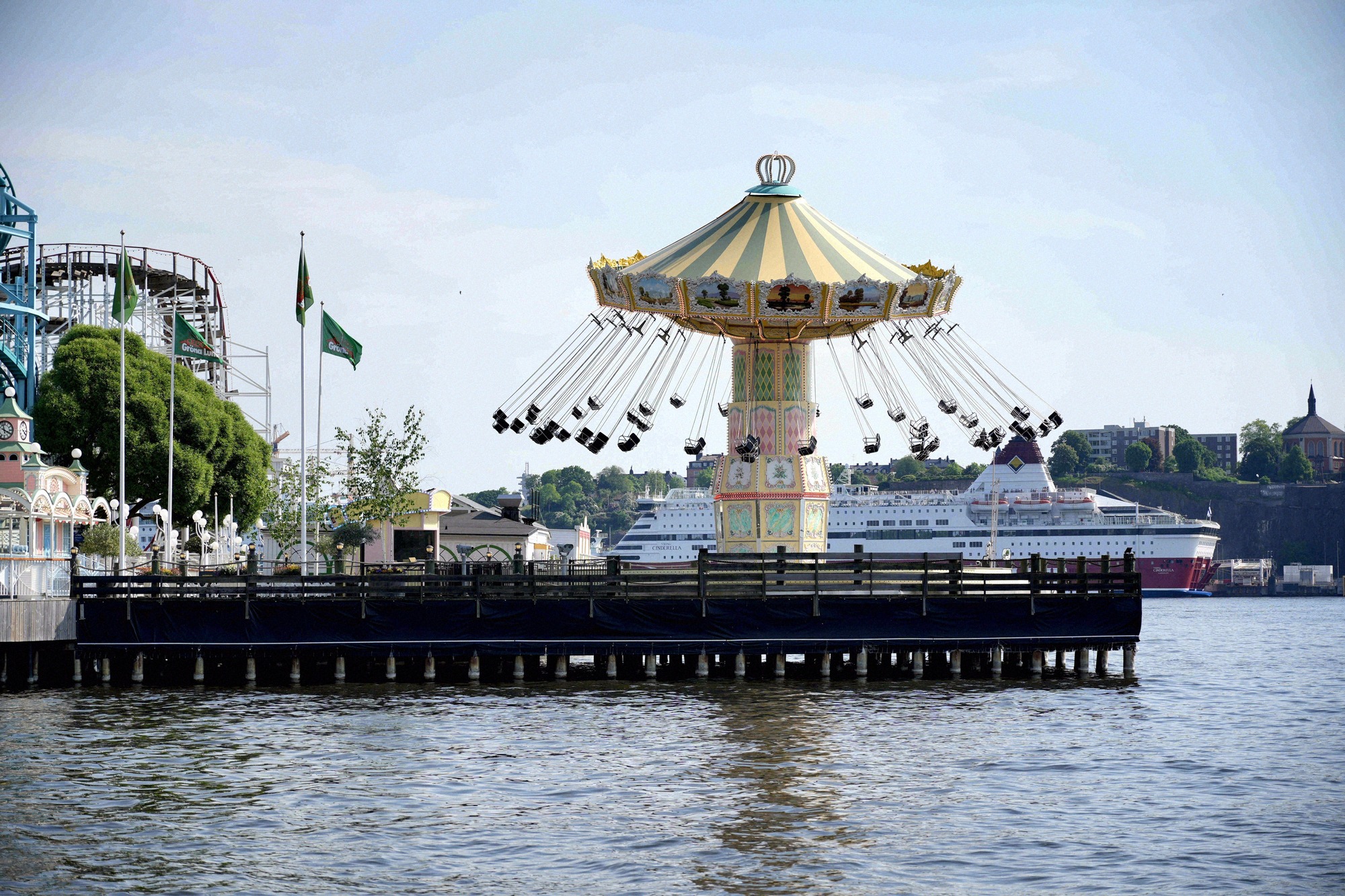
Gröna Lund
An amusement park on the Djurgården waterfront since 1883: around 30 rides, concerts in summer and a ticket system in which you pay for admission and rides separately.
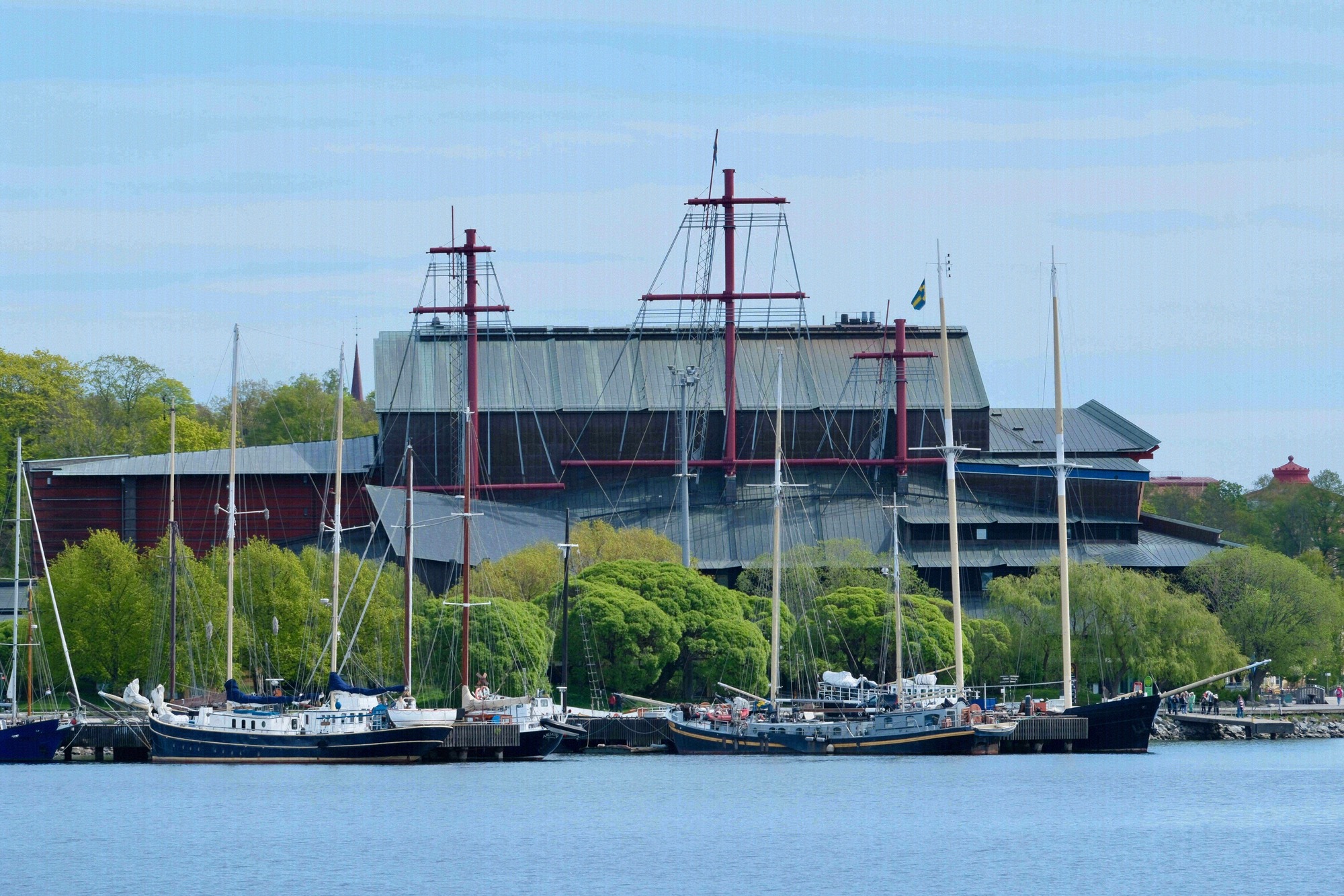
Vasa
The warship Vasa sank on her maiden voyage in 1628, lay in the harbour for 333 years and now stands in a hall of her own on Djurgården, with a guided tour, film and audio guide included in admission.
Nordiska museet
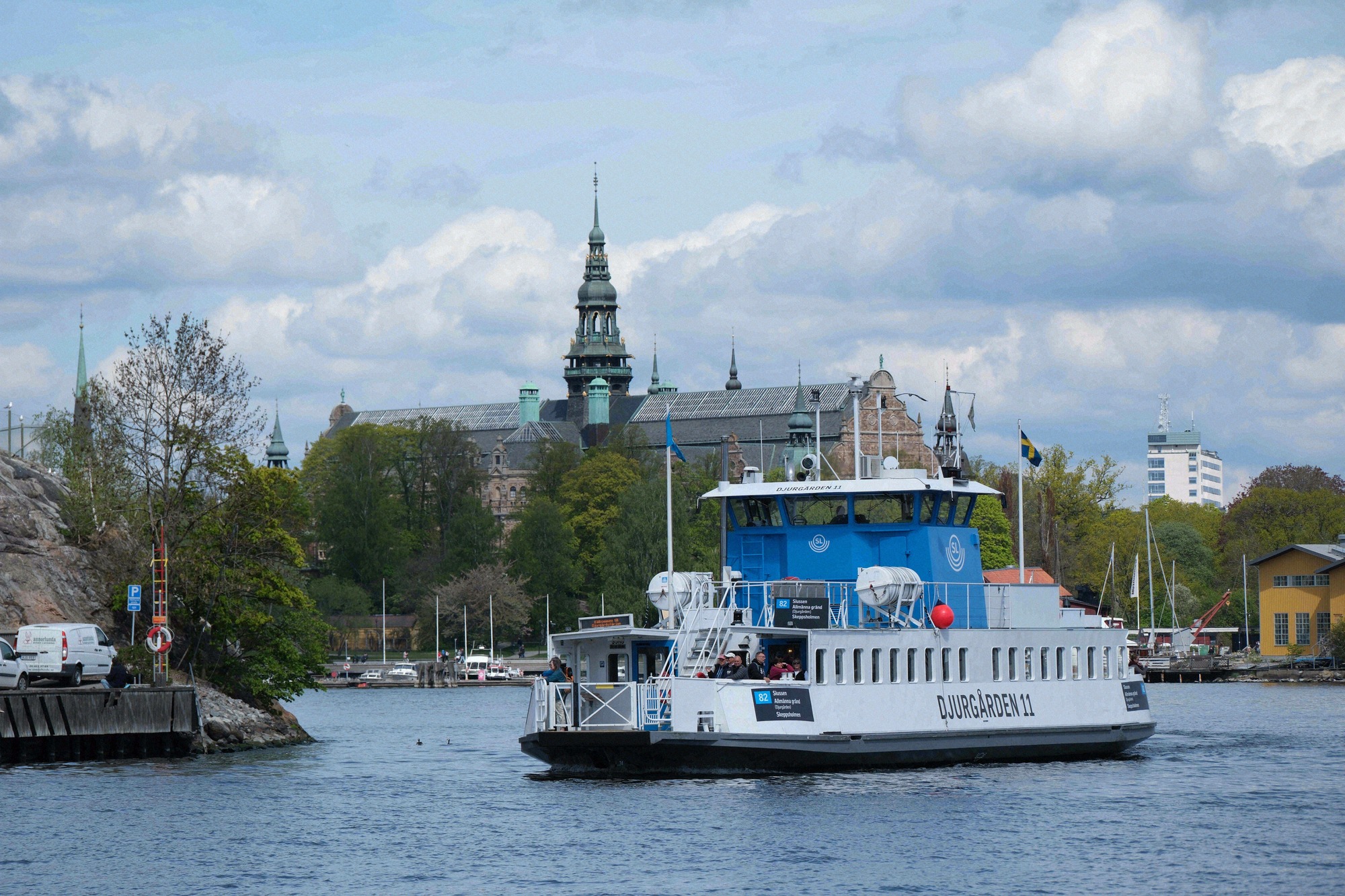
Sweden's largest museum of cultural history shows how people lived, ate and celebrated over 500 years, in a palace by the Djurgårdsbron, open until 20:00 on Wednesdays from September to May.
Skansen
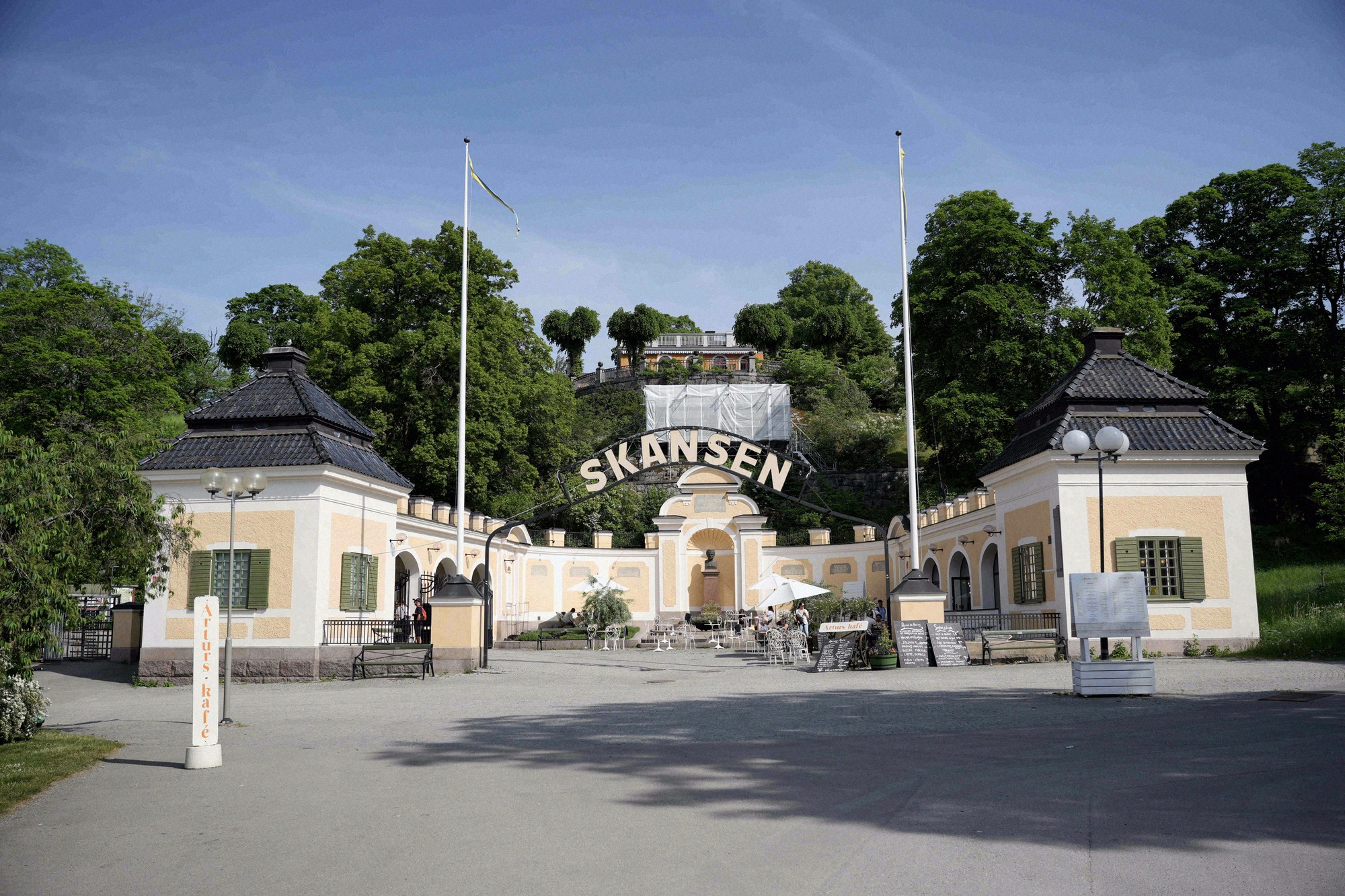
Since 1891 the world's oldest open-air museum has shown around 140 buildings from all over Sweden on Djurgården, plus Nordic wildlife, a children's zoo and festivals through the year.