
German Church
German church with the tallest tower in Gamla Stan
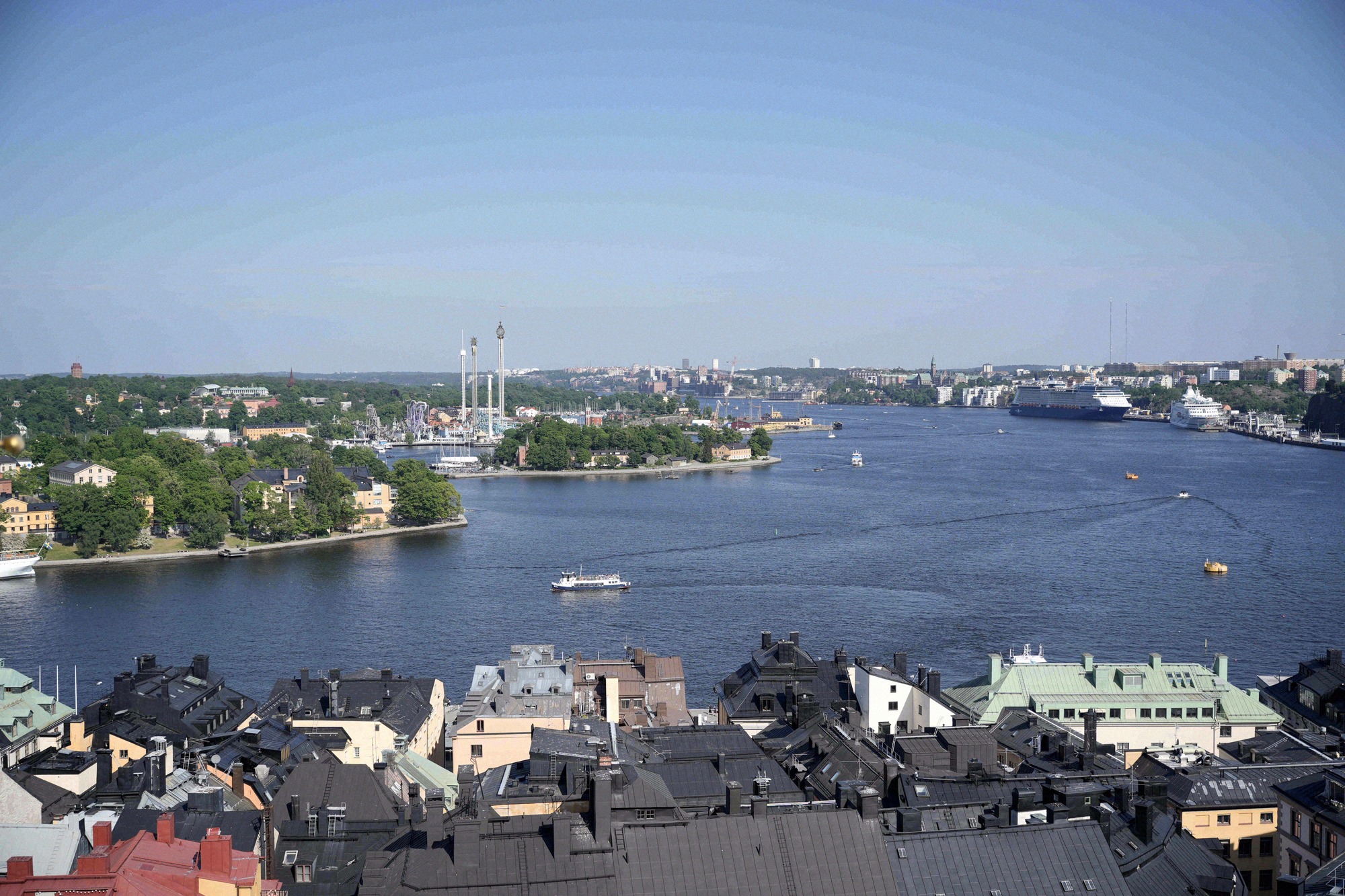
The German Church of St Gertrude in Gamla Stan has housed the oldest German congregation abroad since 1571; its 96-metre tower is the tallest building on the old town island.
Contents
The Church of the Germans in Stockholm
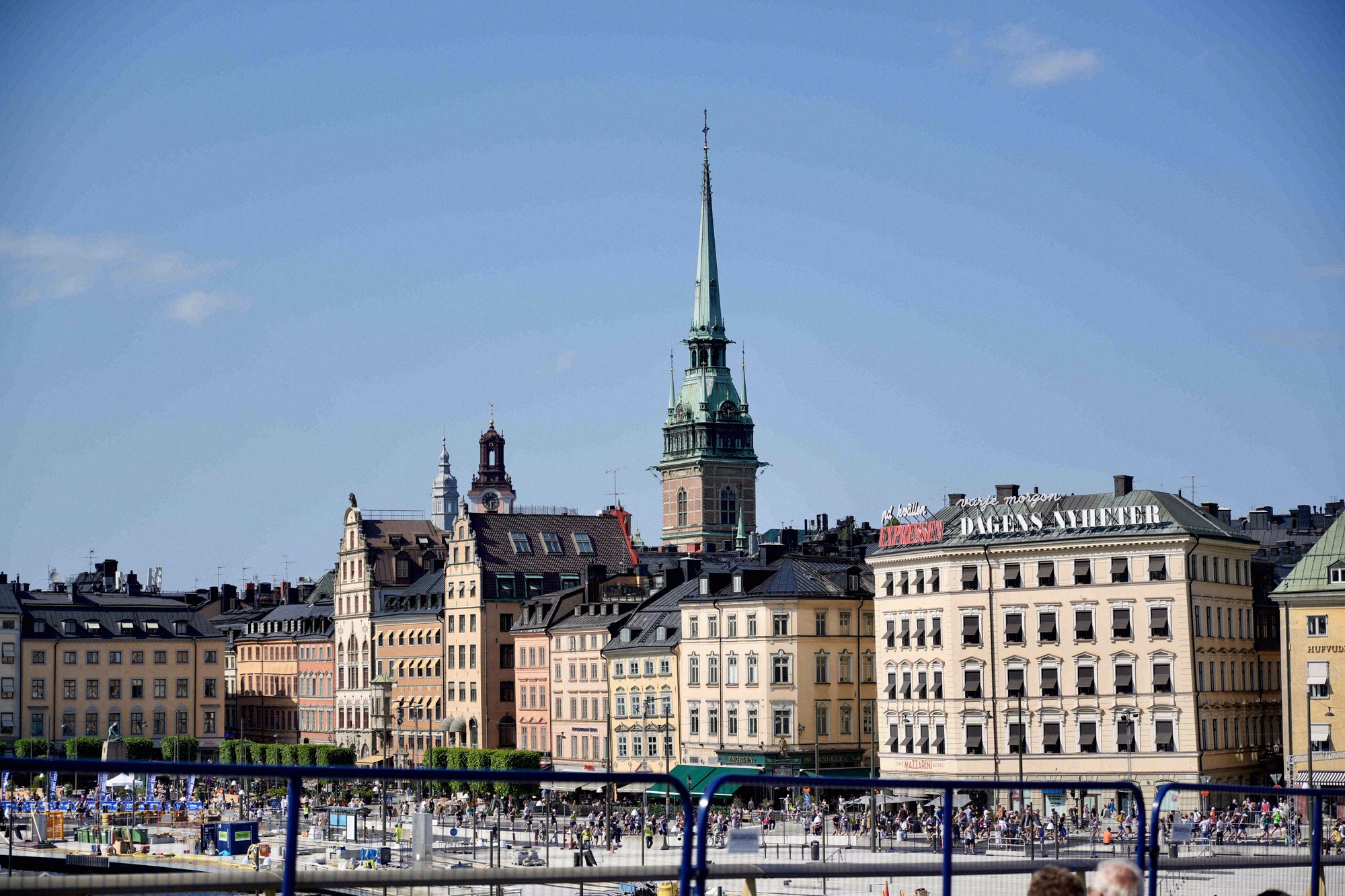
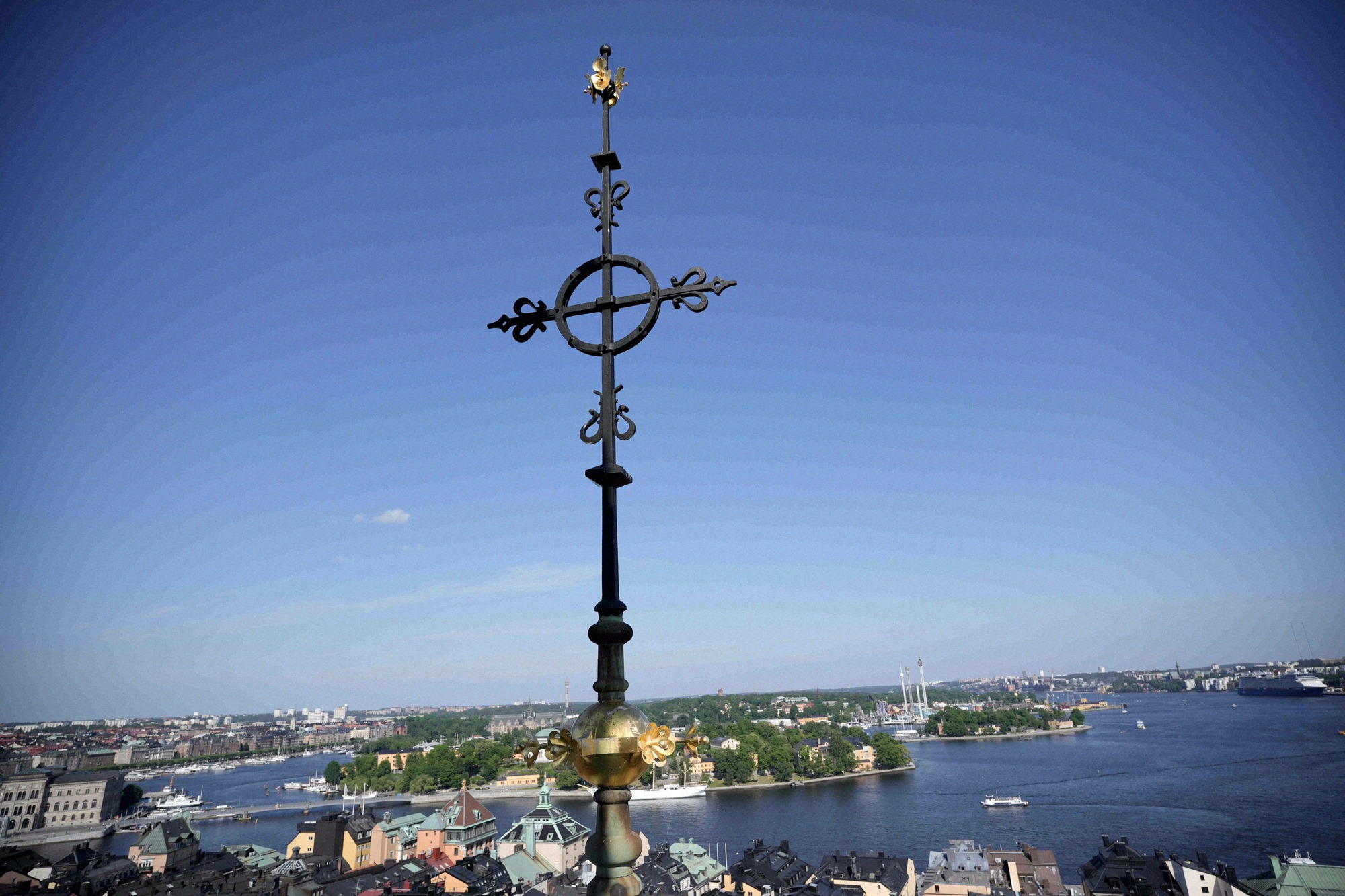
The Tyska kyrkan (German Church) belongs to the German congregation of St Gertrude and stands in the heart of the old town, Gamla Stan, on Svartmangatan. With its 96-metre tower, it is the tallest building on the old town island - the weathervane at the top of the spire marks the highest point in Gamla Stan. The building has served the German congregation, the oldest German congregation abroad anywhere, since 1571; services are still held in German today.
Administratively, the congregation belongs to the Church of Sweden (Svenska kyrkan), while keeping its own German-language tradition alive. For English-speaking visitors, the church is an unusual find: a piece of Hanseatic history and a living congregation in one, just a few lanes from the Royal Palace.
From guild hall to hall church
The oldest parts of the building - the cellar and the north wall - date back to the medieval heyday of the Hanseatic League, when numerous German merchants in Stockholm were organised into a guild. The assembly hall of this Guild of St Gertrude was the forerunner of today's church. After the Reformation, King Gustav Vasa dissolved the guilds in 1544 and the property passed to the Crown. It was not until 1571 that the German congregation was allowed to use the old guild hall for its services, and in 1607 King Charles IX granted it to the congregation outright.
Between 1638 and 1642, the building was enlarged into a two-nave hall church. The architect responsible was Hans Jacob Kristler, originally from Strasbourg, who also worked on Ulriksdal Palace north of the city. A first church tower was added later and, with the oldest carillon in Sweden, gave the church a distinctive sound.
Fire and rebuilding of the tower
On the night of 6 to 7 October 1878, a fire at around 2:15 at night destroyed the tower - then some 70 metres tall - along with its bells, carillon and organ. The vaulted ceiling largely protected the interior, so the main body of the church survived.
Today's tower follows the designs of the Berlin architect Julius Carl Raschdorff (1823-1914), who also designed Berlin Cathedral. Rebuilding began in 1881, was completed in 1886, and in 1887 the tower received its copper-clad spire. The result is the slender, far-visible silhouette that still rises above the rooftops of Gamla Stan today.
What to expect inside
Inside, the highlight is the Royal Gallery to the left of the altar: the city architect Nicodemus Tessin the Elder, originally from Stralsund, had the glazed gallery built in 1672 for Queen Hedvig Eleonora, who was born in Schleswig-Holstein and regularly attended the German service.
The church also carries musical weight: in the 17th century, the Düben family of organists shaped Swedish musical life - Andreas Düben arrived from Leipzig in 1625 and became organist of the German Church before later serving as royal Kapellmeister. That tradition still resonates today, not least in the concerts the congregation regularly puts on.
Services, concerts and visiting
Anyone in Stockholm on a Sunday can attend the German-language service at 11:00 - following the liturgy of the Church of Sweden, but held in German; visitors are welcome, and the service is also streamed on the congregation's website. A good date for music lovers is early June, when the Early Music Festival brings numerous concerts to the German Church as part of its Gamla Stan programme.
Admission is free, though donations are welcome. A tower climb is not currently possible, as the viewing platform is not open to the public - so no tickets are sold. Visiting the church itself takes around 20 to 40 minutes. Visiting hours (Fri-Sat 11:00-15:00, Sun 12:30-16:00) change seasonally and are only confirmed on the parish page; it's worth checking the official website of the congregation before visiting.
Getting there and combining your visit
The church stands on Svartmangatan in the southern part of Gamla Stan, just a few lanes from central Stortorget. It combines well with a walk around the old town: the main church Stockholm Cathedral (Storkyrkan), the Nobel Prize Museum on Stortorget, the Finnish Church right next door, and the Royal Palace are all within walking distance. Anyone planning a full day will find further stops in the guide to Stockholm's attractions at a glance.
Frequently asked questions
Is there an admission charge for the German Church? +
What are the opening hours of the German Church? +
Is there a German-language service? +
Can you climb the tower? +
What is the best time to visit? +
Nearby
Jewish Museum
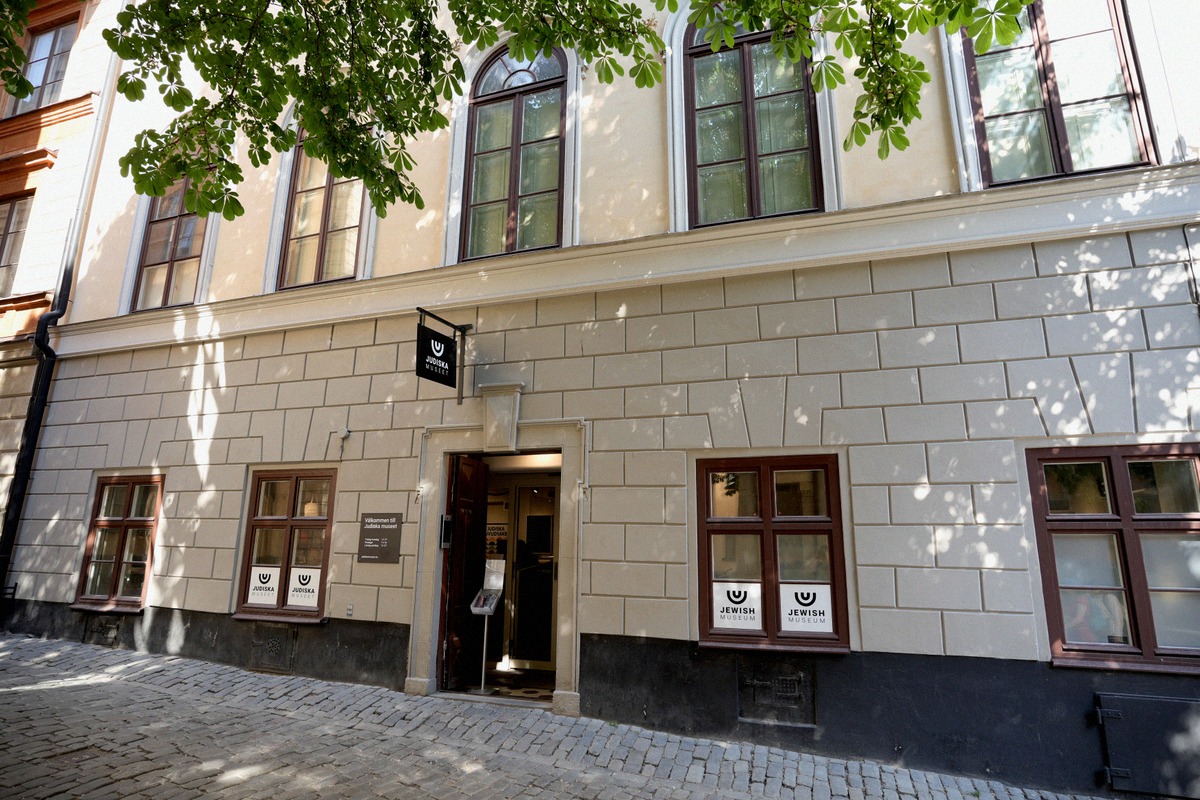
Judiska museet in Gamla Stan tells Sweden's Jewish history inside the city's oldest surviving synagogue, with the permanent exhibition The Jews & Sweden.
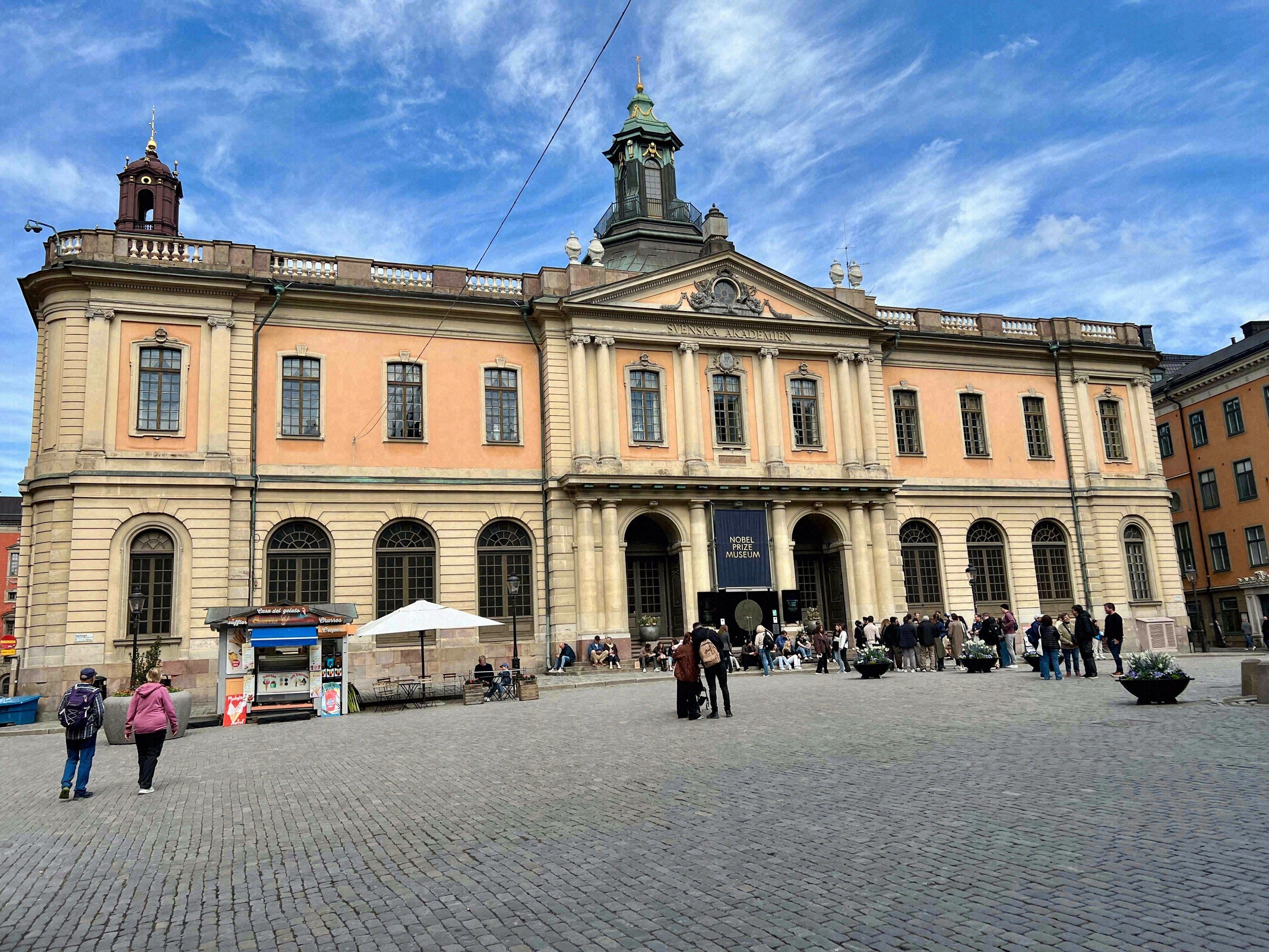
Nobel Prize Museum
The Nobel Prize Museum on Stortorget in Gamla Stan celebrates Alfred Nobel and the Nobel laureates since 1901, with films, an overhead gallery and Café Satir.
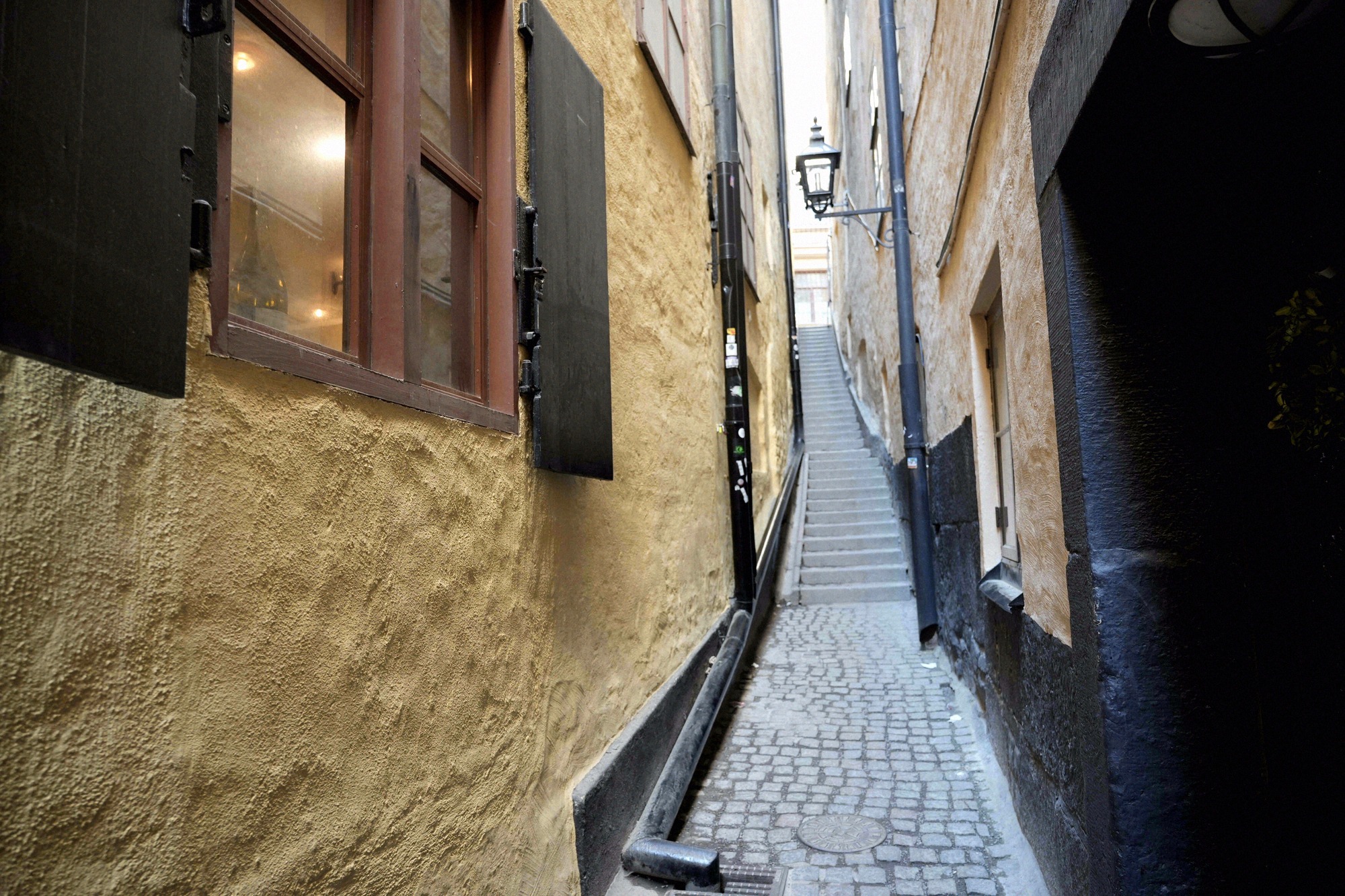
Mårten Trotzigs gränd
Mårten Trotzigs gränd in Gamla Stan measures 90 centimetres at its narrowest point, making it Stockholm's narrowest alley, a stepped lane of 36 steps.
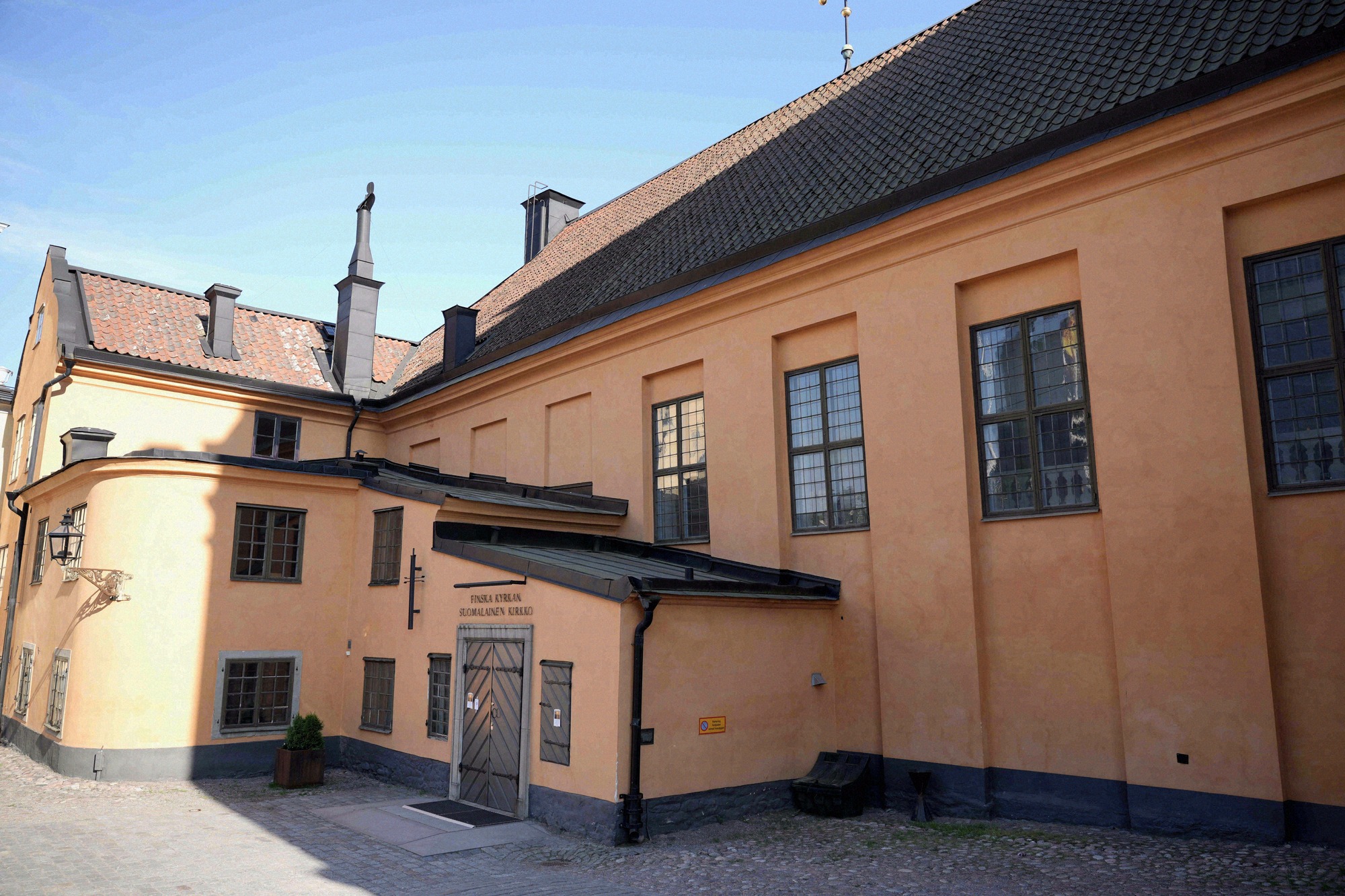
Finska kyrkan
Finska kyrkan (the Finnish Church, officially Fredriks kyrka) is a quiet Baroque church in Gamla Stan, facing the Royal Palace, with the tiny Järnpojken in its courtyard.
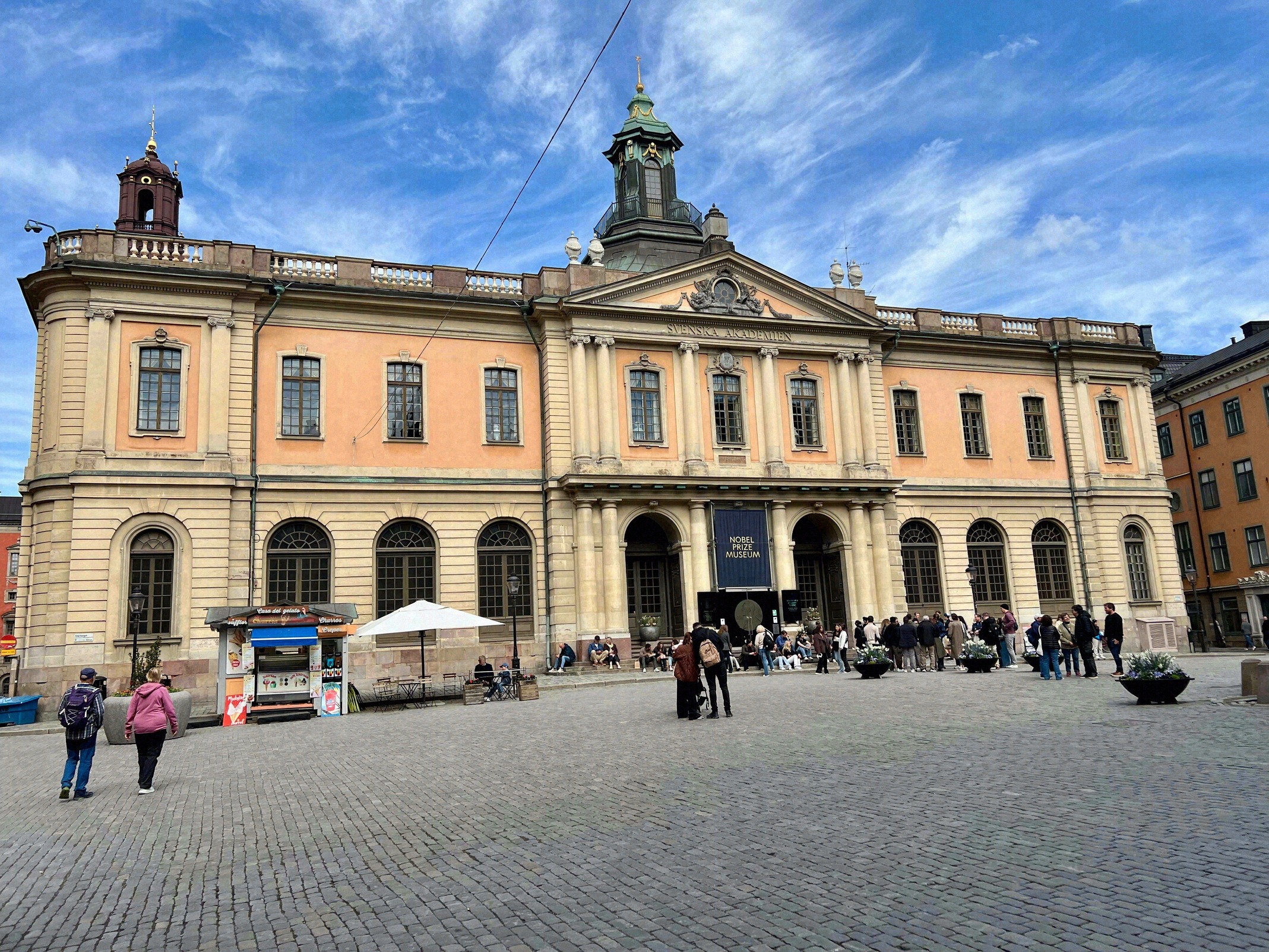
Stortorget
Stockholm's oldest square, in the heart of Gamla Stan, lined with colourful gabled houses and the Nobel Prize Museum, scene of the 1520 Stockholm Bloodbath.
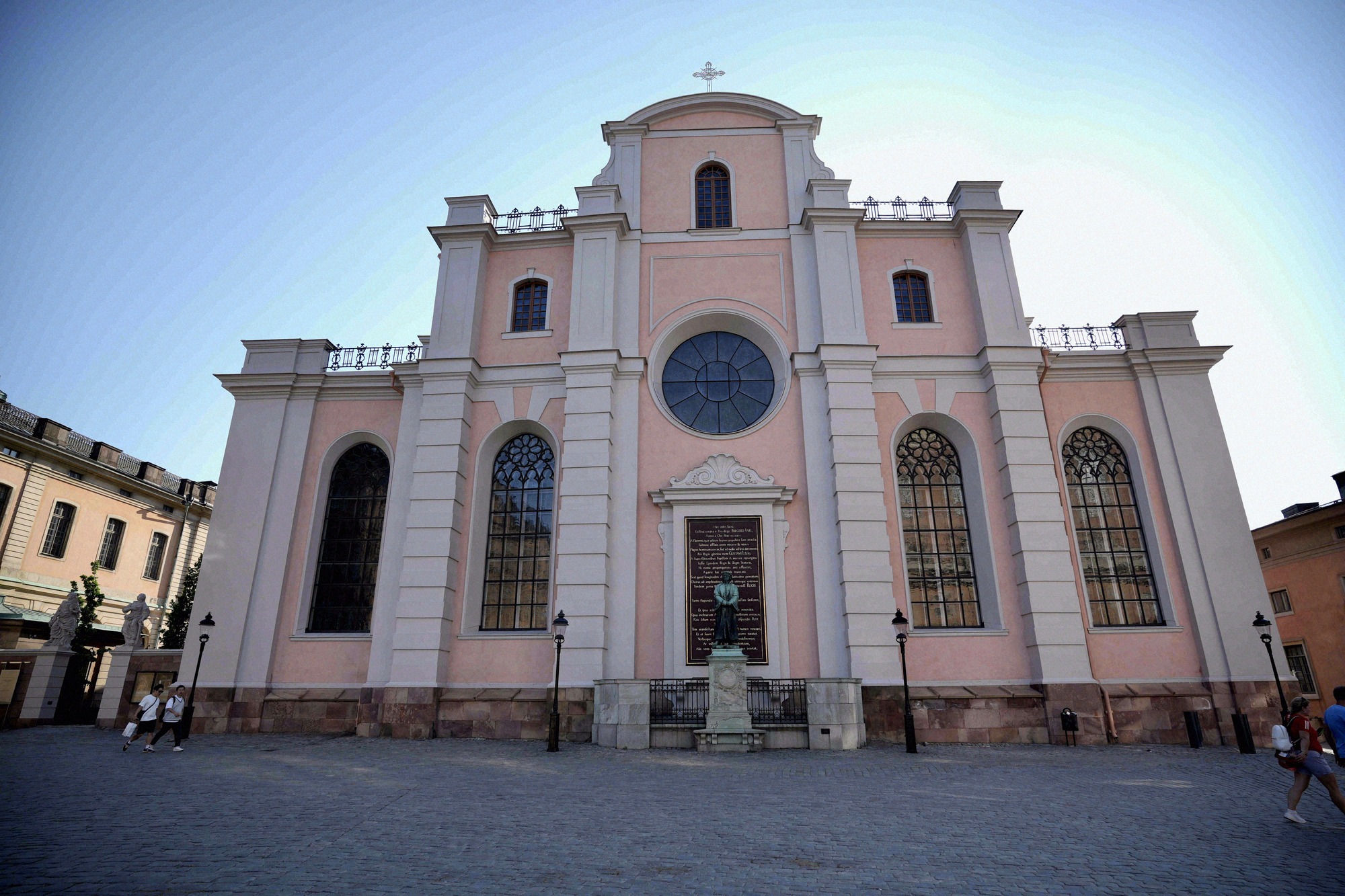
Stockholm Cathedral
Stockholm Cathedral (Storkyrkan), the city's oldest church: brick Gothic in Gamla Stan with the Saint George sculpture and the Vädersolstavlan.