
Admission
Admission with audio guide
Entry to the permanent and temporary exhibitions, plus the audio guide on your smartphone.
4.2 (188) · Tiqets
From €14.27
Free cancellation up to 1 hour before your visit
Book TicketLaureates' objects on the ground floor of the old Stock Exchange
Inventions, peace work and literature, told through things that once belonged to laureates. Afterwards, in the bistro, you sit on chairs bearing their signatures.
Tickets
You listen to the audio guide on your own smartphone, and you sign up for the free guided tour at the entrance.
Admission
Entry to the permanent and temporary exhibitions, plus the audio guide on your smartphone.
4.2 (188) · Tiqets
From €14.27
Free cancellation up to 1 hour before your visit
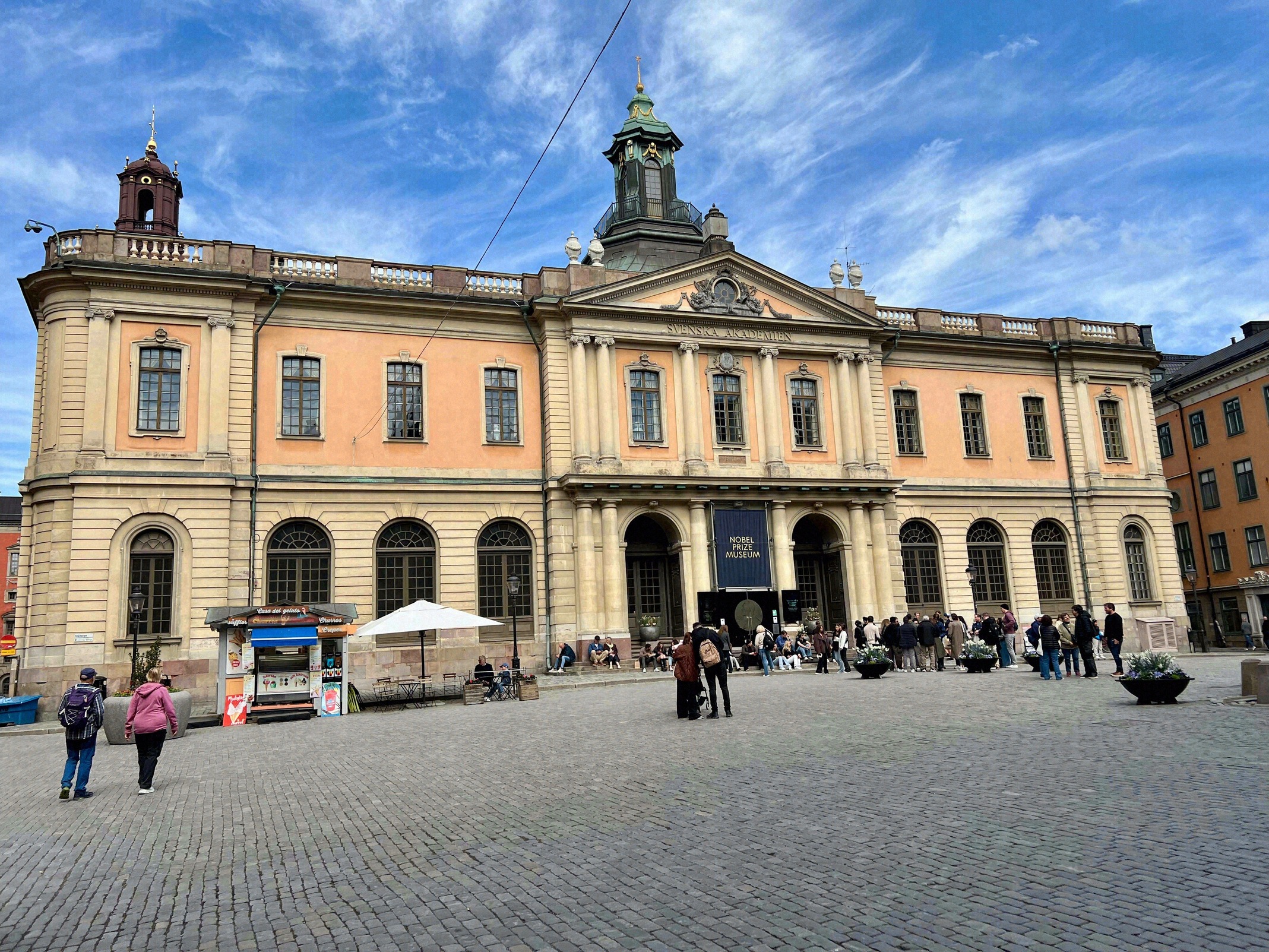
Book TicketThe Nobel Prize Museum (Nobelprismuseet), known as Nobelmuseet until 2019, opened in 2001 for the centenary of the Nobel Prize on the ground floor of Börshuset on Stortorget. The floor above is home to the Swedish Academy, which awards the Nobel Prize in Literature every year. The location was meant as a temporary solution, which is why the museum is compact. It tells the story of the Nobel Prize, of the discoveries it has honoured and the people behind them, from science and literature to peace work and economics.
The permanent exhibition “These things changed the world” opened in 2024. It shows more than 250 objects that laureates have donated to the museum, ranging from groundbreaking inventions and courageous peace work to new ideas in literature. One of the best-known pieces is Malala Yousafzai's pink scarf. She wore it when she spoke at United Nations headquarters on her 16th birthday.
Three in-depth sections take up big questions about the cosmos, human nature and the building blocks of life: what do we know about black holes, and what does the puzzle of ageing look like? In a smaller room, temporary exhibitions change three to four times a year, and the museum also has a cinema room for films.
Admission includes a public guided tour of the museum and its current exhibitions. You cannot reserve it in advance: you sign up at the entrance, and places are limited. You download the audio guide to your own smartphone, and it is available in eight languages.
On Fridays the museum stays open until 21:00. Some Fridays bring exhibition evenings, concerts or talks, and before them there may be sound checks and set-up work in the rooms during the day.
Large bags are best left at your hotel. There are only a few small lockers measuring 33 x 28 x 36 centimetres and some lockable coat hangers, and the cloakroom is unattended.
In Bistro Nobel the furniture doubles as a guestbook. When the new laureates visit the museum during Nobel Week in December, they finish by signing a chair, and many also give the museum an object for its collection on that occasion. So while you eat, you may well be sitting on a laureate's chair.
The menu includes the Nobel ice cream, a version of the dessert that was served at the Nobel Banquet for many years: vanilla ice cream with currant sorbet, raspberry sauce, a chocolate medallion and candyfloss.
Adults pay 160 SEK, students and seniors 120 SEK, and admission is free for under-18s. The museum itself does not sell tickets online. At the ticket desk at the entrance you can only pay by card; Visa, Mastercard, American Express and Maestro are accepted.
Last admission is 15 minutes before closing. The museum is closed on 24, 25 and 31 December and on 1 January. In December 2026 it opens only at 14:00 on Sunday 6 December, and from 7 to 10 December it is open daily from 11:00 to 18:00, Monday included.
The nearest metro station is Gamla stan, served by the green and red lines. The main entrance is on Stortorget.
In front of the door stands the well house of Stortorget, the square where Christian II had the Stockholm Bloodbath carried out in 1520. A few steps behind Börshuset is Storkyrkan (Stockholm Cathedral) with its sculpture of St George, and beyond Slottsbacken lies the Royal Palace, where the changing of the guard takes place at midday. For more museums of art, history and science, see Stockholm's museums.
On Stortorget, Christian II had around 90 people executed in 1520. Today colourful gabled houses and Börshuset with the Nobel Prize Museum frame the square in Gamla Stan.
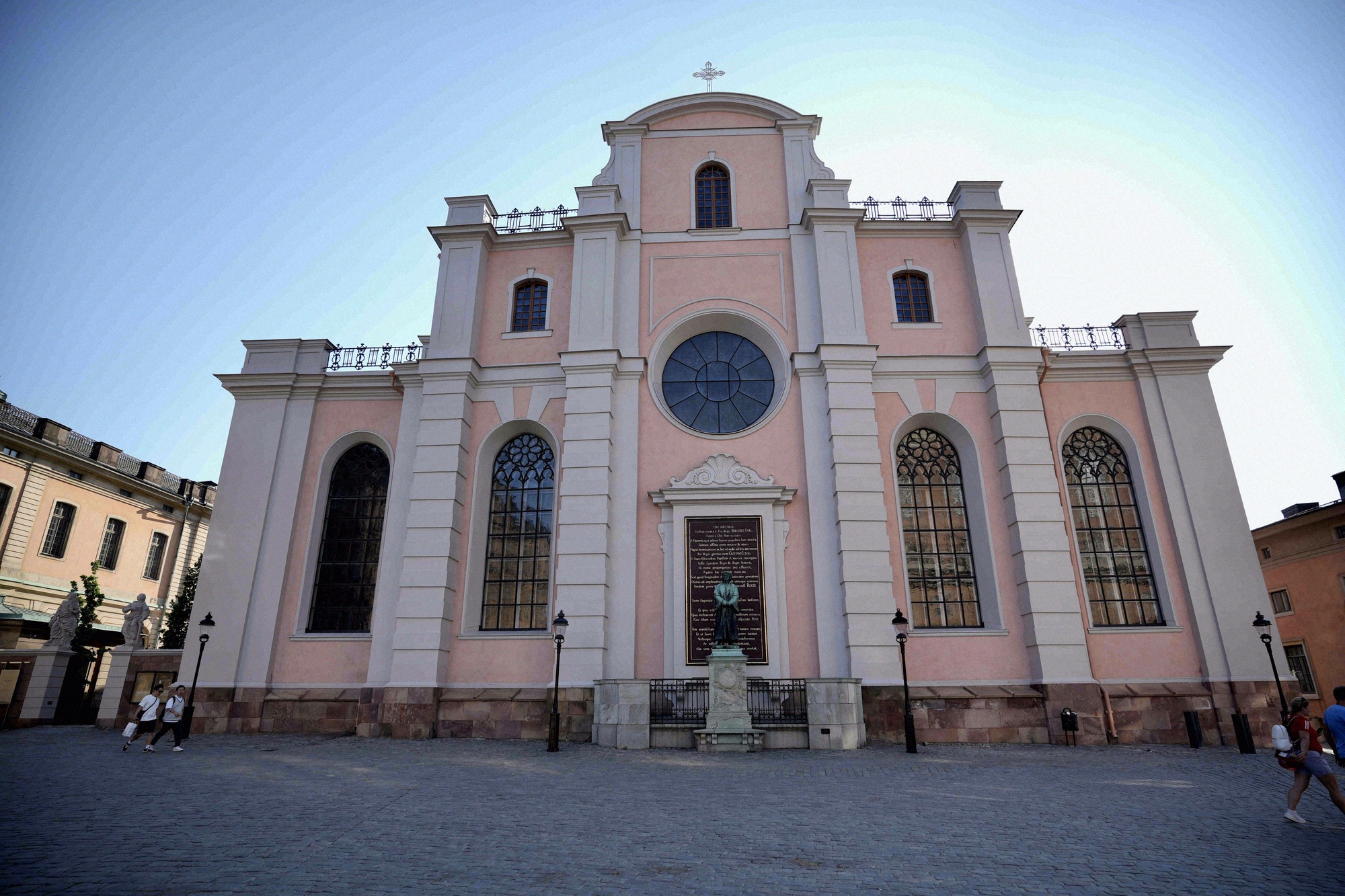
Behind the Baroque façade of Storkyrkan lies a medieval brick interior with St George fighting the dragon and the oldest colour image of Stockholm.
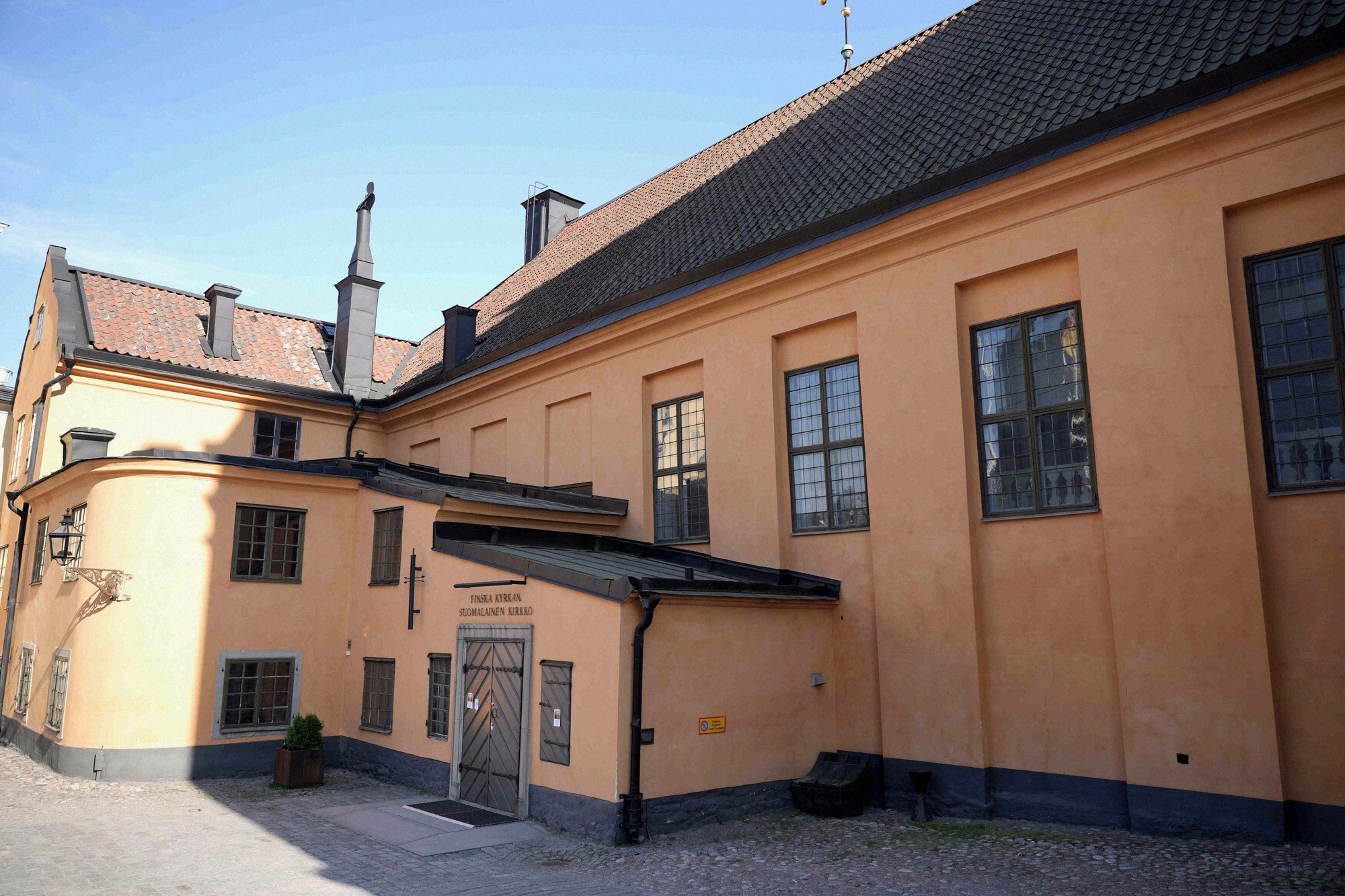
Former royal ball-game hall on Slottsbacken, the Finnish congregation's church since 1725, with the Järnpojke in Bollhustäppan behind it.
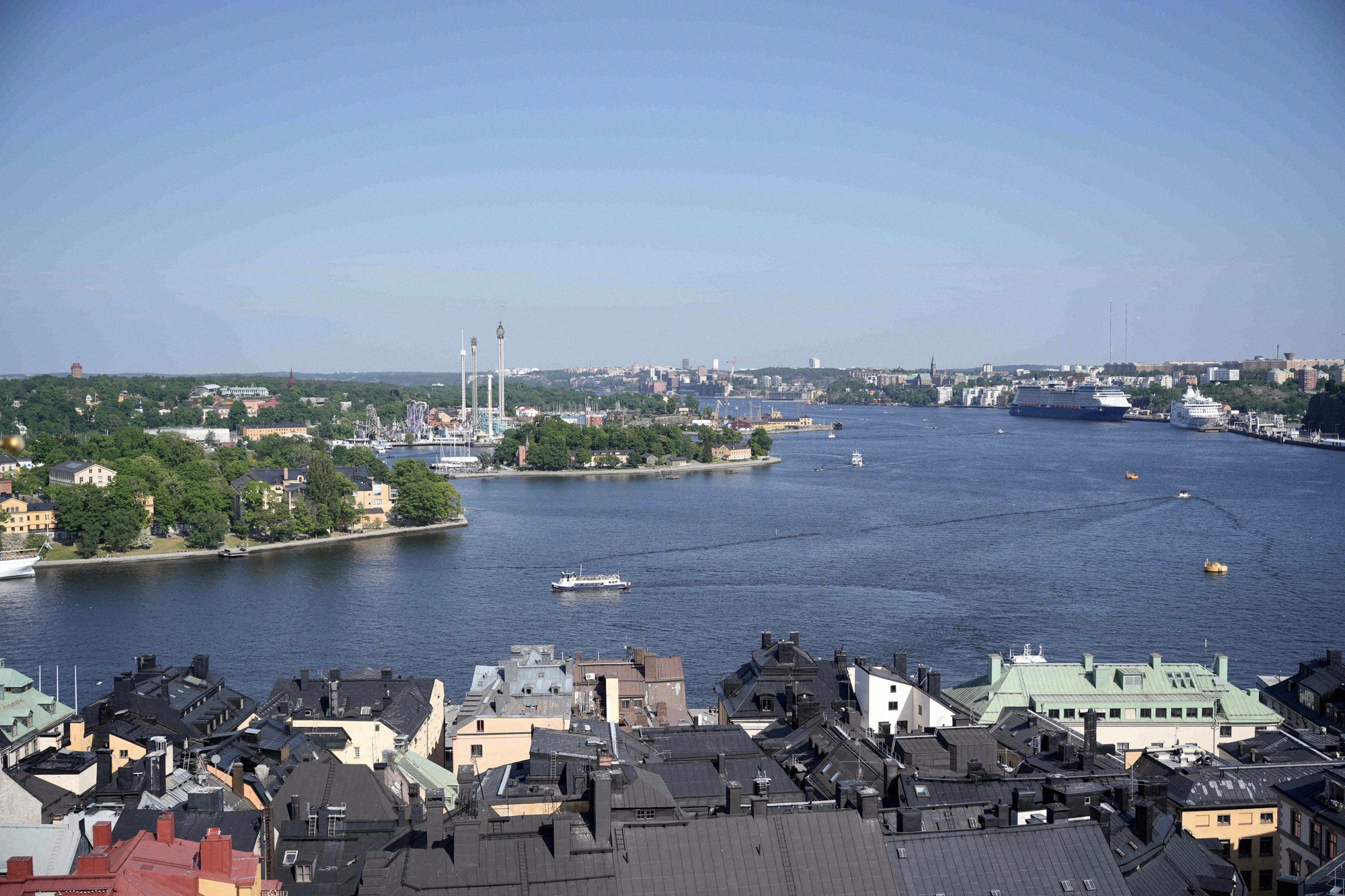
Church of the German congregation in Gamla Stan with a 96-metre tower, Baroque altar and royal gallery, open to visitors Friday to Sunday.
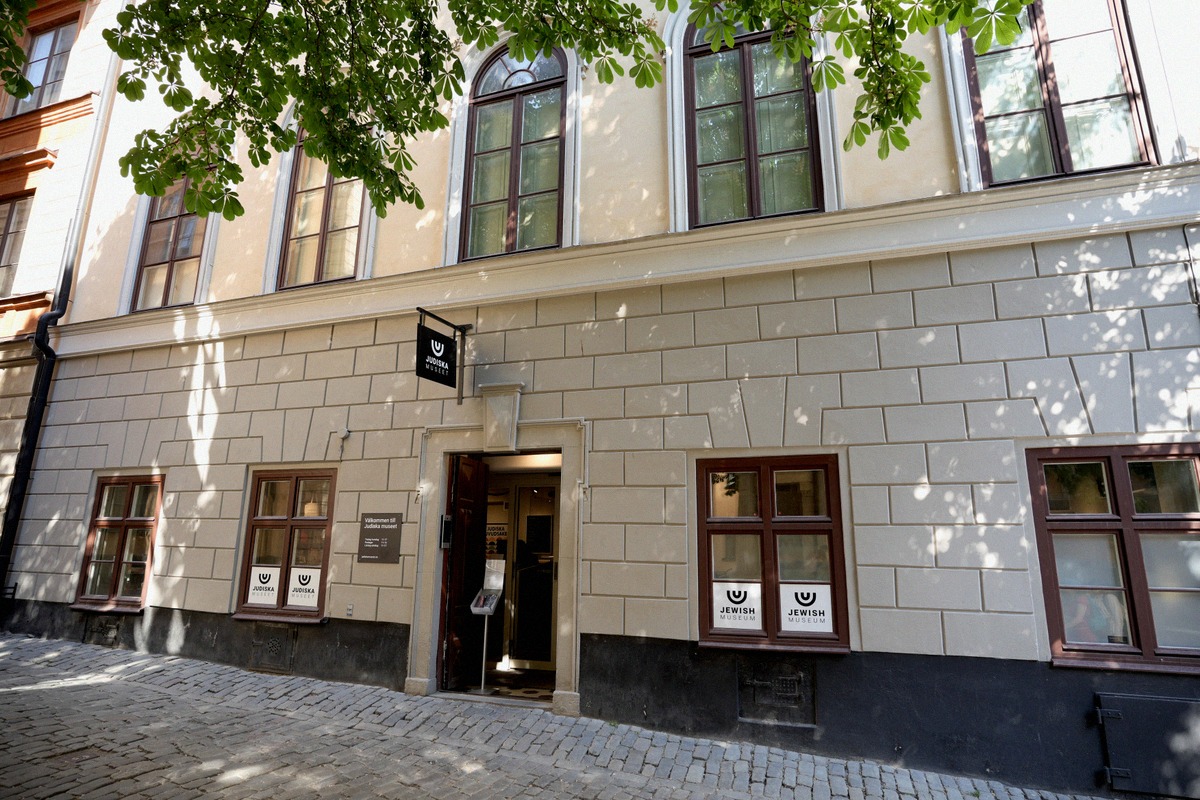
In 1795 the congregation set up its synagogue in a former auction house. Since 2019 the museum there has shown how Jews came to Sweden and how they lived here.
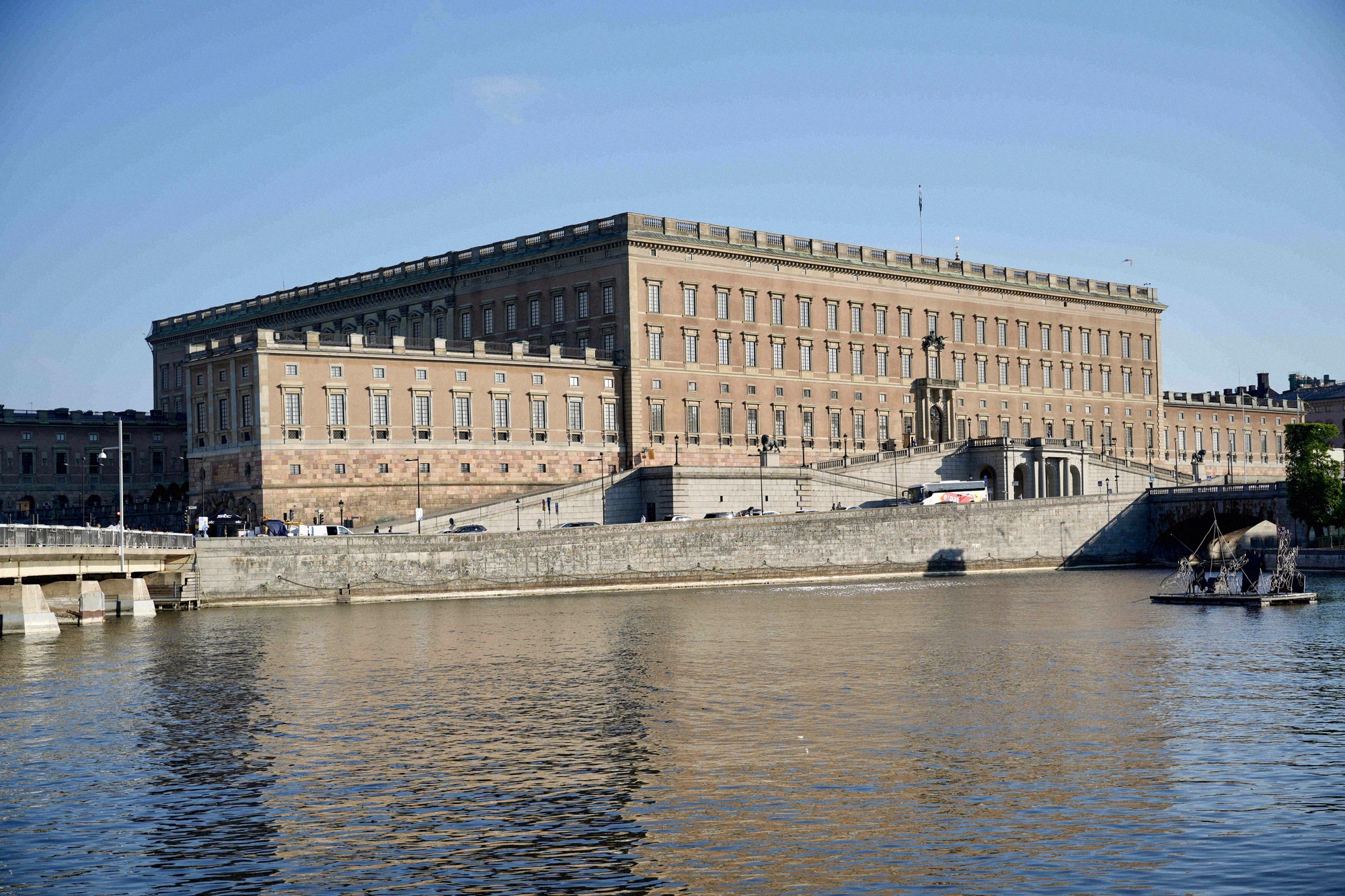
The Royal Palace (Kungliga slottet) in Gamla Stan is both the King's workplace and a museum, with Royal Apartments, a silver throne in the Hall of State, the crown jewels and the remains of Tre Kronor Castle.