
Admission
Entry to the palace
Admission including the temporary exhibitions, without a guided tour or audio guide. Show your ticket on your smartphone.
From €13.38
Free cancellation up to 6 hours before your visit
Book TicketThe Hallwyl family's town house on Hamngatan, with all its contents
The Hallwyl family's town house on Hamngatan, with over 50,000 objects in around 40 rooms, from the Great Drawing Room to the kitchen, free for children and young people up to 18.
Tickets
Standard admission covers two of the five floors; you only see all of them on a guided tour.
Admission
Admission including the temporary exhibitions, without a guided tour or audio guide. Show your ticket on your smartphone.
From €13.38
Free cancellation up to 6 hours before your visit
Book TicketThe Hallwyl Museum (Hallwylska palatset) is the house Walther and Wilhelmina von Hallwyl had built in the 1890s, and it still stands today with all its contents, spread over five floors. If you want to see how a very wealthy family lived and ran its household in Stockholm around 1900, you will find the original furniture and the entire household inventory here. Adults pay 150 SEK.
The couple bought the plot in 1893 for 205,265 kronor. Before that, much of the block had belonged to the goldsmith and collector Christian Hammer, whose old buildings were known as the “Hammerska rucklen”. Isak Gustaf Clason designed the new building together with Albert Collett; it was finished in 1898, and the couple moved in. The building had cost just over 1.5 million kronor.
Wilhelmina von Hallwyl wanted to live in Stockholm and at the same time have room for her collections. The architecture and interiors therefore draw on older historical styles, the woodwork uses dozens of different types of wood, and there are large marble walls and elaborately crafted doors and windows.
For all its historic styling, the palace was one of the most technically advanced houses in Stockholm for its time. From the start it had central heating, an electric lift, bathrooms and a central vacuum cleaner. Every room had electric light, hot water came from the tap, and tiled stoves supplemented the heating. There was also a dumb waiter and, from 1929, two General Motors refrigerators. Under the roof was a bowling alley.
The Stora salongen, the Great Drawing Room, is the most lavish room, with a Steinway grand piano, a suite of seating, textile wall coverings, chandeliers and ceiling paintings by Julius Kronberg. The house also has a picture gallery, the kitchen and the bathroom, and Clason designed 36 chairs for the dining table.
Wilhelmina collected art, antiques, weapons, porcelain and silver, but she kept everyday things just as carefully: the equipment of the kitchen and wine cellar, the linen, toiletries and medical supplies. She had everything organised by object group and in 1906 began a catalogue that was printed between 1926 and 1956 in 78 volumes and 110 copies.
In 1920 the couple left the house and its contents to the Swedish state, on condition that everything remain unchanged. The palace was officially handed over at the turn of the year 1921. Wilhelmina died in 1930, and the museum opened in 1938. The house has been a listed building since 2015 and is managed today by Statens historiska museer, the state group of history museums.
The standard ticket for 150 SEK opens two of the five floors, including the state floor, and all exhibitions for one day. The other rooms are only shown on the guided tour. For 200 SEK including admission, a small group spends around 50 minutes in parts of the house you cannot enter on your own. The guide talks about the family, the collection and the household staff, and afterwards you can explore the two open floors yourself. Tours run in Swedish from Tuesday to Sunday and in English on Saturdays at 13:30. Choose your time on the museum's ticket page.
Without a tour, the audio guide takes you round, in twelve languages, for 20 SEK. On weekday mornings you will find the door locked: from Tuesday to Friday the palace only opens at 12:00, on Wednesdays it stays open until 19:00, and at weekends it opens at 11:00.
The Hallwylska Restaurang is in the courtyard. From May to October it serves food and drinks, including in the evening, and in November and December a julbord, the traditional Swedish Christmas buffet. Museum visitors get 10 per cent off, excluding drinks.
The palace stands on Hamngatan opposite Berzelii park, a few steps from the Dramaten theatre. Take the metro's red line to Östermalmstorg or the blue line to Kungsträdgården. Bus lines 2, 69 and 76 also stop nearby, at Nybroplan, Hamngatan and Norrmalmstorg.
It is just over 200 metres as the crow flies to Kungsträdgården, the park with Japanese cherry trees and an ice rink in winter. Behind Dramaten, just under 400 metres away, Armémuseum (Army Museum) tells Sweden's history of war and peace since the 16th century. You'll find fresh fish, game and cheese, plus places for lunch, in the Östermalms Saluhall market hall. If you want to see paintings after the house, walk just over 500 metres towards the water to the Nationalmuseum.
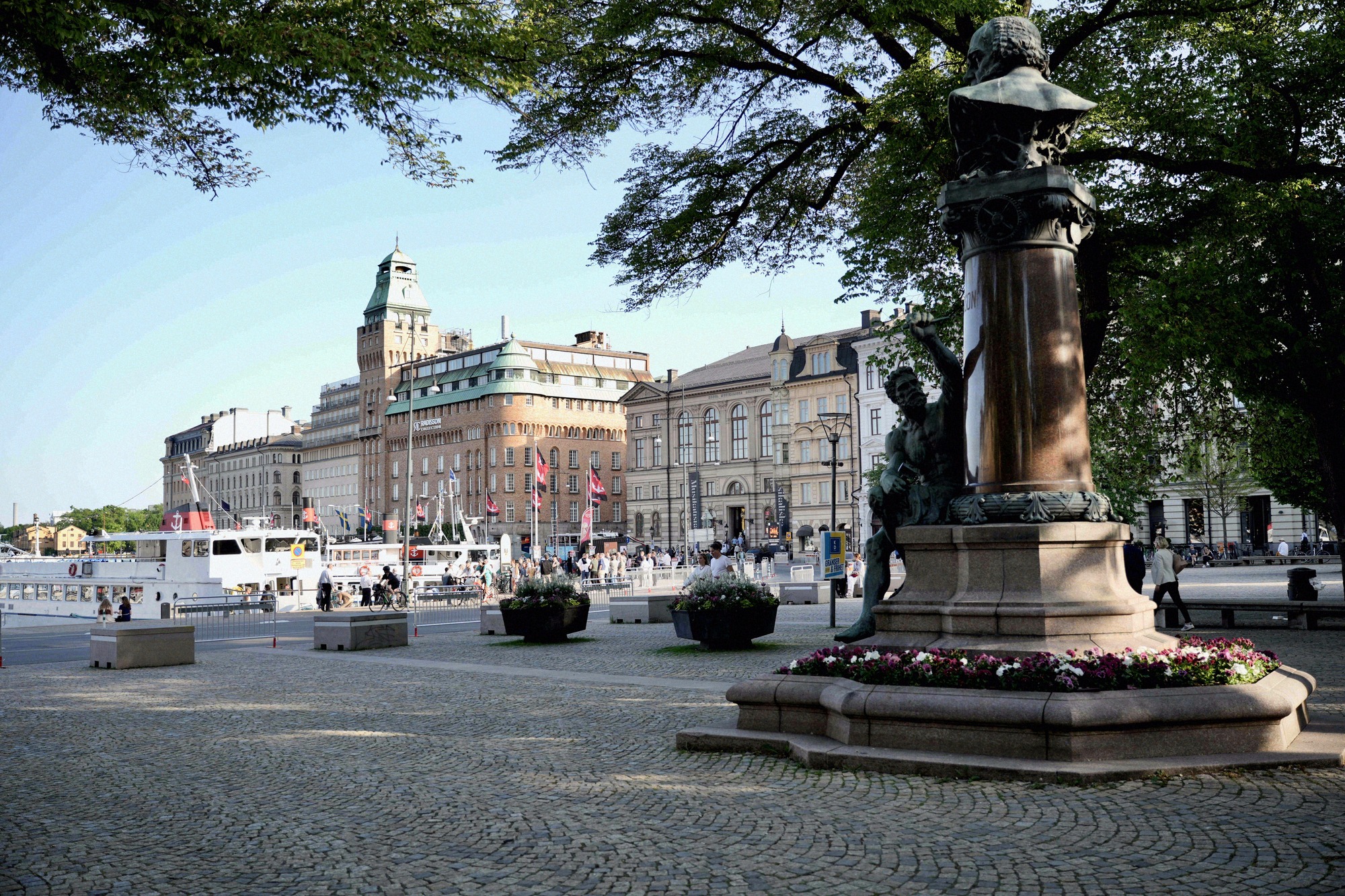
Kungsträdgården is Stockholm's most central park and free to enter. In April its 63 cherry trees blossom, and from November to March an ice rink surrounds the statue of Karl XIII.
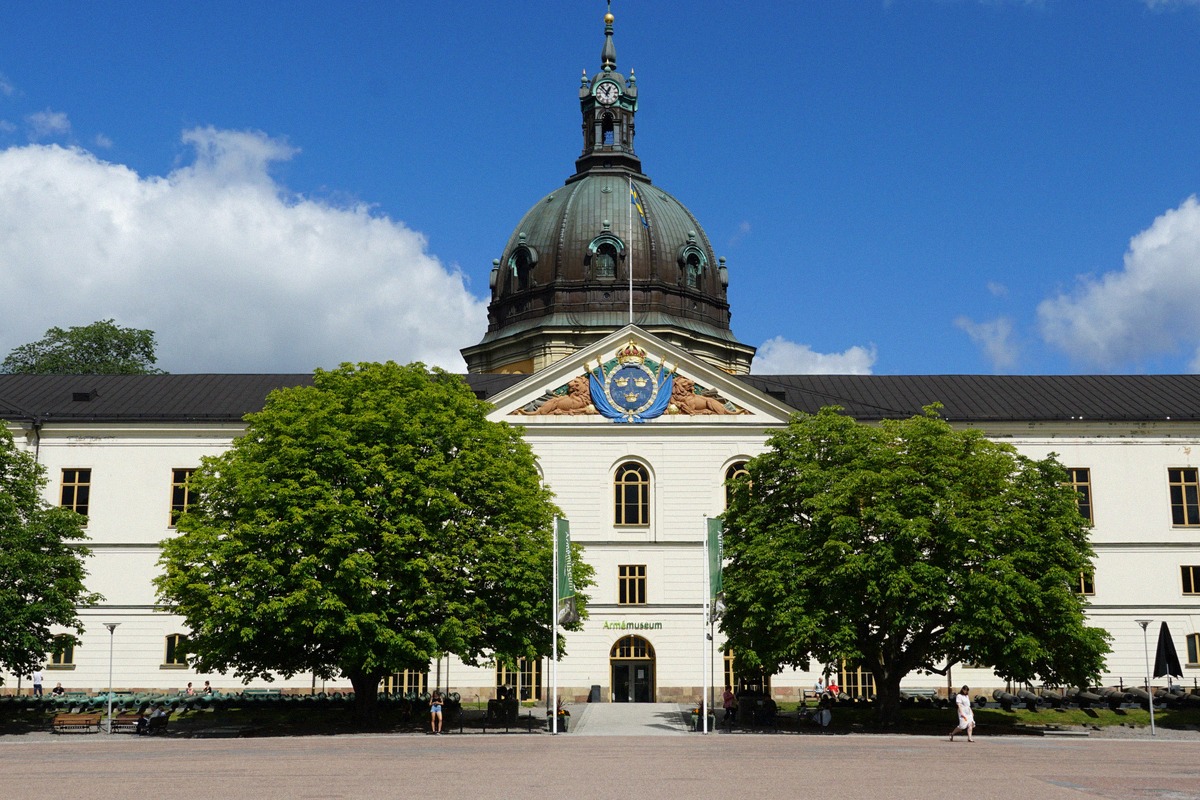
Housed in an arsenal from 1770, Armémuseum (Army Museum) tells Sweden's history of war and peace since the 16th century in recreated scenes and shows Raoul Wallenberg's Budapest office.
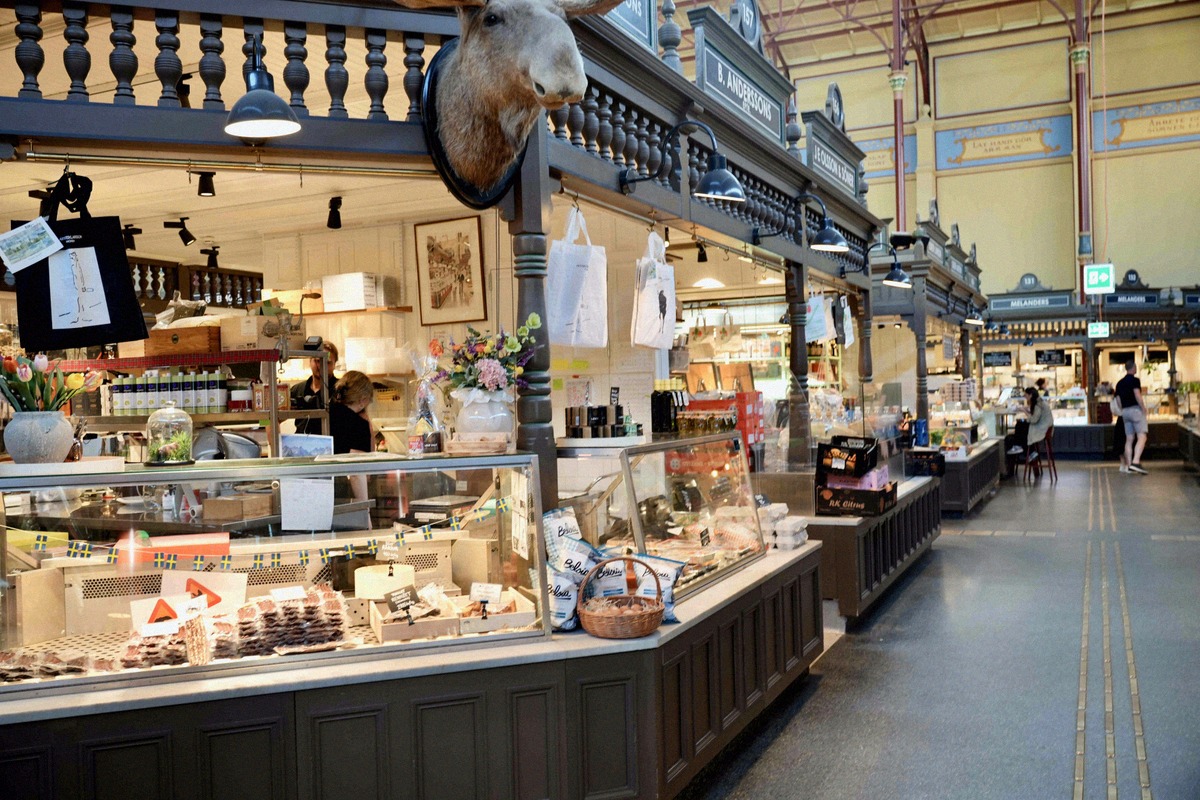
Östermalms Saluhall, dating from 1888, is a brick building with a cast-iron hall on Östermalmstorg, where 17 traders and restaurants sell fish, game, cheese, fruit and lunch.
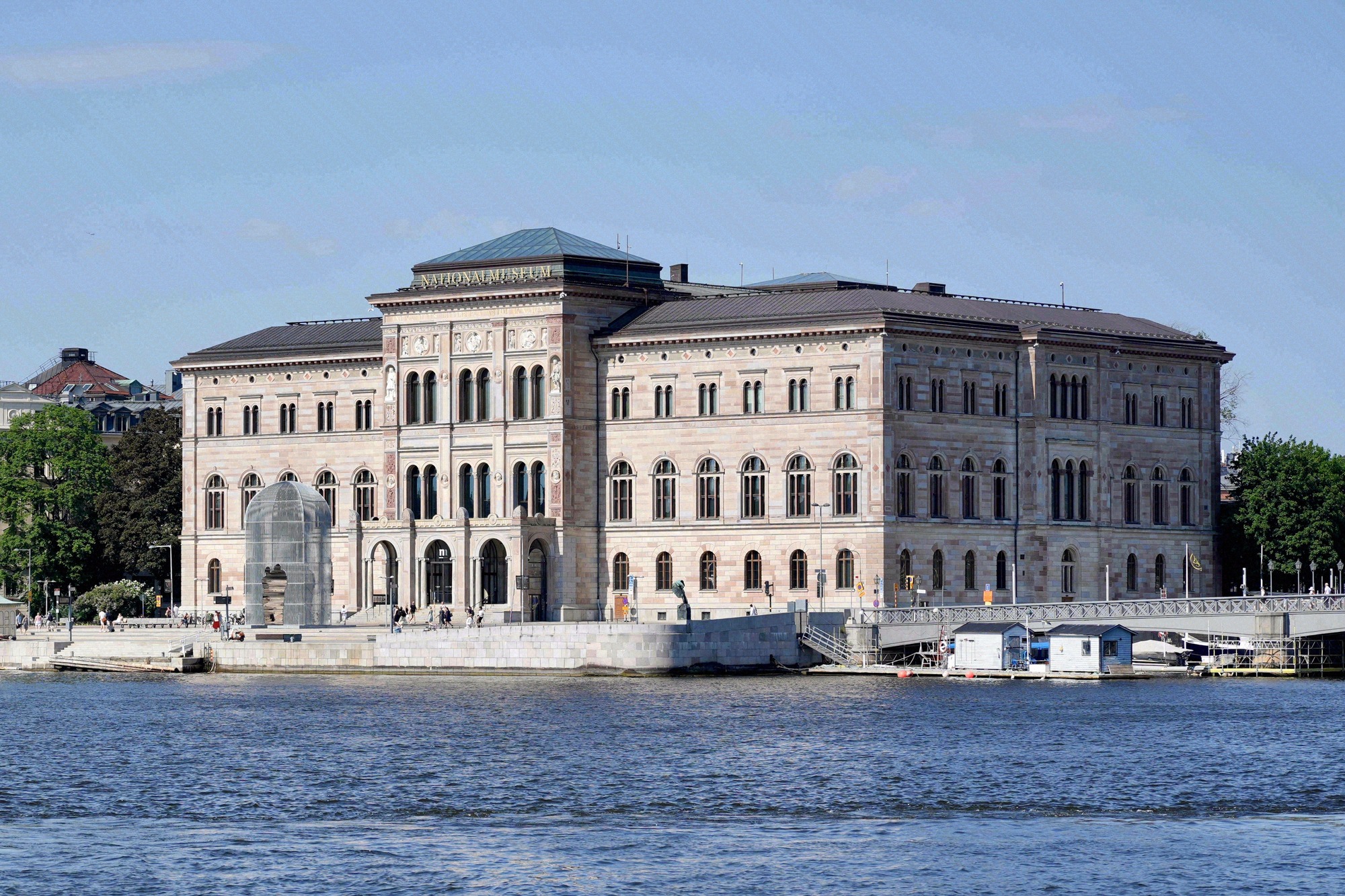
Opposite the Royal Palace, the Nationalmuseum shows over 5,000 works from the 16th century to today and the world's largest collection of miniatures. Admission is free for under-20s.
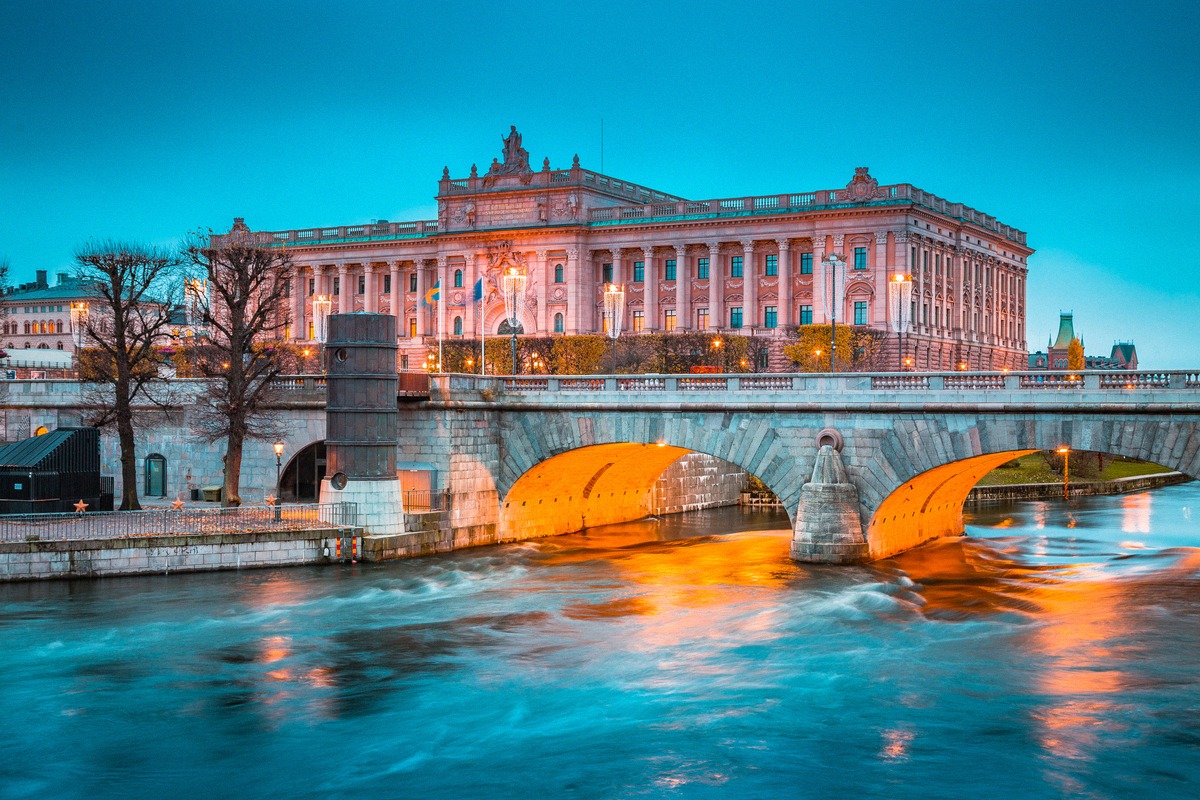
The building under Norrbro has been closed since November 2023, and the new museum in Börshuset has no opening date yet. Until then, the museum presents Stockholm's Middle Ages on guided tours.
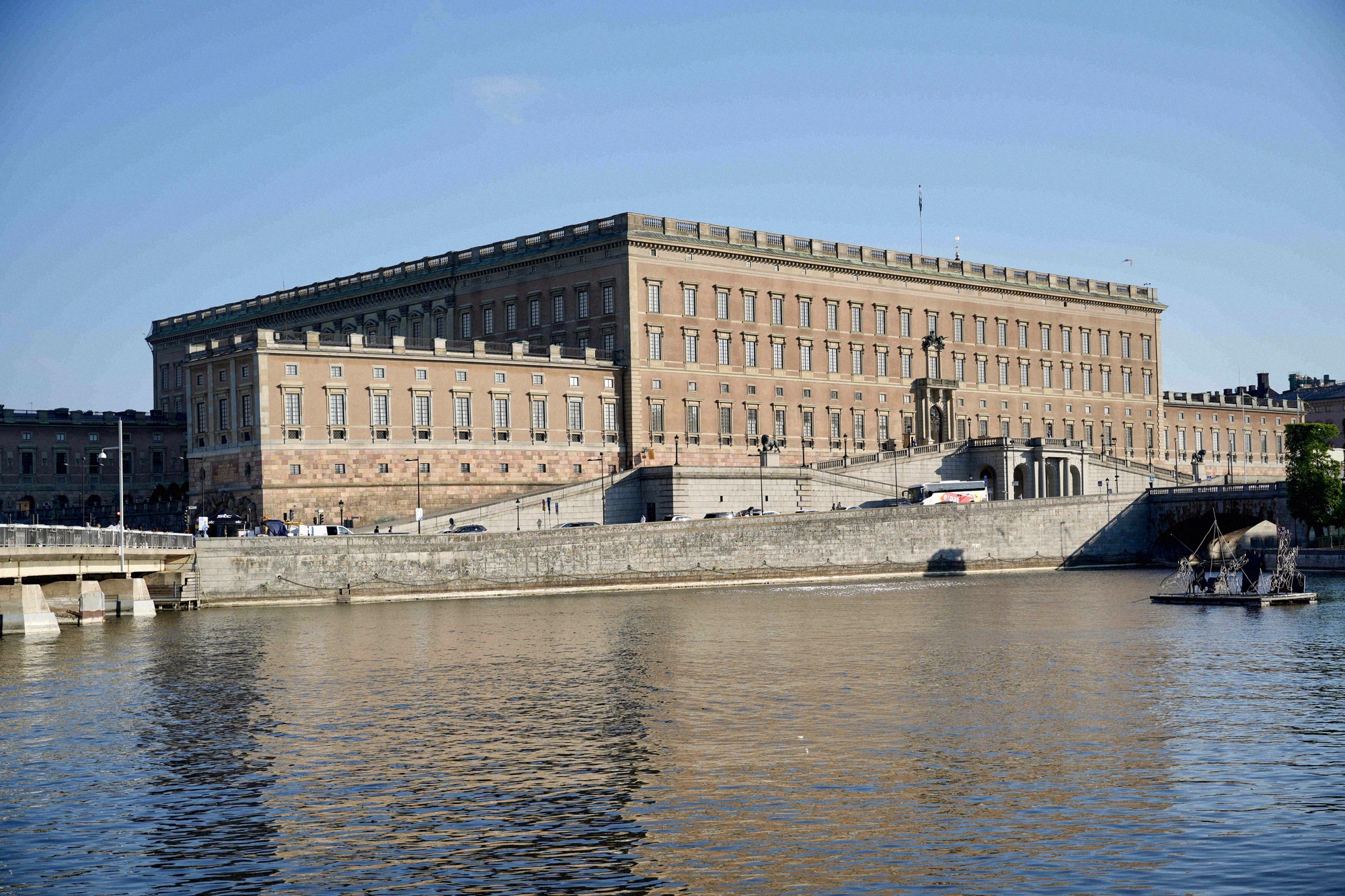
The Royal Palace (Kungliga slottet) in Gamla Stan is both the King's workplace and a museum, with Royal Apartments, a silver throne in the Hall of State, the crown jewels and the remains of Tre Kronor Castle.