Östermalms Saluhall
Historic market hall on Östermalmstorg
Östermalms Saluhall, built in 1888 on Östermalmstorg, is Stockholm's finest market hall, with fish and game counters, cheese, confectionery and a good dozen eateries under one brick roof.
Contents
Stockholm's finest market hall
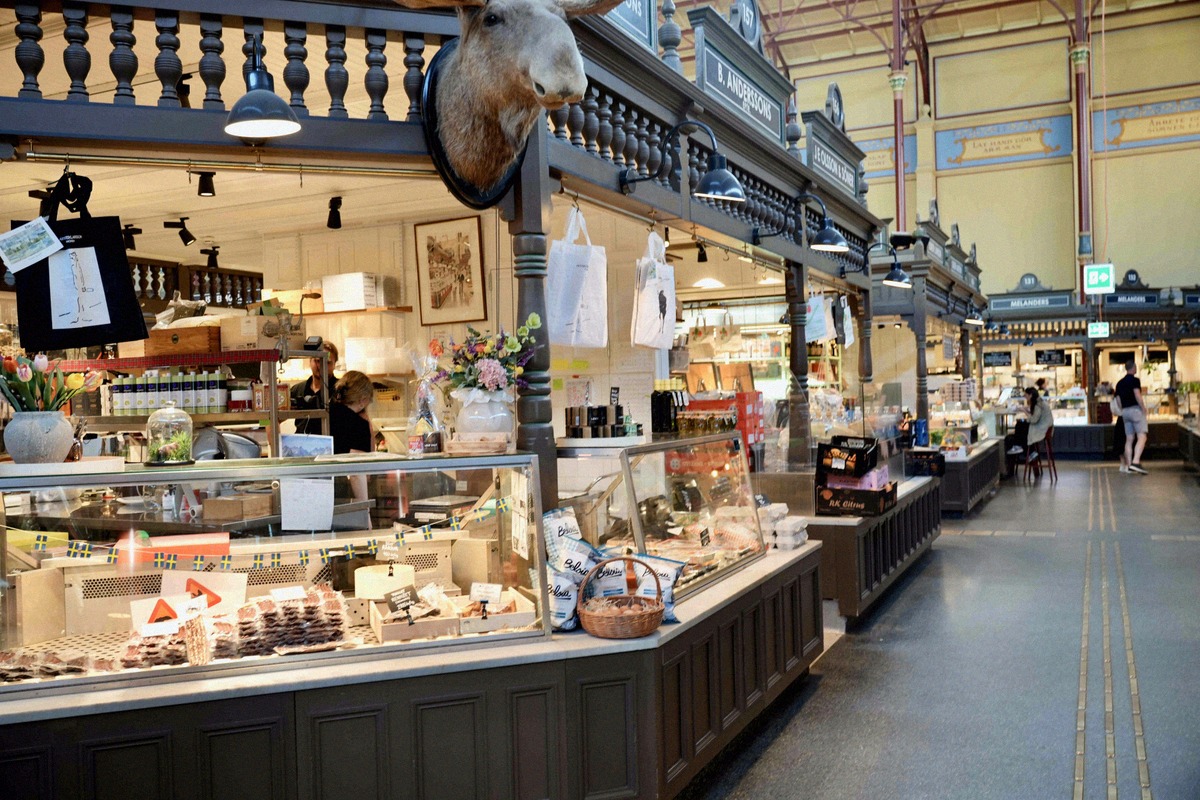
Östermalms Saluhall is the grandest of Stockholm's market halls and has been the city's delicatessen address since 1888. It stands in the middle of Östermalm on Östermalmstorg, a square where well-heeled Stockholm meets, and is recognisable from the outside by its red brick facade and the corner tower with its slate roof. On the tower lantern sits a winged hat of Hermes, the old symbol of trade.
Inside, the counters stand beneath an open cast-iron structure across roughly 3,000 square metres. Unlike a hall full of food stalls, most of the traders here still sell produce to take home: fish, game, meat, cheese, fruit, bread and confectionery. The eateries sit in between them, often as a bar attached to a trader's own counter.
Built, rebuilt and reopened
The hall was designed by Isak Gustaf Clason and Kasper Salin, two of the defining architects of Stockholm's historicist period. It was inaugurated on 30 November 1888 in the presence of King Oscar II and opened to the public the following day. The brief was a new one at the time: the city wanted to move the trade in perishable goods off the open squares and under a roof.
From 2016 to 2020 the building was closed for a full refurbishment; the traders moved into a purpose-built temporary hall in the middle of Östermalmstorg. The restored hall reopened on 5 March 2020, and in 2021 it was named Årets Stockholmsbyggnad, Stockholm building of the year. The result is unusually successful: the historic hall is still clearly itself, with new technology behind it.
Which counters are worth it
The best-known trader is Lisa Elmqvist, fishmonger and restaurant in one, in the hall for around a hundred years and working from a seven-metre counter. Alongside it, Melanders Fisk runs a second, equally long-established fish counter. For game and poultry there is B. Andersson Eftr., and for well-hung meat Willy Ohlsson Eftr.
If you want to try Nordic cheeses, head for Arla Unika, which runs a small cheese and milk bar beside its counter. Lisbeth Janson Frukt & Grönt has been selling fruit and vegetables, mostly organic, for more than seventy years, and Betsy Sandberg makes its own chocolates and ice cream. That is the sensible order for a first visit: look at the counters, then decide where to sit down.
Breakfast, lunch and rainy days
For breakfast the hall is a calm choice, because it opens at 09:30 and the first hour usually stays quiet. Paulas runs a café and wine bar with baked goods, and the cheese and milk bar at Arla Unika serves in the mornings too. Tysta Mari, whose name goes back to 1834, is the oldest bar-and-bistro address in the building.
At lunchtime it fills up. The choice runs from Swedish home cooking at Hedvig, classic French food at Bistrot du Passage, Italian plates at Gabagool, Lebanese mezze at Beirut Café, Danish smørrebrød at Nybrœ Smørrebrød and Korean cooking at Keemchi; Mesh and Husmans Deli cover bowls, wraps and takeaway. Between 12:00 and 13:00 almost every counter seat is taken.
On a rainy day the hall is one of the few places in Stockholm where an hour passes usefully without paying admission. It is not cheap: fresh produce costs considerably more than in a supermarket, while the eateries sit in the normal Stockholm middle range. Everywhere takes card payment.
Location and connections
The hall stands on Östermalmstorg, metro station Östermalmstorg (red line), Nybrogatan exit; bus routes 1, 2, 54, 69 and 76 stop nearby. Stureplan is around five minutes away on foot, and Strandvägen with its archipelago boat quay a good ten.
A visit combines well with the Hallwyl Museum and the Swedish History Museum, both in the same district. The second, more down-to-earth market hall stands at Hötorget in Norrmalm; both are set out side by side in the guide to food and drink in Stockholm.
Frequently asked questions
When is Östermalms Saluhall open? +
Is there an admission charge? +
Is the hall worth it for lunch? +
Is the hall expensive? +
How do you get there? +
Nearby
Armémuseum
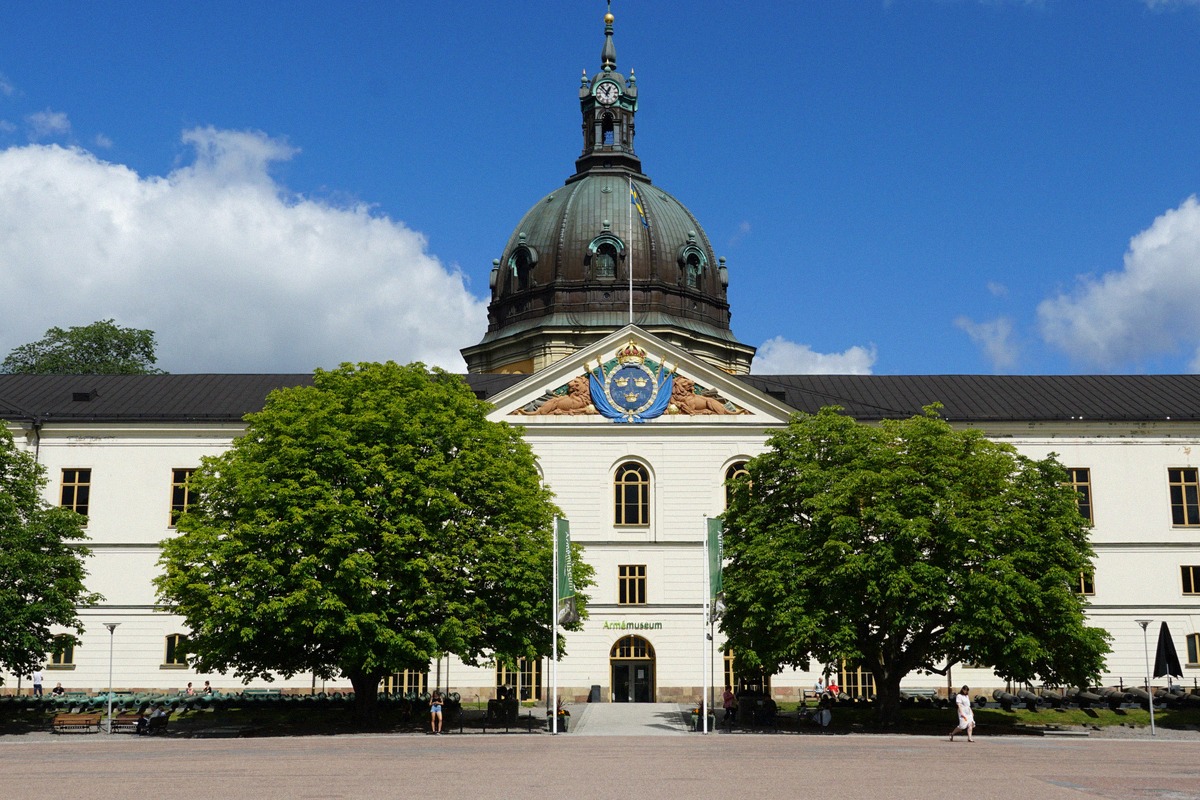
Sweden's military museum in Östermalm covers military history from the 16th century to today, with over 100,000 objects and a dedicated Raoul Wallenberg room.
Hallwylska Palatset
A fully preserved city palace from around 1900 in Östermalm, from grand salons and a library to bathrooms with running water and a telephone, all original.
Kungsträdgården
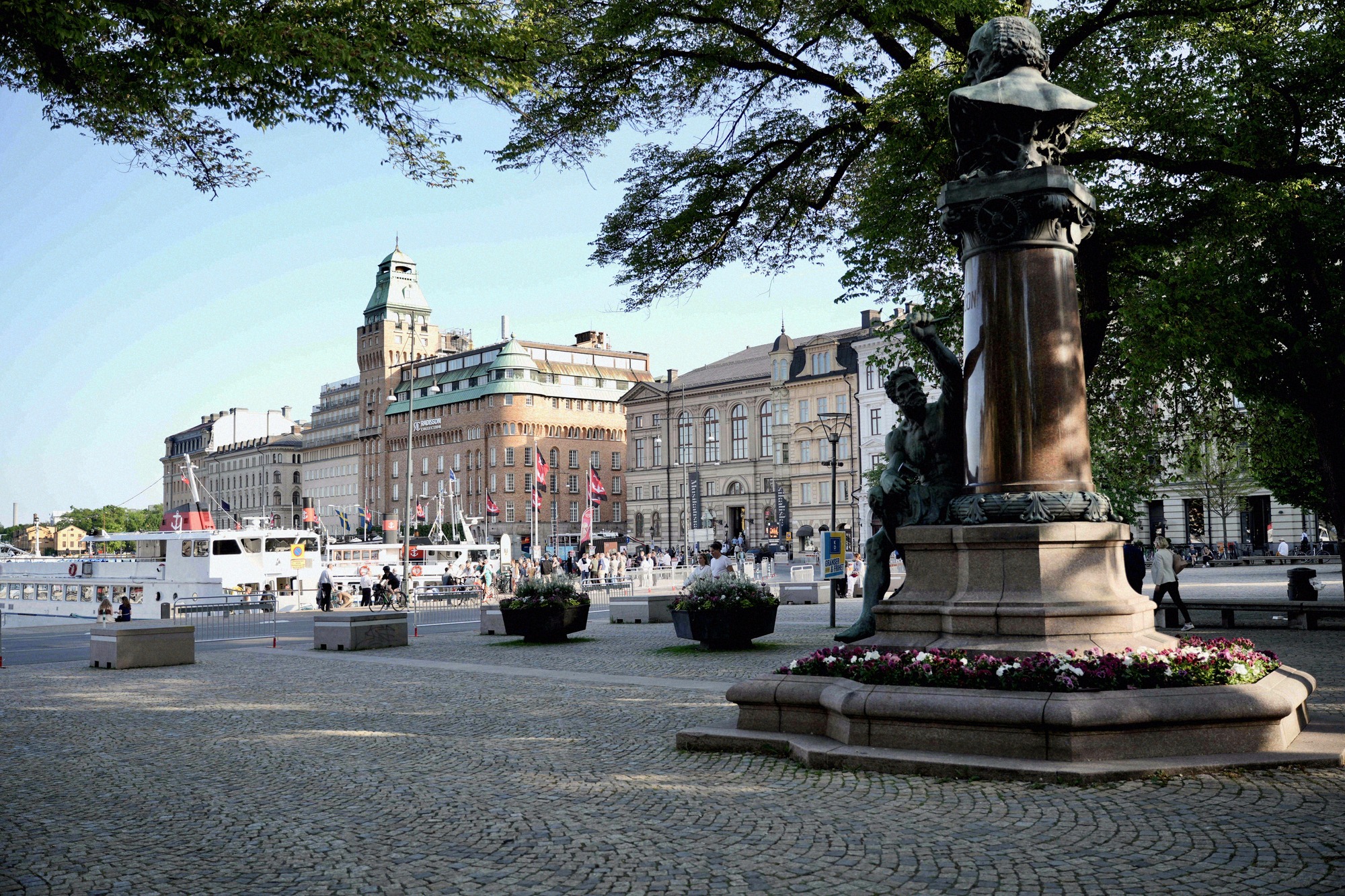
This central "King's Garden" in Norrmalm is Stockholm's green living room, a sea of cherry blossom in spring, an ice rink in winter, free to enter and full of events year-round.
Swedish History Museum
Sweden's national history museum in Östermalm, home to the country's largest Viking exhibition and the Gold Room's prehistoric treasures.
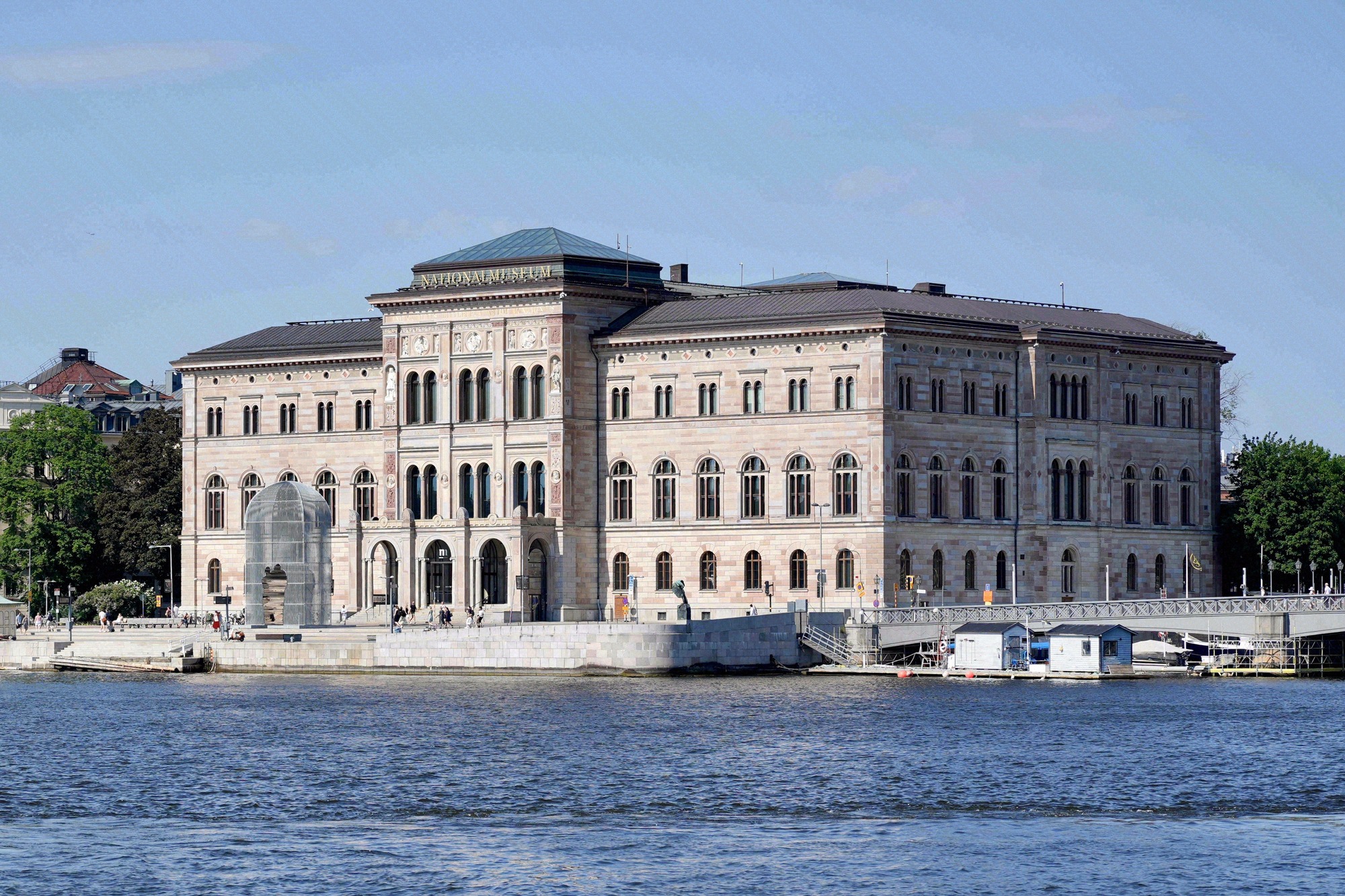
Nationalmuseum
Sweden's largest art museum on the Blasieholmen quay opposite the Royal Palace. Old Masters from Rembrandt to Renoir, Swedish painting, and design and crafts.
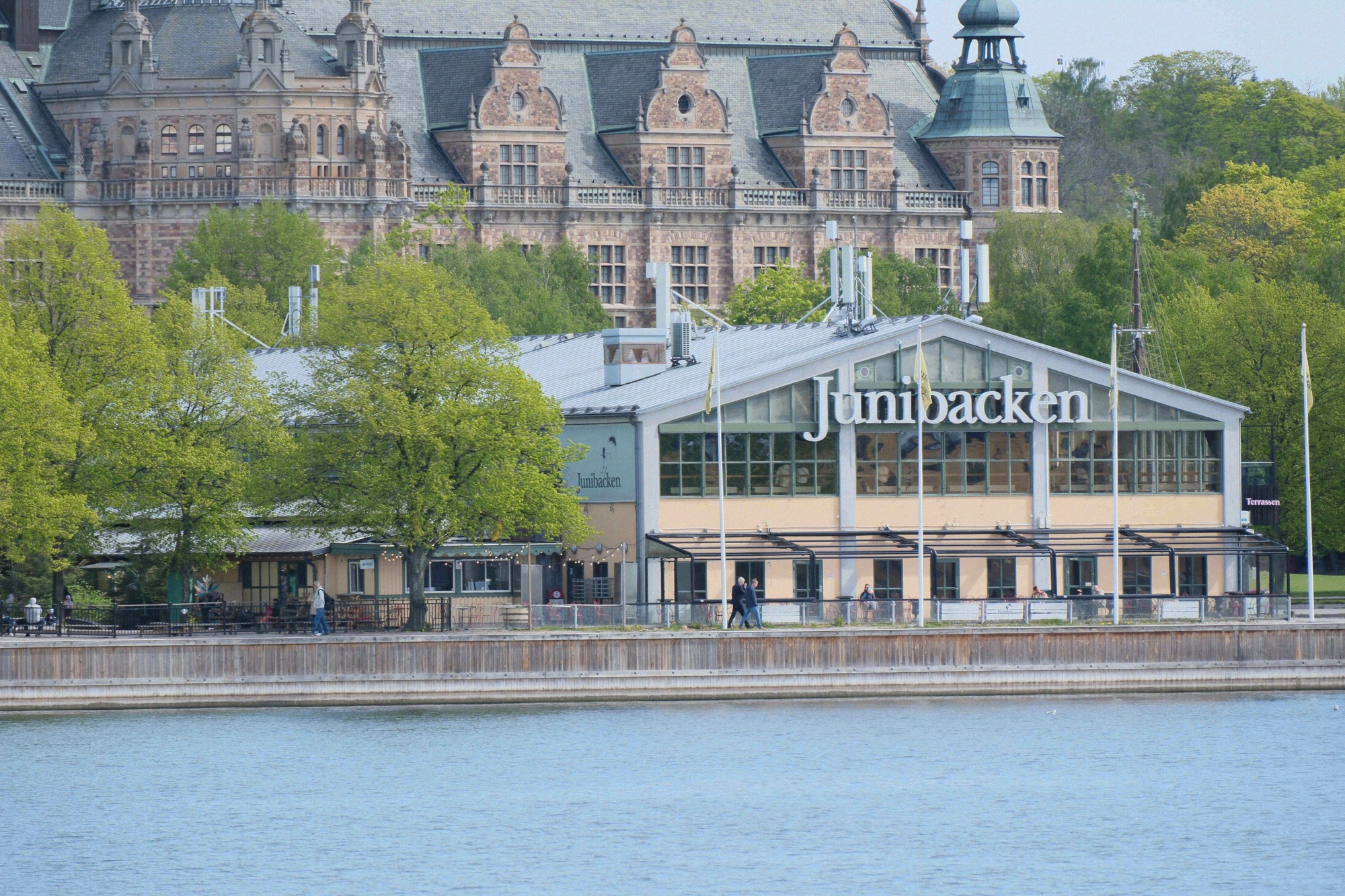
Junibacken
Storybook house on Djurgården built around Astrid Lindgren's characters, with the overhead story train Sagotåget and Pippi Longstocking's walk-in Villa Villekulla.