
Kungsträdgården
Stockholm's green public square in the city centre
This central "King's Garden" in Norrmalm is Stockholm's green living room, a sea of cherry blossom in spring, an ice rink in winter, free to enter and full of events year-round.
Contents
Stockholm's green living room
Kungsträdgården ("King's Garden") is Stockholm's best-known inner-city park and a lively meeting point right in the centre. Once a royal kitchen garden, it's now a tree-lined promenade with fountains, cafés and event spaces, framed by the shopping streets of Norrmalm and the waterfront opposite the Royal Palace. The park is open free of charge year-round, has no fixed hours, and costs nothing to enter, you simply come and go as you please.
Unlike the sprawling green spaces on Stockholm's islands, Kungsträdgården isn't somewhere for a long walk, it's a central stage: a long, urban square-garden whose mood changes completely with the seasons. Most visits take just 30 to 60 minutes.
From cabbage patch to city square
The park's history stretches back centuries. As early as 1430, the site is documented as a royal cabbage and kitchen garden. In the 18th century it became an exclusive Baroque garden, before Karl XIV Johan had much of it converted into a gravelled square around 1821. The City of Stockholm took over the park in 1875, and it has been fully city-owned since 1970. Over the centuries, the king's garden became a public city square, the name has stuck, even though its function has changed completely.
A stage for every season
In spring, an avenue of Japanese ornamental cherry trees turns the northern part of the park into a sea of pink blossom. 63 sakura were planted here in August 1998; depending on the weather, they usually blossom from early to mid-April, drawing photographers and spring crowds alike. The official highlight is Körsbärsblommans dag (Cherry Blossom Day), on 26 April in 2026 from 13:00 to 17:00, with Japanese culture, food and information stalls. Exactly when the trees reach full bloom can't be predicted precisely, it's worth checking the current weather before you go.
For the rest of the year the park serves as an events space: over 200 events annually, ranging from festivals and concerts to sport and cultural events. In winter, the central area becomes an ice rink, more on that below. If you want food or a break, the park has places to eat, including the teahouse Tehuset; the operator doesn't officially publish fixed opening hours or prices.
The winter ice rink
From roughly November to March, a public ice rink runs on artificial ice. The season usually starts around week 44 (the autumn half-term) and depends on the weather; for 2026 the operator states a reopening in mid-November. It's open Mon-Fri from 09:00 to 20:00 and Sat-Sun from 10:00 to 20:00, with the site closing at 21:00.
Skating is free if you bring your own skates. Rental costs 100 SEK per hour for adults and 50 SEK per hour for children and teenagers up to 19; blade sharpening (150 SEK) and a locker rental (45 SEK) are extra. Children must wear a helmet, rental helmets are available on site. Ice hockey sticks are not allowed on the rink.
Visiting, getting there and combining with other sights
The park sits at Jussi Björlings allé 10, centrally located in the Norrmalm district. It has its own tunnelbana (metro) station (Kungsträdgården, blue line), which is itself one of the most striking works of Stockholm's underground art; read more in the guide Tunnelbana art. There is no dedicated car park at the park, so travelling by public transport is clearly the better option.
The location is ideal for combining with other sights: to the south, the bridges over the water lead straight into Gamla Stan, the old town, to the Royal Palace and Stockholm Cathedral (Storkyrkan). That makes it easy to pair a quick visit here with a stroll through the old town. For guidance on when the cherry blossom or ice rink are at their best, see the guide best time to visit.
Frequently asked questions
What can you do in Kungsträdgården? +
When do the cherry trees blossom? +
How much do the park and the ice rink cost? +
Where is the park and how do I get there? +
Nearby
Hallwylska Palatset
A fully preserved city palace from around 1900 in Östermalm, from grand salons and a library to bathrooms with running water and a telephone, all original.
Medeltidsmuseet
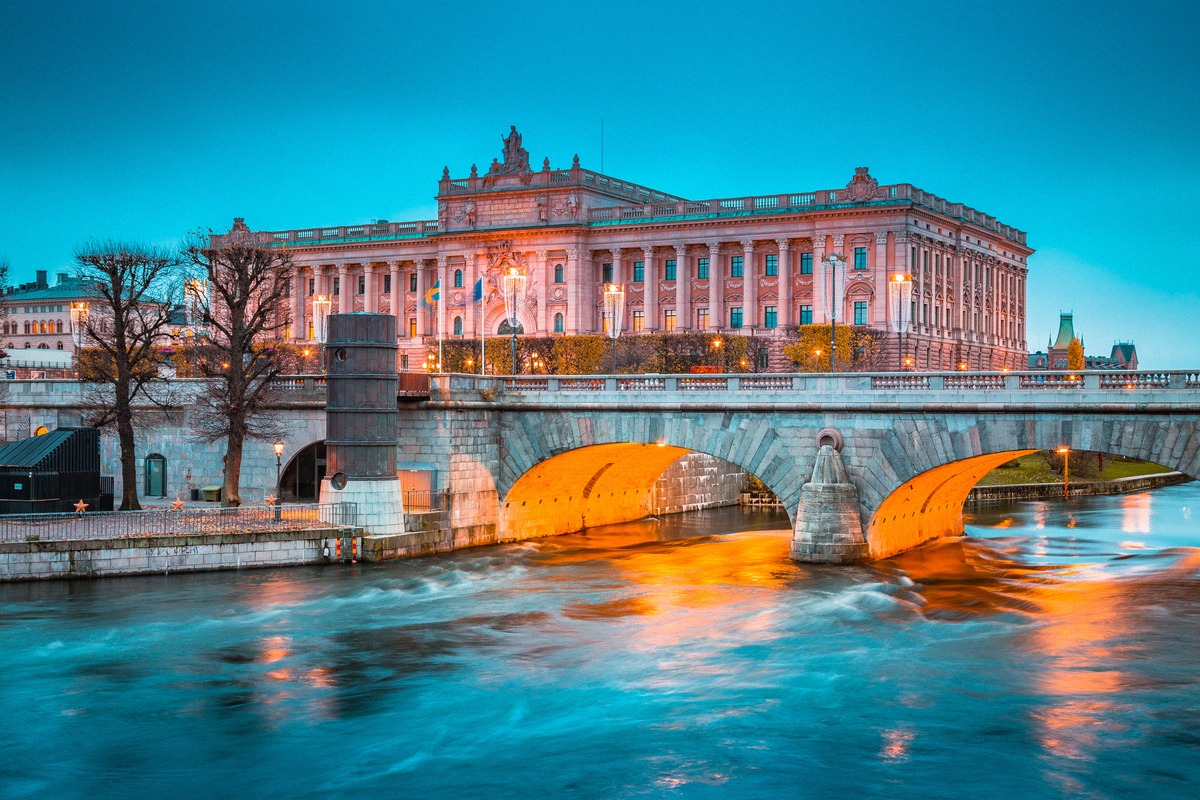
Medeltidsmuseet, Stockholm's medieval history museum beneath the Norrbro on Helgeandsholmen, is currently open only as a seasonal pop-up in Gamla Stan.
Royal Palace
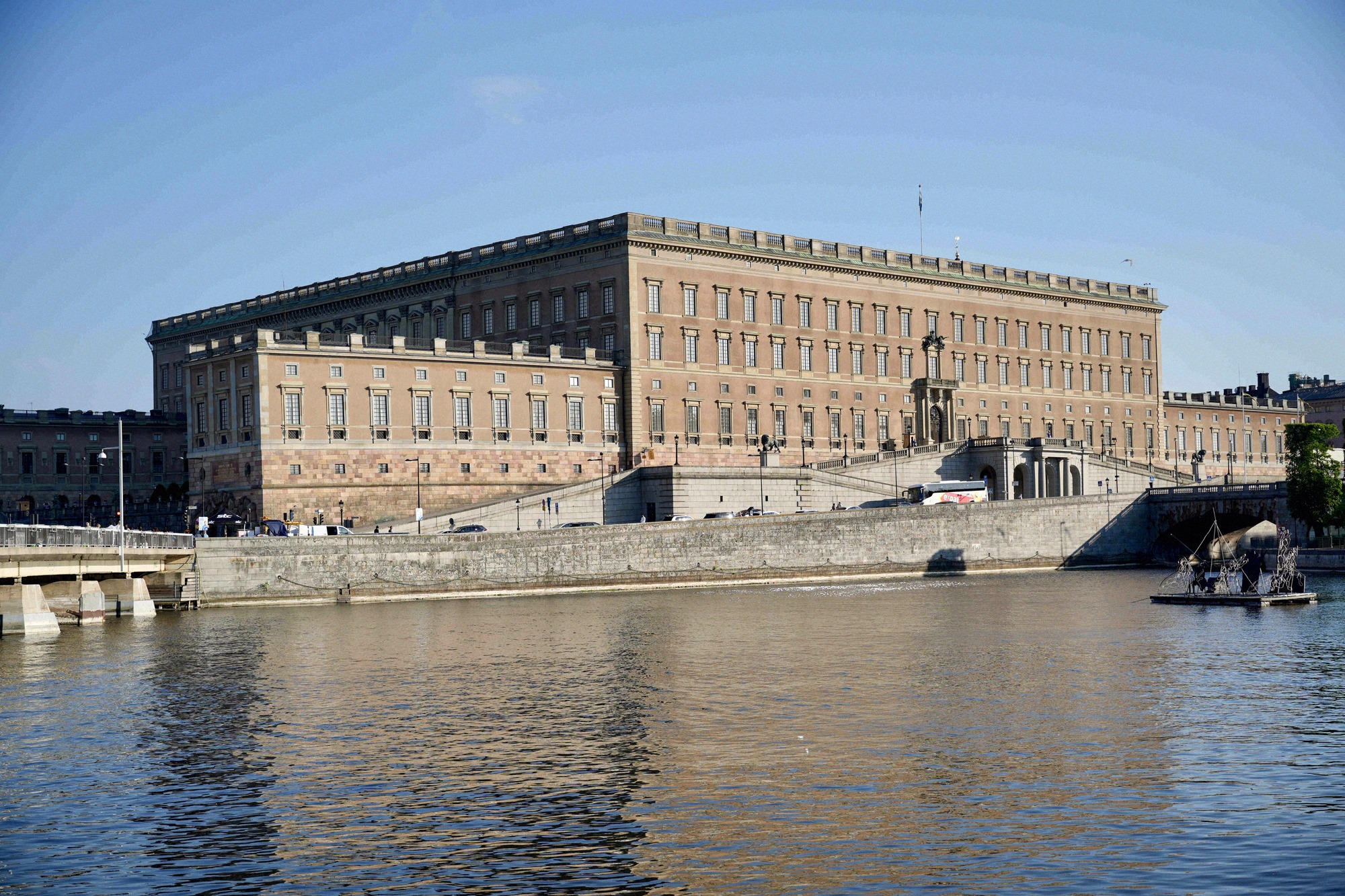
The Royal Palace (Kungliga slottet) in Gamla Stan is the official residence of the King, a Baroque building with over 600 rooms, treasury, Tre Kronor Museum and Changing of the Guard.
Nationalmuseum
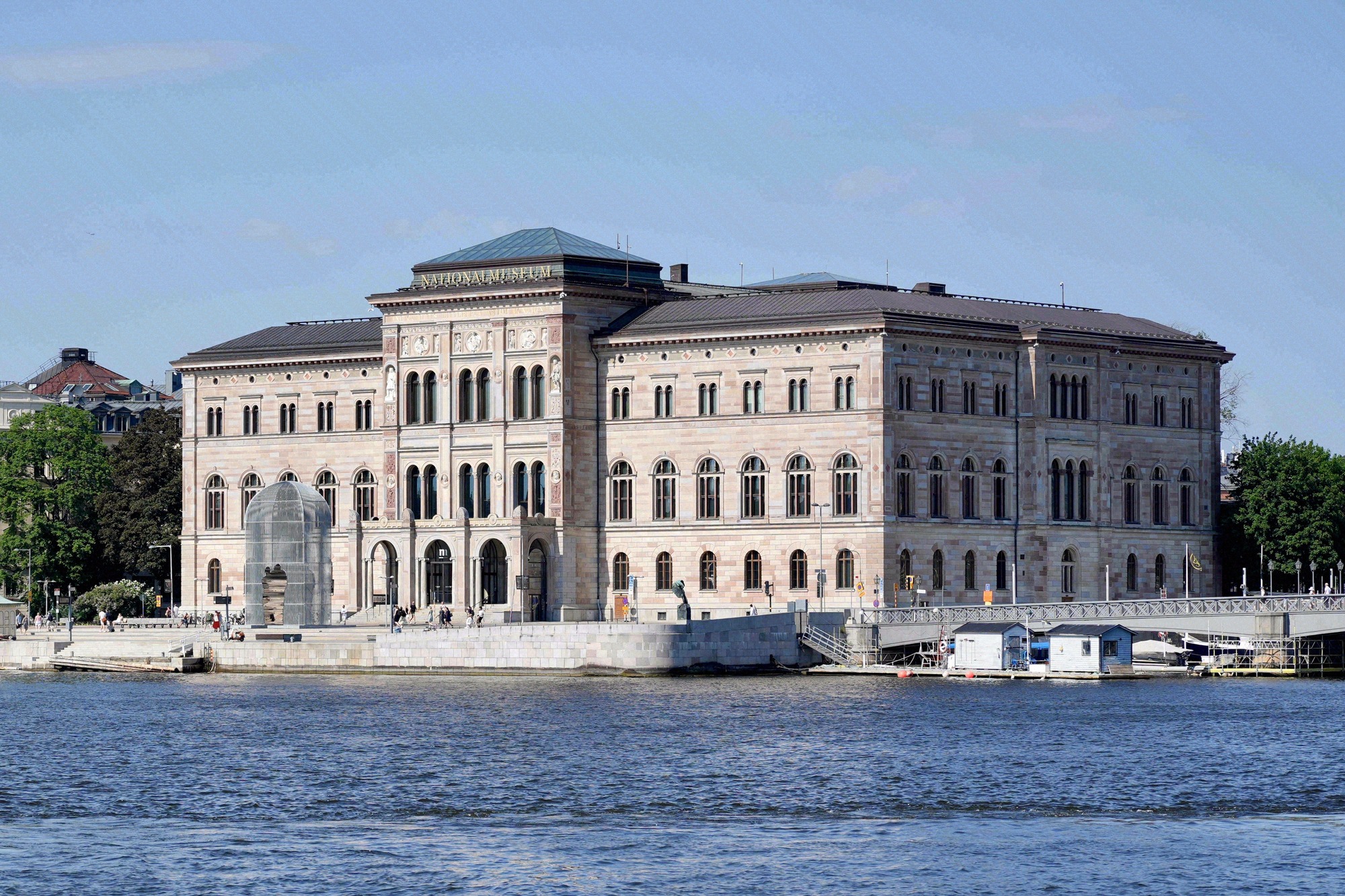
Sweden's largest art museum on the Blasieholmen quay opposite the Royal Palace. Old Masters from Rembrandt to Renoir, Swedish painting, and design and crafts.
Stockholm Cathedral
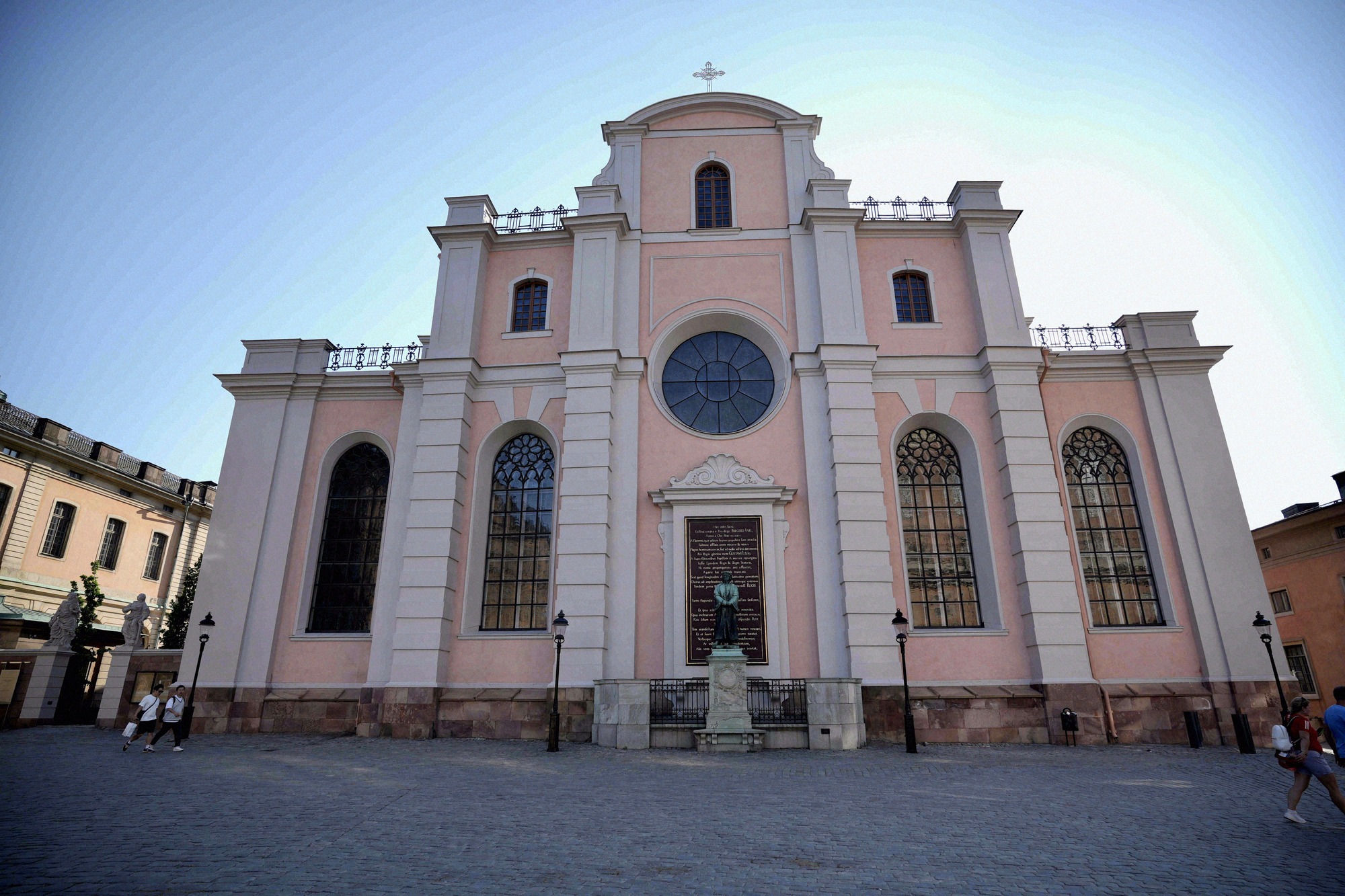
Stockholm Cathedral (Storkyrkan), the city's oldest church: brick Gothic in Gamla Stan with the Saint George sculpture and the Vädersolstavlan.
Stortorget
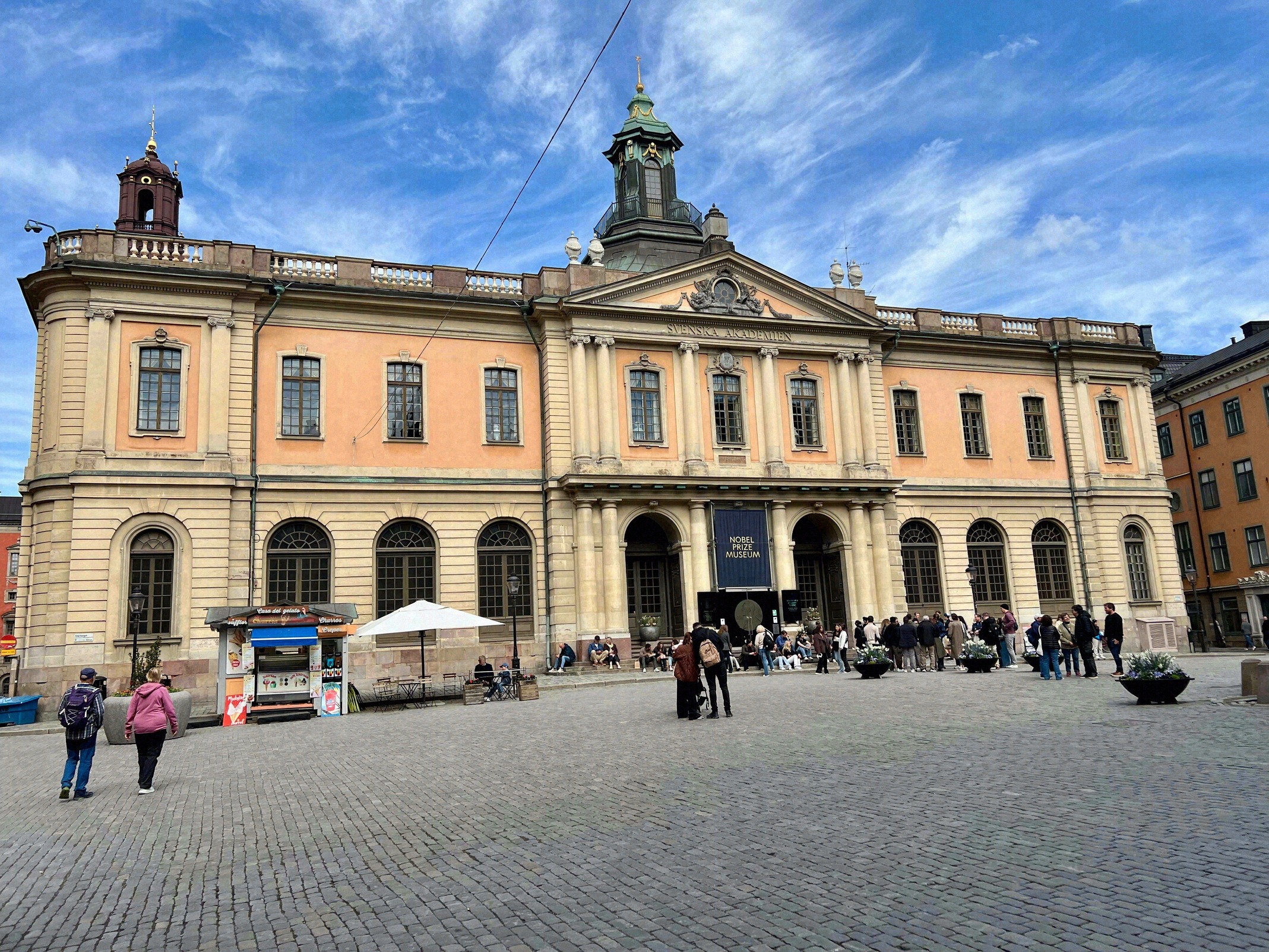
Stockholm's oldest square, in the heart of Gamla Stan, lined with colourful gabled houses and the Nobel Prize Museum, scene of the 1520 Stockholm Bloodbath.