
Royal Palace
Baroque royal residence with the Changing of the Guard in Gamla Stan
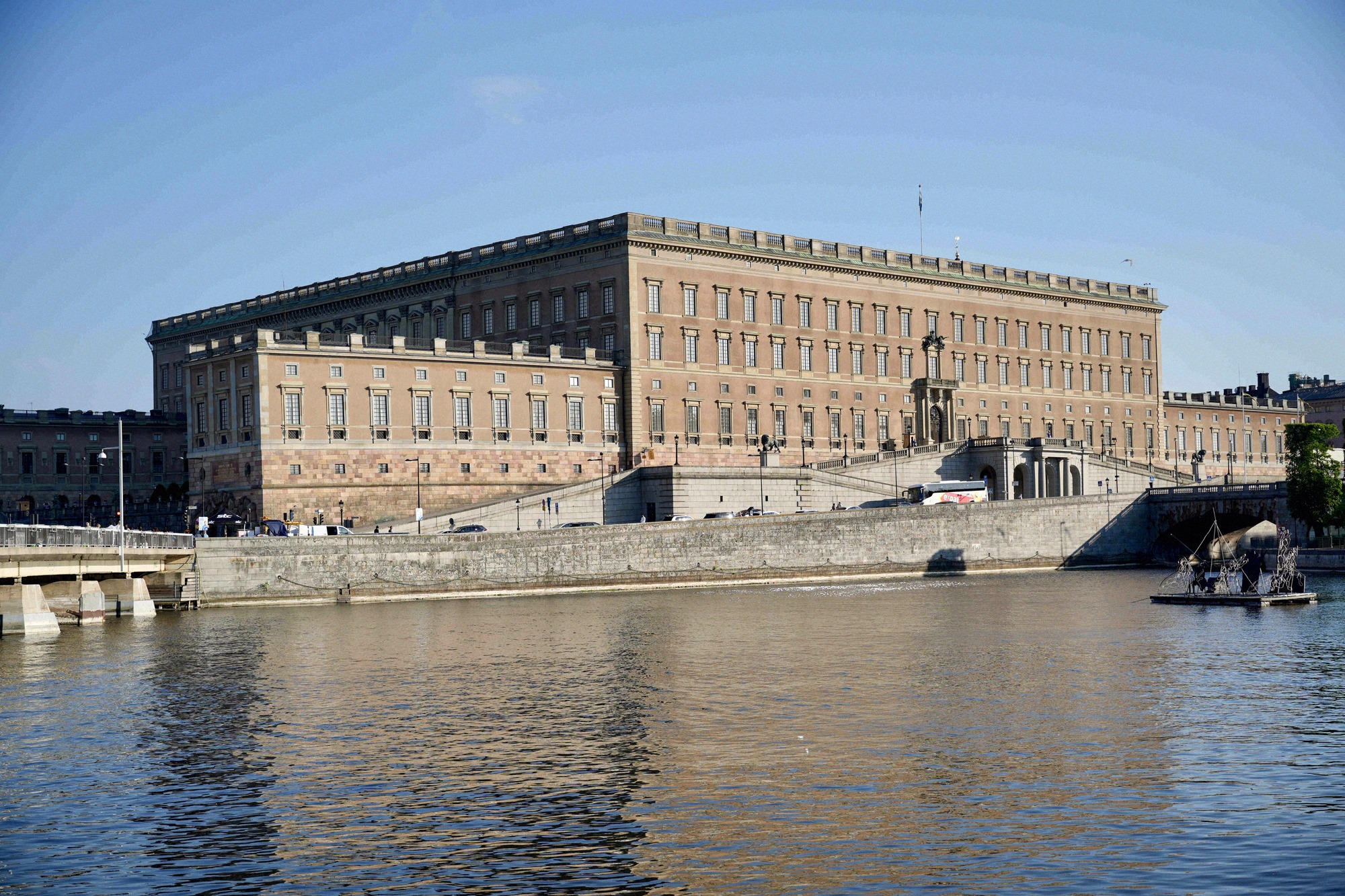
The Royal Palace (Kungliga slottet) in Gamla Stan is the official residence of the King, a Baroque building with over 600 rooms, treasury, Tre Kronor Museum and Changing of the Guard.
Contents
The essentials first, for anyone planning a visit right now:
- Changing of the Guard: Monday to Saturday at 12:15, Sundays and public holidays at 13:15, around 40 minutes in the outer courtyard and free, no ticket needed.
- Open: year-round and with no fixed closing day, with hours that change by season (September 2026 daily 10:00 to 17:00, October to December daily 10:00 to 16:00).
- Time needed: 1.5 to 2 hours for the state rooms and museums, plus 40 minutes if you want to take in the Changing of the Guard.
- Tickets: one ticket covers the state apartments, the Halls of the Orders, the Hall of State, the Treasury and the Tre Kronor Museum, bought online in advance or at the ticket office in the outer courtyard.
Royal residence above Gamla Stan
The Royal Palace, in Swedish Kungliga slottet or Stockholms slott, stands over the old town of Gamla Stan and is the official residence of the Swedish king. This imposing Baroque building has over 600 rooms across eleven floors, making it one of the largest palaces in the world still in active use, it's simultaneously the workplace of the monarchy, a museum complex, and the stage for the daily Changing of the Guard.
Unlike the more remote Drottningholm Palace, the Royal Palace sits right in the historic centre, so a visit combines easily with a stroll through the lanes of the Old Town.
From the Tre Kronor fire to the Baroque palace
Until 1697, the medieval fortress of Tre Kronor ("Three Crowns") stood on this site. When it burned down on 7 May 1697, architect Nicodemus Tessin the Younger designed a new building in the Roman-Italian Baroque style. Construction dragged on from 1697 to 1754; after Tessin's death in 1728, Carl Hårleman took over as master builder. In 1754, King Adolf Fredrik moved into the finished palace.
The memory of the lost fortress lives on in the Tre Kronor Museum, housed in the surviving medieval cellar vaults and telling the story of the earlier building.
What to expect inside
A single ticket opens up several areas under one roof:
- the state apartments (Royal Apartments), with ceremonial halls and galleries,
- the Halls of the Orders of Chivalry and the Hall of State,
- the treasury, with the royal regalia deep beneath the palace,
- the Tre Kronor Museum, in the old fortress cellars.
In summer, Gustav III's Museum of Antiquities, with its classical sculptures, is also included. Individual state rooms can be wholly or partly closed during official receptions, the palace is, after all, a working royal residence, not purely a museum.
Photography for personal use is allowed, but without flash, tripod or selfie stick; drones and 360-degree cameras are banned. An official app supplements the visit with audio guides, and in summer there are also guided tours.
The Changing of the Guard
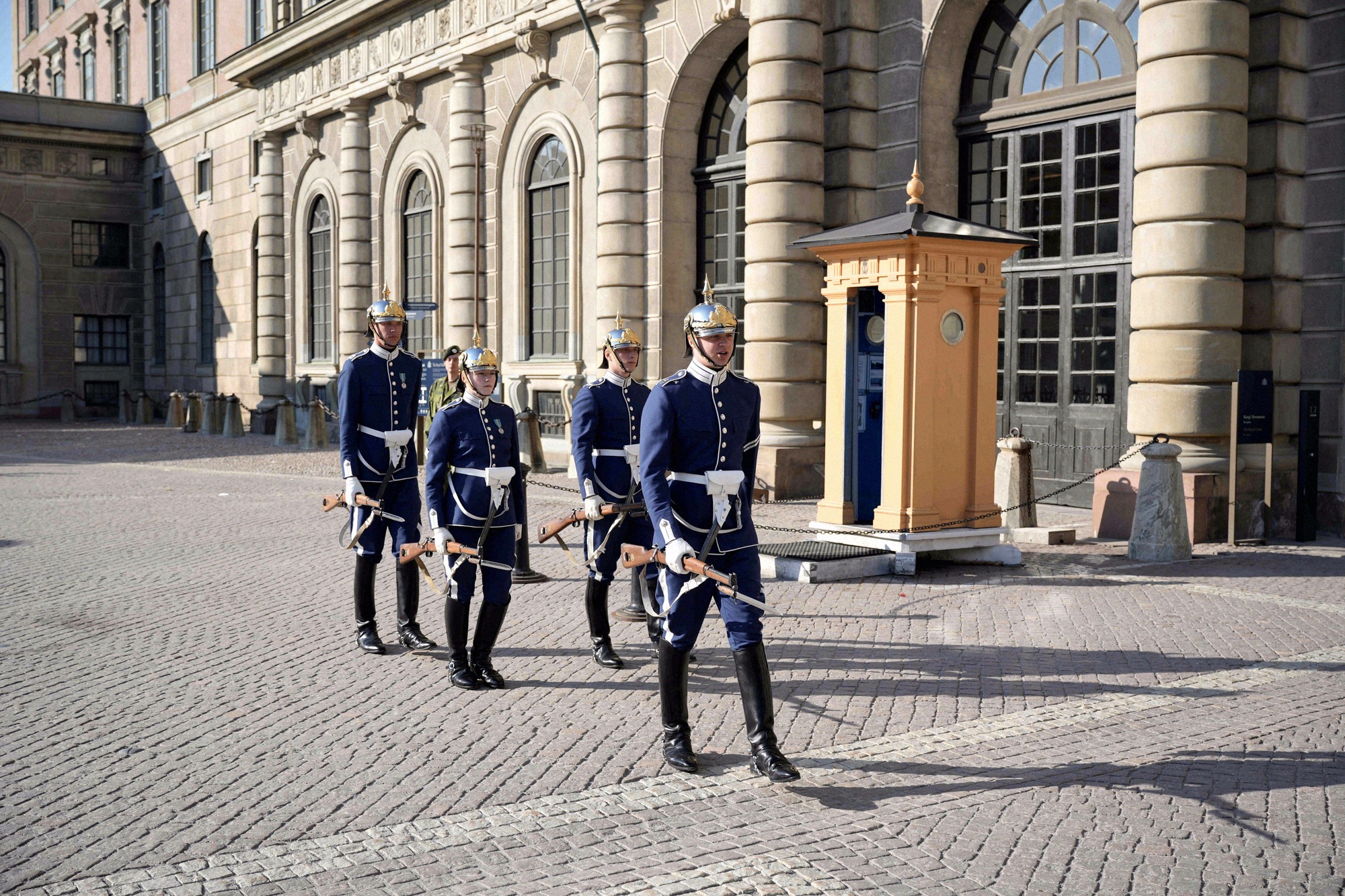
The best-known free event is the Changing of the Guard in the outer courtyard (Yttre borggården): Monday to Saturday at 12:15, Sundays and public holidays at 13:15, lasting around 40 minutes. The Royal Guard itself goes back to Gustav Vasa and the year 1523, and today consists of around 35 soldiers.
Before the ceremony the guard parades through the city, and that parade is the part really worth seeing. It takes different forms depending on the time of year:
- Mounted parade with the Dragoon Music Corps on selected days from April to August, from the cavalry barracks on Lidingövägen via Sturegatan, Stureplan, Nybroplan, Hamngatan and Norrbro to the palace.
- Parade on foot from the Army Museum (Riddargatan 13) via Strandvägen, Nybroplan and Hamngatan, and on some days from Sergels torg instead.
- In November and December the parade starts at Mynttorget in the old town and circles the palace, with some winter days departing from the Army Museum again.
For a good view, it's worth arriving a little before the ceremony starts. Which version runs on which day is published by the Swedish Armed Forces in the Försvarsmakten calendar, the official source for the Changing of the Guard. Times and locations can change at short notice.
Tickets, opening hours and prices
The palace is open year-round and has no fixed closing day, Mondays included. The Royal Court staggers the hours by season and publishes them month by month: in September 2026 it is open daily from 10:00 to 17:00, and from October to December 2026 daily from 10:00 to 16:00; on 24 and 25 December it stays closed. Hours are longest in high summer and shortest in winter, so rather than relying on a rule of thumb for the year, check the monthly calendar before you travel.
On top of that there are the King's reception days: during official receptions the state apartments are wholly or partly closed, in September 2026 for instance on the 15th/16th and the 21st/22nd. Those dates are listed in the official calendar too. Allow 1.5 to 2 hours for the museums and state rooms.
Admission costs 220 SEK in the low season and 240 SEK in the high season (May to September) for adults; students pay 200 or 220 SEK, children aged 7 to 17 pay 110 or 120 SEK, and entry is free under 6. If you also want to visit the nearby royal burial church, the combined ticket for 270 SEK (adults) works out cheaper; an annual pass costs 500 SEK. The Changing of the Guard in the courtyard is always free.
Tickets are available in advance via the official booking site or on arrival. Current times and prices are listed on kungligaslotten.se.
Getting there and what to combine it with
The address is Slottsbacken 1 in Gamla Stan. The nearest Tunnelbana (metro) station is Gamla Stan, just a few minutes' walk away. Most areas are wheelchair accessible, with accessible toilets at the entrance to the state apartments and in the Tre Kronor Museum. Large bags and backpacks must be left in lockers at the ticket and information office in the outer courtyard.
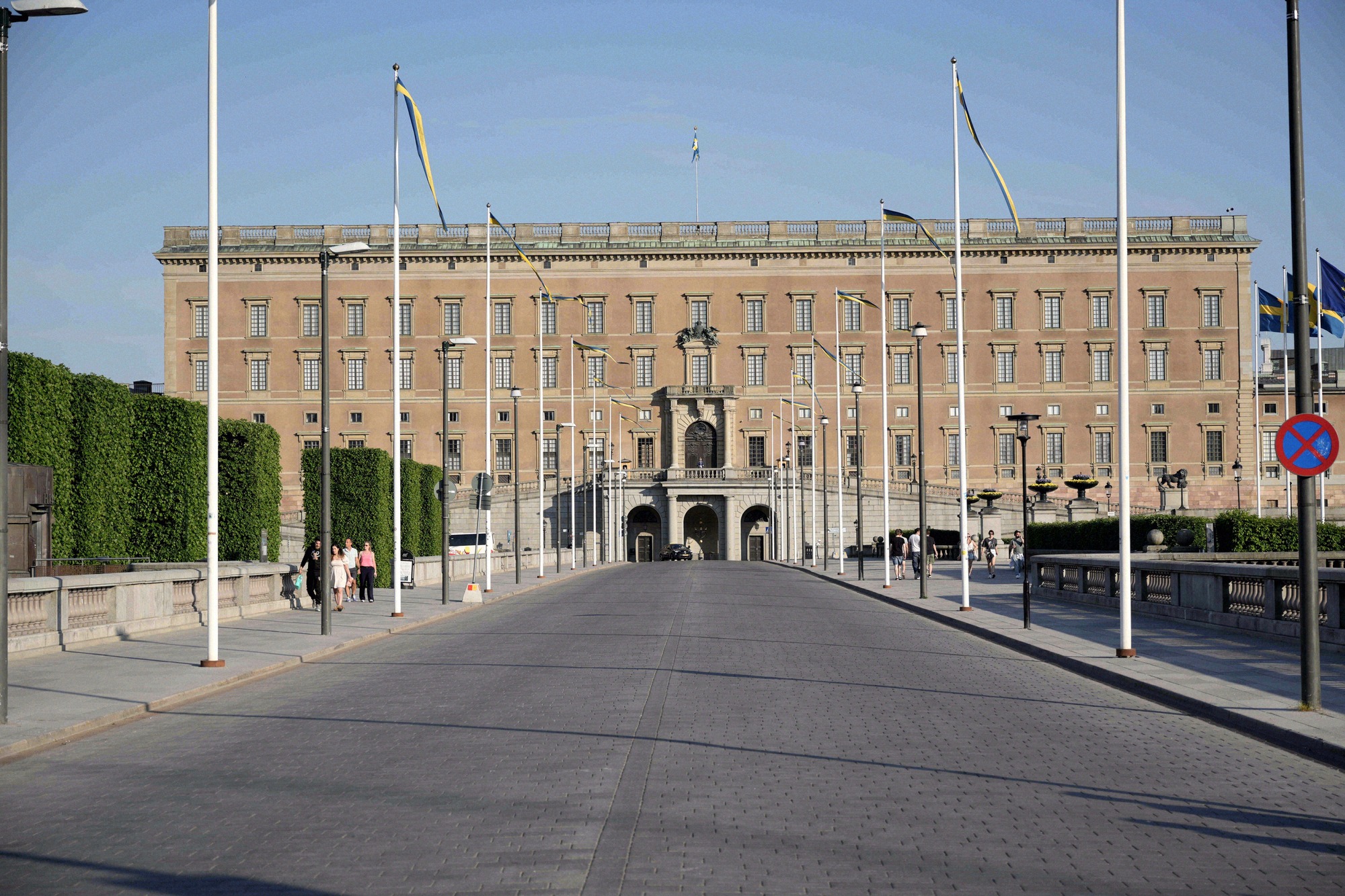
The palace makes an ideal centrepiece for a day in the Old Town: right next door stand Storkyrkan (Stockholm Cathedral) and the central square Stortorget, while the medieval royal burial church Riddarholmen Church is just a short walk away. For more on the neighbourhood, see the overview Gamla Stan, and for planning your sightseeing, the guide Stockholm's attractions compared is a useful starting point.
Frequently asked questions
When is the Changing of the Guard at the Royal Palace? +
When does the guard parade with horses and a music corps? +
When is the Royal Palace open? +
What can you see inside the palace? +
How much does admission cost? +
How do I get to the Royal Palace? +
How much time should I set aside? +
Nearby
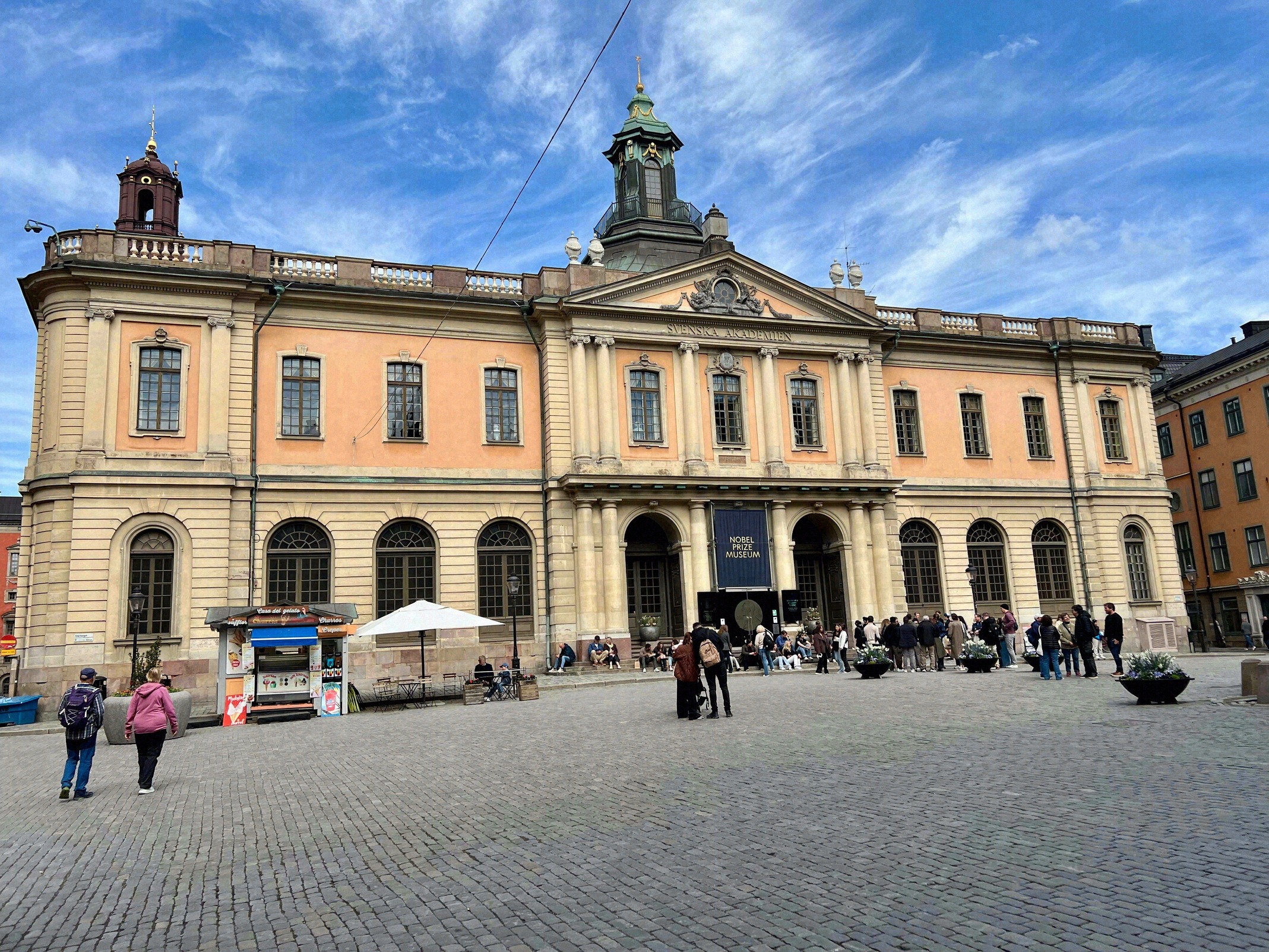
Stortorget
Stockholm's oldest square, in the heart of Gamla Stan, lined with colourful gabled houses and the Nobel Prize Museum, scene of the 1520 Stockholm Bloodbath.
Stockholm Cathedral
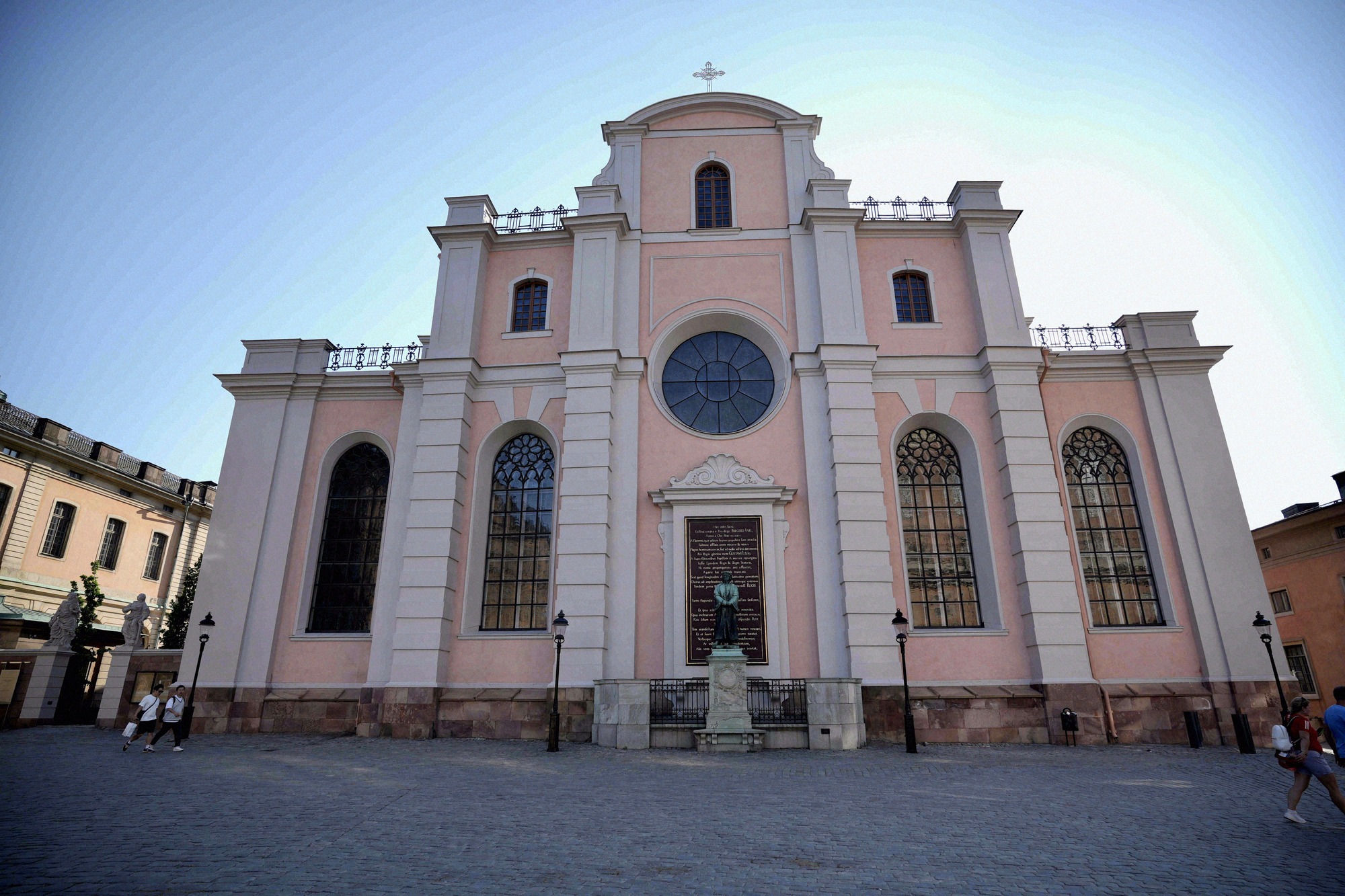
Stockholm Cathedral (Storkyrkan), the city's oldest church: brick Gothic in Gamla Stan with the Saint George sculpture and the Vädersolstavlan.
Finska kyrkan
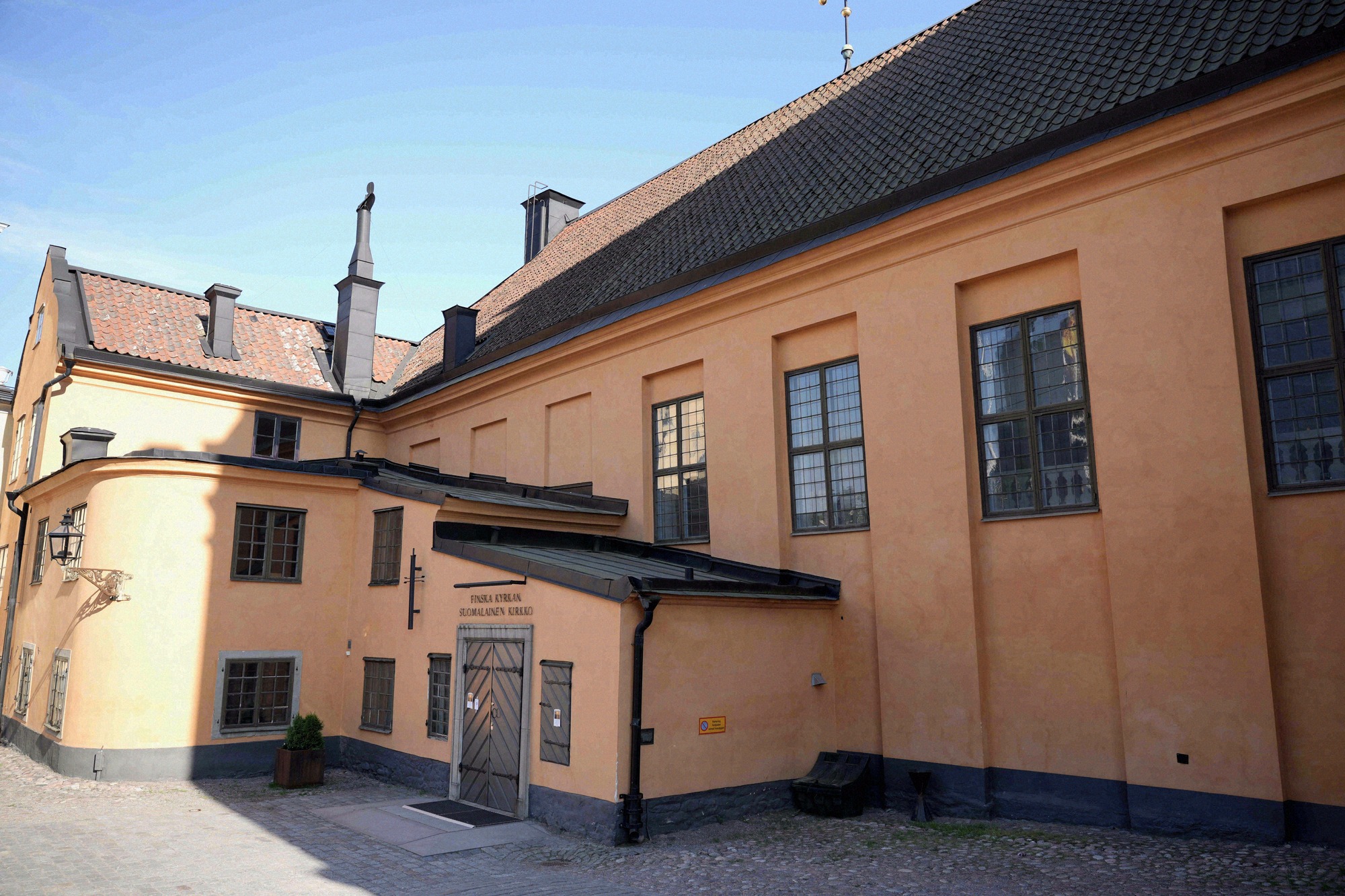
Finska kyrkan (the Finnish Church, officially Fredriks kyrka) is a quiet Baroque church in Gamla Stan, facing the Royal Palace, with the tiny Järnpojken in its courtyard.
Medeltidsmuseet
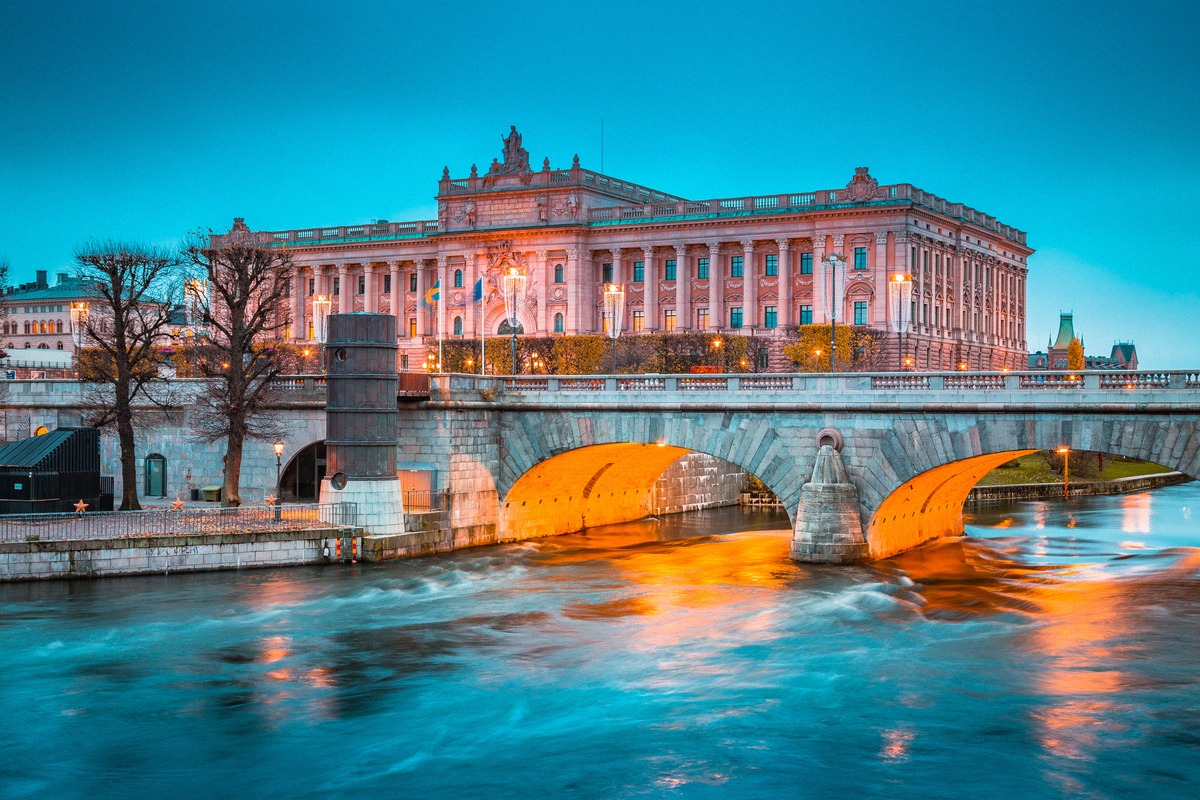
Medeltidsmuseet, Stockholm's medieval history museum beneath the Norrbro on Helgeandsholmen, is currently open only as a seasonal pop-up in Gamla Stan.
Nobel Prize Museum
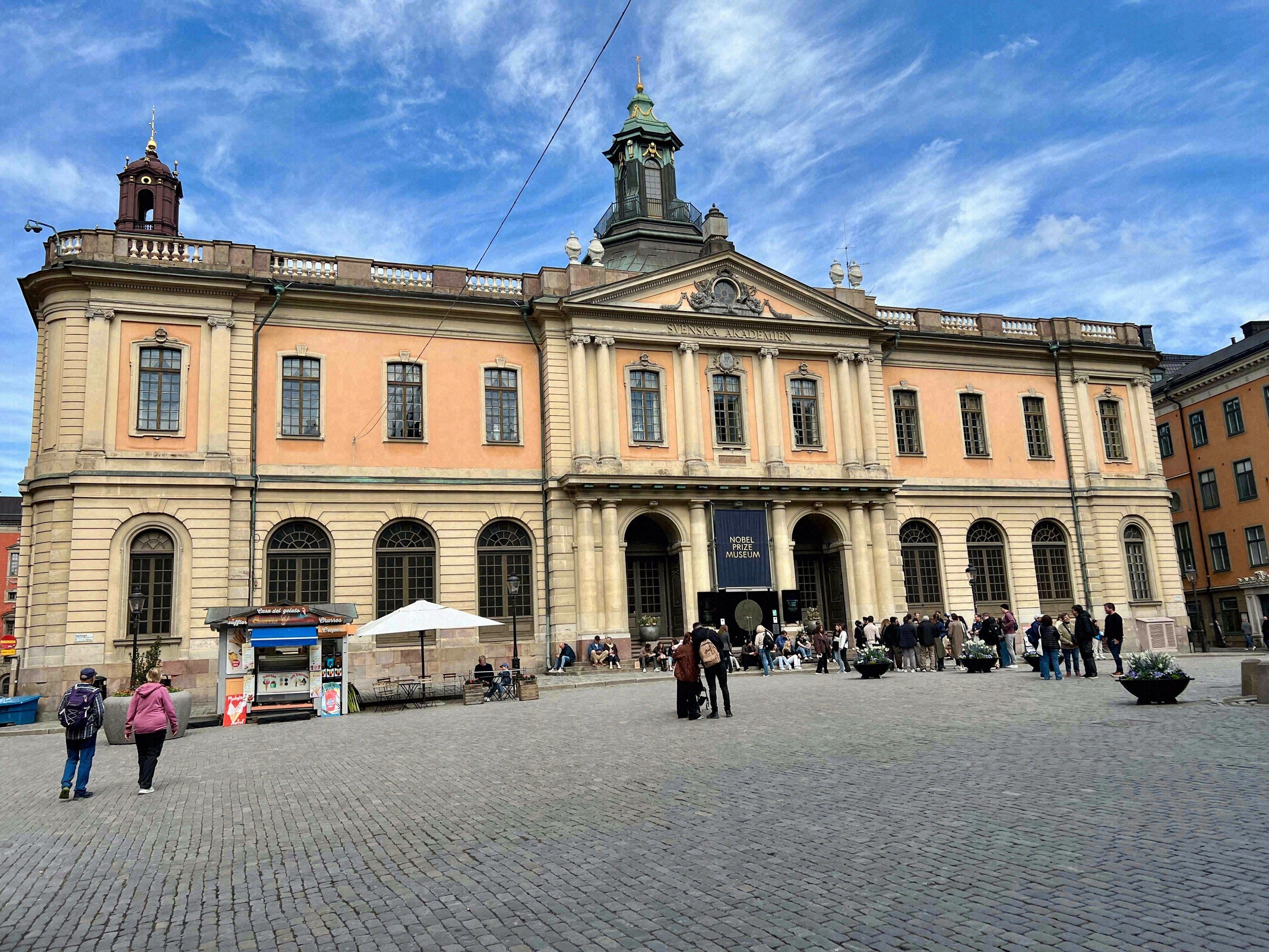
The Nobel Prize Museum on Stortorget in Gamla Stan celebrates Alfred Nobel and the Nobel laureates since 1901, with films, an overhead gallery and Café Satir.
German Church
The German Church of St Gertrude in Gamla Stan has housed the oldest German congregation abroad since 1571; its 96-metre tower is the tallest building on the old town island.