
Riddarholmen Church
Burial church of the Swedish kings
Medieval monastery church on the quiet island of Riddarholmen, burial place of nearly all Swedish monarchs and a cast-iron spire that marks the city skyline.
Contents
Burial place of the Swedish kings
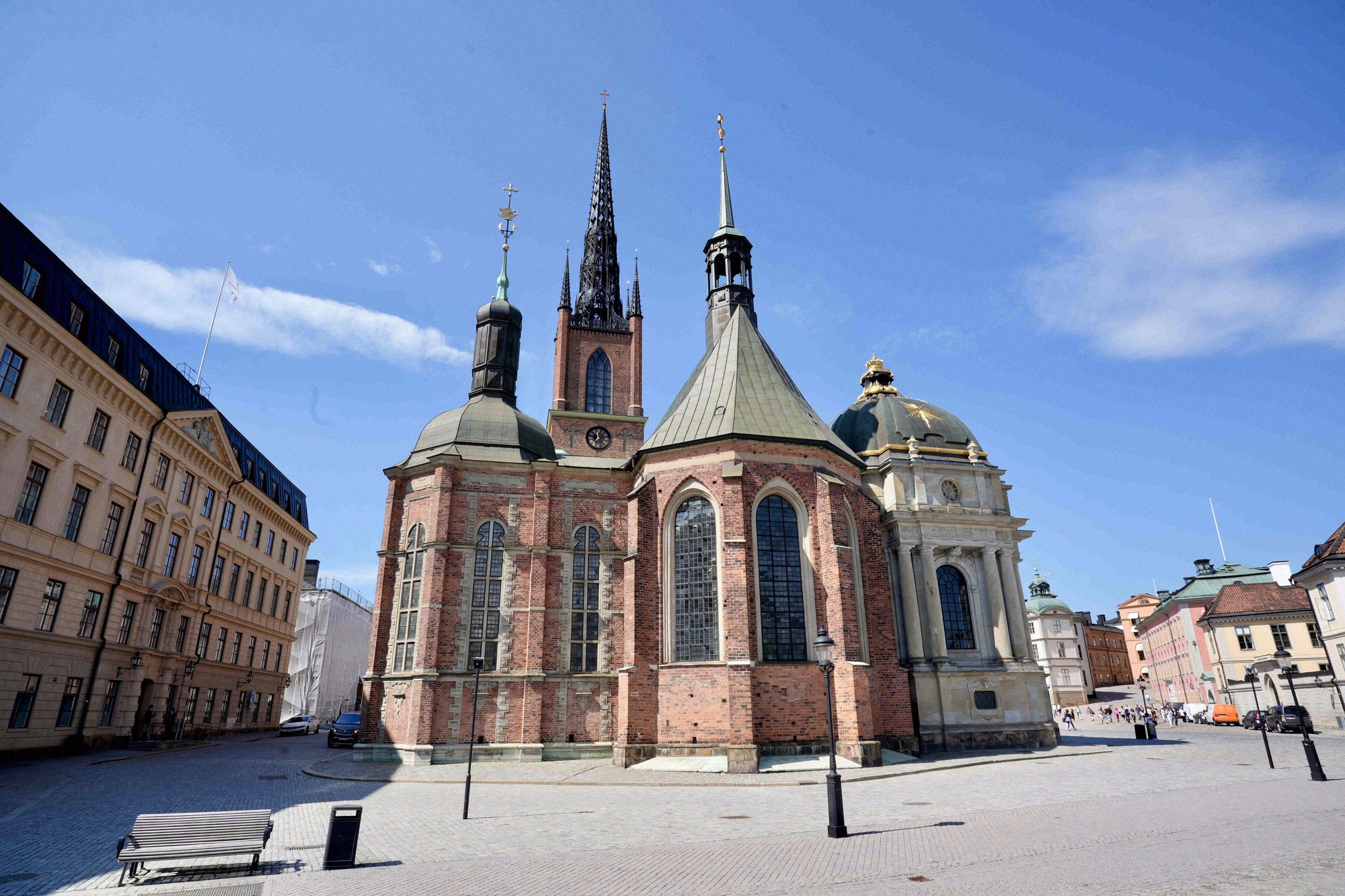
Riddarholmen Church, on the small island of Riddarholmen next to Gamla Stan, is Sweden's royal burial church, and one of the oldest churches in the city. Founded as a friary by the Franciscan order in 1270, it is today Stockholm's only surviving medieval monastery church. Its open-lattice, far-visible cast-iron spire makes it a fixture of the city skyline.
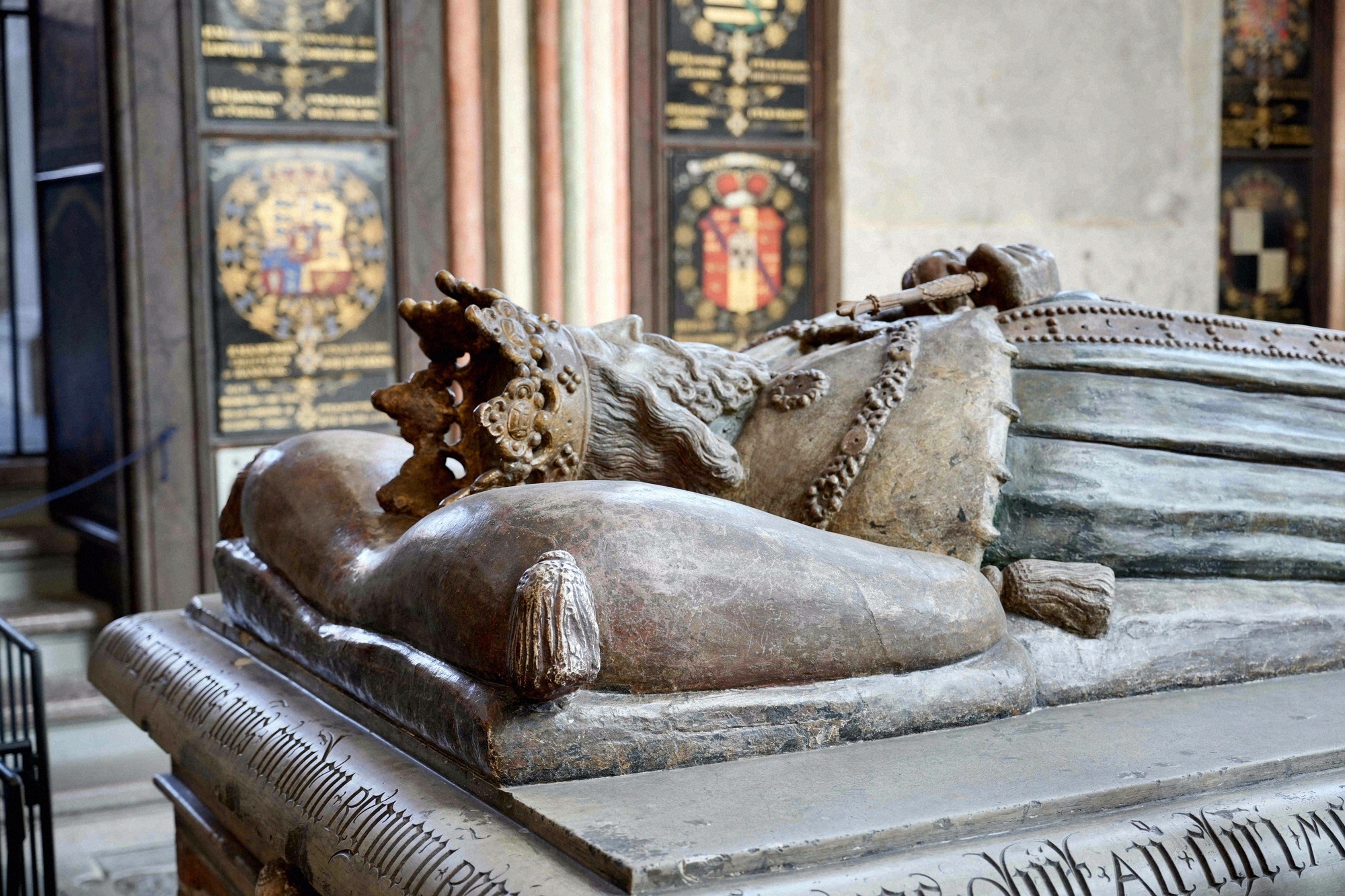
Since the 17th century, the church has served as the burial place of nearly all Swedish monarchs. Kings and queens rest here from Gustav II Adolf (died 1632) to Gustaf V (died 1950); the best-known exception is Queen Christina, who was buried in Rome after her abdication. Medieval rulers such as Magnus Ladulås and Karl Knutsson Bonde, as well as the warrior king Karl XII, are also buried here. The church is administered by the Office of the Earl Marshal, which has looked after it since 1847, and maintained by the National Property Board of Sweden (Statens fastighetsverk).
What to expect
Inside, the royal burial chapels and sarcophagi of various royal houses line up one after another - Vasa, Palatinate, Hesse, Holstein-Gottorp and Bernadotte. The walls are hung with the coats of arms of Knights of the Order of the Seraphim, kept here after each knight's death. The cast-iron spire above the medieval brick building was rebuilt after a fire in 1835 (designed by Erik Gustaf Göthe), replacing the earlier tower.
The church is not a place of worship: it is not a parish church, and christenings and weddings do not take place here. You visit it as a historic building and mausoleum. Allow 30 to 45 minutes for a visit, the church is compact but dense with history. Anyone travelling with a larger group should arrange a guided tour with their own guide in advance.
A quiet island with a view
Unlike the bustling Gamla Stan, Riddarholmen is quiet and almost museum-like, a cluster of noble palaces and courthouses that few tourist crowds reach. From the west side of the island, one of the city's finest views opens up: across the water of Lake Mälaren to Stockholm City Hall and the heights of Södermalm. This is a popular spot for photos, especially at sunset.
The walk across the island is worthwhile even when the church itself is closed, since Riddarholmen is freely accessible year-round. So in the cooler half of the year, when the church isn't open for the winter season, the postcard view is still there for the taking.
Visiting and opening hours
The key thing to plan around: the church is open seasonally only. Officially you can visit from June to September, daily from 10:00 to 17:00; outside these months it is closed. Since the exact start and end dates can shift slightly from year to year, check them on the official website before your visit.
Admission costs 65 SEK for adults, 45 SEK for students and 30 SEK for children aged 7 to 17; children up to 6 years old accompanied by an adult go free. The combined ticket with the Royal Palace is good value: adults pay 270 SEK, students 250 SEK, children 135 SEK. Tickets are available on site at the ticket desk or in advance online through the official booking system, no need for a third-party booking portal.
Getting there and around
Riddarholmen is reachable on foot from Gamla Stan across a short bridge, just a few minutes' walk from the old town. The nearest metro (Tunnelbana) station is Gamla Stan; from there, walk west across the bridge onto the island.
Its location makes the church a good stop on a walk around the old town. Right next door stands the Riddarhuset, the House of Nobility; a few steps further on begins the old town with the Royal Palace, Stockholm Cathedral (Storkyrkan) and Stortorget. For more on the neighbourhood, see the overview of Gamla Stan; for a compact city walk, the overview of Stockholm's main attractions is also worth a look.
Frequently asked questions
What is Riddarholmen Church? +
When is Riddarholmen Church open? +
How much does admission cost? +
Who is buried here? +
Are services or weddings held here? +
Nearby
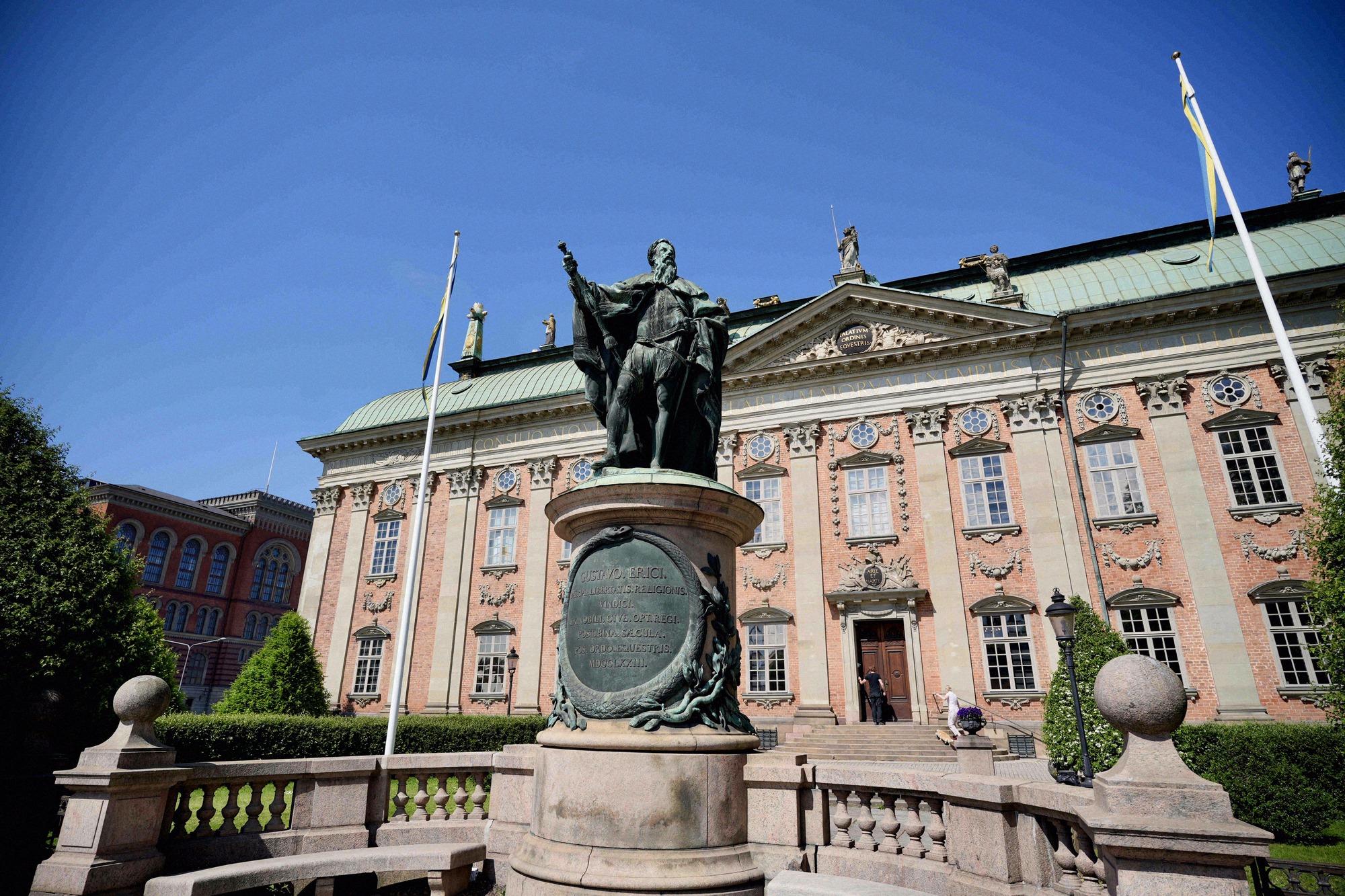
Riddarhuset
Baroque palace from 1660 on Riddarhustorget with a pink facade and a hall lined with around 2,300 noble coats of arms. Open weekdays for a short midday window only.
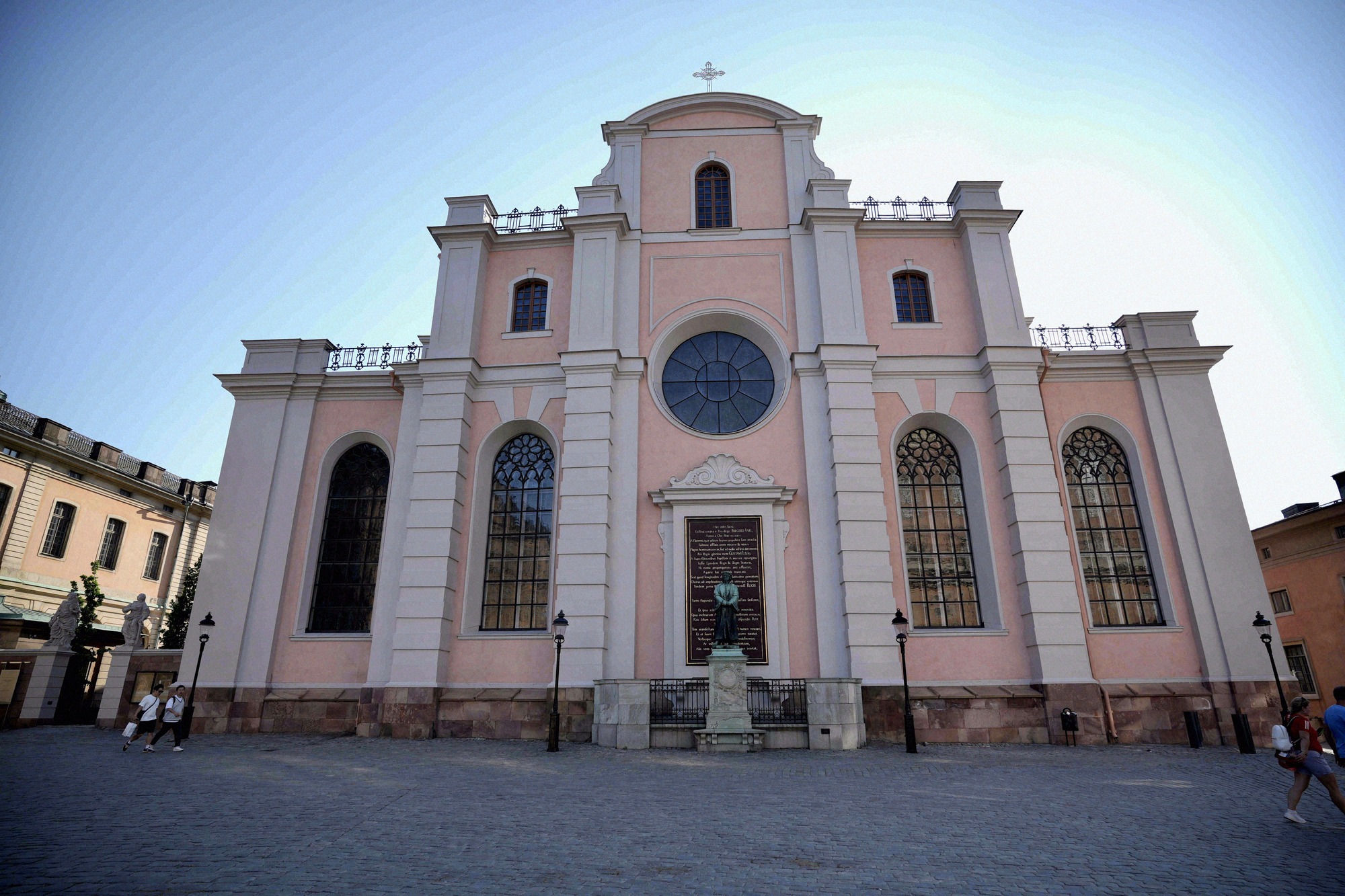
Stockholm Cathedral
Stockholm Cathedral (Storkyrkan), the city's oldest church: brick Gothic in Gamla Stan with the Saint George sculpture and the Vädersolstavlan.
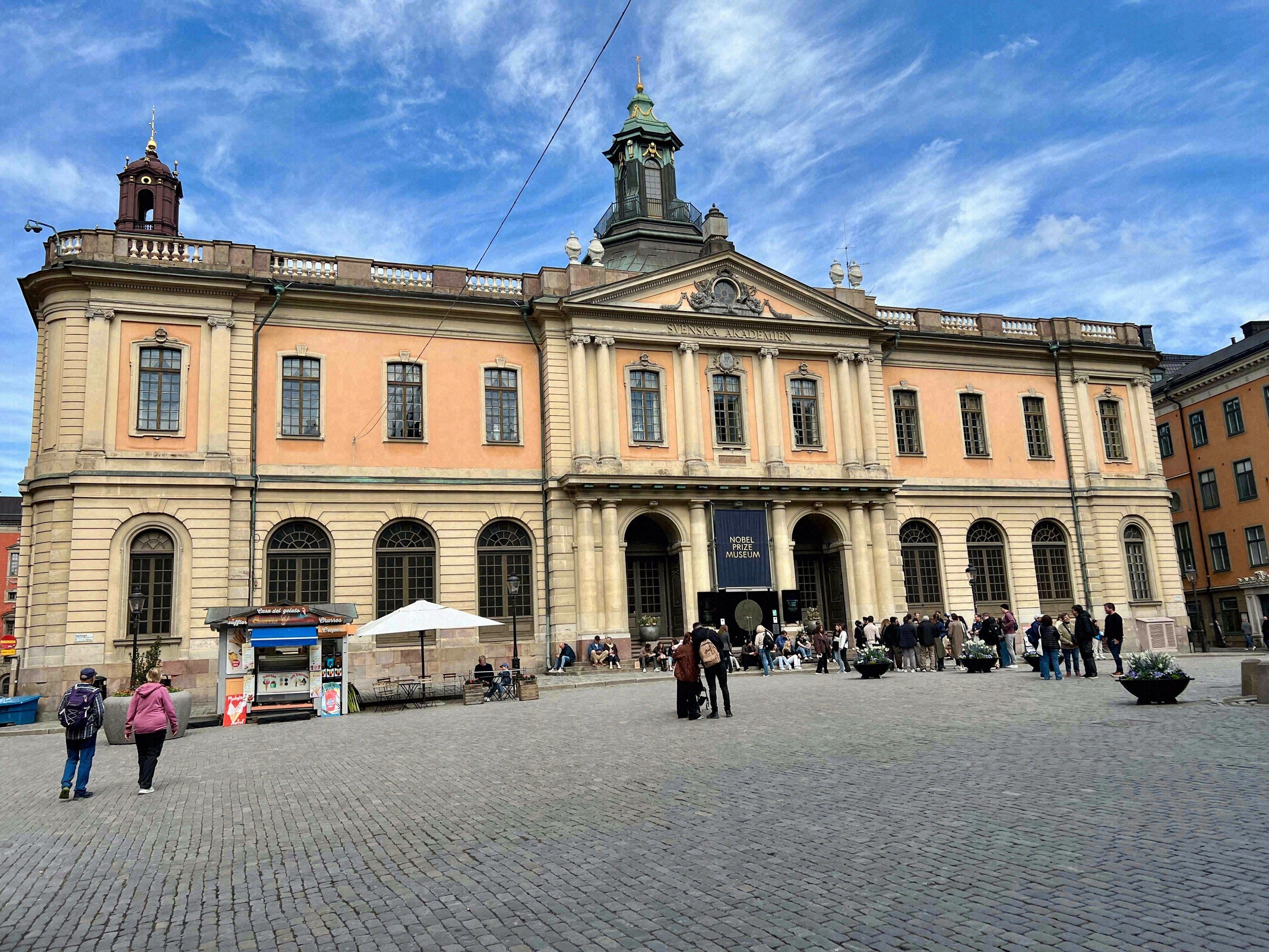
Nobel Prize Museum
The Nobel Prize Museum on Stortorget in Gamla Stan celebrates Alfred Nobel and the Nobel laureates since 1901, with films, an overhead gallery and Café Satir.
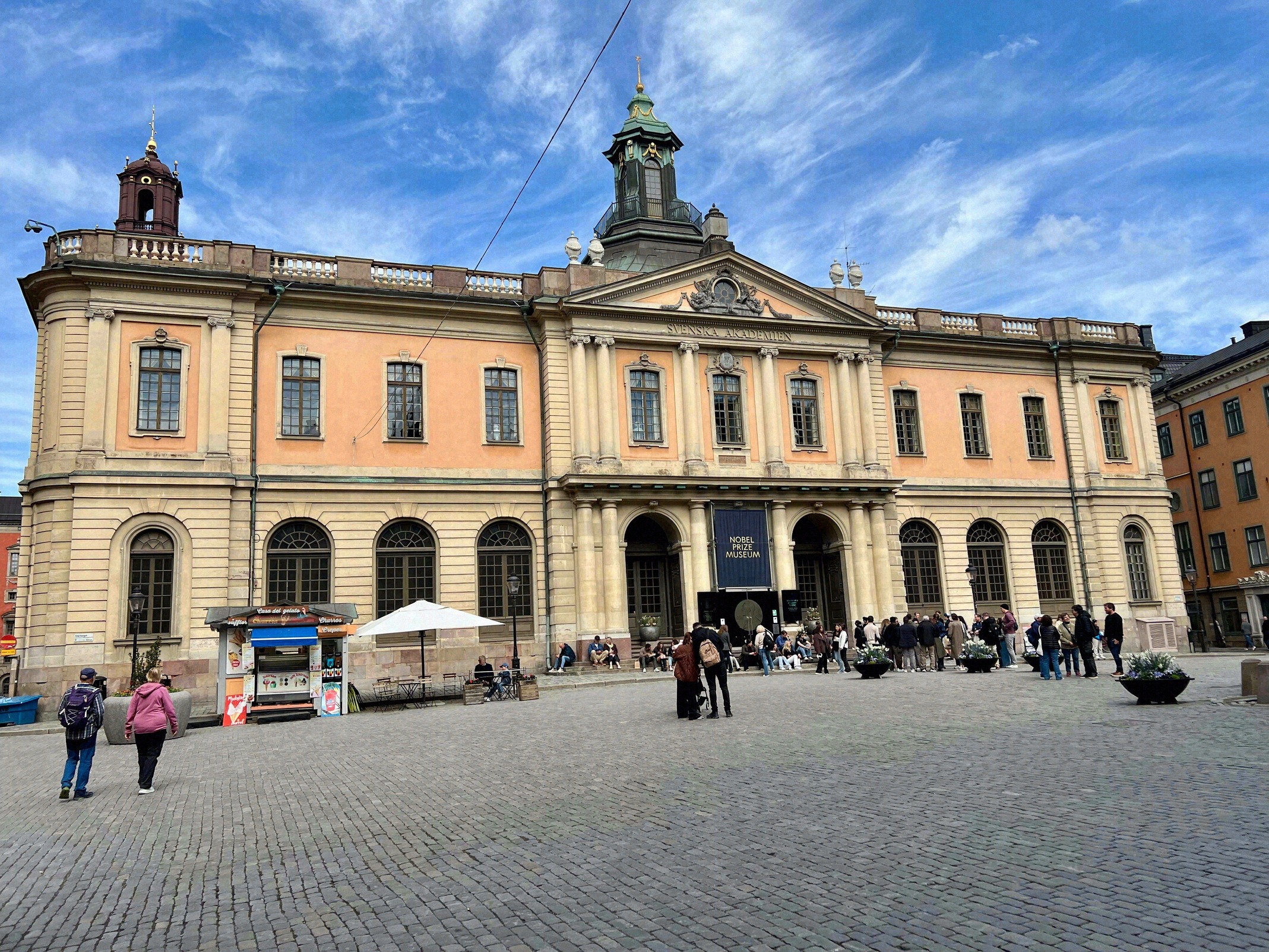
Stortorget
Stockholm's oldest square, in the heart of Gamla Stan, lined with colourful gabled houses and the Nobel Prize Museum, scene of the 1520 Stockholm Bloodbath.
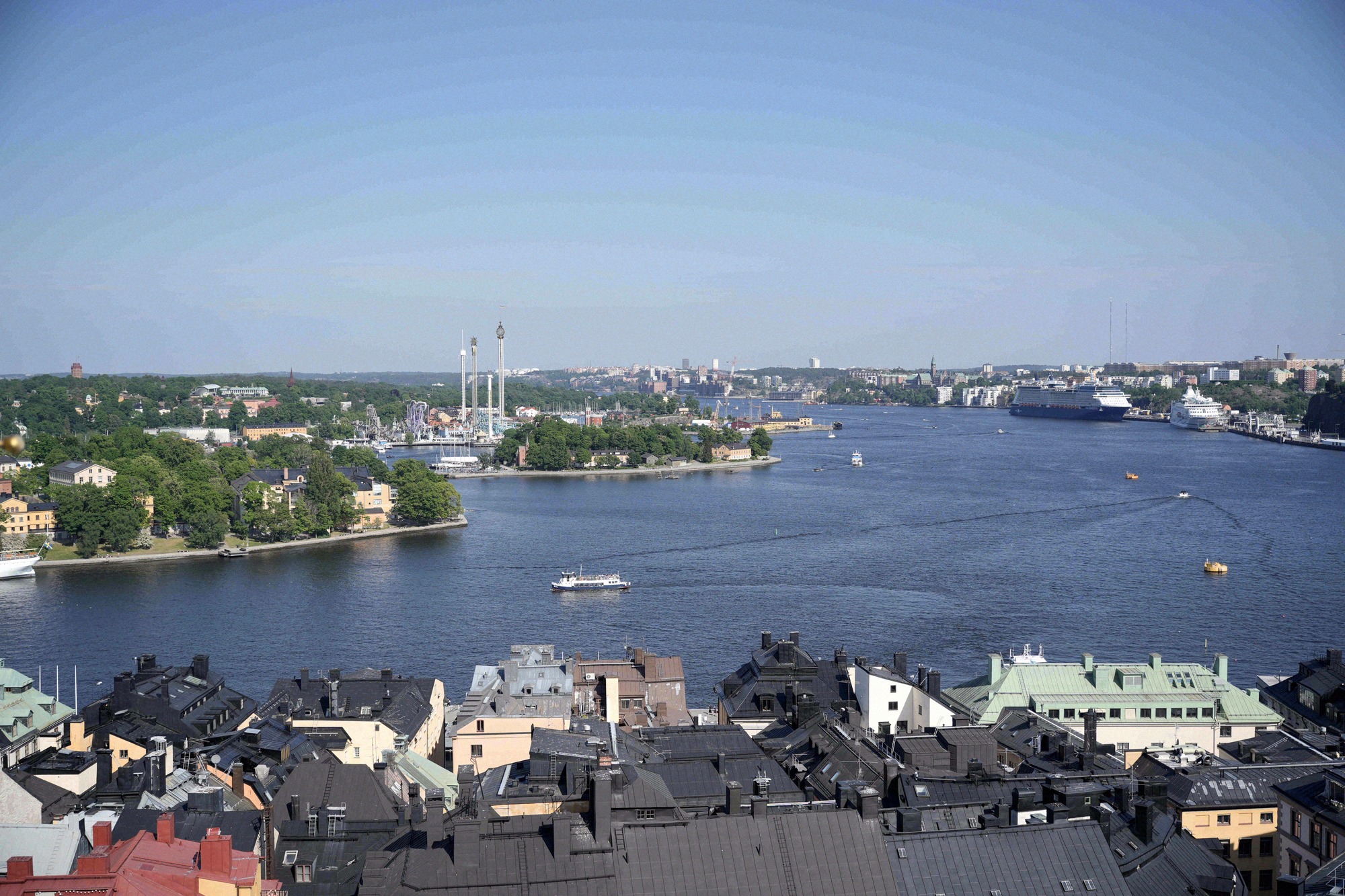
German Church
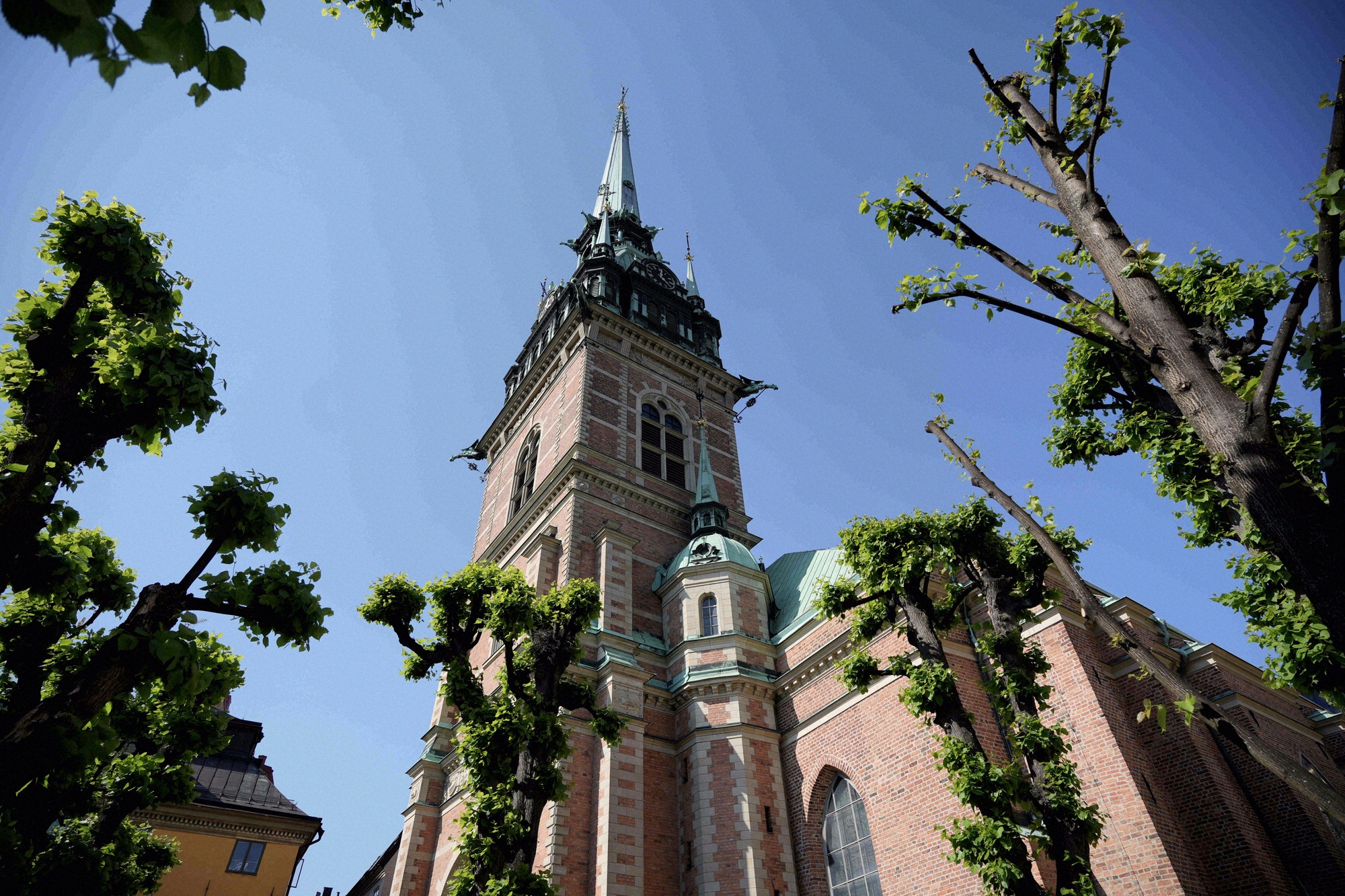
The German Church of St Gertrude in Gamla Stan has housed the oldest German congregation abroad since 1571; its 96-metre tower is the tallest building on the old town island.
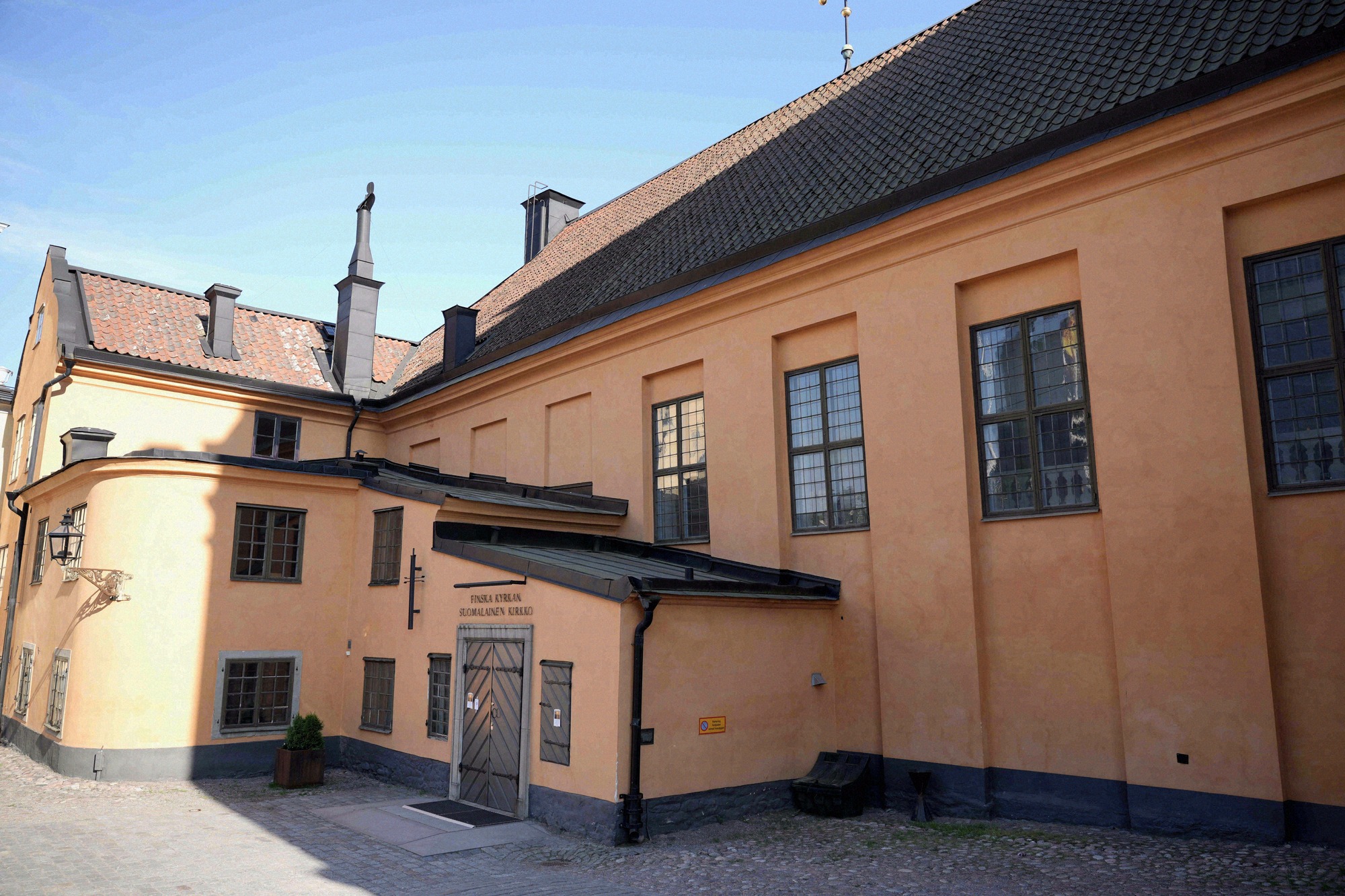
Finska kyrkan
Finska kyrkan (the Finnish Church, officially Fredriks kyrka) is a quiet Baroque church in Gamla Stan, facing the Royal Palace, with the tiny Järnpojken in its courtyard.