
Finnish Church (Finska kyrkan)
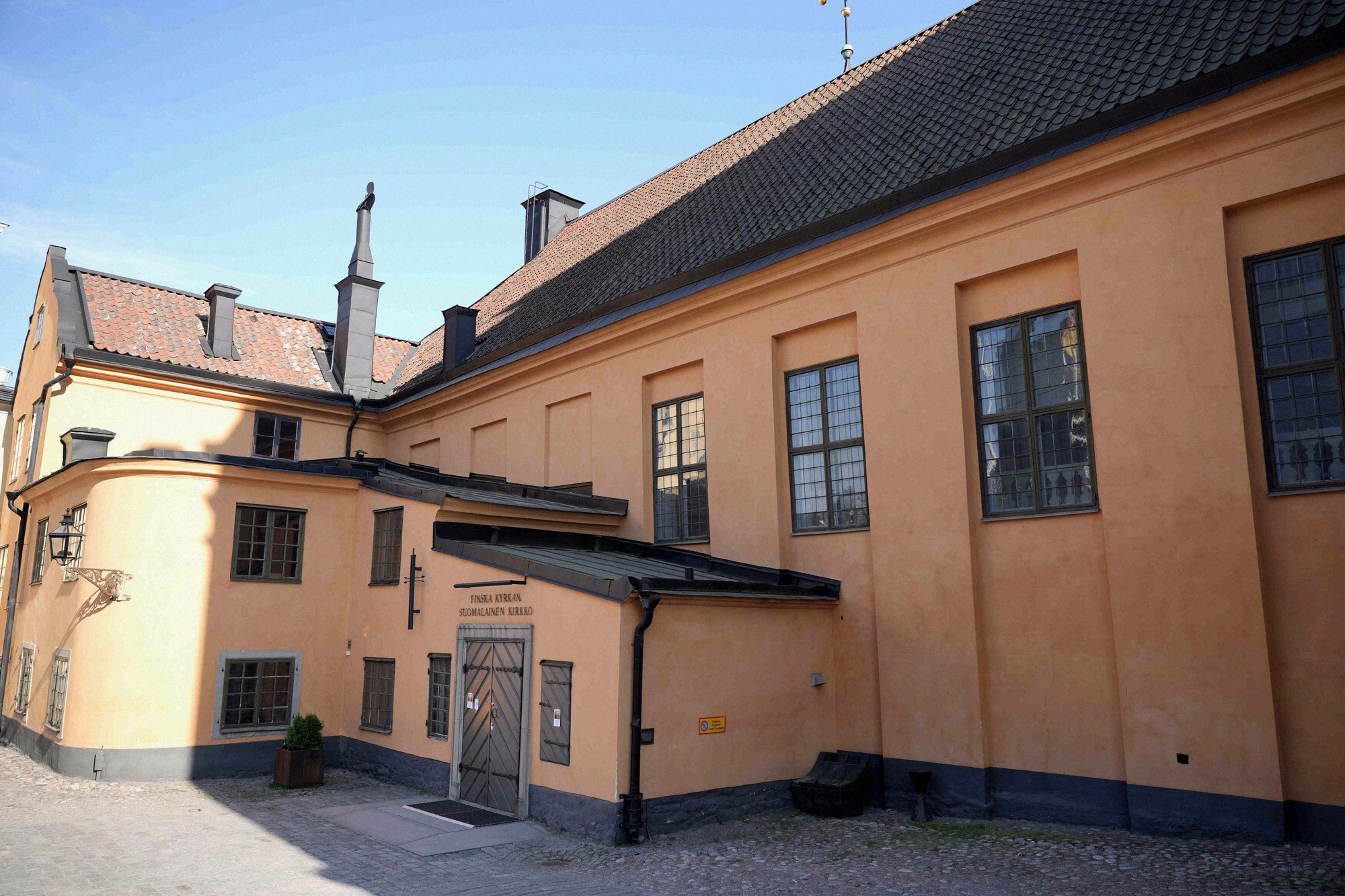
The Finnish congregation's church in a former royal ball-game hall on Slottsbacken
Built in 1648-1653 for the court's ball games and sold to the congregation for 12,000 riksdaler. Sunday services start at 11:00, in Finnish or Swedish depending on the week.
Contents
The Finnish Church (Finska kyrkan) stands on the south side of Slottsbacken, opposite the Royal Palace. The building was a ball-game hall of the royal court and has belonged to Stockholm's Finnish congregation since 1725. Inside is a single hall with about 400 seats, an altarpiece from 1734 and the coats of arms of Finland on the gallery. Behind the church, in the courtyard, sits the Järnpojke, a figure just 15 centimetres tall. The detour is worthwhile for anyone walking between the palace and Stortorget. If you want to see a church interior at fixed times, you are better off at the German Church (Tyska kyrkan), as the Finnish Church opens mainly for services and concerts.
From the court's ball-game hall to the Finns' church
Georg Sippel built Lilla Bollhuset between 1648 and 1653 as an extension to the larger Stora Bollhuset, put up in 1627. The court played ball games here, and from 1662 to 1686 touring theatre companies performed. Stora Bollhuset was demolished at the end of the 18th century; the names Bollhusgränd and Bollhustäppan still recall both buildings.
As early as 1533 Gustav Vasa had ruled that Finns in Stockholm should hear sermons in their own language, but the congregation only got its own church almost 200 years later. On 11 May 1725 King Fredrik I approved the sale of the ball-game hall to the congregation for 12,000 riksdaler. The conversion was planned by the royal superintendent Göran Adelcrantz, reportedly without pay. After about seven months the interior was ready, and on the fourth Sunday of Advent, 19 December 1725, the church was consecrated. At first it was called Fredriks kyrka, and the king's portrait hangs on the south wall. For the 300th anniversary in December 2025, the King and Queen came to the celebration concert.
Altar wall, galleries and an organ by Olof Schwan
The rectangular interior measures about 20 by 10 metres. The altar wall is attributed to Göran Adelcrantz, and the altarpiece of the Resurrection was painted by Lorens Gottman in 1734. In the same year the coat of arms of Finland and its old provincial arms were added to the lower balustrade of the double gallery at the west end. The chandeliers come from a church in Nyen in Ingria, which is now part of Russia.
The mechanical organ with twelve stops was built by Olof Schwan at the end of the 18th century. It was unplayable until Åkerman & Lund restored it in 1990 and 1991. Behind it stands a pneumatic organ by the same firm from 1945, and there is also a choir organ by the Finnish organ builder Martti Porthan.
The Järnpojke in Bollhustäppan
The Järnpojke is 15 centimetres tall and is considered Sweden's smallest public monument. It was made by the sculptor Liss Eriksson and put up in 1967. The figure is also known as “Pojke som tittar på månen”, the boy who looks at the moon. Passers-by leave coins for him and stroke his head, which is said to bring luck. Some have even knitted him a hat and scarf. Eriksson also created the relief on the Hagaväggen in Riddarholmen Church.

Bollhustäppan itself is a small park in the open courtyard south of the church. It was created by demolitions in the 1960s and got its name in 1970.
Via Källargränd and Trädgårdsgatan to the courtyard
The nearest metro station is Gamla stan on the green and red lines. From the Mälartorget exit it is about 450 metres, around six minutes on foot, to Slottsbacken. There the church stands between the Royal Court administration building and Tessinska palatset of 1692-1697. It is separated from the palace by the narrow Finska kyrkogränd, which once ran through to Trädgårdsgatan and is now a dead end. At the top of Slottsbacken, about 100 metres away, is Storkyrkan (Stockholm Cathedral) with the obelisk, and Stortorget is about as close.
To reach the Järnpojke, walk from Slottsbacken down Källargränd to Trädgårdsgatan and turn left; after a few steps the courtyard opens up. The German Church is about 170 metres to the south, and just under 200 metres beyond it Mårten Trotzigs gränd, only 90 centimetres wide, leads down to Västerlånggatan.
Frequently asked questions
Can I get into the Finnish Church on a weekday? +
What language are services held in? +
Can I bring a pushchair or dog into the church? +
Do concerts in the Finnish Church cost anything? +
Why does the Finnish Church have no tower? +
Nearby
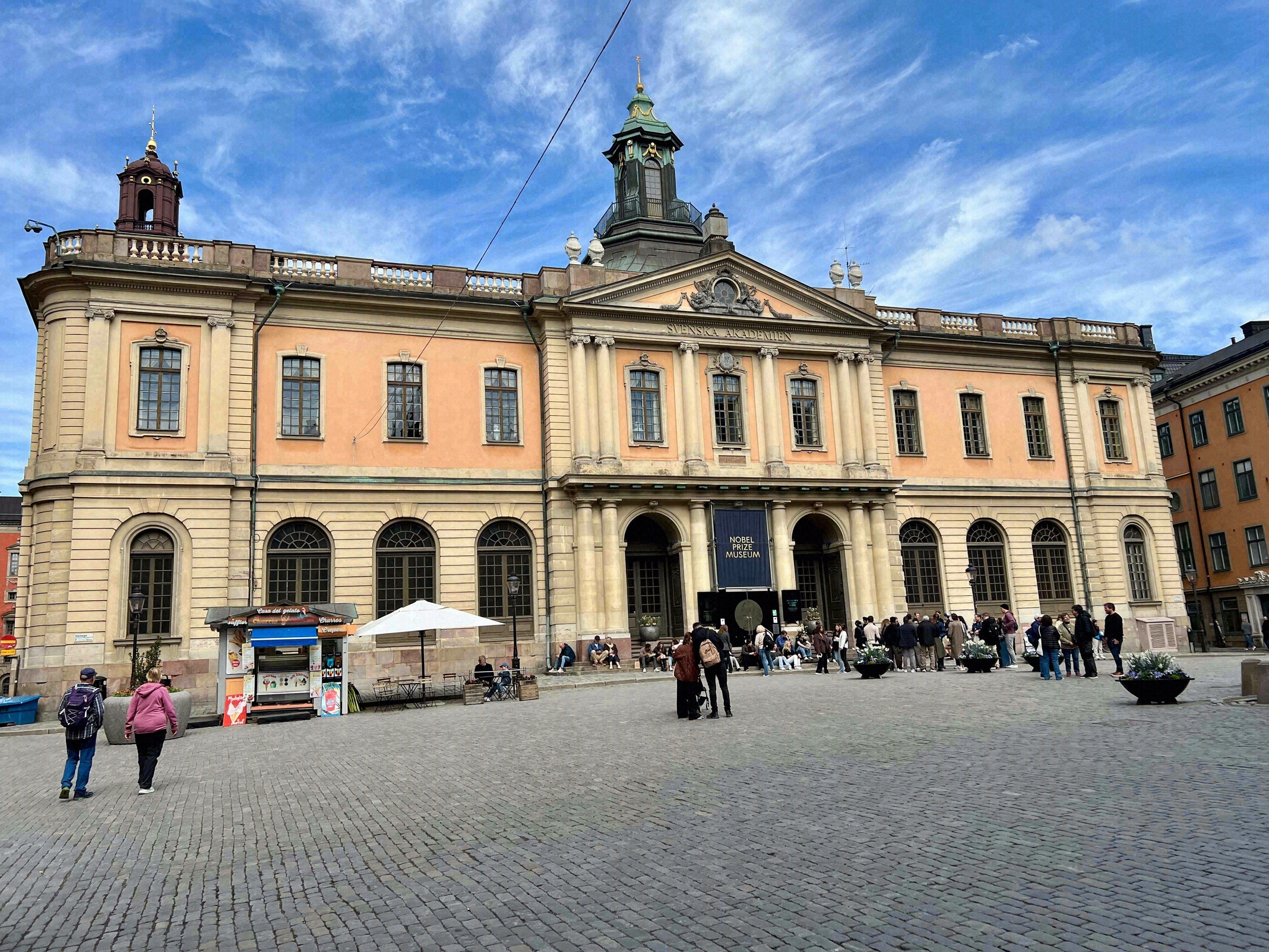
Stortorget
On Stortorget, Christian II had around 90 people executed in 1520. Today colourful gabled houses and Börshuset with the Nobel Prize Museum frame the square in Gamla Stan.
Nobel Prize Museum
The Nobel Prize Museum on Stortorget shows what laureates have given to the museum, including the scarf Malala Yousafzai wore at the UN on her 16th birthday.
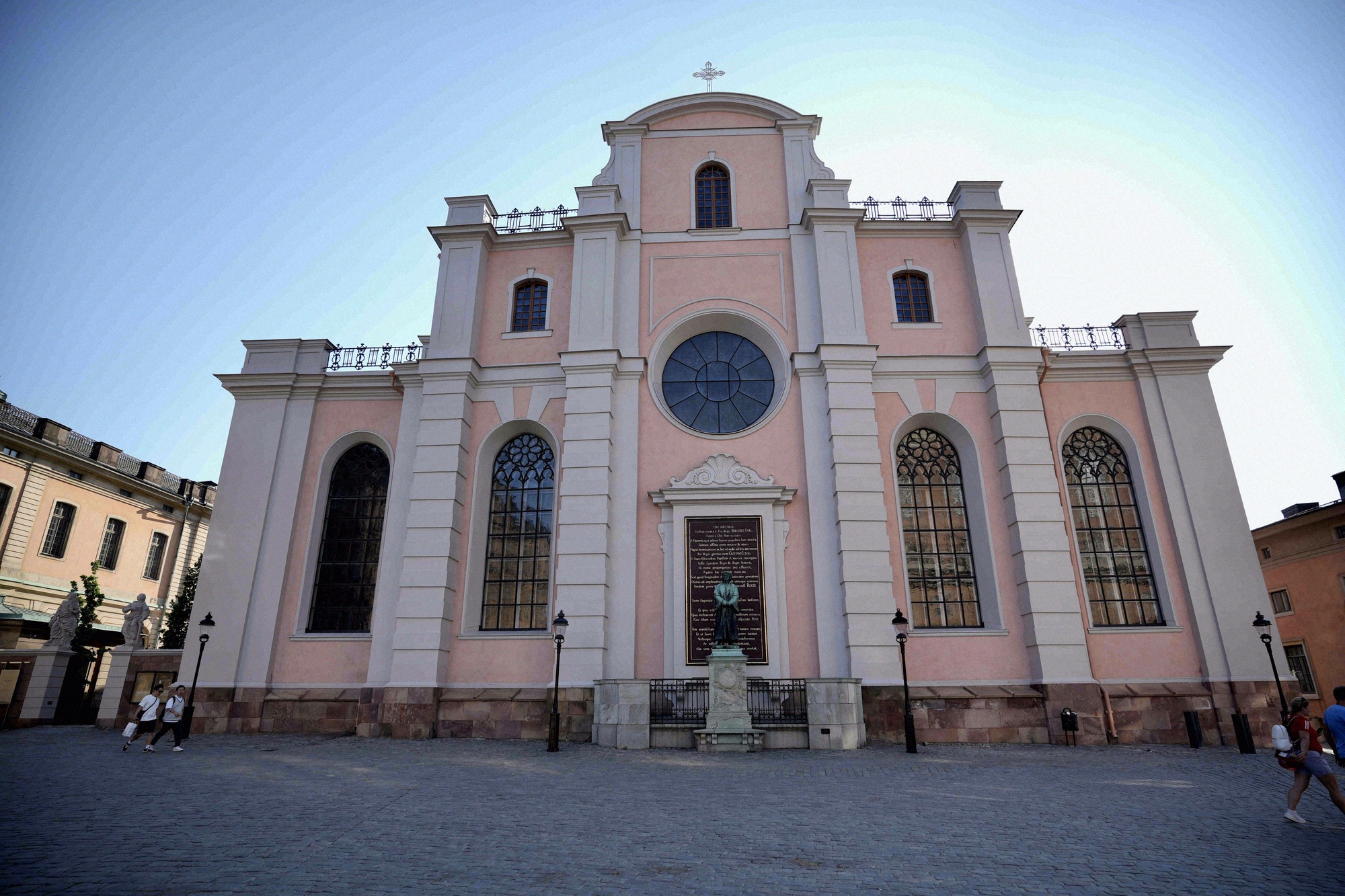
Storkyrkan (Stockholm Cathedral)
Behind the Baroque façade of Storkyrkan lies a medieval brick interior with St George fighting the dragon and the oldest colour image of Stockholm.
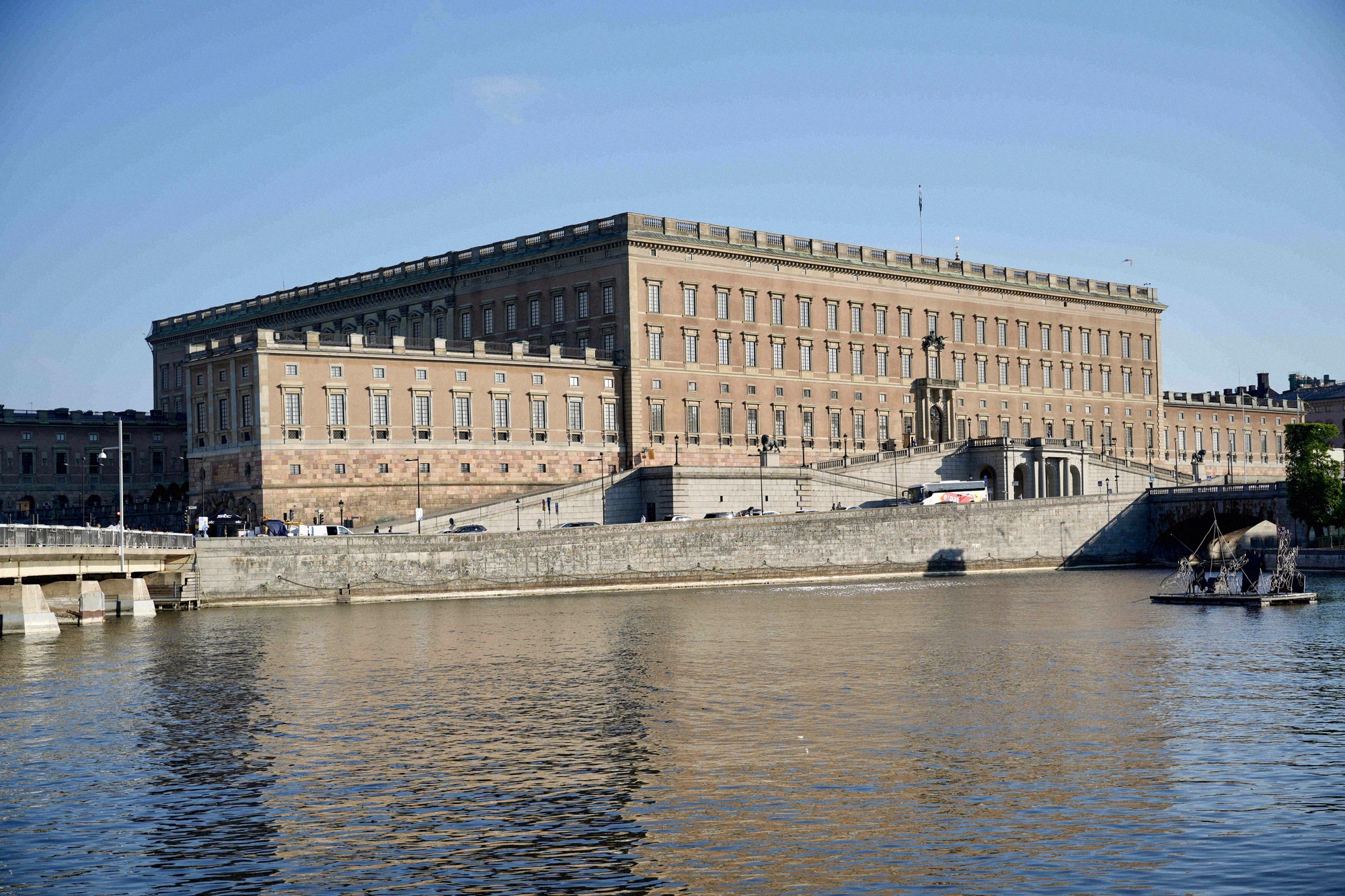
Royal Palace
The Royal Palace (Kungliga slottet) in Gamla Stan is both the King's workplace and a museum, with Royal Apartments, a silver throne in the Hall of State, the crown jewels and the remains of Tre Kronor Castle.
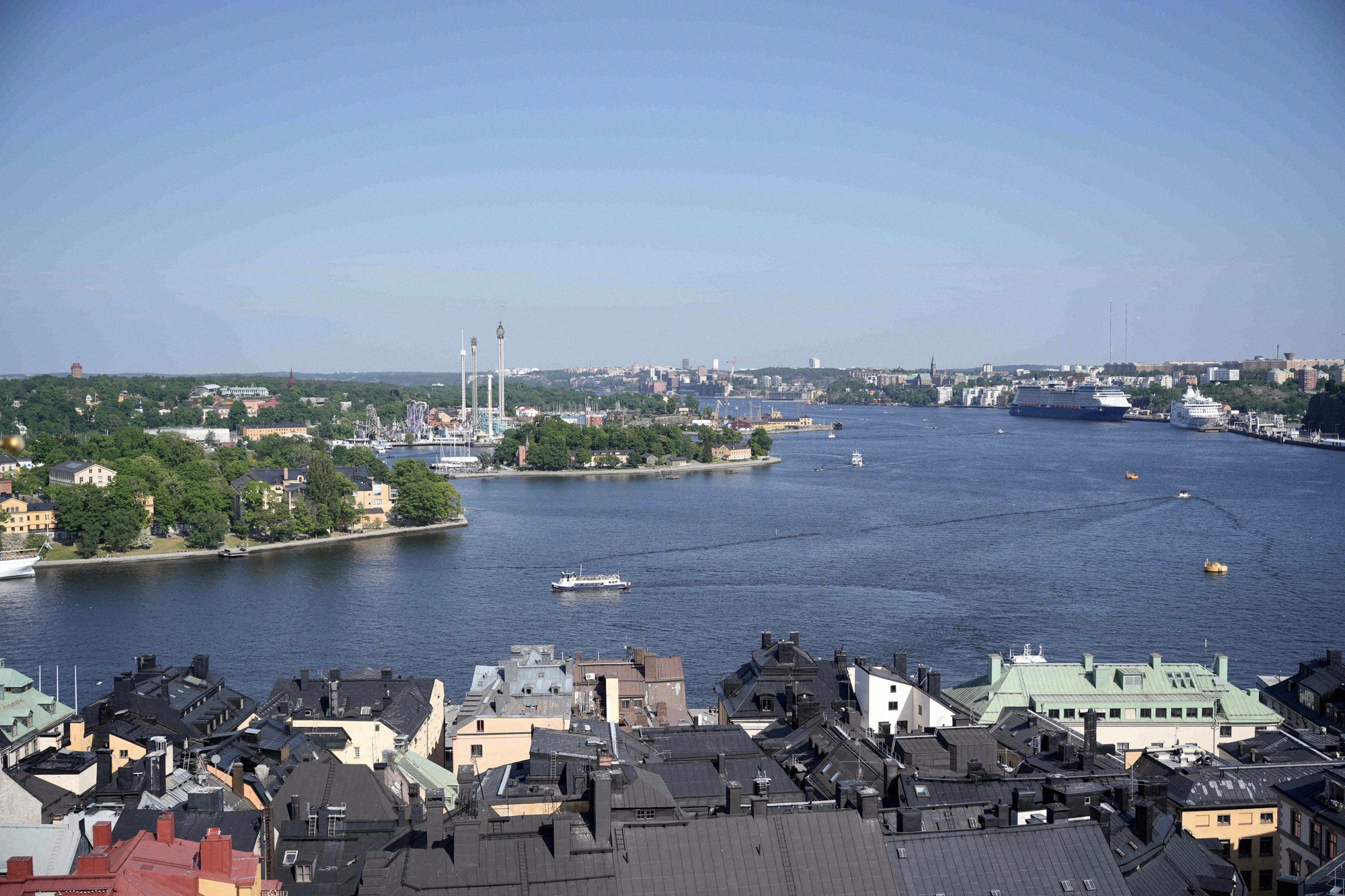
German Church (Tyska kyrkan)
Church of the German congregation in Gamla Stan with a 96-metre tower, Baroque altar and royal gallery, open to visitors Friday to Sunday.
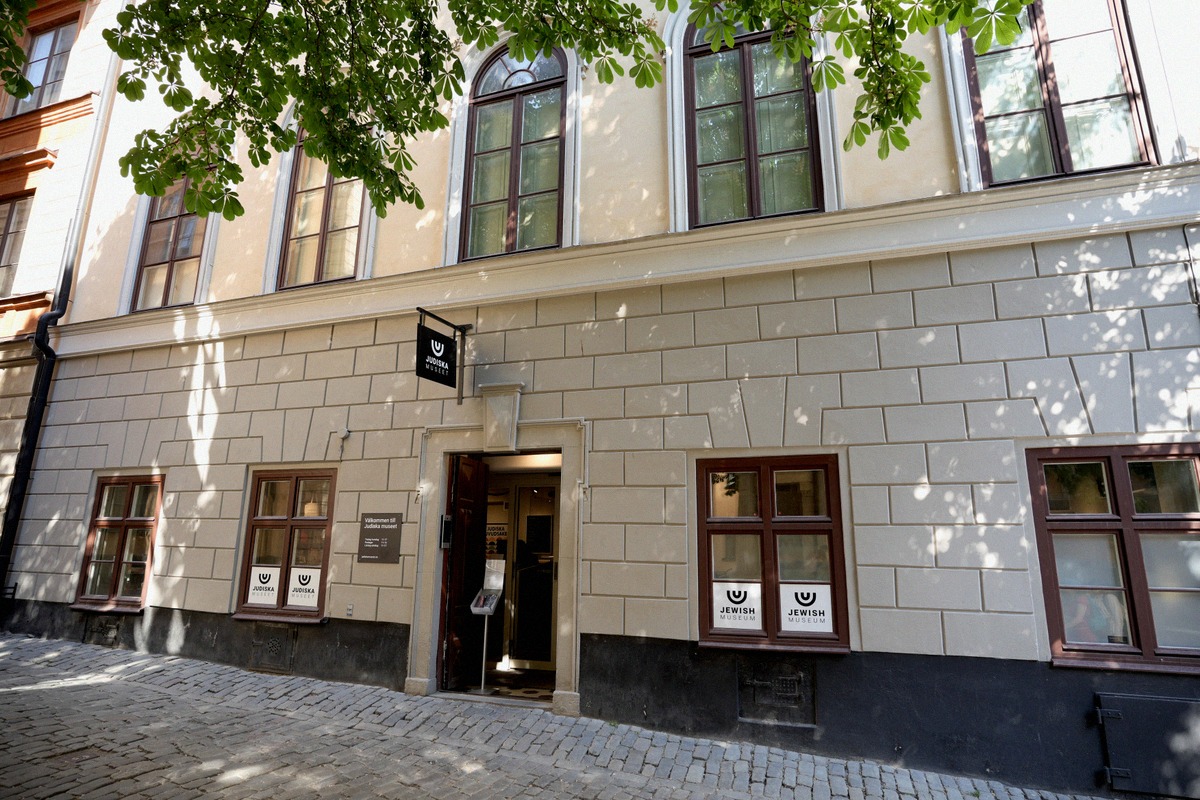
Jewish Museum
In 1795 the congregation set up its synagogue in a former auction house. Since 2019 the museum there has shown how Jews came to Sweden and how they lived here.