
Ulriksdal Palace
Royal palace with a park on Edsviken bay
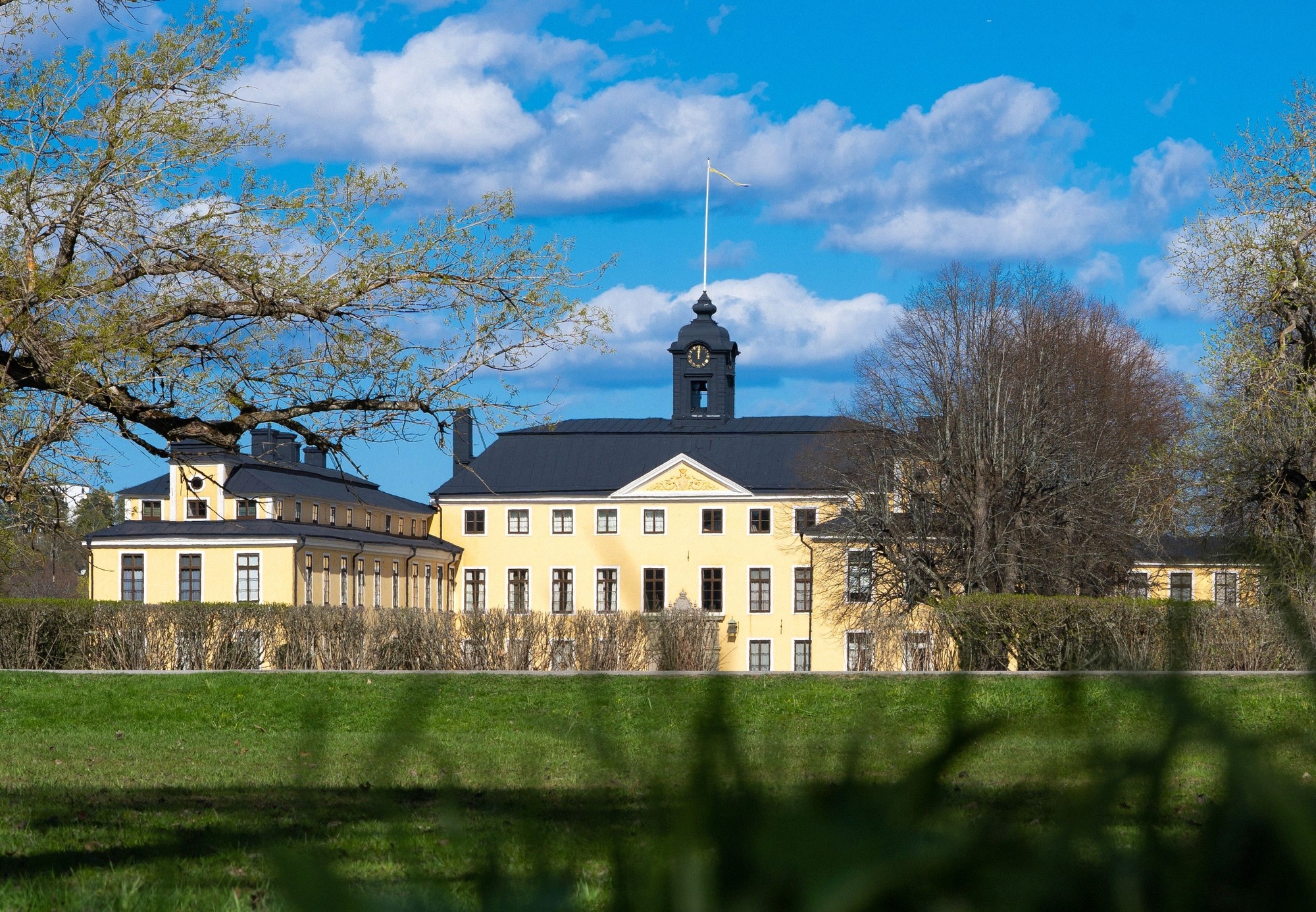
Ulriksdals slott is a royal palace on Edsviken bay in the National City Park, with an Orangery Museum, the Confidencen rococo theatre and a free park.
Contents
A royal palace by the water, in the green
Ulriksdals slott sits on the shore of Edsviken bay north of Stockholm and is one of Sweden's royal palaces. Unlike the busier Royal Palace in the old town, Ulriksdal is a quiet destination in the countryside: a sprawling palace park, an Orangery Museum, a historic theatre and a palace café are all spread across the grounds, which form part of the Royal National City Park.
The park is open year-round, free of charge. That alone makes the trip worthwhile, the palace interior only opens on set days from May to September. Visit outside that season and you'll still get the park, the water and the grounds, just not access inside the palace.
From Jacobsdal to a royal palace
The palace was built between 1639 and 1644 for Jacob De la Gardie and was originally called Jacobsdal. It took its current name in 1684, when Queen Hedvig Eleonora, who had acquired the estate in 1669, gave it to her grandson Ulrik - Jacobsdal became Ulriksdal.
The rooms still show historic furnishings from several eras, from the dining hall of King Karl XV to the apartments from the time of Gustaf VI Adolf and Queen Louise. The south wing houses the Swedish head office of the WWF (Världsnaturfonden), administrative offices only, not open to the public.
What to expect on site
Ulriksdal is more than just the palace. Several independent attractions share the grounds:
- the Orangery Museum, with its own short summer season and separate admission,
- Confidencen, Sweden's oldest rococo theatre, built in 1753 and still staging performances,
- the palace chapel,
- the visitor centre with café (and the Slottsboden shop) between the Orangery and the palace,
- the Ulriksdals Wärdshus restaurant in the park.
The visitor centre with café sits between the Orangery and the palace and is open to all park visitors without a palace ticket; it's also where tickets are sold. The Ulriksdals Wärdshus restaurant is run independently and is likewise separate from palace admission. Exact opening hours and prices for the café and restaurant are set by their own operators, best checked directly before you go.
The Confidencen theatre
Confidencen, built in 1753, is considered Sweden's oldest rococo theatre and is not a museum but a working stage. The season, April to September, brings opera, concerts, theatre and dance; in 2026 the programme includes an opera and music festival from 30 July to 16 August. The theatre is an independent organisation, run separately from the palace visit
- the programme and tickets are handled through its own site, confidencen.se. If you're after a theatre experience, plan your visit around the programme, not the palace's opening hours.
Opening hours, admission and tickets
The palace interior only opens from May to September, on set days, each day from 12:00 to 16:00. In the high season, 17 June to 17 August 2026, it's open Tuesday to Sunday; in the low season (May to early June, late August to September) it's weekends only. Outside that season, only pre-booked groups can get in, year-round. Guided tours run in Swedish at 12:00, 13:00, 14:00 and 15:00, and in English at 15:00.
The Orangery Museum has its own, shorter season: 16 June to 16 August 2026, Tuesday to Sunday, 12:00 to 16:00.
Palace admission costs 140 SEK for adults, 120 SEK for students and 70 SEK for children aged 7 to 17. The Orangery Museum is charged separately (adults 65 SEK, students 45 SEK, children 30 SEK); a combined ticket isn't listed in the official price list. Children under 6 go free, and the park is free. Tickets are available on the spot at the palace entrance, at the visitor centre, and via the official booking site; there's no reservation requirement for individual visitors. Current times, prices and the exact opening calendar are on kungligaslotten.se.
Best time to visit, and getting there
You'll get the most out of a visit in June and July, when the palace opens most often and the Orangery is accessible; mornings are quieter. Allow around 1 to 1.5 hours for the park and grounds, and 45 to 60 minutes for a guided palace tour; with the Orangery and a café break, plan on 2.5 to 3 hours.
Ulriksdal lies north of the city centre on Edsviken bay, in the municipality of Solna, and is reachable by commuter train and bus. Thanks to its quiet setting inside the Royal National City Park, it works well as a half-day trip, often combined with other destinations nearby. For more, see the guide to day trips from Stockholm, and if you'd rather see the larger royal World Heritage palace, that's Drottningholm Palace. For planning your itinerary, the overview in the the city's palaces and highlights is a good starting point.
Frequently asked questions
Is Ulriksdal park free to visit? +
When is the palace interior open? +
What does admission cost? +
What language are the palace tours in? +
How do I get to Ulriksdal? +
Is there anything on at the Confidencen theatre? +
Nearby
Bergianska trädgården
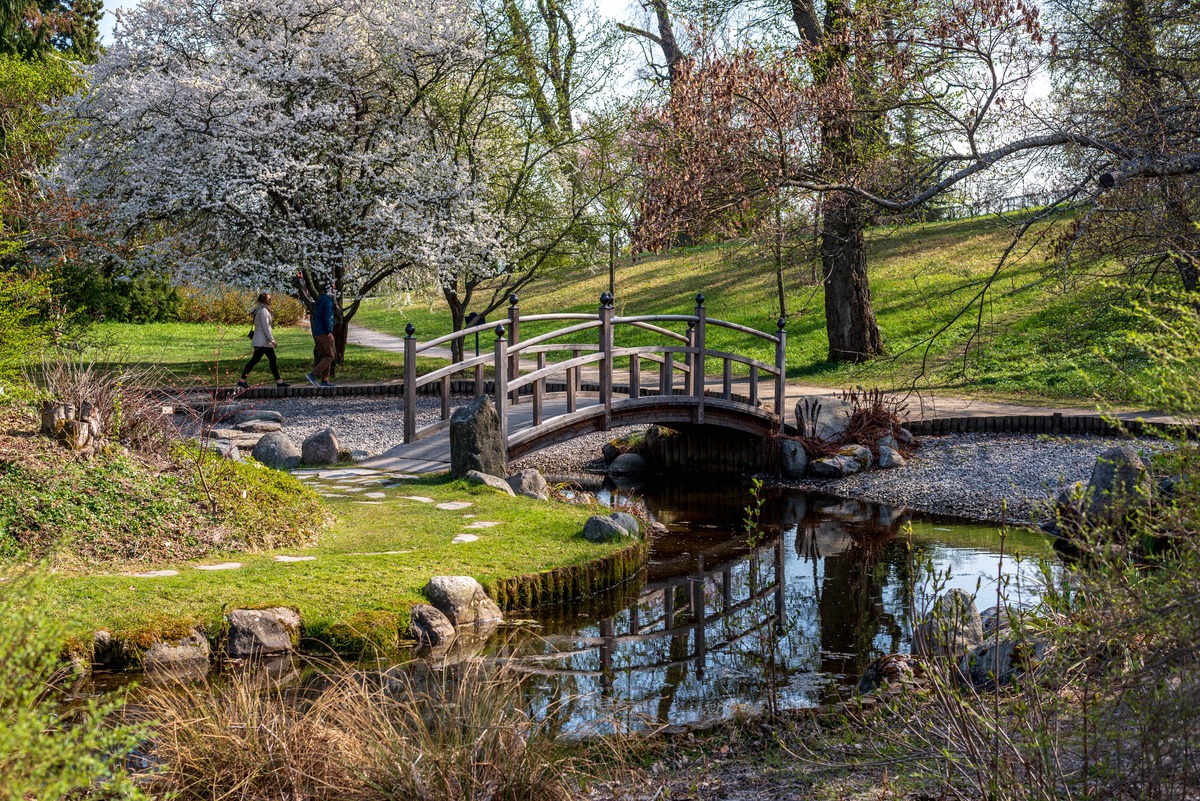
Stockholm University's botanic garden in Frescati on Lake Brunnsviken, a free outdoor garden plus two glasshouses with Mediterranean flora and giant water lilies.
Swedish Museum of Natural History
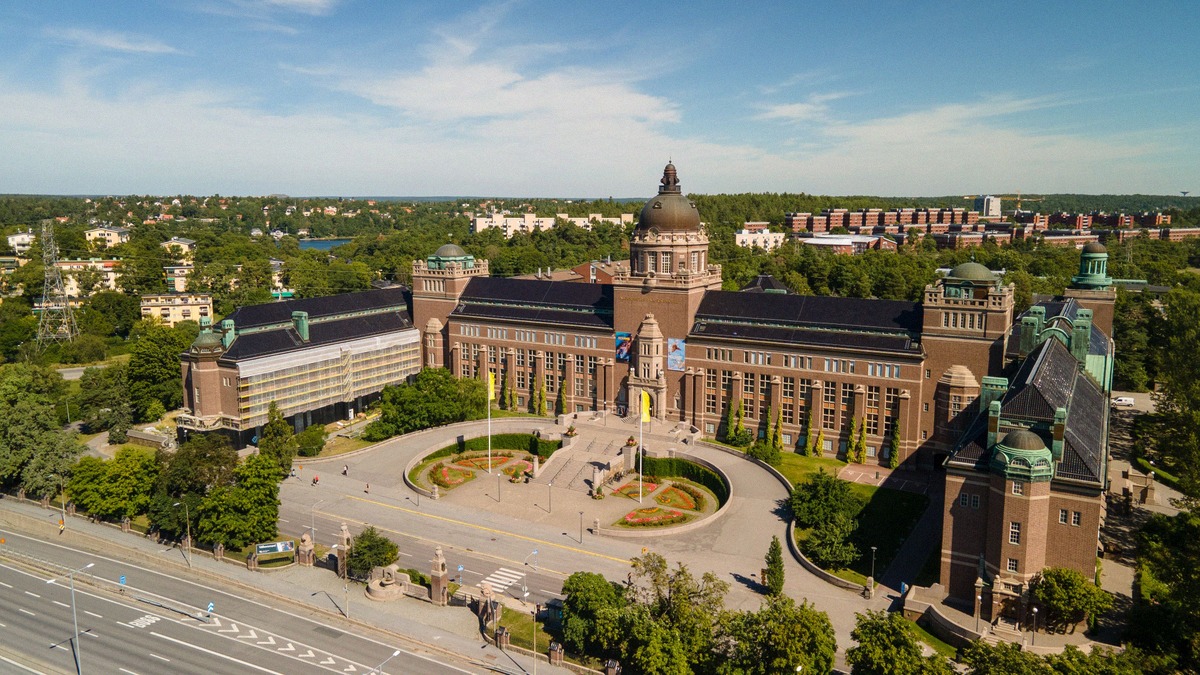
The Swedish Museum of Natural History at Frescati campus is Sweden's largest natural history museum, with dinosaurs, polar life and the Cosmonova IMAX planetarium.
Strindberg Museum
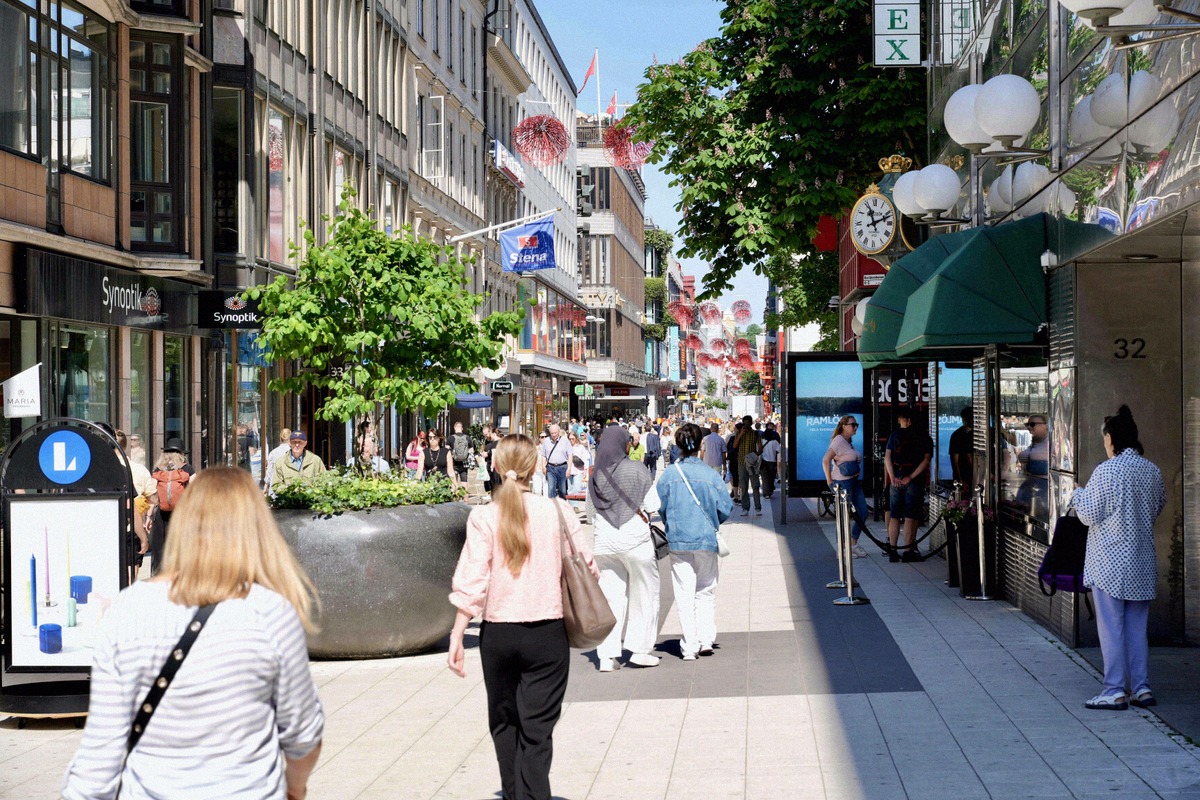
In the Blå Tornet on Drottninggatan you can walk through August Strindberg's faithfully reconstructed last home, three rooms and his library, not museum halls.
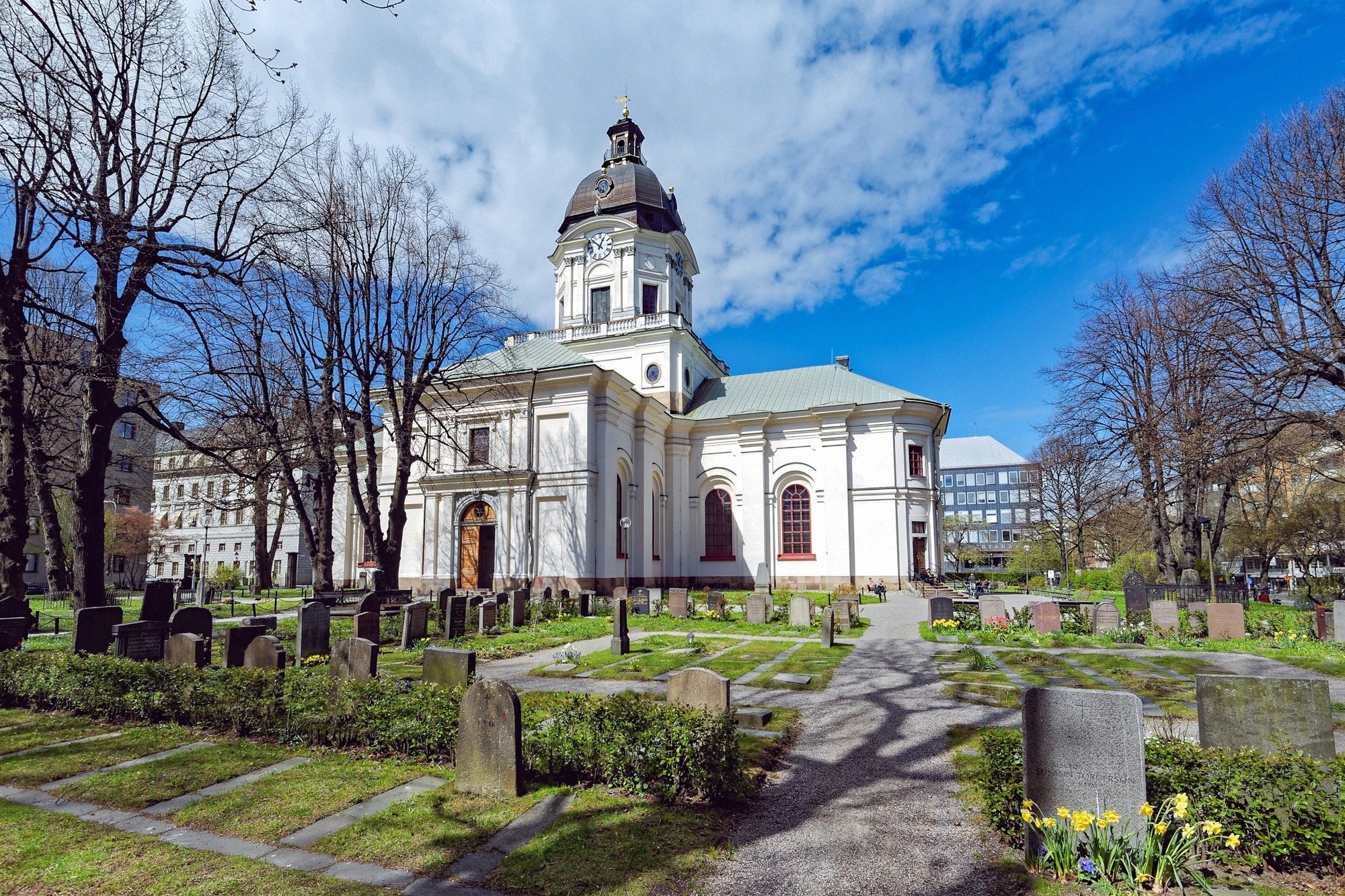
Adolf Fredriks kyrka
Neoclassical parish church in Norrmalm with Sergel's Descartes monument and a churchyard where Olof Palme, Hjalmar Branting and Sergel himself rest.
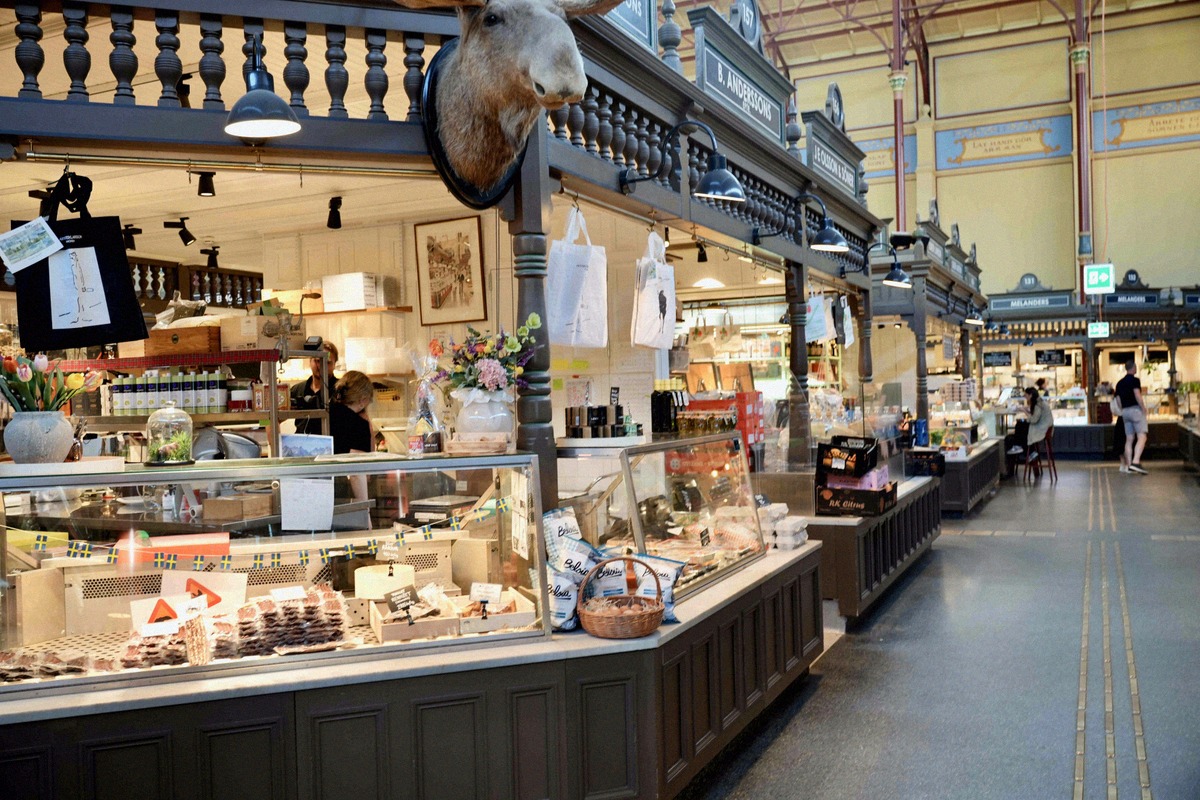
Östermalms Saluhall
Östermalms Saluhall, built in 1888 on Östermalmstorg, is Stockholm's finest market hall, with fish and game counters, cheese, confectionery and a good dozen eateries under one brick roof.
Hallwylska Palatset
A fully preserved city palace from around 1900 in Östermalm, from grand salons and a library to bathrooms with running water and a telephone, all original.