
Swedish Museum of Natural History
Sweden's natural history museum with an IMAX planetarium
The Swedish Museum of Natural History at Frescati campus is Sweden's largest natural history museum, with dinosaurs, polar life and the Cosmonova IMAX planetarium.
Contents
Sweden's largest natural history museum
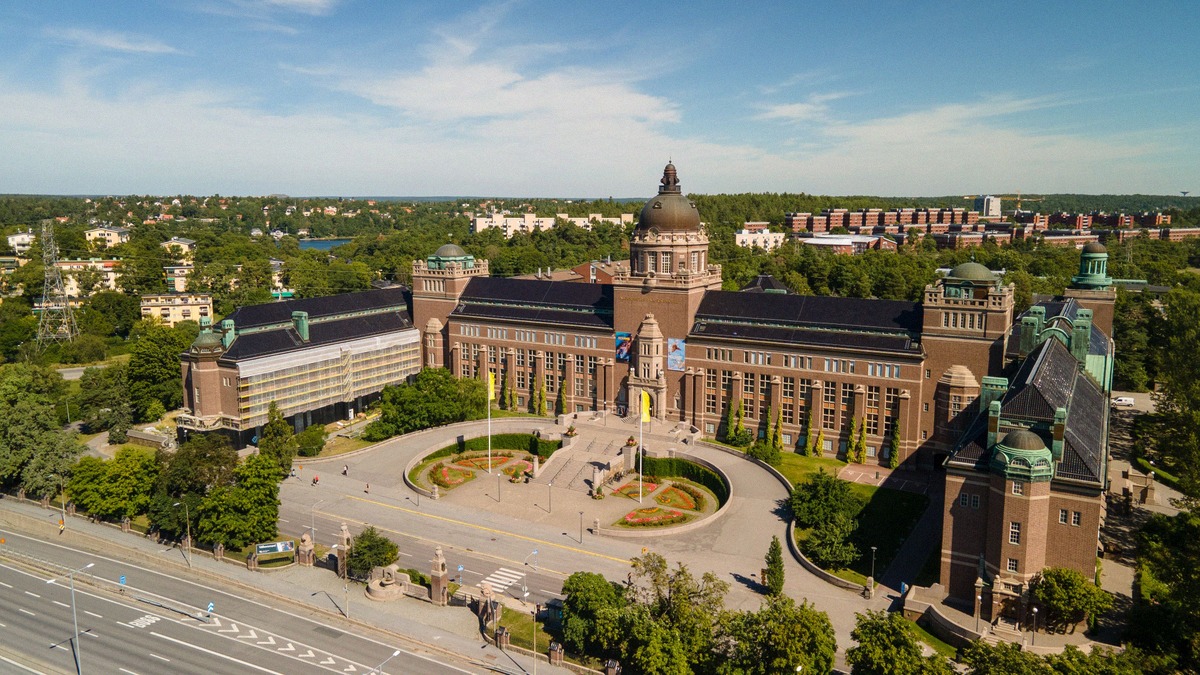
The Swedish Museum of Natural History (Naturhistoriska Riksmuseet) isn't in the city centre - it sits further north at the Frescati campus, next to Stockholm University. It's the largest museum in Sweden and the country's main house of natural history, worth a trip in its own right and easy to combine with a day exploring the green north side of the city.
The collection is housed in a grand, castle-like brick building completed between 1907 and 1918 to designs by architect Axel Andersberg. The museum itself is older: it traces back to the zoological collection of the Royal Swedish Academy of Sciences, founded in 1739, and took its present shape in 1819 when Baron Gustaf von Paykull donated his collection.
What to expect
The visit follows a classic natural history layout and works well for families. The permanent exhibitions cover a wide range:
- Natur i Sverige - Sweden's animal and plant life
- Värld av vatten, the world of oceans and waterways
- Polartrakterna, the Arctic and Antarctic
- Fossil och evolution, fossils, dinosaurs and the development of life
- Den mänskliga resan, the story of humankind
Temporary exhibitions supplement the programme from time to time; for 2026, Birds of Brazil, with watercolours by Jenevora Searight, is scheduled from 13 May to 31 August. The current programme is listed on nrm.se.
Cosmonova - IMAX and planetarium
A standout feature of the museum is Cosmonova, a combined IMAX cinema and planetarium with a domed screen. It's not included in the standard exhibition ticket and needs a ticket of its own. If you want to see both, the combined ticket works out cheaper than buying two separate ones. Showings run on a schedule, so it's worth checking showtimes in advance to fit the exhibitions and the film around each other.
Opening hours, admission and tickets
The museum is open Tuesday to Sunday, closed on Mondays. On weekdays it runs from 11:00 to 17:00, at weekends from 10:00, and from early January to the end of May it also stays open until 21:00 on Thursdays. During Swedish school holidays (sport, Easter and summer holidays) it opens daily from 10:00 to 17:00. It's closed at Midsummer and over Christmas, among other dates.
Admission to the exhibitions costs 170 SEK for adults and 120 SEK for seniors and students. Children and young people aged 2 to 18 go free, which keeps a family visit relatively affordable. Cosmonova costs a separate 160 SEK (child 100 SEK), the combined ticket for the exhibitions plus one show is 260 SEK (child 100 SEK), and an annual pass is 400 SEK. Tickets can be bought in advance online via nrm.se; certain cards (Sveriges Museer, ICOM, LMA) get free or discounted entry.
Best time to visit and getting there
It's quietest on weekday mornings outside the holidays. At weekends and during the sport, Easter and summer holidays it gets noticeably busier, mainly with families. Allow 2 to 3 hours for the exhibitions, or more like 3 to 4 hours with a Cosmonova show.
The address is Frescativägen 40. Take the metro (T-bana, red line) to Universitetet station; buses 50, 540, 670 and 680 also stop nearby. Drivers will find around 300 parking spaces with EV charging points, signposted from Roslagsvägen.
The campus location suits a day in the north of the city well: right next door is the botanic garden Bergianska trädgården. If you'd rather pair natural science with technology in one day, combine it with the Tekniska Museet or the Swedish History Museum. For an overview to help plan your trip, see the guide to Stockholm's attractions at a glance.
Frequently asked questions
What can you see at the Swedish Museum of Natural History? +
How much does admission cost? +
Is Cosmonova included in the admission price? +
How much time should I set aside? +
How do I get to the museum? +
Nearby
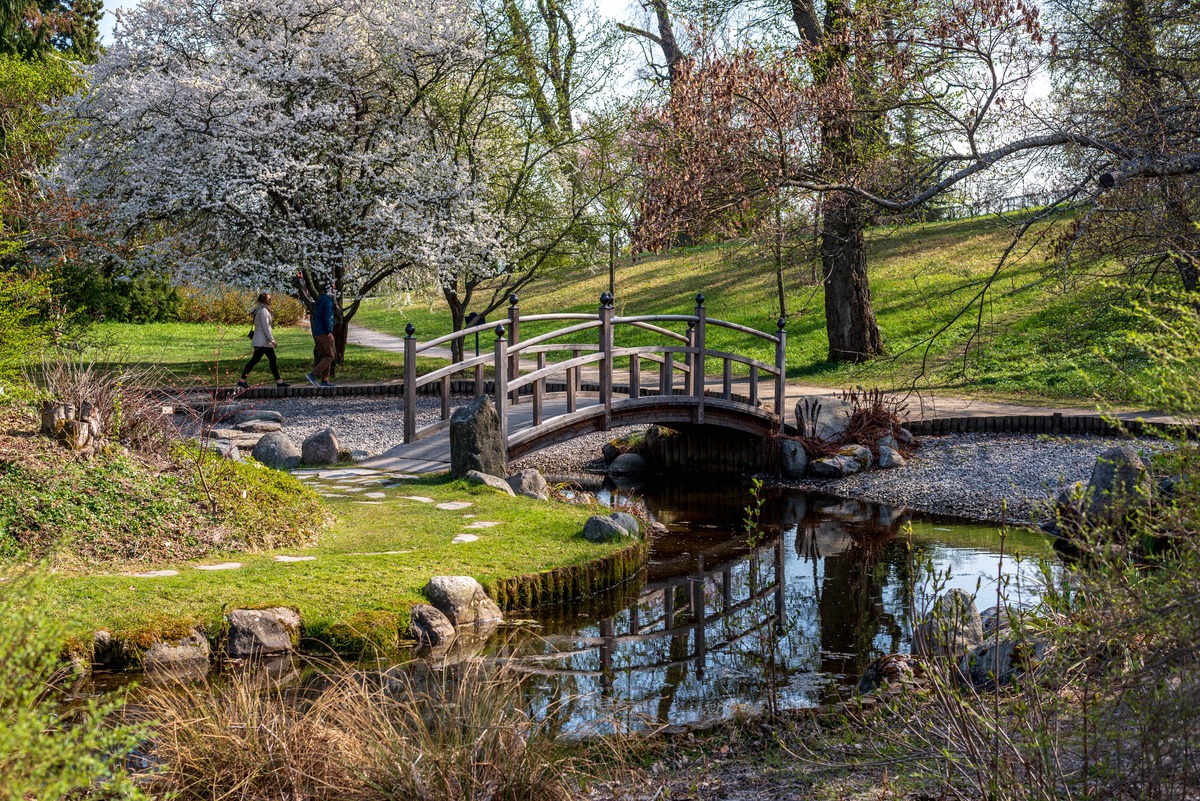
Bergianska trädgården
Stockholm University's botanic garden in Frescati on Lake Brunnsviken, a free outdoor garden plus two glasshouses with Mediterranean flora and giant water lilies.
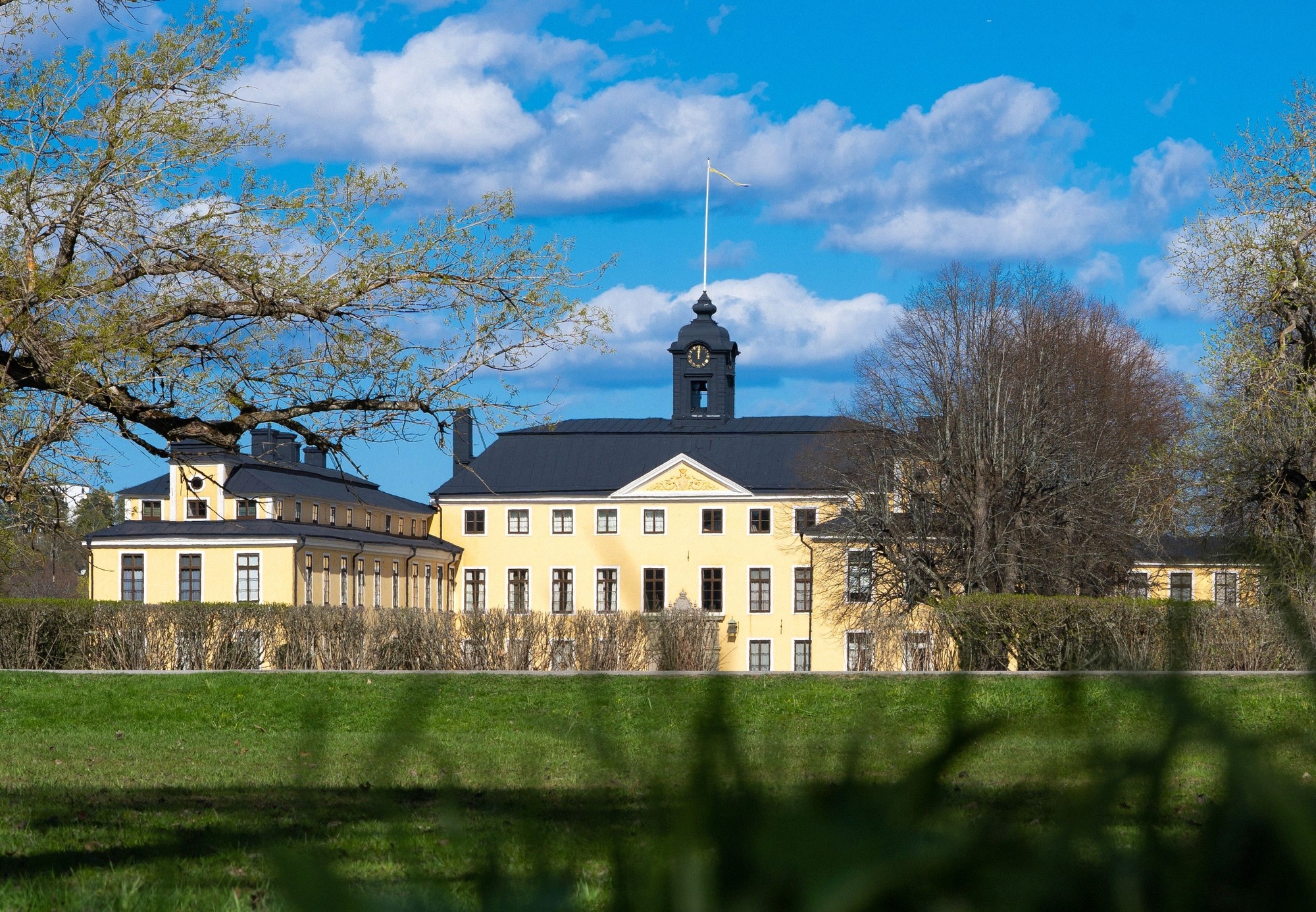
Ulriksdal Palace
Ulriksdals slott is a royal palace on Edsviken bay in the National City Park, with an Orangery Museum, the Confidencen rococo theatre and a free park.
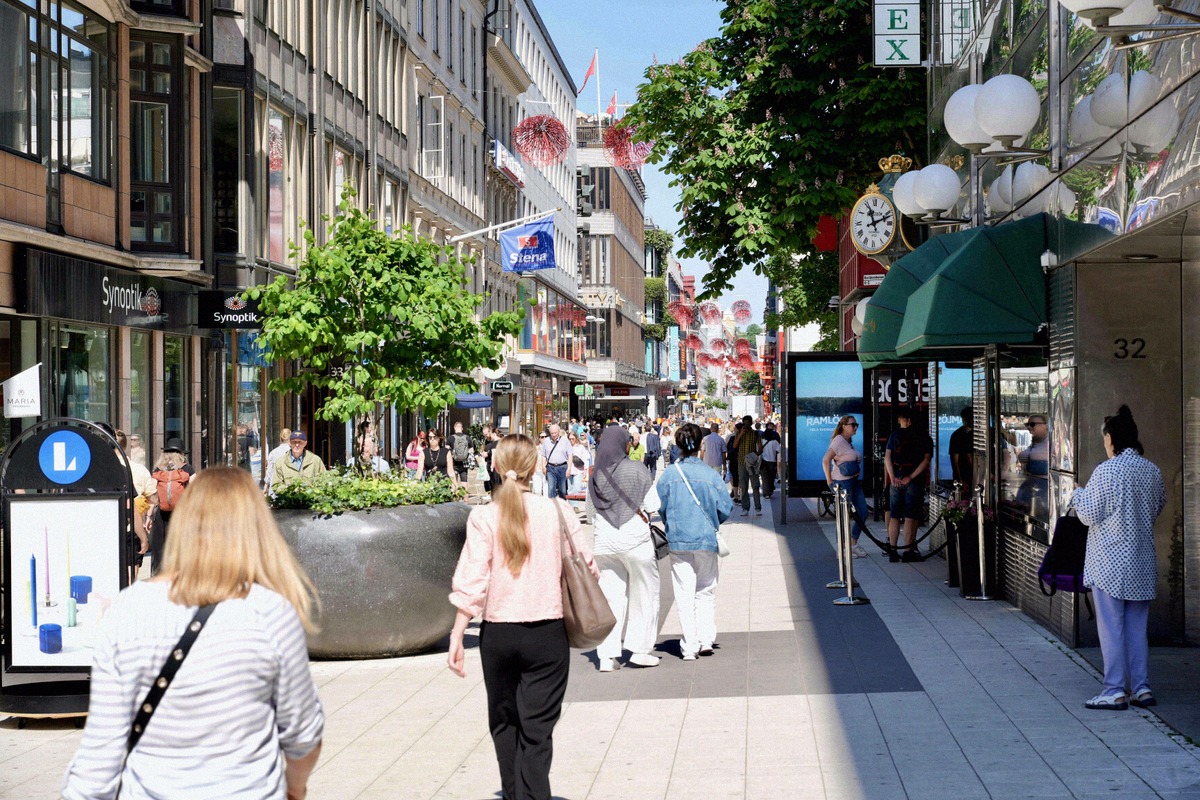
Strindberg Museum
In the Blå Tornet on Drottninggatan you can walk through August Strindberg's faithfully reconstructed last home, three rooms and his library, not museum halls.
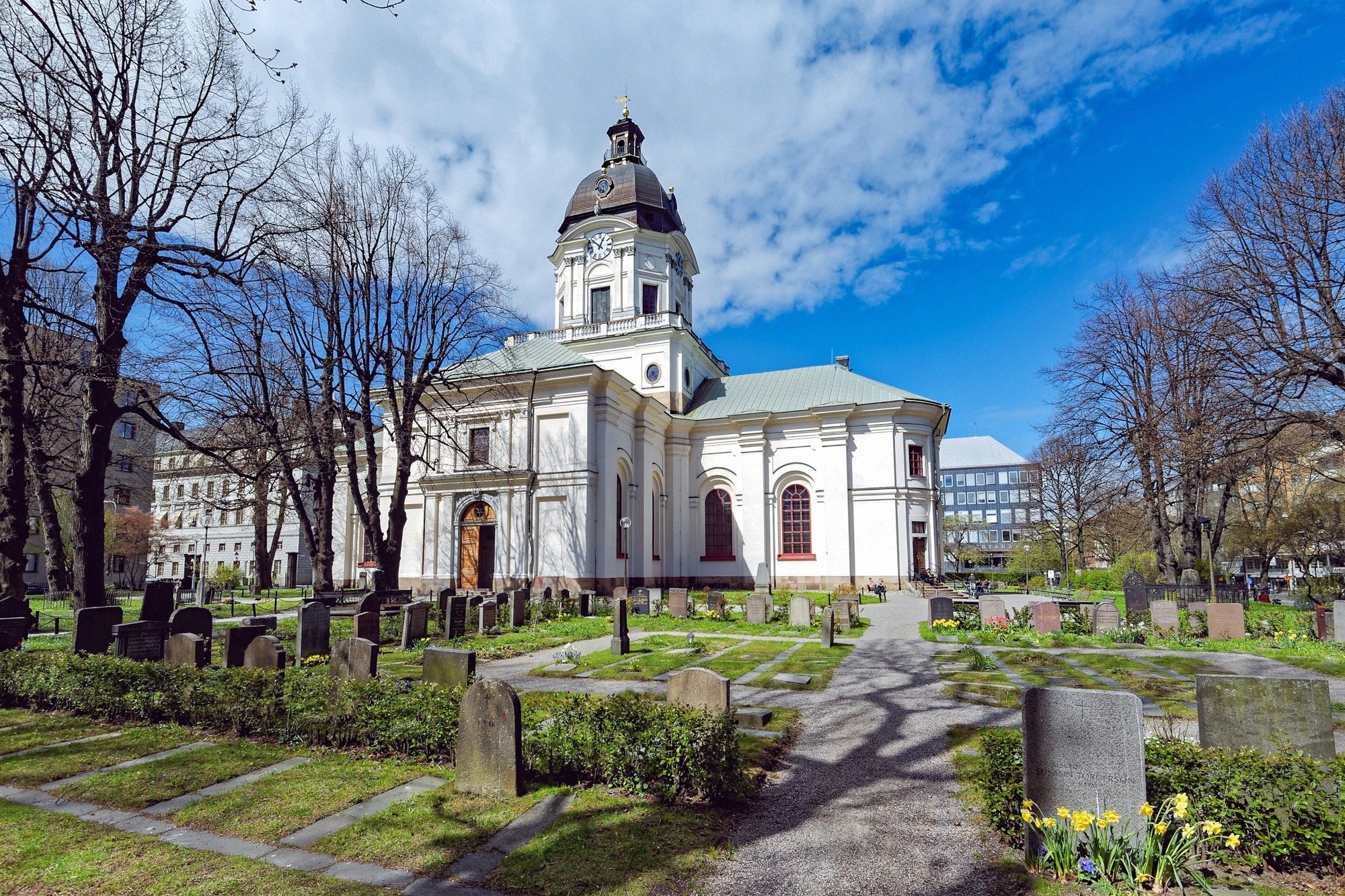
Adolf Fredriks kyrka
Neoclassical parish church in Norrmalm with Sergel's Descartes monument and a churchyard where Olof Palme, Hjalmar Branting and Sergel himself rest.
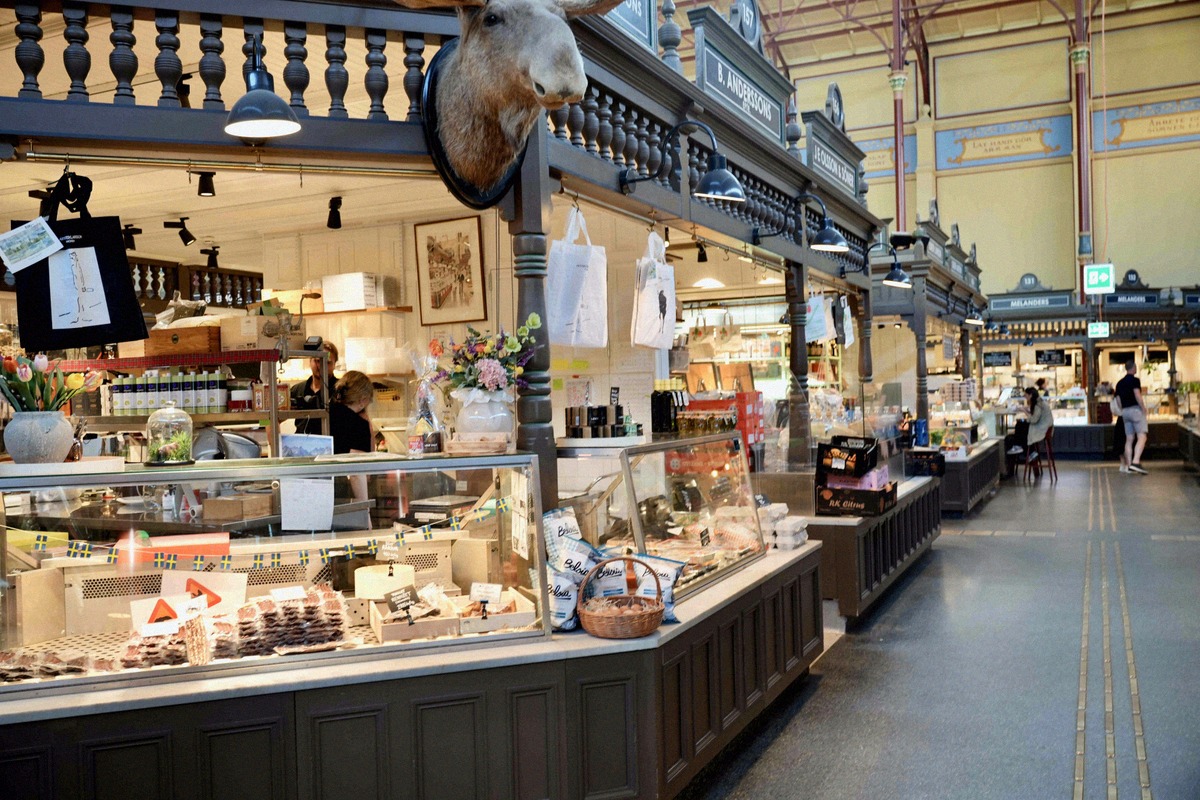
Östermalms Saluhall
Östermalms Saluhall, built in 1888 on Östermalmstorg, is Stockholm's finest market hall, with fish and game counters, cheese, confectionery and a good dozen eateries under one brick roof.
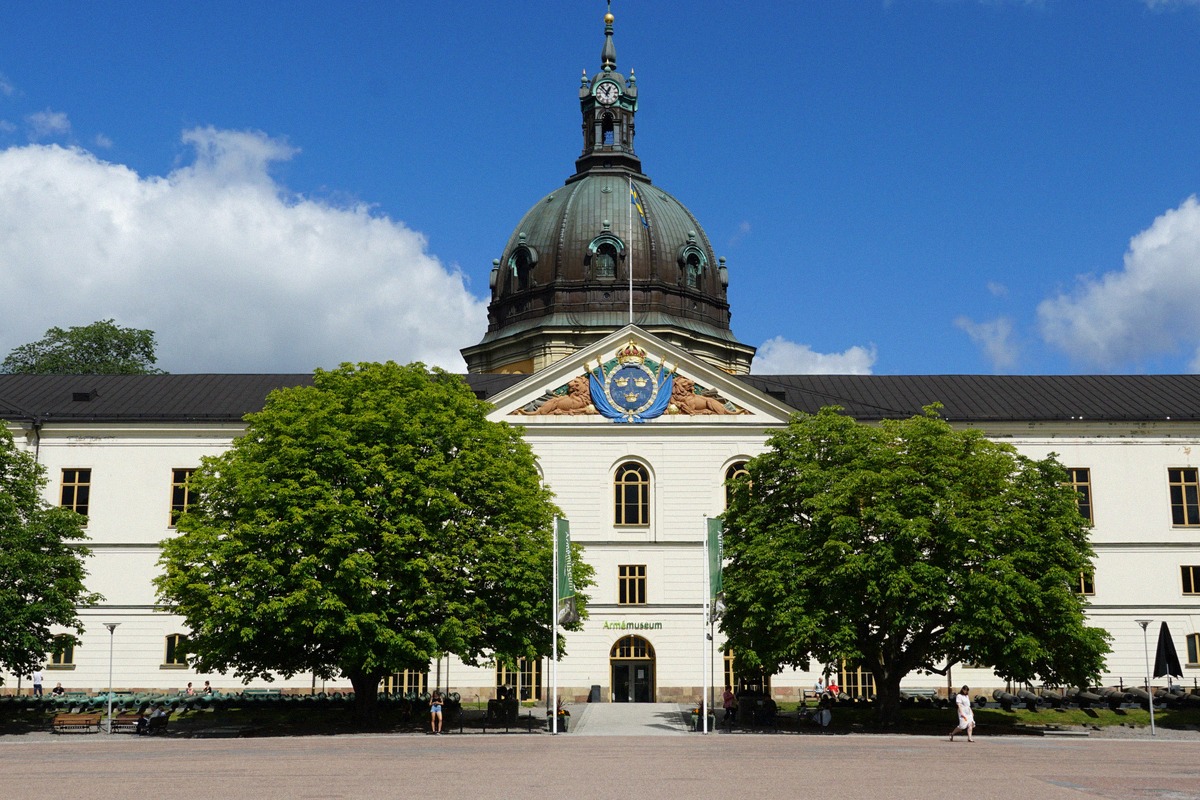
Armémuseum
Sweden's military museum in Östermalm covers military history from the 16th century to today, with over 100,000 objects and a dedicated Raoul Wallenberg room.