Strindberg Museum
Strindberg's last home in the Blå Tornet
In the Blå Tornet on Drottninggatan you can walk through August Strindberg's faithfully reconstructed last home, three rooms and his library, not museum halls.
Contents
A home, not a museum building
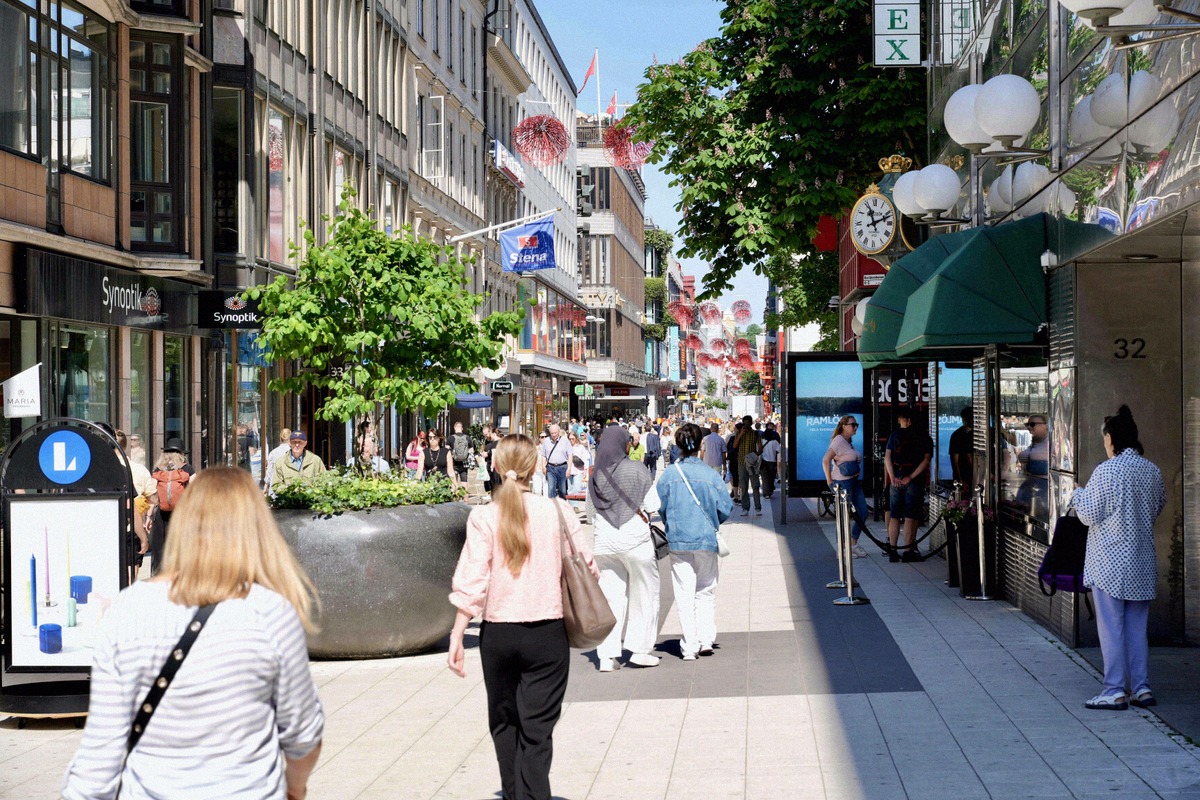
The Strindberg Museum sits in the Norrmalm district on Drottninggatan, right in the upper pedestrian zone. It isn't a purpose-built museum but the last home of August Strindberg in the so-called Blå Tornet ("Blue Tower") at the corner of Drottninggatan and Tegnérgatan. The writer lived here from 1908 until his death in 1912.
That's exactly what makes a visit worthwhile: instead of walking through gallery halls, you walk through the reconstructed rooms where Strindberg worked, read and lived. If you're interested in Swedish literature, this is about as direct an entry point as you'll find to one of its most important authors. On a first, time-limited visit to Stockholm, this small house is more of a targeted stop than a must-see.
August Strindberg and the Blå Tornet
August Strindberg (1849-1912) is regarded as one of Sweden's most important writers, playwright, novelist and painter in one. The Blå Tornet was the last of his many Stockholm addresses. The building takes its name from its originally bluish façade.
The museum is run by the Strindberg Society (Strindbergssällskapet) and opened in 1973. The fact that the flat and its collection trace back to a literary society shapes its character: it's less about grand staging and more about a precise reconstruction of his daily life and working environment.
What to expect
On show are:
- the reconstructed flat, with three rooms furnished as they were in Strindberg's lifetime
- his library on the sixth floor
- changing exhibitions on the writer's life, work and legacy
Labelling is in Swedish; the official website is also available in English. Allow around 45 to 60 minutes for a visit, the house is compact.
Opening hours, admission and tours
Open Tuesday to Sunday, 12:00-16:00, closed on Mondays. The museum is also closed on 1 May, 6 June (National Day), over Midsummer (20 to 22 June), and over Christmas and New Year. There are no other seasonal opening times.
Admission costs 120 SEK for adults, with a concession rate of 80 SEK for students, seniors and the unemployed. Children and young people up to and including age 19 go free. Tickets are sold on site; there's no official online booking for individual tickets.
A public tour runs Thursday to Sunday at 13:00, for a 25 SEK supplement. Bookable group tours are available in Swedish (roughly 1,000 SEK for an adult group, plus 120 SEK per person), and the museum also offers themed city walks. Dates and bookings go through strindbergsmuseet.se.
Getting there and accessibility
The address is Drottninggatan 85. The nearest Tunnelbana (metro) station is Rådmansgatan, Sveavägen/Tegnérgatan exit, a few minutes' walk from there; Drottninggatan itself is a pedestrian street. It's quietest on weekdays shortly after opening at noon.
The building is only partly accessible. There is a lift (door opening 62 cm, cabin 1 m by 91 cm), though five steps lead up to it; a wheelchair ramp is available on request. The flat and exhibition are on the fourth floor, the library on the sixth. The museum is not fully accessible - if you rely on step-free access, it's best to call ahead.
Combine it with
The Strindberg Museum sits centrally in Norrmalm and pairs well with a stroll along Drottninggatan and a detour into Kungsträdgården. If you're after more Swedish cultural and art history, combine it with the Swedish History Museum or the palatial Hallwyl Museum in Östermalm. For an overview of your day planning, see the guide which sights in Stockholm are worth your time.
Frequently asked questions
What is there to see at the Strindberg Museum? +
How much does admission cost? +
When is it open? +
Are there guided tours? +
How much time should I set aside? +
How do I get to the Strindberg Museum? +
Is the museum accessible? +
Nearby
Adolf Fredriks kyrka
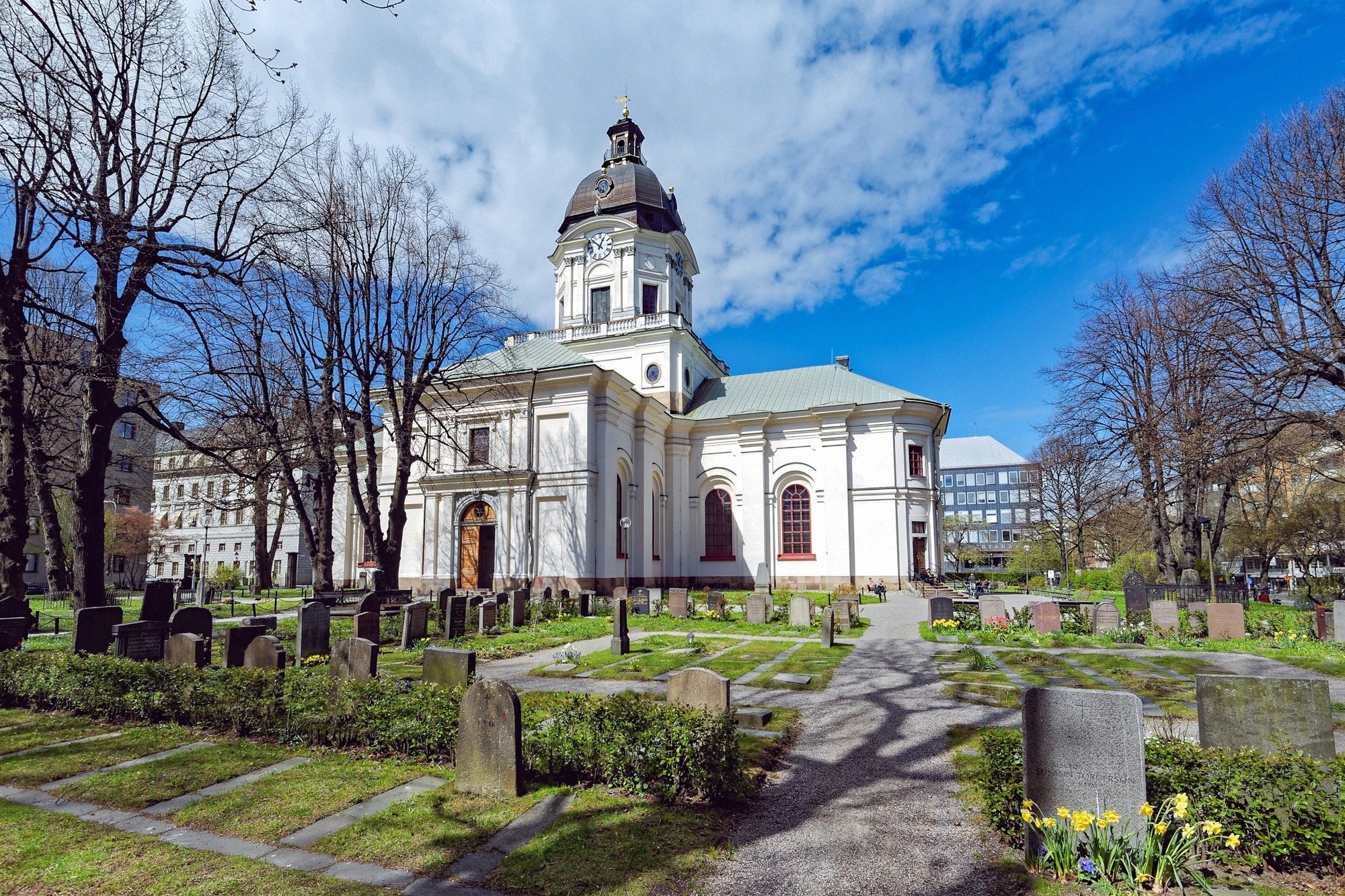
Neoclassical parish church in Norrmalm with Sergel's Descartes monument and a churchyard where Olof Palme, Hjalmar Branting and Sergel himself rest.
Hallwylska Palatset
A fully preserved city palace from around 1900 in Östermalm, from grand salons and a library to bathrooms with running water and a telephone, all original.
Kungsträdgården
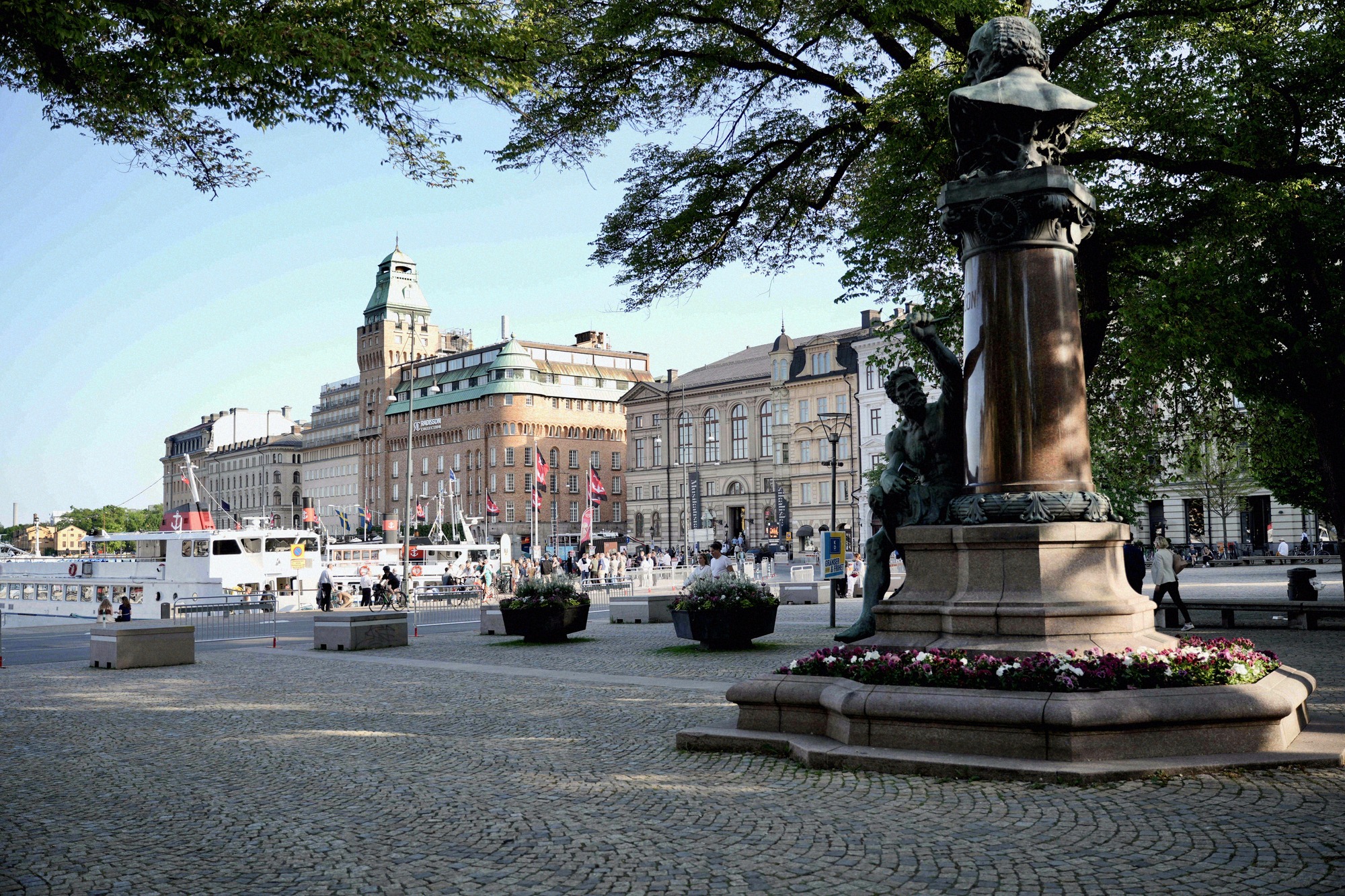
This central "King's Garden" in Norrmalm is Stockholm's green living room, a sea of cherry blossom in spring, an ice rink in winter, free to enter and full of events year-round.
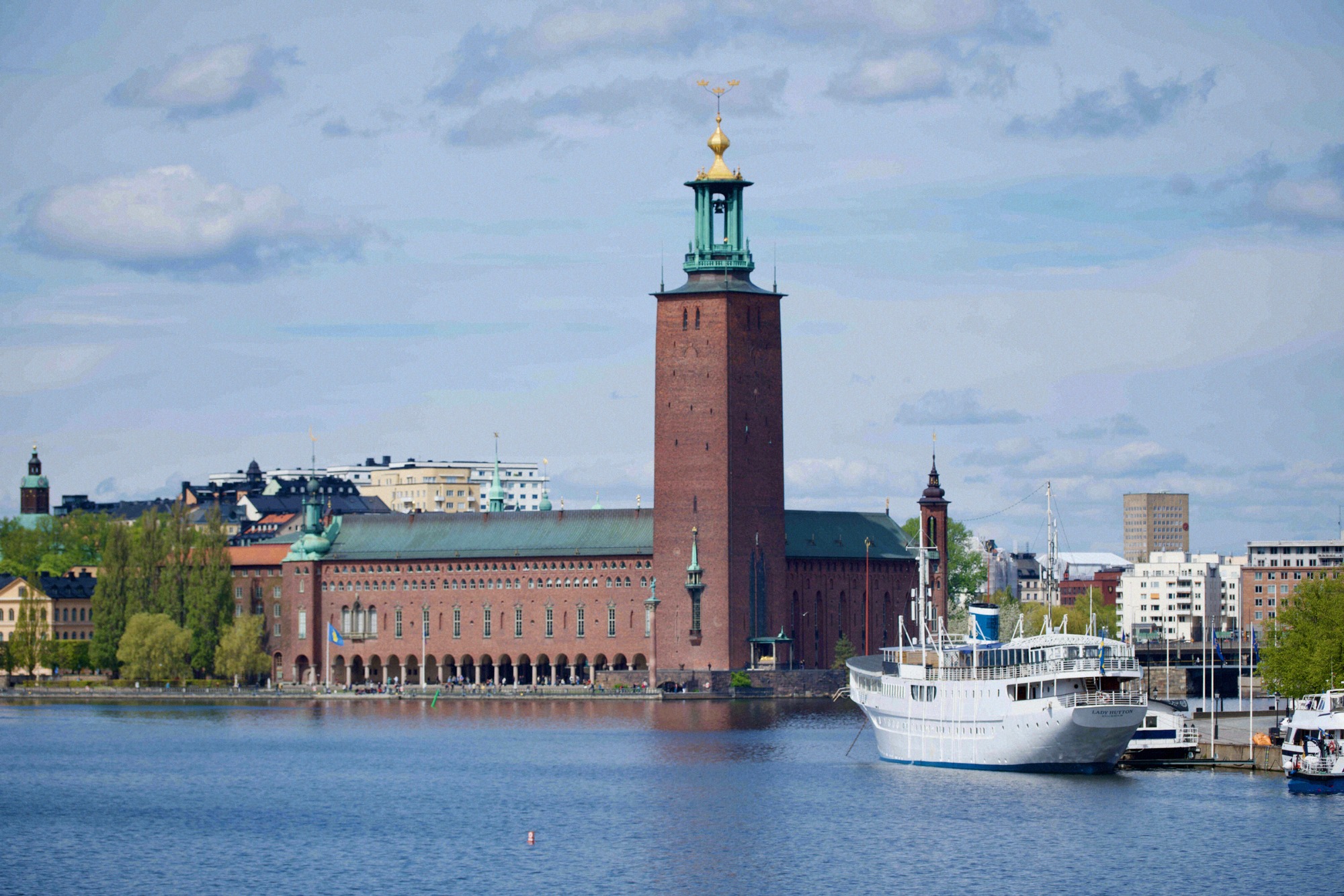
Stockholm City Hall
The waterfront brick town hall on Kungsholmen, in Swedish Stockholms stadshus: setting for the Nobel Banquet, interior by guided tour only, with a tower climb in summer.
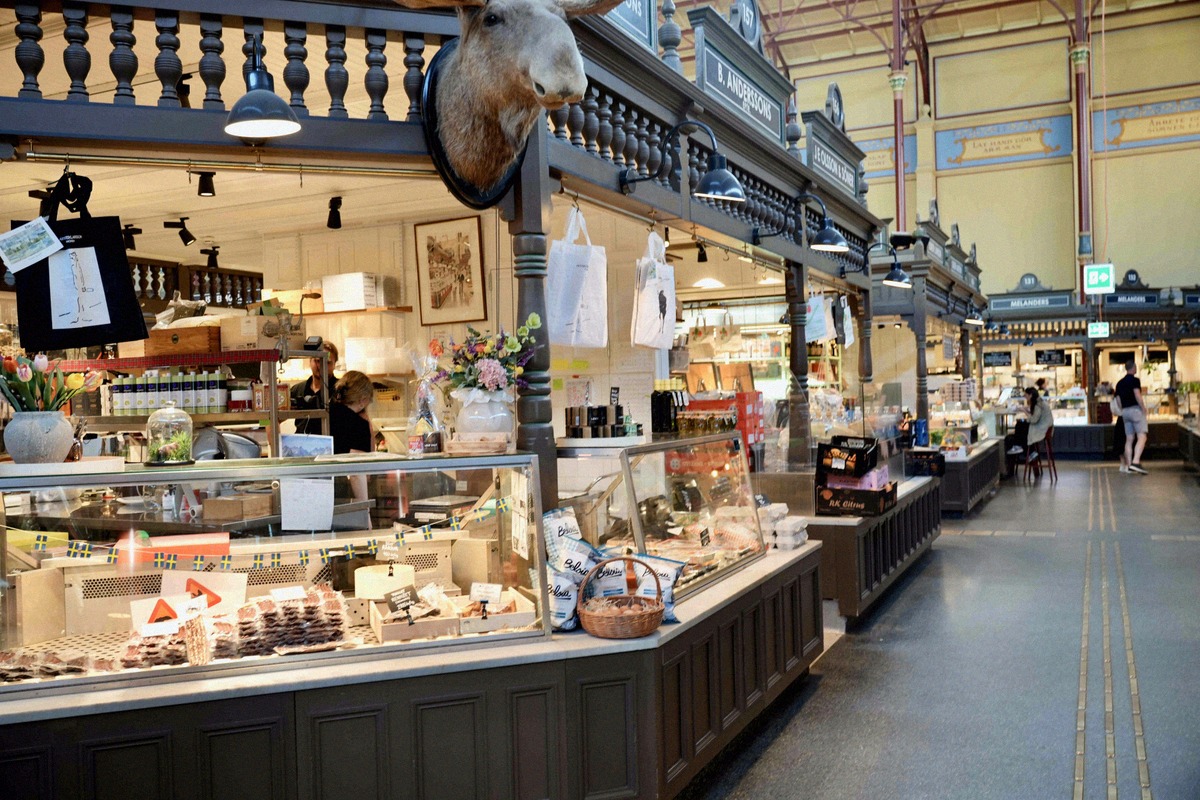
Östermalms Saluhall
Östermalms Saluhall, built in 1888 on Östermalmstorg, is Stockholm's finest market hall, with fish and game counters, cheese, confectionery and a good dozen eateries under one brick roof.
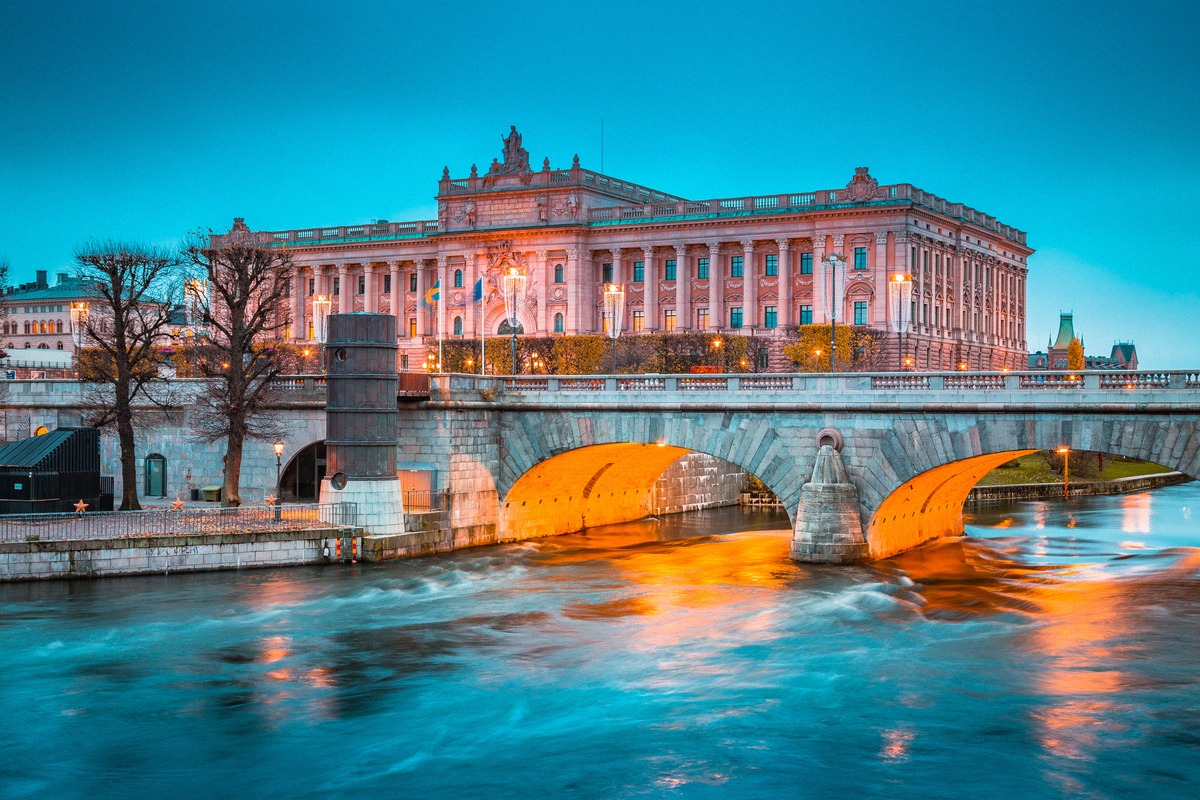
Medeltidsmuseet
Medeltidsmuseet, Stockholm's medieval history museum beneath the Norrbro on Helgeandsholmen, is currently open only as a seasonal pop-up in Gamla Stan.