
Medeltidsmuseet
The museum of medieval Stockholm is moving and runs guided tours in Gamla Stan
The exhibition under Norrbro has been cleared out, and the Nobel Prize Museum still occupies the future rooms in Börshuset on Stortorget. In the meantime the museum runs tours through the lanes of the old town and into two historic rooms.
Contents
Medeltidsmuseet currently has no exhibition building, but it does have a programme: city walks, talks and guided visits to two historic rooms in Gamla Stan. The galleries under Norrbro have been closed since 5 November 2023, and there is no date yet for the opening of the new museum in Börshuset. The programme suits anyone who wants to get to know Stockholm's Middle Ages with a guide. Without a booking, you can still find walls and vaults from this period in the palace cellars and in Storkyrkan (Stockholm Cathedral).
From the excavation at Riksplan to Börshuset
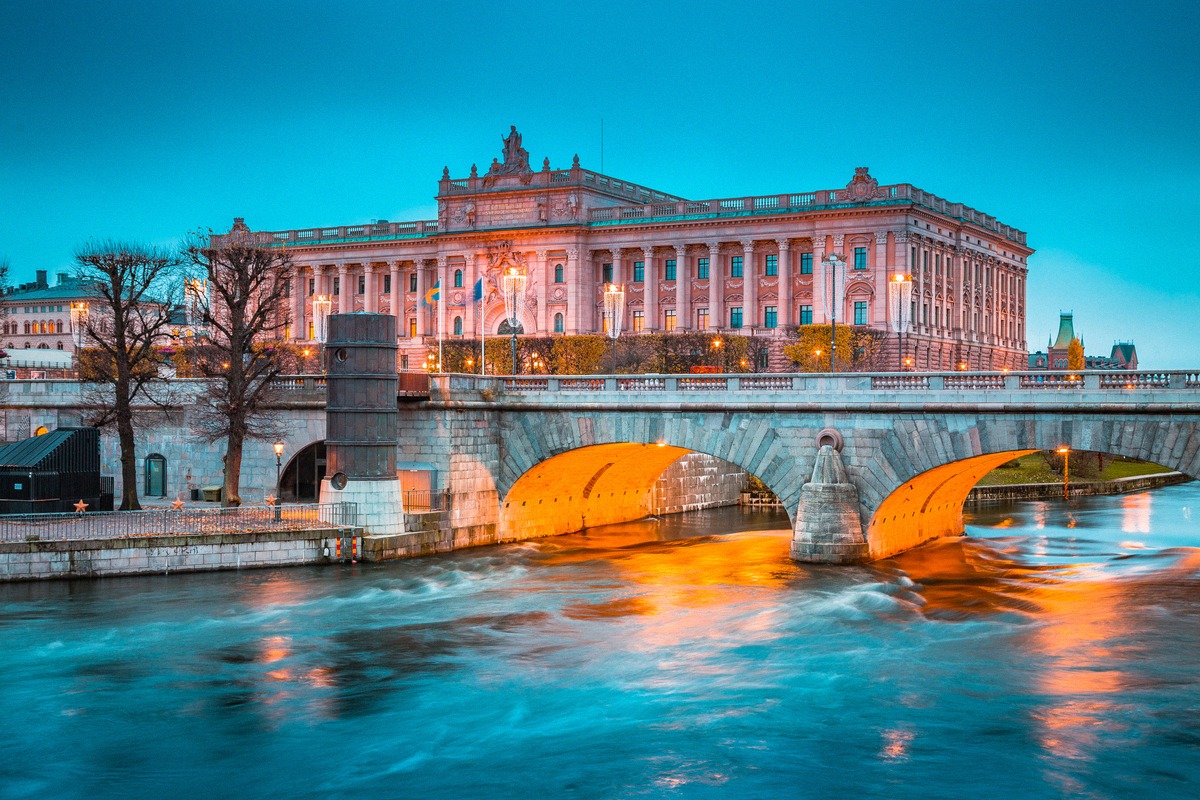
The museum grew out of a find made during construction work. Between 1978 and 1980 an underground car park was to be built in front of the Riksdag on Helgeandsholmen. Instead, archaeologists uncovered remains of the medieval city there. The car park was abandoned, and on 22 May 1986 Stockholms medeltidsmuseum opened on the excavation site, under Norrbro and built directly around the finds.
Visitors walked along a stretch of the city wall that Gustav Vasa had built in 1530 and saw the 14th-century cemetery of the Helgeandshus, where around 2,800 skeletons were recovered. The largest object was the Riddarholm ship, a wreck more than 20 metres long that had been found in 1930. In all, the museum displayed around 850 objects across 1,750 m². The Riksdag administration is taking over the rooms, and the museum had cleared them completely by 2024.
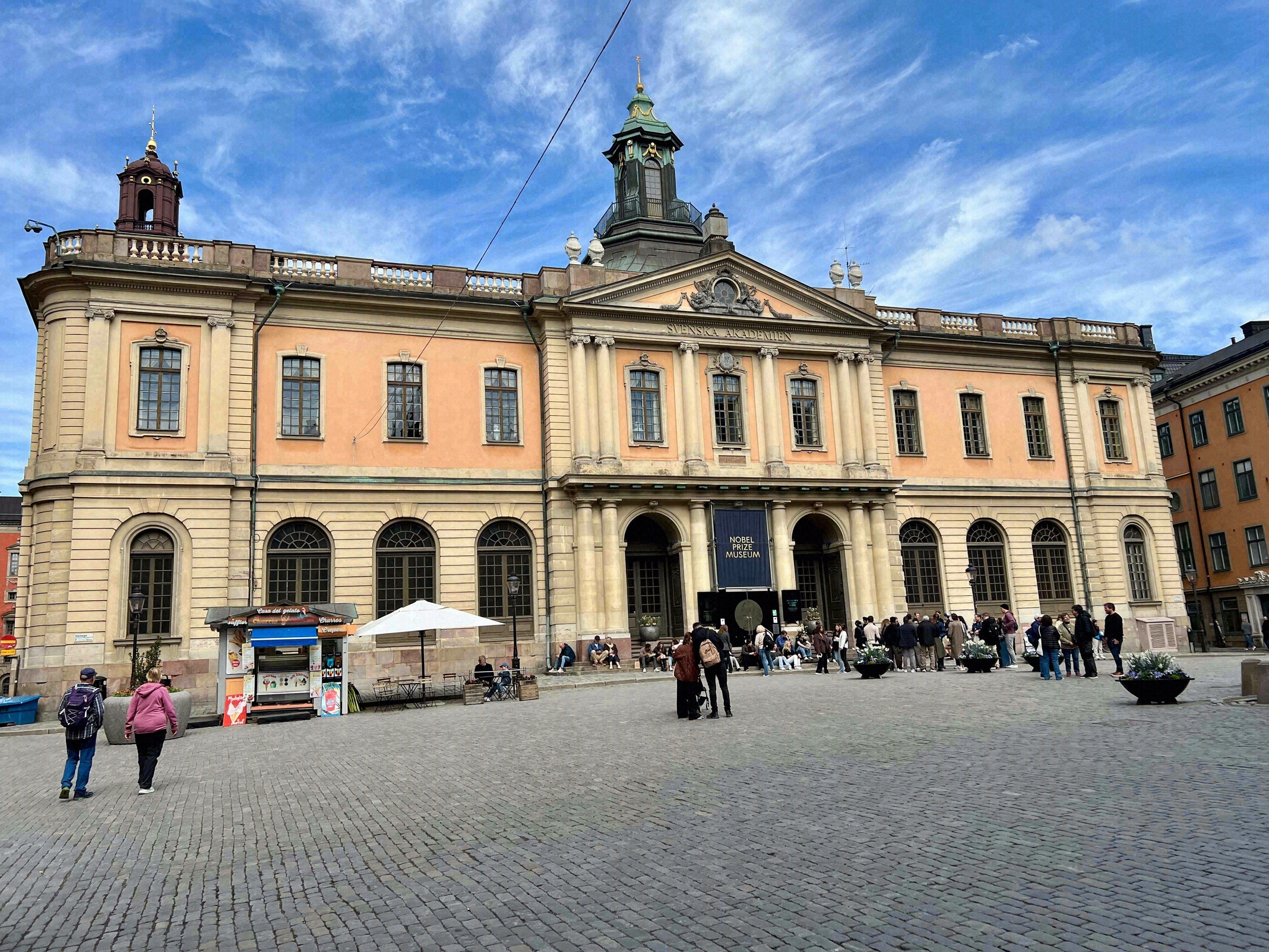
The new location will be Börshuset on Stortorget, between medieval Storkyrkan and Köpmangatan, the oldest street in Stockholm.
Monastery cellar and the wine porters' guild room
The museum looks after two places in Gamla Stan on a permanent basis. Behind a small black iron door lies Svartbrödraklostrets härbärge: two cellar rooms under seven brick vaults, the only visible remains of the Dominican monastery. King Magnus Eriksson gave the order the plot in 1336. The monks were called Svartbröder, Black Friars, after the black cloak they wore over their white habit. In the Middle Ages pilgrims came to see an altarpiece of gilded silver showing the Descent from the Cross. Whether the cellars served these pilgrims as lodgings, as the name härbärge suggests, is not certain.
The second room is on Stora Hoparegränd, in a house from the late 16th century. From 1818 to 1930 this was the meeting place of the vindragare, the wine porters who hauled the barrels from the ships in the harbour to the city's wine cellars, which were licensed to store and sell wine. Until the 19th century every craftsman had to belong to the guild of his trade. The wine porters' guild had existed since the Middle Ages and was the last in Sweden, only dissolving in the 1930s. The meeting room has remained unchanged ever since, and their tools can still be seen there. Public tours of both rooms last about an hour; during Advent, for example, there are Christmas tours of the monastery cellar and the wine porters' room. Dates, times and prices are listed in the museum's events calendar.
City walks and talks in Gamla Stan
Until the move, the museum mostly works outdoors. The city walks are aimed at adults, children and groups, and for these the museum works with Museum Tre Kronor, Storkyrkan and the Nobel Prize Museum. Talks take place in Nicolaisalen on Själagårdsgatan, the same street as the Jewish Museum, so you can combine a talk with a visit there. Some talks are given in English.
The Middle Ages without booking: the palace and Storkyrkan
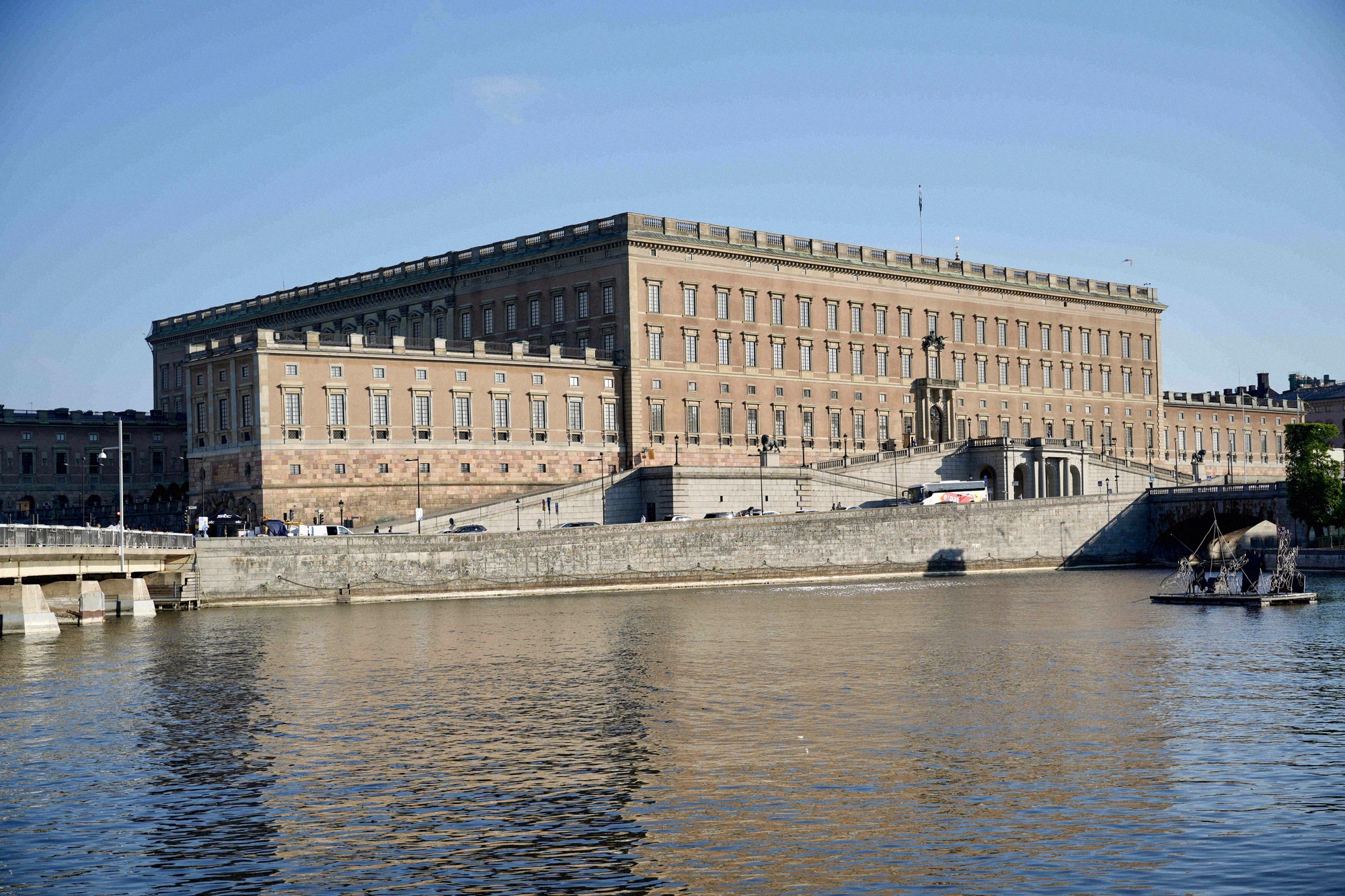
Without a booked tour, the closest you get to medieval Stockholm is the cellar of the Royal Palace. Museum Tre Kronor there shows remains of Tre Kronor castle, which burned down in 1697, sections of the 13th-century defensive walls and objects rescued from the fire. The same ticket also gets you into the palace's state apartments.
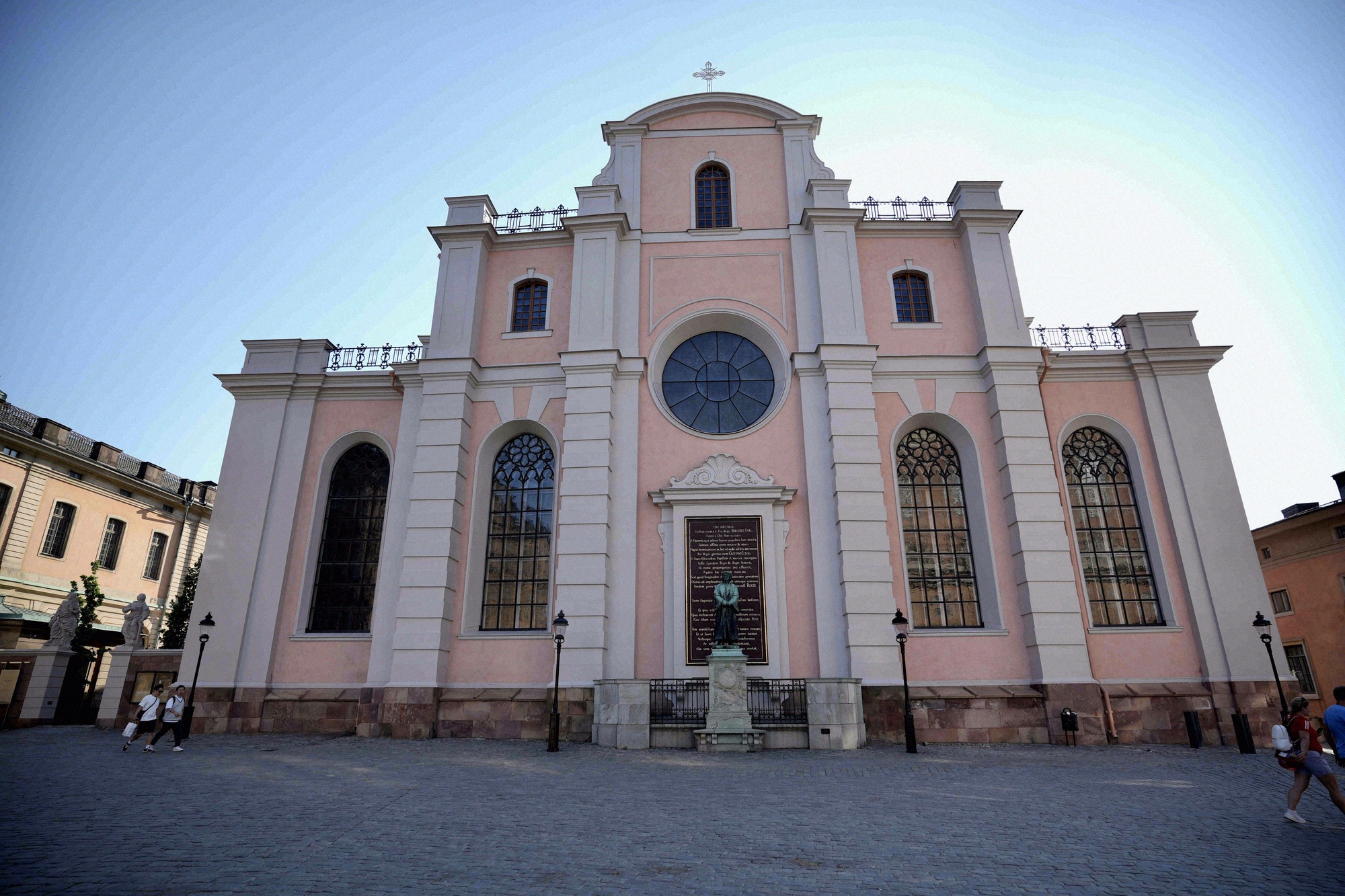
Right next to the palace stands Storkyrkan, first mentioned in a will in 1279. In the 14th and 15th centuries it grew into a five-aisled brick hall church, and its Gothic interior has survived. Inside hangs Vädersolstavlan, one of the oldest known images of the city. It shows the sun dogs of April 1535, and the painting you see today is a copy made in 1636 or shortly before. From there it is only a few steps to Stortorget and the future museum in Börshuset.
Frequently asked questions
When will the new Medeltidsmuseet open in Börshuset? +
Can I visit the monastery cellar or the wine porters' room without a guided tour? +
What was Medeltidsboden? +
Are there tours for children and families? +
Nearby
Royal Palace
The Royal Palace (Kungliga slottet) in Gamla Stan is both the King's workplace and a museum, with Royal Apartments, a silver throne in the Hall of State, the crown jewels and the remains of Tre Kronor Castle.
Storkyrkan (Stockholm Cathedral)
Behind the Baroque façade of Storkyrkan lies a medieval brick interior with St George fighting the dragon and the oldest colour image of Stockholm.
Stortorget
On Stortorget, Christian II had around 90 people executed in 1520. Today colourful gabled houses and Börshuset with the Nobel Prize Museum frame the square in Gamla Stan.
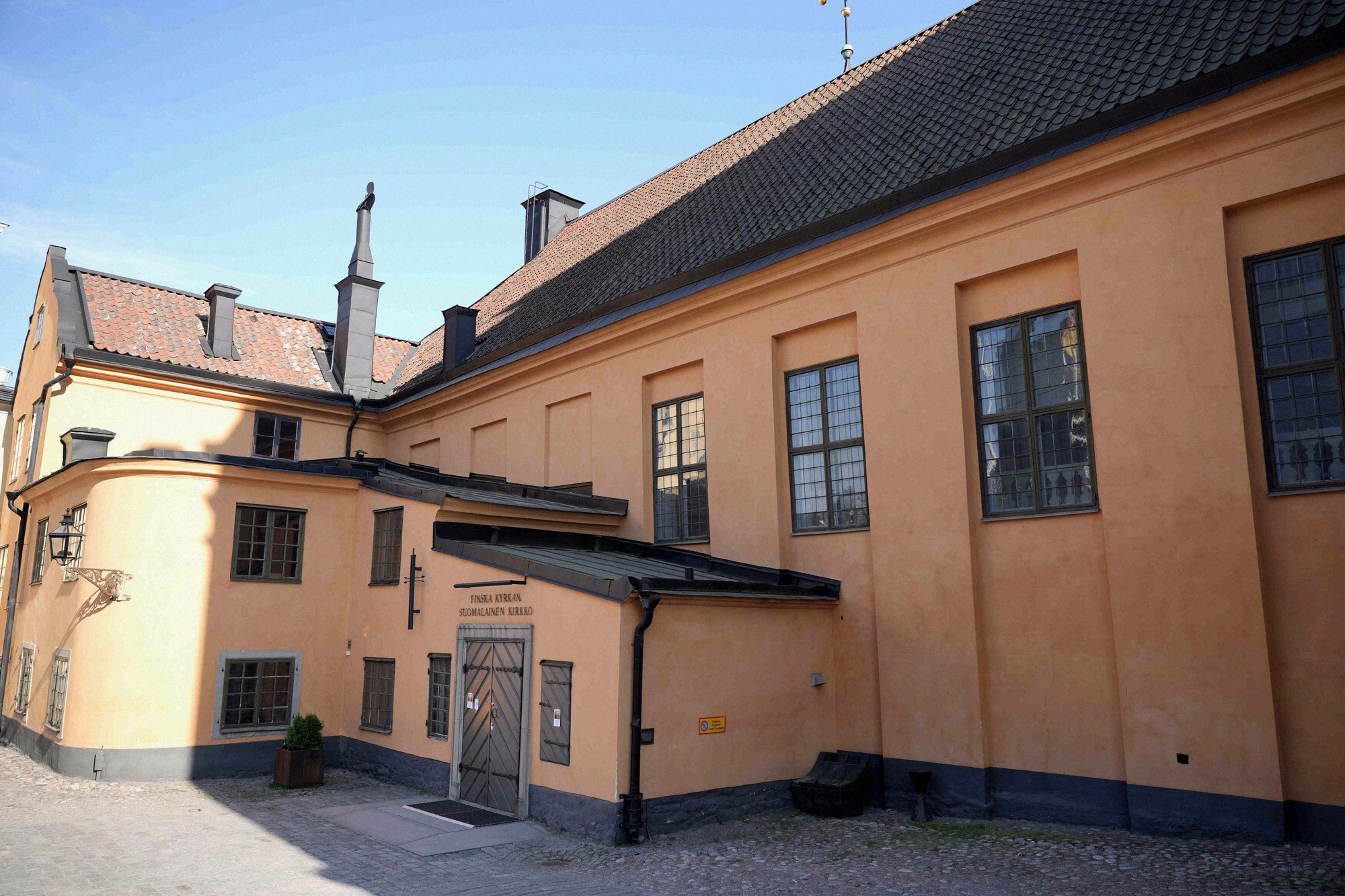
Finnish Church (Finska kyrkan)
Former royal ball-game hall on Slottsbacken, the Finnish congregation's church since 1725, with the Järnpojke in Bollhustäppan behind it.
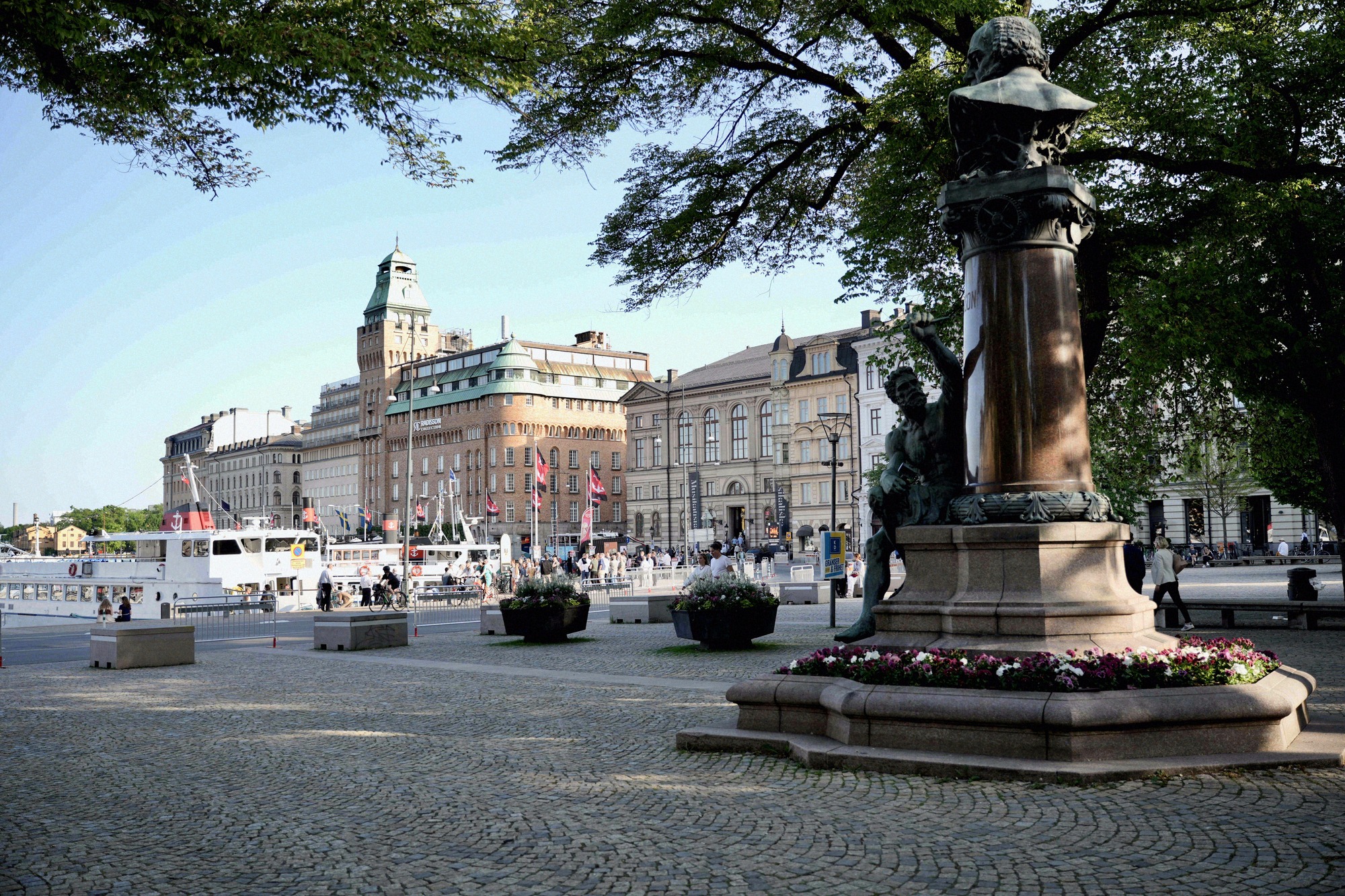
Kungsträdgården
Kungsträdgården is Stockholm's most central park and free to enter. In April its 63 cherry trees blossom, and from November to March an ice rink surrounds the statue of Karl XIII.
Nobel Prize Museum
The Nobel Prize Museum on Stortorget shows what laureates have given to the museum, including the scarf Malala Yousafzai wore at the UN on her 16th birthday.