
Thielska Galleriet
Nordic art around 1900 on Djurgården
Art museum in a villa on Djurgården - Nordic art around 1900 by Munch, Carl Larsson and Liljefors, plus a sculpture park, café and Baltic Sea views at Blockhusudden.
Contents
A villa full of Nordic art
Thielska Galleriet sits at the far eastern tip of Djurgården, on the headland of Blockhusudden, well away from the bustle of the central museum island. The building is no purpose-built museum but the former private villa of the banker Ernest Thiel, set in a park right on the water. That mix of home, garden and Baltic Sea views makes a visit here quieter and more personal than at the city's larger institutions.
Inside hangs one of the finest privately assembled collections of Nordic art from around 1900. If you're interested in Scandinavian painting of this period, you'll find more of it concentrated here than almost anywhere else in Stockholm. On a short first visit to the city, the museum's location on the edge of Djurgården makes it a bit of a detour, but for art lovers with time to spare, it's well worth the trip.
The banker Ernest Thiel
The story behind the house is as distinctive as the building itself. Ernest Thiel (1859-1947), son of a Belgian father and a German-Jewish mother, was one of the wealthiest men in Sweden around the turn of the century. He was close friends with many Scandinavian artists of his day and bought their work extensively, the villa was built specifically to display the resulting collection.
Thiel lost most of his fortune during the First World War and was forced to sell the house and collection to the Swedish state. Thielska Galleriet has been open to the public as a museum since 1926. Because the building and its holdings trace back to a single collector, the rooms still feel curated rather than laid out to a strict scheme.
What to expect
The heart of the collection is Nordic art from the turn of the 20th century, including:
- Carl Larsson, with bright, domestic scenes
- Bruno Liljefors, Sweden's great painter of animals and nature
- Eugène Jansson, known for his blue night-time views of Stockholm
- several works by Edvard Munch, a personal friend of Thiel's
The lower floor hosts rotating special exhibitions, so a repeat visit can be worthwhile even years later. A sculpture park overlooking the Baltic Sea surrounds the villa, reason enough on its own to come on a fine day. Inside, the Café Augusta på Thielska serves soups, salads, sandwiches and pastries; in summer you can sit outside in the park.
Opening hours, admission and tickets
The museum is open Tuesday to Sunday from 12:00 to 17:00, and closed on Mondays. From May to October, Thursday hours are extended to 20:00. It's closed on several public holidays and for two maintenance days in June each year, the exact closure dates for 2026 are listed on the official website.
Admission costs 160 SEK for adults and 140 SEK for students and seniors aged 65 and over. Children and young people under 19 get in free, and groups of 10 or more pay 130 SEK per person. An annual pass costs 350 SEK. Tickets are normally sold on-site at the desk; check thielskagalleriet.se for current hours and prices.
General guided tours (around 30 minutes, in Swedish) are included in admission, run without advance booking subject to space, and can be joined at the ticket desk. Pre-booked group tours of the collection, special exhibition or sculpture park last about an hour and cost 2,000 to 3,500 SEK plus admission, with a surcharge of 500 SEK for tours in a foreign language.
Getting there and best time to visit
The address is Sjötullsbacken 8 on Blockhusudden, at the eastern end of Djurgården. Bus 69 towards Blockhusudden stops almost right outside. In summer, the Sjövägen ferry service also runs to Blockhusudden and accepts the standard SL public transport ticket. Alternatively, take the tram to Waldemarsudde and walk the remaining 30 minutes or so. A few parking spaces sit right by the museum, with more near the bus stop at a pay-and-display machine; these only take cash or card, not Swish (the Swedish mobile payment app).
The quietest time is mornings at opening, 12:00; summer weekends are the busiest. 1 to 2 hours is usually enough for the collection and special exhibition, a little more with a walk in the park.
Combining with Djurgården
Blockhusudden lies at the quiet end of Djurgården, and the route there passes several other museums along the way. On the way back, it's easy to take in Liljevalchs Konsthall for changing art exhibitions or the Nordiska Museet for Swedish cultural history. If you're planning a museum day on Djurgården, Thielska Galleriet pairs well with the Vasa Museum, the open-air museum Skansen and the ABBA Museum. For an overview of the island, see the neighbourhood guide to Djurgården, and for planning your days, see the city's most important sights.
Frequently asked questions
What can you see at Thielska Galleriet? +
How much does admission cost? +
What are the opening hours? +
How do you get to Thielska Galleriet? +
How much time should you allow? +
Nearby
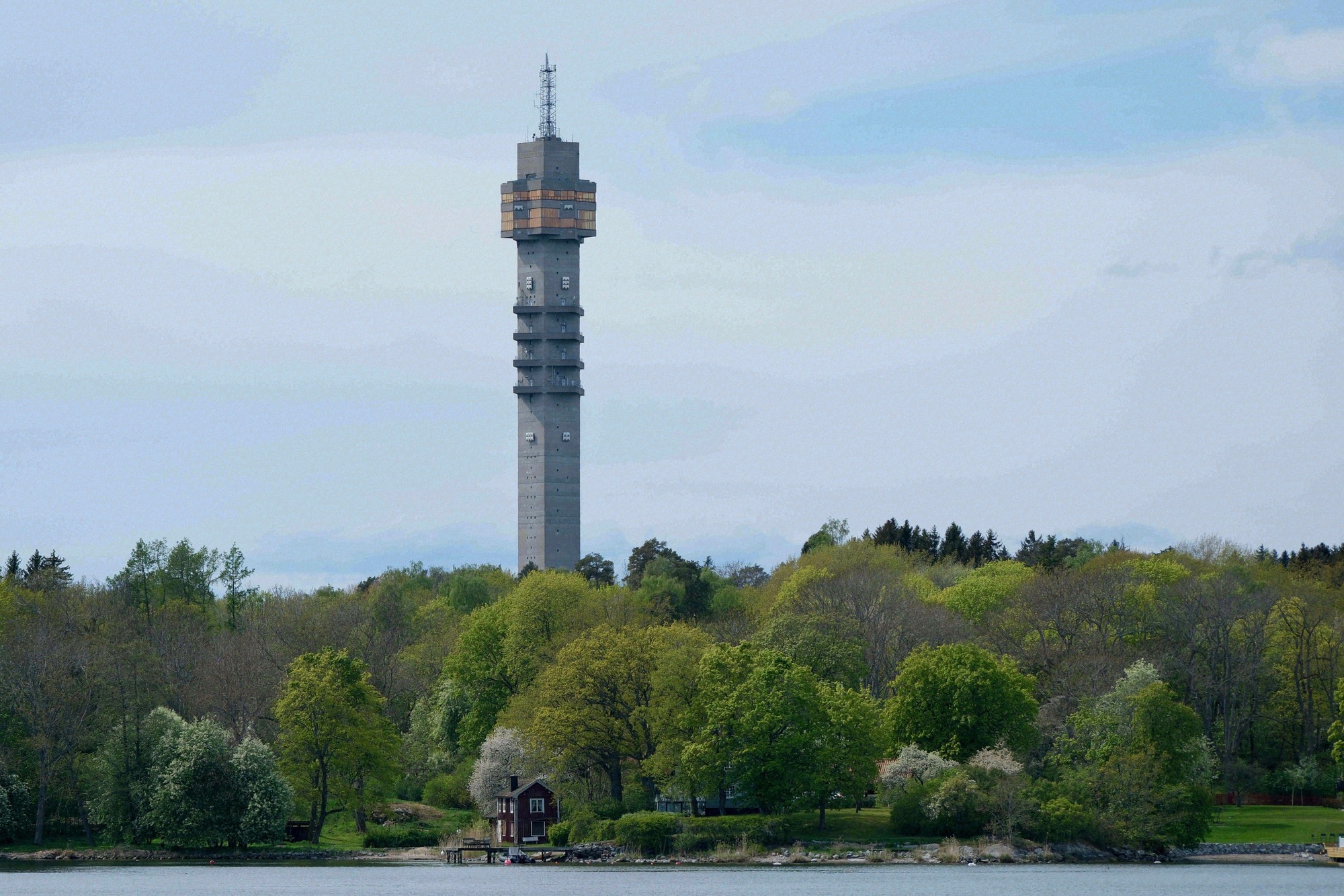
Kaknästornet
The 155-metre television tower in Gärdet was long Stockholm's best viewpoint. Since 2018, Kaknästornet has been permanently closed to visitors.
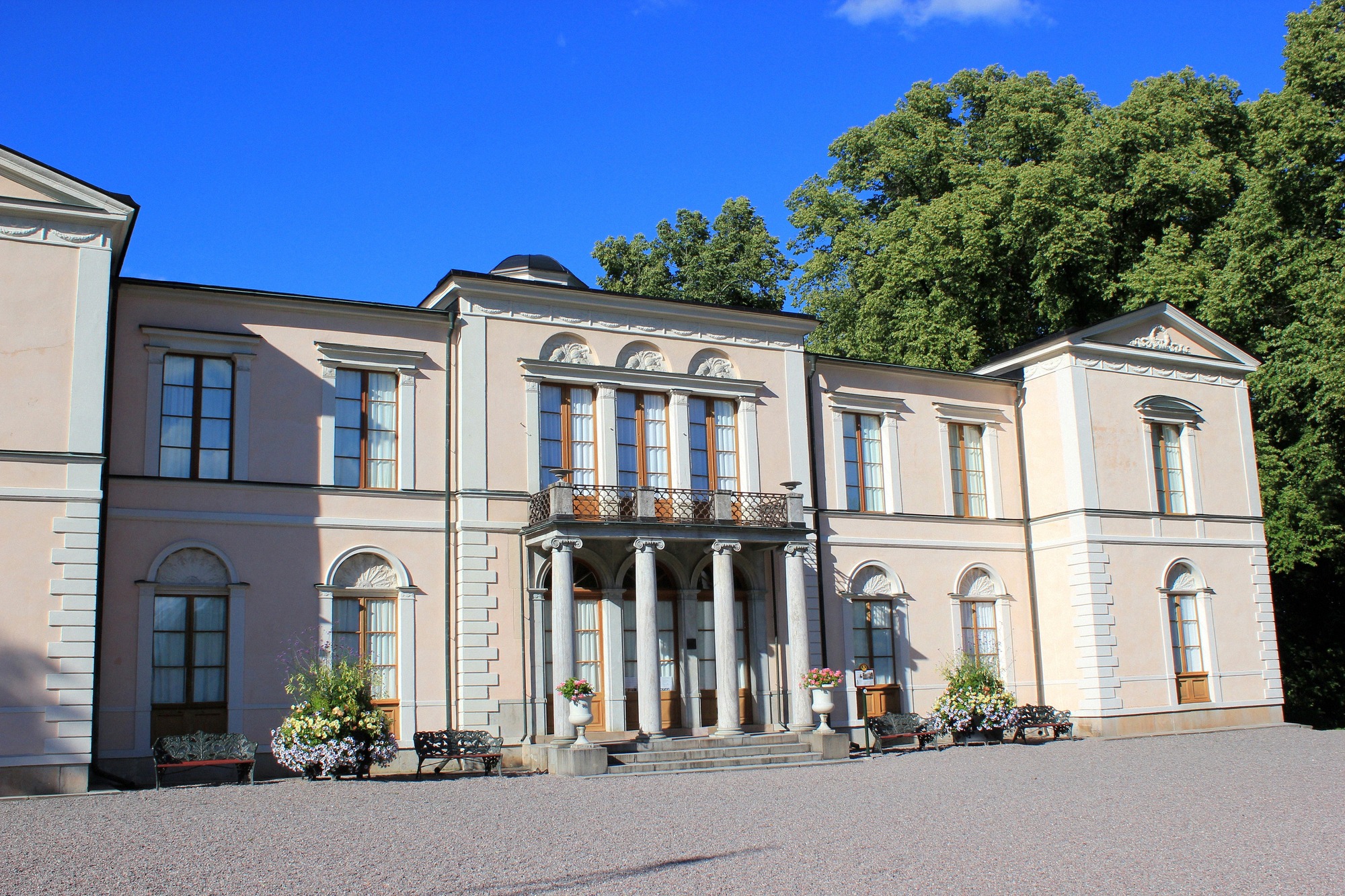
Rosendal Palace
Rosendals slott on Djurgården - Karl XIV Johan's Empire-style summer palace, preserved in the Karl Johan style and open only in summer by guided tour.
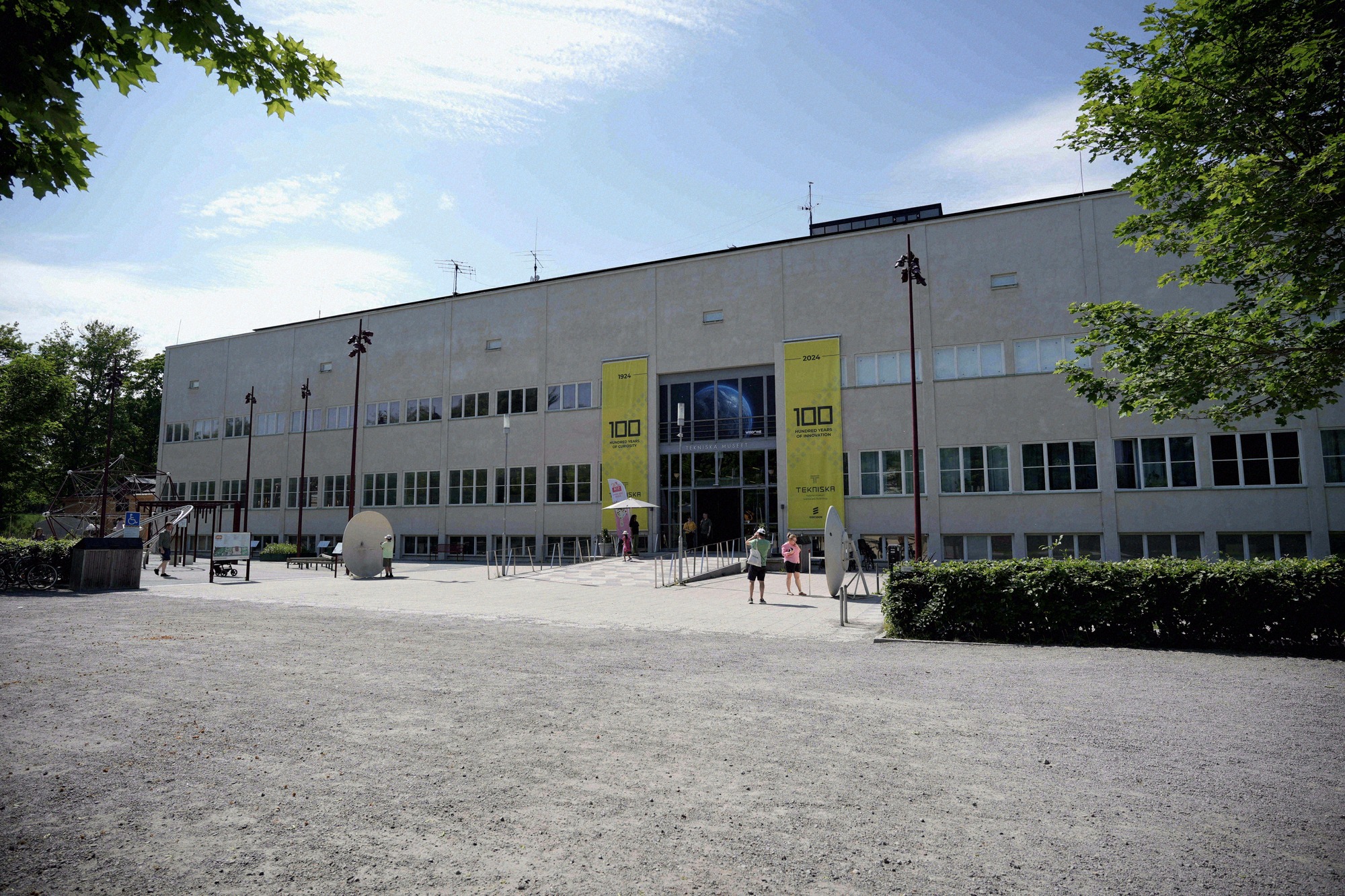
Tekniska Museet
Sweden's national museum of science and technology on Gärdet, with hands-on exhibits like MegaMind, the full-dome cinema Wisdome and a programme for families and adults alike.
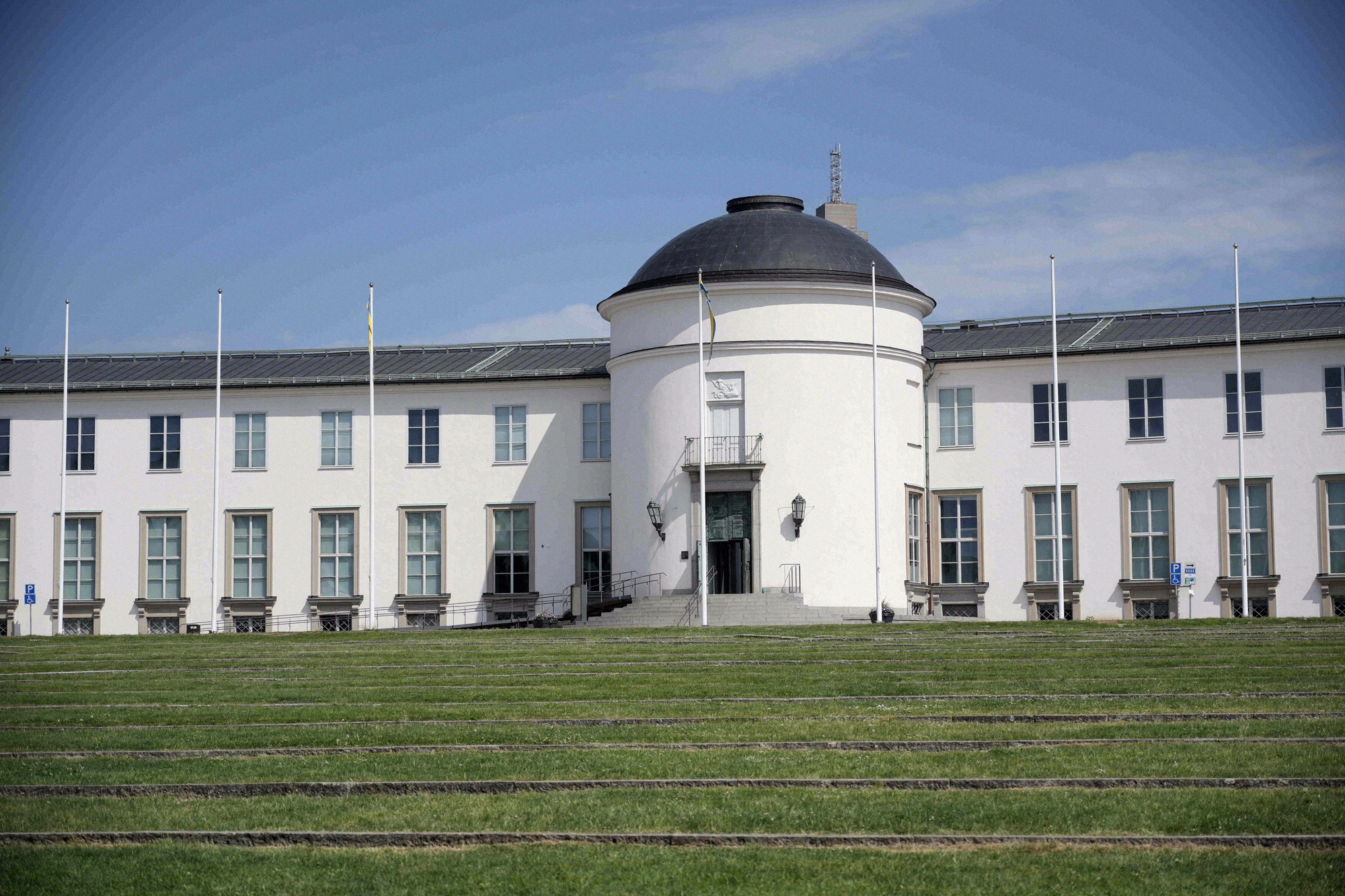
Sjöhistoriska museet
The Sjöhistoriska museet on Djurgårdsbrunnsviken tells Sweden's maritime and naval history, with the original stern of the 1778 royal yacht Amphion as its centrepiece.
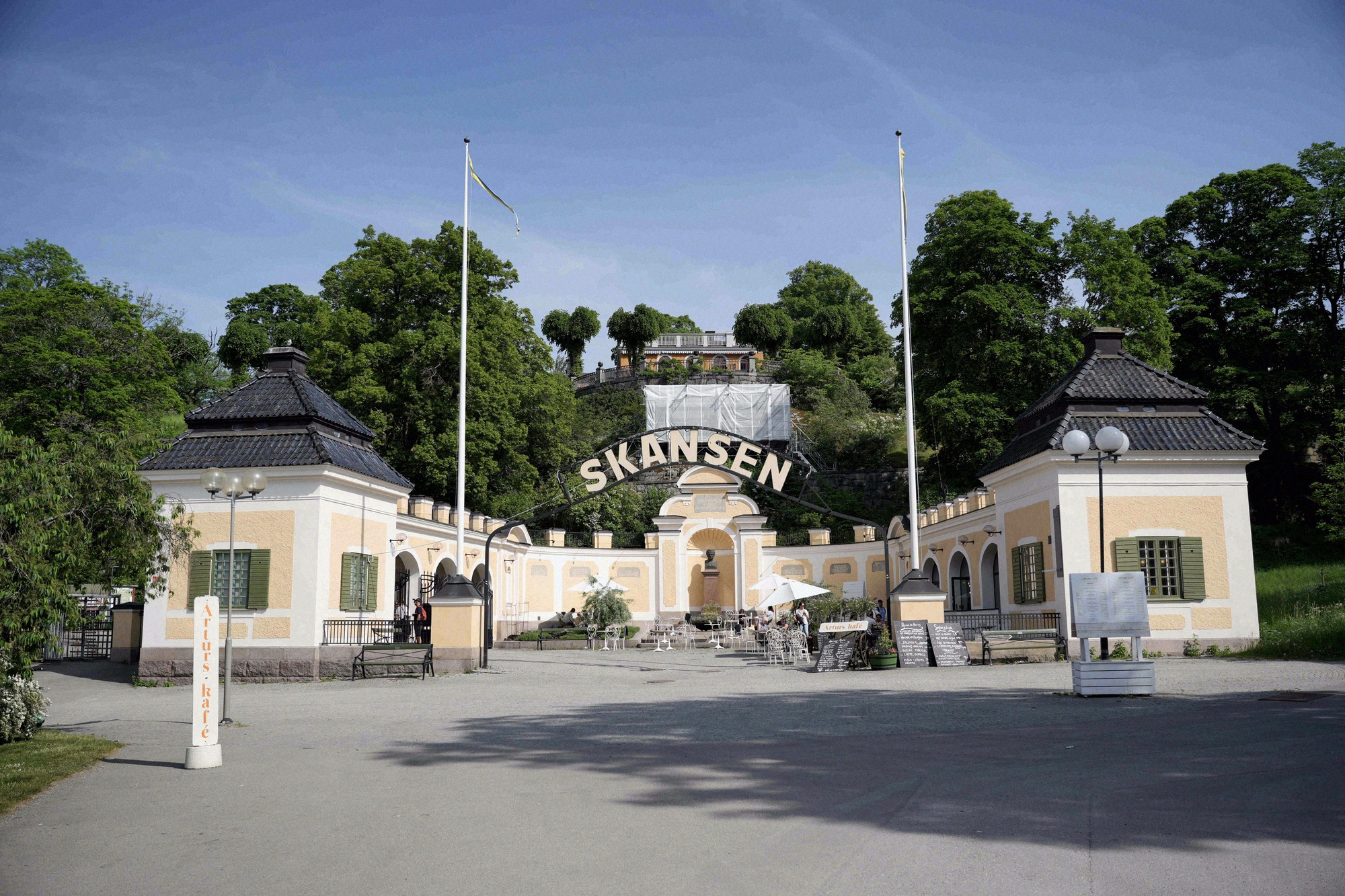
Skansen
Founded in 1891, the world's oldest open-air museum on Djurgården, around 150 historic houses from all over Sweden, a Nordic wildlife park and traditional crafts.
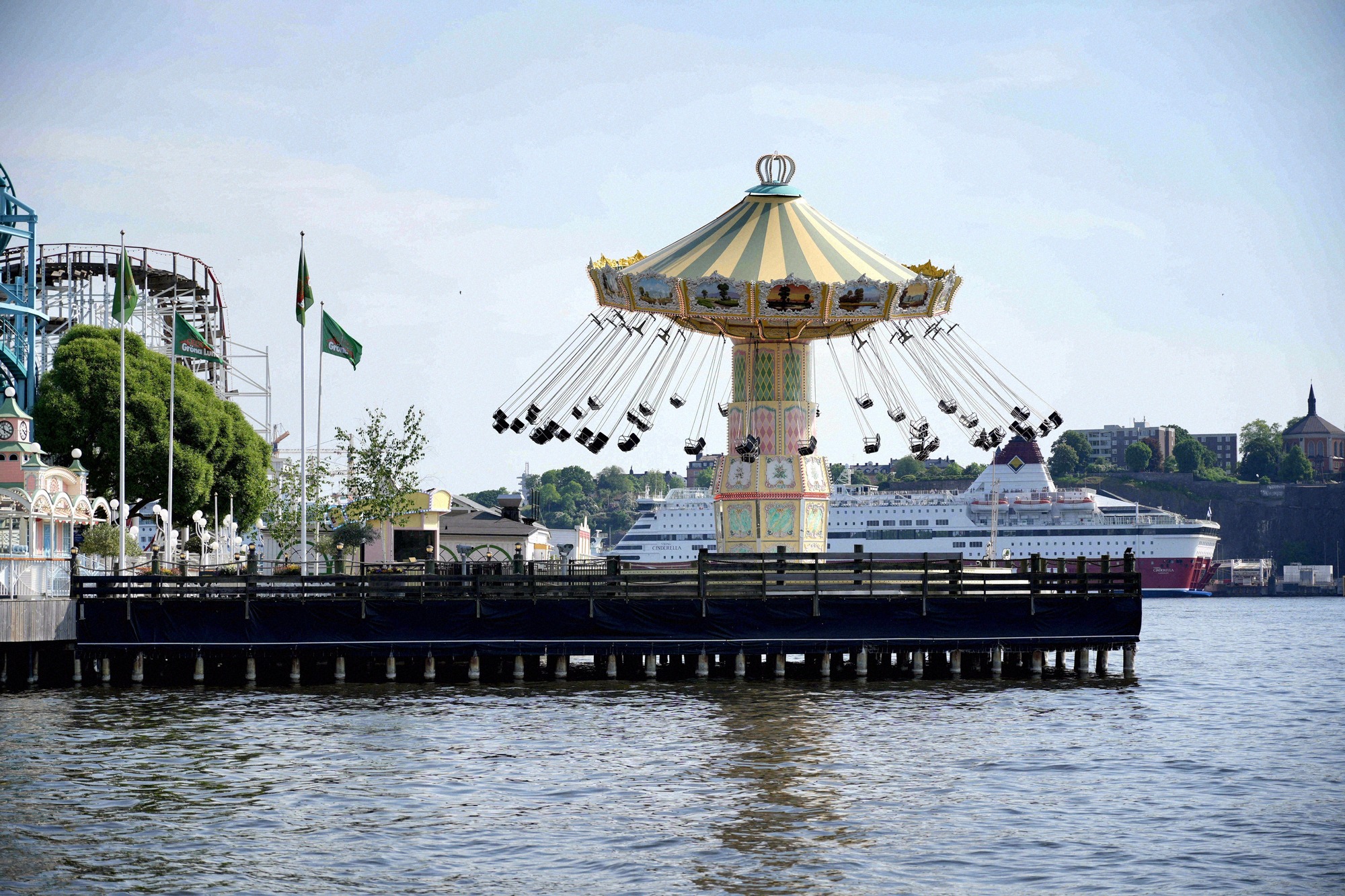
Gröna Lund
Gröna Lund, known to locals as "Grönan", is Sweden's oldest amusement park (since 1883) on Djurgården - 30 rides, seven roller coasters and summer concerts.