
Vasa
Salvaged 1628 warship on Djurgården
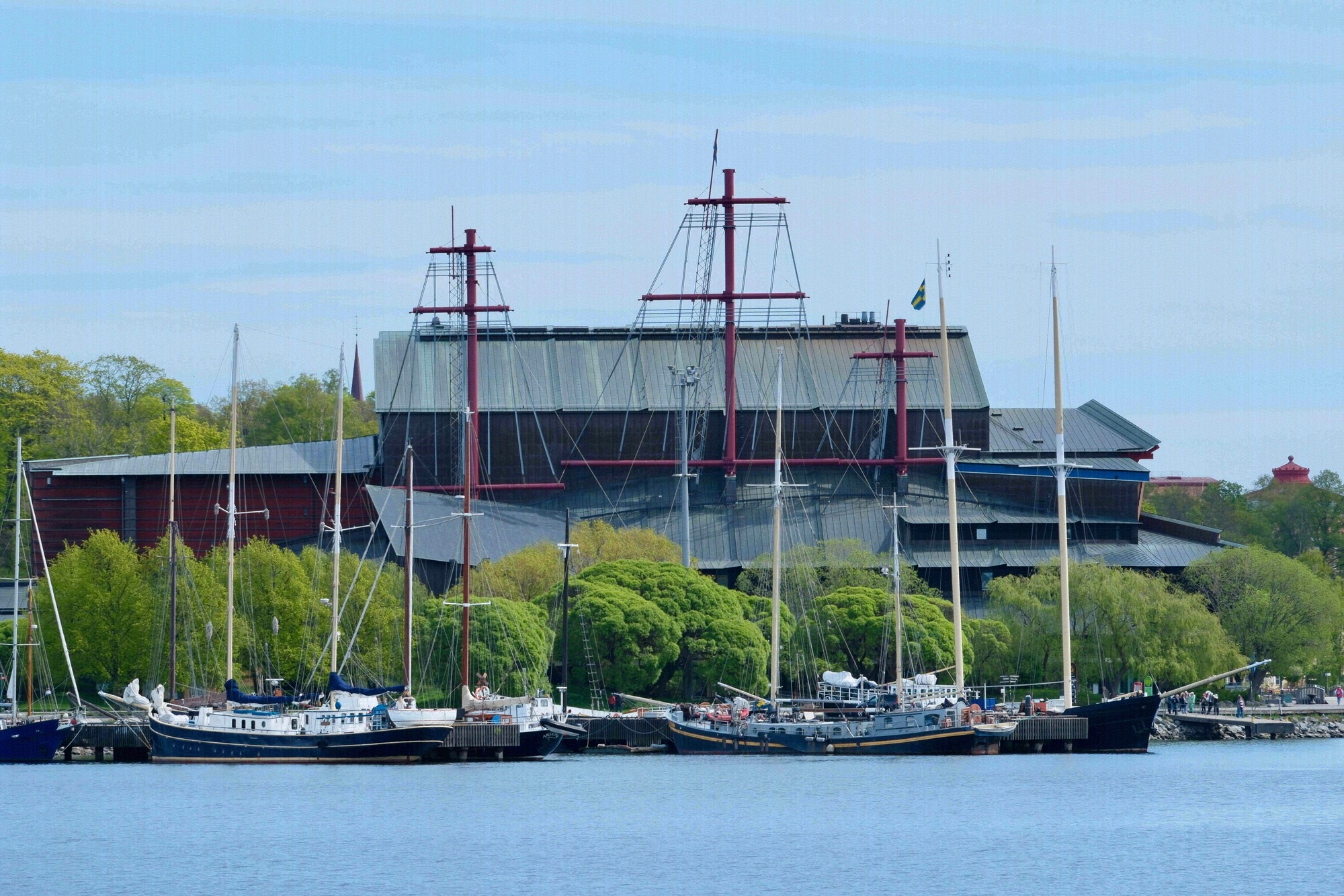
The Vasa Museum on Djurgården houses the only nearly intact 17th-century ship afloat, a warship that sank in 1628 and was raised in 1961.
Contents
A few answers up front to the questions that come up most often before a visit:
- Time needed: the official recommendation is 90 minutes, with the film and a guided tour 1.5 to 2.5 hours is realistic.
- Opening: daily, considerably earlier in summer than in winter, and until 20:00 on Wednesdays from September to May. The exact hours are below under "Tickets, opening hours and prices".
- Admission: varies by season for adults, and is free for children and teenagers up to 18. Payment is by card only, the museum takes no cash.
- Tickets: advance purchase is possible but, according to the museum, gives you no priority in the queue. Tickets are also available on arrival.
- Quietest: right at opening, in the late afternoon, or on Wednesday evenings from September to May.
The only ship of its kind
The Vasa Museum on the museum island of Djurgården is built around a single, overwhelming object: the Vasa, a massive 17th-century warship. It's the only ship from that era to survive almost fully intact anywhere in the world, and that's exactly what makes a visit an experience you won't find anywhere else.
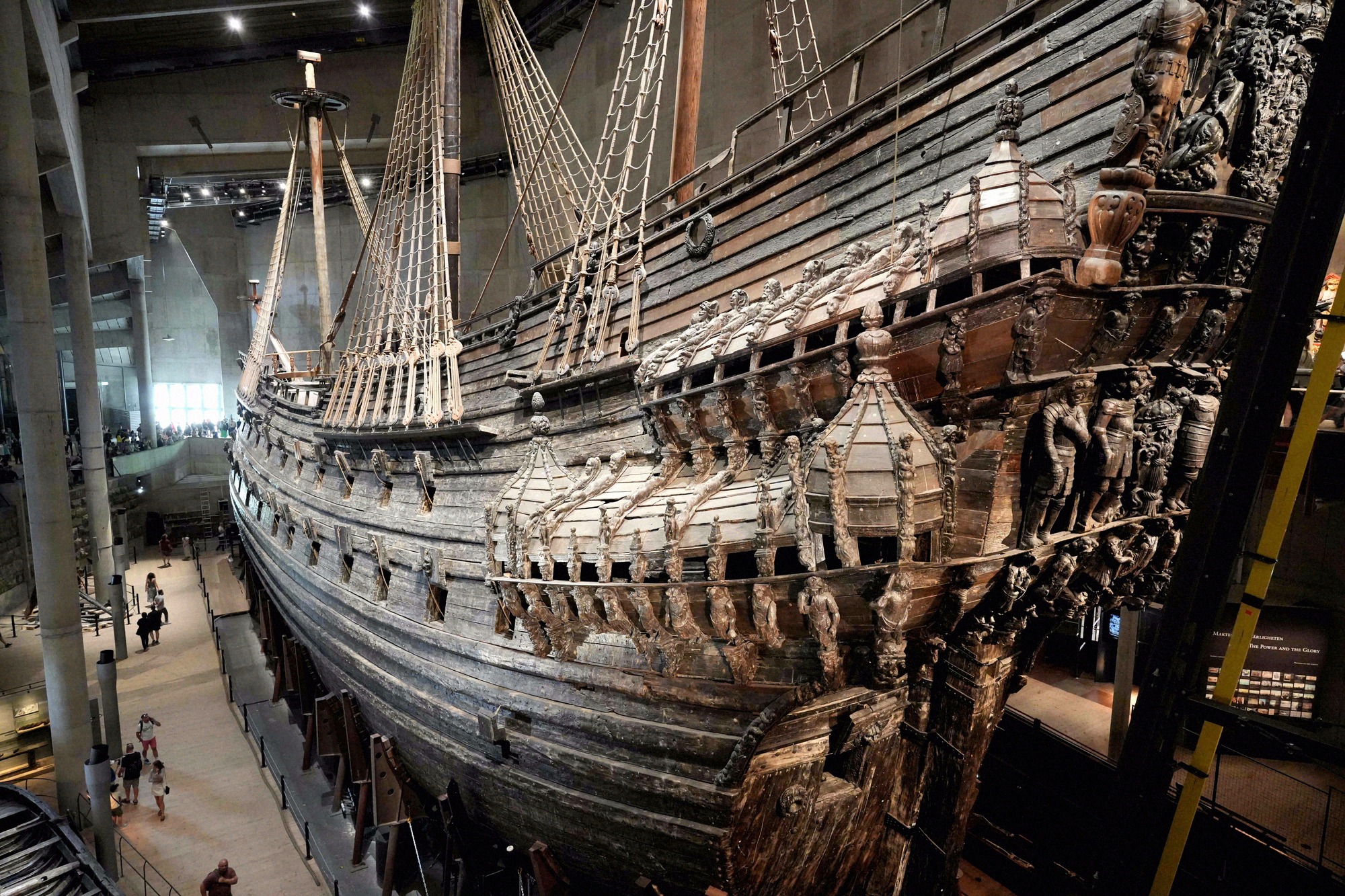
The Vasa was launched in 1628 as the most magnificent warship in the Swedish fleet, richly adorned with carved sculptures. On its maiden voyage in Stockholm harbour it sank after just a few hundred metres, because it had been built too tall and was top-heavy: a gust of wind was enough to capsize it. It lay for 333 years in oxygen-poor mud that preserved the oak timber, until it was raised almost intact in 1961.
A colossus under one roof
The recovered Vasa was conserved over decades and now stands at the centre of a purpose-built, darkened exhibition hall. The ship is enormous: about 61 metres long (69 metres with the bowsprit), up to 11.7 metres wide, with a stern castle around 19.3 metres high and a mainmast rising roughly 52.5 metres above the keel. It displaces around 1,210 tonnes.
Several gallery levels let you take in the Vasa from every angle, from the carved figurehead to the stern. Exhibitions all around cover the ship's construction, its sinking, the salvage operation and life on board, illustrated with finds recovered from the wreck. A 17-minute film on the Vasa's history runs in several languages.
Guided tours, audio guide and languages
Guided tours around the ship, about 25 minutes long, are included in the admission price for individual visitors. From January to May and September to December they run hourly between 10:30 and 15:30, and in summer (June to August) twice an hour between 9:30 and 16:30. The standard languages are English and Swedish.
If you want more depth or a different language, you can pre-book a private tour with a Vasa guide (around 45 minutes): 1,500 SEK per group on top of admission, available on request in German, French, Italian or Spanish (not guaranteed). Separately, a free audio guide in 19 languages is available to download or on-site over free Wi-Fi.
Tickets, opening hours and prices
In summer (June to August) the museum is open daily from 8:30 to 18:00, and from September to May daily from 10:00 to 17:00, Wednesdays until 20:00. It's closed on 24 and 25 December; shorter hours apply on 31 December (10:00-15:00).
Admission for adults (seniors included) costs 195 SEK in the low season (January to April and October to December) and 240 SEK in the high season (May to September). Children and teens up to 18 get in free; there's no separate student discount. A combined ticket with the neighbouring Vrak wreck museum costs 315 SEK (low season) or 359 SEK (high season) and is valid for 72 hours, so you don't have to fit both museums into the same day. Payment is card only (American Express, Visa, Mastercard, Diners Club and Maestro), no cash accepted. Children aged 12 and under must be accompanied by an adult throughout the visit. Tickets can be booked in advance via the official booking page; current hours and prices are listed on vasamuseet.se.
The building is fully accessible, with disabled parking (valid permit required) right by the entrance. Car parking is available on the right just after the Djurgårdsbron bridge; coach parking is available at the museum (drop-off and pick-up only in summer). The museum doesn't publish exact queue times, and a pre-purchased ticket explicitly does not help with them: according to the museum it gives no priority in the queue, and tickets are also available on arrival. The only thing that helps against the crowds is the time of day, see below.
Best time to visit and combining it with other sights
The Vasa Museum is one of Scandinavia's most-visited museums and can get very crowded during the day. It's quietest early in the morning at opening or in the late afternoon; from September to May, Wednesday evening (until 20:00) is a good option for a relaxed visit. The official recommendation is 90 minutes, with the film, a guided tour and the surrounding exhibitions, 1.5 to 2.5 hours is more realistic.
The Vasa sits right in the middle of the Djurgården museum cluster and combines well with its neighbours. Just a short walk away are the Nordiska Museet, the ABBA Museum and the open-air museum Skansen; families will also enjoy Junibacken right next door. For an overview of the island, see the neighbourhood guide Djurgården, and for trip planning see Stockholm's attractions with prices and free tips.
Frequently asked questions
Why is the Vasa so famous? +
How much does admission cost? +
Are guided tours included in the ticket price? +
Do I have to book tickets in advance? +
How long is the queue at the Vasa Museum? +
How much time should I set aside? +
Nearby
Nordiska Museet
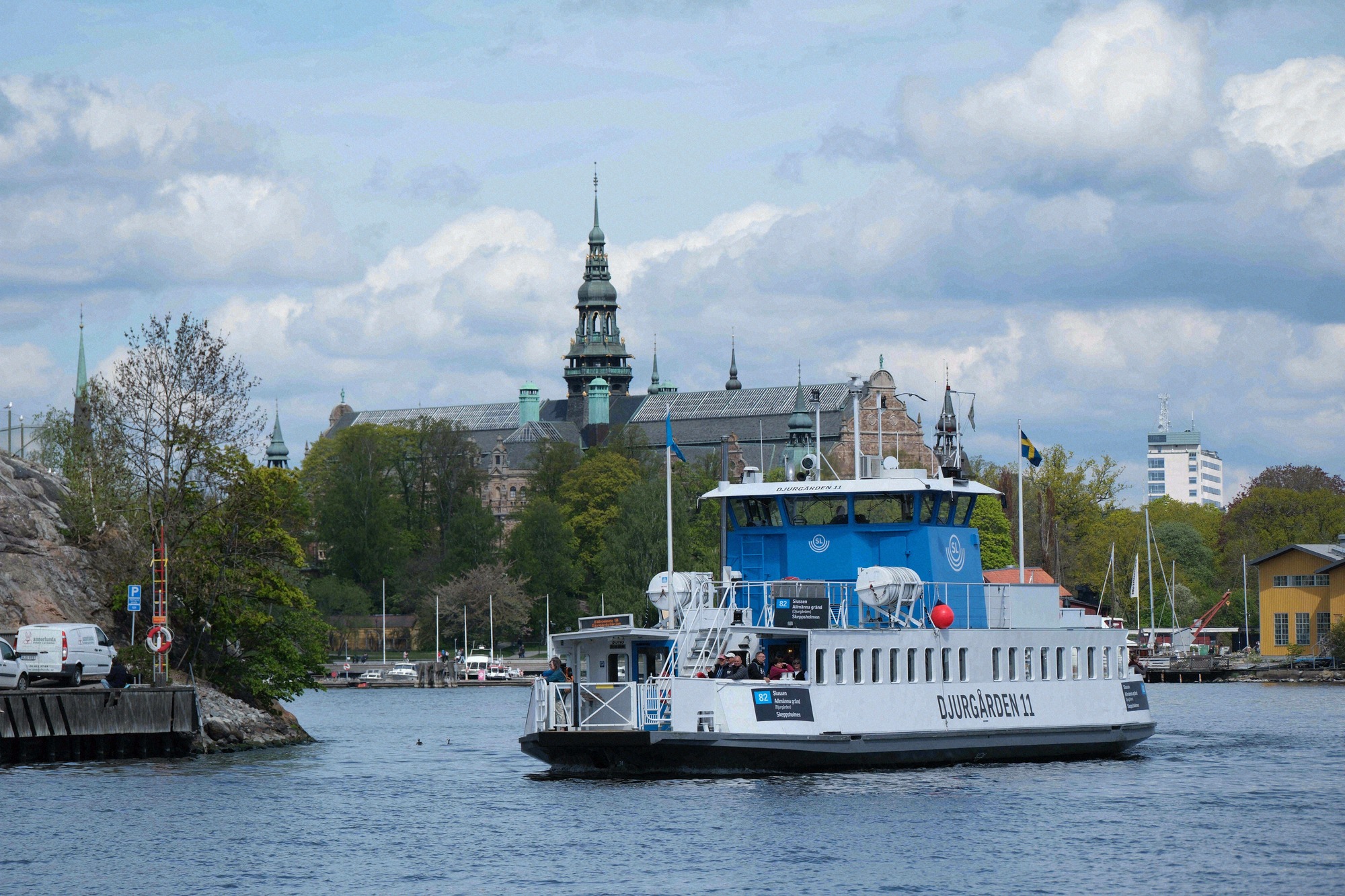
Palace-like museum on Djurgården covering 500 years of Swedish cultural history, with folk costumes, home life and the country's largest Sami collection.
Junibacken
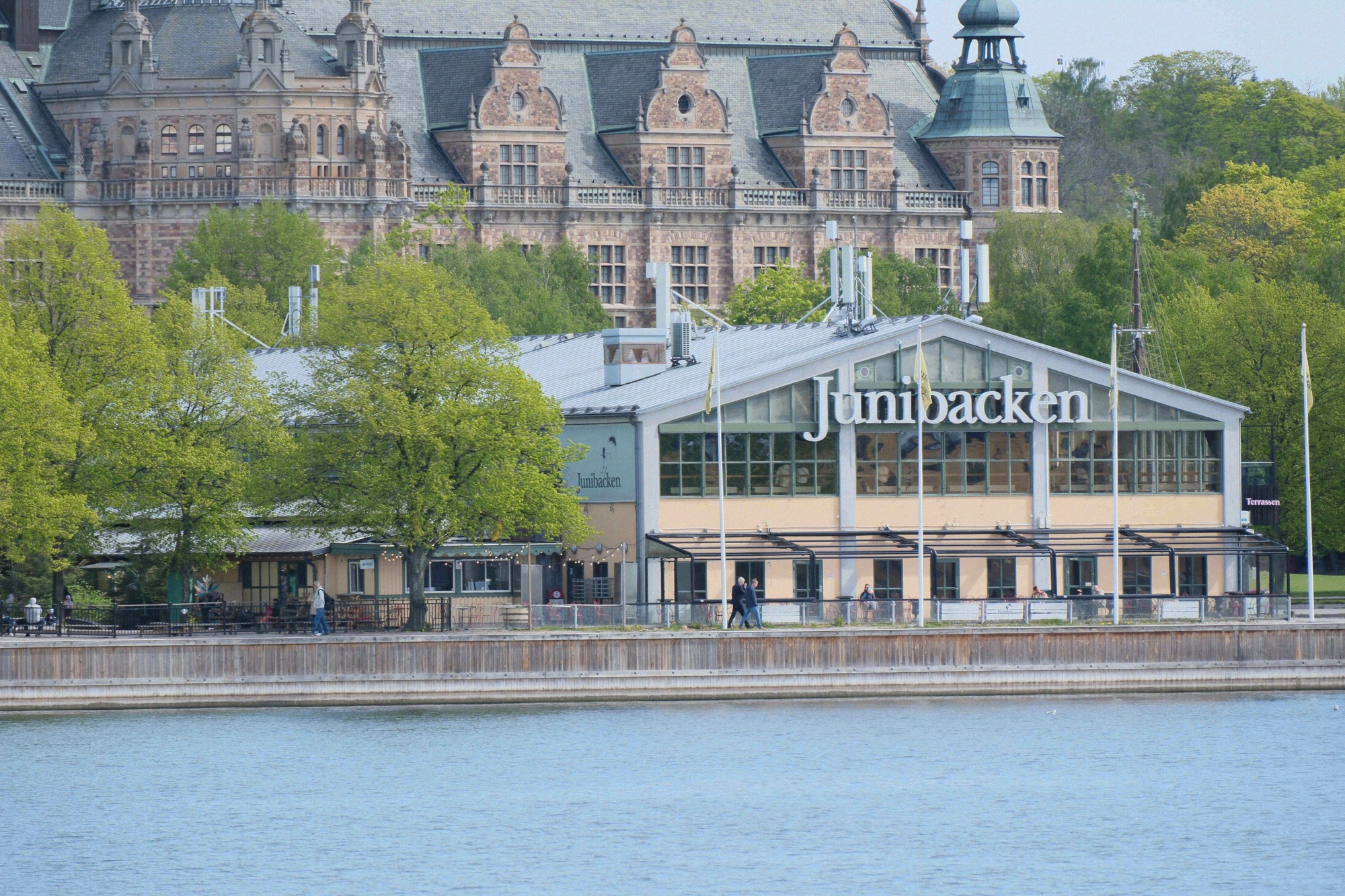
Storybook house on Djurgården built around Astrid Lindgren's characters, with the overhead story train Sagotåget and Pippi Longstocking's walk-in Villa Villekulla.
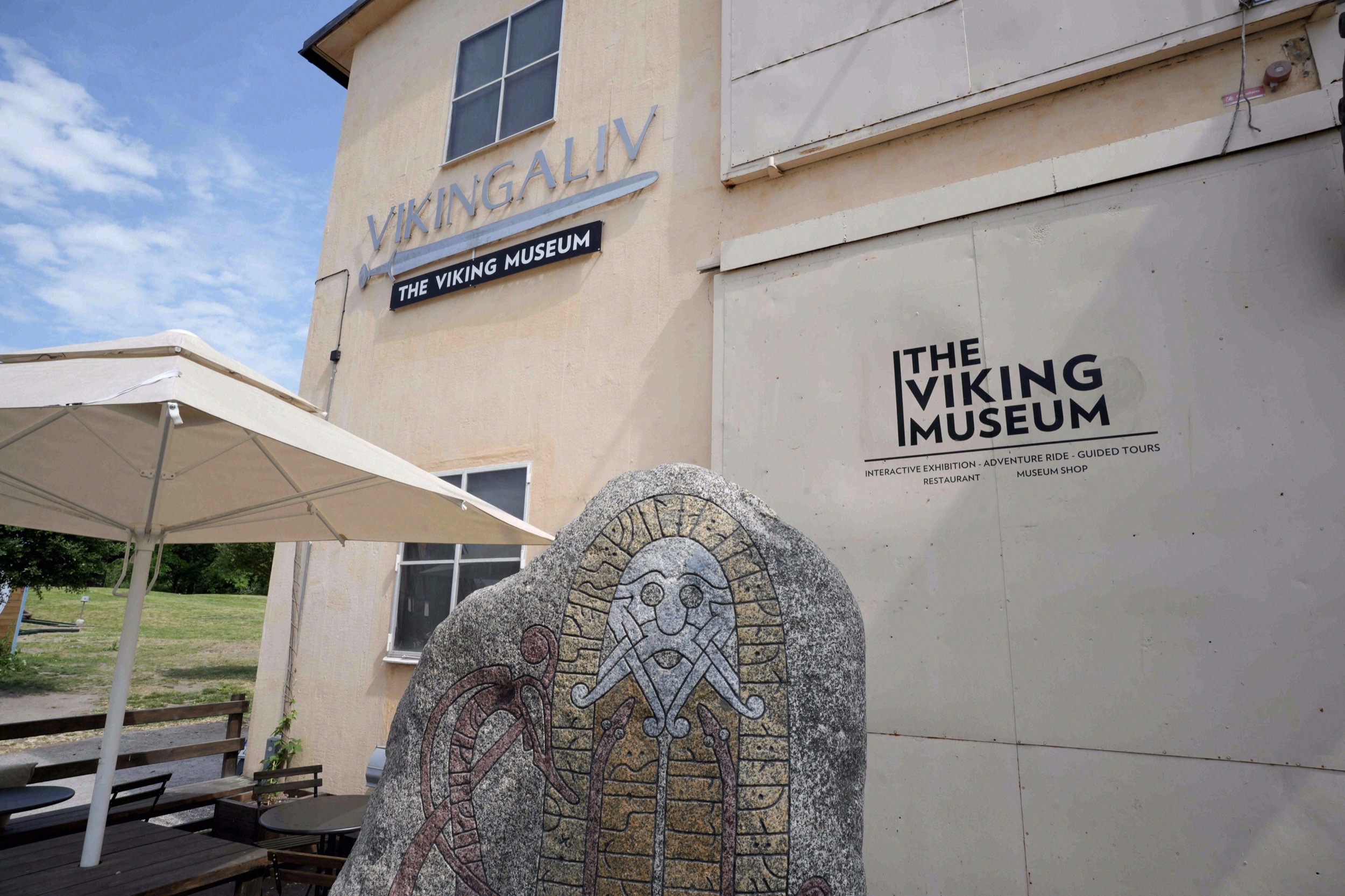
The Viking Museum
The Viking Museum (opened as Vikingaliv) on Djurgården tells the story of the Viking Age through archaeological finds. The centrepiece is the Ragnfrid saga ride through a village in the year 963.
Liljevalchs konsthall
Municipal art gallery on Djurgården, in the 1916 Bergsten building plus the glass-bottle Liljevalchs+ wing. Changing exhibitions and the Vårsalongen since 1921.
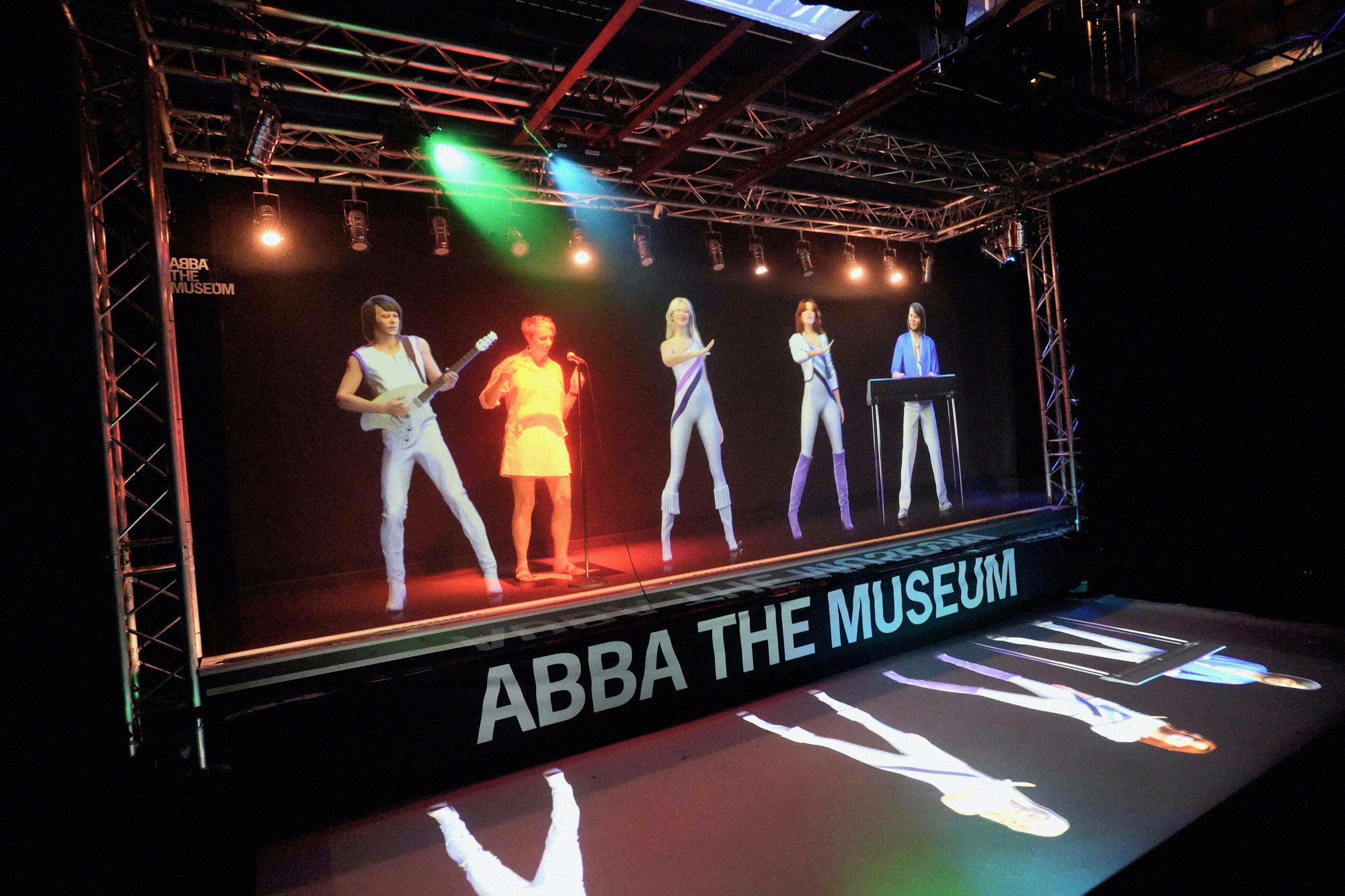
ABBA Museum
ABBA The Museum on Djurgården celebrates Sweden's most famous pop band: original costumes and stage recreations alongside a karaoke booth, hologram stage and mixing station.
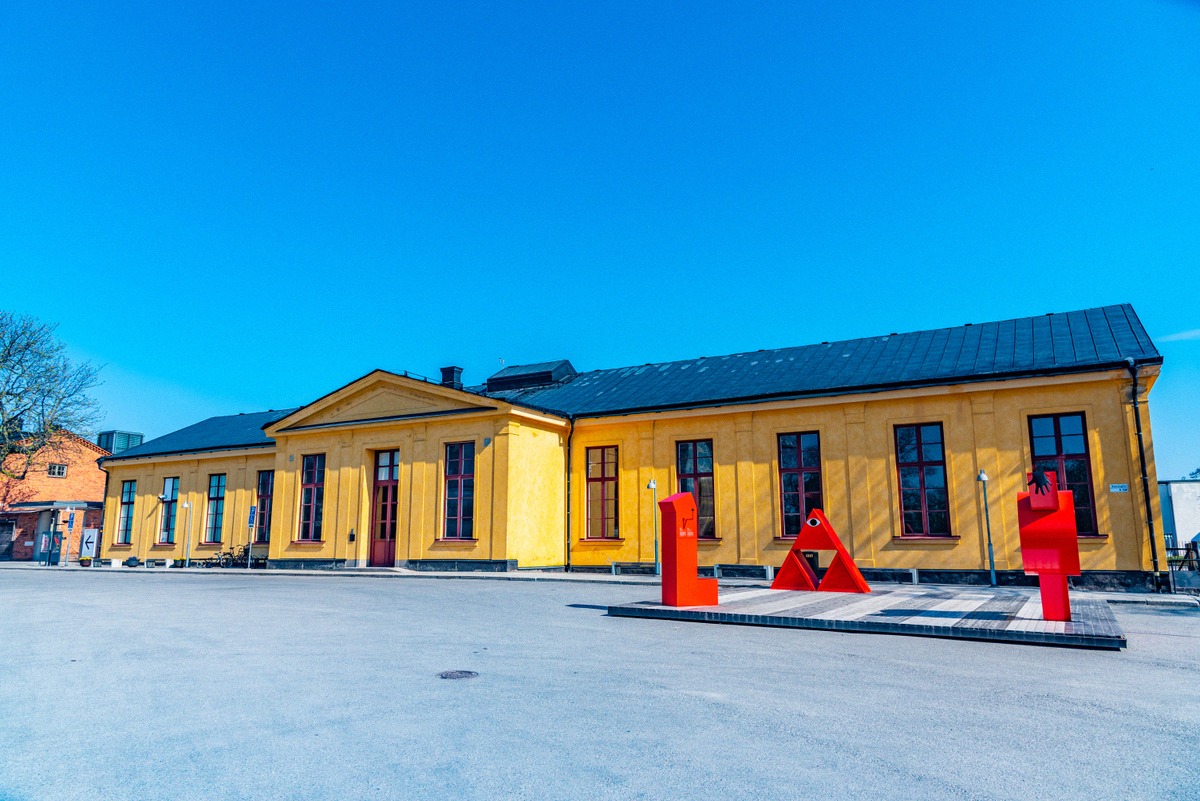
Moderna Museet
Sweden's museum of modern and contemporary art on Skeppsholmen - Picasso, Dalí, Matisse and Nordic modernism, free admission to the permanent collection.