
Djurgården
Museums in the west, royal parkland in the east
Most of the island east of the city centre is parkland and part of the world's first national city park; the Vasa Museum, Skansen and Junibacken stand at its western end.
Contents
Djurgården has two halves with a very different pace. Just past Djurgårdsbron, the Vasa Museum, Nordiska museet, Skansen and Gröna Lund sit close together. Further east the island turns into royal parkland with oak groves, the Djurgårdsbrunn canal and the gardens of Rosendal, until it ends at the headland of Blockhusudden. If you want to see two or three museums, stay in the west; if you are after shoreline paths and quiet, head east. Families will find Junibacken, the Skansen children's zoo and the amusement park close to one another.
Royal land since the 13th century
The land has belonged to the Crown since Magnus Ladulås acquired it in 1286. It is named after the game enclosure that Johan III had laid out at its north-western tip in 1579, and the area is still officially called Kungliga Djurgården. Since 1995 it has been part of the national city park, the world's first, which extends more than ten kilometres across Norra Djurgården as far as Ulriksdal.
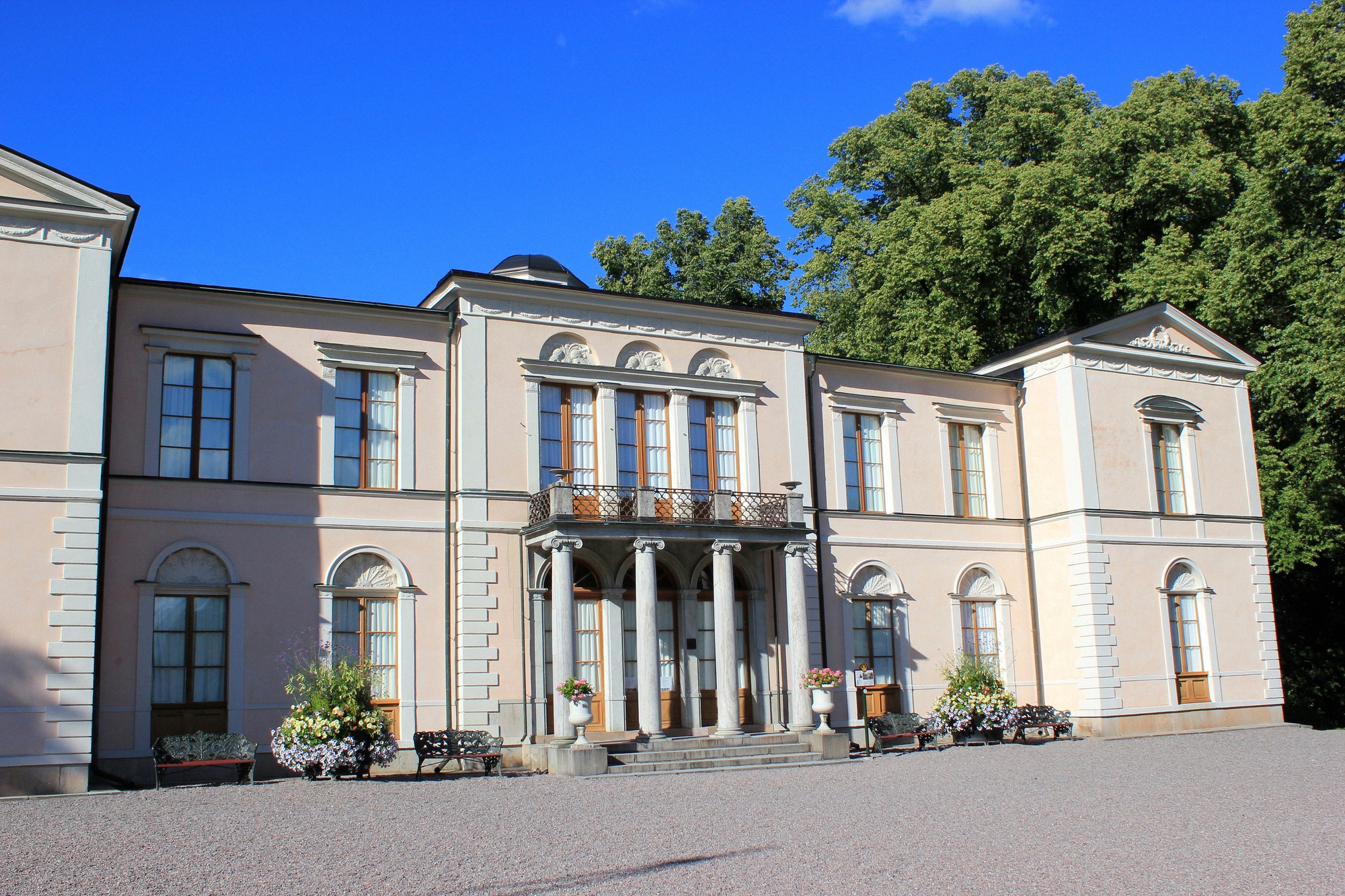
Djurgårdsbron opened in 1897, and its four granite columns carry the Norse gods Heimdal, Frigg, Freja and Tor. The same year the island hosted the Stockholm Exhibition, and some of its buildings still stand around the Lejonslätten meadow. Rosendal Palace was built in 1823-27 as a summer palace for Karl XIV Johan, and the canal at Djurgårdsbrunn was completed in 1834.
Only just over 800 people live on the island. For a place to stay within walking distance, Östermalm lies at the other end of the bridge; Where to stay in Stockholm compares which district suits your trip.
Three museum clusters between Galärvarvet and Blockhusudden
At the old Galärvarvet
West of the bridge, where the galley shipyard stood from 1722, you will find most of the museums. Nordiska museet, with its tower, was designed by Isak Gustaf Clason in Renaissance style and opened in 1907. As Sweden's largest museum of cultural history, it shows life in the Nordic countries from the 16th century to the present day. Next door is the Vasa Museum, and the two share the Nordiska museet/Vasamuseet stop. The Vasa itself sank on its maiden voyage in 1628 and was raised 333 years later.
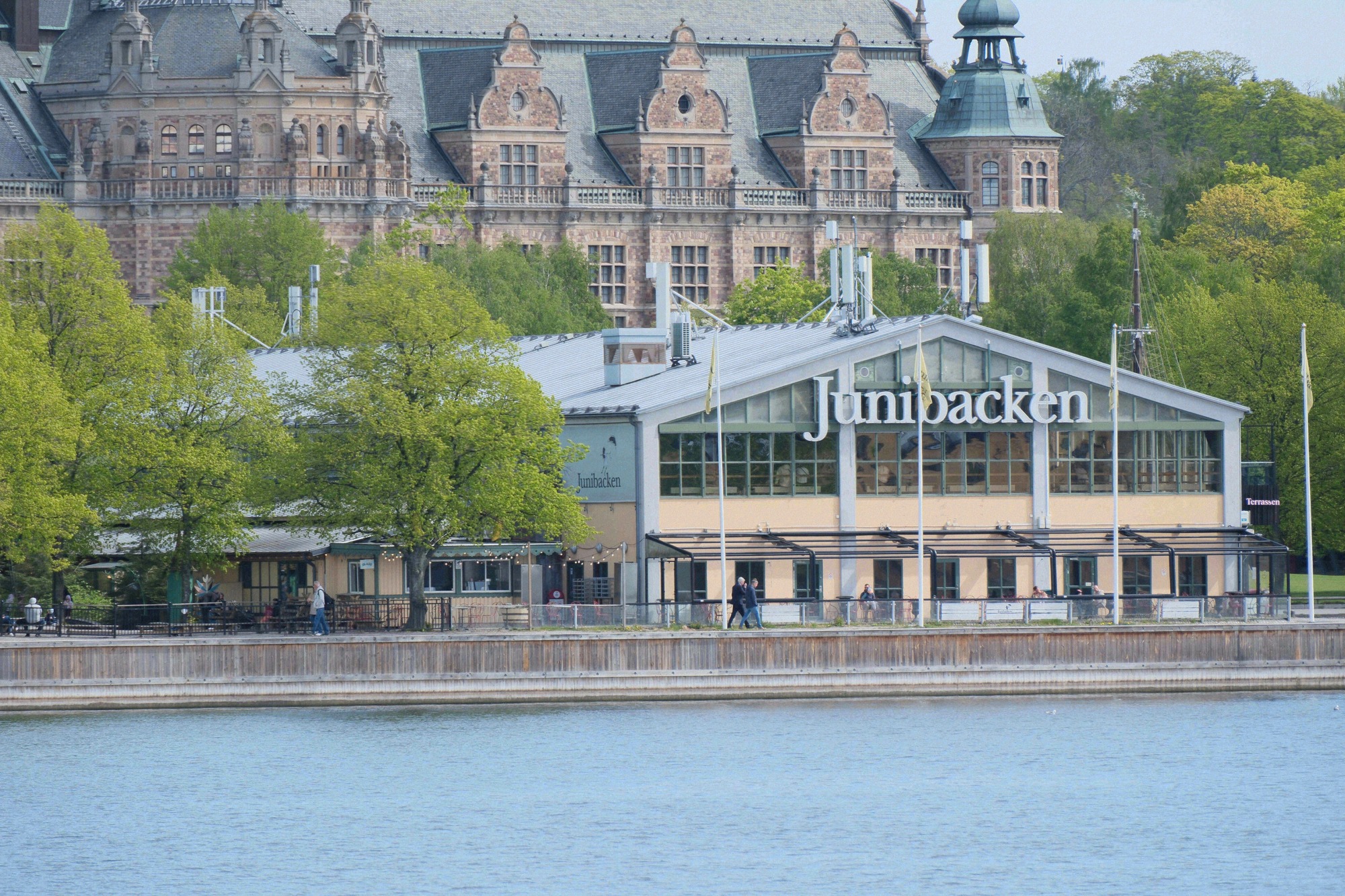
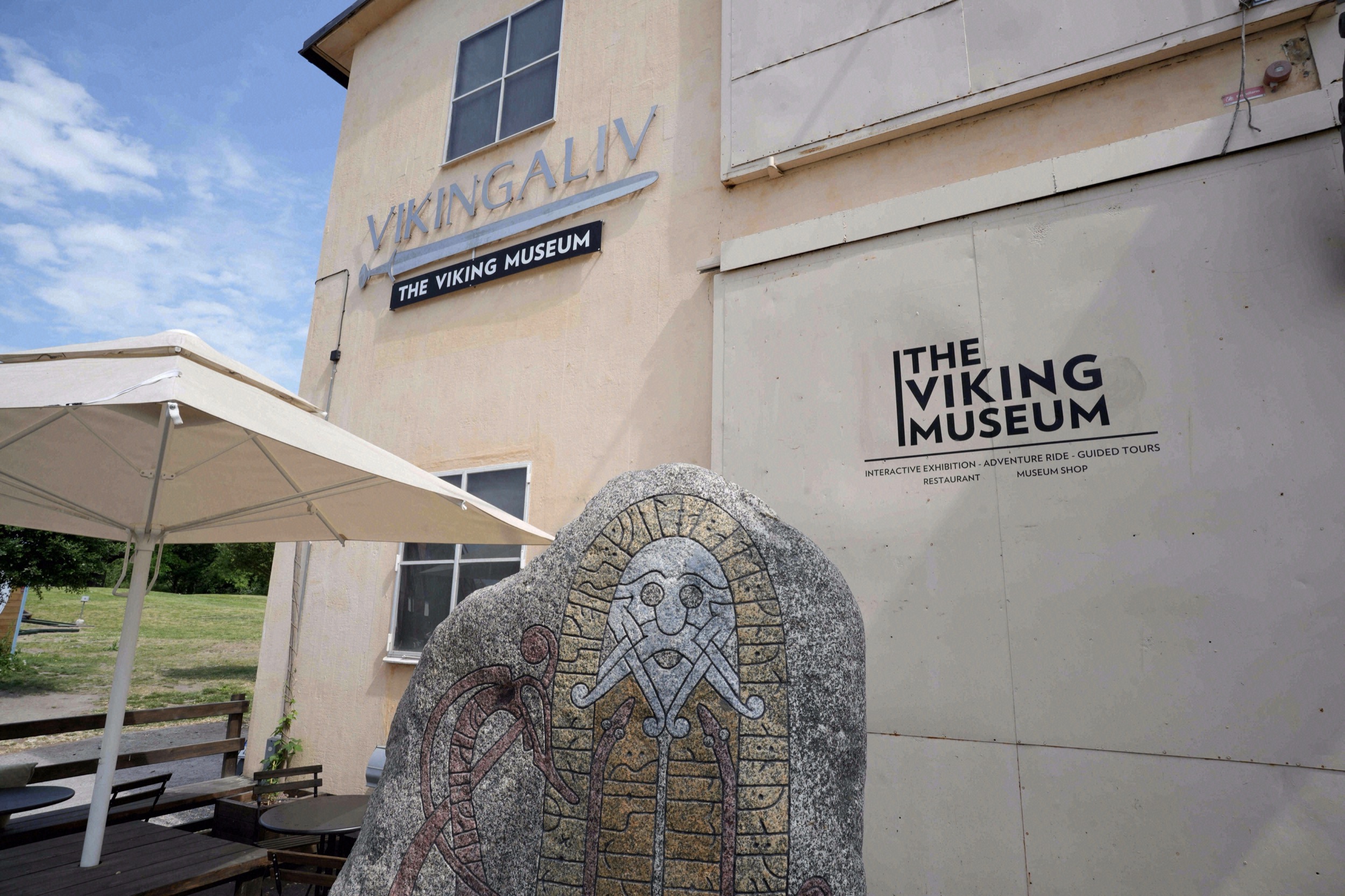
On Galärvarvsvägen stands Junibacken, a children's attraction built around classic children's books, with Astrid Lindgren's fairytale train, aimed at children up to the age of eight. Further along Djurgårdsstrand are Spritmuseum, devoted to Swedish drinking culture, and the Viking Museum, where a staged ride takes you through Ragnfrid's saga.
Along Djurgårdsvägen to Skansen
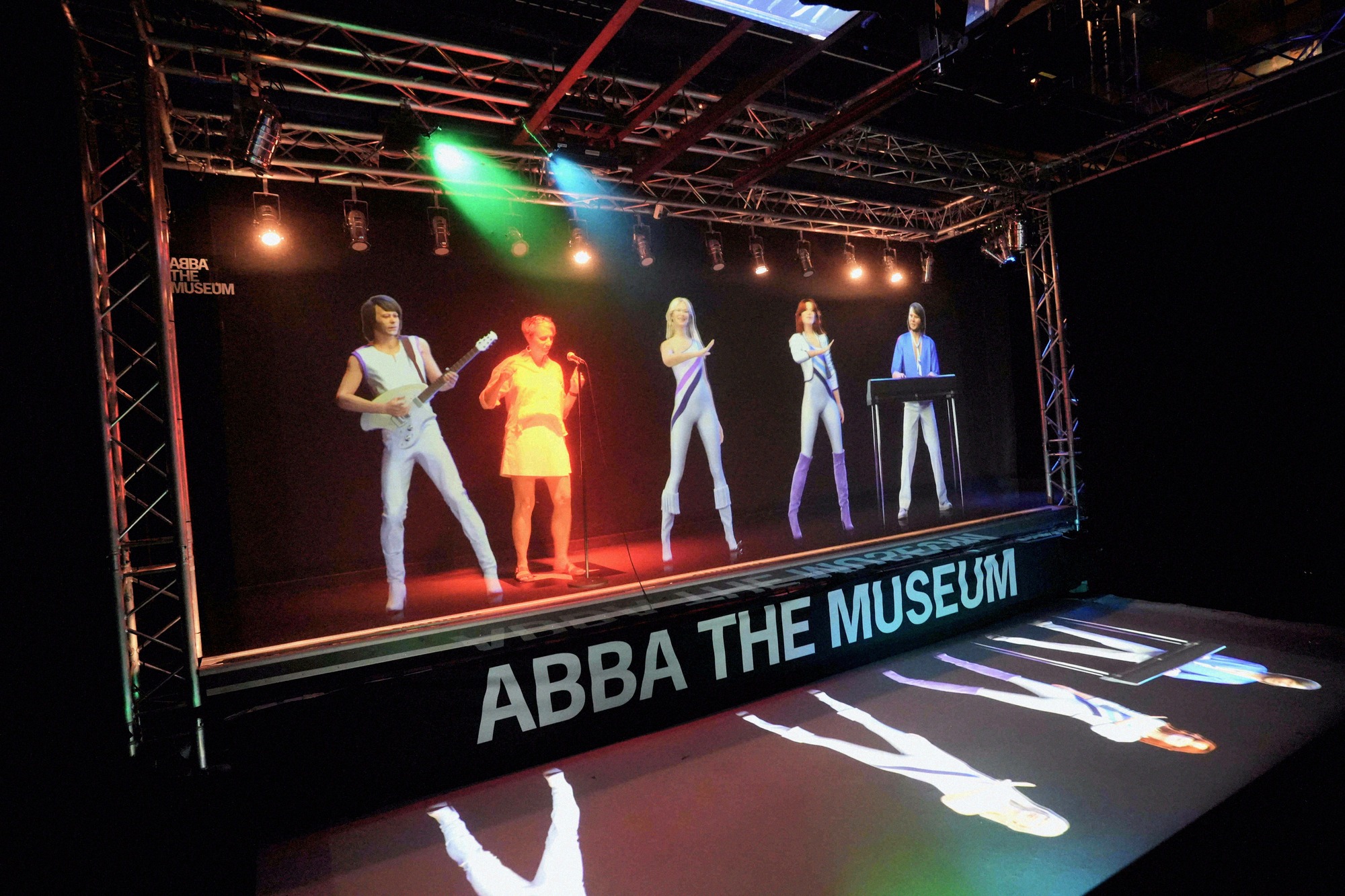
From the bridge to Skansen it is 950 metres along Djurgårdsvägen, about ten minutes on foot. On the way you pass Liljevalchs konsthall, the city's oldest public art gallery, opened in 1916, then ABBA The Museum, where you sing on stage as the fifth member of the band, and the Gröna Lund amusement park, which opens for the season in spring.
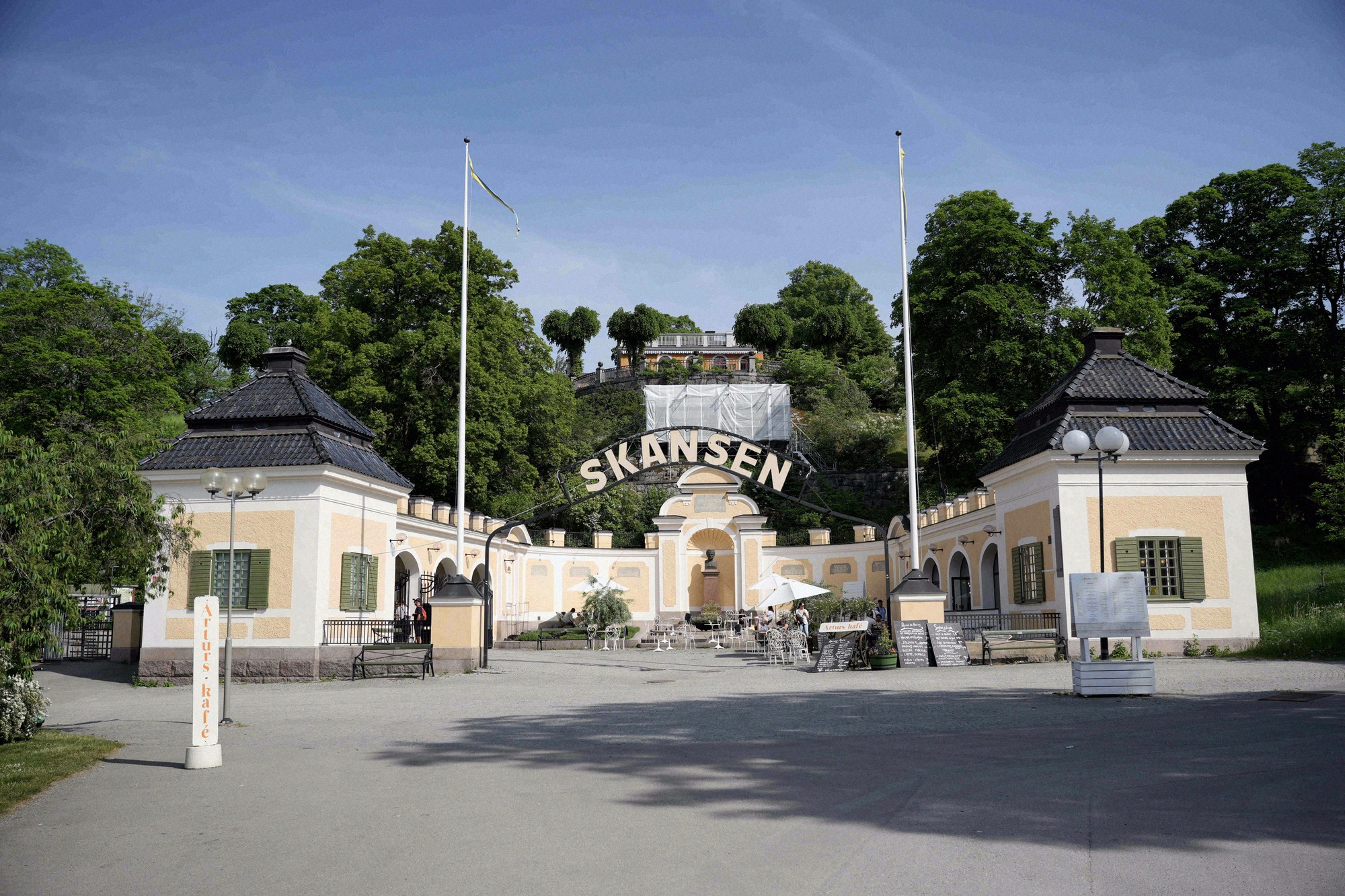
Skansen at the end of the road is the world's oldest open-air museum, founded in 1891 by Artur Hazelius. Around 140 historic buildings stand on its 30 hectares, along with Nordic wildlife, old breeds of domestic animals and an aquarium.

Art in the south and on Blockhusudden
In the south of the island, Prins Eugens Waldemarsudde shows Prince Eugen's living quarters, his art collection, park and garden. Thielska Galleriet stands on the highest point of Blockhusudden, in the villa that the banker and collector Ernest Thiel had Ferdinand Boberg build for him in 1905.
Sjöhistoriska museet (Maritime Museum) and Tekniska museet are often mentioned together with Djurgården, but they stand across the bay in the museum park on Gärdet, which belongs to Östermalm; from Rosendal, Folke Bernadottes bro crosses over.
Planning your day by interest and weather
A museum day at Galärvarvet needs no public transport. Allow 1.5-2 hours for the Vasa Museum; afterwards Nordiska museet, Spritmuseum or the Viking Museum are within walking distance. Skansen, with its 30 hectares, is better combined with the sights along Djurgårdsvägen, such as ABBA The Museum or Gröna Lund.
With children, the sights are close together: Junibacken for the youngest, the Lill-Skansen children's zoo, the ride through the Viking Age and, in season, Gröna Lund. For children's prices, playgrounds and more family outings, see Stockholm with kids.
When it rains, stay in the museum corner at Galärvarvet or head to the Skansen aquarium, which includes a tropical house with rainforest. For an art day, start at Liljevalchs konsthall, take tram 7 to Waldemarsudde and from there bus 67 to the Thielska Galleriet stop. If you plan several paid admissions in one day, the Go City Stockholm Pass can pay off.
Walk from Djurgårdsbron to Blockhusudden
This route leaves the museums behind and follows the north shore eastwards. It starts at the visitor centre at Galärvarvsvägen 2, right past the bridge, where you can also hire bikes from April to October.
- From the bridge, a well-made shoreline path runs along Djurgårdsbrunnsviken, with Gärdet across the water.
- In Rosendal stands Rosendal Palace in Karl Johan style, whose rooms you can see on a guided tour. Right next to it, a foundation farms biodynamically at Rosendals trädgård, with a garden café, garden shop and plant sales in the greenhouse. Instead of a fixed admission fee, the garden asks for a voluntary contribution.
- At Djurgårdsbrunn the canal begins, about a kilometre long, with paths on both banks under oaks and maples as far as the Isbladsviken bay.
- Blockhusudden is the easternmost tip of Djurgården. Besides Thielska Galleriet, a café opens here in summer with views across Saltsjön to Nacka Strand. In the middle of the shipping channel stands Gustaf Dalén's first lighthouse with a sun valve, from 1912. If you still have time, walk the trail of roughly three kilometres around the Isbladskärret wetland, which takes about 40 minutes.
To get back, take bus 67 from the Thielska Galleriet stop, or ferry 80 from the Blockhusudden pier. If you only want to visit the garden, take tram 7 to Bellmansro and walk five minutes from there. On a hire bike, follow the Djurgårdsrundan, 3.8-9.7 kilometres long depending on the route and often running along the canal or Saltsjön.
Eating along the museum shore and in the park
Most restaurants are in the west and the middle of the island. Two museum restaurants on the waterfront are open without an admission ticket: Eld at the Viking Museum, looking out over Skeppsholmen and Wasahamnen, and the restaurant at Spritmuseum. East of Rosendal, only the two cafés remain along the way, so take something to eat for the walk. Food and drink in Stockholm explains fika, food halls and price levels in the city.
By tram, ferry or bus to the island
Djurgården has no metro station. The nearest is Karlaplan on the red line; from there it is about ten minutes on foot to the Vasa Museum, or you can change to bus 67.
Tram 7 runs from T-Centralen via Nybroplan onto the island and stops at Nordiska museet/Vasamuseet, Liljevalchs/Gröna Lund, Skansen and Waldemarsudde. During the day it comes every six to eight minutes.
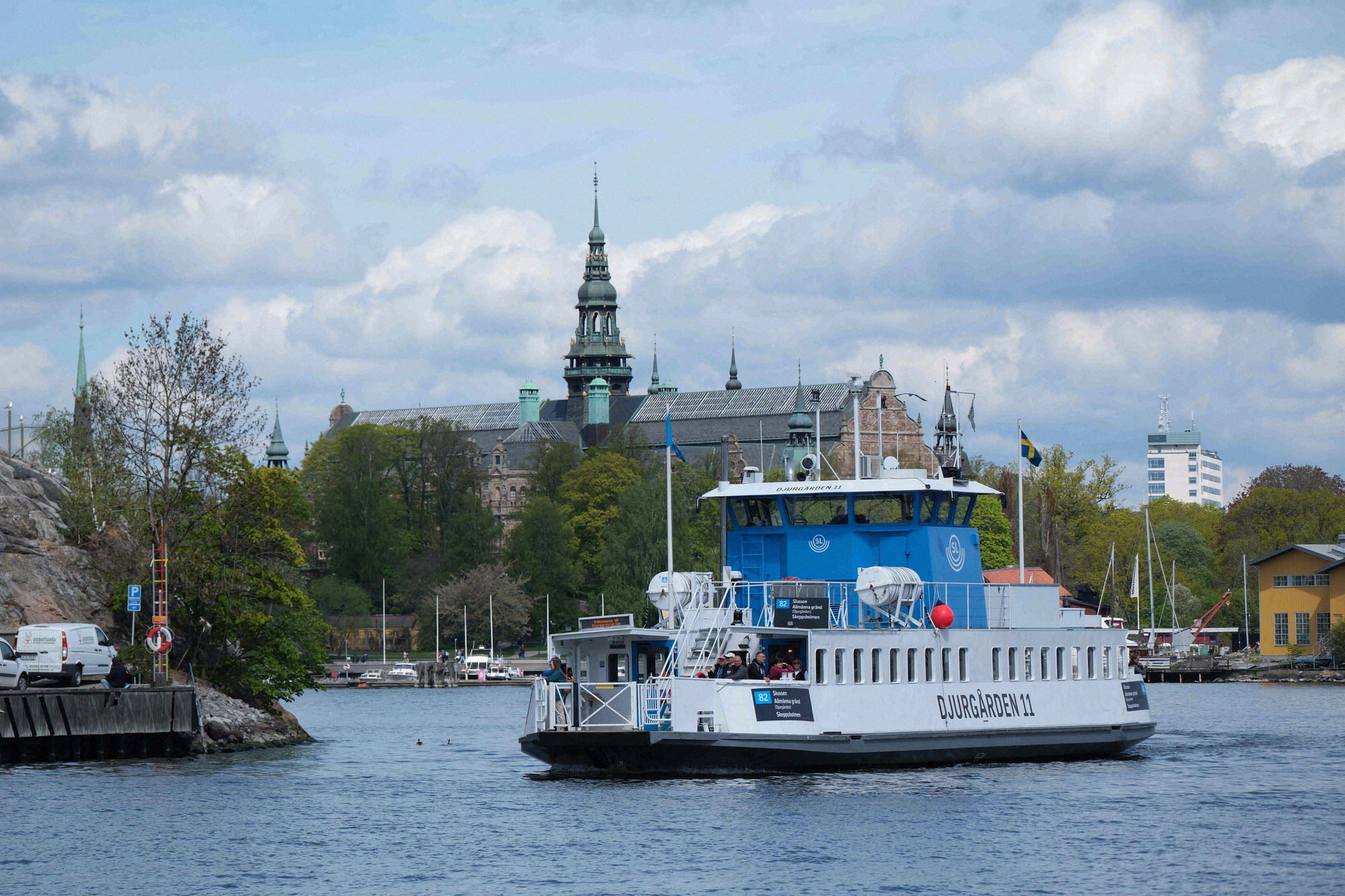
Ferry 82, the Djurgården ferry (Djurgårdsfärjan), leaves from Slussen, calls at Skeppsholmen and docks at the Allmänna gränd pier near Gröna Lund; from there it is 400 metres to Skansen. Standard SL tickets are valid. Line 80 from Nybroplan also serves Allmänna gränd.
Bus 67 comes via Odenplan and Karlaplan and crosses the island to Blockhusudden; buses 69 and 76 stop at the Djurgårdsbron stop. On foot, Strandvägen with its quayside leads from Nybroplan towards the bridge; from the centre to the Vasa Museum takes about 30 minutes. Public transport in Stockholm explains which SL ticket you need.
Frequently asked questions
Which museums are on Djurgården? +
How much time should I allow for Djurgården? +
Does the metro go to Djurgården? +
Do you have to pay to enter the park on Djurgården? +
Can I drive to Djurgården? +
Around Djurgården
Vasa
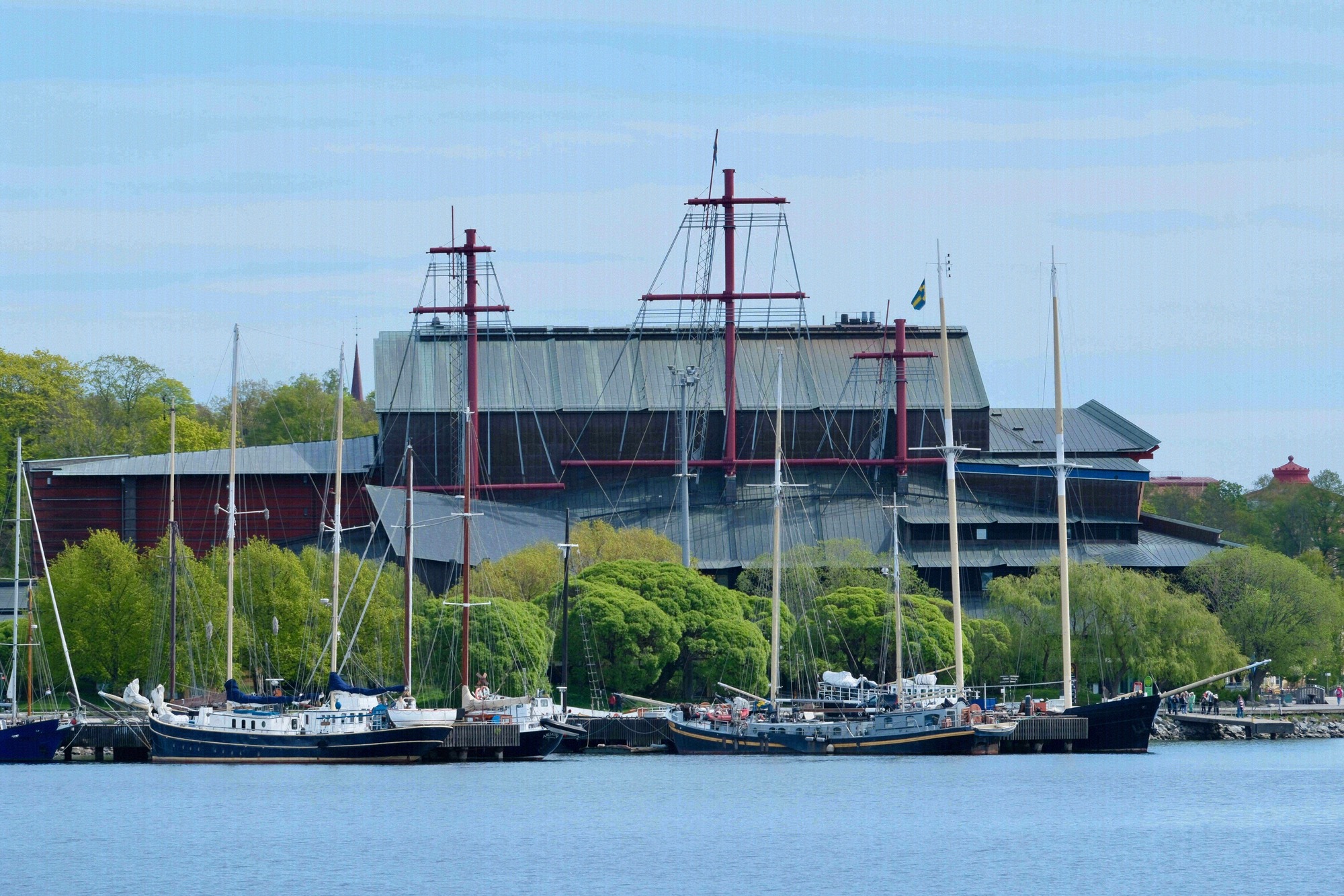
The warship Vasa sank on her maiden voyage in 1628, lay in the harbour for 333 years and now stands in a hall of her own on Djurgården, with a guided tour, film and audio guide included in admission.
Skansen
Since 1891 the world's oldest open-air museum has shown around 140 buildings from all over Sweden on Djurgården, plus Nordic wildlife, a children's zoo and festivals through the year.
Gröna Lund
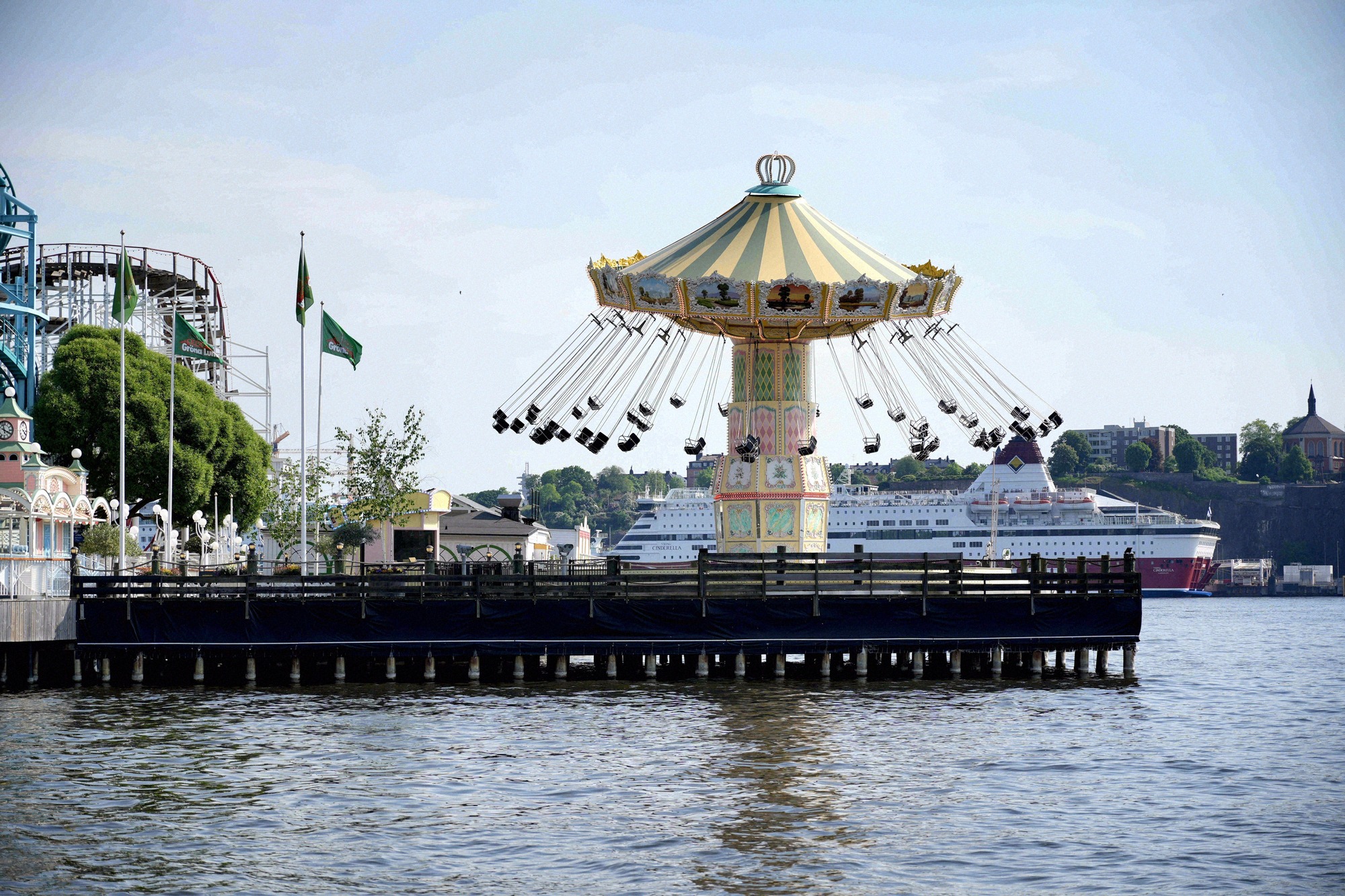
An amusement park on the Djurgården waterfront since 1883: around 30 rides, concerts in summer and a ticket system in which you pay for admission and rides separately.
Nordiska museet
Sweden's largest museum of cultural history shows how people lived, ate and celebrated over 500 years, in a palace by the Djurgårdsbron, open until 20:00 on Wednesdays from September to May.
ABBA The Museum
At this pop museum at Djurgårdsvägen 68 you'll find Benny's piano and the Waterloo costumes, and on the hologram stage you perform as the fifth member of the band.
Junibacken
A storybook house on Djurgården: the Sagotåget train runs through Astrid Lindgren's stories, there's theatre at Villa Villekulla, and the Moomins wait on the story square.
Liljevalchs konsthall
The city's art gallery on Djurgården shows contemporary art in Bergsten's building of 1916 and the Liljevalchs+ extension, and every spring it hosts Vårsalongen.
Rosendal Palace
Fredrik Blom built Karl XIV Johan a summer palace as a prefabricated house. The salons are almost unchanged and only open on summer guided tours; the palace stays closed in 2026.
Thielska Galleriet
In the villa of the banker Ernest Thiel, Munch, Liljefors and Carl Larsson hang in living rooms under glass roofs, while Rodin and Vigeland stand outside on the Blockhusudden headland.
The Viking Museum
At Wasahamnen on Djurgården this interactive museum tells of life on the farms and of voyages across Europe, and the eleven-minute saga ride is included in the ticket.