
Stockholm Cathedral
Stockholm's oldest church and coronation church
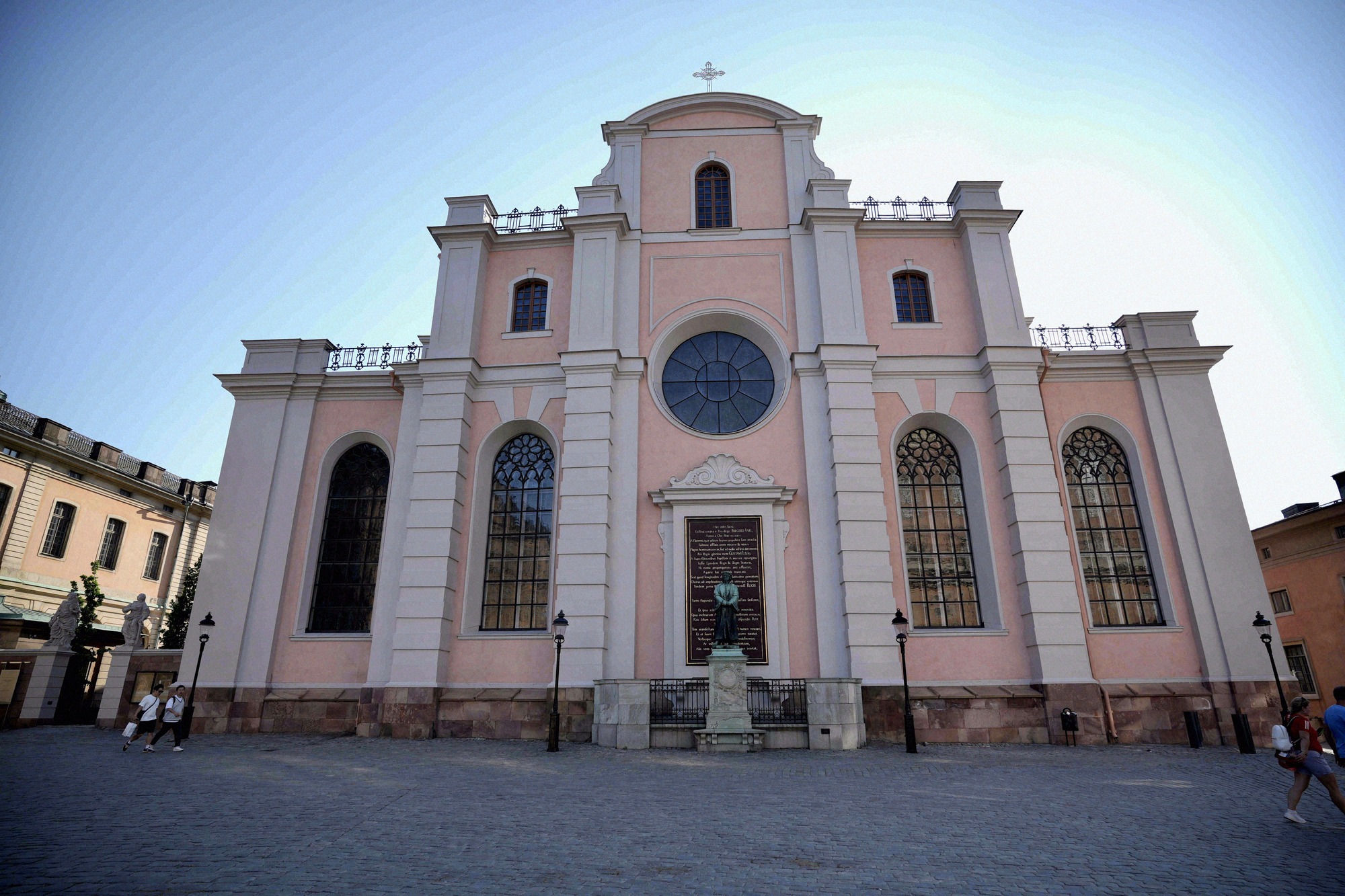
Stockholm Cathedral (Storkyrkan), the city's oldest church: brick Gothic in Gamla Stan with the Saint George sculpture and the Vädersolstavlan.
Contents
Stockholm's oldest church
Storkyrkan - officially Sankt Nikolai kyrka, and also Stockholm's domkyrka (cathedral) - is the city's oldest church and its cathedral. First recorded in 1279, it was consecrated in 1306 as a three-aisled church in the brick Gothic style. It stands right in the middle of Gamla Stan, Stockholm's old town, next to the Royal Palace, making it part of the city's historic core.
Over the centuries Storkyrkan served as the Swedish monarchy's coronation and wedding church; the last royal coronation held here was in 1873 (Oscar II). In 2010 it was thoroughly cleaned ahead of the wedding of Crown Princess Victoria. So it isn't just a museum piece - it remains an active parish and cathedral church today, with services and weekly concerts.
Brick Gothic behind a Baroque facade
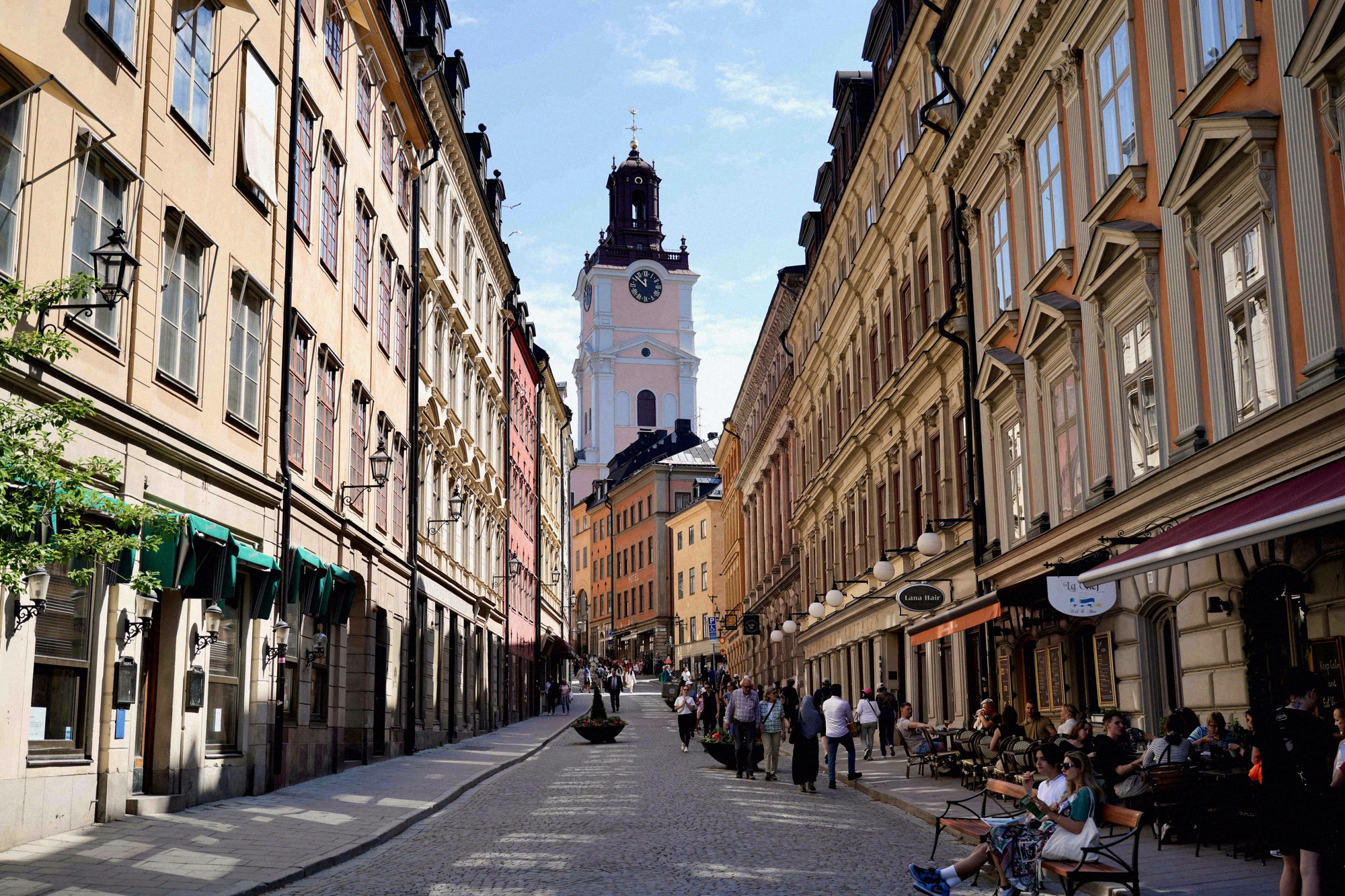
From the outside, Storkyrkan looks Baroque: the gable and tower were remodelled in the Baroque style between 1736 and 1742 to match the neighbouring palace. The 60.4-metre-tall tower still shapes the old town's skyline today. Step inside, though, and you enter a completely different space.
Inside, the church is a late-medieval hall church. In the late 15th century, under Sten Sture the Elder, the original building was rebuilt into today's five-aisled hall with raised vaulting. Red brick pillars carry an intricate rib-vaulted ceiling - the brickwork itself was uncovered again between 1903 and 1909. At around 63 metres long and 37 metres wide, the space is impressive without feeling overwhelming.
Saint George, the dragon, and the Vädersolstavlan
The most famous treasure is the monumental wooden sculpture "Saint George and the Dragon", consecrated in 1489 and widely attributed to Bernt Notke. The group - roughly 3.5 metres tall, with the rescued princess carved as a separate figure - is considered a major work of northern European late Gothic art and forms the visual centrepiece of the church.
Almost as significant is the Vädersolstavlan, the oldest known colour depiction of Stockholm. It shows a halo phenomenon with sun dogs over the city on 20 April 1535, and was commissioned that same year by Olaus Magnus. The version on display today is a copy from 1636. Also worth a look is the organ, with a facade dating to 1789; the current instrument, built by Marcussen & Søn in 1960, has 53 stops and can be heard during concerts.
Visiting and practicalities
The church is open daily. From January to the end of May, and again from mid-September to the end of the year, hours are 9:30 to 17:00; in the high season, from 1 June to 13 September, it's 9:00 to 18:00. Because Storkyrkan is an active parish church, it may close at short notice for funerals or unforeseen events.
Admission costs 120 SEK for adults, 90 SEK for seniors, and 50 SEK for members of the Church of Sweden; children and teenagers up to 18 get in free. An audio guide for adults (available in Swedish and English, with themed tours covering topics such as women's history and burials) is included in the admission price. Tickets are available on-site or online through the provider Nortic, including group tickets. Allow 30 to 45 minutes for a visit.
A few practical notes: large bags, suitcases, backpacks and prams aren't allowed inside for security reasons. Photography is permitted for personal use only. The best time to come is in the morning, when there are fewer crowds and the daylight shows off the vaulting and the sculpture at its best.
Getting there and what's nearby
The main entrance is at Trångsund 1 in Gamla Stan, between the Royal Palace and the Nobel Prize Museum. Take the Tunnelbana (Stockholm's metro, red or green line) to Gamla Stan station, or buses 2, 57 or 76 to Slottsbacken; it's a short walk from T-Centralen and Kungsträdgården. A step-free entrance with a doorbell is on the south-east side (taxi address Slottsbacken 2), and most of the interior is wheelchair-accessible.
Its location makes Storkyrkan an ideal stop on any old-town walk. Right next door stands the Royal Palace, a few steps further on lie Stortorget and - at the edge of the old town - the Riddarhuset along with the Riddarholmen Church. For more on the neighbourhood as a whole, see Gamla Stan.
Frequently asked questions
What is the highlight inside Storkyrkan? +
How much does admission cost? +
When is Storkyrkan open? +
How do I get there? +
Is Storkyrkan accessible? +
Nearby
Stortorget
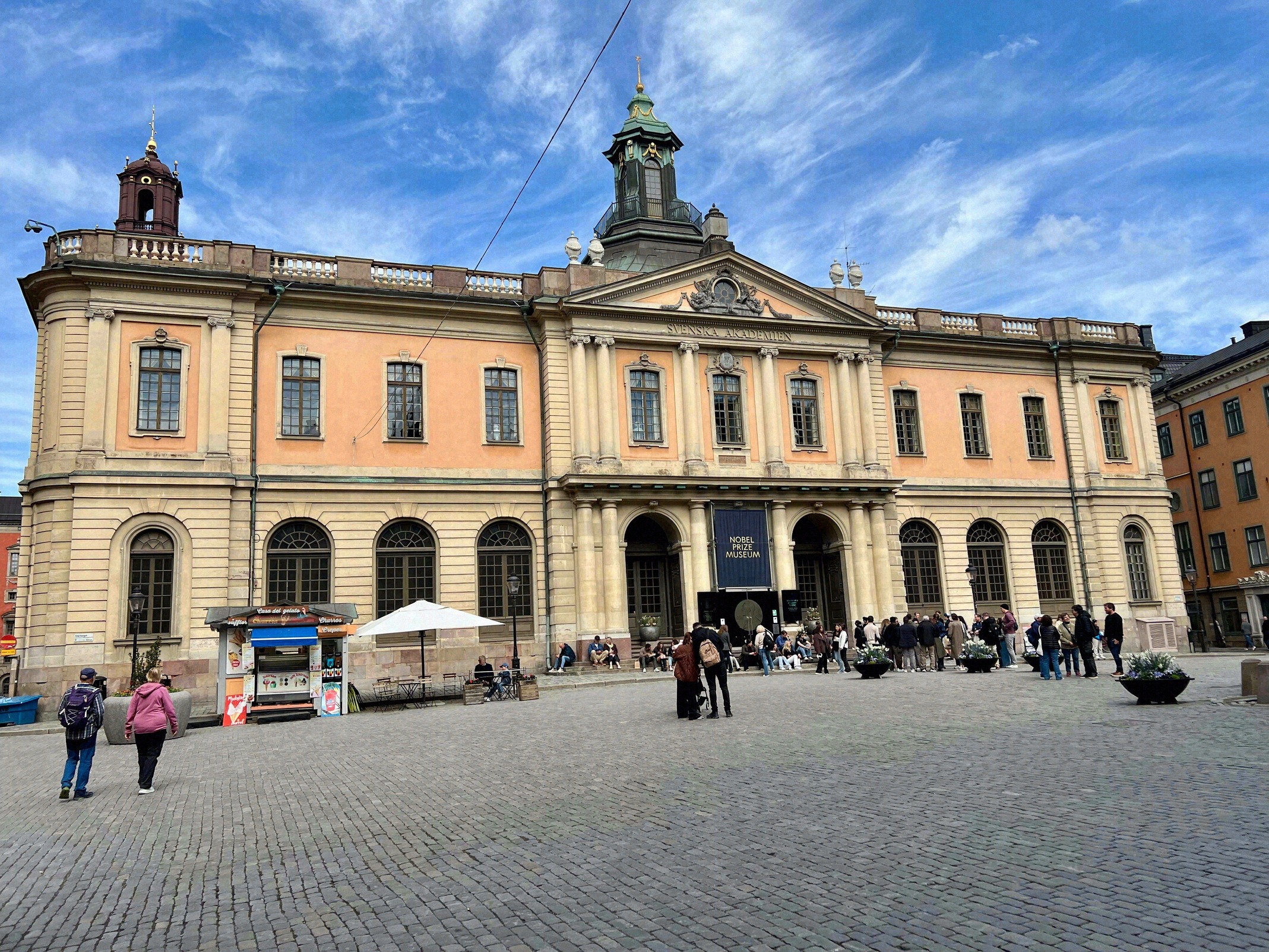
Stockholm's oldest square, in the heart of Gamla Stan, lined with colourful gabled houses and the Nobel Prize Museum, scene of the 1520 Stockholm Bloodbath.
Nobel Prize Museum
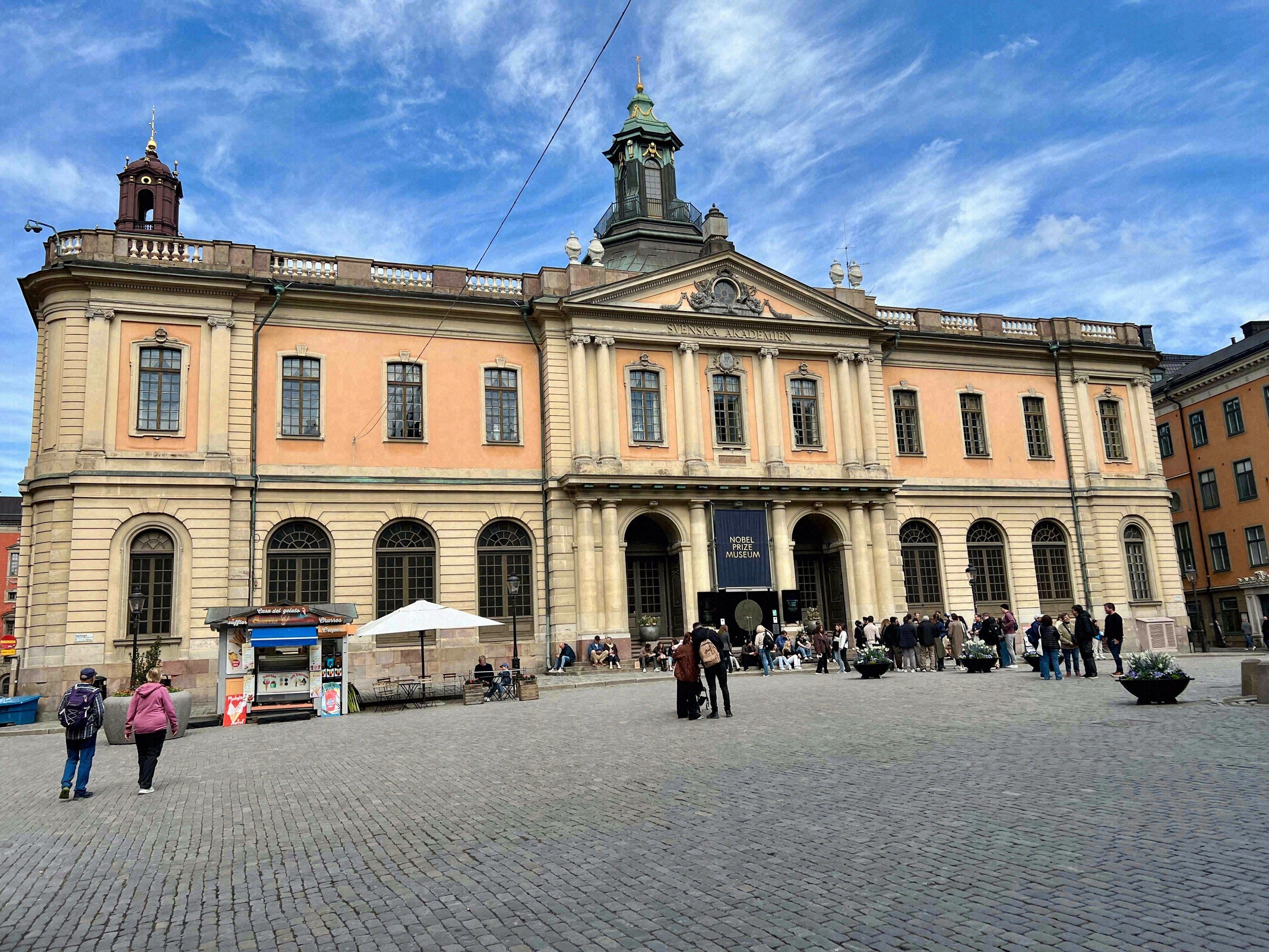
The Nobel Prize Museum on Stortorget in Gamla Stan celebrates Alfred Nobel and the Nobel laureates since 1901, with films, an overhead gallery and Café Satir.
Finska kyrkan
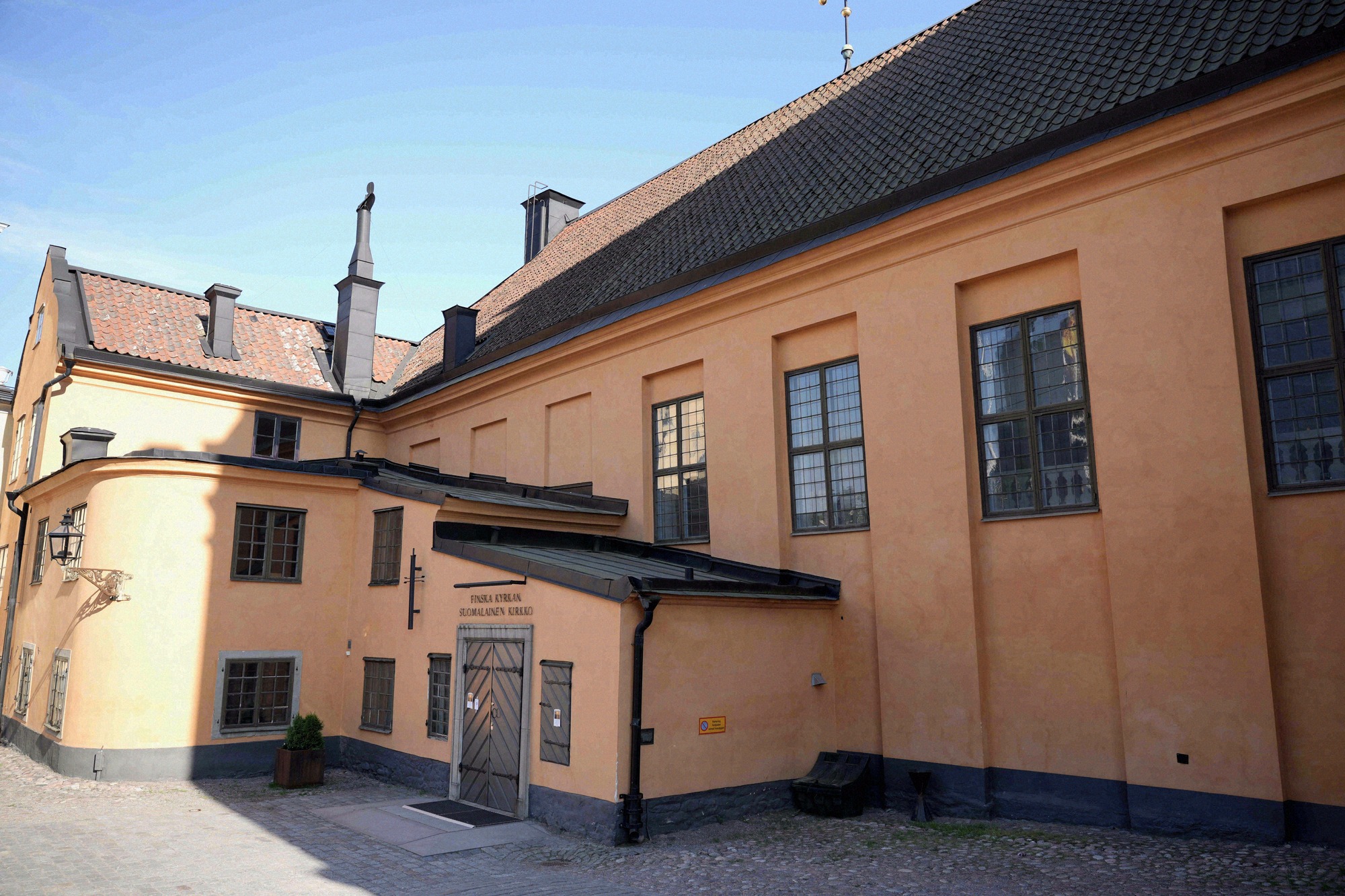
Finska kyrkan (the Finnish Church, officially Fredriks kyrka) is a quiet Baroque church in Gamla Stan, facing the Royal Palace, with the tiny Järnpojken in its courtyard.
Royal Palace
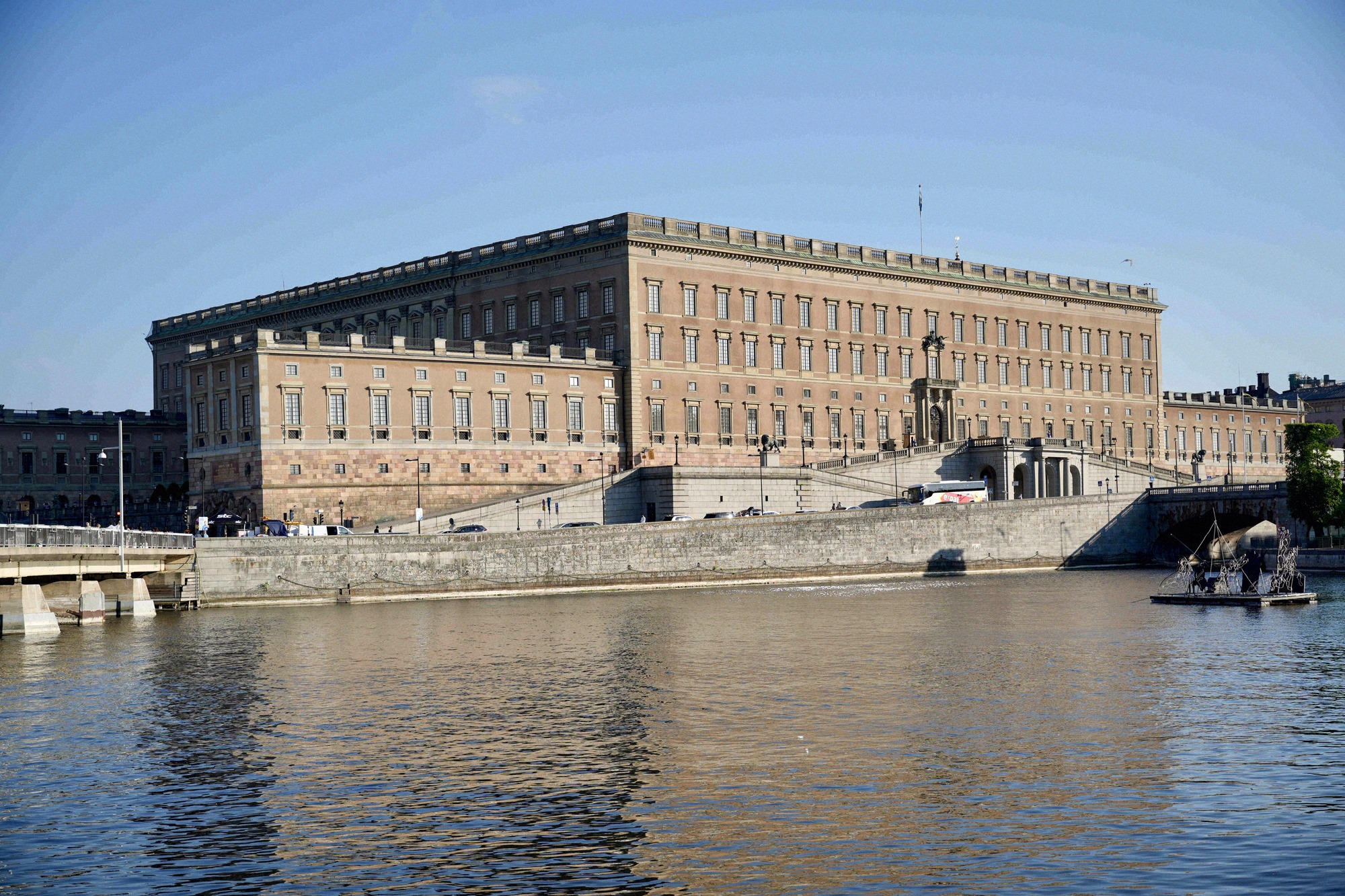
The Royal Palace (Kungliga slottet) in Gamla Stan is the official residence of the King, a Baroque building with over 600 rooms, treasury, Tre Kronor Museum and Changing of the Guard.
German Church
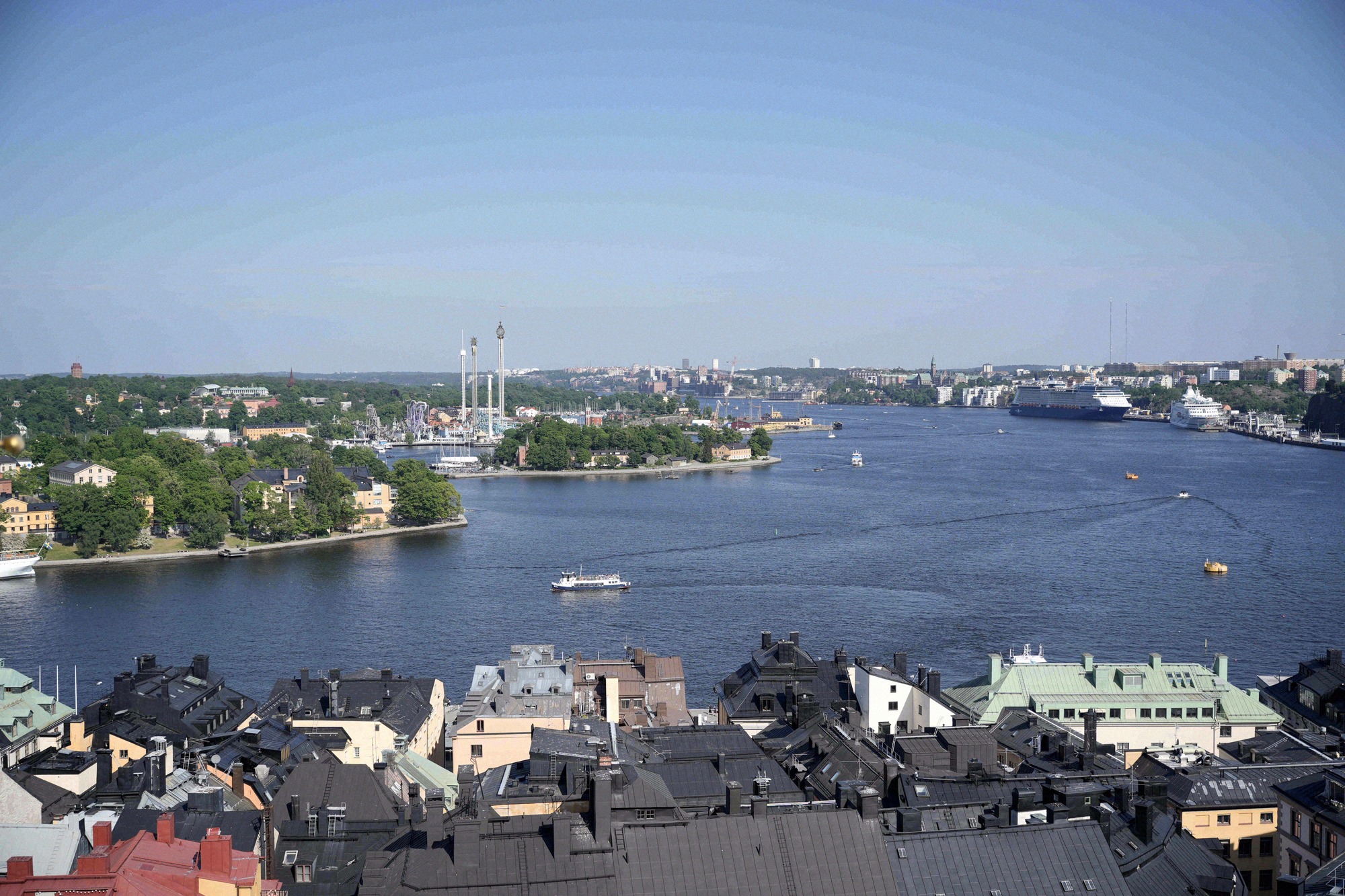
The German Church of St Gertrude in Gamla Stan has housed the oldest German congregation abroad since 1571; its 96-metre tower is the tallest building on the old town island.
Jewish Museum
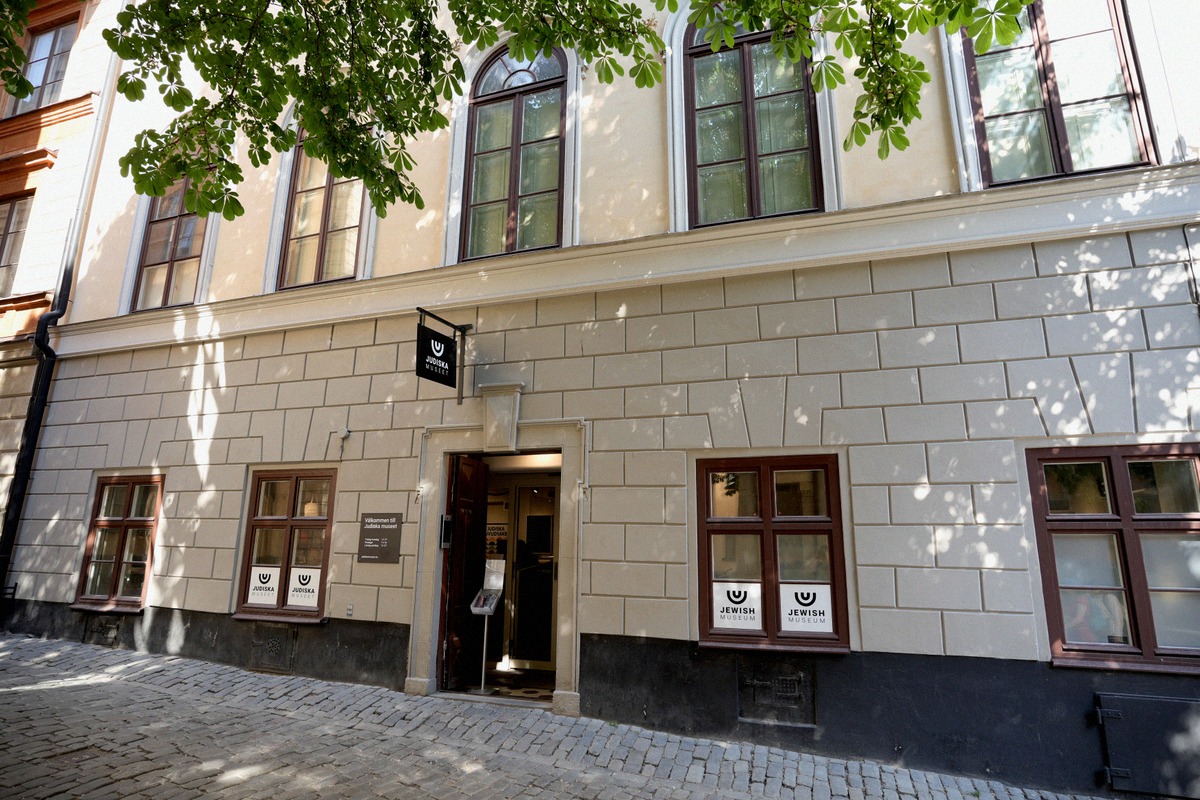
Judiska museet in Gamla Stan tells Sweden's Jewish history inside the city's oldest surviving synagogue, with the permanent exhibition The Jews & Sweden.