Stortorget
Stockholm's oldest square, lined with colourful gabled houses
Stockholm's oldest square, in the heart of Gamla Stan, lined with colourful gabled houses and the Nobel Prize Museum, scene of the 1520 Stockholm Bloodbath.
Contents
The heart of Gamla Stan
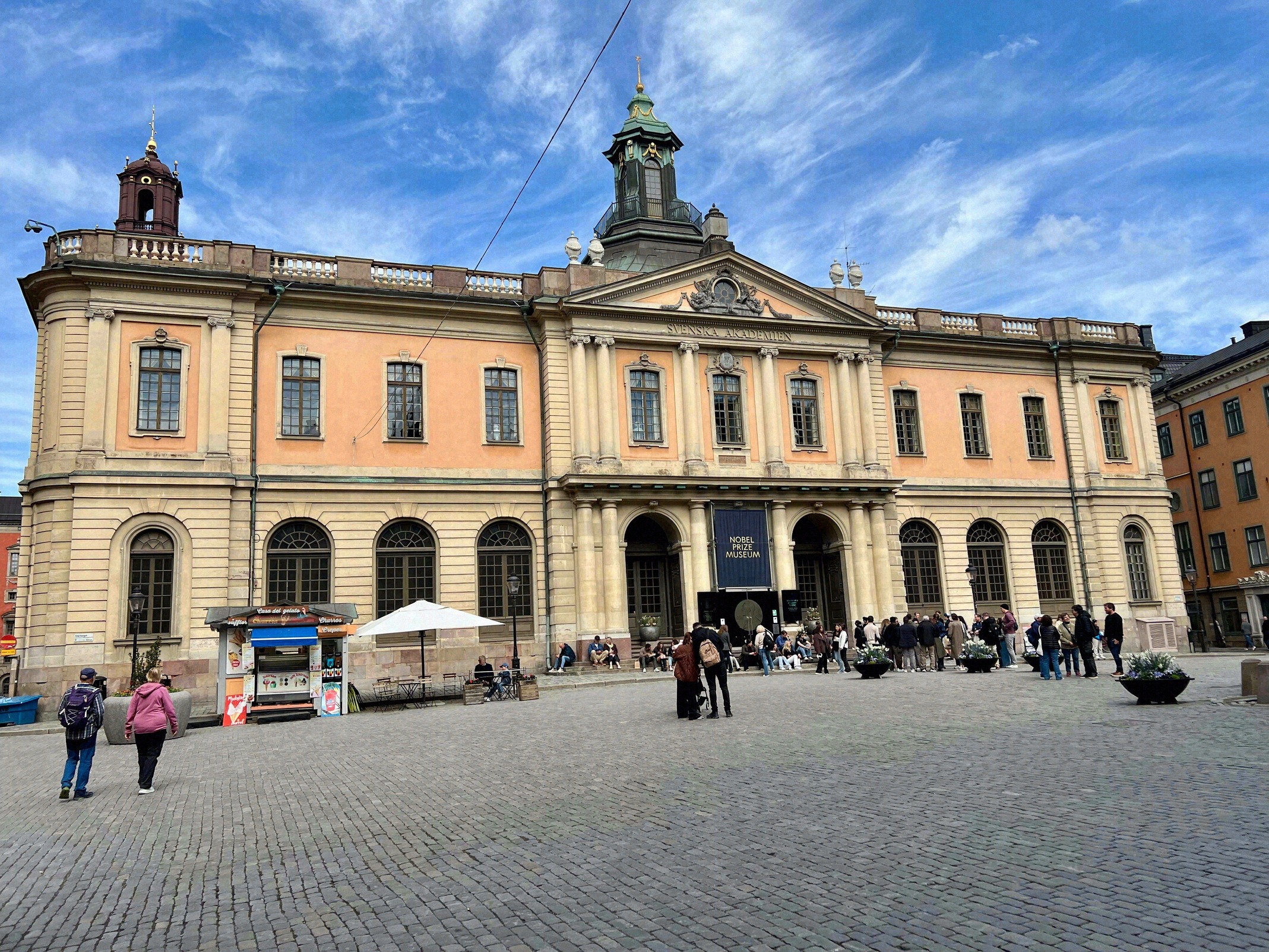
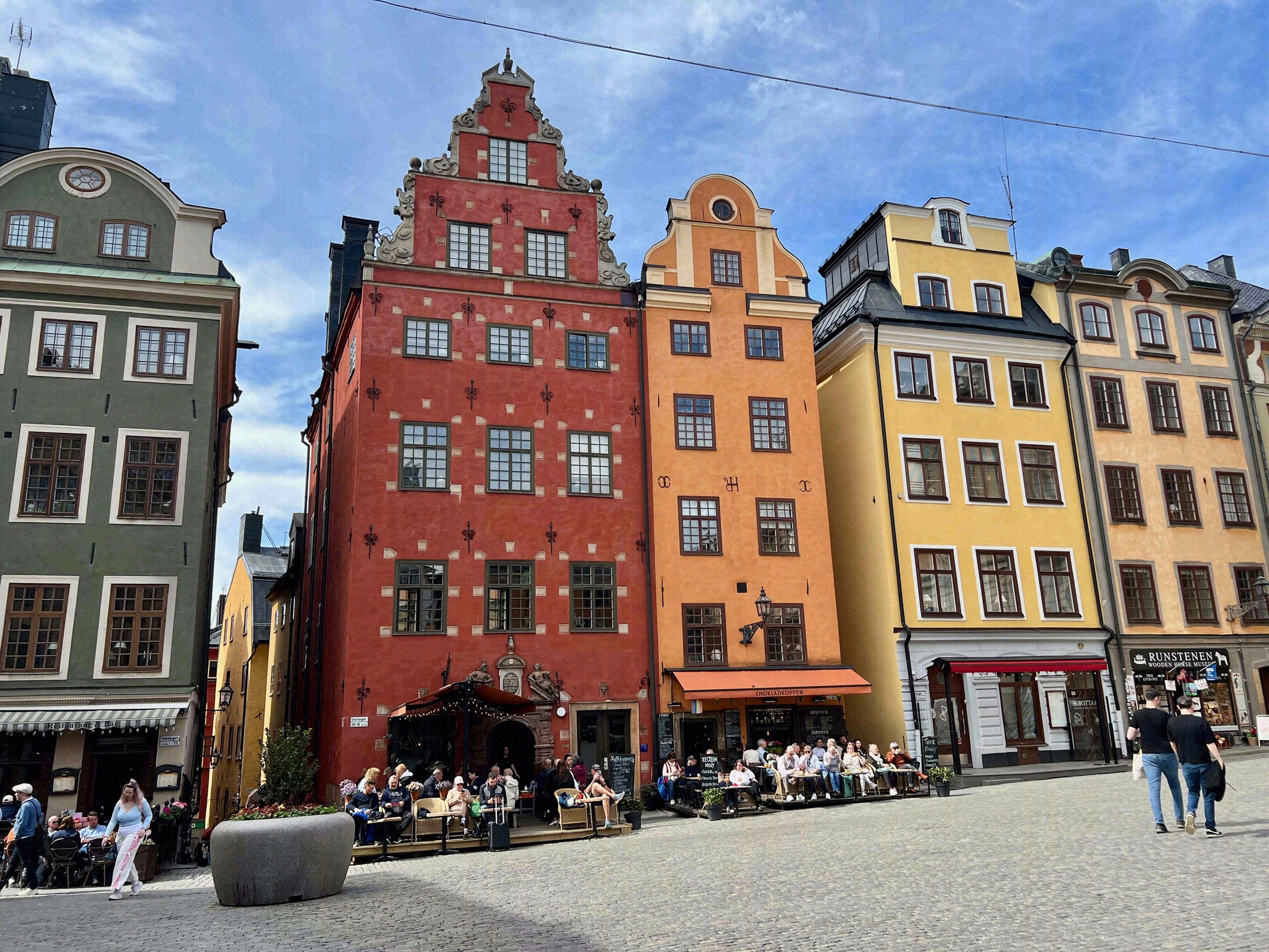
Stortorget is Stockholm's oldest square, right in the middle of the old town, Gamla Stan. Lined with narrow, brightly coloured gabled houses, it's the city's iconic postcard image, the coloured façades on the west side are, according to Visit Stockholm, the most photographed in Stockholm. The square is home to the old Stock Exchange building (Börshuset) with the Nobel Prize Museum, long-established cafés and grand merchants' houses spanning several centuries.
Stortorget is a public square with no admission charge and no opening or closing times, so it's accessible at any time. Allow 20 to 40 minutes for the square itself, it works best as the start of, or a stop on, a walk around the old town.
The Stockholm Bloodbath of 1520
However idyllic the square looks today, its history is a bloody one. In November 1520 (8-10 November), the Stockholm Bloodbath took place here: the Danish king Christian II had around 80 to 90 Swedish nobles and clergy executed. The event led to the collapse of the Kalmar Union and paved the way for Gustav Vasa to become King of Sweden, a turning point in Swedish history.
The red Schantzska huset (Stortorget 20) is said, according to legend, to commemorate the bloodbath: set into its façade around the windows are white stones, said to represent the victims. Their number is given variously (roughly 82 to 94), and there's no historical evidence for this direct link, the exact site of the executions on the square isn't marked. Even so, the façade is worth a look, and a good reason to glance upward while strolling past.
What to expect on the square
Stortorget packs a lot into a small space:
- the Nobel Prize Museum (Nobelprismuseet) in the old Stock Exchange building, Stortorget 2,
- the well-known cafés Chokladkoppen and Kaffekoppen in the gabled houses,
- the bakery Grillska Huset and the bar Pharmarium,
- the photogenic row of houses on the square's west side.
The Nobel Prize Museum is a separate visit with its own admission charge: 160 SEK for adults, 120 SEK for students and seniors, free for under-18s. Opening hours vary seasonally - in summer (June to August) it's open daily, otherwise usually Tuesday to Sunday, closed Mondays. Last admission is 15 minutes before closing; check the museum's website for current times.
Christmas market and the best time to visit
During Advent, a traditional Christmas market transforms the square: the Stortorget Julmarknad is considered Sweden's oldest Christmas market and has been run by the non-profit Stockholms-Gillet association since 1915. The red wooden stalls, selling mulled wine (glögg), roasted almonds and handicrafts, suit the backdrop of the gabled houses perfectly. Admission is free; the market runs from late November to 23 December (in 2025 it ran from 22 November to 23 December, open Sun-Thu 11:00-18:00, Fri-Sat 11:00-19:00). Official dates for 2026 haven't been published yet, but should follow the same pattern.
Outside Advent, the early morning is worth planning around: that's when you can photograph the colourful façades without tour groups and day-trippers. As everywhere in Gamla Stan, it gets busy in high season and late morning, arrive early for peace, quiet and good light.
Getting there and around
The nearest metro (Tunnelbana) station is Gamla stan (green and red lines, between T-Centralen and Slussen), just a few minutes' walk away. Gamla Stan is largely car-free, so walking or the metro are the best ways to get around.
Its location makes Stortorget the natural centre of a walk around the old town. Just steps away stand Stockholm Cathedral (Storkyrkan) and the Royal Palace, and a little further on, Riddarholmen Church and the Riddarhuset. For more on the neighbourhood, see the Gamla Stan overview, and for planning your visit, the Stockholm's attractions at a glance guide is worth a look.
Frequently asked questions
What is special about Stortorget? +
Is there an admission charge for Stortorget? +
When is Stortorget quietest? +
Does Stortorget host a Christmas market? +
How do I get to Stortorget? +
Nearby
Stockholm Cathedral
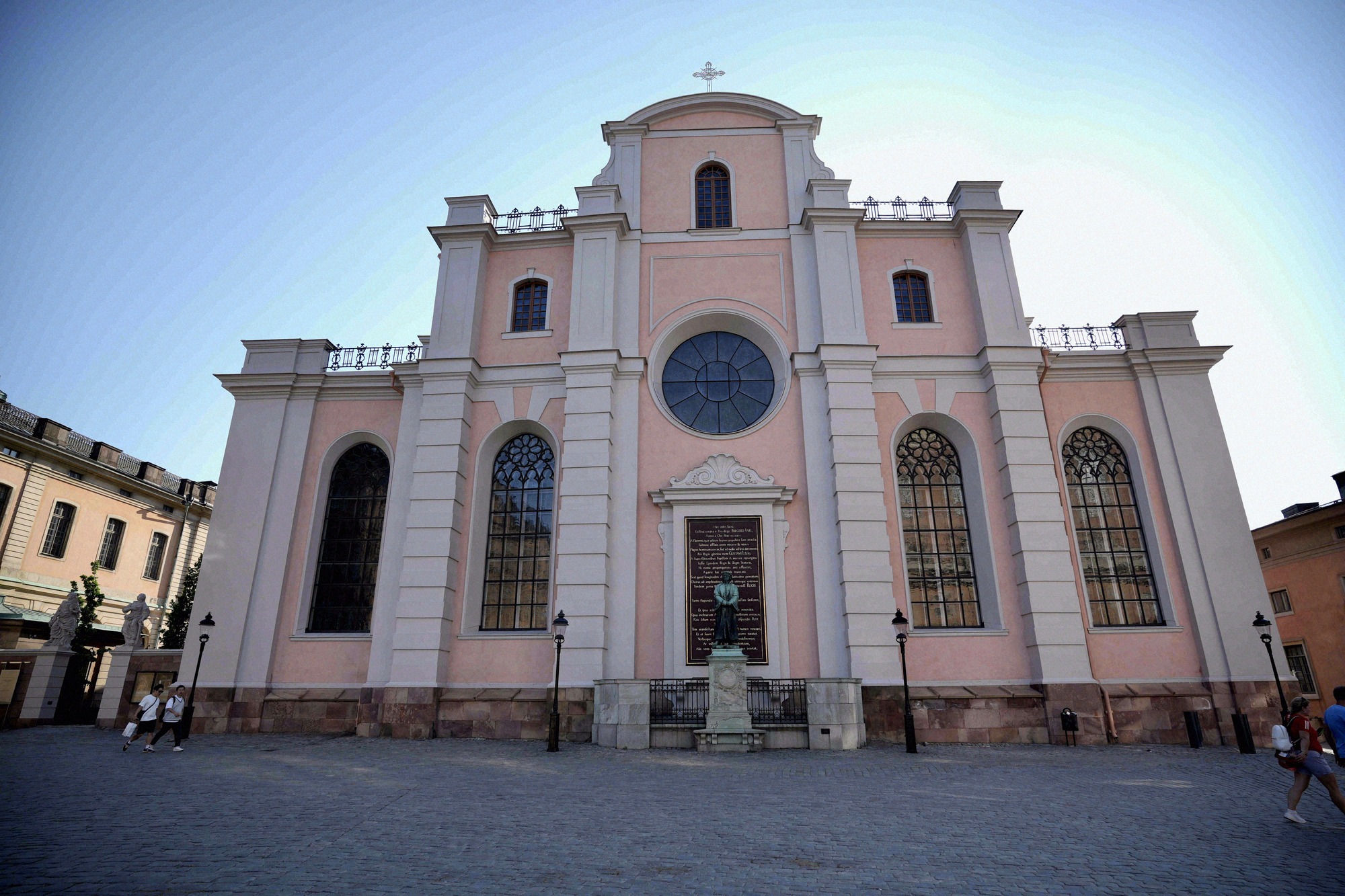
Stockholm Cathedral (Storkyrkan), the city's oldest church: brick Gothic in Gamla Stan with the Saint George sculpture and the Vädersolstavlan.
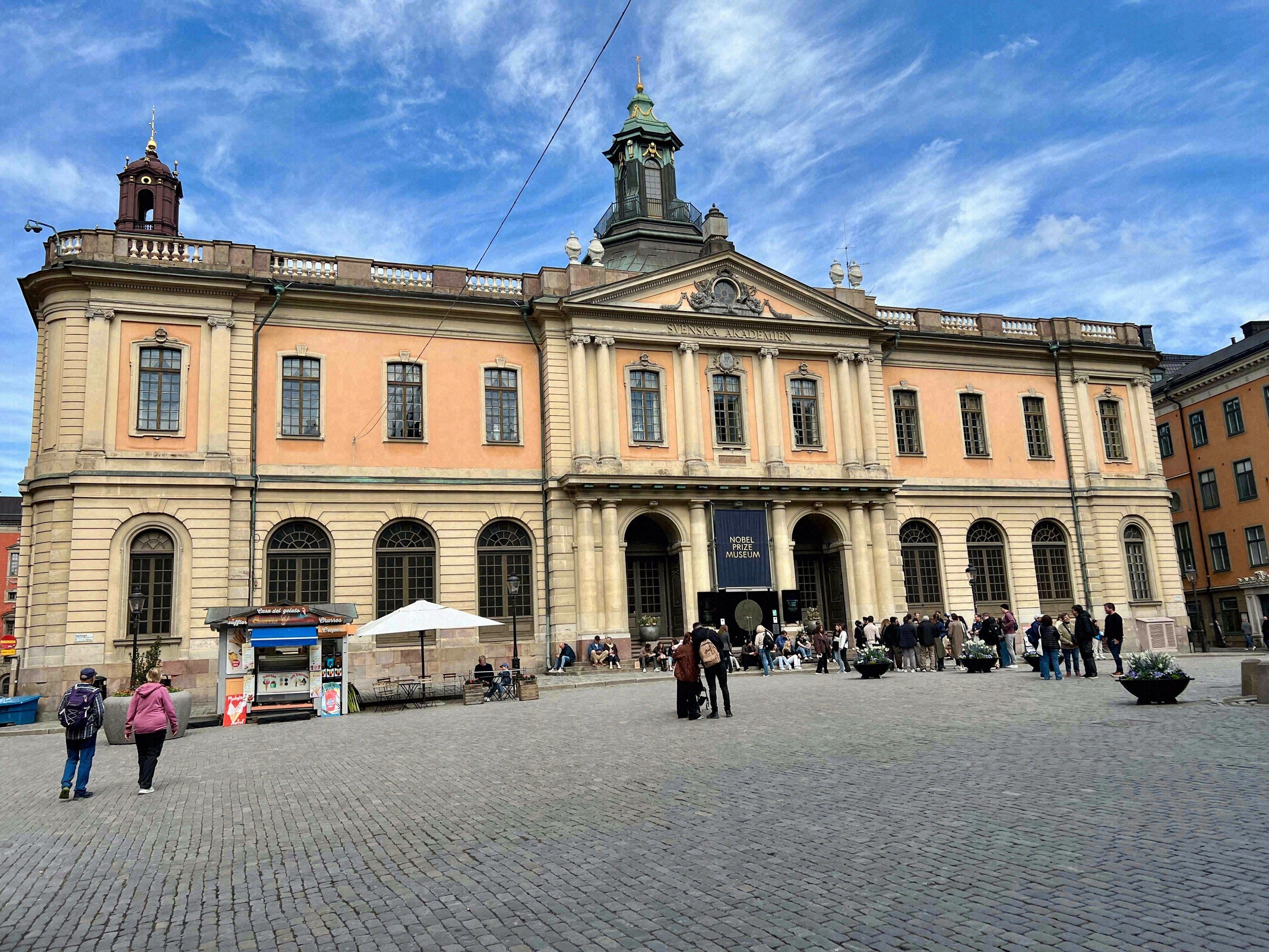
Nobel Prize Museum
The Nobel Prize Museum on Stortorget in Gamla Stan celebrates Alfred Nobel and the Nobel laureates since 1901, with films, an overhead gallery and Café Satir.
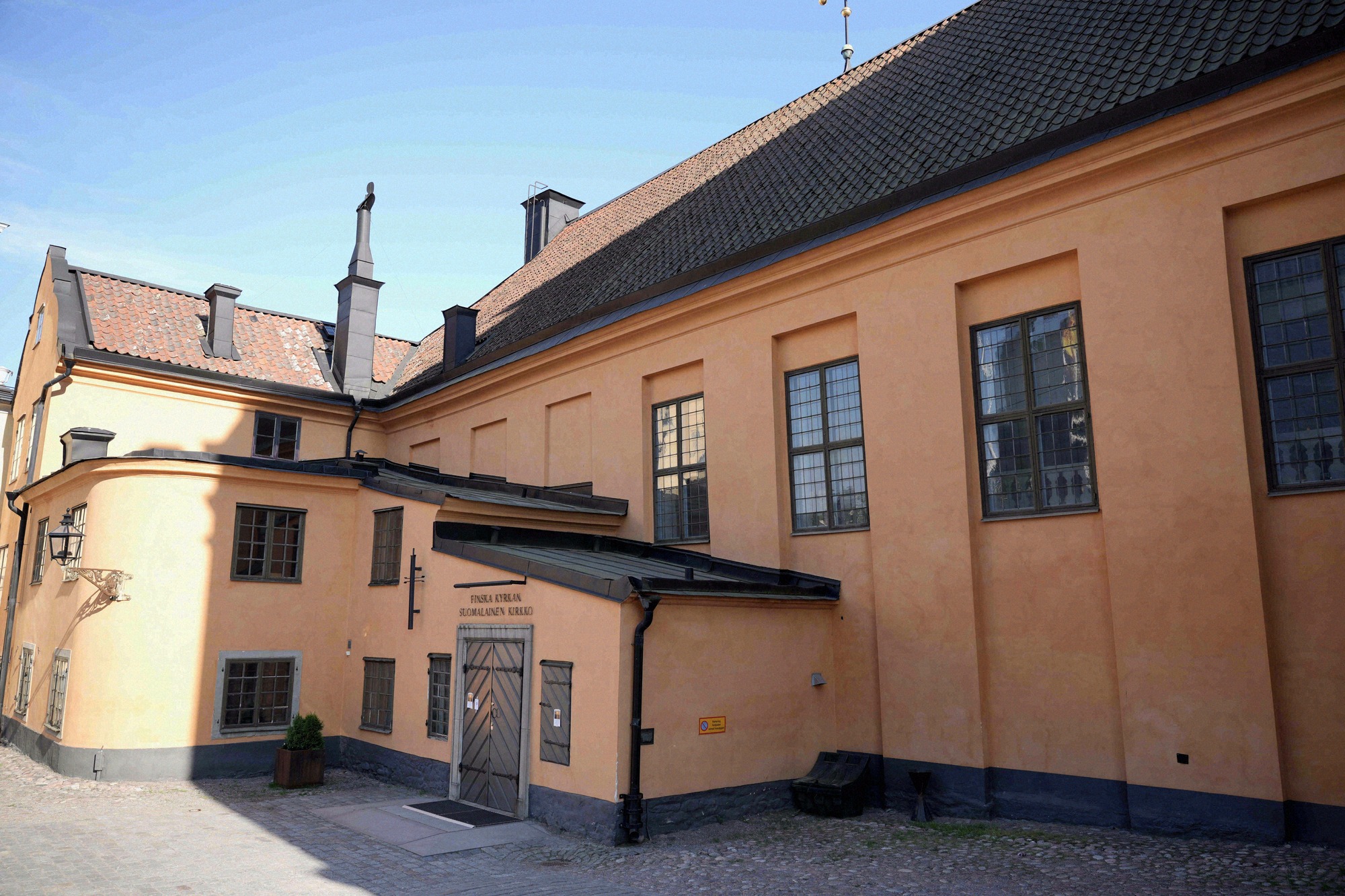
Finska kyrkan
Finska kyrkan (the Finnish Church, officially Fredriks kyrka) is a quiet Baroque church in Gamla Stan, facing the Royal Palace, with the tiny Järnpojken in its courtyard.
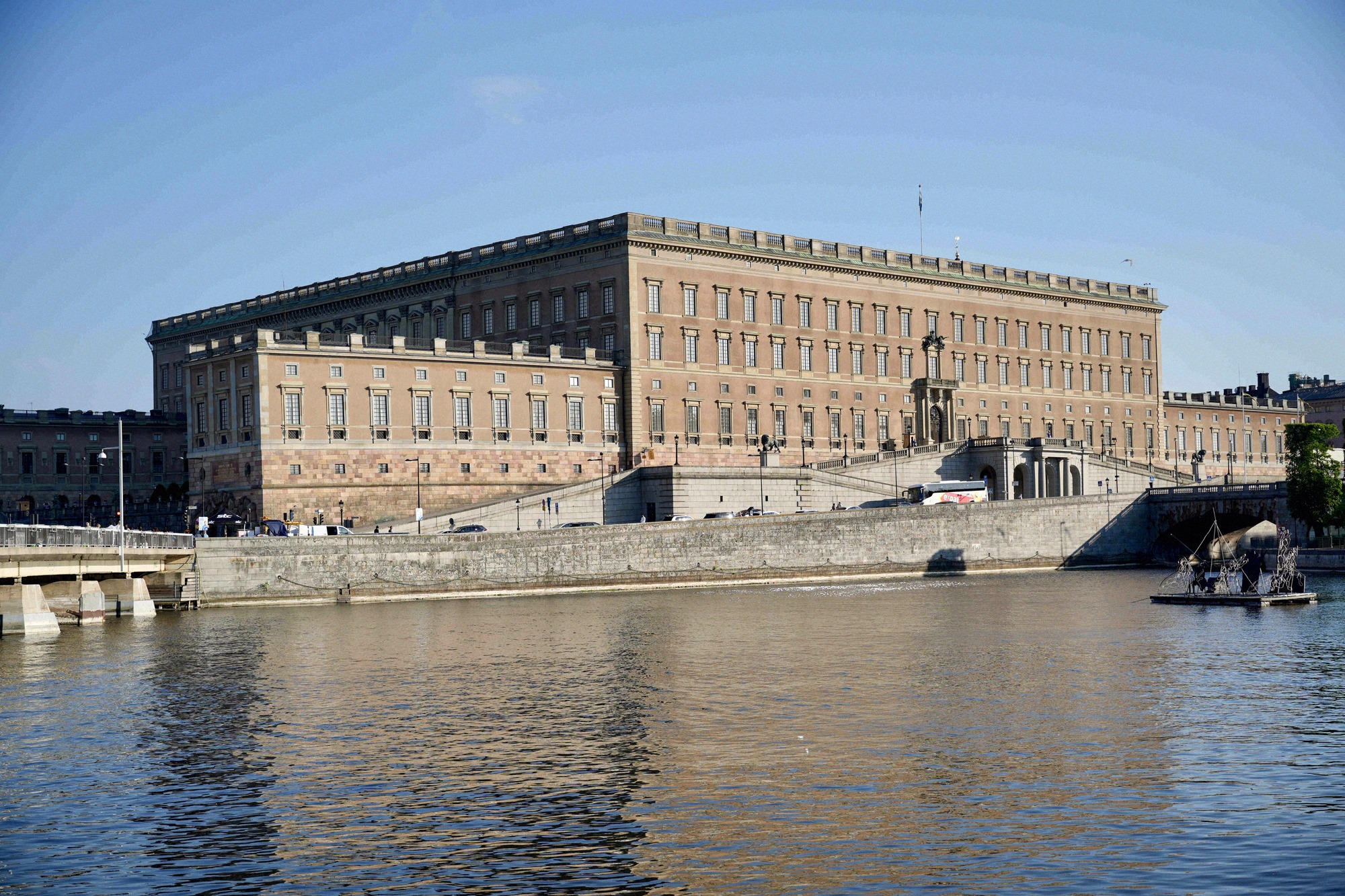
Royal Palace
The Royal Palace (Kungliga slottet) in Gamla Stan is the official residence of the King, a Baroque building with over 600 rooms, treasury, Tre Kronor Museum and Changing of the Guard.
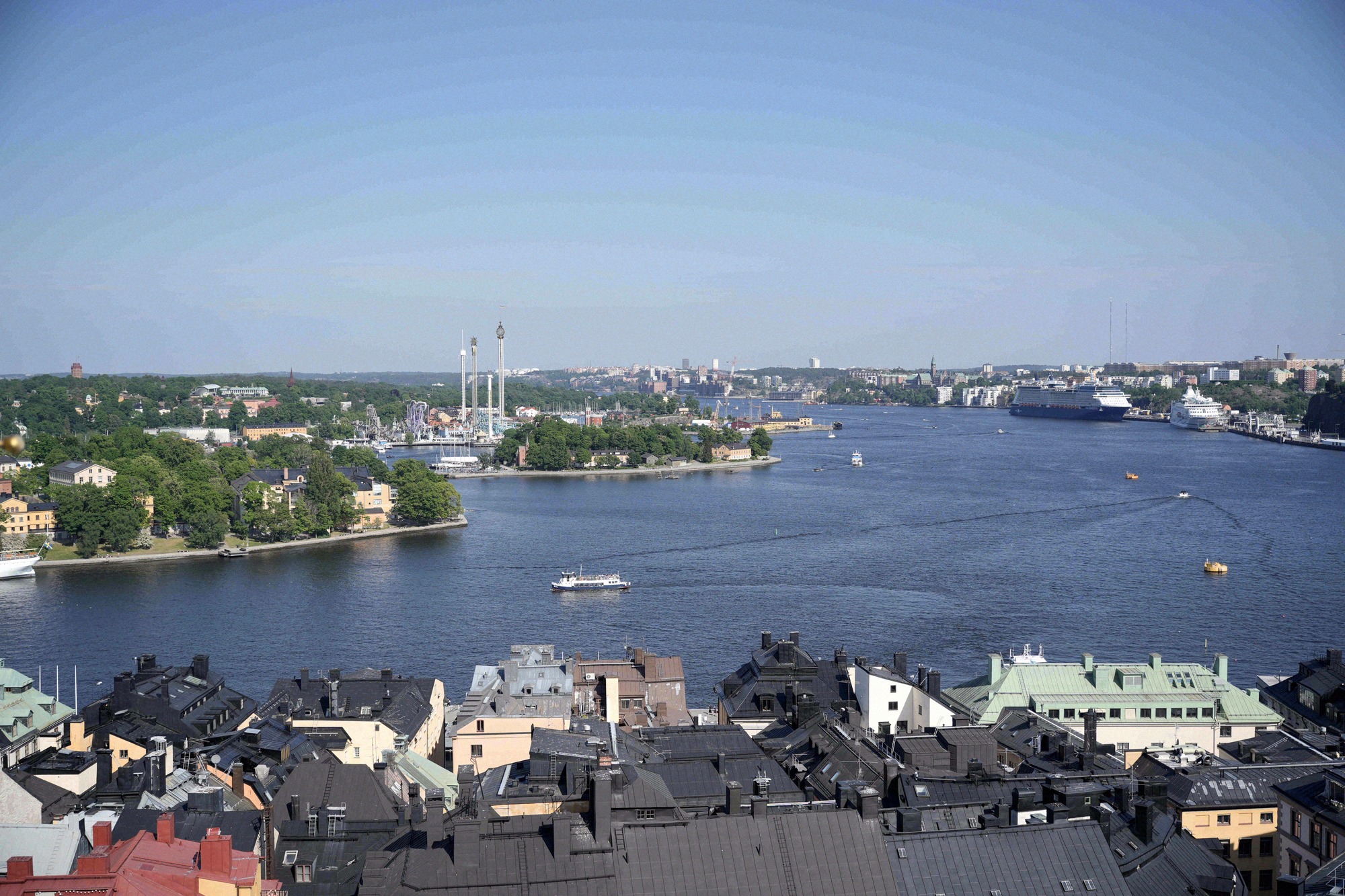
German Church
The German Church of St Gertrude in Gamla Stan has housed the oldest German congregation abroad since 1571; its 96-metre tower is the tallest building on the old town island.
Jewish Museum
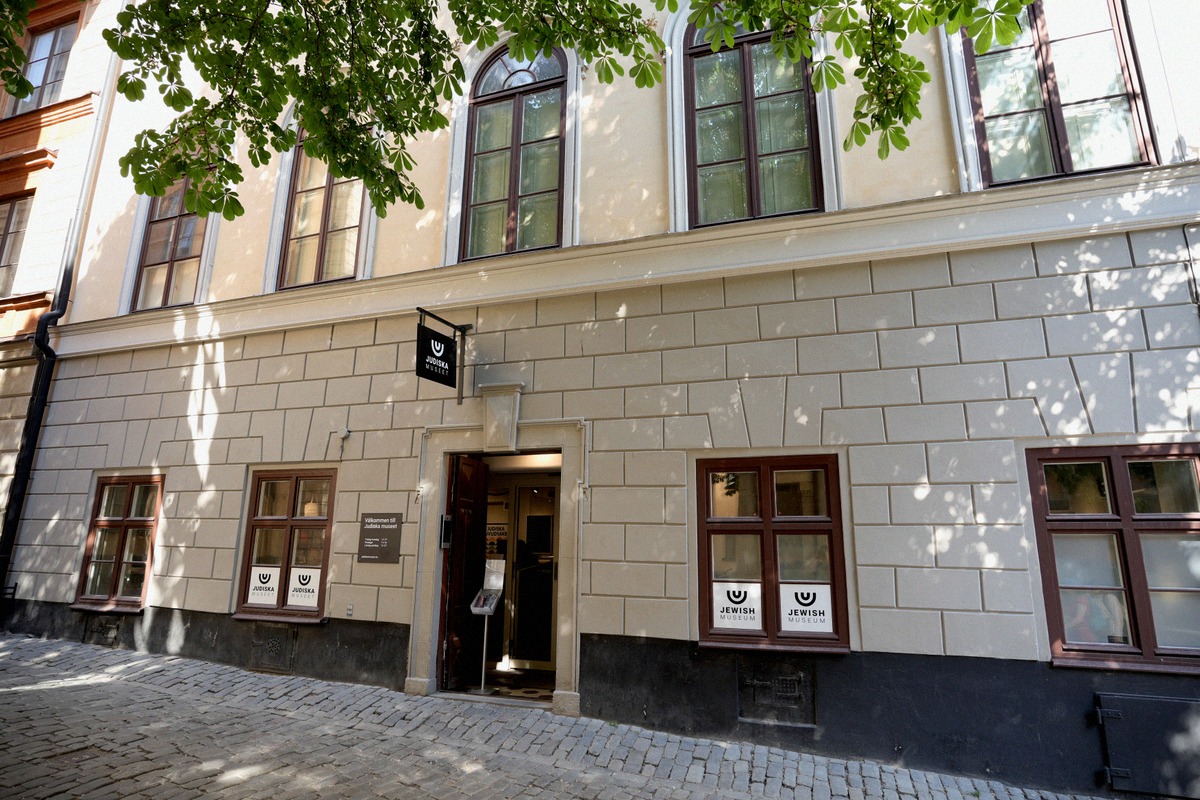
Judiska museet in Gamla Stan tells Sweden's Jewish history inside the city's oldest surviving synagogue, with the permanent exhibition The Jews & Sweden.