
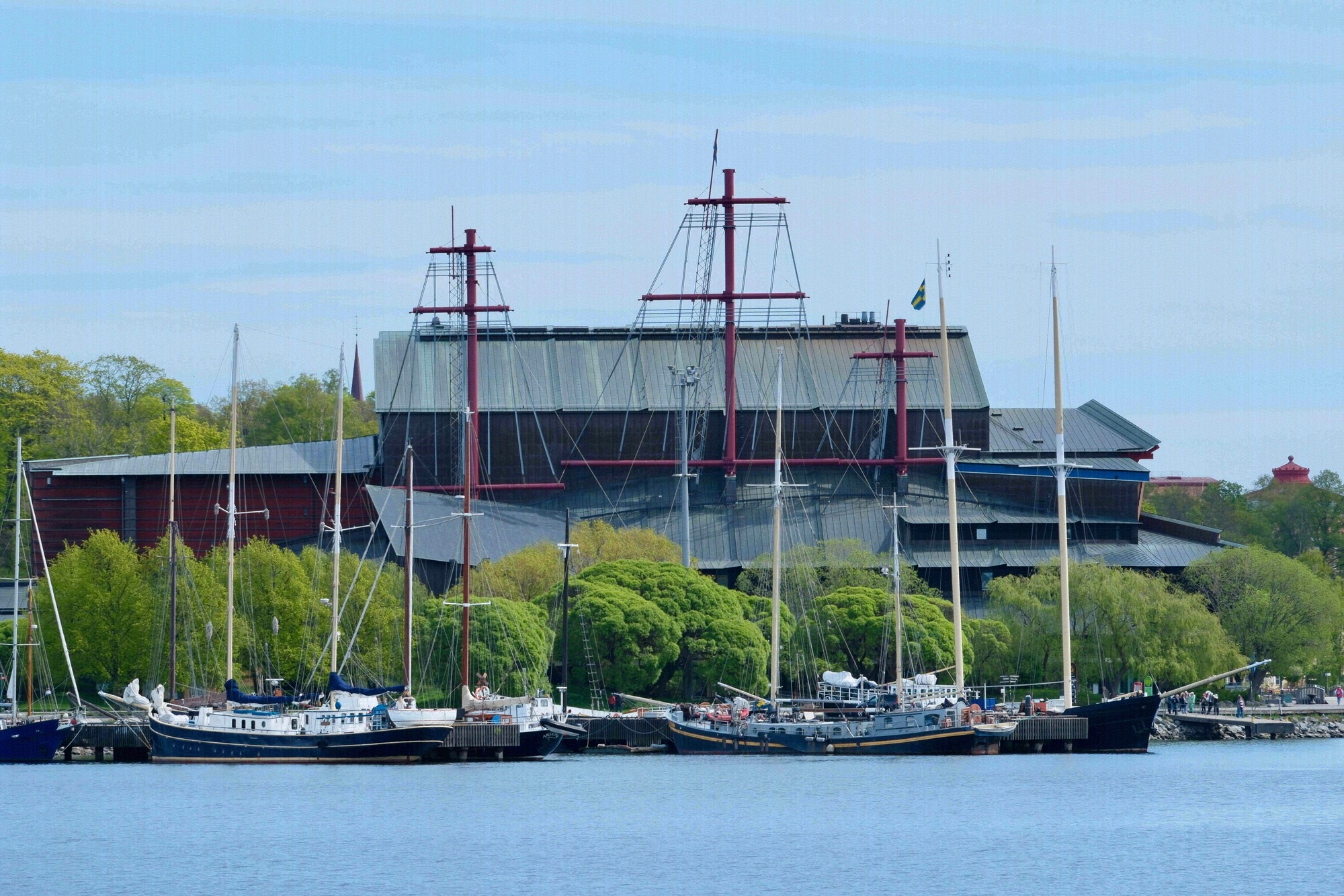
Vasa
Salvaged 1628 warship on Djurgården
Overview
Stockholm's top attractions at a glance - the Vasa Museum, Skansen, Gamla Stan, the Royal Palace and the archipelago. Prices in SEK, free tips and a two-to-four-day plan.
Salvaged 1628 warship on Djurgården
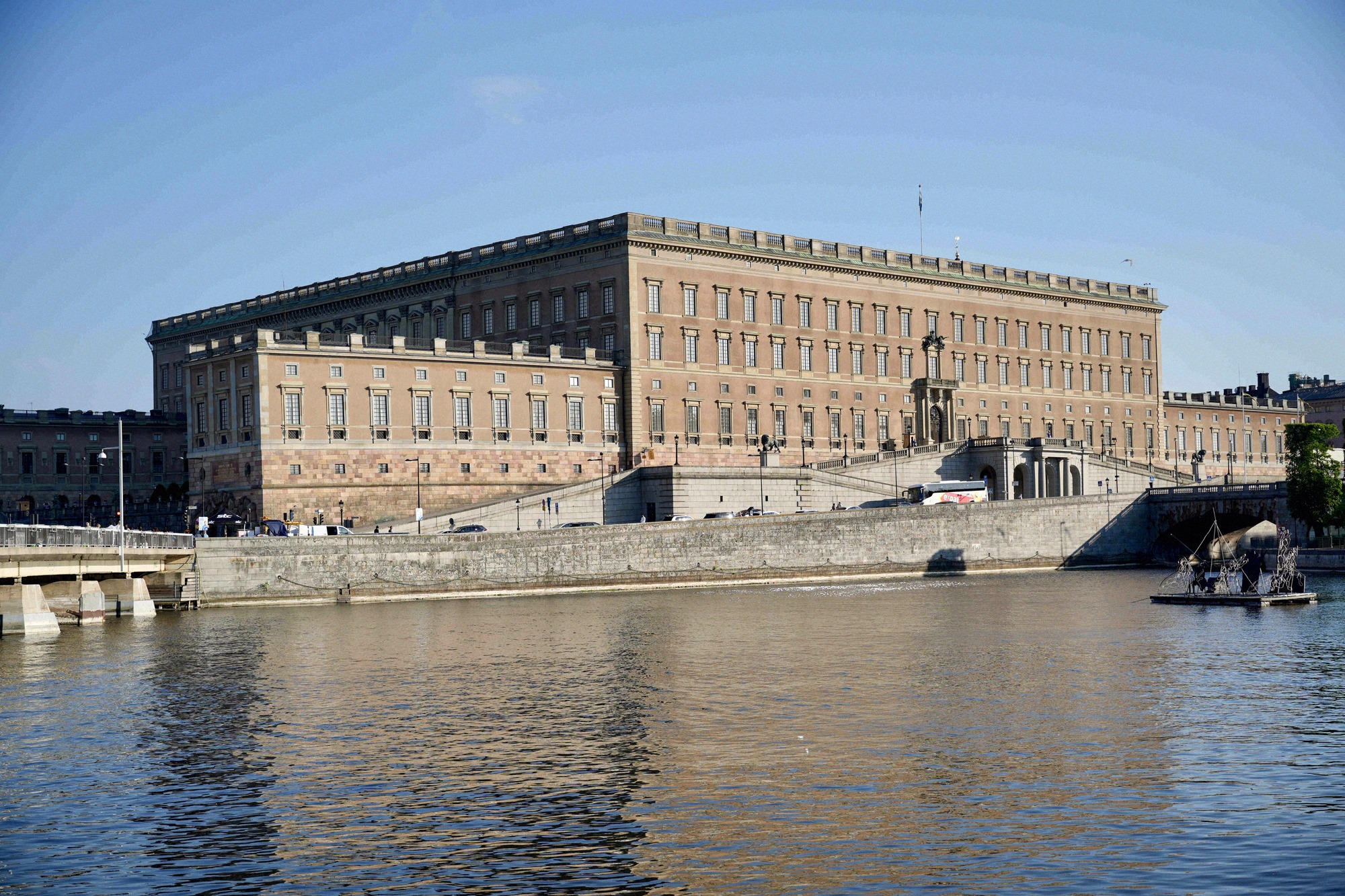
Baroque royal residence with the Changing of the Guard in Gamla Stan
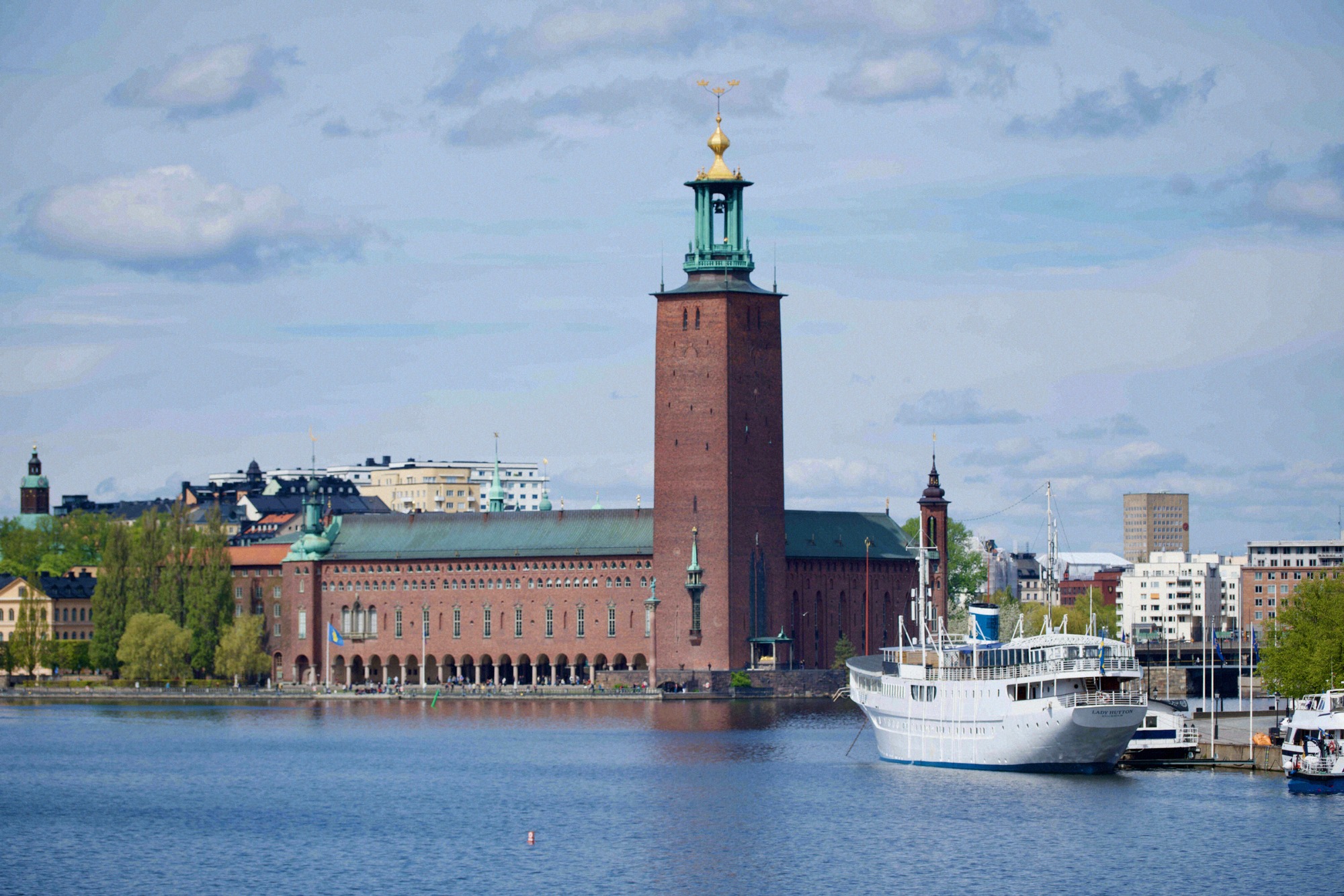
Waterfront town hall with Nobel halls and tower climb
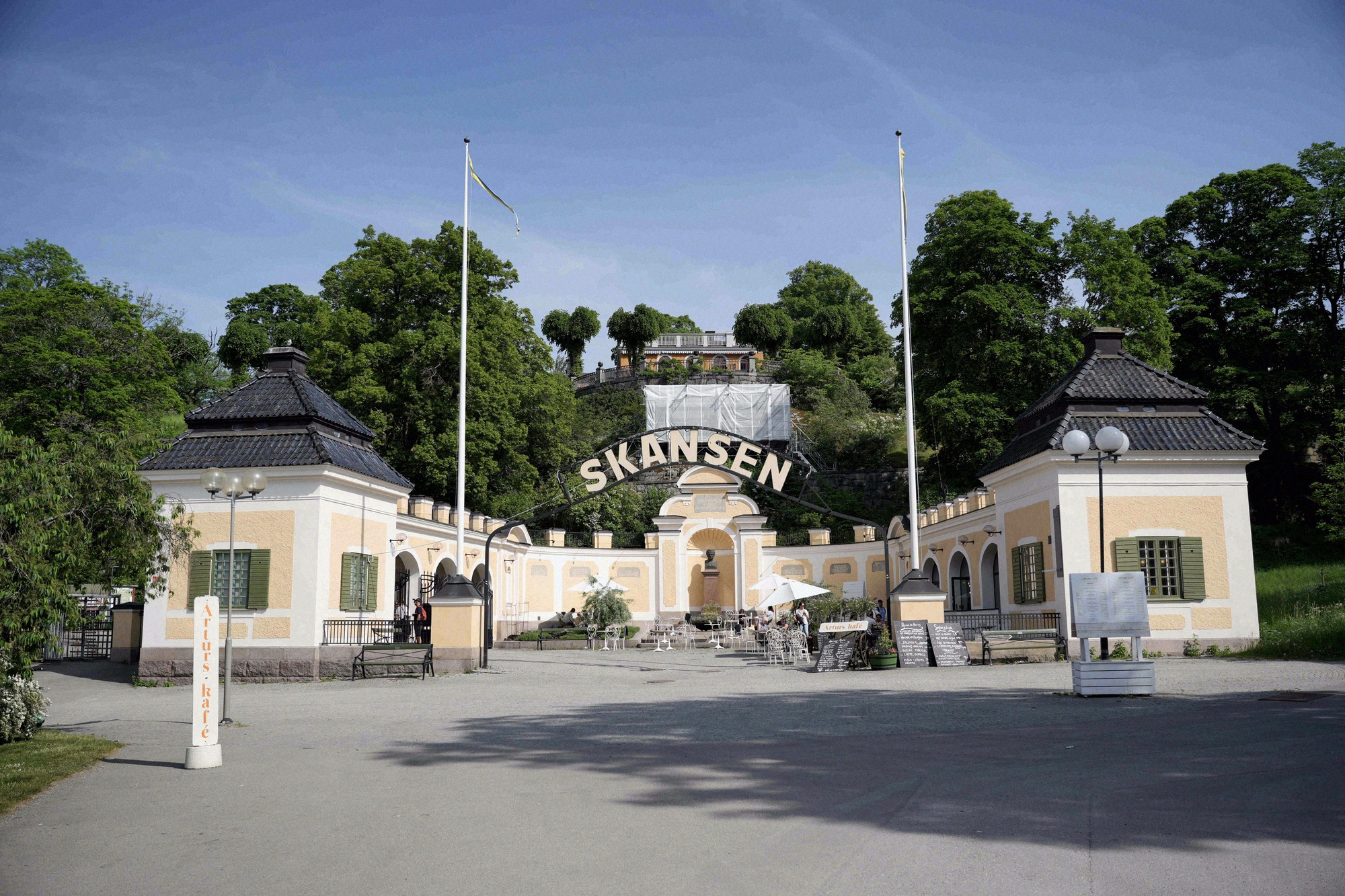
The world's oldest open-air museum
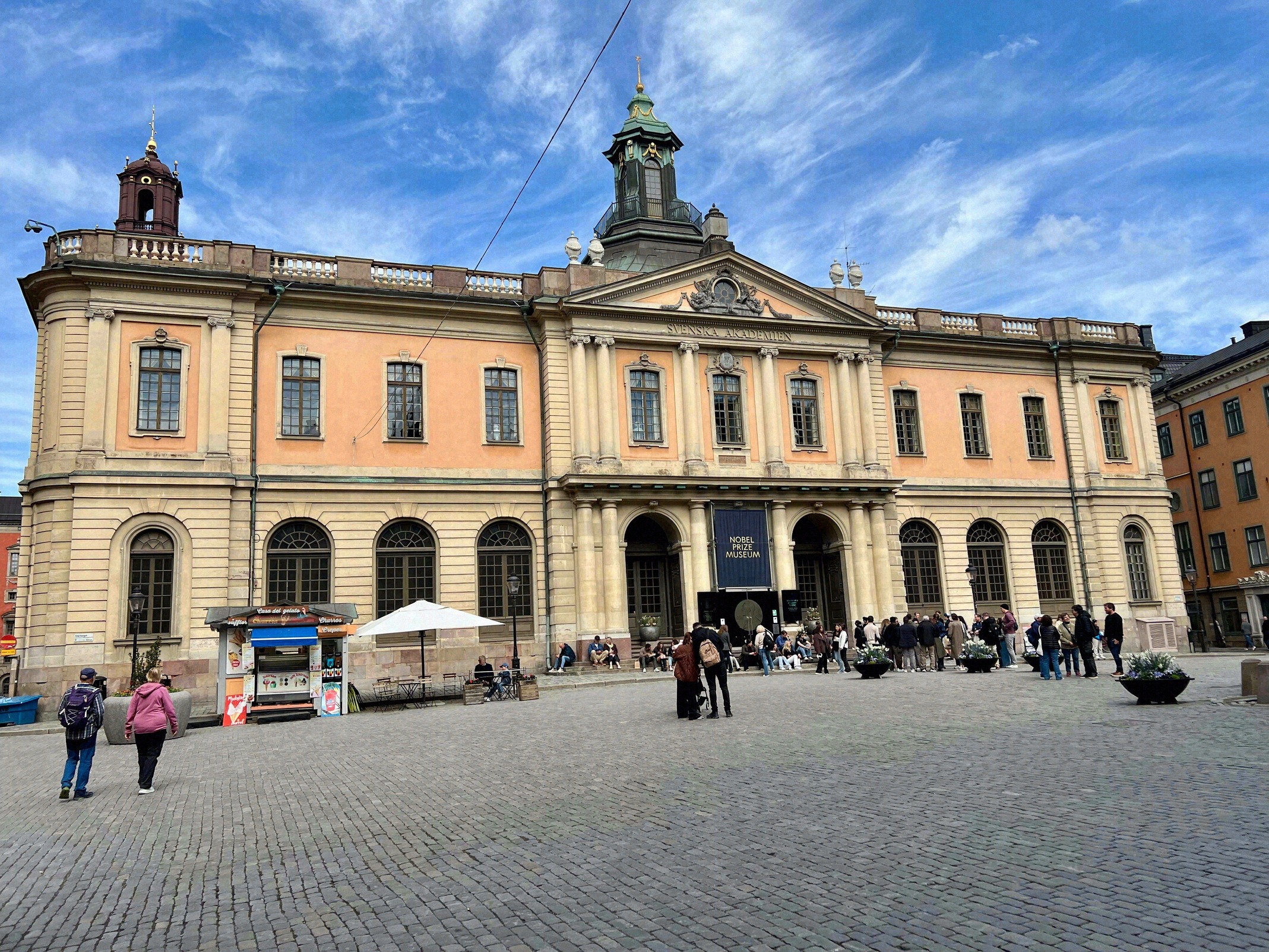
Stockholm's oldest square, lined with colourful gabled houses
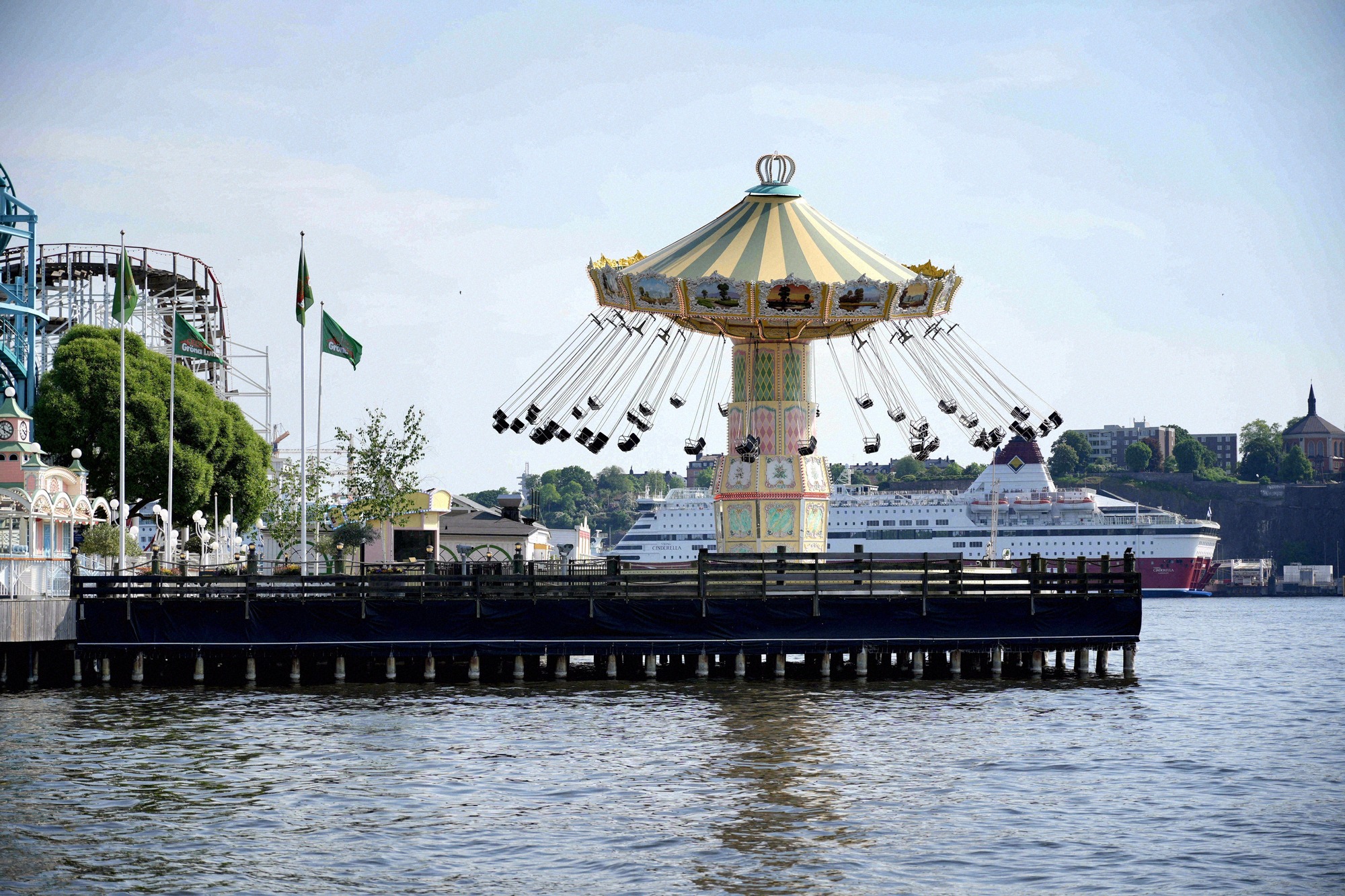
Stockholm's historic amusement park
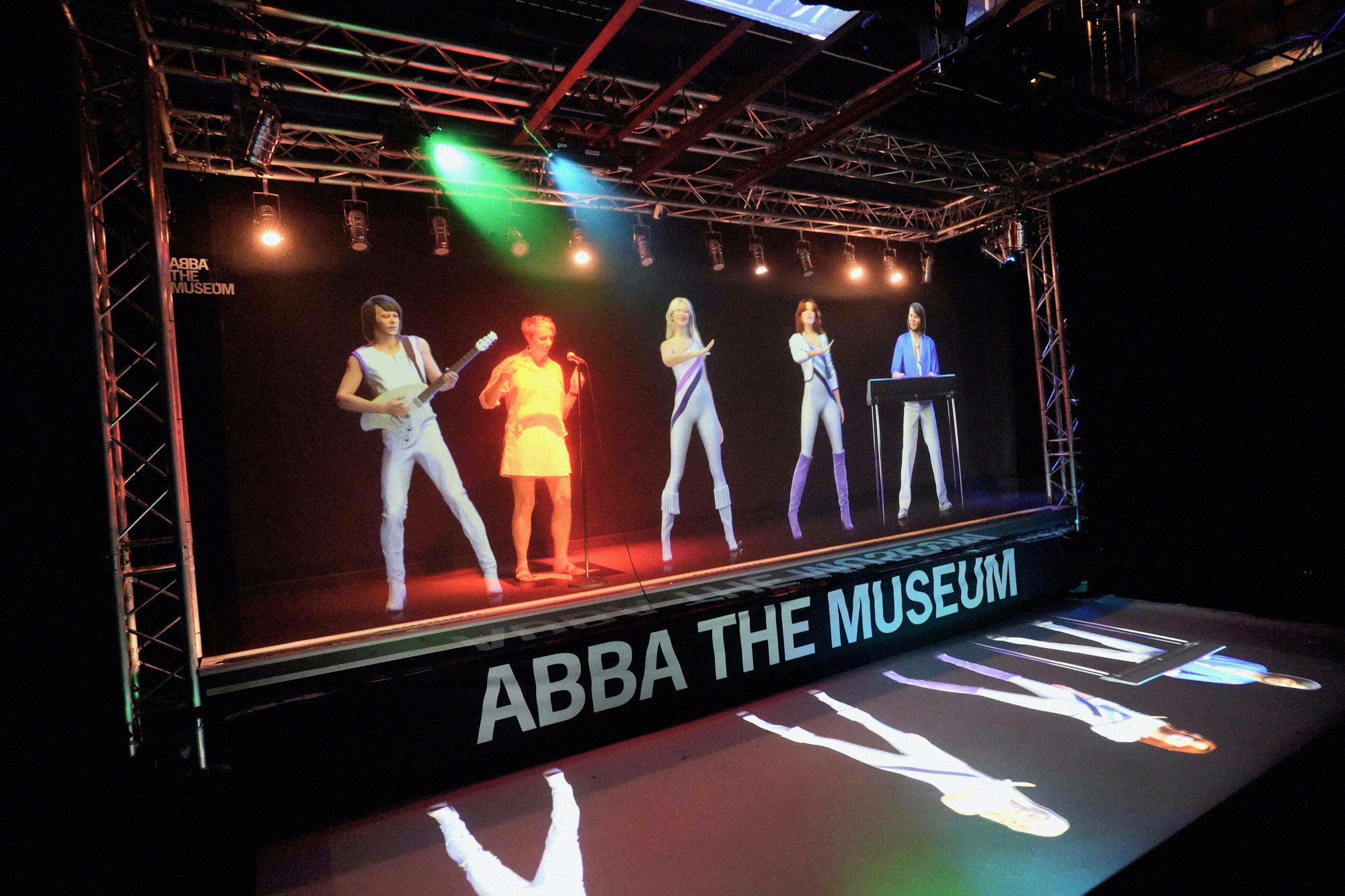
Pop museum with hologram stage & hands-on exhibits
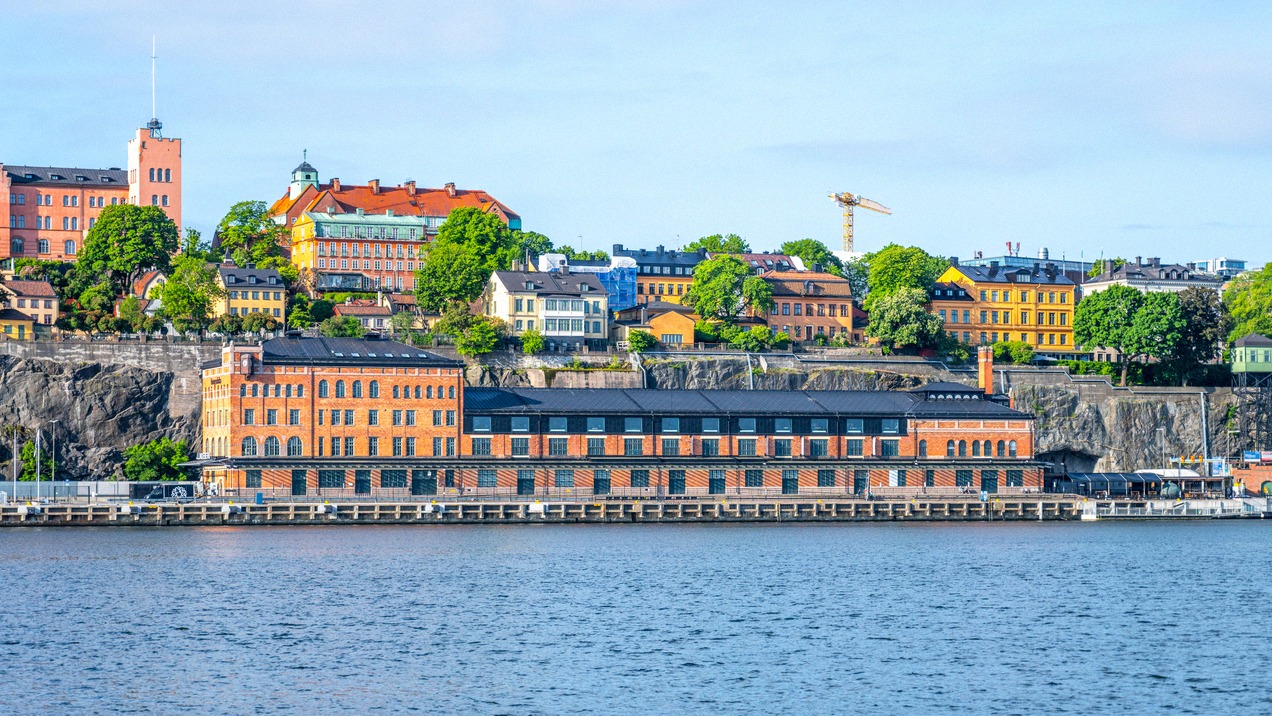
Contemporary photography on the Södermalm waterfront
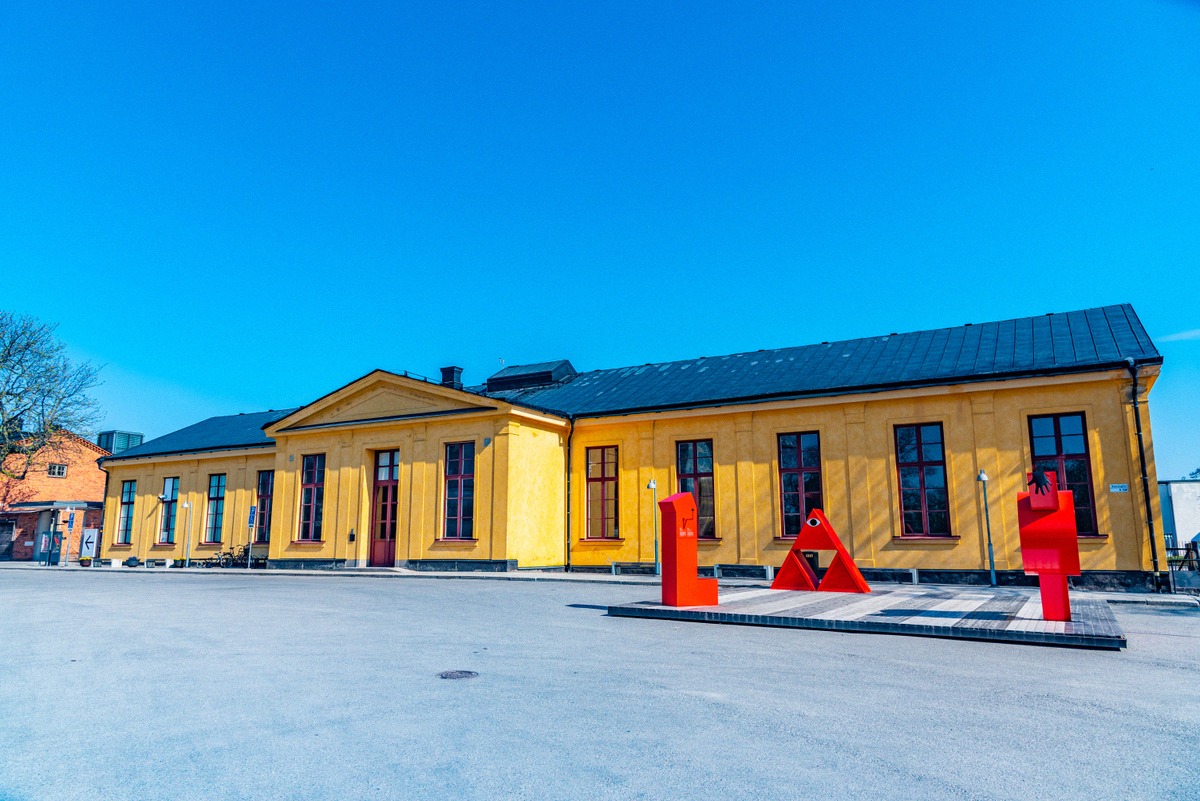
Modern and contemporary art on Skeppsholmen
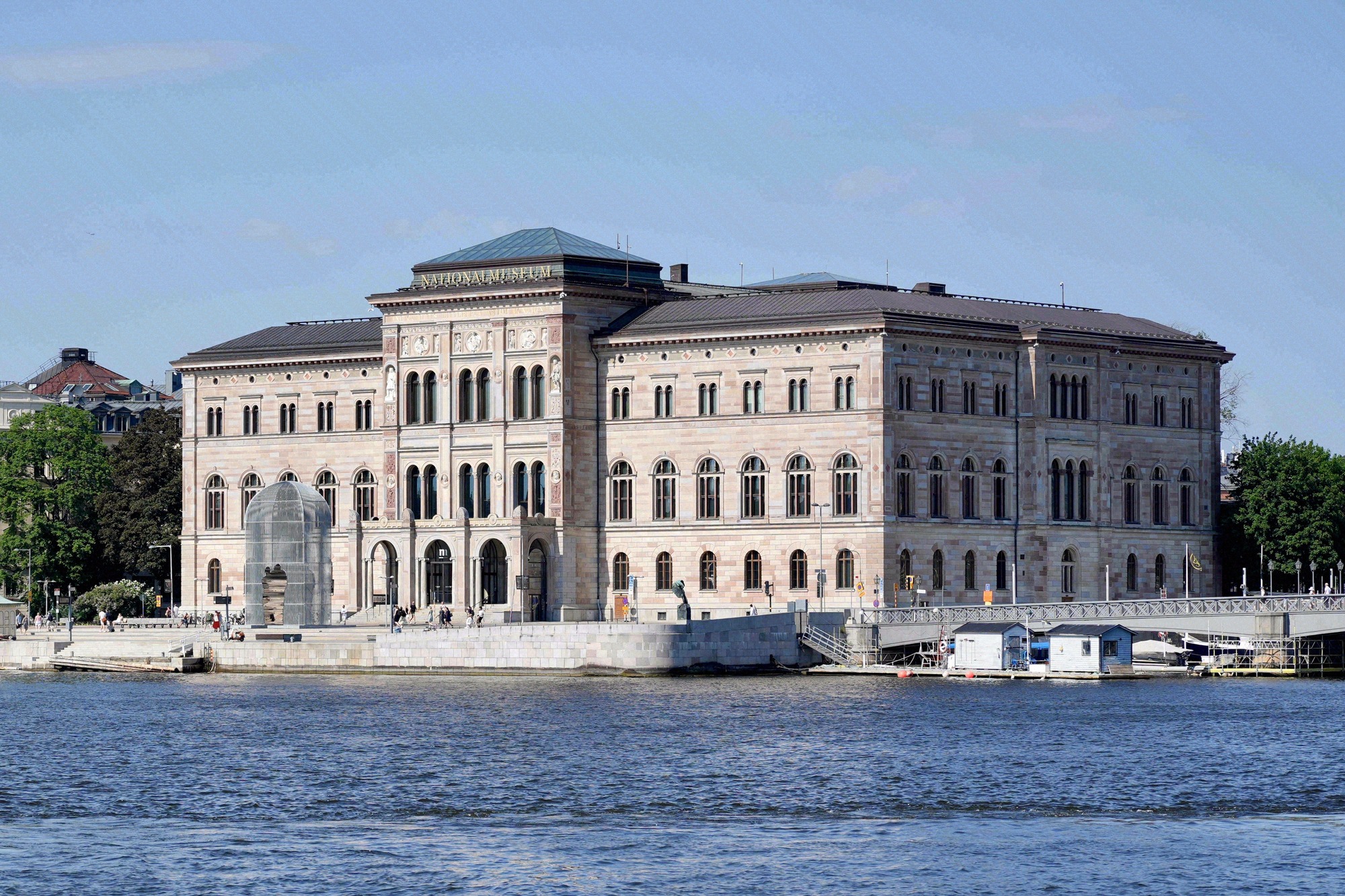
Sweden's museum of art and design on Blasieholmen
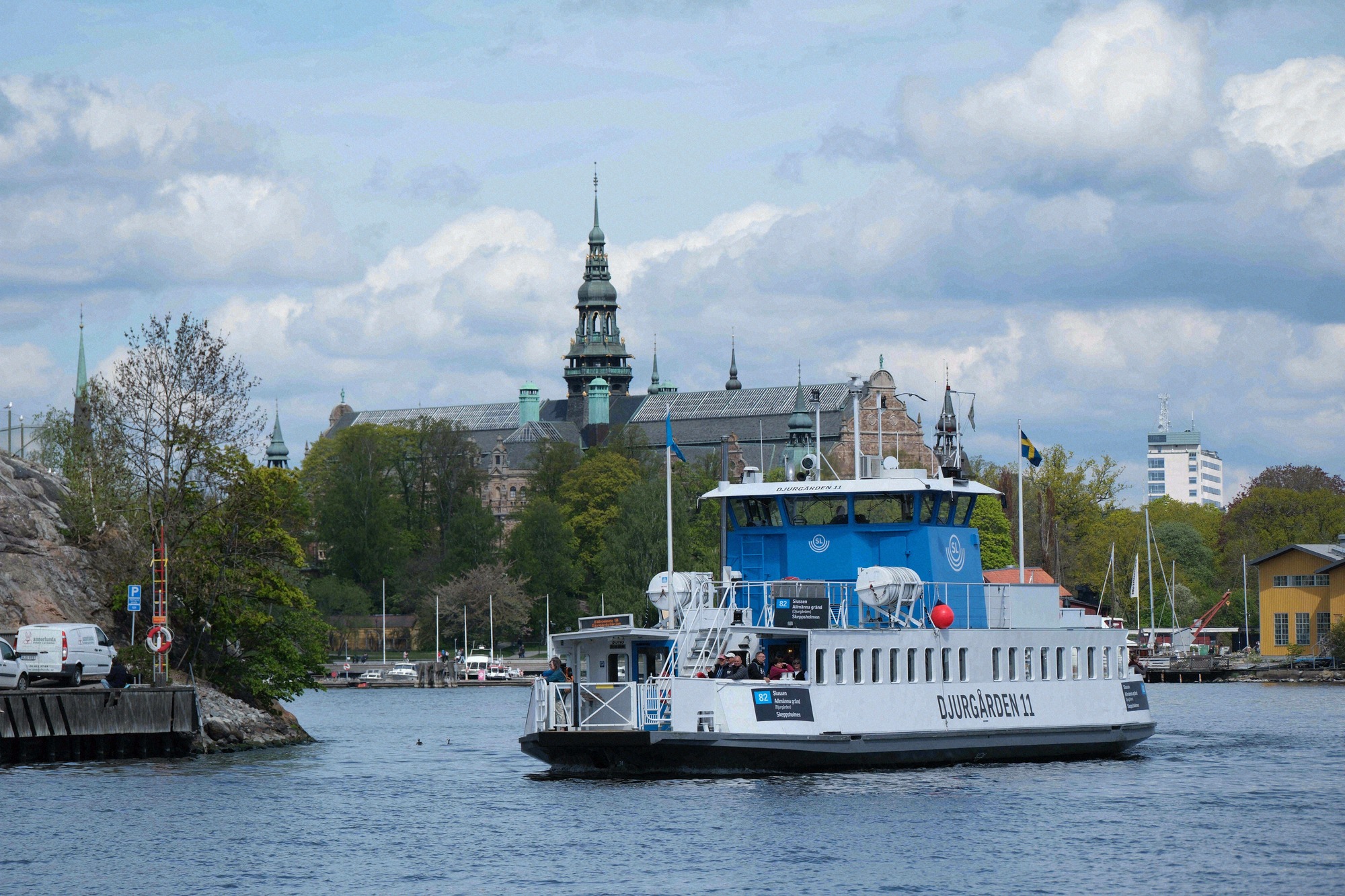
Museum of cultural history on Djurgården
Sweden's history museum
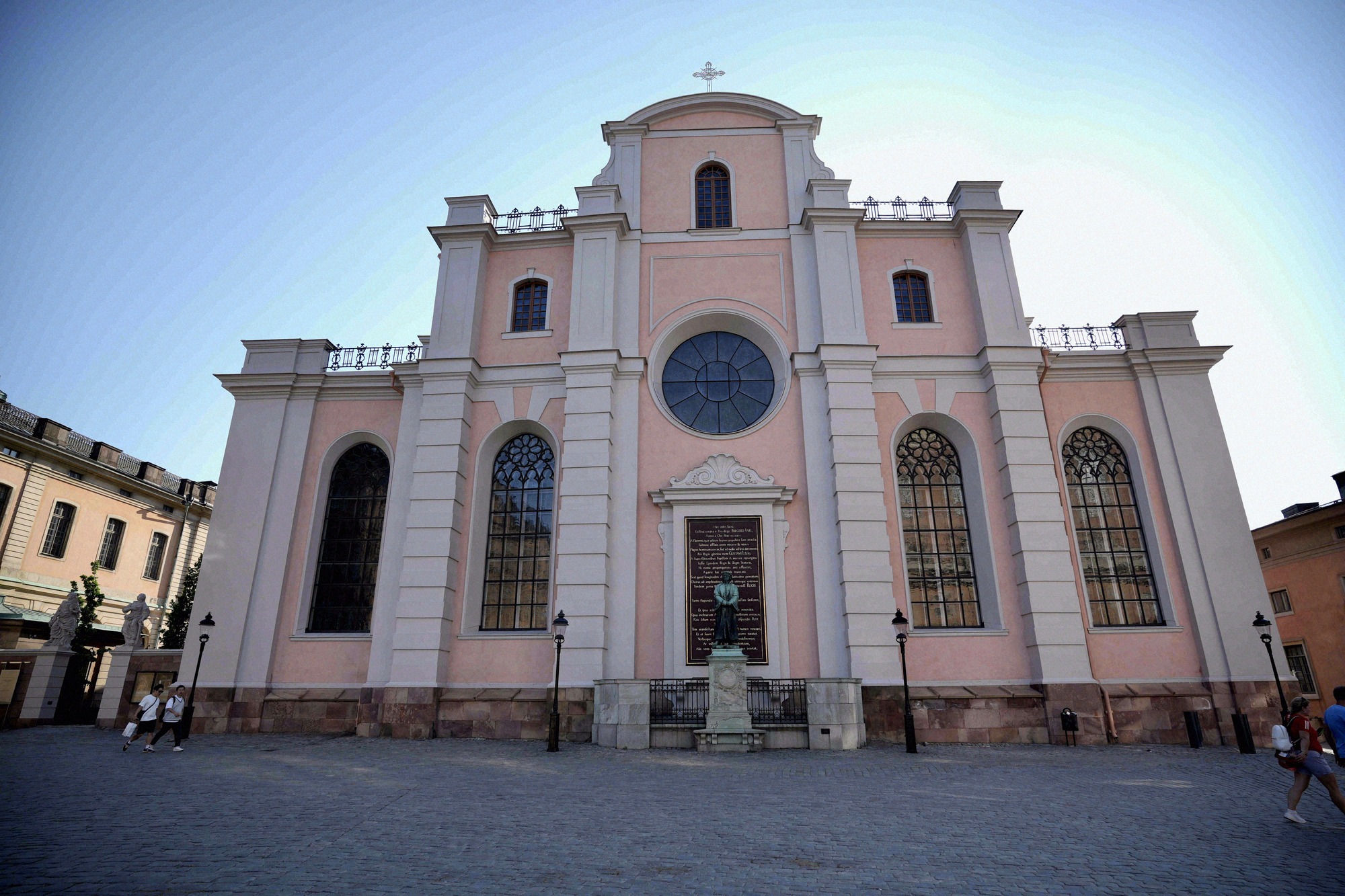
Stockholm's oldest church and coronation church
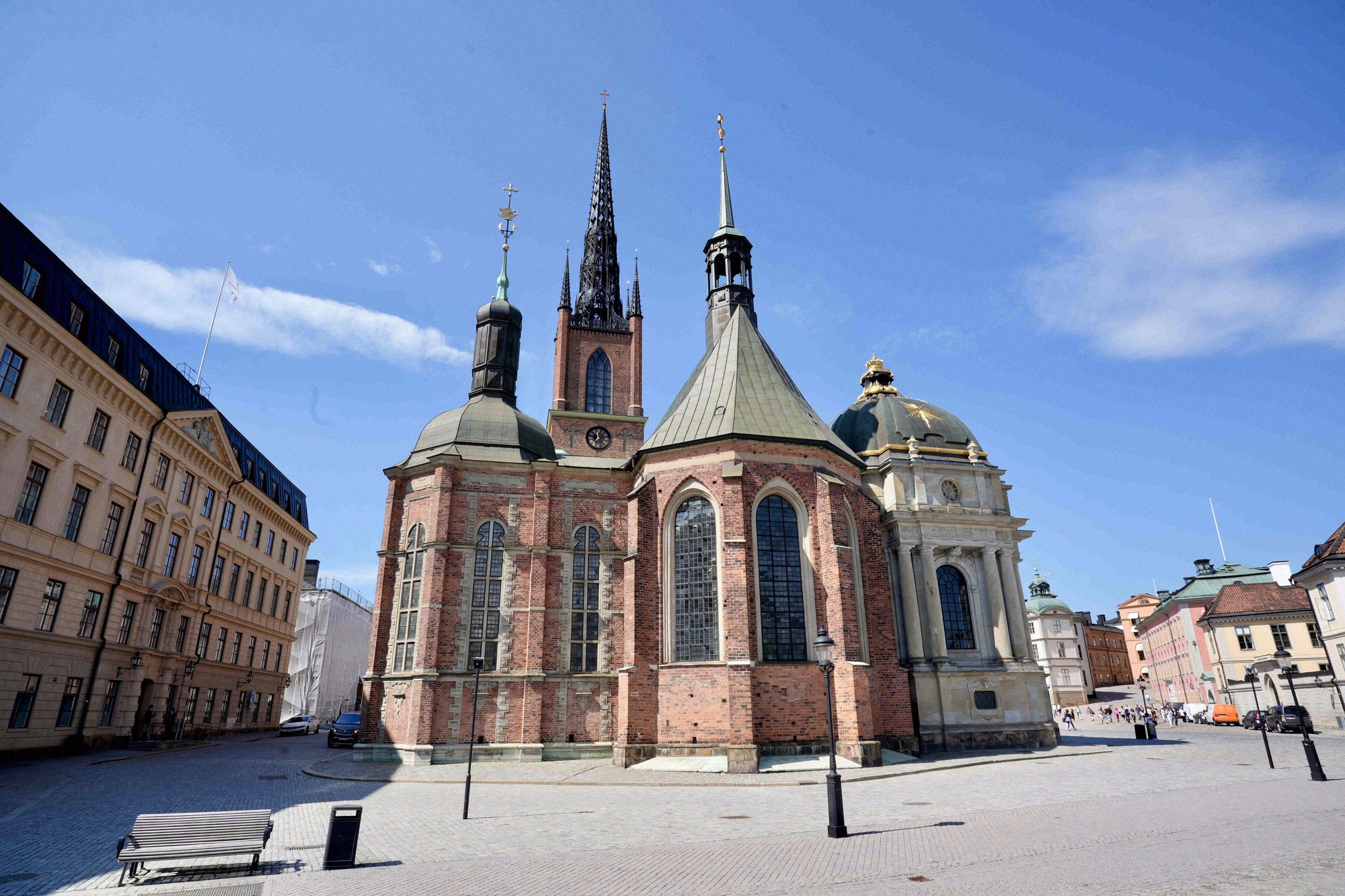
Burial church of the Swedish kings
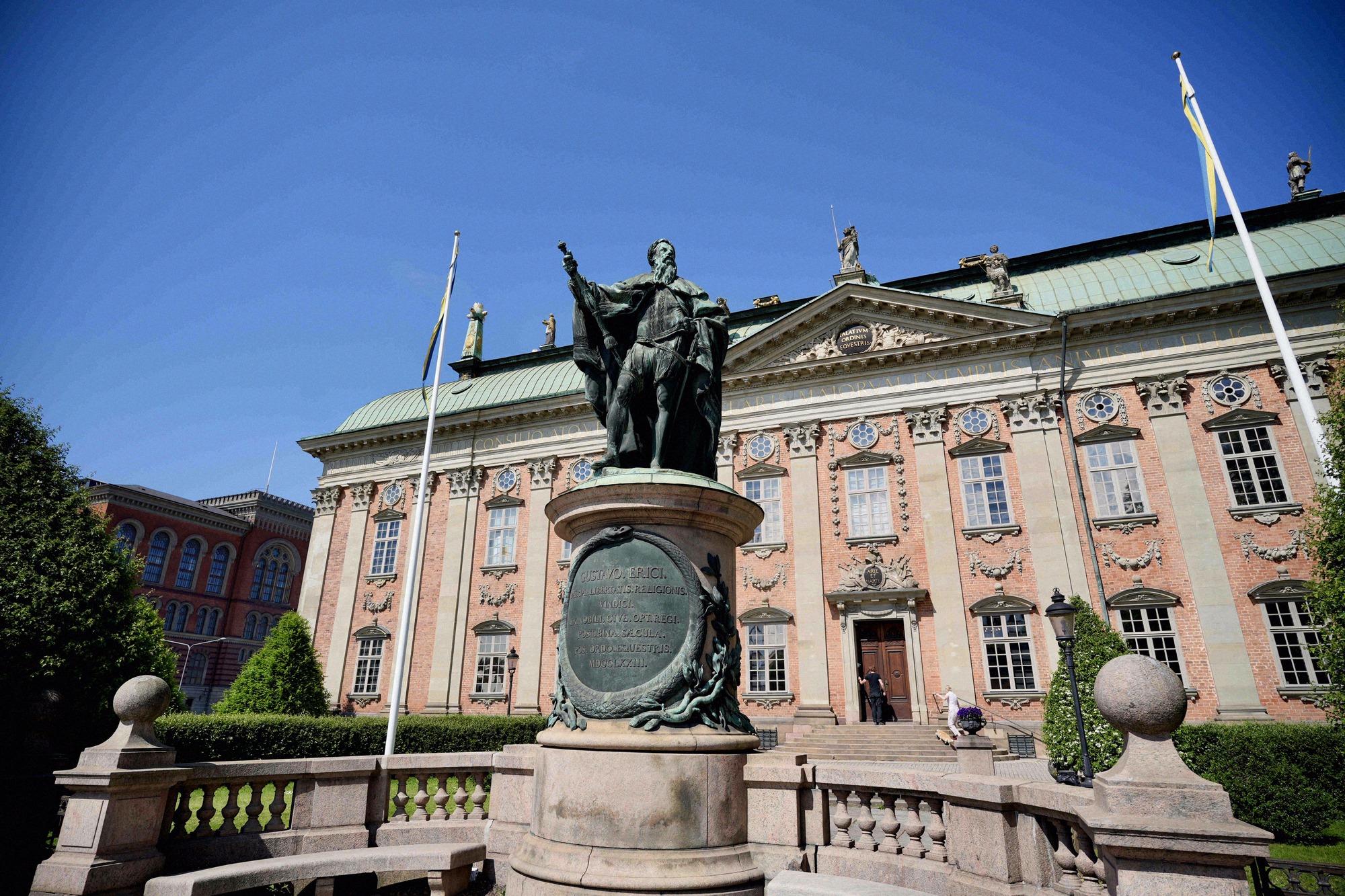
House of Nobility in Gamla Stan
City palace museum in Östermalm
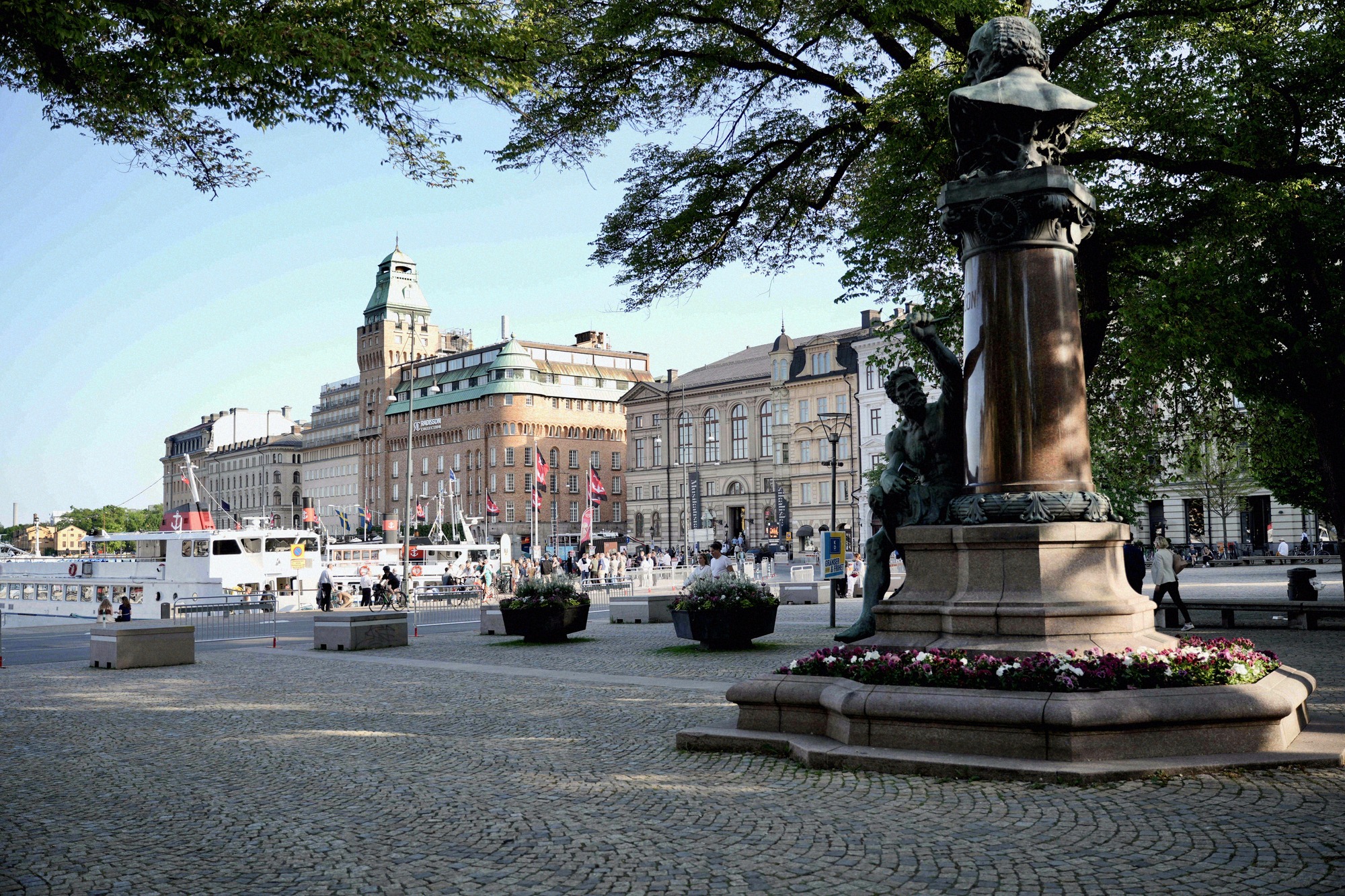
Stockholm's green public square in the city centre
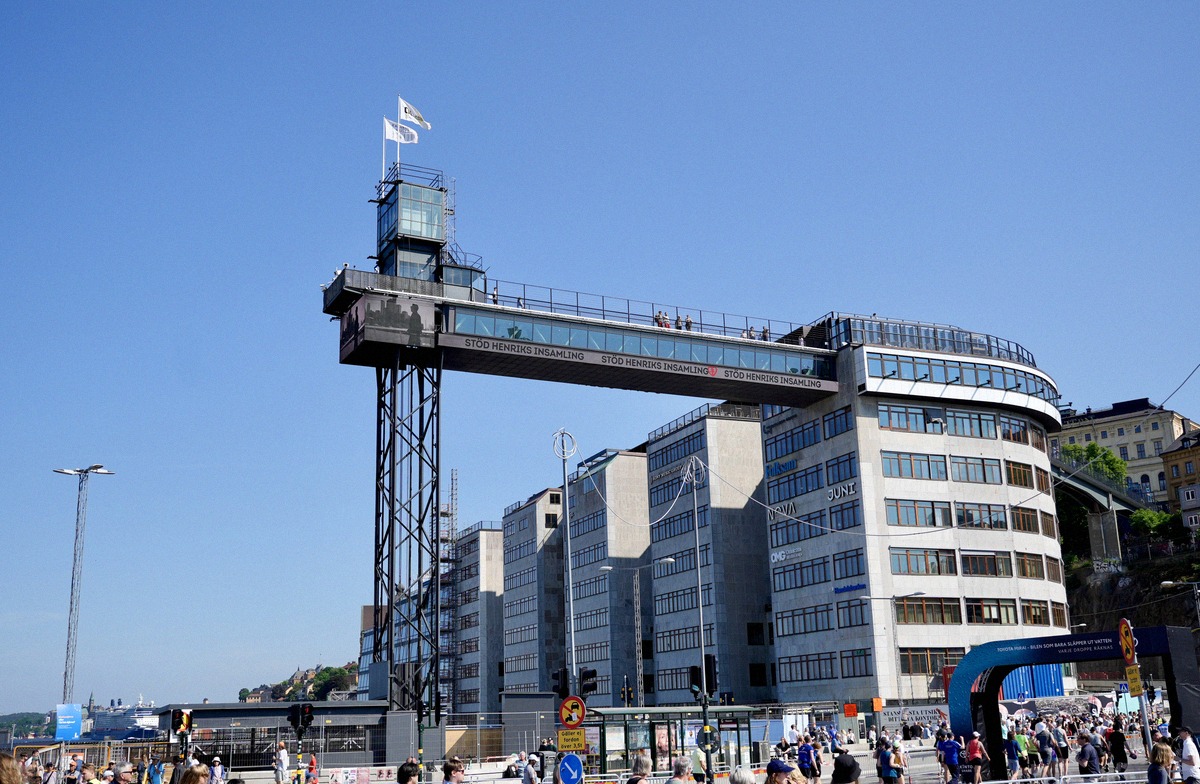
Historic viewing lift above Slussen
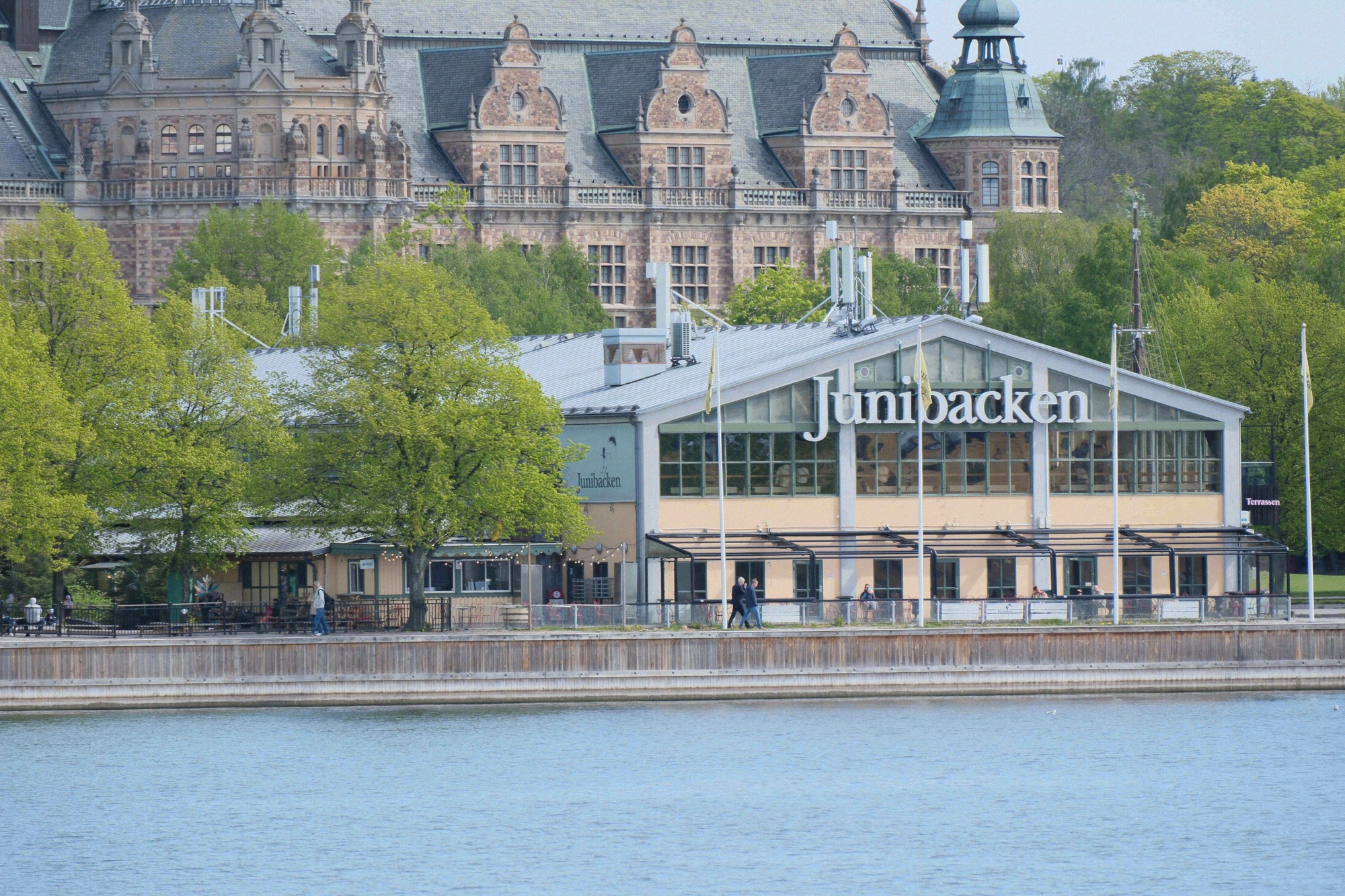
Astrid Lindgren storybook house on Djurgården
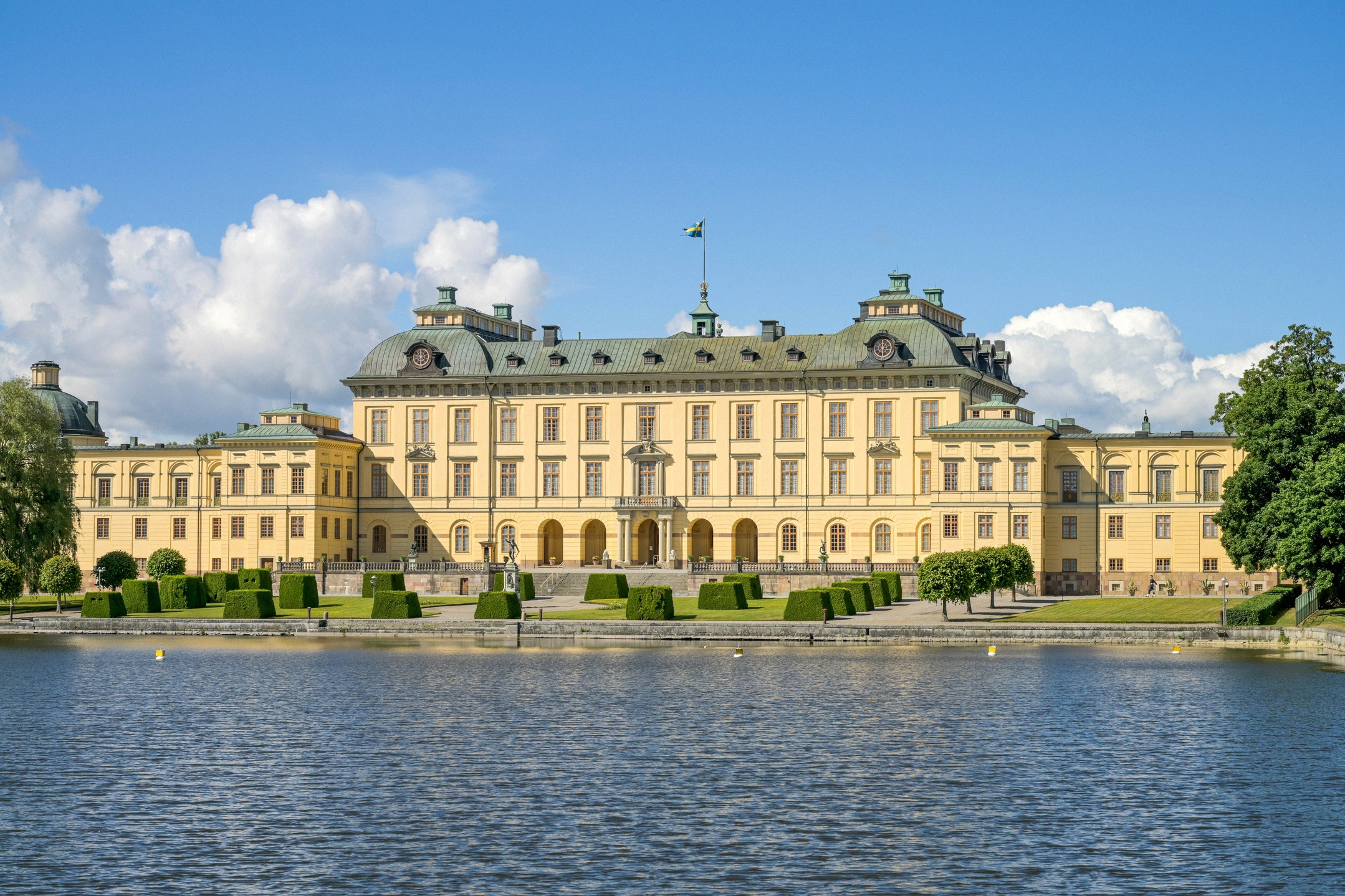
Royal residence and UNESCO World Heritage Site on Lake Mälaren
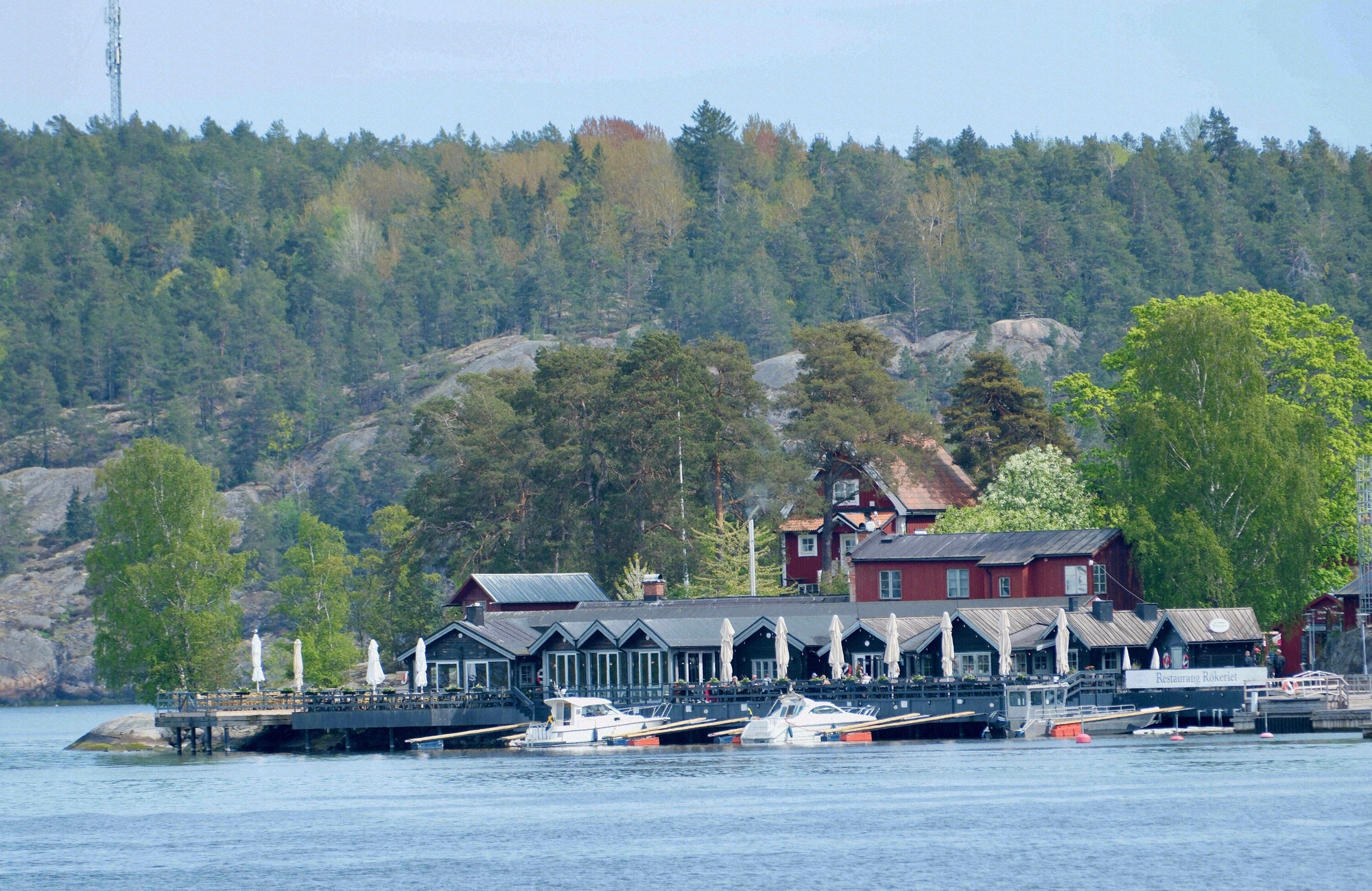
Islands off the city with Vaxholm & Sandhamn
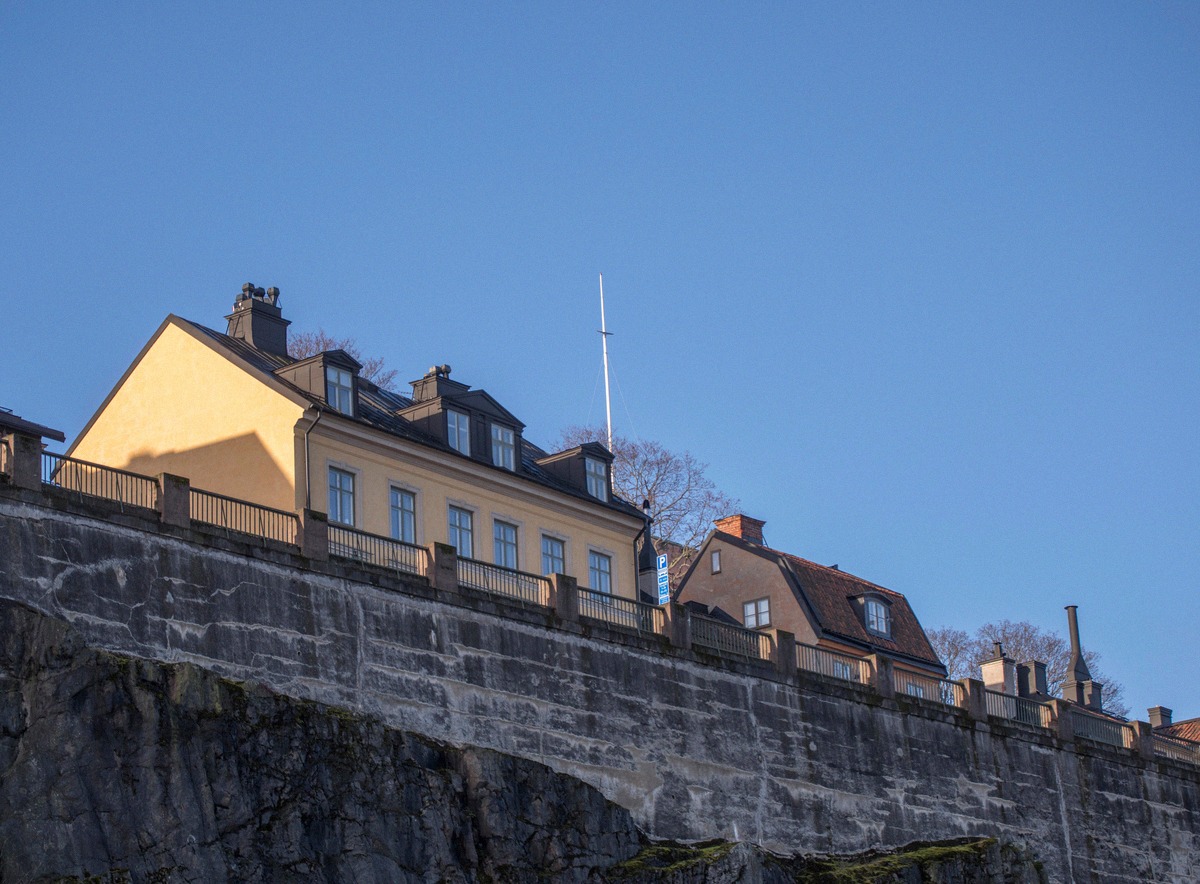
Viewpoint street on Södermalm
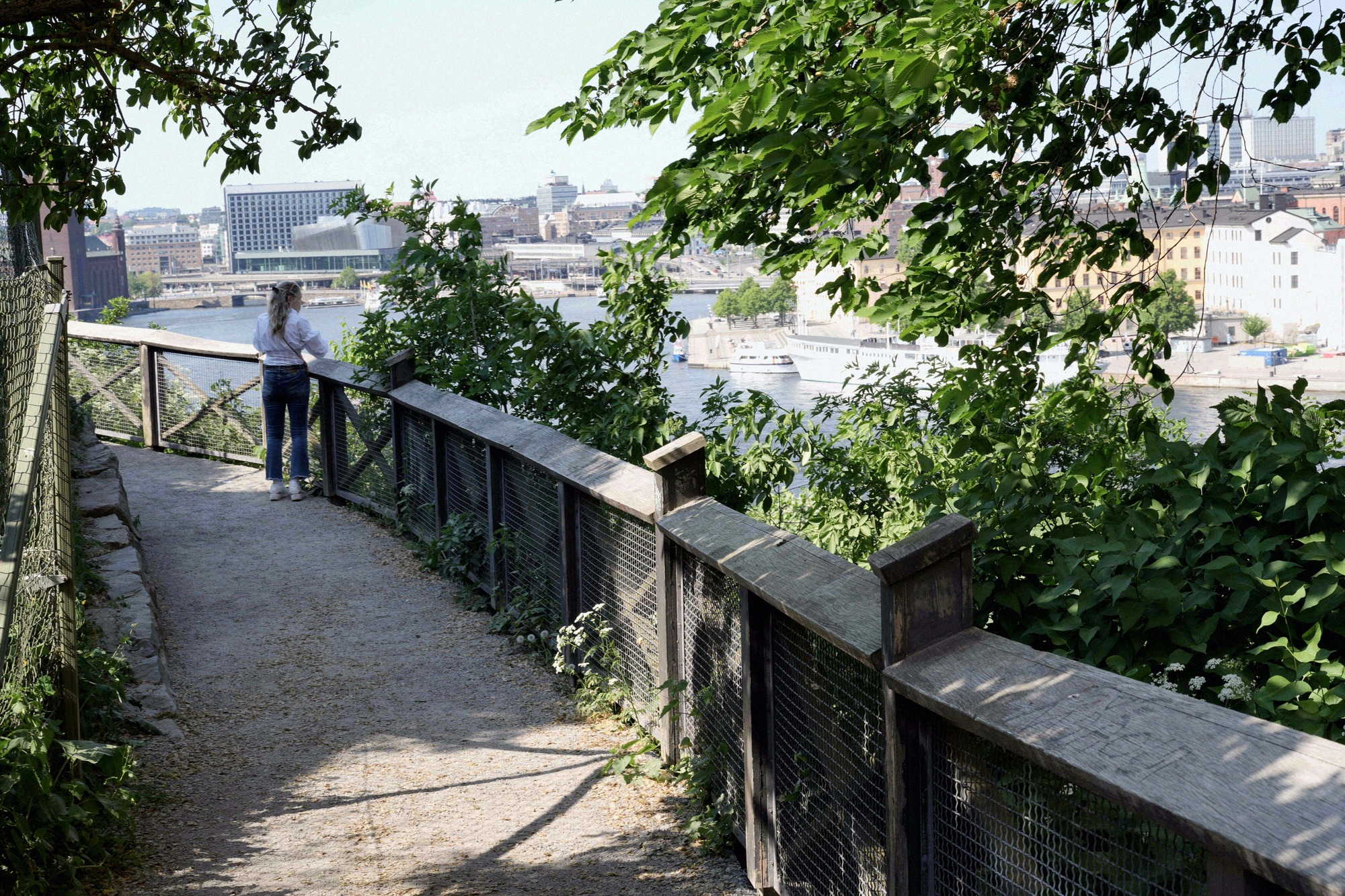
Clifftop path above Riddarfjärden
Highest natural point in central Stockholm
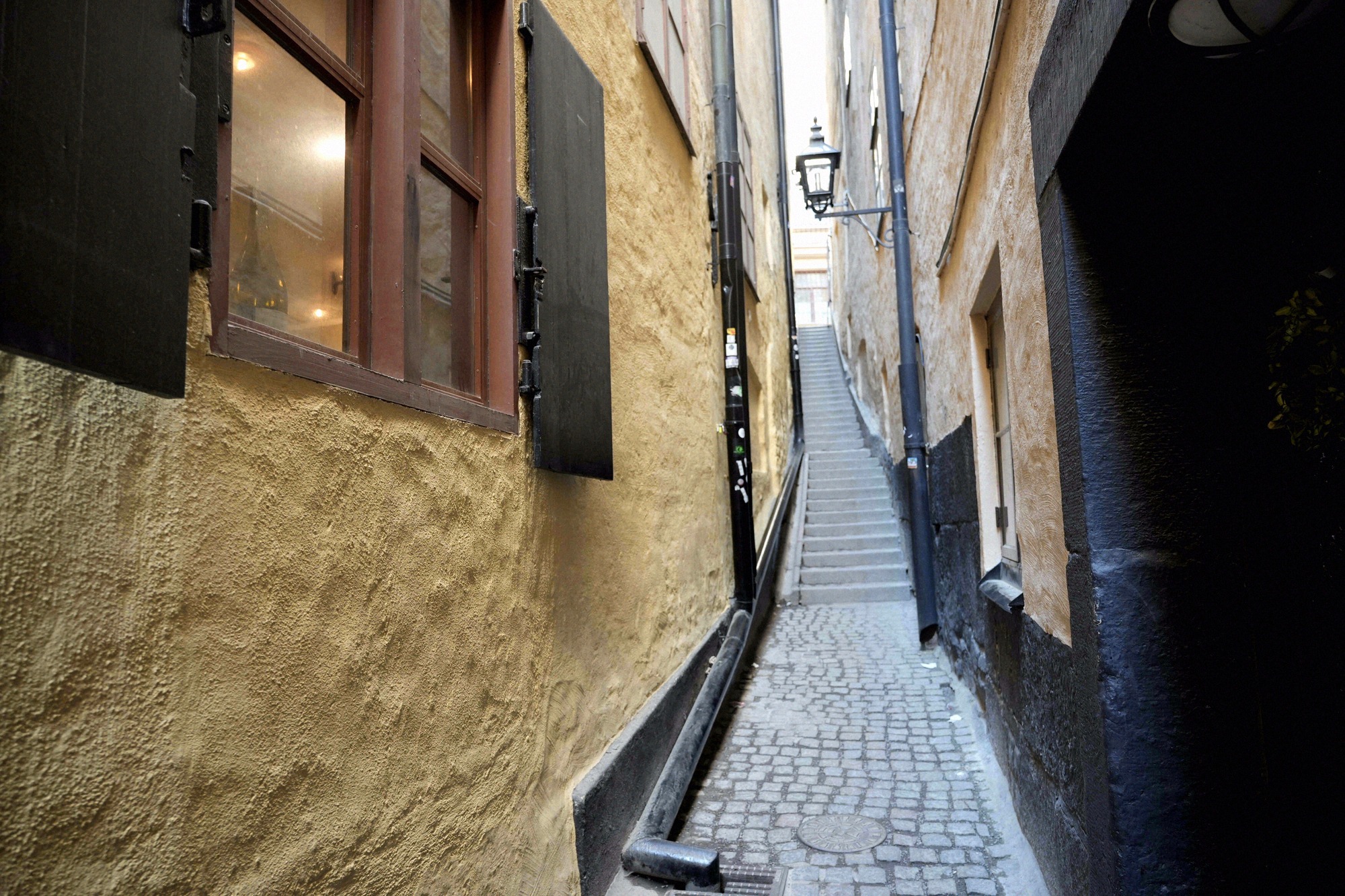
Stockholm's narrowest alley in Gamla Stan
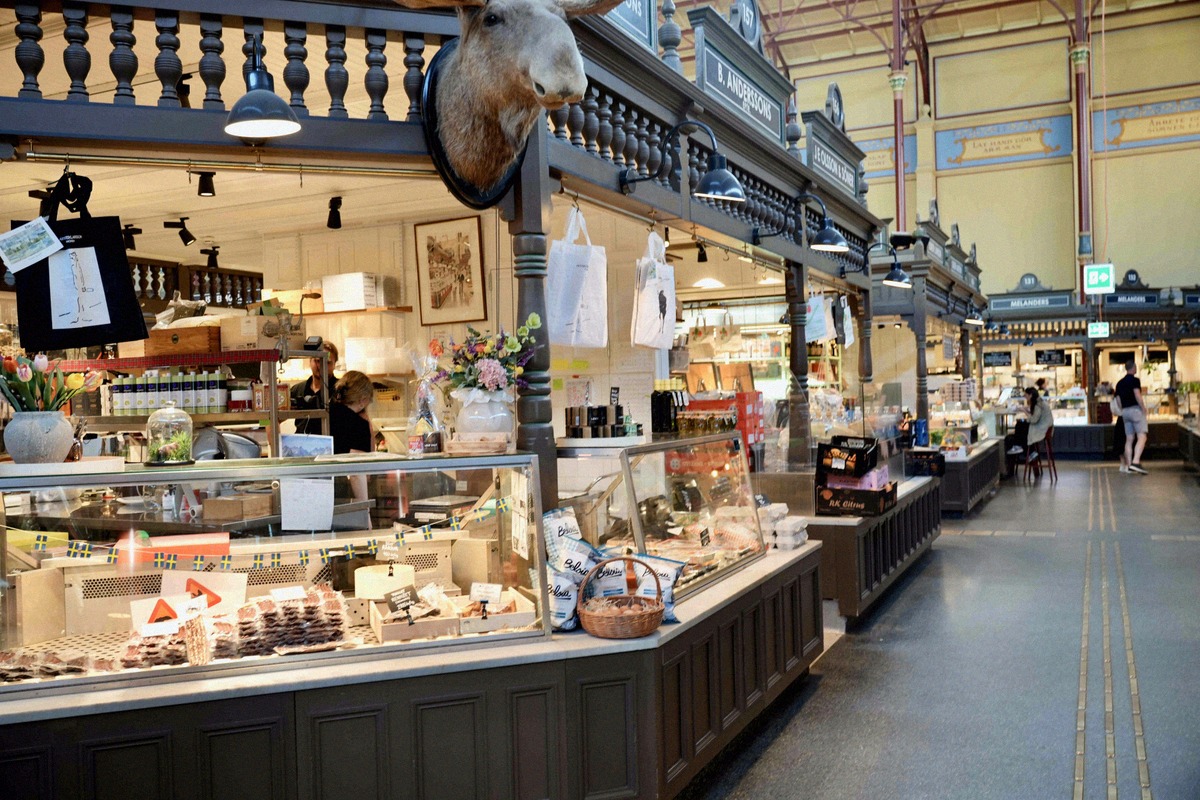
Historic market hall on Östermalmstorg
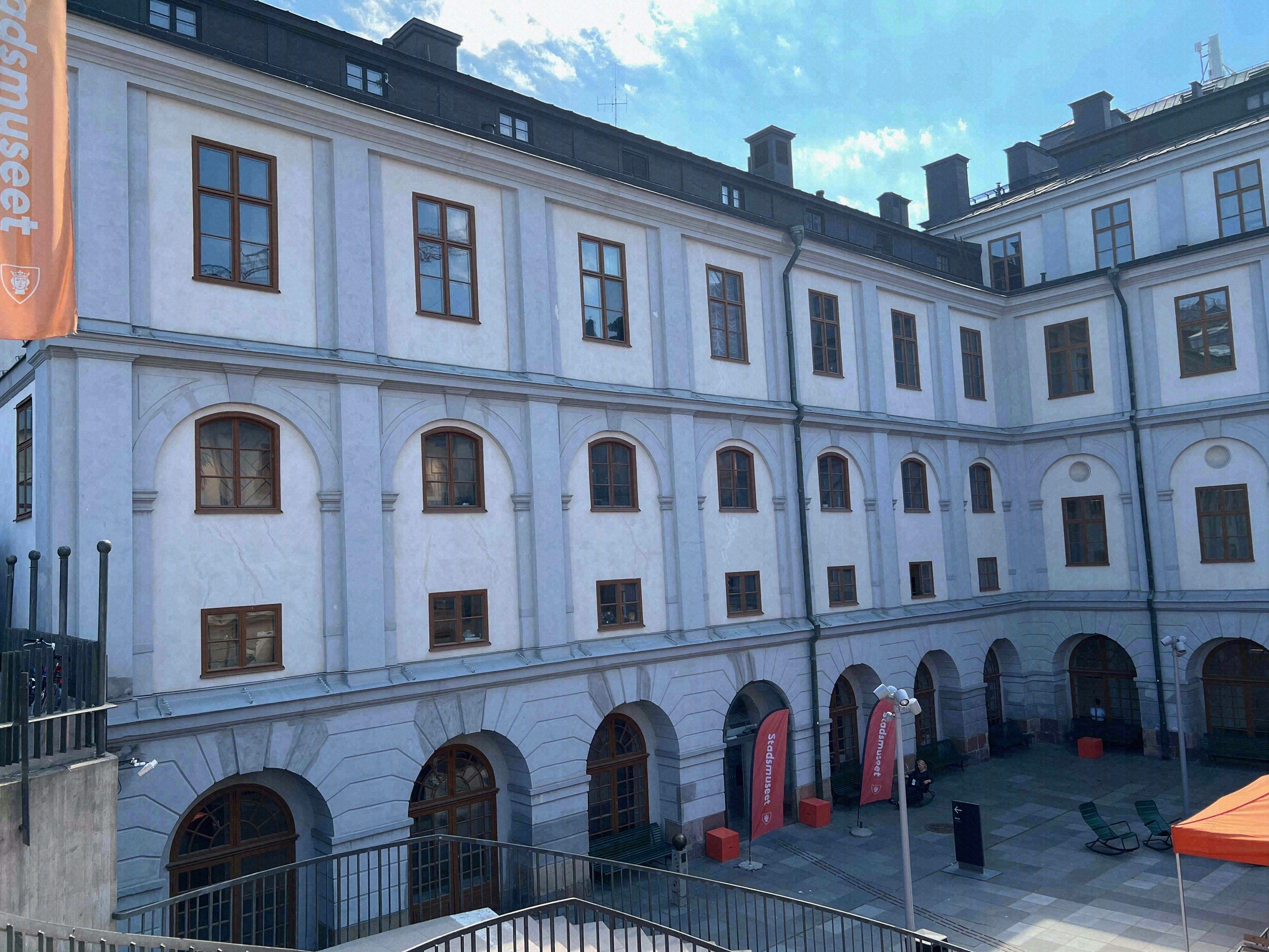
City history in a Baroque building at Slussen
Nordic art around 1900 on Djurgården
Toy collection in a naval bunker on Skeppsholmen
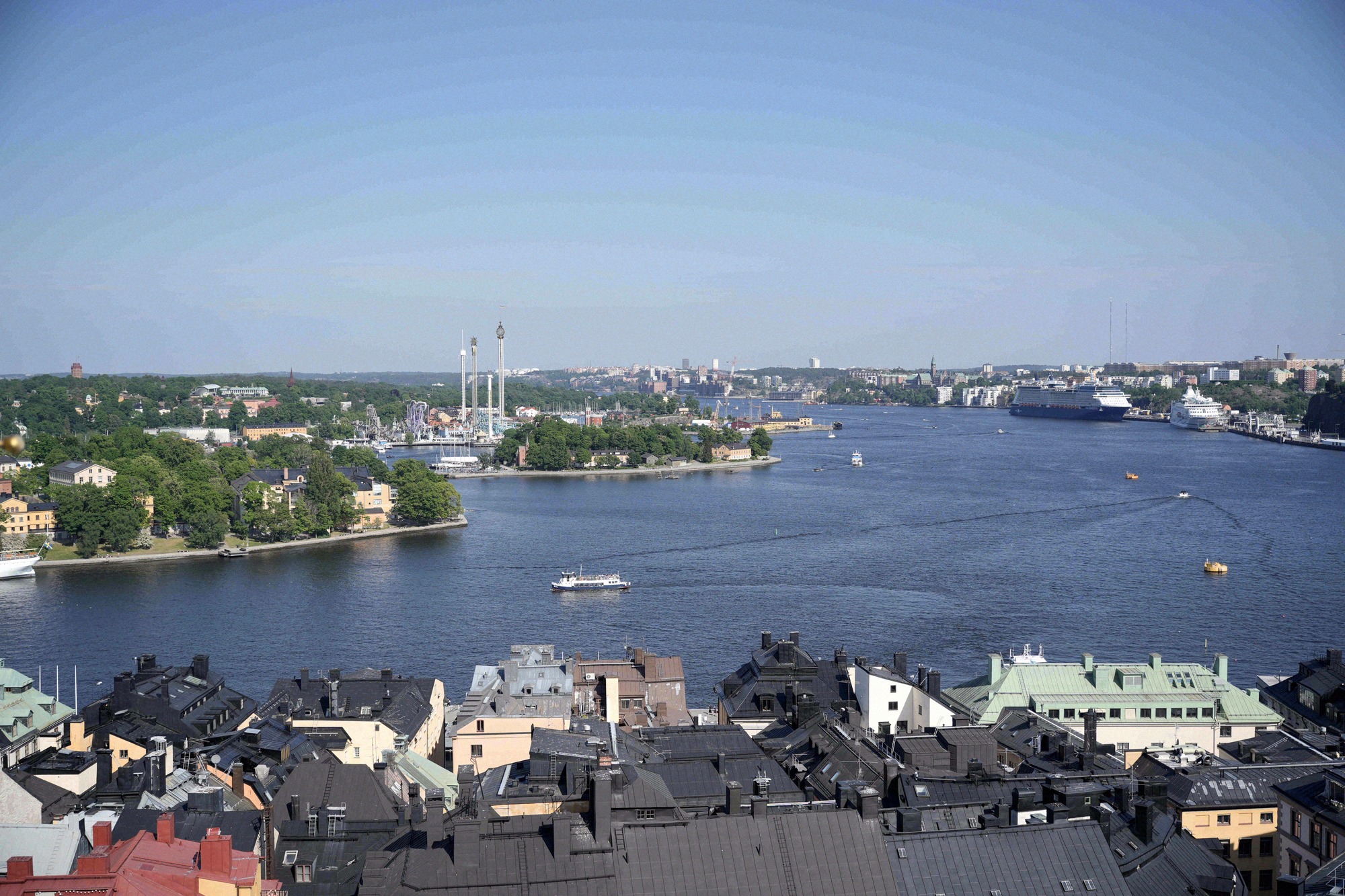
German church with the tallest tower in Gamla Stan
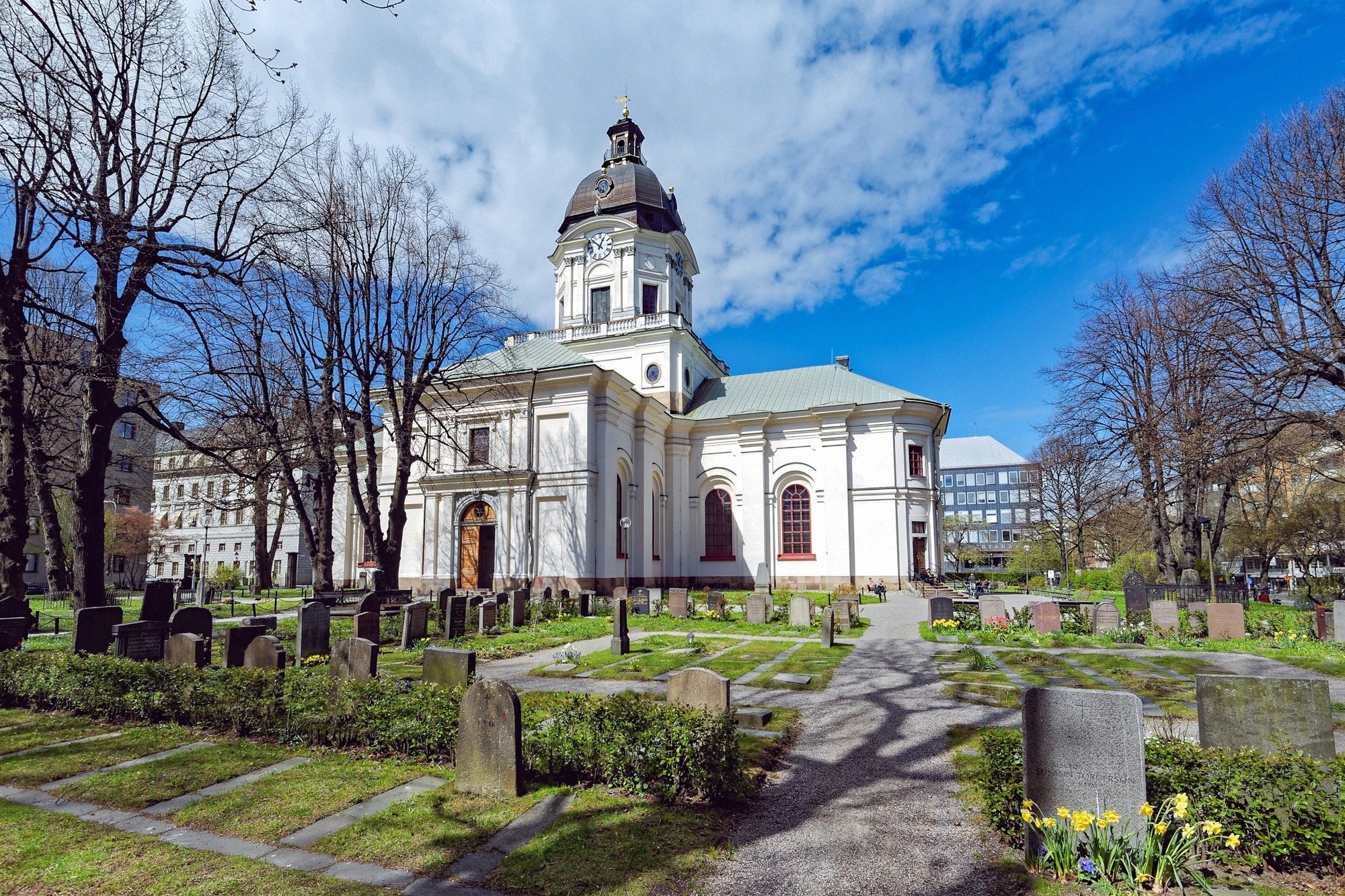
Neoclassical church and Palme's grave in Norrmalm
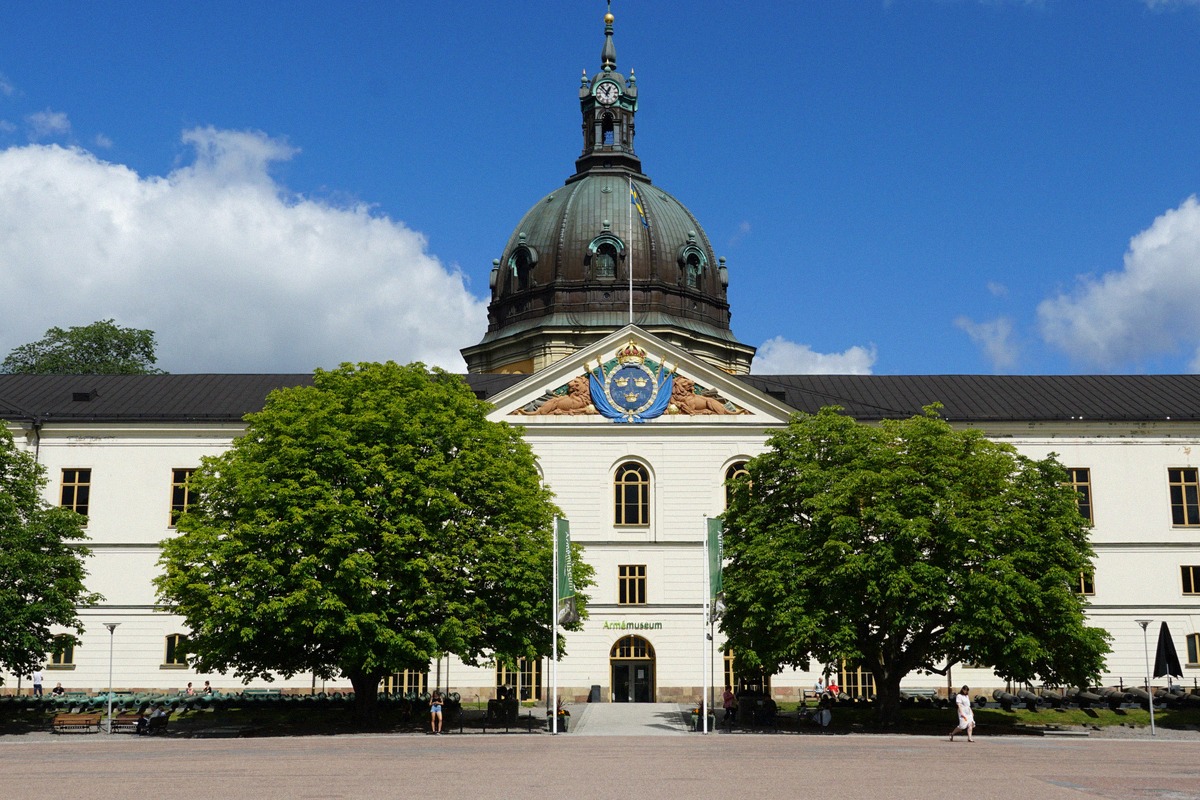
Sweden's military museum in Östermalm
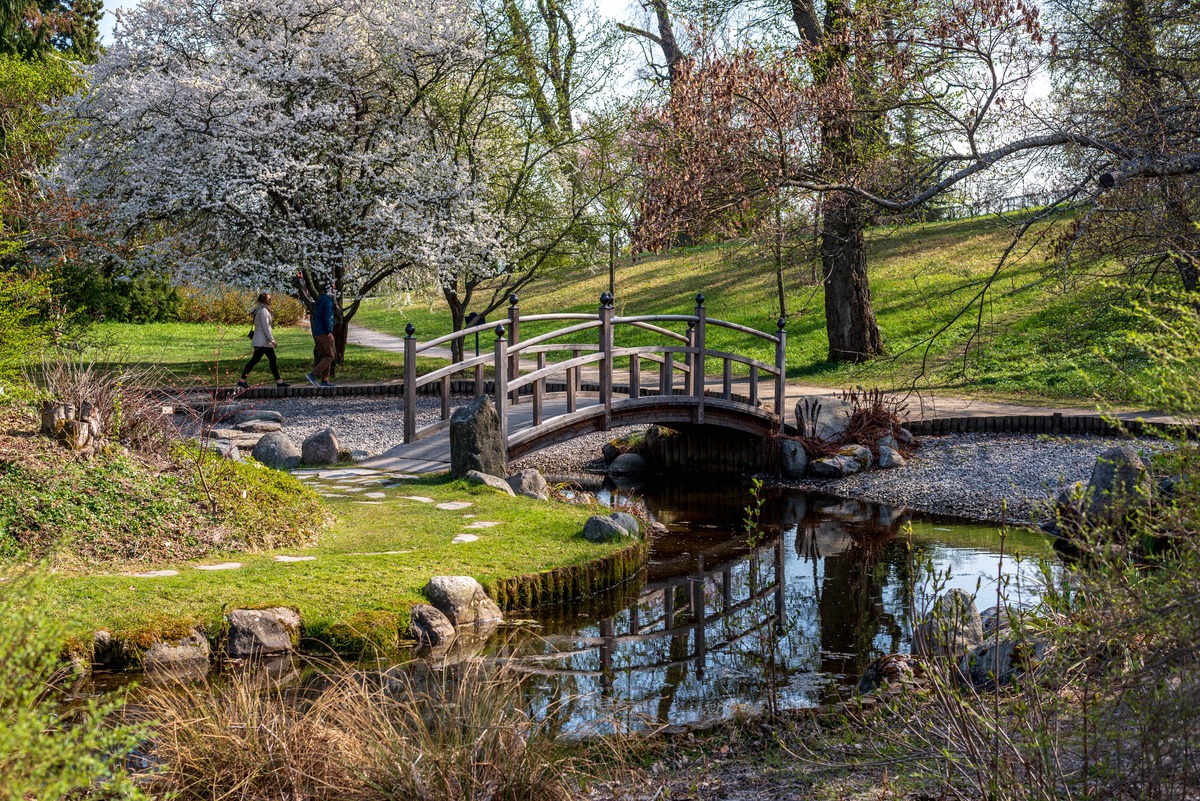
Botanic garden on Lake Brunnsviken
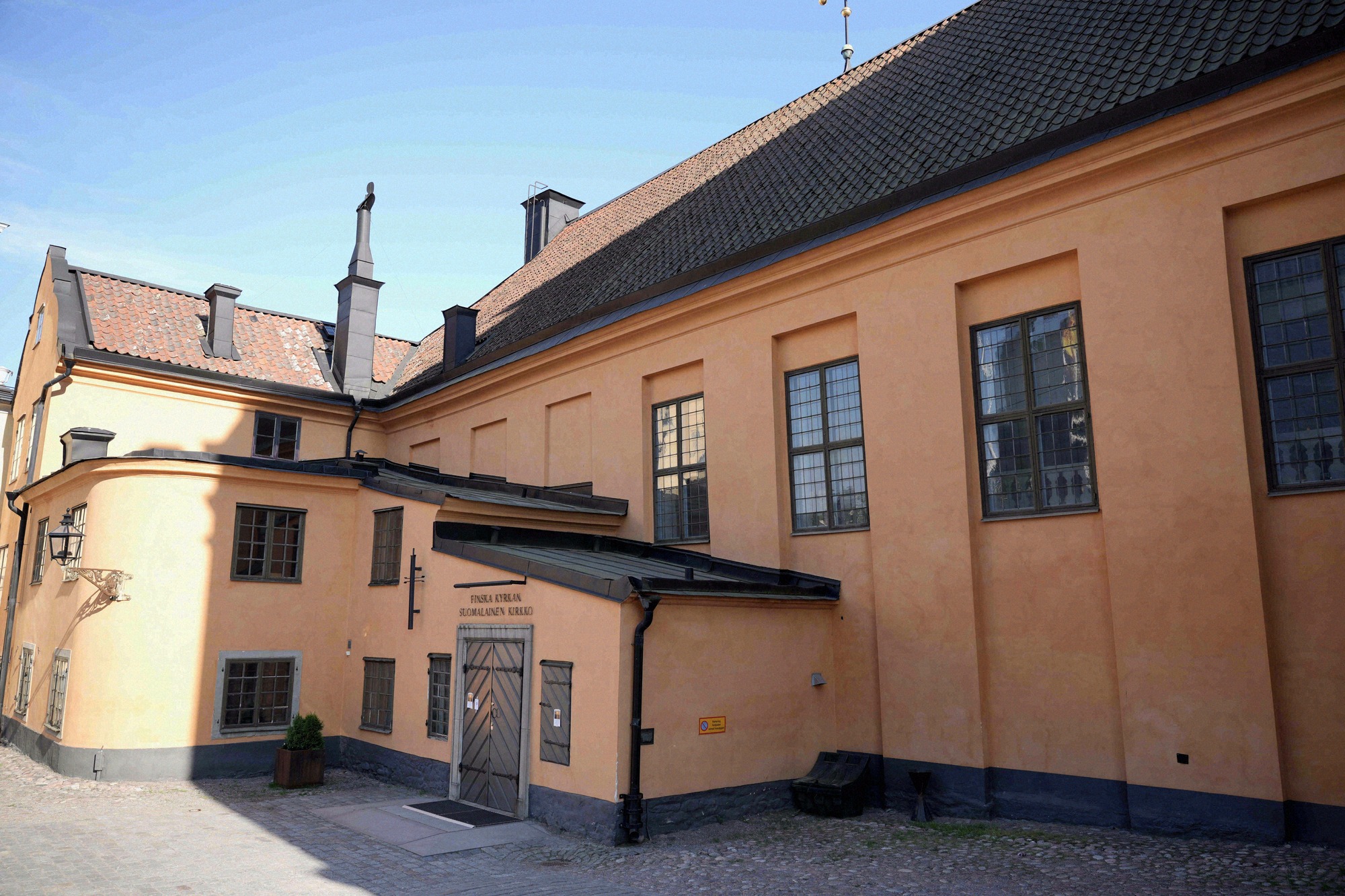
Baroque church and the Järnpojken in Gamla Stan
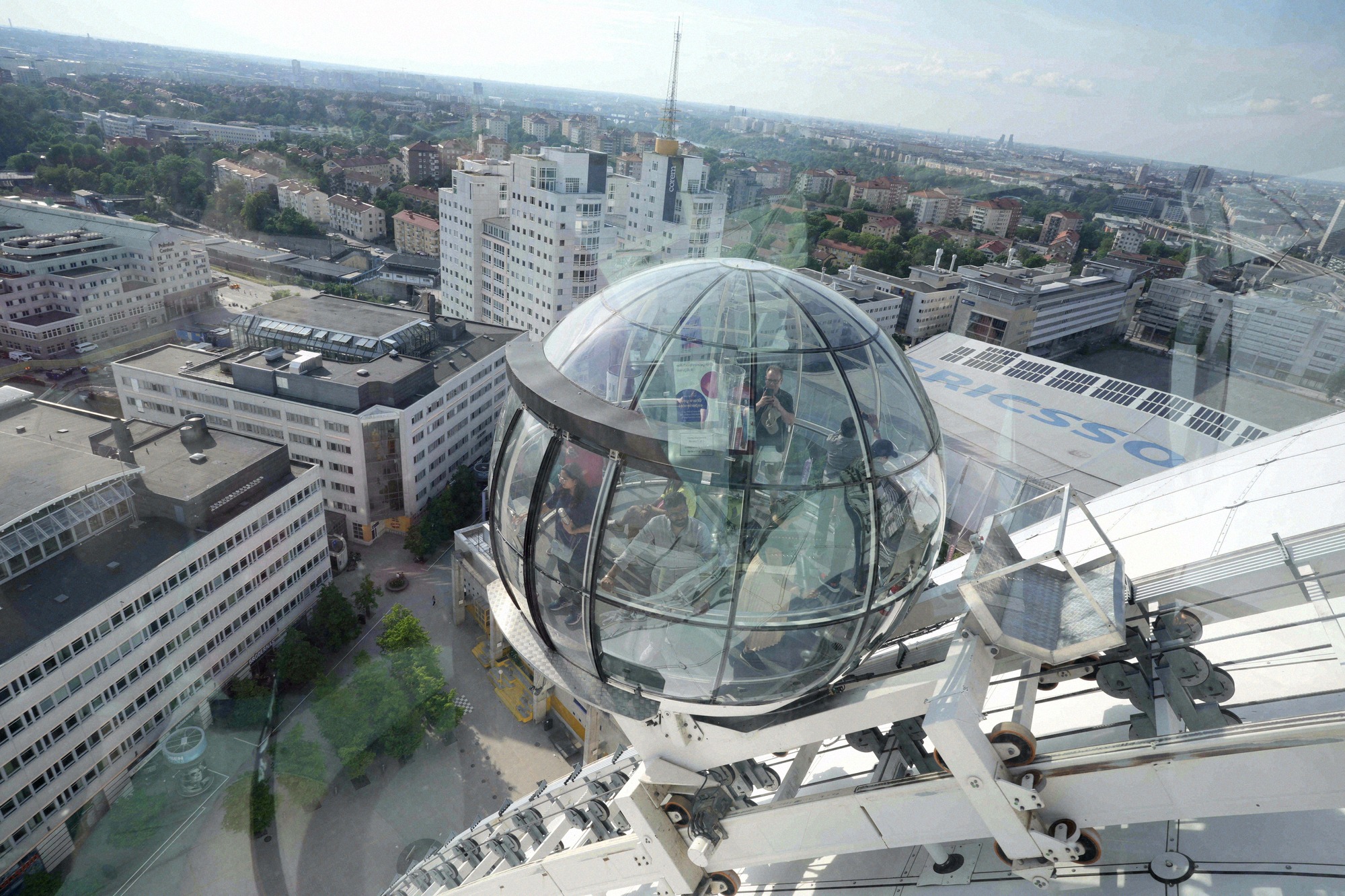
The Globen and its glass SkyView gondola
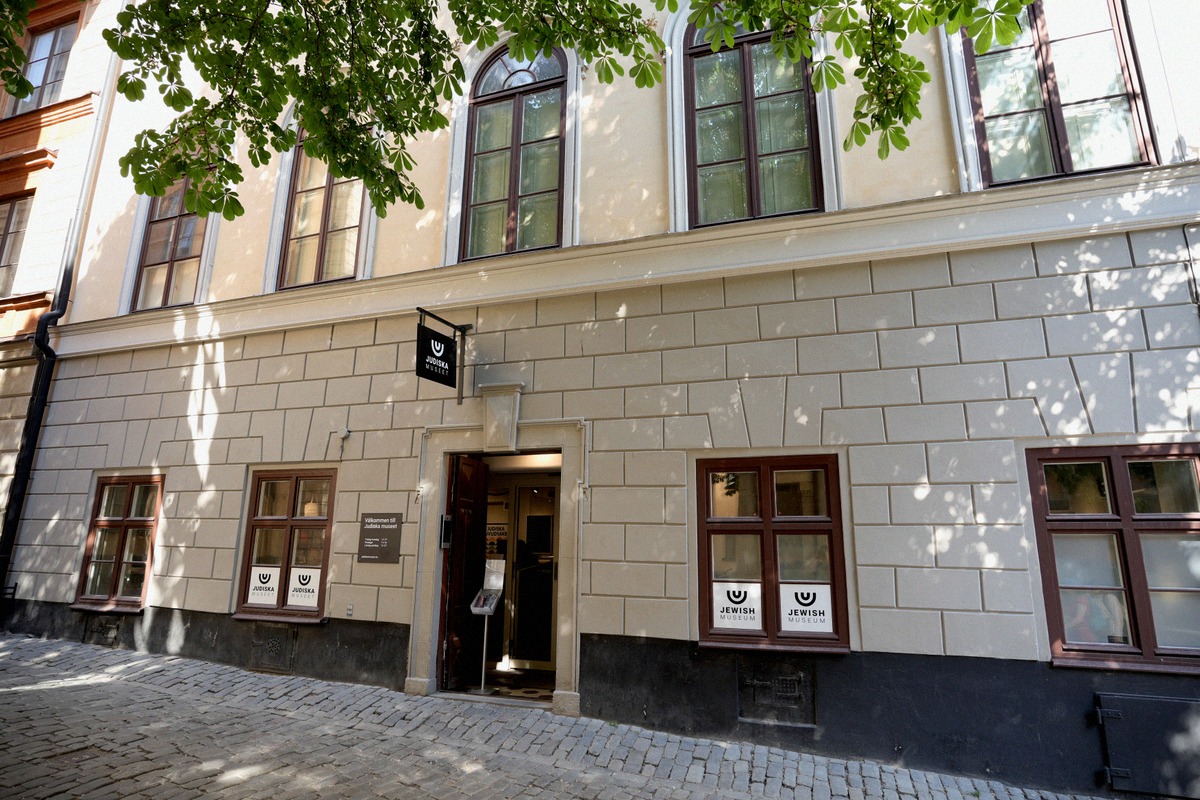
Jewish history in the city's oldest synagogue
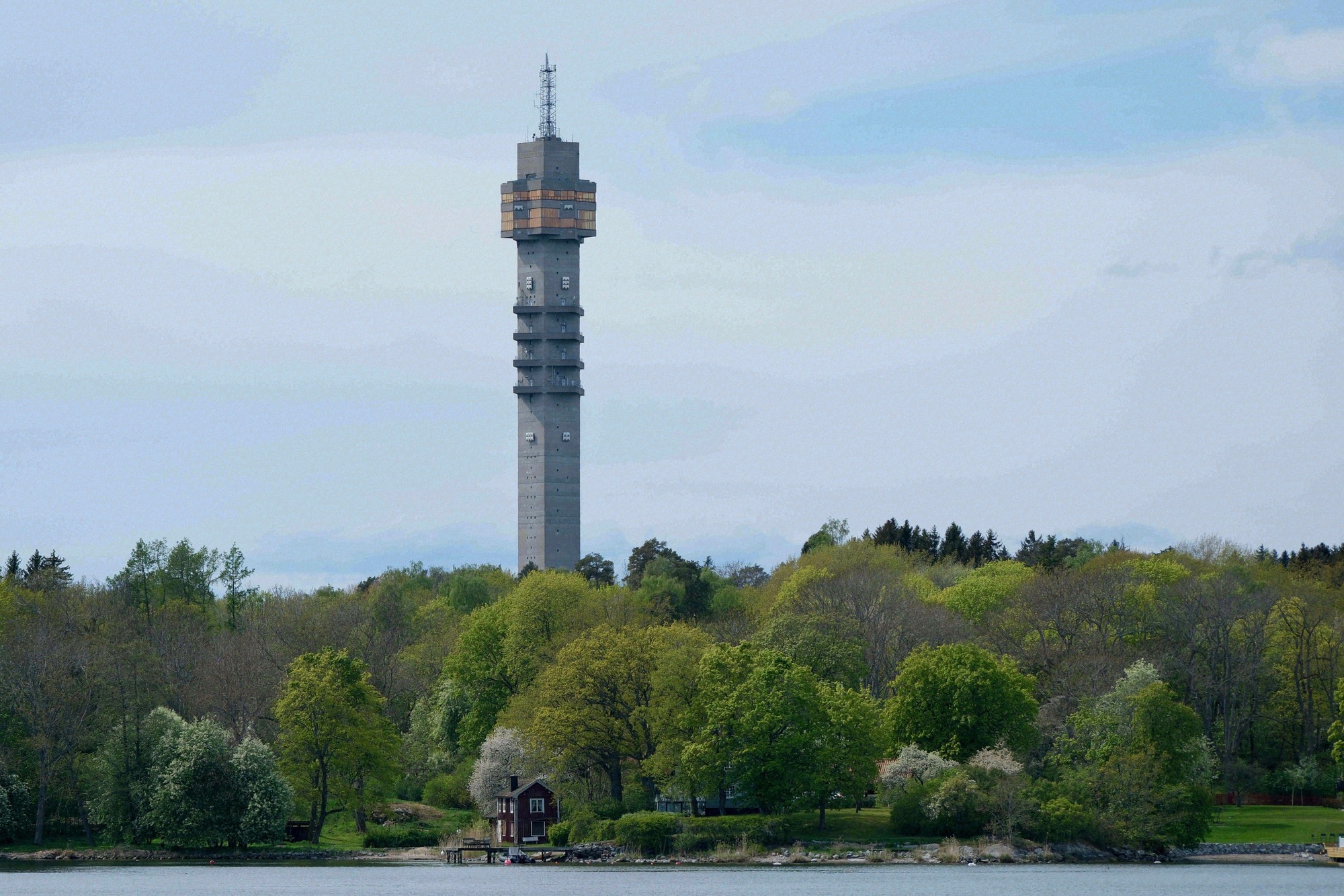
155-metre television tower in Gärdet
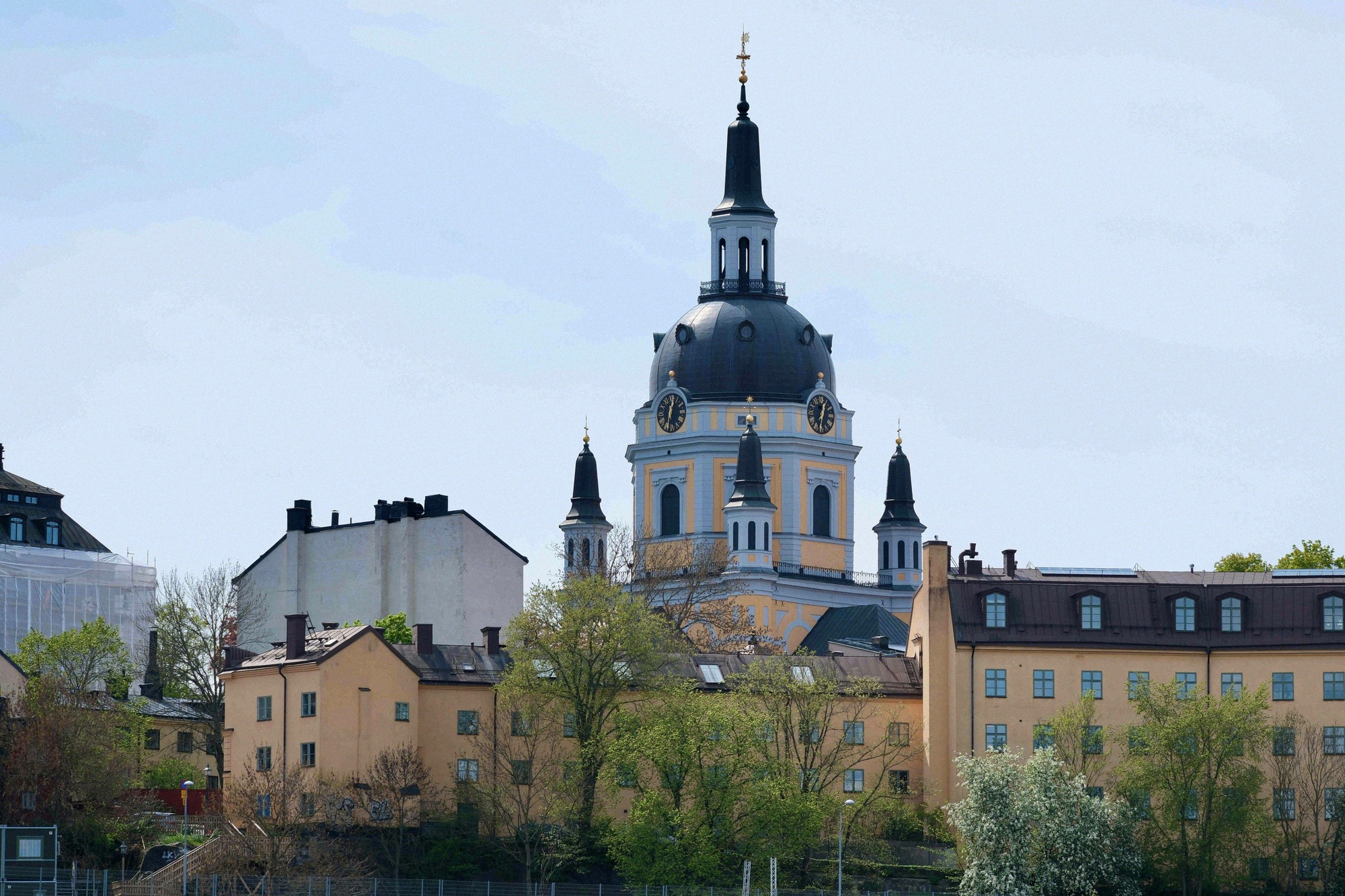
Baroque church above Södermalm
Art gallery with changing exhibitions on Djurgården
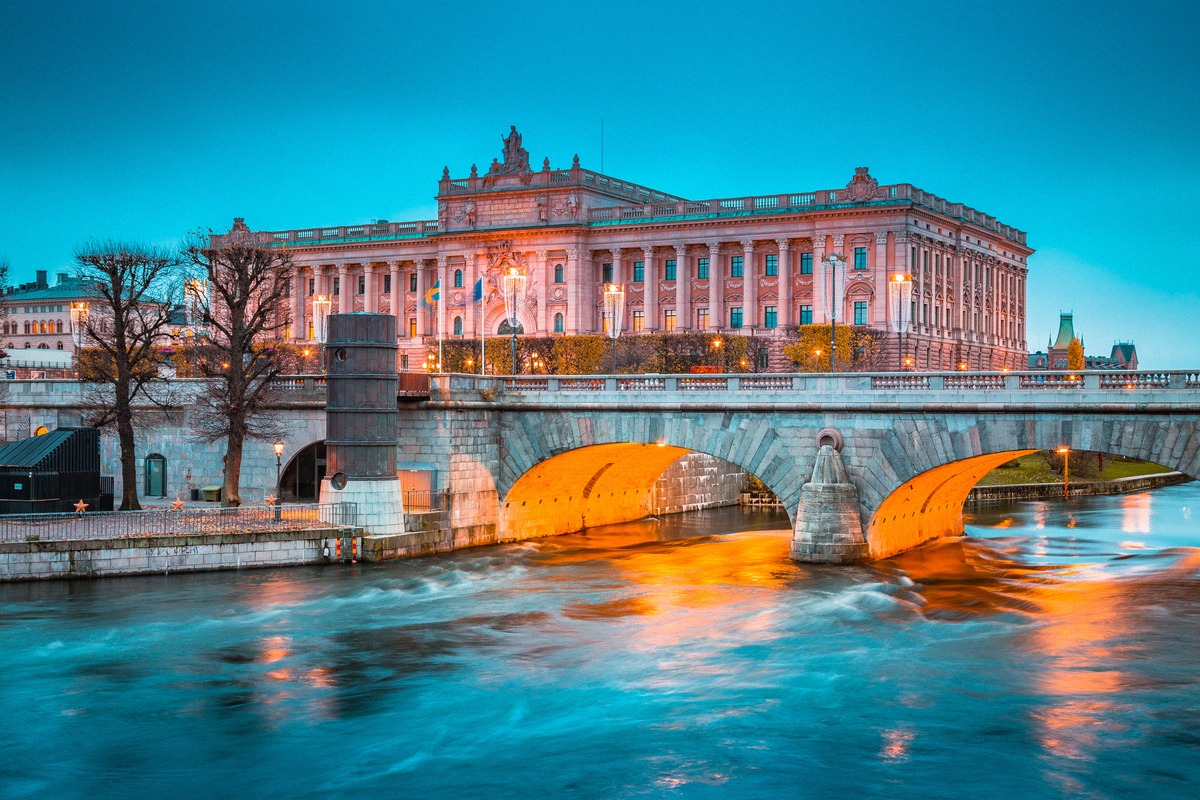
Stockholm's Museum of Medieval History, below the Norrbro
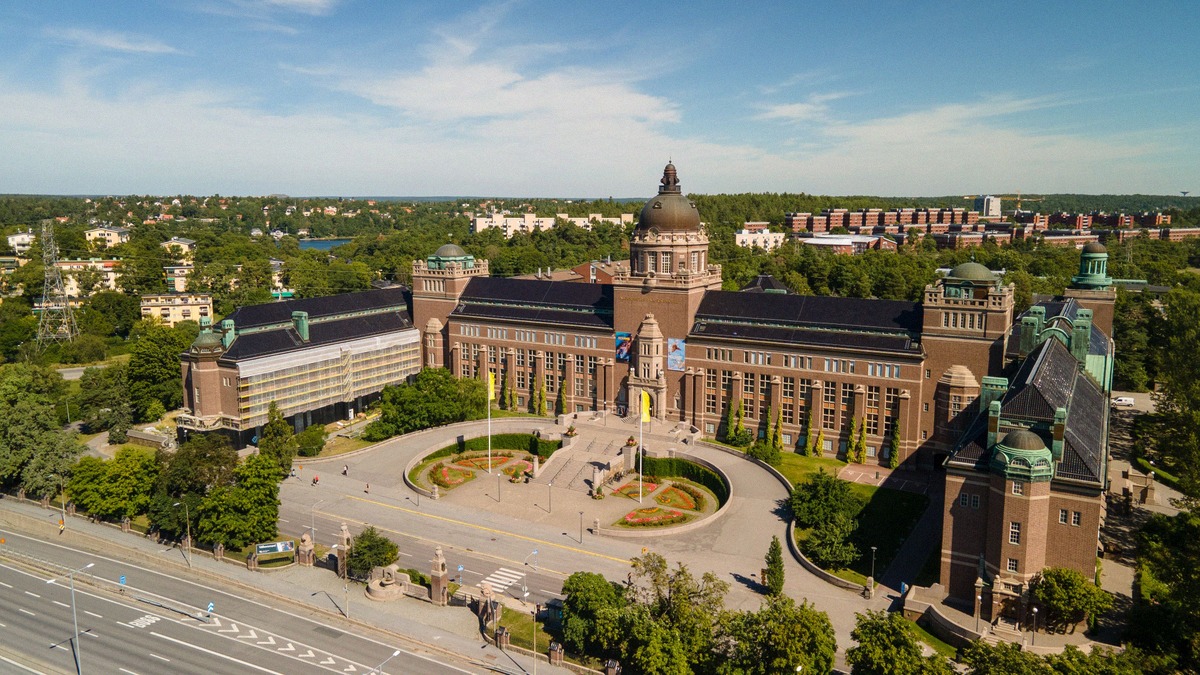
Sweden's natural history museum with an IMAX planetarium
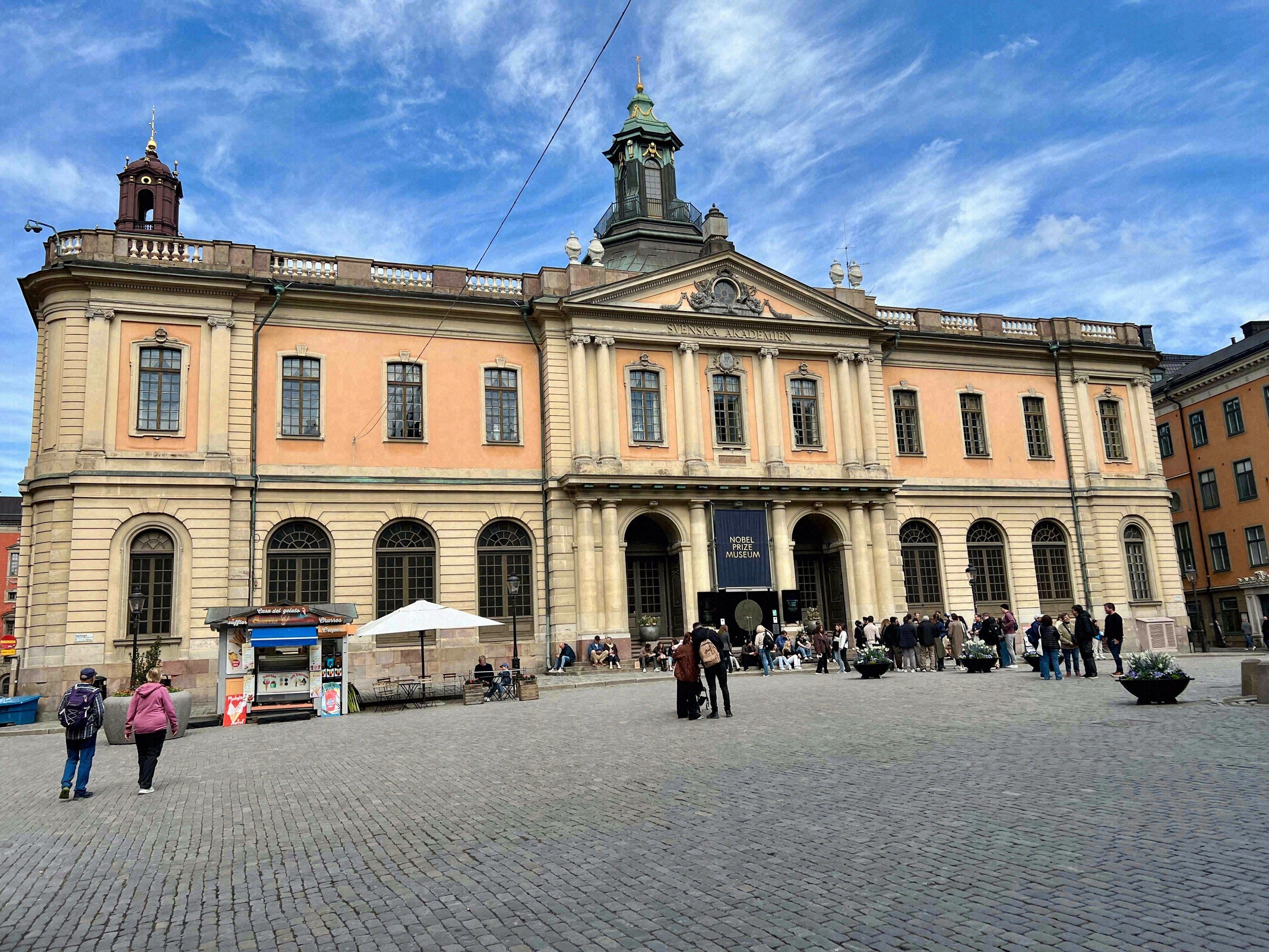
Nobel Prizes and laureates on Stortorget
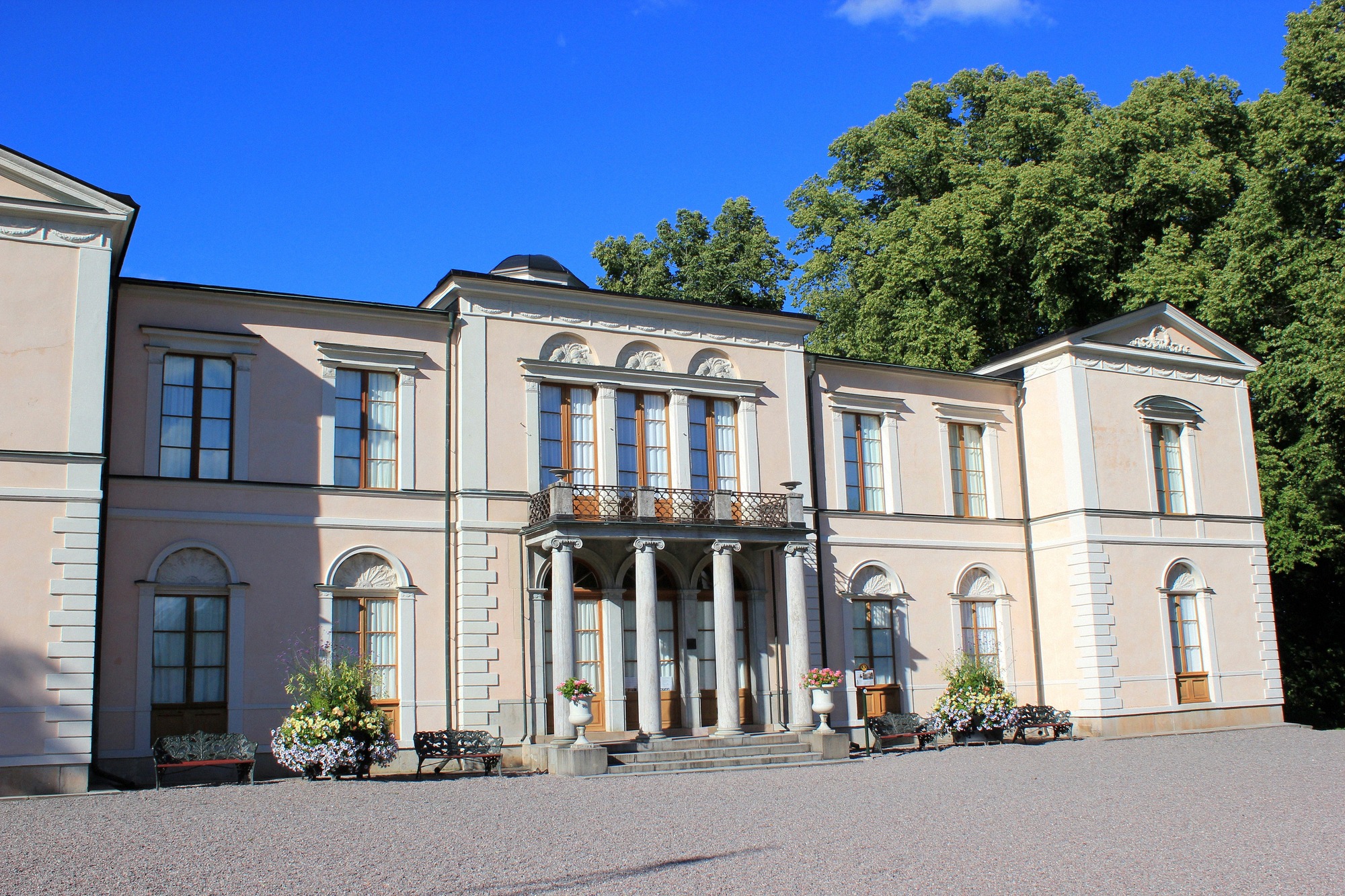
Empire-style summer palace on Djurgården
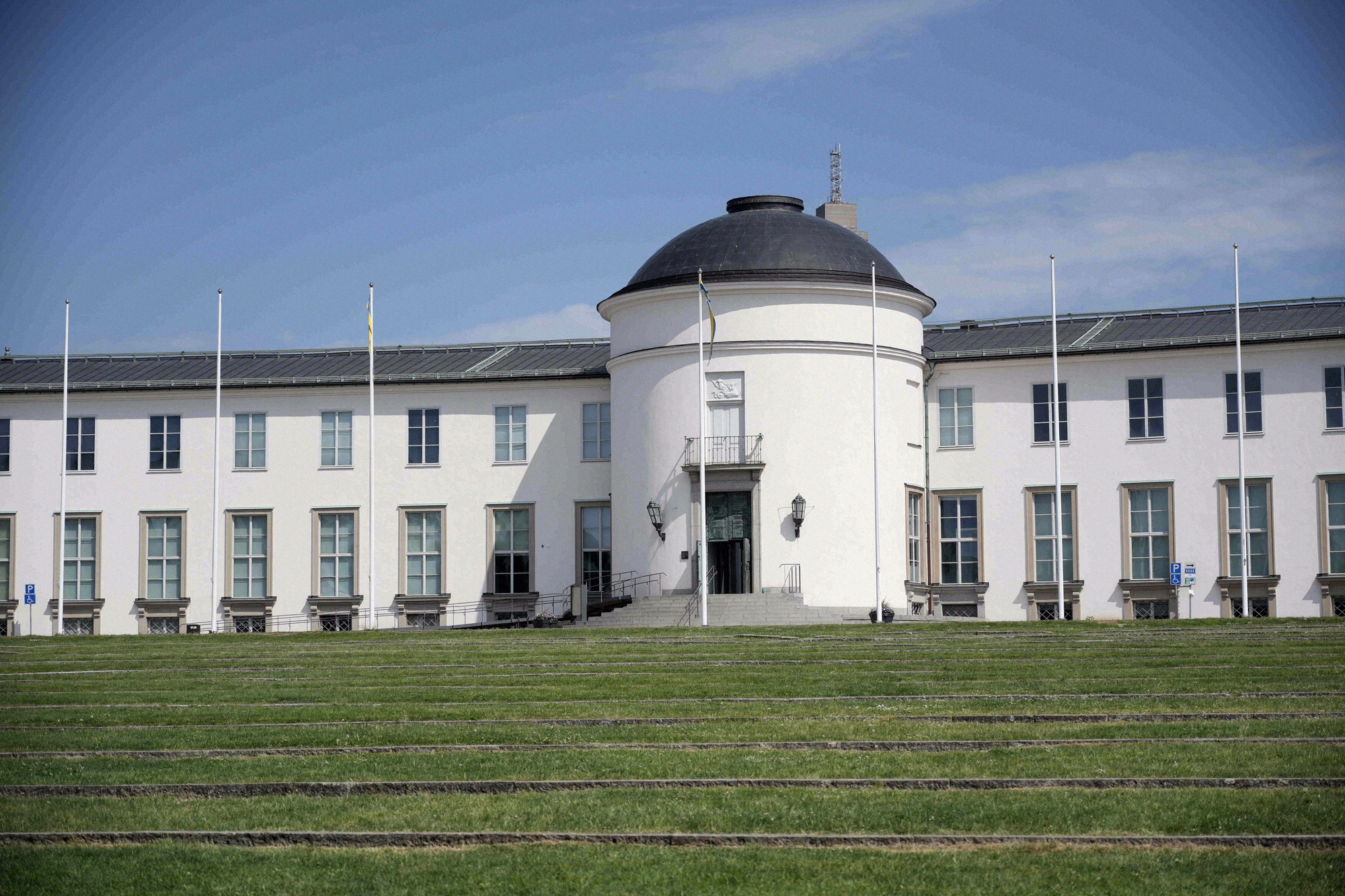
Sweden's maritime museum on Gärdet
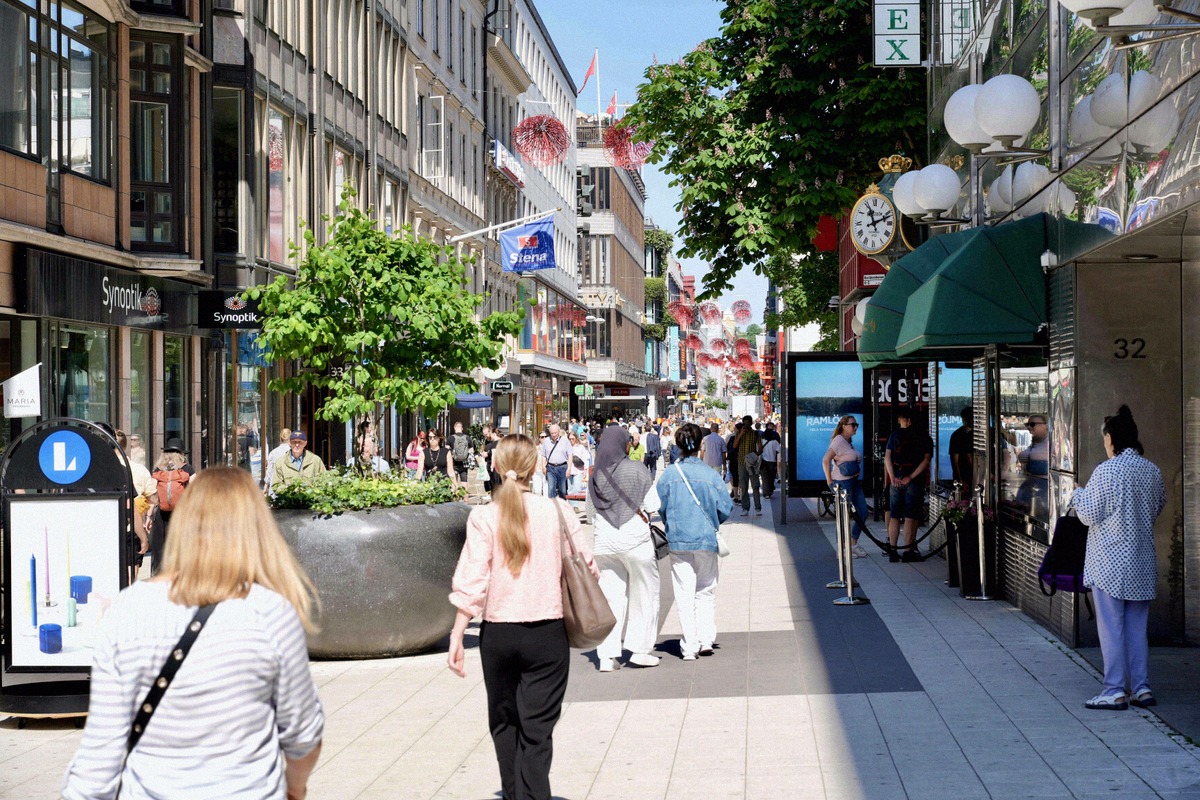
Strindberg's last home in the Blå Tornet
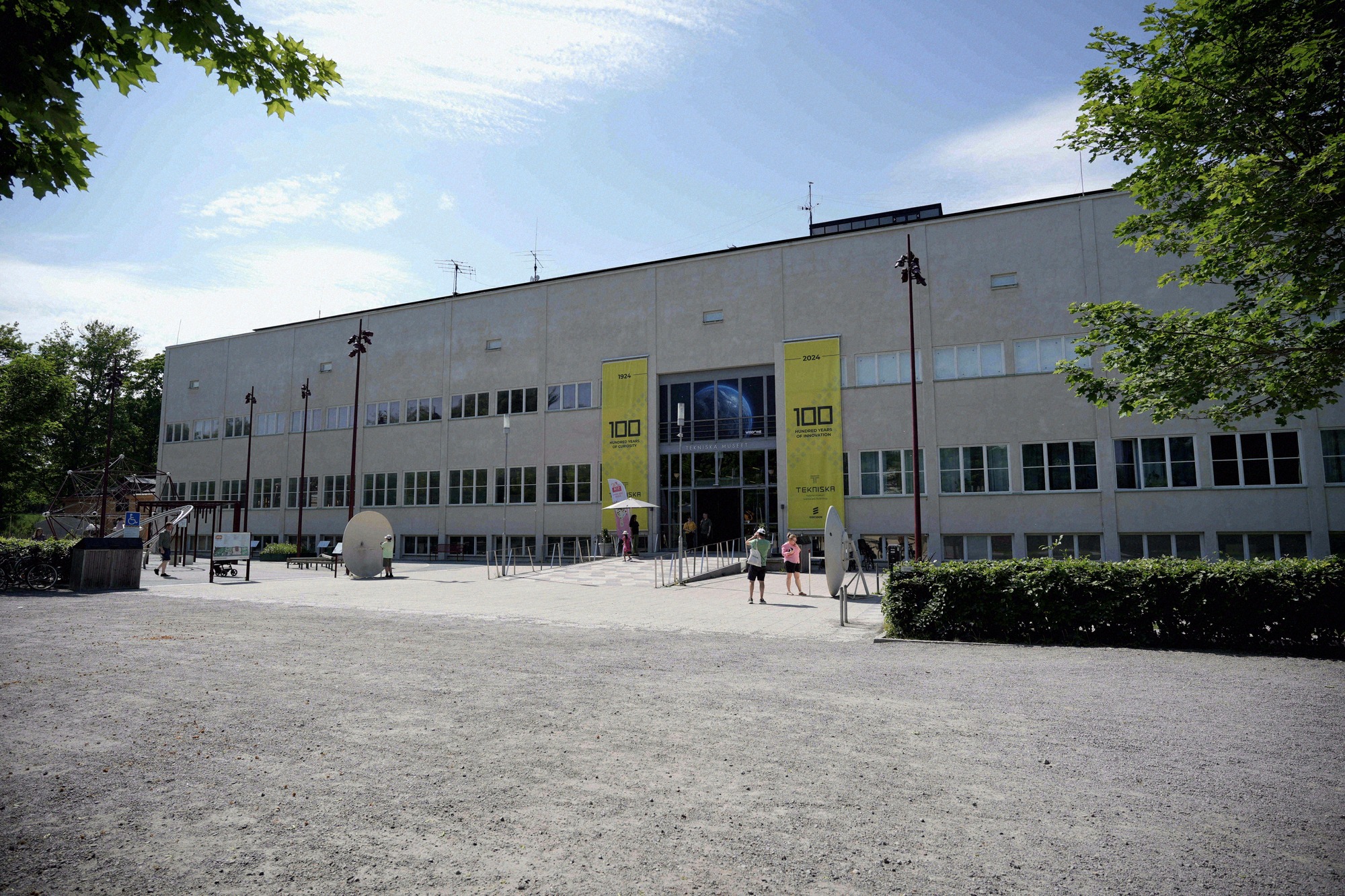
Hands-on science and technology on Gärdet
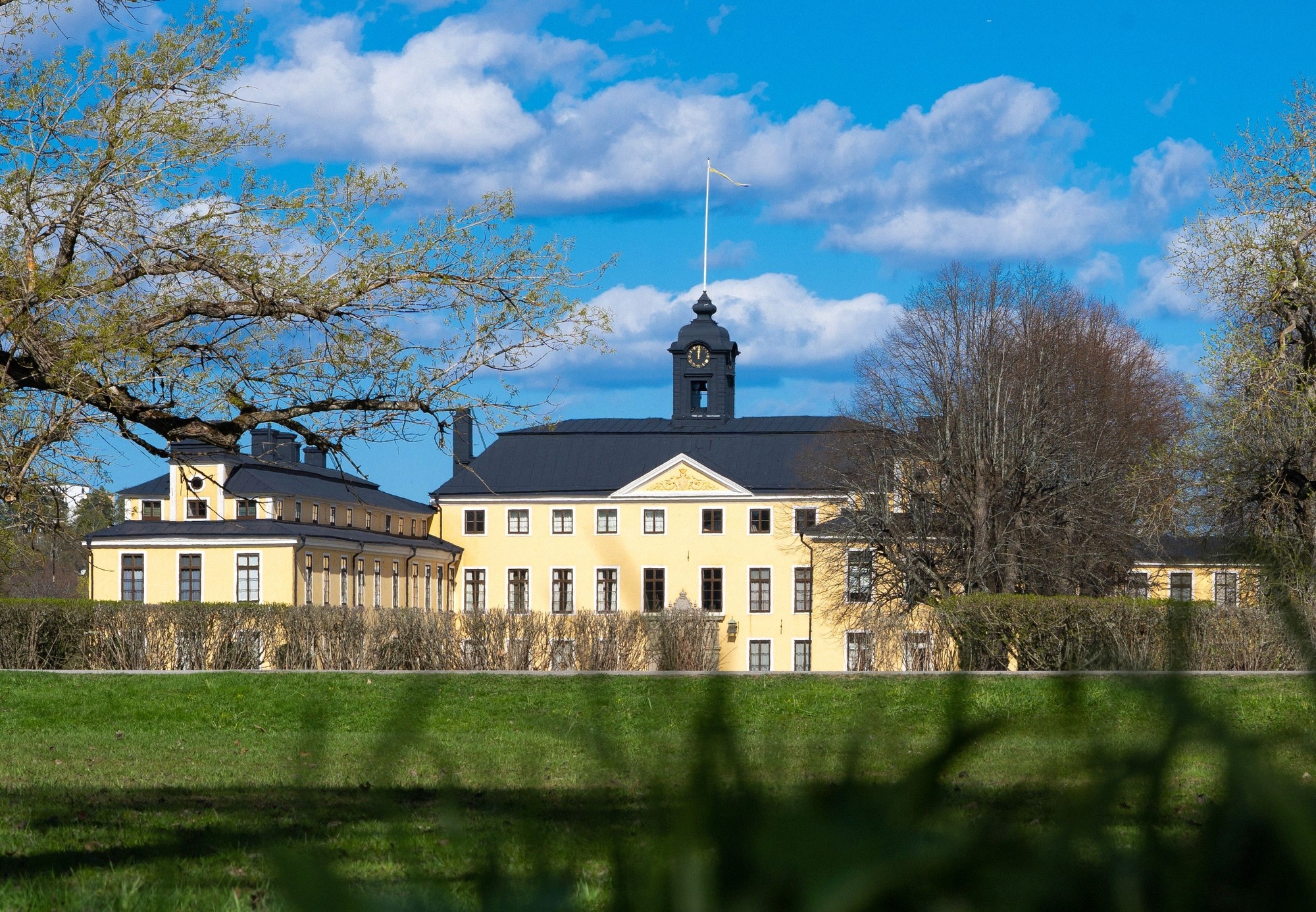
Royal palace with a park on Edsviken bay
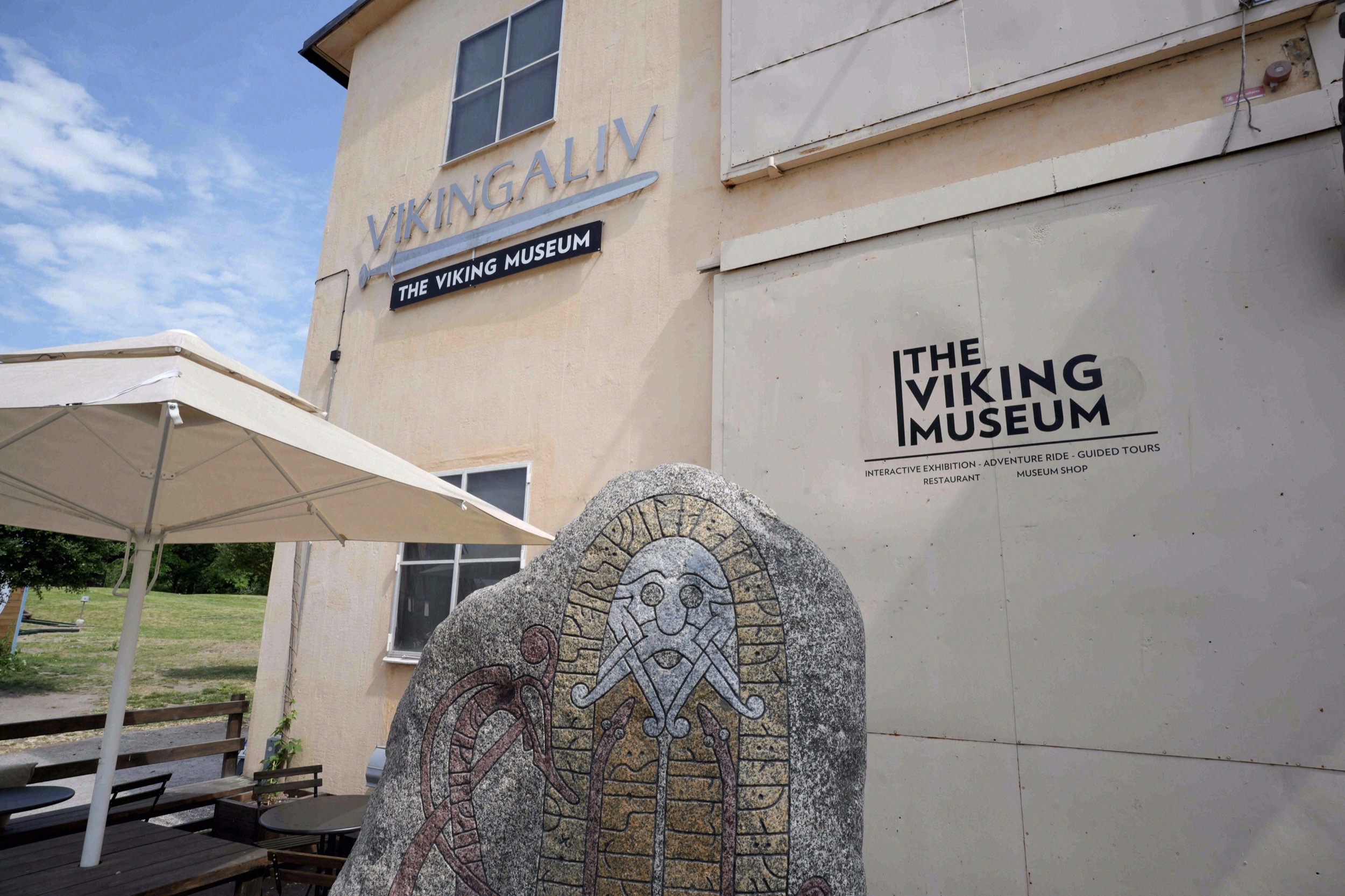
Interactive museum on the Viking Age on Djurgården
No results found.
Stockholm is spread across fourteen islands between Lake Mälaren and the Baltic Sea, and that's exactly what sorts its attractions into clearly separated clusters: the museum island Djurgården, the old town Gamla Stan with the city centre, the viewpoints on Södermalm, and the excursion destinations out on the water. This overview arranges the sights by location, gives prices in Swedish kronor (SEK), and shows what's free.
The one unmissable destination is the Vasa Museum, which displays a warship that sank in 1628 and was salvaged in 1961, housed in a purpose-built hall (195/240 SEK, free under 18). Right next door is Skansen, the oldest open-air museum in the world: around 150 historic buildings and a Nordic wildlife park (tiered by season up to around 305 SEK, children up to 15 free). If you're into pop history, factor in ABBA The Museum (249-329 SEK, online booking with a time slot only, around 1.5 to 2 hours); families should also consider the amusement park Gröna Lund (130 SEK entry without rides, 495 SEK for the Ticket to Ride, open mid-April to mid-September). Just across the water on the mainland, by the Djurgårdsbron bridge in Östermalm, the Swedish History Museum brings together the country's Viking treasures, including the Gold Room (180 SEK, half price of 90 SEK daily 16:00-17:00, free under 18).
The historic heart of the city beats around Stortorget, Stockholm's oldest square; the lanes and the square itself are freely accessible at any time, among them Mårten Trotzigs gränd, at 90 centimetres the narrowest lane in the city. There stands the baroque Royal Palace with its changing of the guard in the palace courtyard: year-round Monday to Saturday at 12:15, Sundays and public holidays at 13:15, lasting around 40 minutes, and free. The full version with parade and music only runs daily in the summer half-year (roughly late April to late August), otherwise on Wednesdays, Saturdays and Sundays. Nearby stands the cathedral Storkyrkan (120 SEK, free under 18). A short walk away is the brick-built Stockholm City Hall, venue for the Nobel Banquet on 10 December and only viewable on a guided tour through the Blue Hall and Golden Hall (150 SEK, around 45 minutes), as well as, on the quiet island of Riddarholmen, the royal burial church Riddarholmen Church (65 SEK, open June to September only). For art, head to the Nationalmuseum on the waterfront opposite the palace, with works by Rembrandt, Rubens and Renoir (160 SEK, free Thursdays 17:00-20:00), and the Moderna Museet on Skeppsholmen, whose collection of Picasso, Dalí and Matisse costs nothing to see (only special exhibitions charge, closed Mondays).
The third cluster sits along the ridge between Slussen and Stigberget and is the only one that works well after dark. Fotografiska, on the waterfront at Stadsgården, shows changing photography exhibitions daily until 23:00 (195 SEK, two tickets for the price of one from 18:00 on Wednesdays). The historic Katarinahissen lift runs for 0 SEK up to the freely accessible elevated walkway above Slussen, and the public panoramic street Fjällgatan on Stigberget opens up views over the harbour and the entrance to the archipelago, year-round and free. Further west lie the island's other two viewpoints, also free and with no opening hours: the clifftop path Monteliusvägen, with the classic view of Riddarholmen and the City Hall, and, half a kilometre beyond it, the rock of Skinnarviksberget, at 53 metres the highest natural point in central Stockholm. If you have time, take in Katarina kyrka and its dome along the way (admission free).
Two half-day trips take you out onto the water. The UNESCO World Heritage Drottningholm Palace on Lake Mälaren splits neatly in two: the palace park is free year-round, while the palace itself costs 170 SEK (250 SEK for a combined ticket with the Chinese Pavilion) and is largely closed from December to February. At the Stockholm Archipelago, the islands themselves are freely accessible - only the boat trip is paid: Waxholmsbolaget scheduled ferries cost 61-186 SEK one way, and Strömma sightseeing lines start from 190 SEK. For a first taste, the nearby island of Fjäderholmarna is enough (around 25 minutes by boat), while classic day-trip destinations are Vaxholm and Sandhamn; outside summer, services run considerably less often.
Stockholm isn't cheap, but two top sights are free with no conditions attached: the old town around Stortorget and the collection of the Moderna Museet. Add to that the changing of the guard at the Royal Palace, the Katarinahissen lift, Fjällgatan and Kungsträdgården park, all at 0 SEK. There are exactly two fixed free windows: the Nationalmuseum opens free of charge on Thursdays from 17:00 to 20:00, and the Moderna Museet lets you into the special exhibitions too on selected Fridays from 18:00 to 20:00 (seasonal, blockbusters excluded). Beyond that, the discount windows are worth knowing: the Swedish History Museum at half price daily 16:00-17:00 (90 SEK), Fotografiska with two tickets for the price of one from 18:00 on Wednesdays (97 SEK per person), and the Nationalmuseum at 80 SEK in its last opening hour. Under-18s pay nothing at many venues, including the Vasa Museum and the Swedish History Museum; at the Nationalmuseum that extends to under-20s, and at Skansen to under-15s. Admission is charged at the Vasa Museum (195/240 SEK), the state rooms of the Royal Palace (220/240 SEK), Skansen (up to around 305 SEK), the Stockholm City Hall tour (150 SEK, tower 100 SEK) and Gröna Lund (130 SEK without rides). Despite its old-town location, the cathedral Storkyrkan costs 120 SEK.
The ideal time is May to September, when all the seasonal attractions are running: the Vasa Museum has longer hours from June to August (08:30-18:00 instead of 10:00-17:00), Gröna Lund only opens mid-April to mid-September, Drottningholm Palace is largely closed from December to February, Riddarholmen Church is only open June to September, and the Stockholm City Hall tower can only be climbed in summer. Two full days are enough for the highlights (one day for Djurgården, one for Gamla Stan and the centre), and evenings belong to the Södermalm cluster around Fotografiska and Fjällgatan; the full programme with Drottningholm and an archipelago boat trip fills three to four days.
If you have a packed sightseeing schedule, the Go City Stockholm All-Inclusive Pass can pay off. It covers most of the paid top sights: the Vasa Museum, Royal Palace, Skansen, Gröna Lund, Nationalmuseum, Swedish History Museum, Fotografiska, Storkyrkan, Riddarholmen Church and Drottningholm Palace are all included, though archipelago trips only as sightseeing tours, not as Waxholmsbolaget scheduled ferries. Not included in the pass are the ABBA Museum and the Stockholm City Hall tour; the Moderna Museet needs no ticket anyway. The pass is valid for 1 to 5 consecutive calendar days and is fully digital; if you're making the most of the free options, single tickets are often cheaper.