
Bergrummet
Toy museum in a naval rock bunker, closed for renovation
Built in the early 1940s around a command post, a mess and stores for mines and torpedoes, the tunnels have held a private collection since 2017. For now they are closed to visitors.
Contents
The Stockholm Toy Museum shows a private collection of toys and comics in a rock bunker that the navy had blasted out under Skeppsholmen during the Second World War. The appeal lies in the contrast between bare rock and a playroom full of toys: grandparents find their favourite toys from long ago, grandchildren the characters they know themselves. The museum is currently closed for renovation. If you are on the island with children, try Moderna Museet instead or take the ferry on to Djurgården.
From naval bunker to exhibition hall
The rock chamber was blasted out in the early 1940s. At the time, the Skeppsholmen naval base housed the staff of the naval commander for the southern Gulf of Bothnia, the Gulf of Finland and the northern Baltic. Had Sweden been drawn into the war, the staff would have moved into the rock; it never came to that. Underground were a combat command centre, sleeping quarters for officers, halls for conscripts, a mess, a sick bay and showers. Large parts served as stores for mines and torpedoes. Eight tunnels, linked by cross-passages and corridors, add up to 4,800 m², and they reach as far as beneath Moderna Museet.
Until the 1960s officers trained here in keeping situation maps and deploying naval forces against an assumed enemy. Parts of the coastal fleet's archive and secret sea charts were also kept in the rock until the 1970s. In 1969 the command moved to Musköberget, and until the mid-1980s weapons for mobilisation were stored here. In the 1990s all the fittings were ripped out, and district heating pipes to the island's buildings have run through the tunnels ever since. The armed forces still keep a break room for the soldiers of the saluting battery in front of Högvaktsbyggnaden. Conversion into an exhibition hall began in October 2009; the first show was Östasiatiska museet's display of figures from the Chinese Terracotta Army.
40,000 toys from Tidö Castle
The collection belongs to the von Schinkel family, who have been gathering toys and comics for more than 60 years, starting with Carl David von Schinkel and continued by his son David. The family lives at Tidö Castle near Västerås. There King Carl XVI Gustaf opened the Tidö Leksaksmuseum on 17 June 1974, and in 2010 the exhibition moved into the former stone stables on the castle grounds. Without bus or train links, Tidö was hard for many visitors to reach, so the museum closed there in autumn 2016. A year later it opened in Bergrummet, fitted out by around 40 creatives, among them sculptors, blacksmiths, decorative painters and inventors.
The collection numbers some 40,000 to 42,000 objects. Most are on show in the rock, while some stay in storage and come out for temporary exhibitions. It is a private collection, and the museum receives no state funding.
From 15th-century dolls to original comic art
The museum occupies 2,500 m² of the tunnels, a little over half the complex. The bare rock walls have been kept, with lighting and sound setting off the display cases in front of them. The oldest pieces on display are dolls from the 15th century, alongside spaceships, dolls' houses, pedal cars, tin figures, every vehicle from the Tintin books, Barbie and Disney. Most of the toys come from Germany, which was Europe's leading toy-making country before the Second World War; Märklin, Fleischmann, Steiff and Schleich are all represented. A separate section shows toys that belonged to royal children, some of which once lived in the Royal Palace in Stockholm.
The comics section has original drawings by Charles M. Schulz and Don Rosa next to work by younger Swedish artists, along with comic books from the 1930s to the present day. Until the closure, around 60 screens explained the objects in Swedish, English, Finnish, Turkish, German and Chinese; the toy expert Peter Pluntky vouches for the facts. For safety reasons most items are behind glass, but in a few places visitors could touch toys, and there were play corners for children. Most recently, guided tours were only for groups who had booked in advance. When the museum is open, there is a café serving fika and a small lunch menu, and a shop with toys and books.
Skeppsholmen with children while the museum is closed
A few minutes' walk away, partly right above the tunnels, is Moderna Museet. Children and young people under 19 get in free there.
Junibacken on Djurgården is aimed at children up to eight: a children's culture centre with daily theatre, play exhibitions and the Story Train through Astrid Lindgren's stories, with one ride included in admission. The Djurgården ferry from Slussen to Djurgården calls at Skeppsholmen. For more family outings, see Stockholm with kids.
Frequently asked questions
When will the Stockholm Toy Museum reopen? +
Why is the museum called Bergrummet? +
How do I get to Bergrummet? +
Is the Stockholm Toy Museum the former Leksaksmuseet? +
Can I donate old toys to the museum? +
Nearby
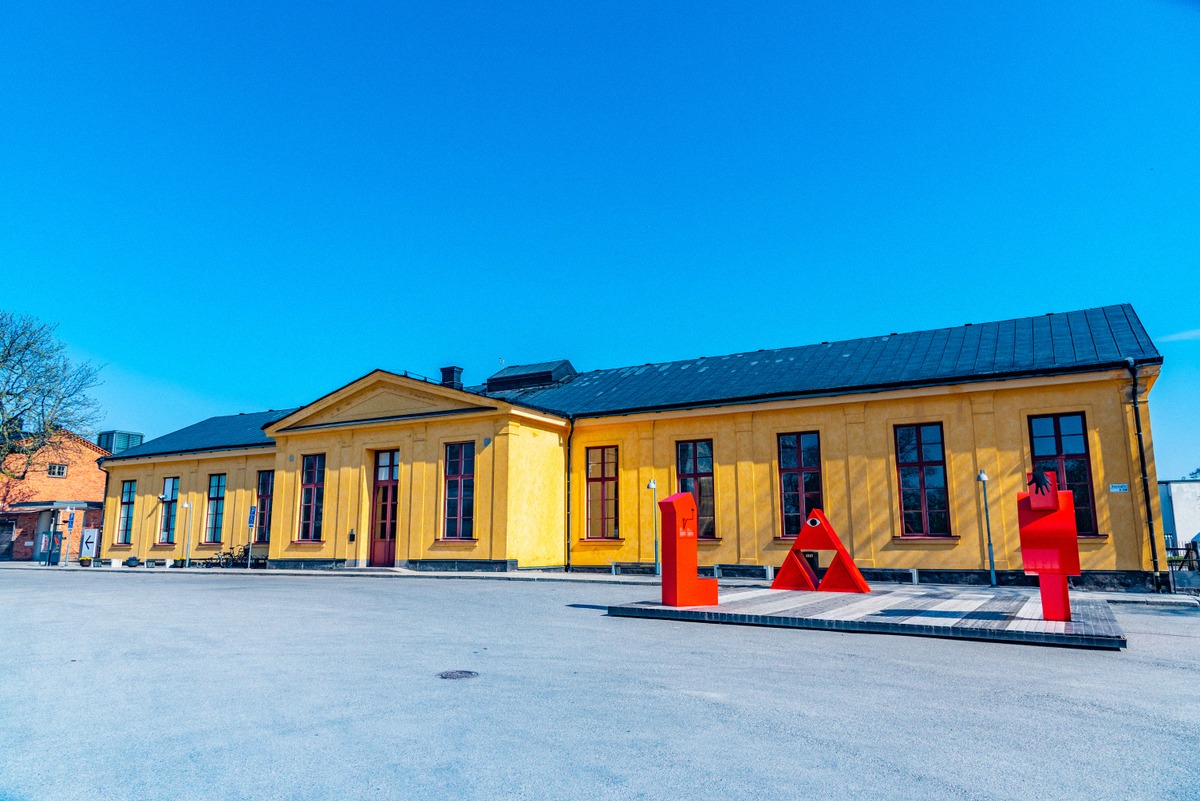
Moderna Museet
Sweden's national museum of modern art on Skeppsholmen shows works from Picasso to Warhol and Swedish art since 1945. Admission is free for under-19s.
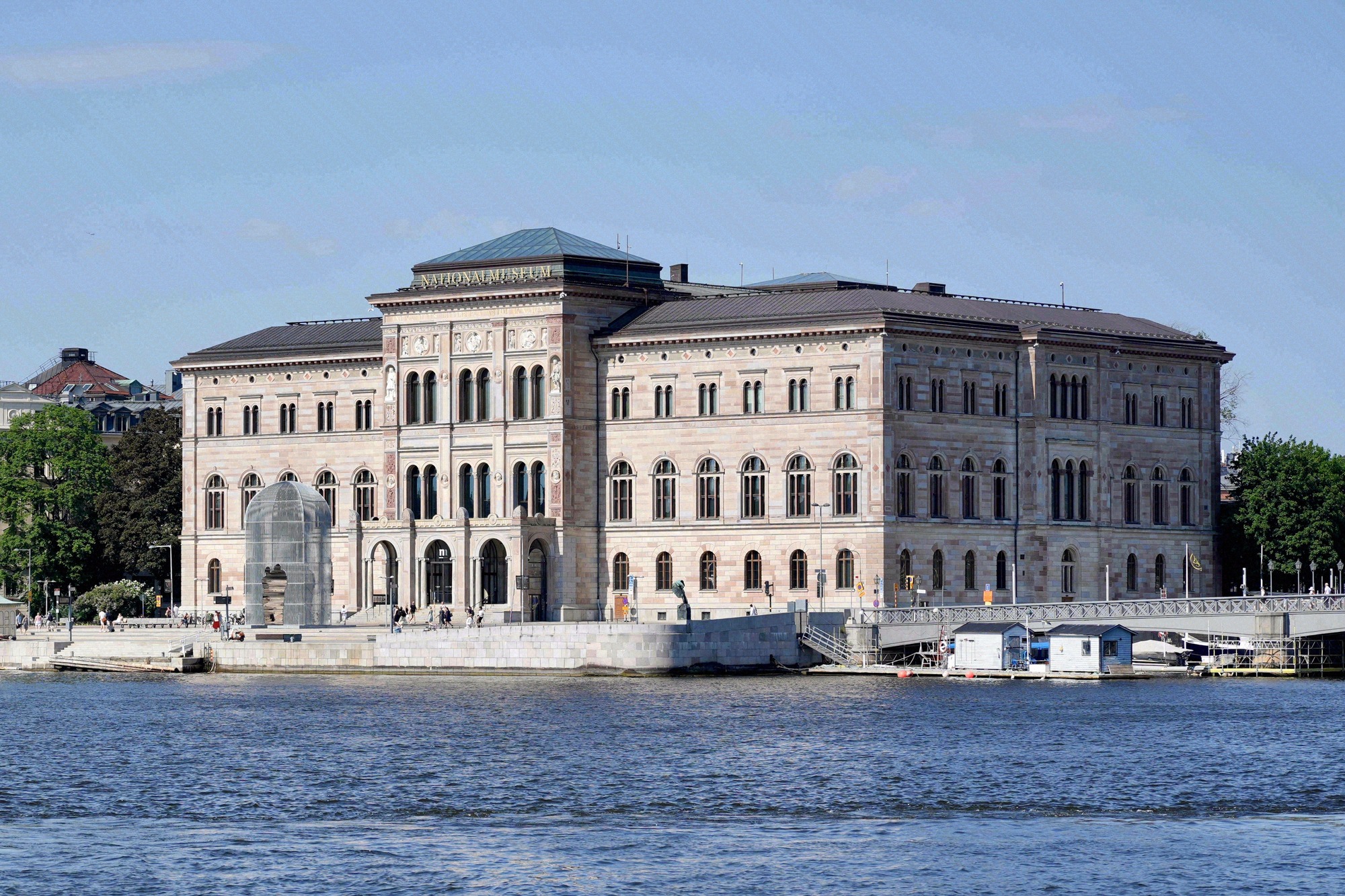
Nationalmuseum
Opposite the Royal Palace, the Nationalmuseum shows over 5,000 works from the 16th century to today and the world's largest collection of miniatures. Admission is free for under-20s.
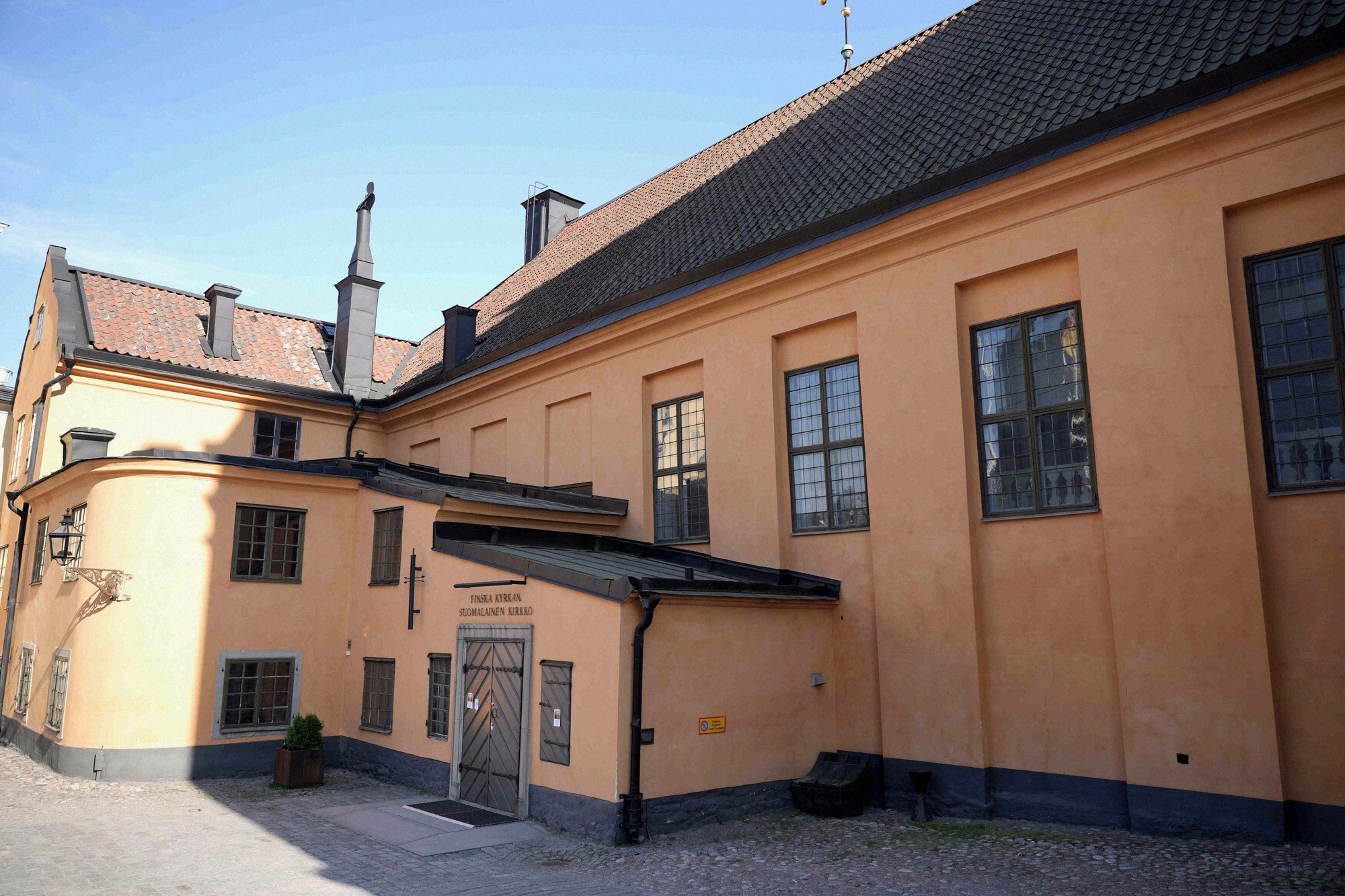
Finnish Church (Finska kyrkan)
Former royal ball-game hall on Slottsbacken, the Finnish congregation's church since 1725, with the Järnpojke in Bollhustäppan behind it.
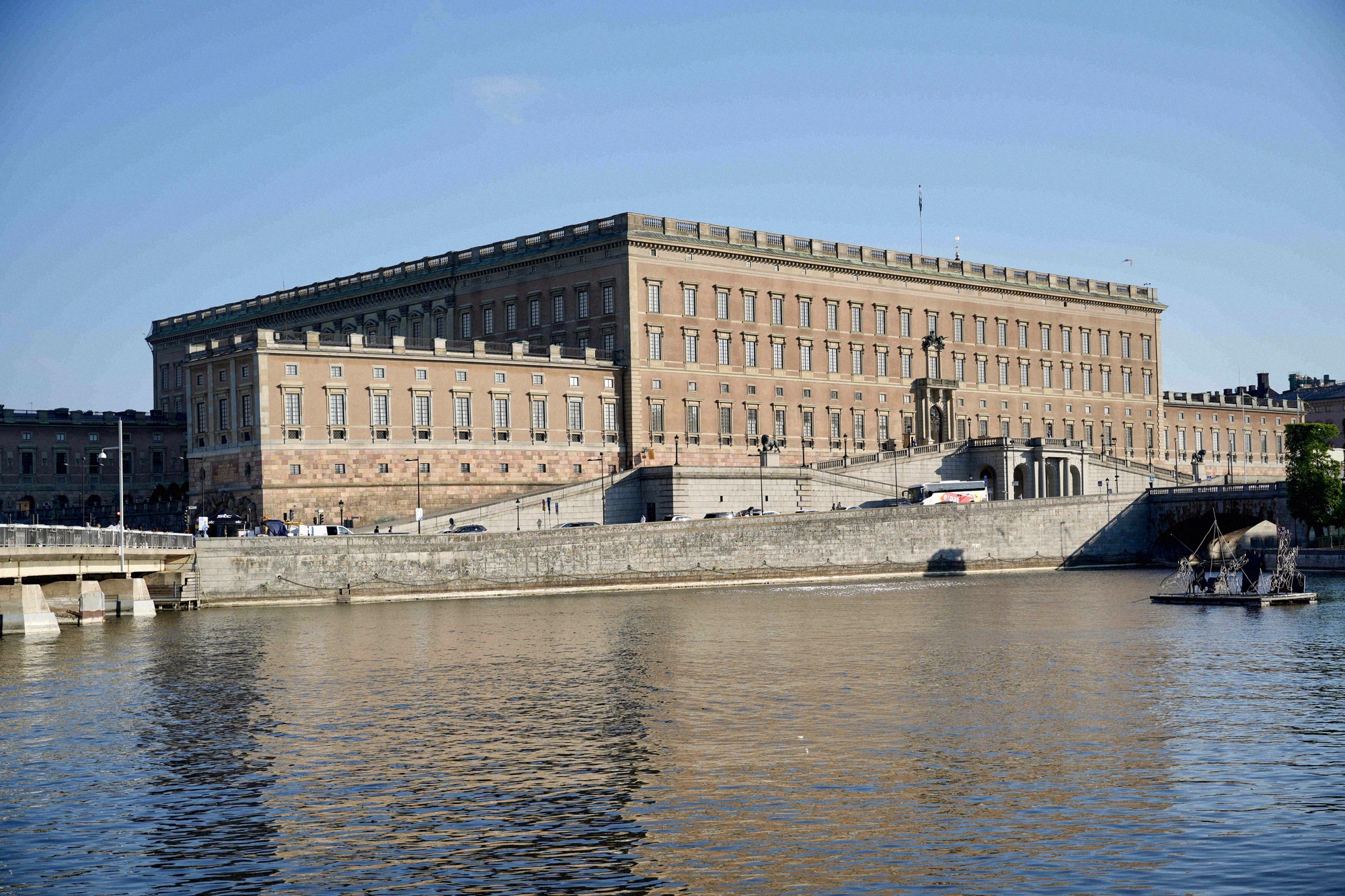
Royal Palace
The Royal Palace (Kungliga slottet) in Gamla Stan is both the King's workplace and a museum, with Royal Apartments, a silver throne in the Hall of State, the crown jewels and the remains of Tre Kronor Castle.
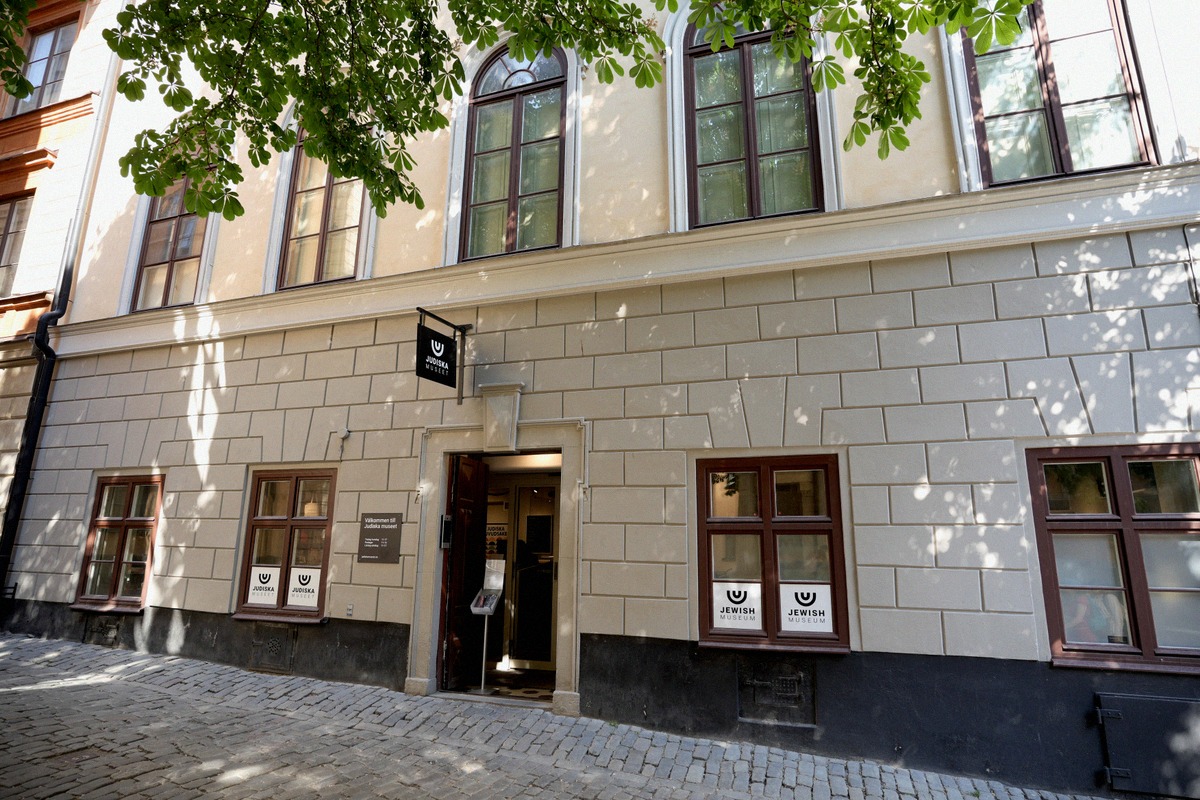
Jewish Museum
In 1795 the congregation set up its synagogue in a former auction house. Since 2019 the museum there has shown how Jews came to Sweden and how they lived here.
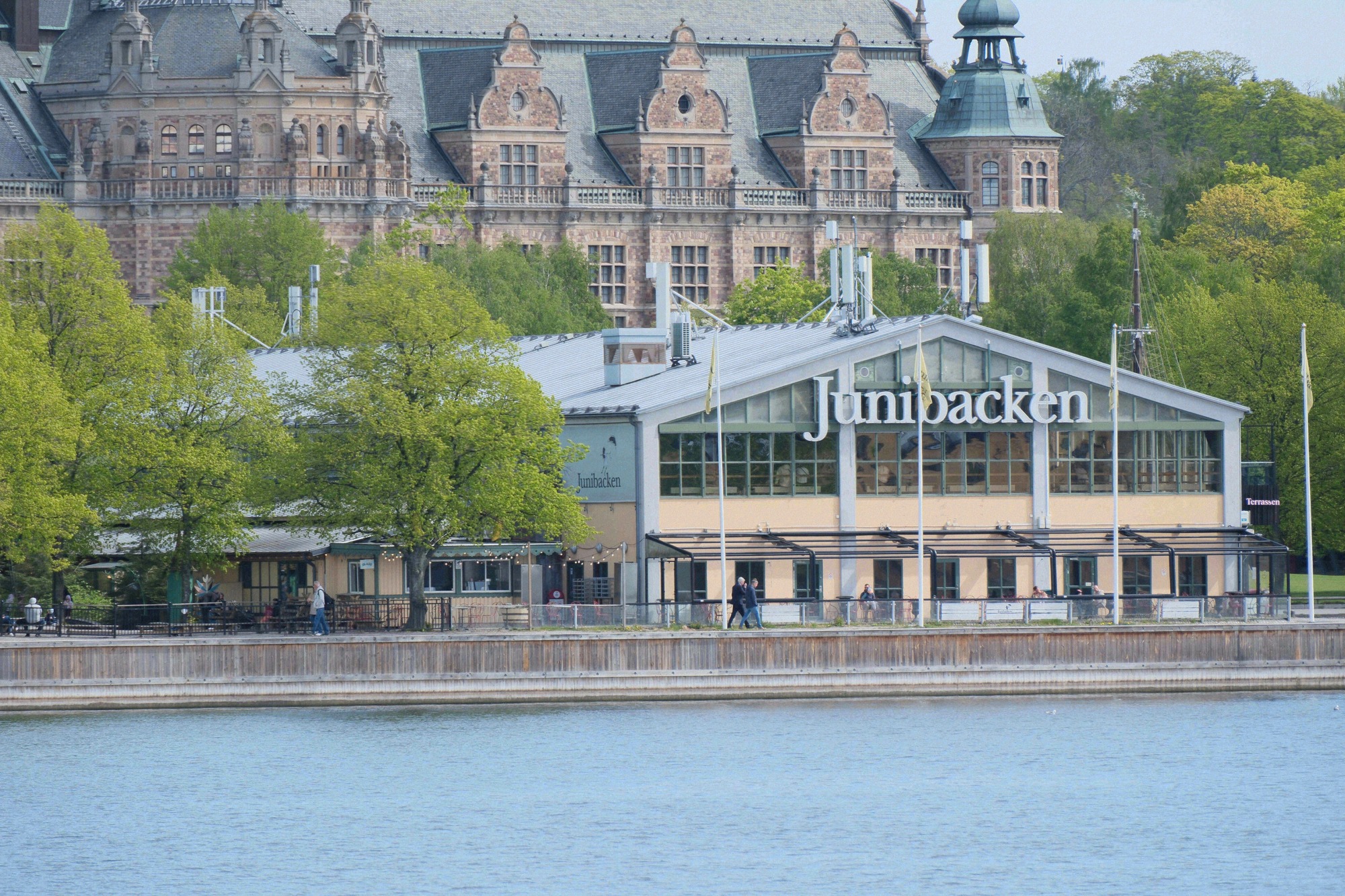
Junibacken
A storybook house on Djurgården: the Sagotåget train runs through Astrid Lindgren's stories, there's theatre at Villa Villekulla, and the Moomins wait on the story square.