What to expect
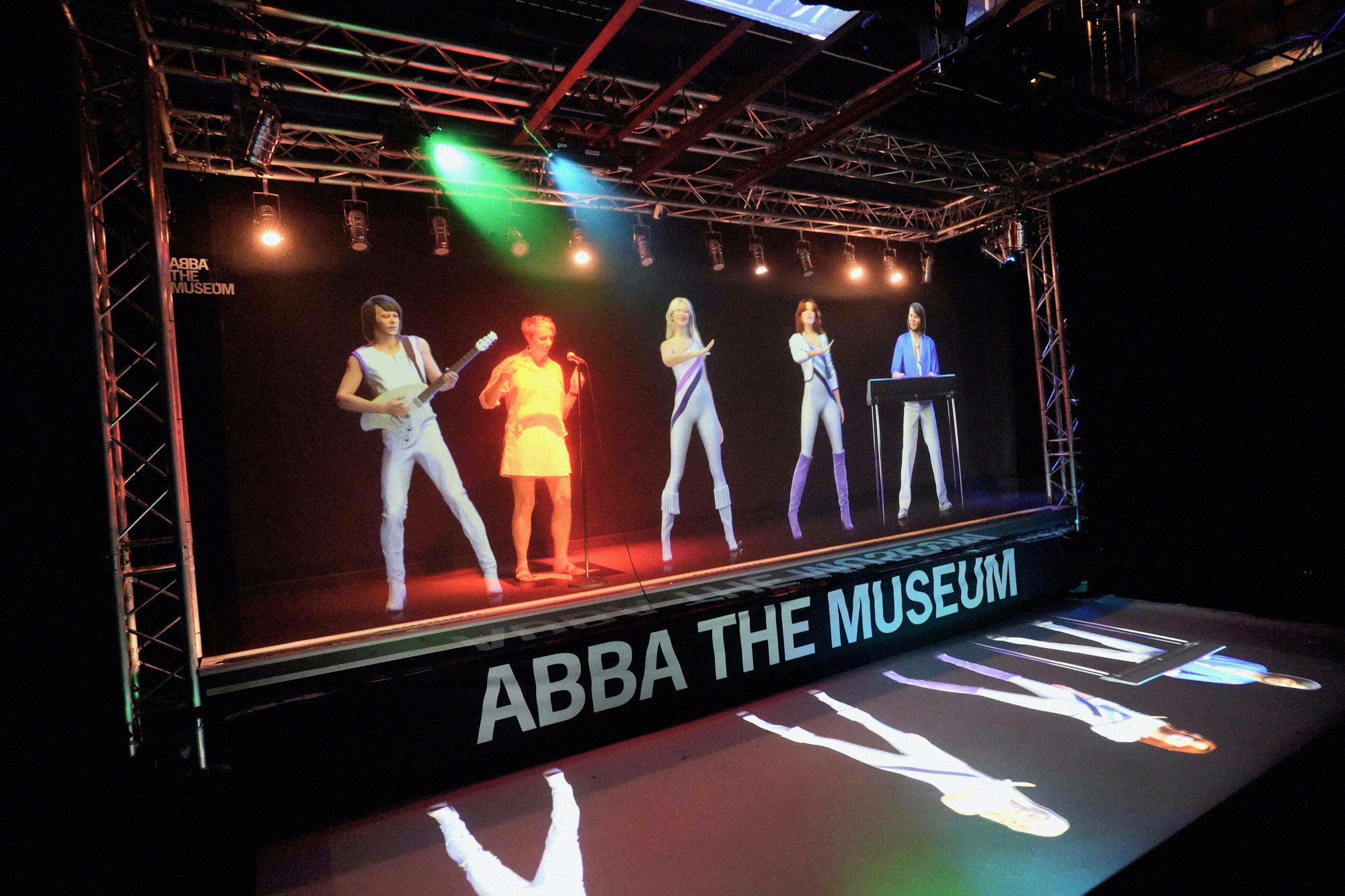
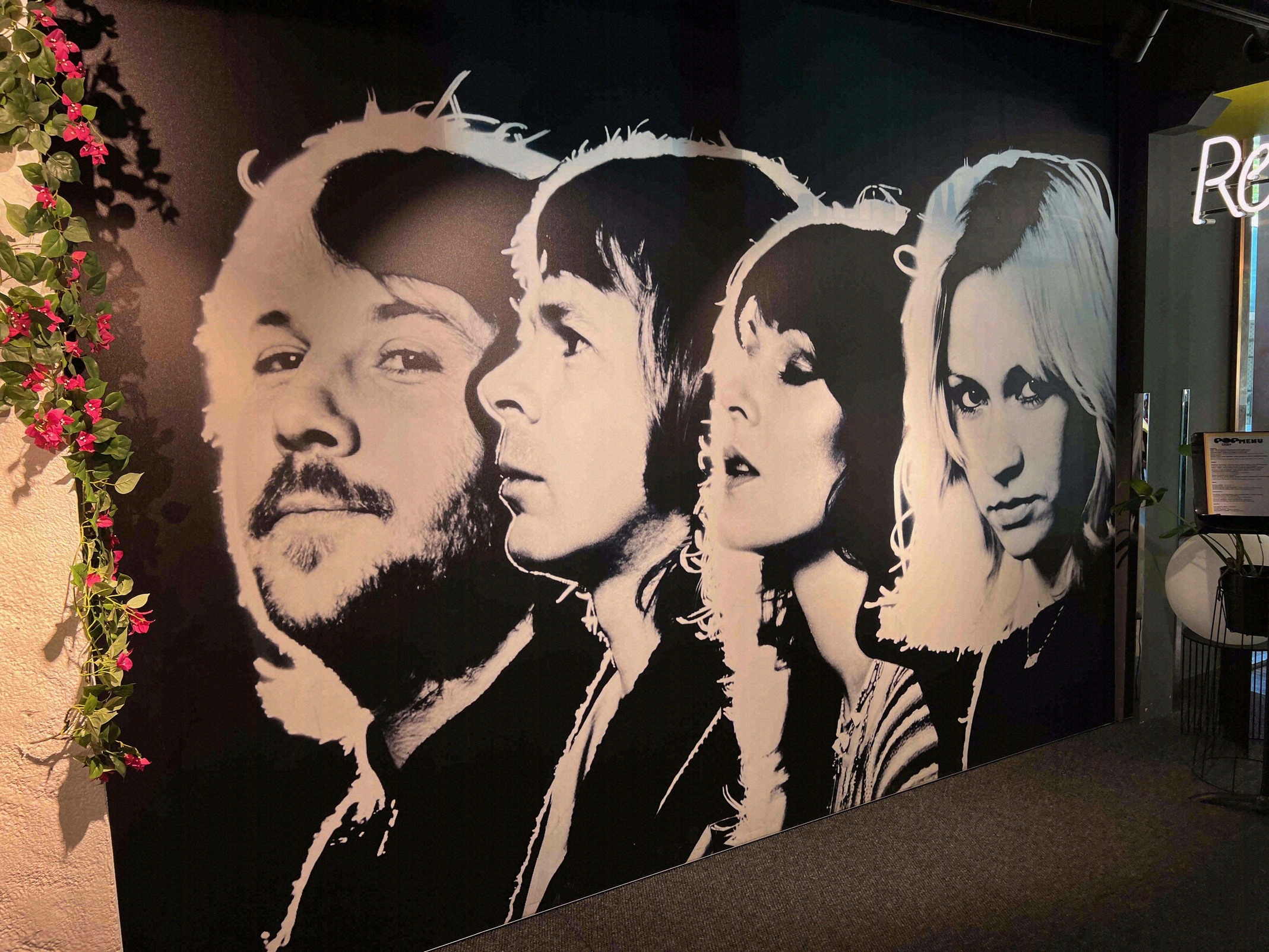
ABBA The Museum on the island of Djurgården is devoted entirely to Sweden's most successful
pop band of all time. Rather than just displaying items in cases, the museum is built around
interactivity: you sing in a karaoke booth, dance on a floor next to ABBA avatars, and
can even step up at the big hologram stage as a fifth member alongside Agnetha, Björn, Benny and
Frida. There's also a song-mixing station and an ABBA quiz. Allow 1.5 to 2 hours for the visit.
Highlights and exhibits
Between the hands-on stations are genuine pieces from the band's history:
- Original costumes worn by the four band members
- a recreated Waterloo/Brighton setting marking the 1974 Eurovision Song Contest win
- the actual helicopter from the cover of the album Arrival
- Benny's self-playing piano, wired to his grand piano at home and occasionally heard playing
on its own
- a detailed recreation of Polar Studios, where ABBA recorded many of their hits
Tickets and opening hours
The museum is open daily, with hours changing by season: from 09:00 in high summer (1 June to
16 August), until 20:00 the rest of summer and in May, and typically 10:00-18:00 during the winter
half of the year. Entry is only possible with a pre-booked 30-minute time slot, there is no
fast-track pass and no walk-up entry at the door. The best place to buy tickets is the
official prices and opening hours
page; tickets are cheaper online and the slot is guaranteed.
Prices vary by date: adults 249-329 SEK, students and seniors 65+ 219-279 SEK each,
children aged 7 to 15 100-120 SEK, children up to 6 free. A family ticket (two adults plus one
or two children) costs 549-749 SEK. It's not among Stockholm's cheaper museums, but it's very
popular, cheaper time slots tend to fall outside high season and outside the 10:00-15:00 peak.
Getting there and combining your visit
Djurgården has no metro station of its own. To reach the museum (Djurgårdsvägen 68), take
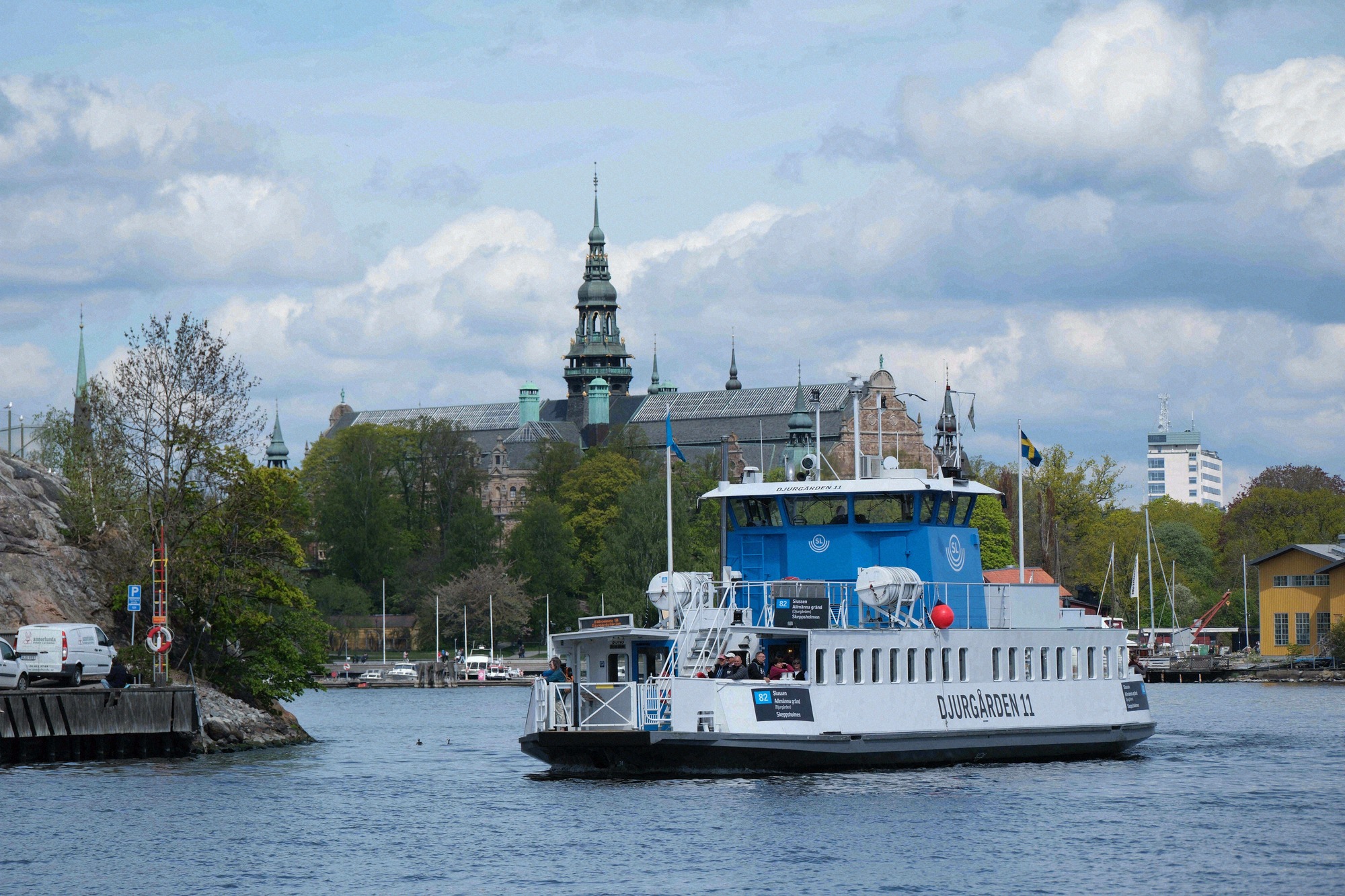
tram 7 or bus 67 to the Liljevalchs/Gröna Lund stop, or the Djurgården ferry or the
M/S Emelie to Allmänna Gränd. It's about a 20-minute walk from central Stockholm.
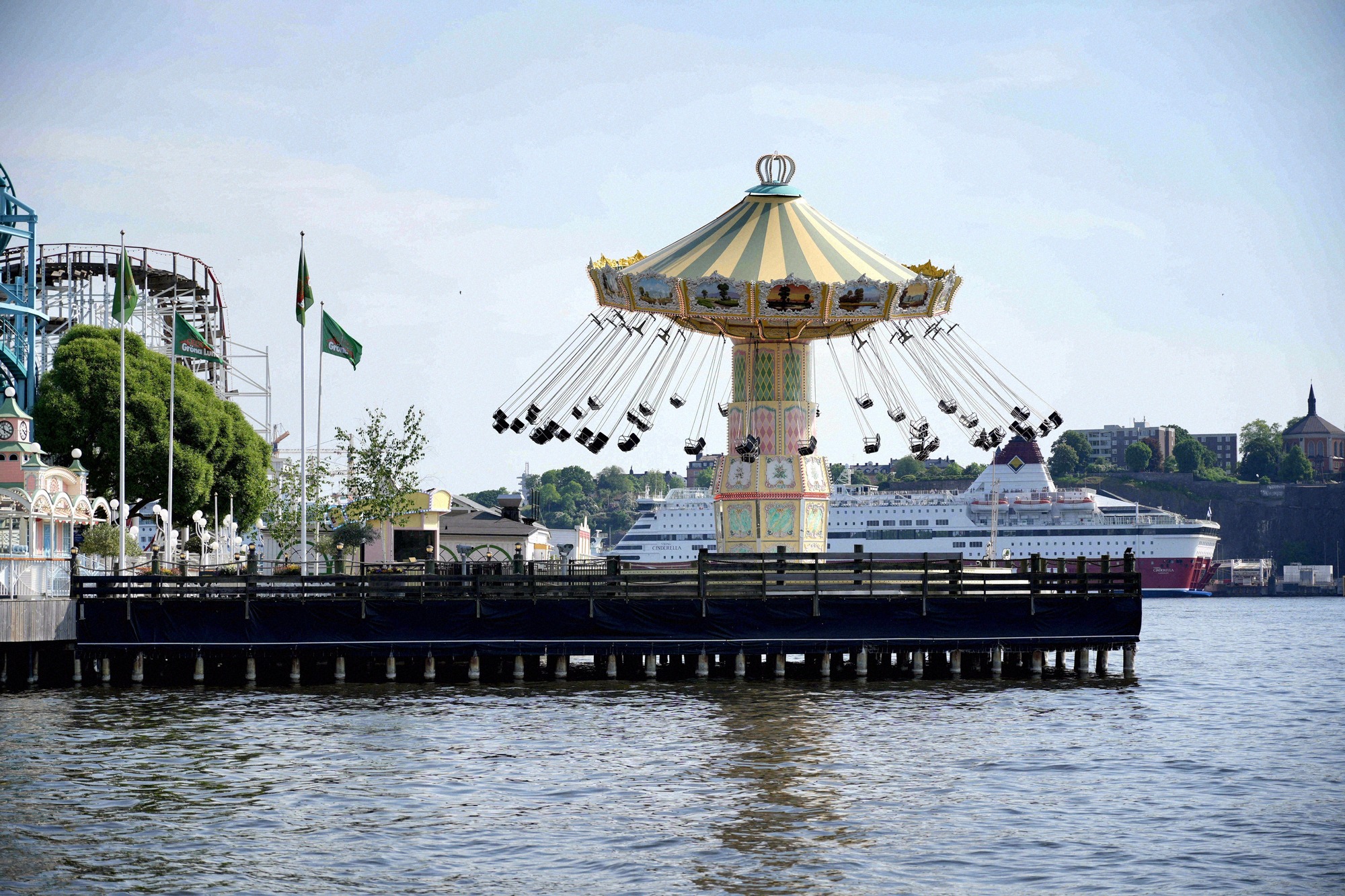
Right next door is the amusement park Gröna Lund, an obvious
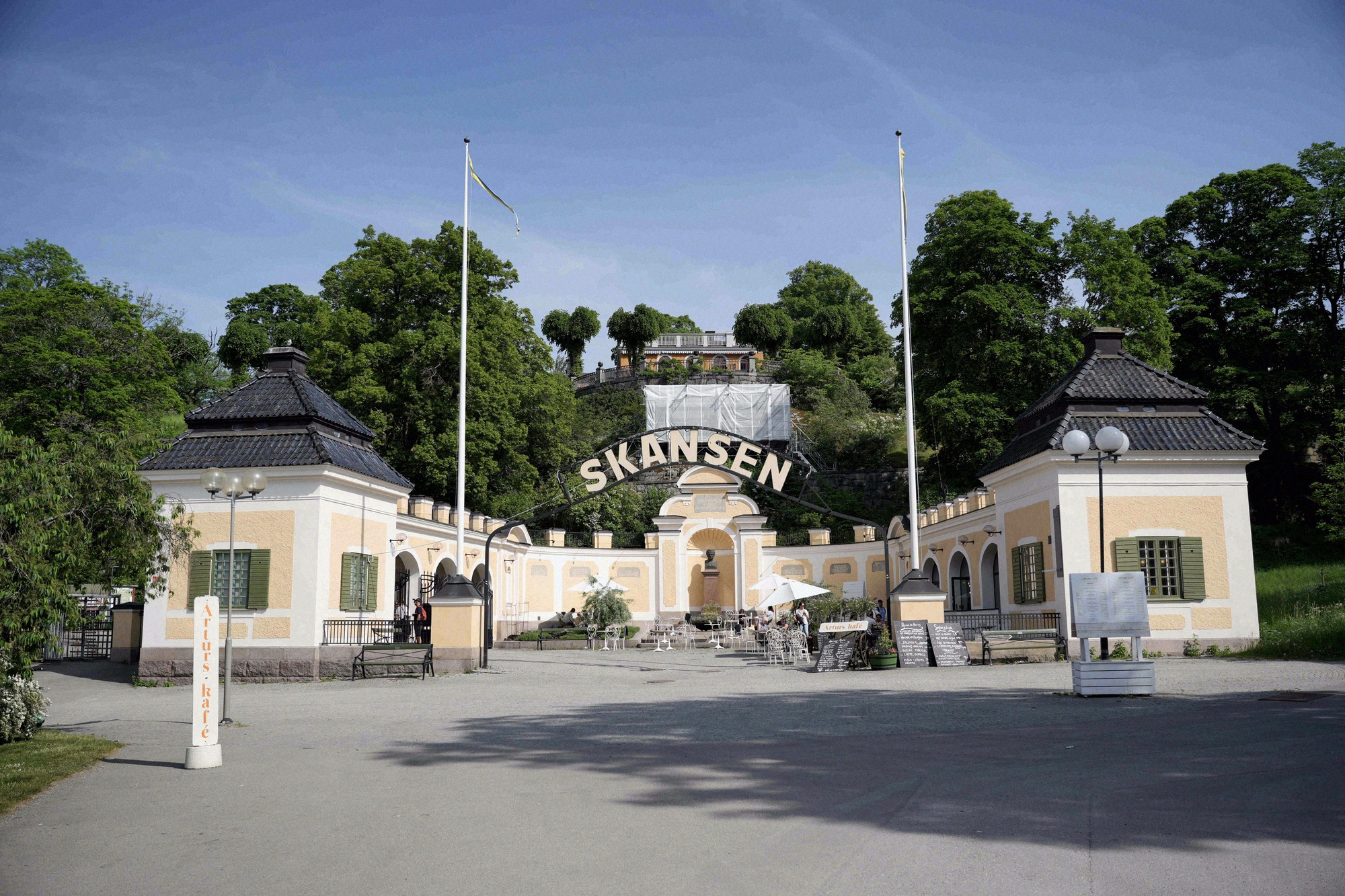
combination for a day on the island. A little further on you'll find Skansen,
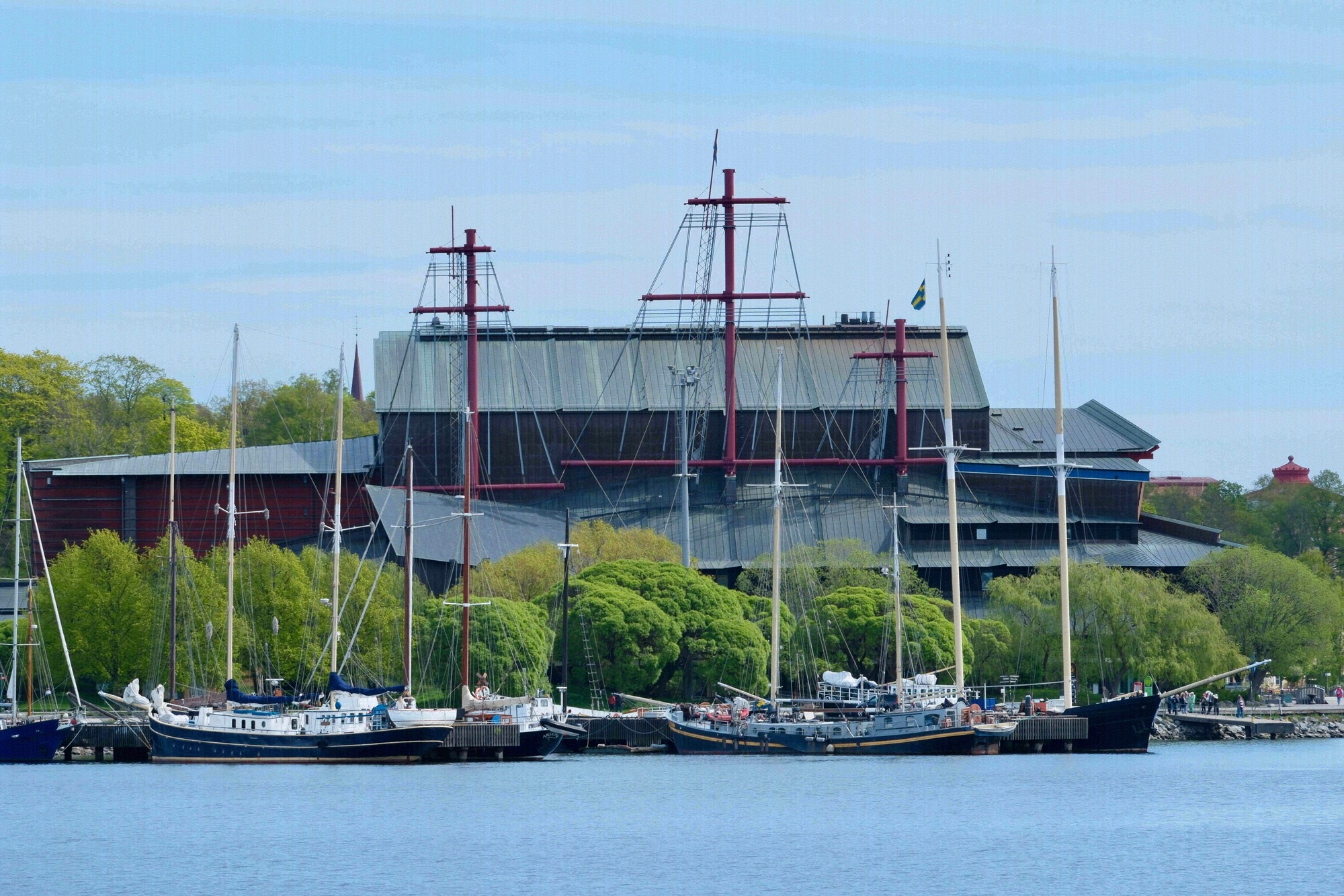
the Vasa Museum and the Nordiska museet.
If you're planning to visit several of these museums, it's worth checking the
Stockholm Pass.