
Admission
Admission with saga ride
Admission to the exhibition and the Ragnfrid's saga ride. Reception scans the ticket from your smartphone.
4.6 (84) · Tiqets
From €21.31
Free cancellation until 23:59 the day before
Book TicketThe Viking Age with a saga ride at Wasahamnen
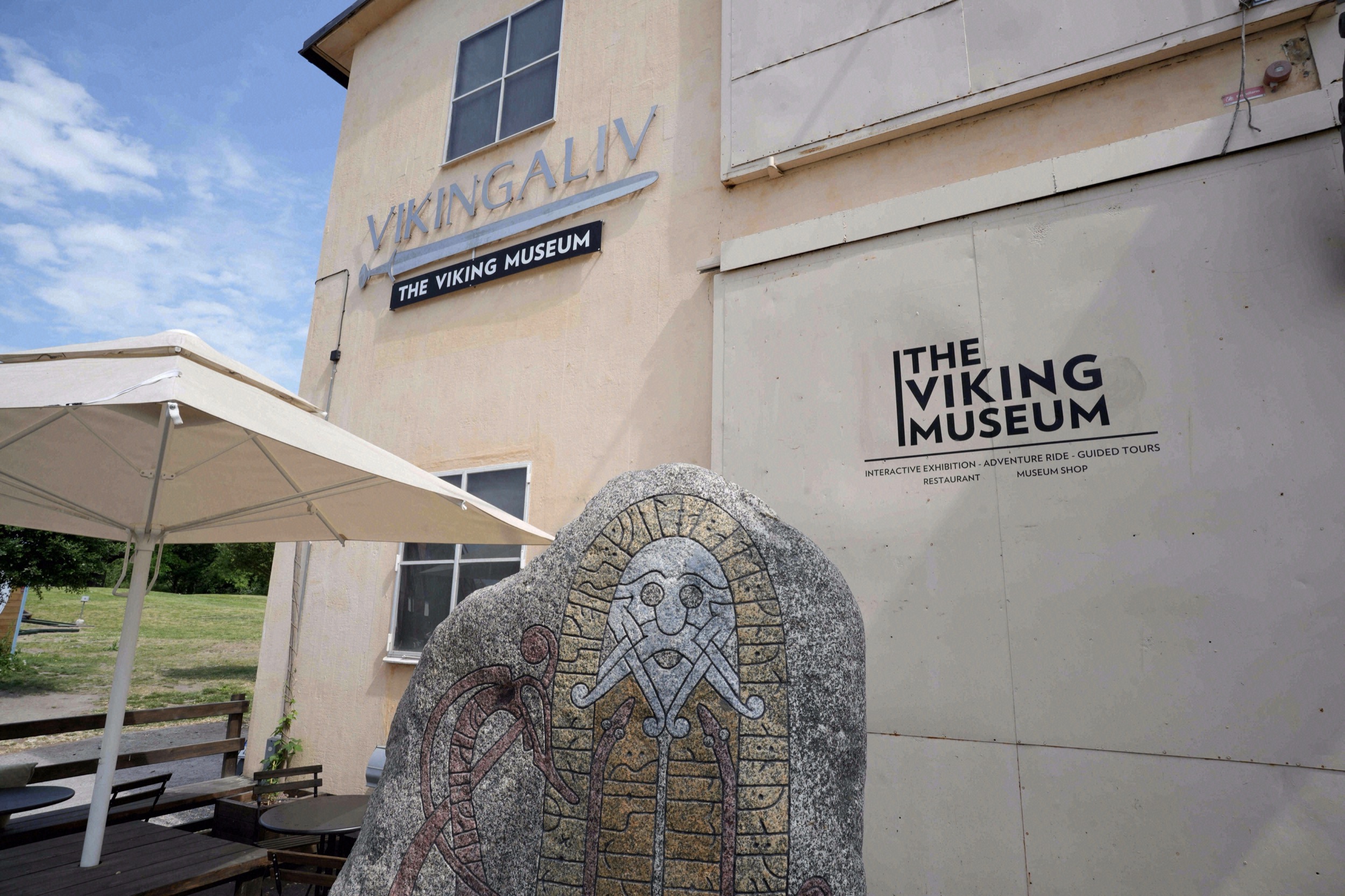
Guides dressed in Viking Age clothing take you through farms, finds and seafaring, and on the saga ride you join Harald on a raid in the 10th century.
Tickets
The hourly guided tours are included in the ticket.
Admission
Admission to the exhibition and the Ragnfrid's saga ride. Reception scans the ticket from your smartphone.
4.6 (84) · Tiqets
From €21.31
Free cancellation until 23:59 the day before
Book TicketThe Viking Museum at Djurgårdsstrand 15 presents the Viking Age as everyday life: women, children and men on the farms of Scandinavia stand alongside the seafarers who travelled across Europe to trade and plunder. The museum opened in 2017 under the name Vikingaliv in Båthall 1 at Wasahamnen. It suits you if you would rather have history told to you than read it off display cases. If original finds are your main interest, you are better off at the Swedish History Museum, whose Viking exhibition shows 2,500 objects.
The exhibition combines archaeological finds with historically reconstructed settings, and at individual stations you can explore particular topics in more depth. Guides in Viking Age clothing stand in the rooms and answer your questions. You can touch various objects, which is especially helpful for visually impaired visitors.
The museum firmly debunks one popular image: the Vikings did not wear horns on their helmets. The myth was started in the 19th century by Richard Wagner, who used horned helmets as costumes in his opera "Der Ring des Nibelungen". You can still buy Viking helmets, though, in the shop next to drinking horns modelled on historical ones and Icelandic liquorice.
The Ragnfrid's saga ride is included in admission. It begins on the Frösala farm, where Ragnfrid and Harald live with their daughter Sigrid. Harald has squandered the family's money and sets off on a raid to win back wealth and honour. In the car you follow him through 10th-century Europe. The story of family, courage, grief and love is inspired by historical events.
The ride lasts eleven minutes, and you can hear the narration in nine languages. If you are hard of hearing, you can also follow the story in written form, and there is an induction loop in the entrance area.
The guided tours are included in the ticket. On weekdays they start at 11:30, 12:30, 13:30 and 15:30 in English and at 14:30 in Swedish. At weekends there is an extra English tour at 10:30, a family tour in Swedish at 11:30 and a themed tour at 13:30. A separate schedule applies during the holidays. The free audio guide plays on your own phone.
At weekends in even-numbered weeks, two themed tours at 13:00, in Swedish and English, are about gods and myths. In odd-numbered weeks the 13:30 tour covers weapons and fighting techniques, with demonstrations of old crafts such as making chain mail. These themed weekends do not take place during the school holidays or in summer.
Adults pay 239 SEK; students, seniors and young people aged 15 to 18 pay 189 SEK. The annual pass costs 395 SEK, and anyone showing an LMA card gets in free. At the ticket desk, shop and restaurant you pay by card only, and tickets bought online are sent to you digitally. The museum is open Monday to Friday 11:00-17:00 and from 10:00 at weekends. In summer and during the school holidays it is much busier than during the rest of the year.
For coats and rucksacks there is a cloakroom with hangers and lockers. In the exhibition, carry your rucksack in your hand rather than on your back. It is best not to bring suitcases or large bags at all, as there is only a limited number of lockers. Food and open drinks stay outside, including on the ride, and there is nowhere to eat food you have brought with you.
The Eld restaurant looks out across Wasahamnen to Skeppsholmen. The kitchen works with game from Swedish forests and with fish and seafood from cold waters, and there are dishes for children and vegetarians on the menu. When buying your ticket you can add a tasting board with three kinds of mead and a braggot.
Tram 7 from T-Centralen and bus 67 from Odenplan stop at Liljevalchs/Gröna Lund, and from there you walk towards Wasahamnen. From Karlaplan metro station on the red line, take bus 67 or walk for about 15 minutes. The Djurgården ferry from Slussen and the M/S Emelie from Nybroplan or Hammarby Sjöstad call at Allmänna Gränd. The museum has no parking of its own. For the tickets you need for trams and ferries, see public transport in Stockholm.
To reach the Vasa Museum with its salvaged warship, walk along the shore, passing Spritmuseum, which lies between the two. ABBA The Museum shares its stop with the Viking Museum and adds music and a sing-along to your day after the saga. For planning a whole day on the island with children, see Stockholm with kids.
The city's art gallery on Djurgården shows contemporary art in Bergsten's building of 1916 and the Liljevalchs+ extension, and every spring it hosts Vårsalongen.
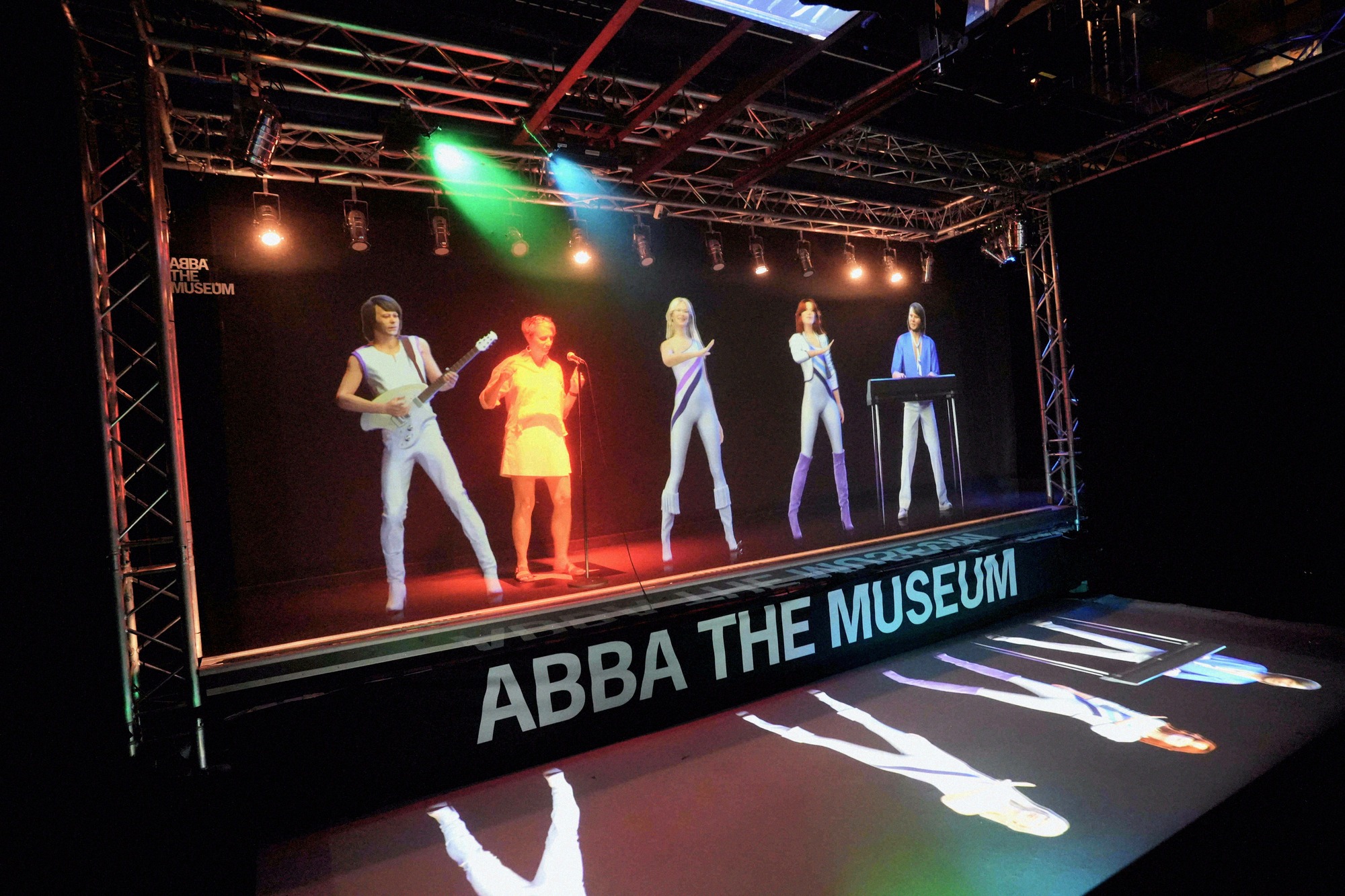
At this pop museum at Djurgårdsvägen 68 you'll find Benny's piano and the Waterloo costumes, and on the hologram stage you perform as the fifth member of the band.
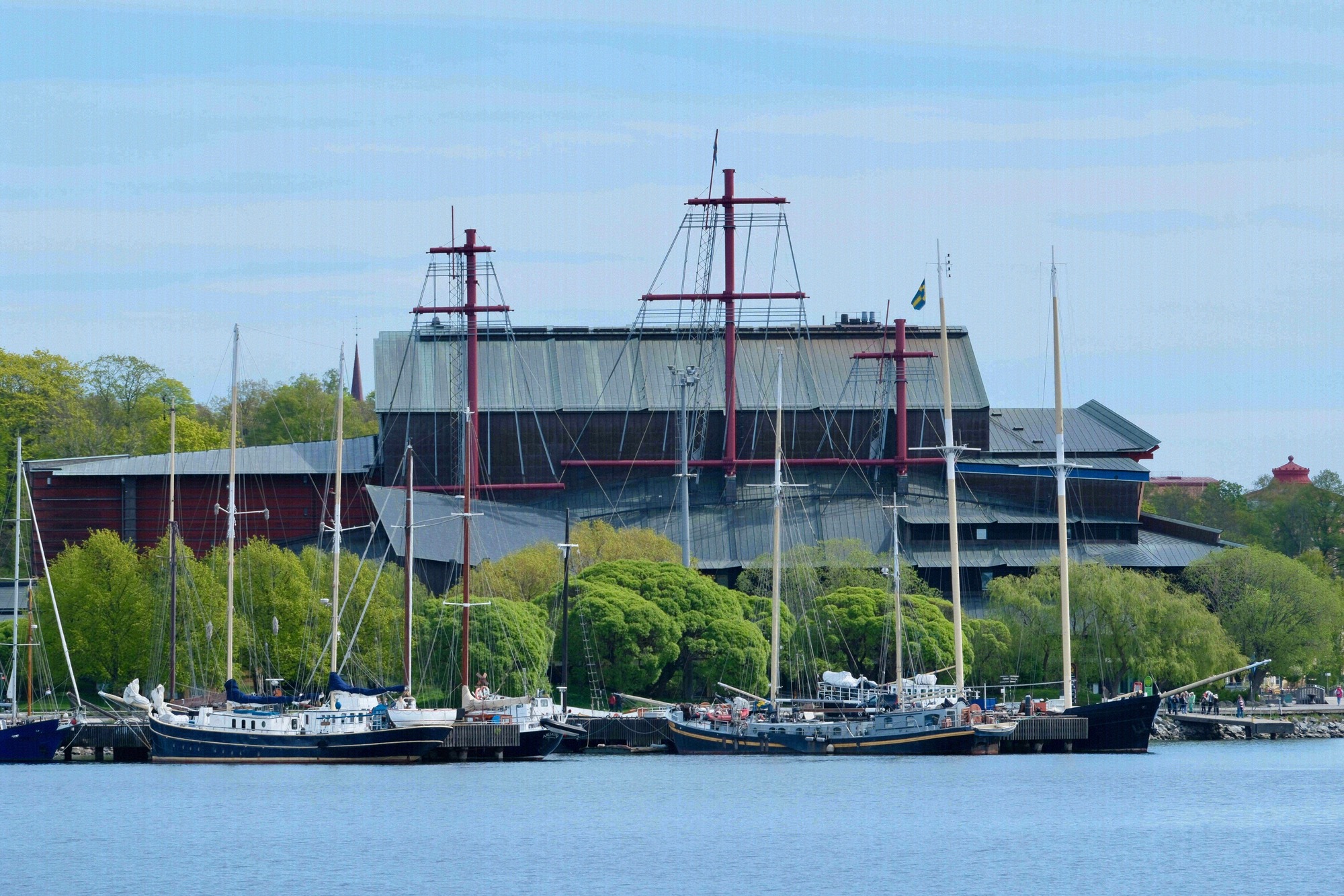
The warship Vasa sank on her maiden voyage in 1628, lay in the harbour for 333 years and now stands in a hall of her own on Djurgården, with a guided tour, film and audio guide included in admission.
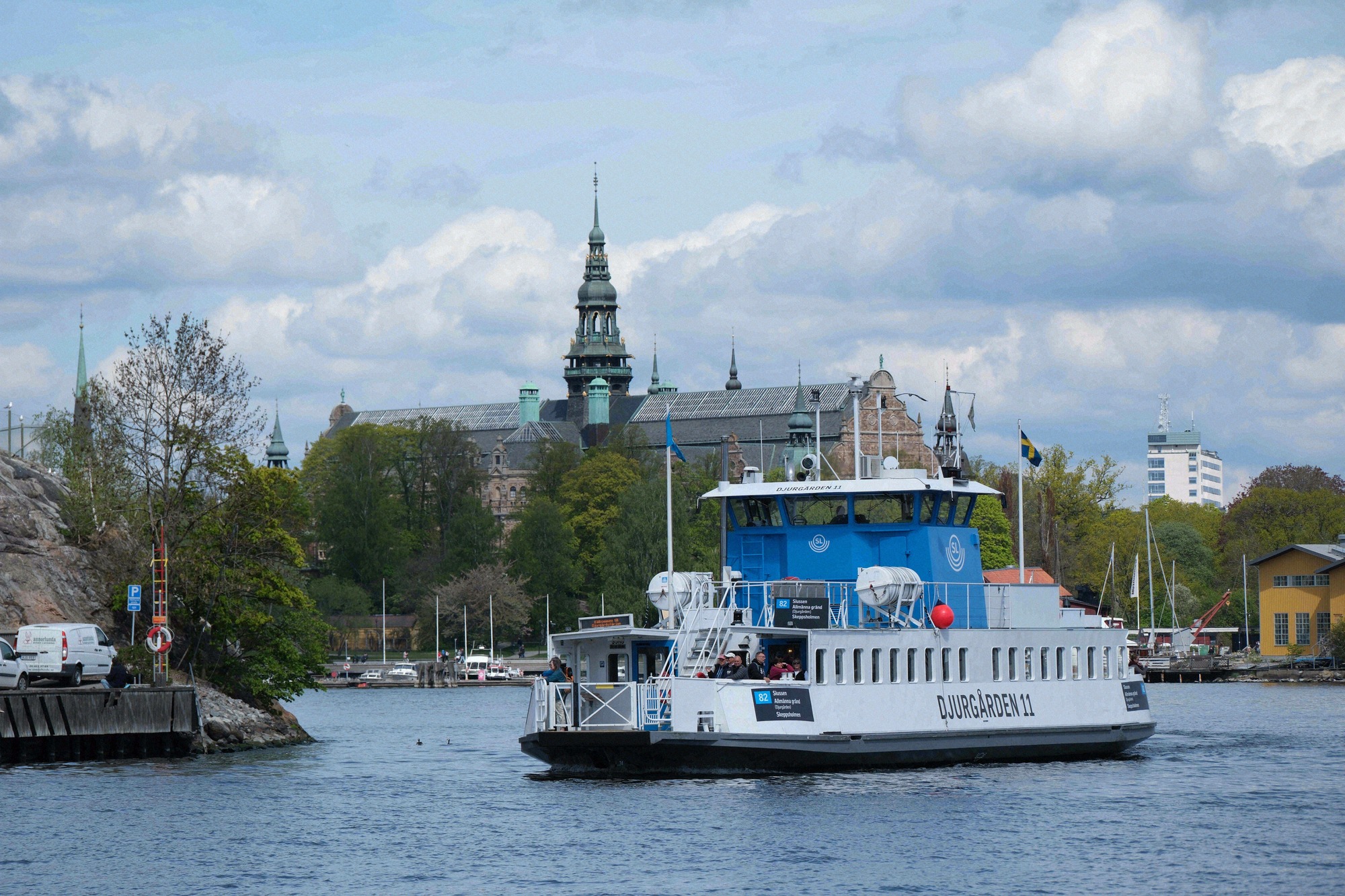
Sweden's largest museum of cultural history shows how people lived, ate and celebrated over 500 years, in a palace by the Djurgårdsbron, open until 20:00 on Wednesdays from September to May.
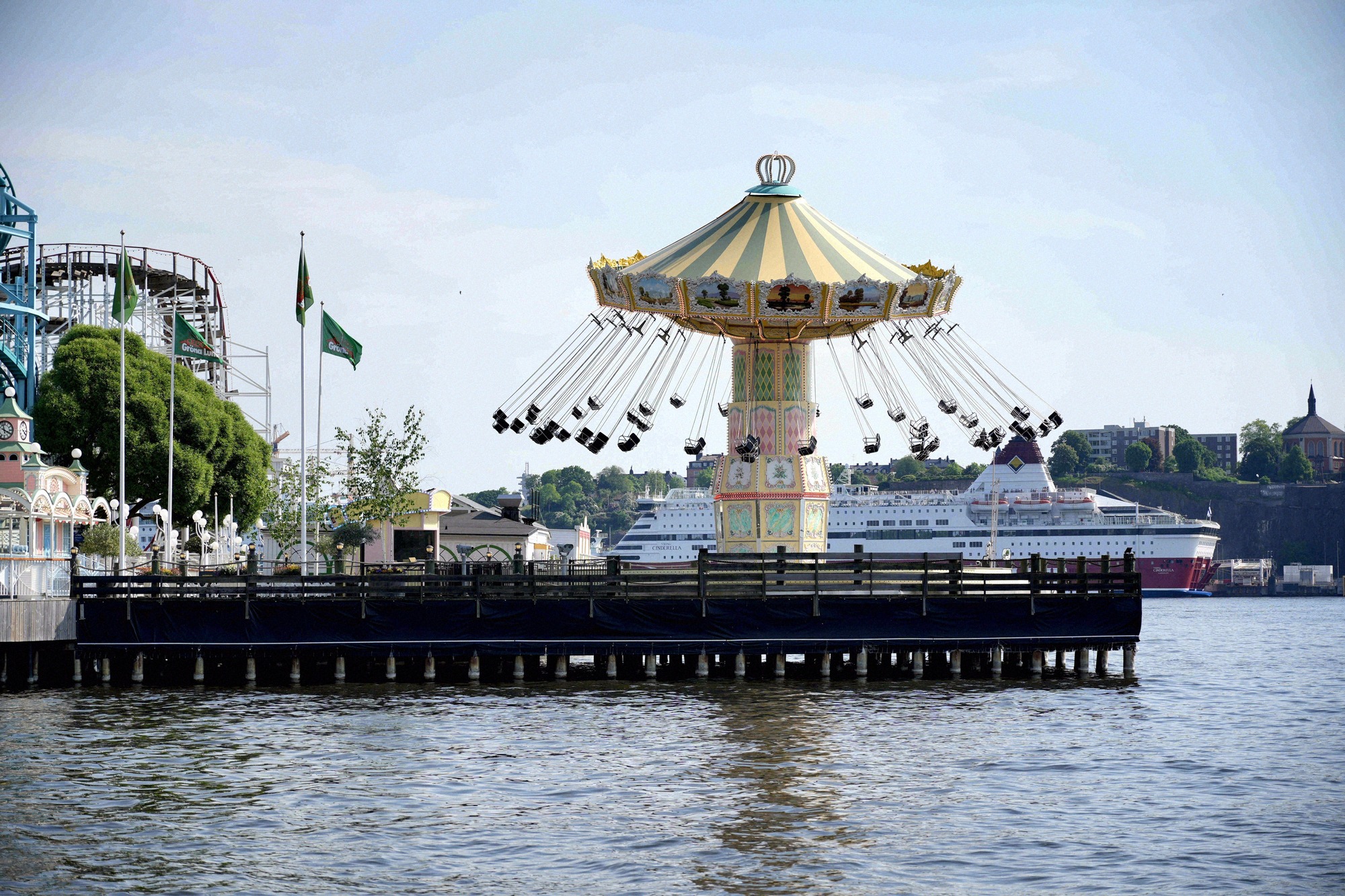
An amusement park on the Djurgården waterfront since 1883: around 30 rides, concerts in summer and a ticket system in which you pay for admission and rides separately.
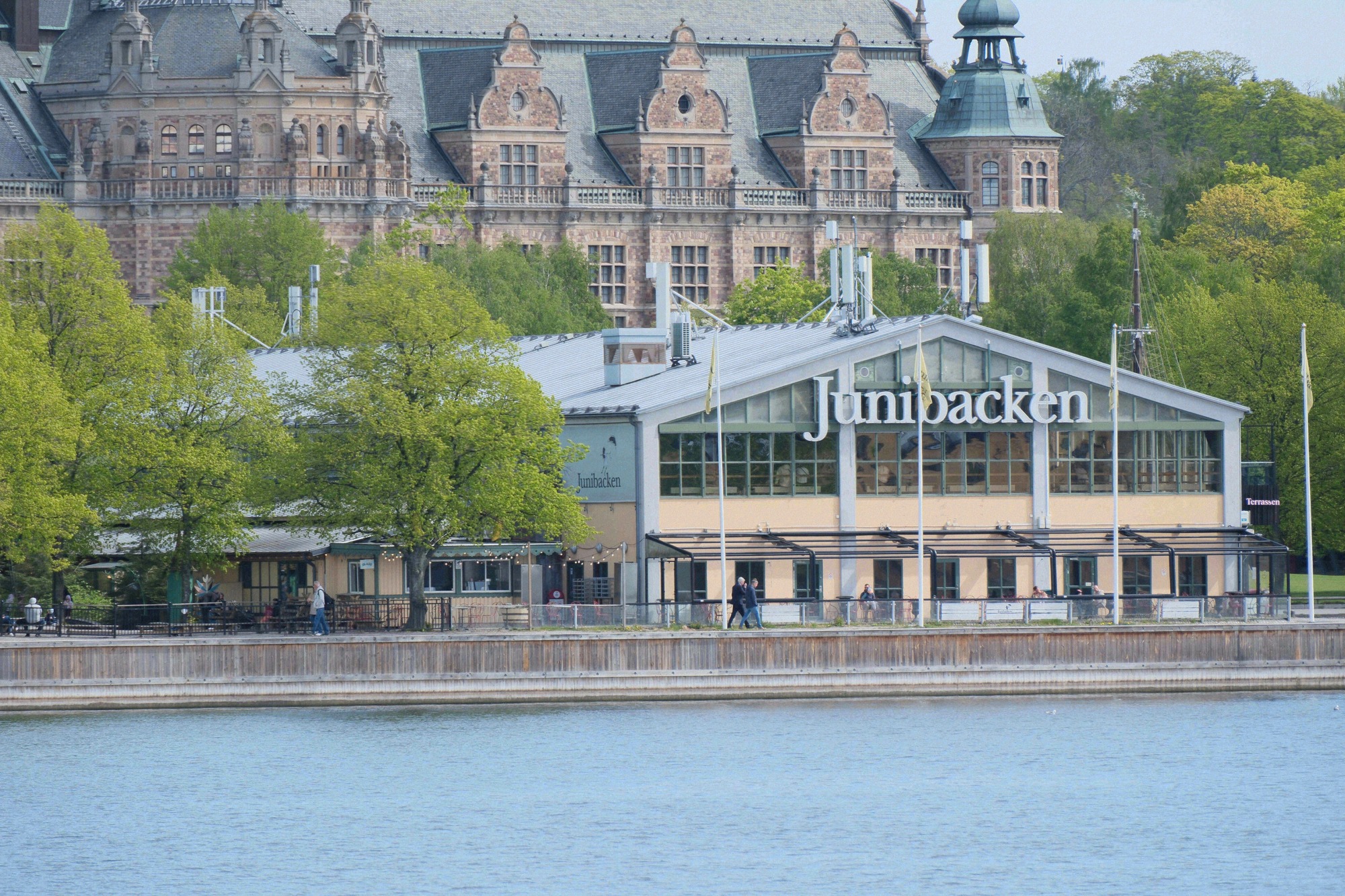
A storybook house on Djurgården: the Sagotåget train runs through Astrid Lindgren's stories, there's theatre at Villa Villekulla, and the Moomins wait on the story square.