
Admission
Admission to the museum
Admission including the Viking exhibition and the Gold Room, valid for one day.
From €15.92
Free cancellation up to 24 hours in advance
Book TicketSweden's history museum
Sweden's national history museum in Östermalm, home to the country's largest Viking exhibition and the Gold Room's prehistoric treasures.
Tickets
The ticket also covers the Economy Museum in the same building.
Admission
Admission including the Viking exhibition and the Gold Room, valid for one day.
From €15.92
Free cancellation up to 24 hours in advance
Book TicketThe Swedish History Museum (Historiska Museet), in the Östermalm district, is the place to go for Sweden's history from the Stone Age to the Middle Ages. Its signature draw is the country's largest Viking exhibition, genuine finds, runestones, weapons, jewellery and everyday objects that show the life of the Norsemen beyond the usual clichés.
A second highlight sits downstairs: the Gold Room (Guldrummet), a secure vault packed with prehistoric and medieval gold and silver treasures, elegantly displayed. The same building also houses the Economy Museum (coins and monetary history), already included in the ticket.
The museum holds one of Sweden's most significant archaeological collections, spanning prehistory through the Viking Age to the Middle Ages. Alongside the Viking exhibition and the Gold Room, the medieval church art and textile holdings are worth a look. Guided tours for children and adults can be booked for groups, and an audio guide, including a "highlights" tour, takes you to 16 key objects in around an hour.
Admission in 2026 costs 180 SEK for adults, seniors and students; children and young people up to 18 go free, as do companions of visitors with disabilities. Daily between 16:00 and 17:00 the half-price rate (90 SEK) applies, and the same goes for students on Sundays. Online tickets are accepted through third-party booking portals such as Tiqets or Go City, the museum doesn't list its own online sales channel. Long queues are rare here in any case.
The museum has its own Restaurant Rosengården (lunch 11:30-15:00) and a museum shop, both free to enter without a ticket. Allow 1.5 to 2 hours for a good overview.
The museum stands at Narvavägen 17 in Östermalm, close to the Djurgårdsbron bridge, on the mainland side, not on Djurgården itself. Bus 67 stops right outside the entrance, routes 69/76 and tram 7 stop at Djurgårdsbron, and it's a 5 to 10 minute walk from the Karlaplan or Östermalmstorg metro (T-bana) stations.
Being a little off the main sightseeing routes, the Swedish History Museum makes a good stop on a rainy day and pairs well with the museums on Djurgården, the Nordiska Museet and the Vasa Museum are just a few minutes' walk across the bridge. For more on the district, see the guide to Östermalm.
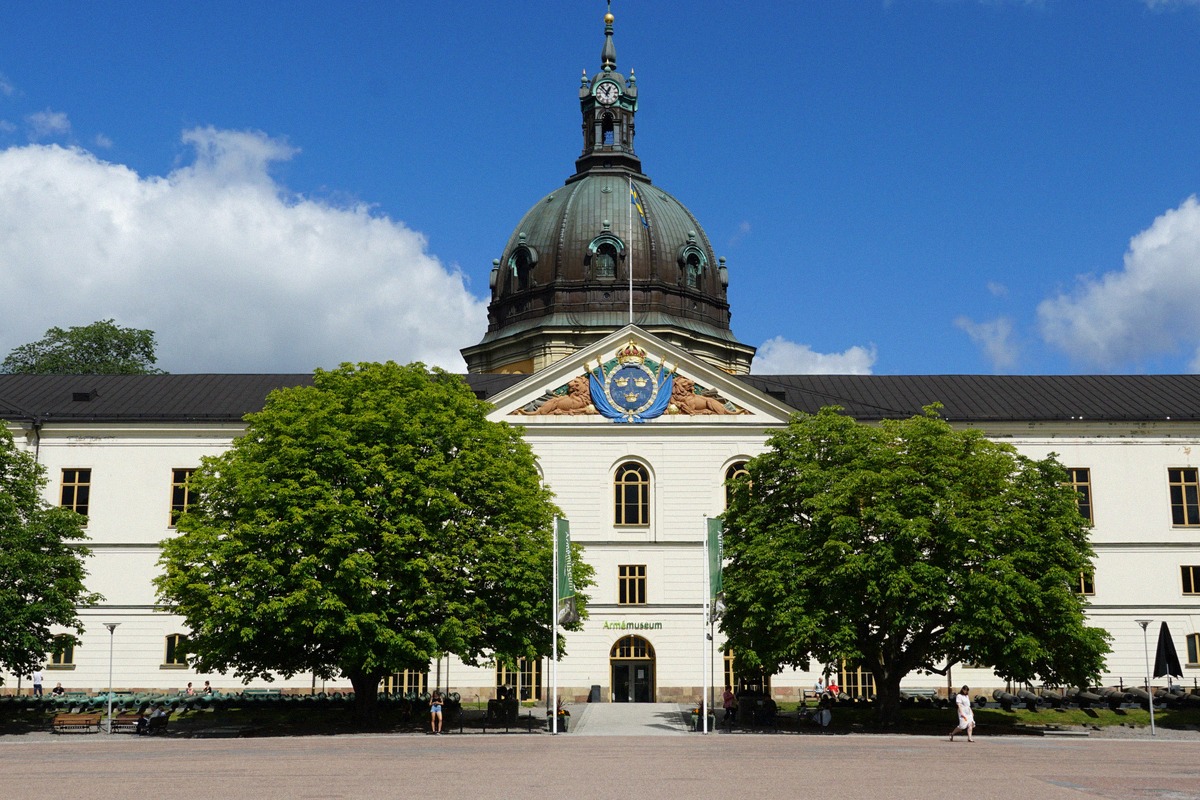
Sweden's military museum in Östermalm covers military history from the 16th century to today, with over 100,000 objects and a dedicated Raoul Wallenberg room.
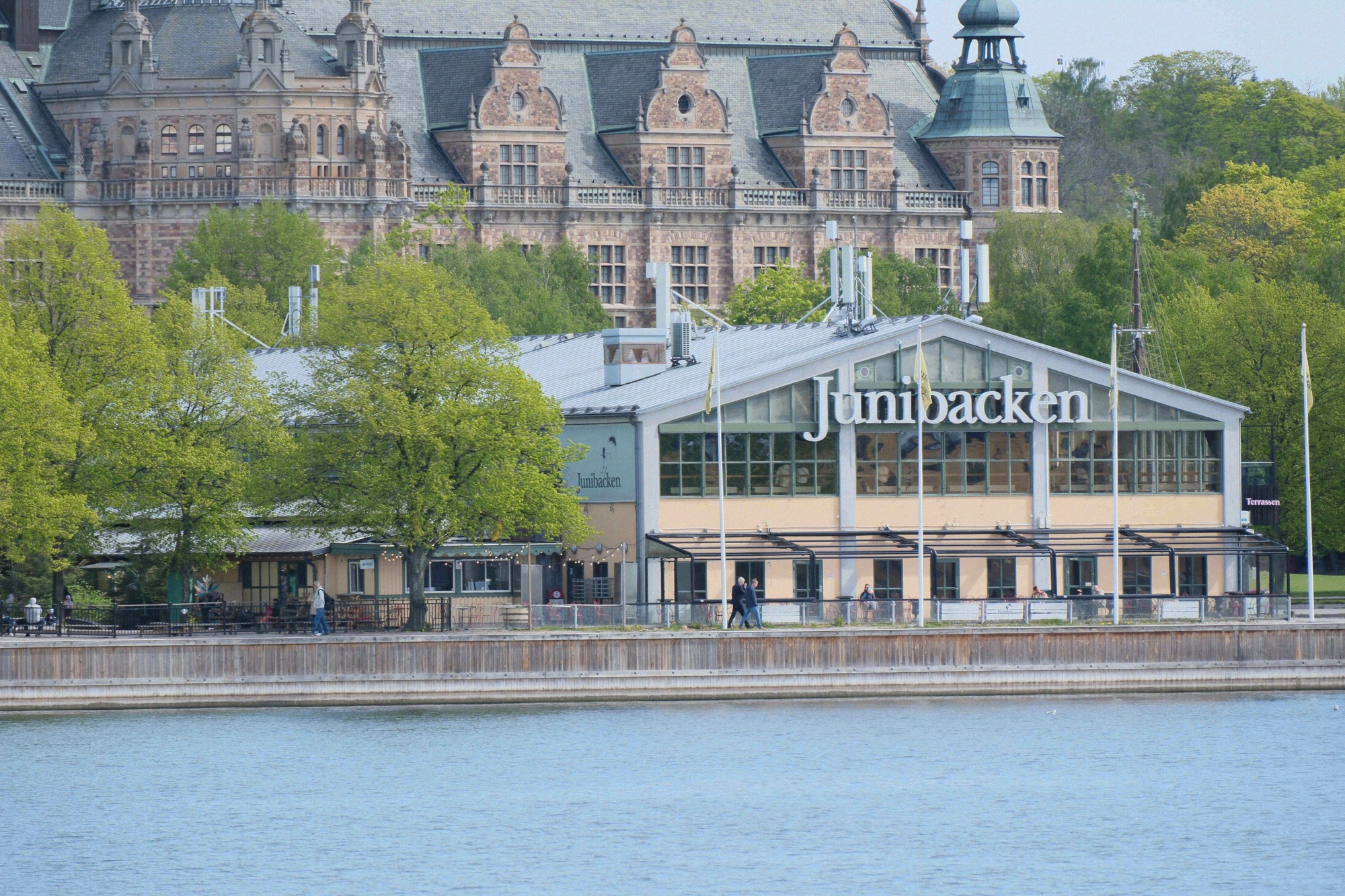
Storybook house on Djurgården built around Astrid Lindgren's characters, with the overhead story train Sagotåget and Pippi Longstocking's walk-in Villa Villekulla.
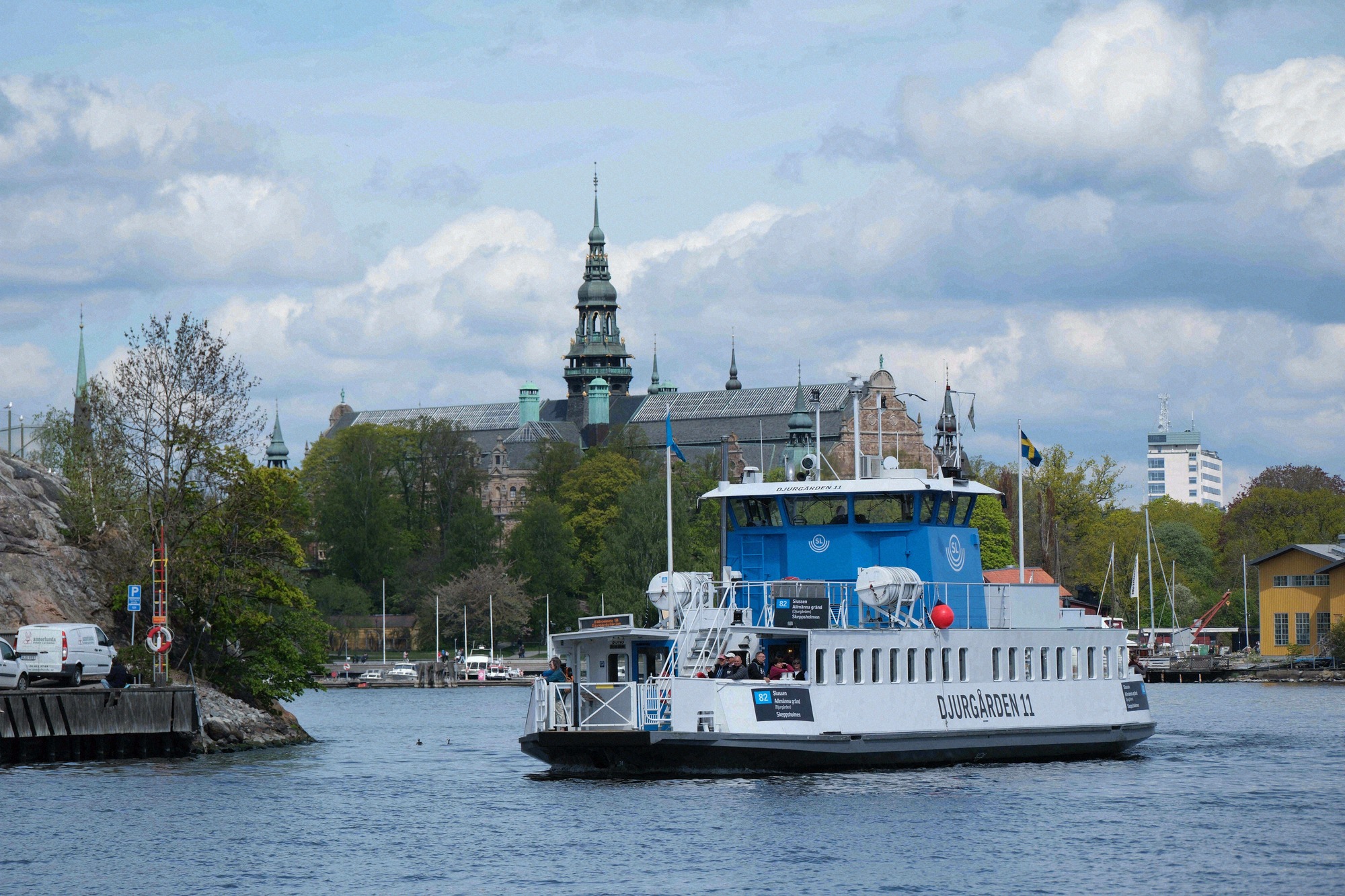
Palace-like museum on Djurgården covering 500 years of Swedish cultural history, with folk costumes, home life and the country's largest Sami collection.
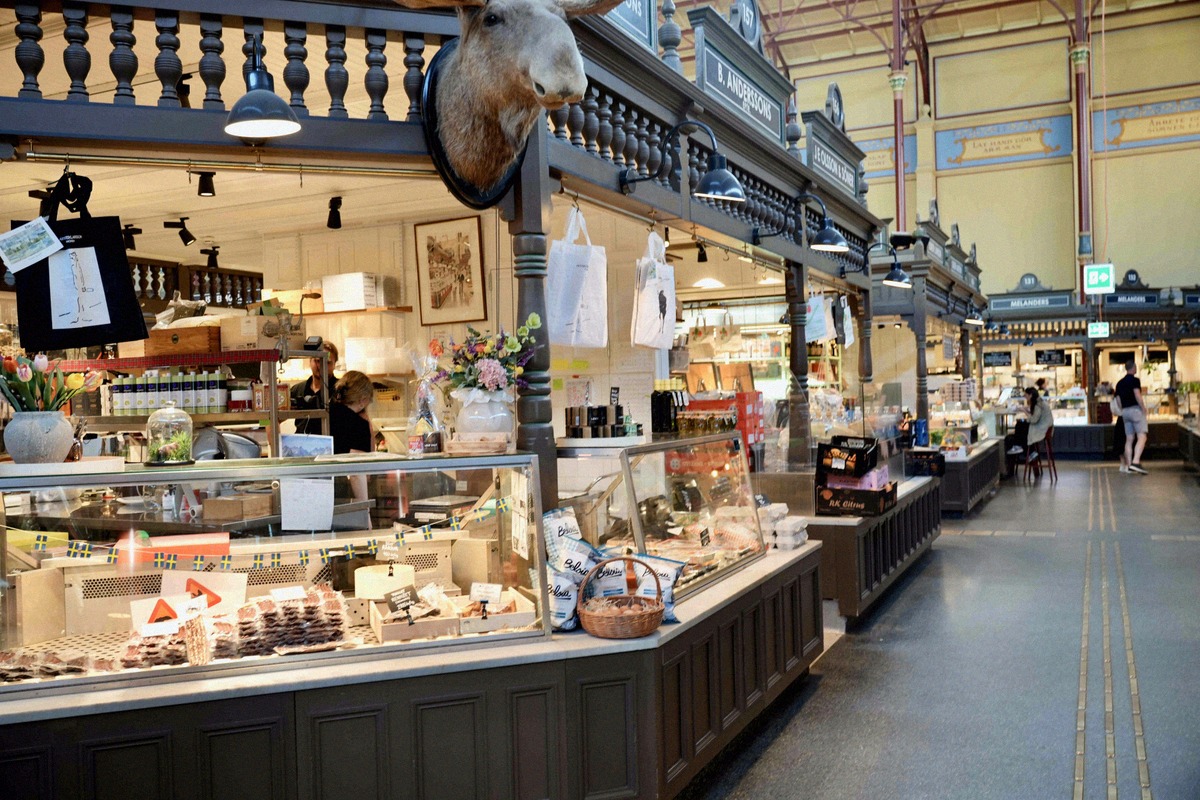
Östermalms Saluhall, built in 1888 on Östermalmstorg, is Stockholm's finest market hall, with fish and game counters, cheese, confectionery and a good dozen eateries under one brick roof.
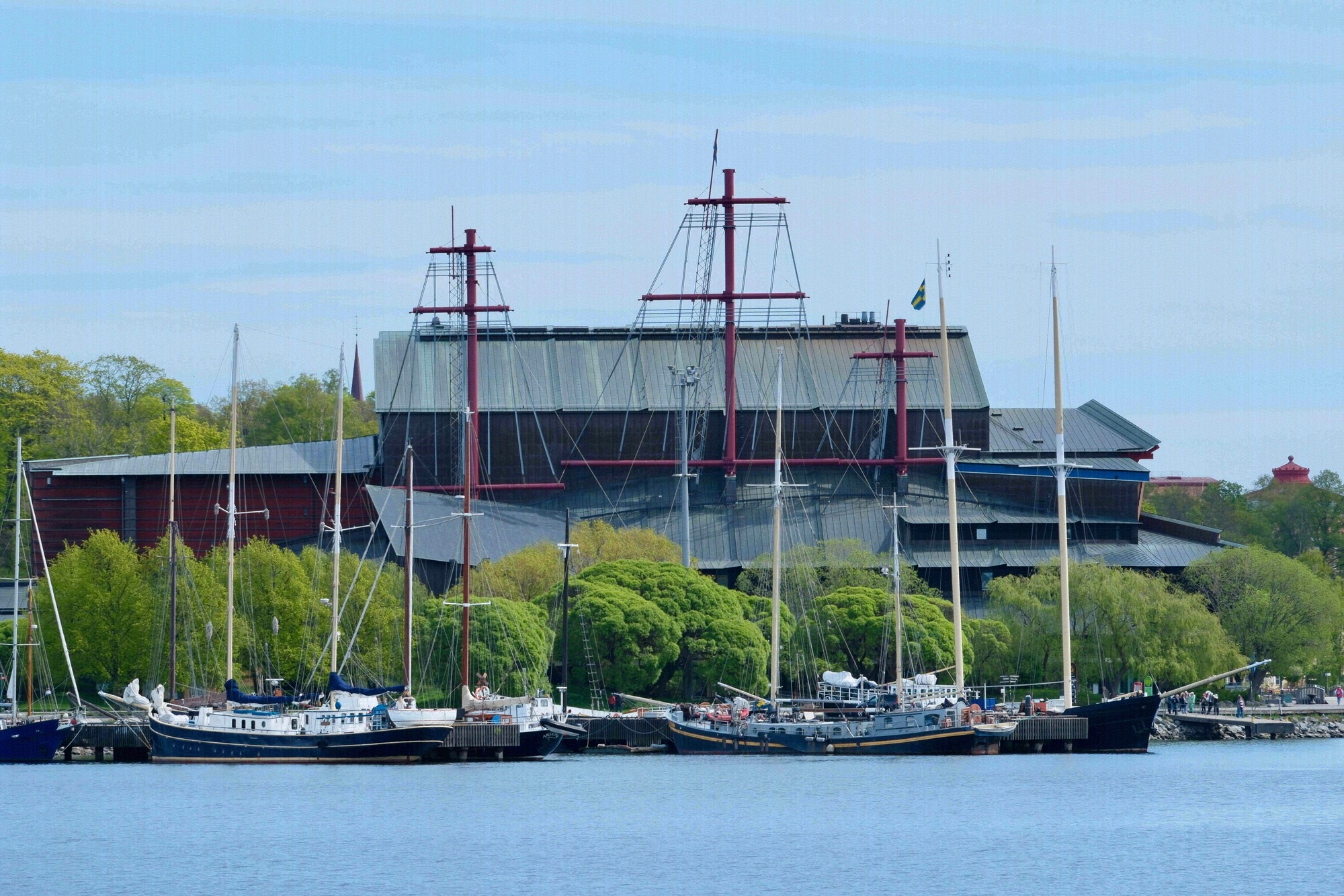
The Vasa Museum on Djurgården houses the only nearly intact 17th-century ship afloat, a warship that sank in 1628 and was raised in 1961.
A fully preserved city palace from around 1900 in Östermalm, from grand salons and a library to bathrooms with running water and a telephone, all original.