
Overview
Museums in Stockholm
Ships, art, photography and preserved homes: which museum is right for you and where you pay little or nothing
A warship from 1628, 52 kilograms of gold from early history, Munch in a villa on Djurgården and photography until 23:00: Stockholm's museums are close together. You will find most of the major ones on Djurgården, on Skeppsholmen and across the water at Gärdet.
S
H
T
Museums
Thielska Galleriet
Ernest Thiel's Art Nouveau villa with Nordic art from around 1900 on Blockhusudden
B
L
Museums
Medeltidsmuseet
The museum of medieval Stockholm is moving and runs guided tours in Gamla Stan
Museums
Swedish Museum of Natural History
Natural history museum in Frescati with dinosaurs, polar worlds and the Cosmonova IMAX dome cinema
No results found.
Contents
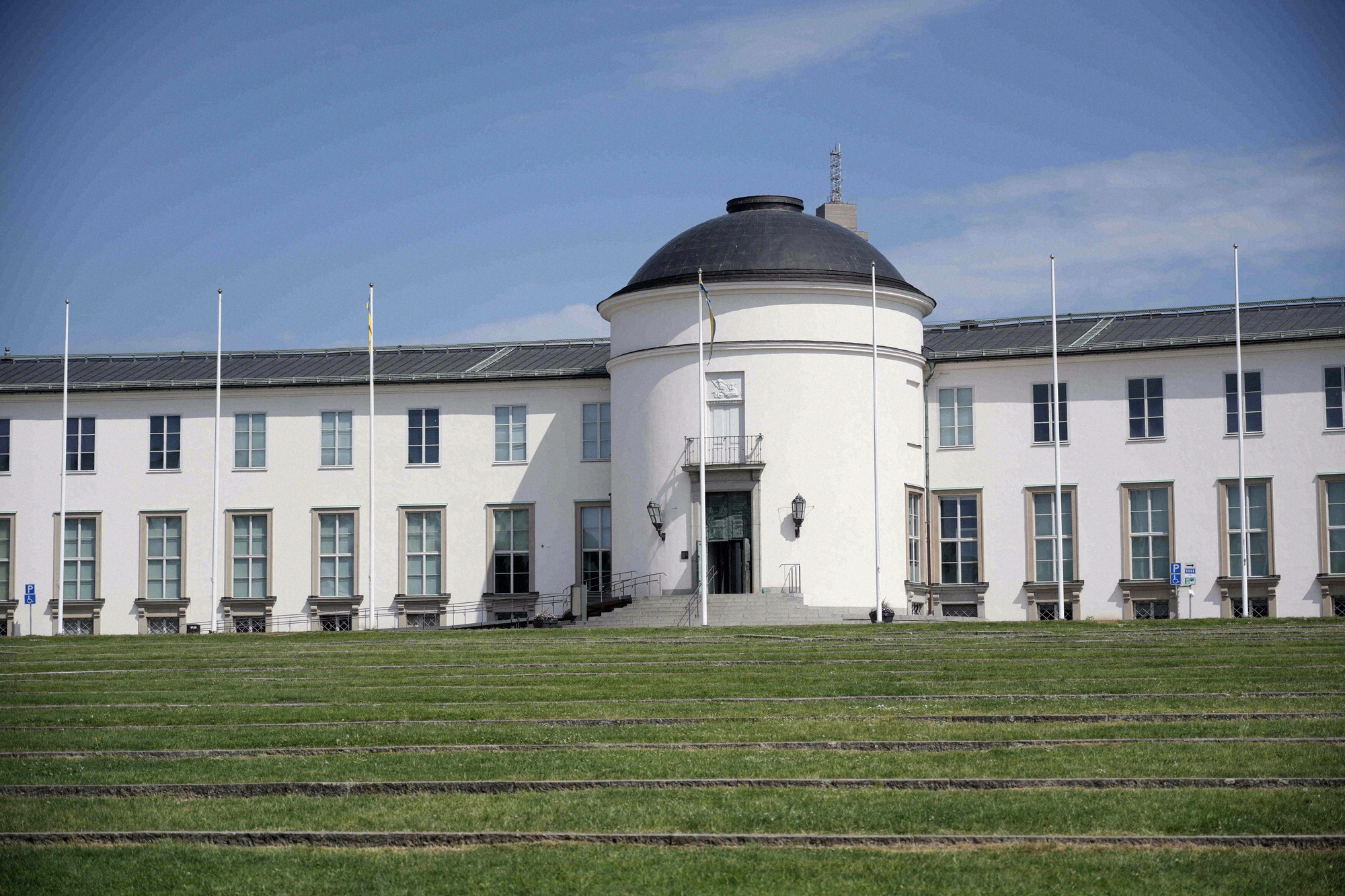
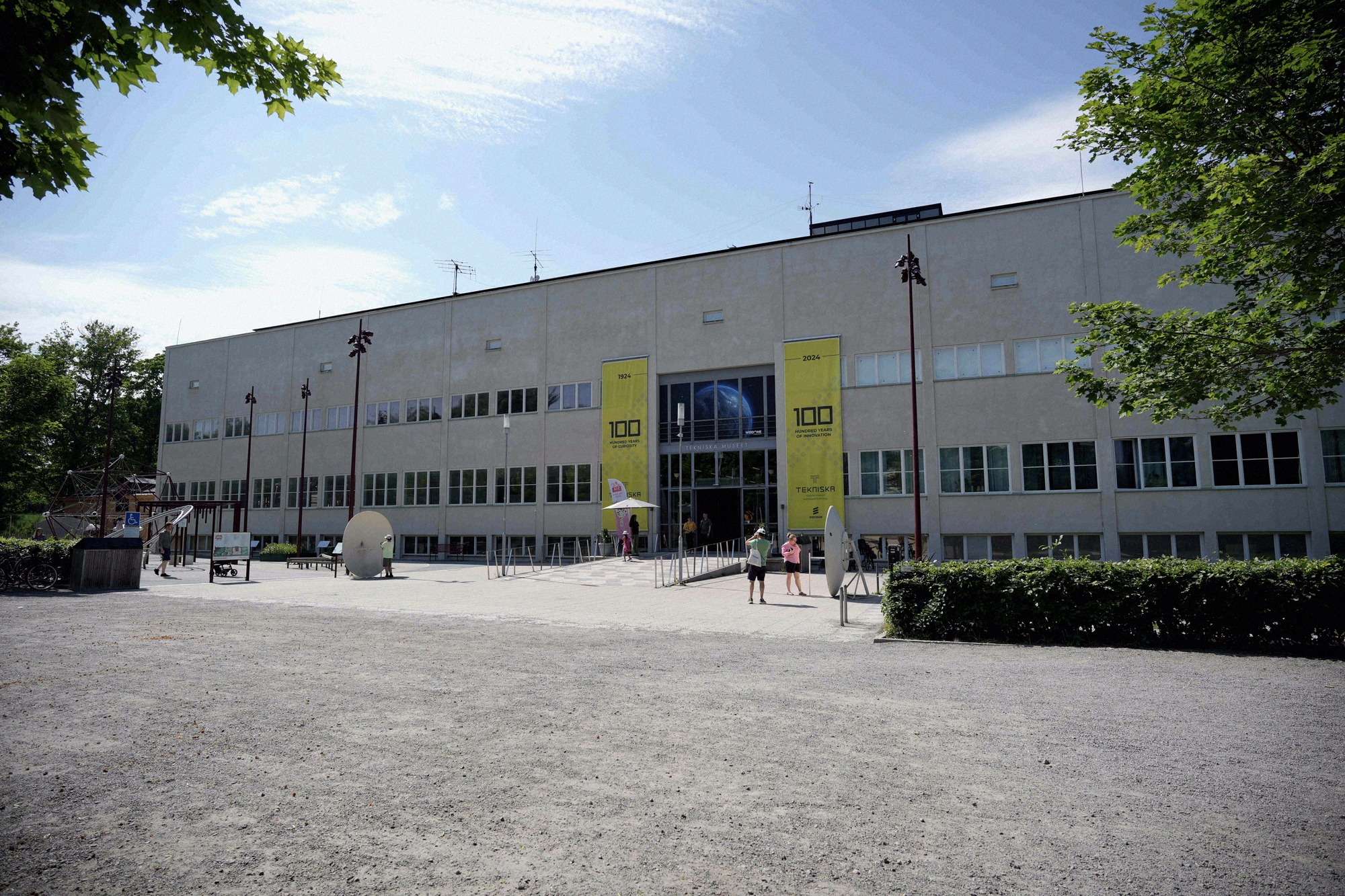
Around twenty museums in Stockholm are worth a visit, and many of them fall into three groups. On Djurgården are the Vasa Museum, Nordiska museet, the Viking Museum, ABBA The Museum and Liljevalchs konsthall. On Blasieholmen and Skeppsholmen are Nationalmuseum and Moderna Museet, separated only by a 165-metre bridge. Facing Djurgården, Tekniska museet and Sjöhistoriska museet (Maritime Museum) stand side by side in Museiparken on the Gärdet side. The map of Stockholm shows where the other museums are.
Ships, Vikings and Sweden's early history
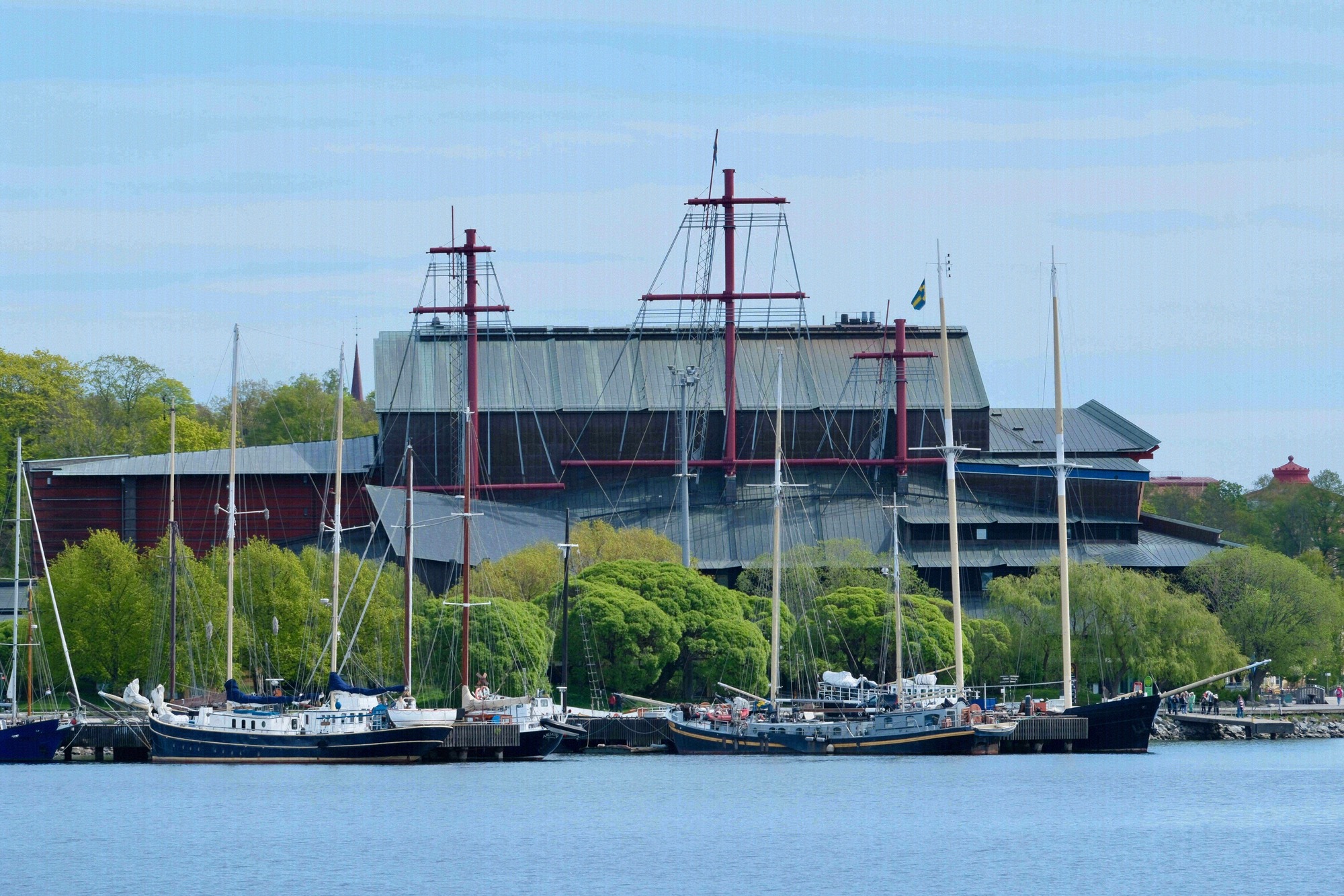
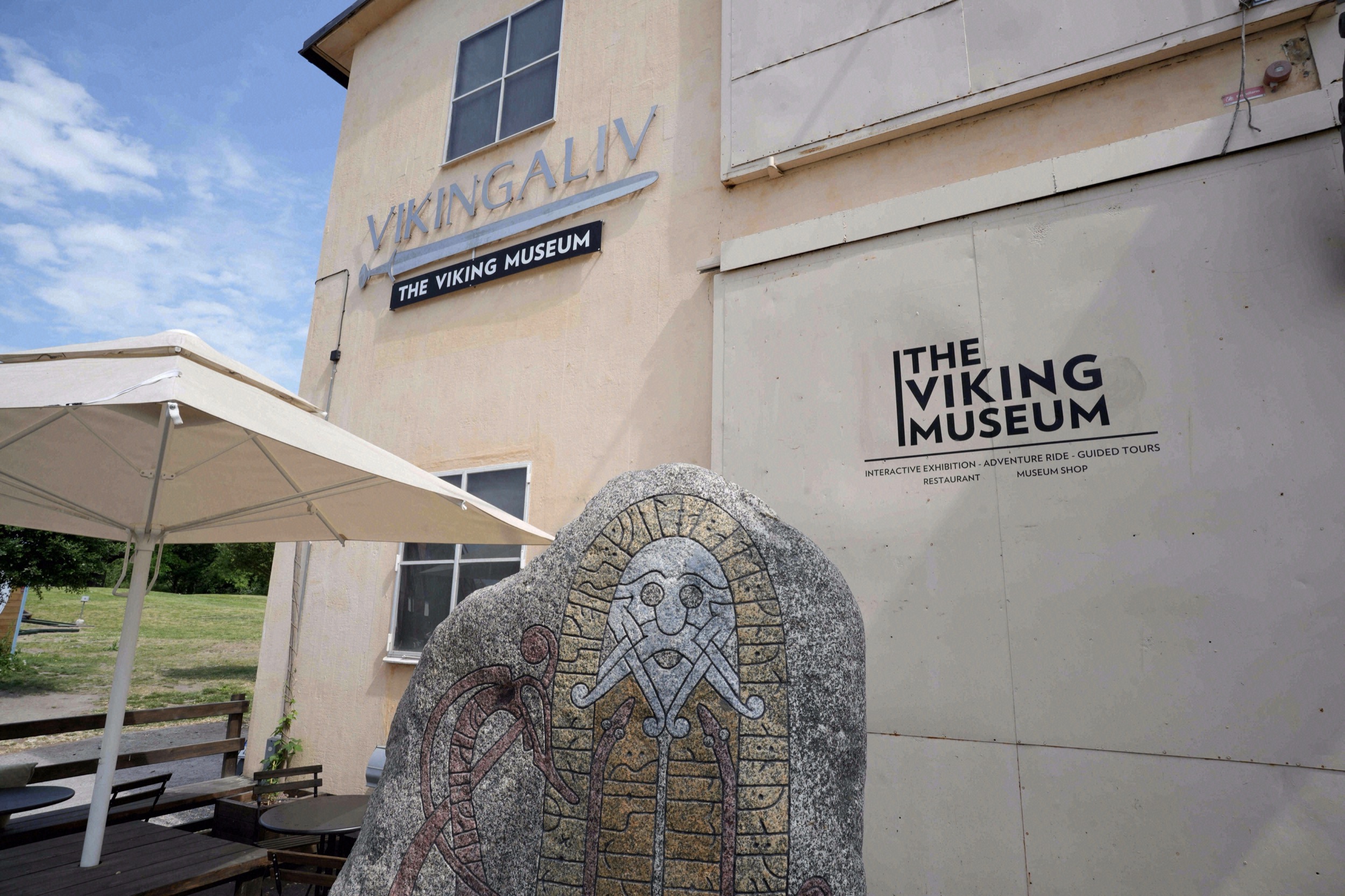
If you visit only one museum, make it the Vasa Museum. The warship sank on its maiden voyage in 1628, and about 98 per cent of the hull you see today is original. Right next door in Båthall 1 at Wasahamnen, the Viking Museum tells the story of the Viking Age: an eleven-minute ride follows Ragnfrid from the Frösala farm through 10th-century Europe, also in German. Genuine finds from this period are on show at the Swedish History Museum on Narvavägen, where “The Viking World” holds about 2,500 original objects. Its Gold Room, with 52 kilograms of gold, three gold collars from the 5th century and Sweden's oldest crucifix, from Birka, is reason enough not to skip it.
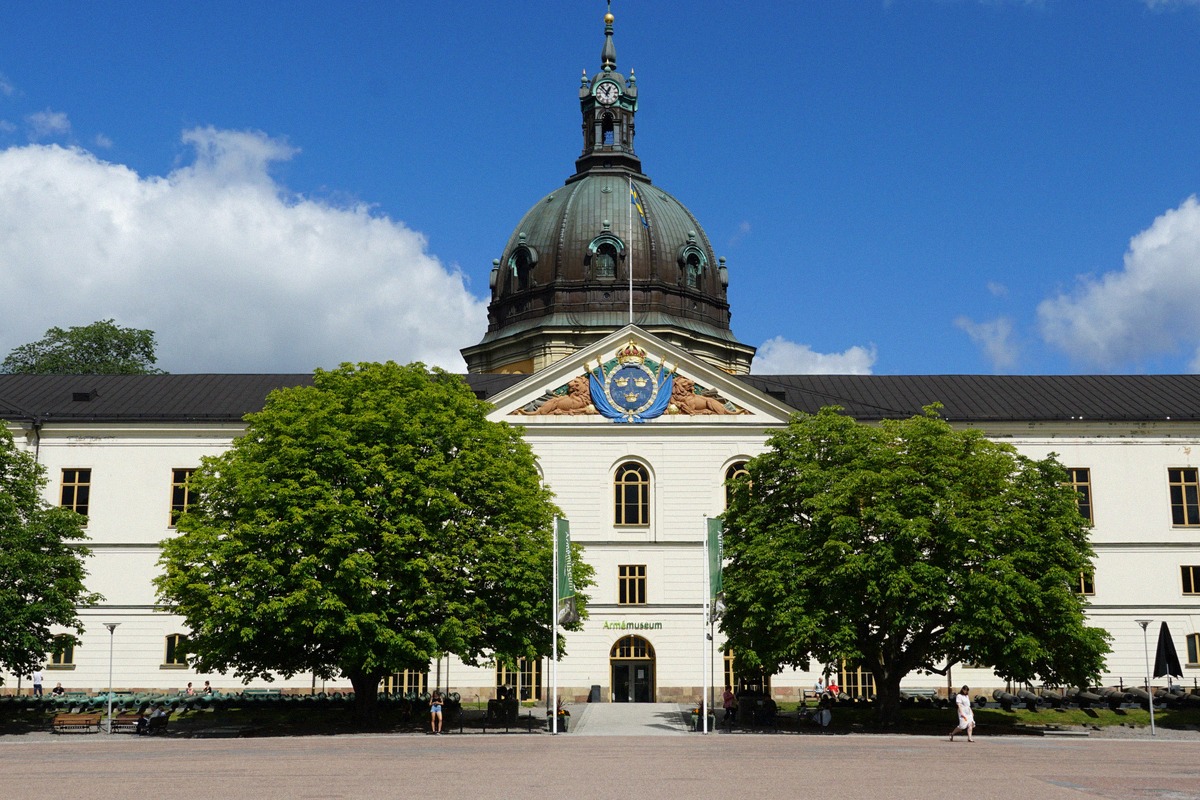
Warship models from frigates to modern corvettes, and the story of the Hansa, torpedoed in 1944, whose sinking only two of 86 people survived, are at Sjöhistoriska museet at Gärdet. The Armémuseum (Army Museum) behind Dramaten at Östermalmstorg covers military history up to the 20th century. Some sections can be disturbing, and children under 13 must be accompanied by an adult. Medeltidsmuseet has had no exhibition building since November 2023 and now presents the Middle Ages only on guided walks through Gamla Stan.
Art from the 16th century to today
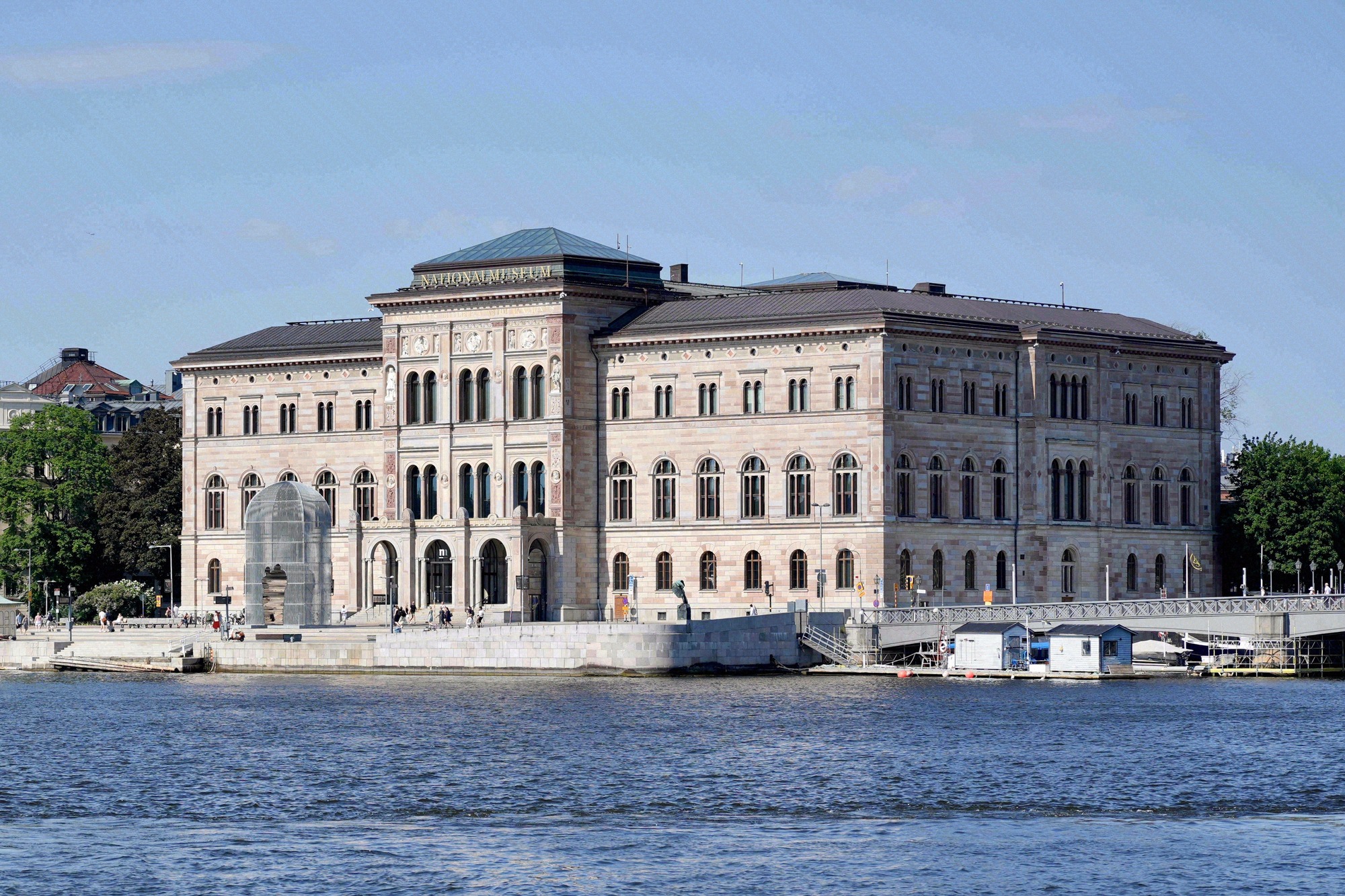
Nationalmuseum shows more than 5,000 paintings, sculptures and design objects from the 16th century to the present, period by period, with fine art alongside applied art. The restaurant, sculpture courtyard and studios on the ground floor are open without a ticket. Across Skeppsholmsbron you reach Moderna Museet, with major works by Picasso, Dalí, Meret Oppenheim and Robert Rauschenberg.
Thielska Galleriet, at the eastern tip of Djurgården, is quieter. The villa of the banker Ernest Thiel holds one of the largest Munch collections outside Norway, plus works by Carl Larsson, Anders Zorn, Gauguin and Toulouse-Lautrec; allow one to two hours. Since 1916 Liljevalchs konsthall has shown changing exhibitions of art and design; each year's programme there opens with the juried Vårsalongen (Spring Salon).
Photography and pop music
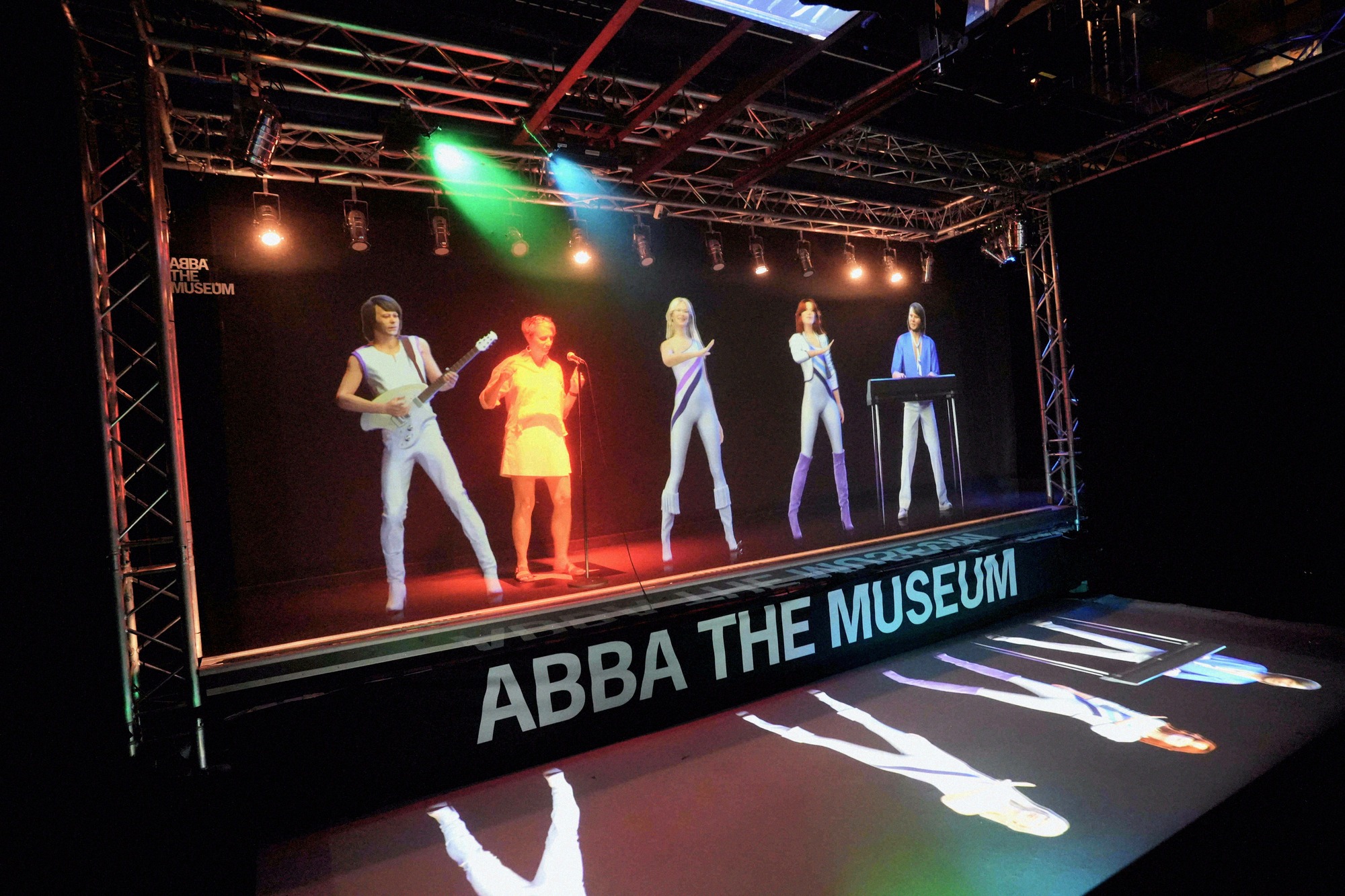
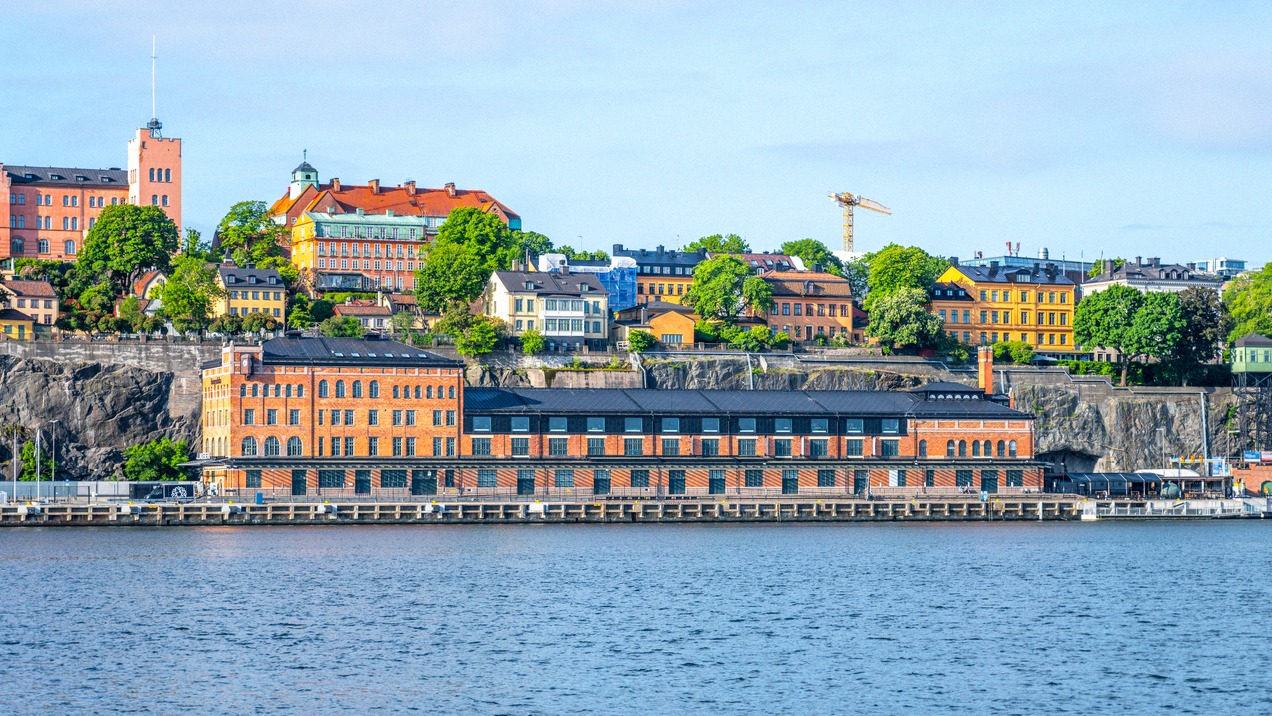
Fotografiska, in the 1910 customs house on Stadsgårdshamnen, has no permanent collection and changes around 15 exhibitions a year. It is the choice for an evening, because it is open daily until 23:00 and the restaurant at the top looks out over the water. ABBA The Museum next to Gröna Lund is built around interactive stations where you can film yourself as the fifth band member; tickets are for a time slot, and payment is by card only.
Homes where time stood still
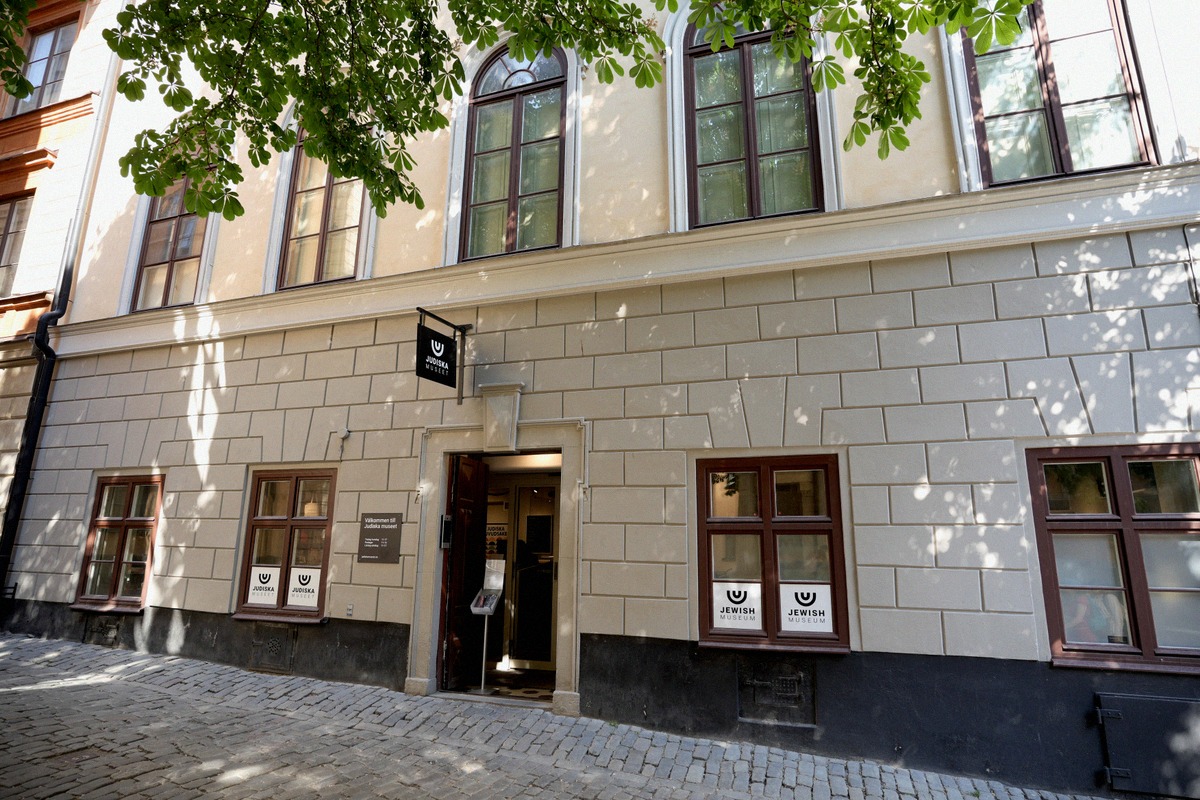
Wilhelmina and Walther von Hallwyl moved into the Hallwyl Museum (Hallwylska palatset) on Hamngatan in 1898. They gave the house to the state on condition that it remain unchanged, so kitchen utensils, linen and toiletries are still part of the collection. Of about 40 rooms on five floors, the standard ticket shows two floors; the rest open only on the guided tour of about 50 minutes. There is no lift. In Blå tornet on Drottninggatan is the flat where August Strindberg lived from 1908 to 1912, the only one of his 24 Stockholm homes to survive, mostly with original furniture; the Strindberg Museum opens only in the afternoons. In Gamla Stan the Jewish Museum occupies Sweden's oldest surviving synagogue, where the congregation worshipped from 1795 to 1870.
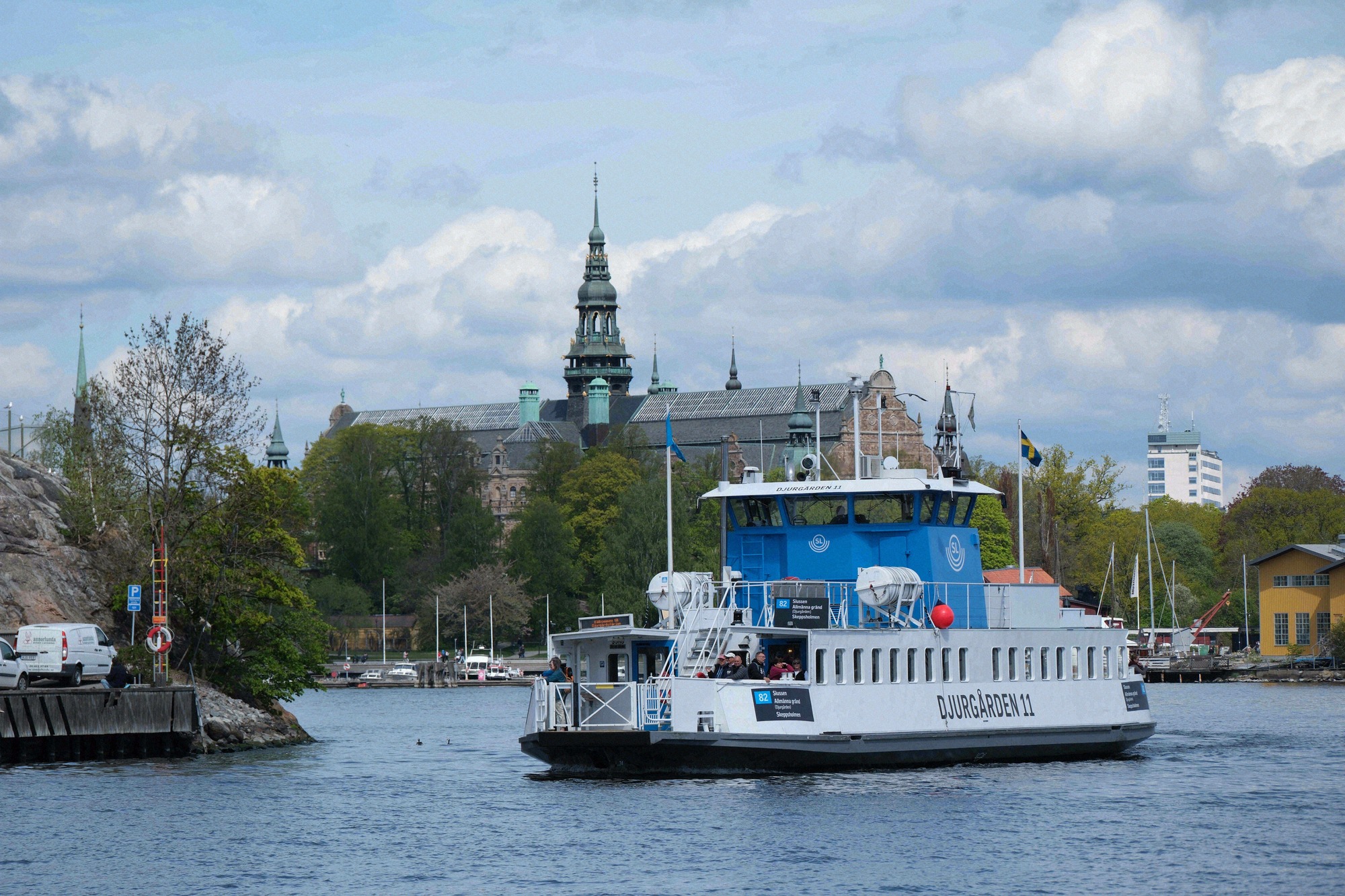
How people in Sweden lived, celebrated and kept house over the centuries is shown at the Nordiska museet, right in front of the Vasa Museum. The Great Hall alone, a good 126 metres long, with Carl Milles' six-metre Gustav Vasa, is worth the trip.
Technology, nature and the Nobel Prize
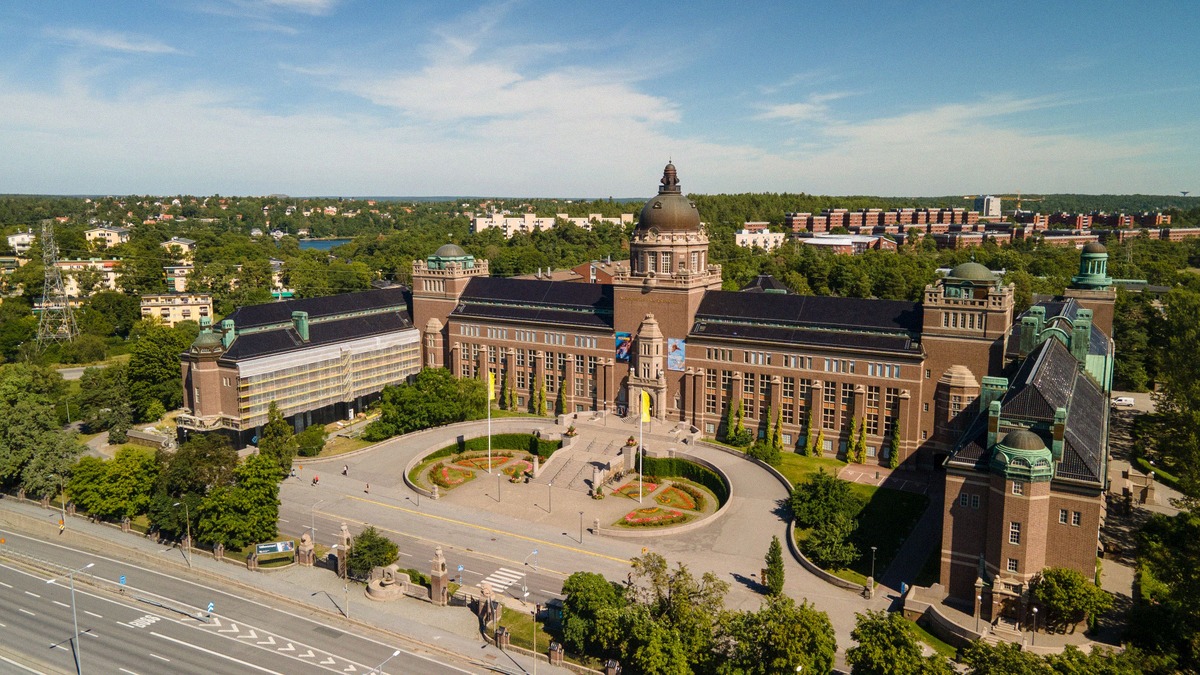
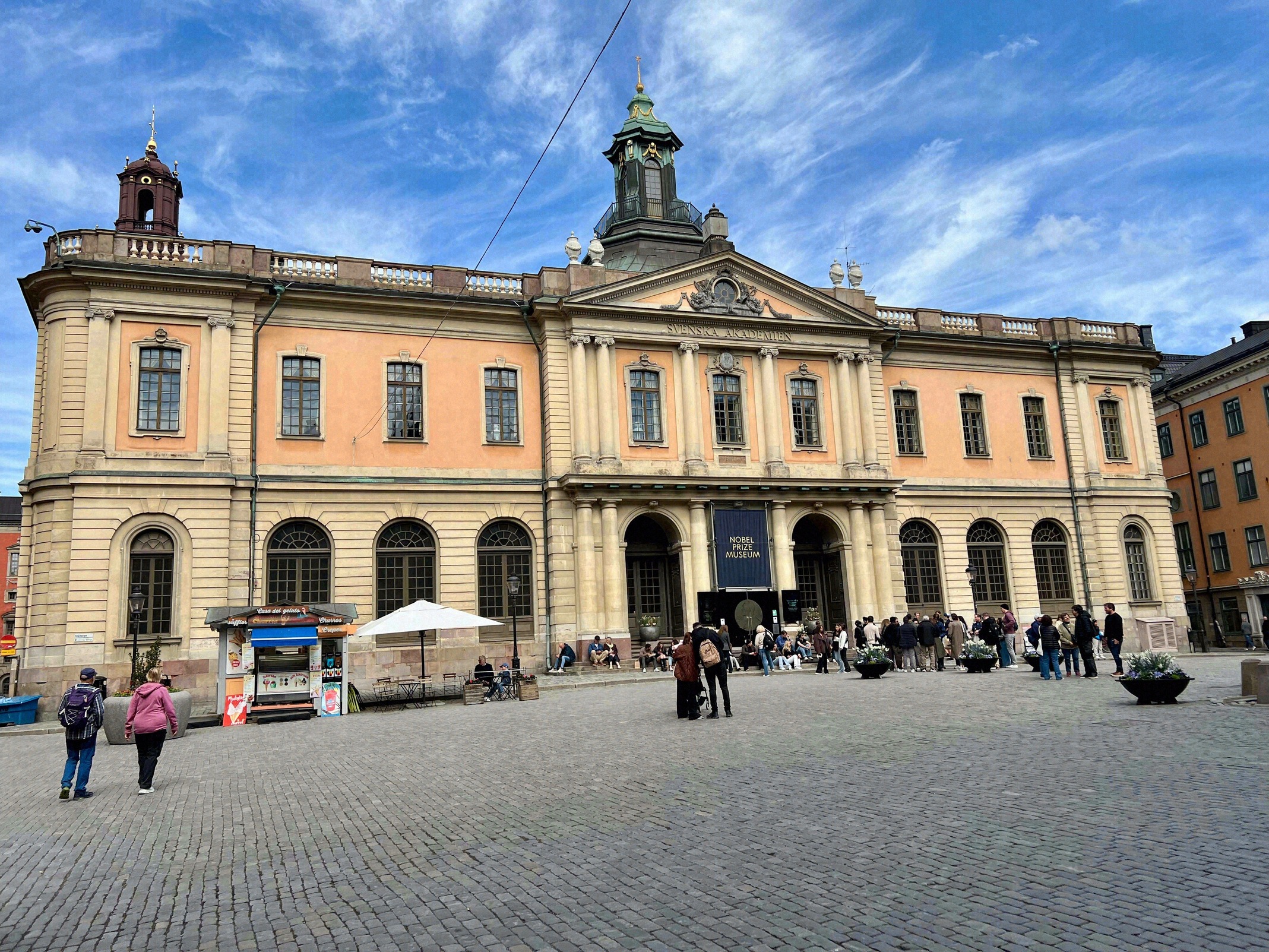
At Tekniska museet the Drömlandet exhibition tells how Sweden turned from an agricultural country into a technology nation, with a Saab Gripen and a vacuum cleaner that doubles as a slide. The Mathematical Garden in front of the building is free and open around the clock. The Swedish Museum of Natural History is in Frescati on the red line and has a dome cinema, Cosmonova, under a 23-metre aluminium dome. In the rock cavern Bergrummet, 140 metres from Moderna Museet, you will find dolls from the 15th century and the vehicles from Tintin. In Börshuset on Stortorget the Nobel Prize Museum displays more than 250 objects donated by laureates; a guided tour is included in the admission. Which of these museums suit which age and what children pay is covered in Stockholm with kids.
Free or half price
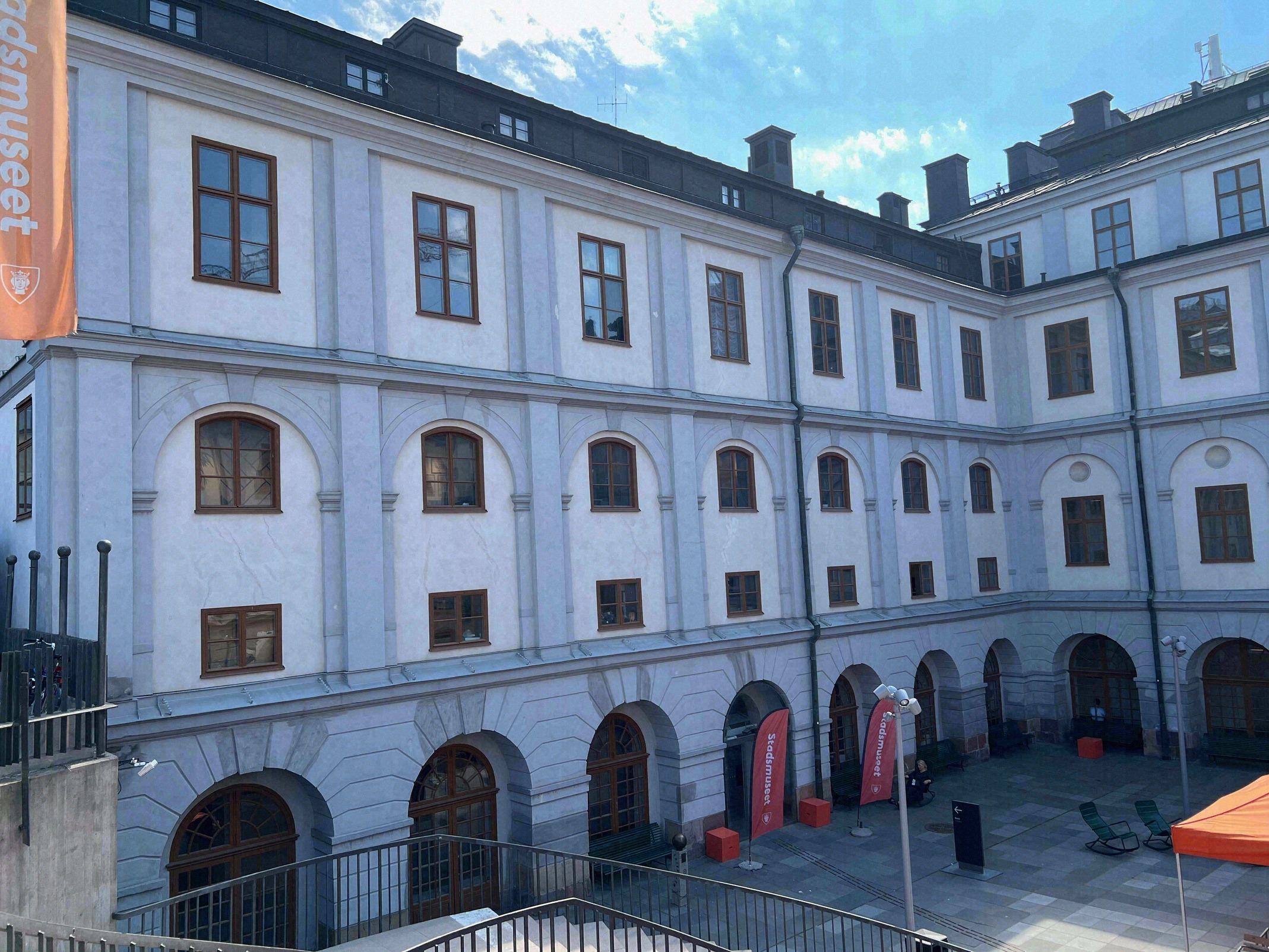
The Stockholm City Museum (Stadsmuseet) in Ryssgården at Slussen is completely free and tells the city's history with all texts also in English. Other museums open without charge at set times: Liljevalchs on Mondays, Nationalmuseum on Thursdays from 17:00 to 20:00, the Jewish Museum on Saturdays from 11:00 to 12:00 and Moderna Museet on Fridays from 18:00 to 20:00 in spring and autumn. You get in at half price at the Swedish History Museum daily from 16:00 to 17:00 and on Wednesdays from 17:00, and at the Armémuseum on Tuesdays from 17:00 to 19:00. If you manage several paid museums in one day, it is worth doing the maths on the Go City Stockholm Pass.
On Mondays and in the evening
On Mondays about half the museums are closed, including Nationalmuseum, Moderna Museet, the City Museum, the Hallwyl Museum, Thielska Galleriet and Sjöhistoriska museet. The Vasa Museum, Nordiska museet, the Viking Museum, ABBA The Museum, Liljevalchs, Fotografiska, Tekniska museet and Bergrummet are open, and the Nobel Prize Museum in summer only.
In the evening, smaller museums stay open as well as the big ones. Tekniska museet is open daily until 21:00, the Nobel Prize Museum on Fridays until 21:00 and the Swedish Museum of Natural History on Thursdays until 21:00. Liljevalchs stays open until 20:00 on Tuesdays and Thursdays, the City Museum on Wednesdays, the Jewish Museum on Thursdays and, from September to May, Sjöhistoriska museet. Which major museums open in the evening and how to combine them with the old town and viewpoints is covered in Sights in Stockholm.
Frequently asked questions
Which museum should I choose if I only have time for one? +
The Vasa Museum. You will not see a warship from 1628 that is about 98 per cent original anywhere else in Stockholm. If you would rather see art, choose Nationalmuseum; for an evening, Fotografiska is the one.
Is the collection at Moderna Museet free? +
No. One ticket covers the collection and the temporary exhibitions; there is no free entry to the collection alone. Visitors under 19 get in free, as does everyone on Fridays from 18:00 to 20:00 in spring and autumn. What the ticket costs is on the Moderna Museet page.
Which museums have audio guides in languages other than Swedish? +
At the Swedish History Museum the audio guide runs free on your own phone, and at Sjöhistoriska museet (Maritime Museum) you get it free at reception, in both cases also in German. At the Viking Museum the audio guide and the ride are available in German too, and at ABBA The Museum the band members even speak German with a computer-generated voice. At the Vasa Museum the film is shown in several languages, while the guided tour is only in Swedish and English.
Do I need to buy tickets in advance? +
For ABBA The Museum, yes: you buy a 30-minute time slot online and arrive at the start of it. At the Vasa Museum tickets are always on sale at the ticket desk too, and buying in advance does not get you to the front of the queue. At Nationalmuseum you need a ticket even when entry is free; you get it at the ticket desk.
Is a pass worth it for museums? +
The Go City Stockholm Pass covers the Vasa Museum, the Nobel Prize Museum, Fotografiska and Nationalmuseum, among others. Because children and young people pay nothing at many museums anyway and several museums have regular free hours, it mainly pays off for adults who manage several paid museums in one day. You can do the maths on the Go City Stockholm Pass page.