
Stadsmuseet
City history in a Baroque building at Slussen
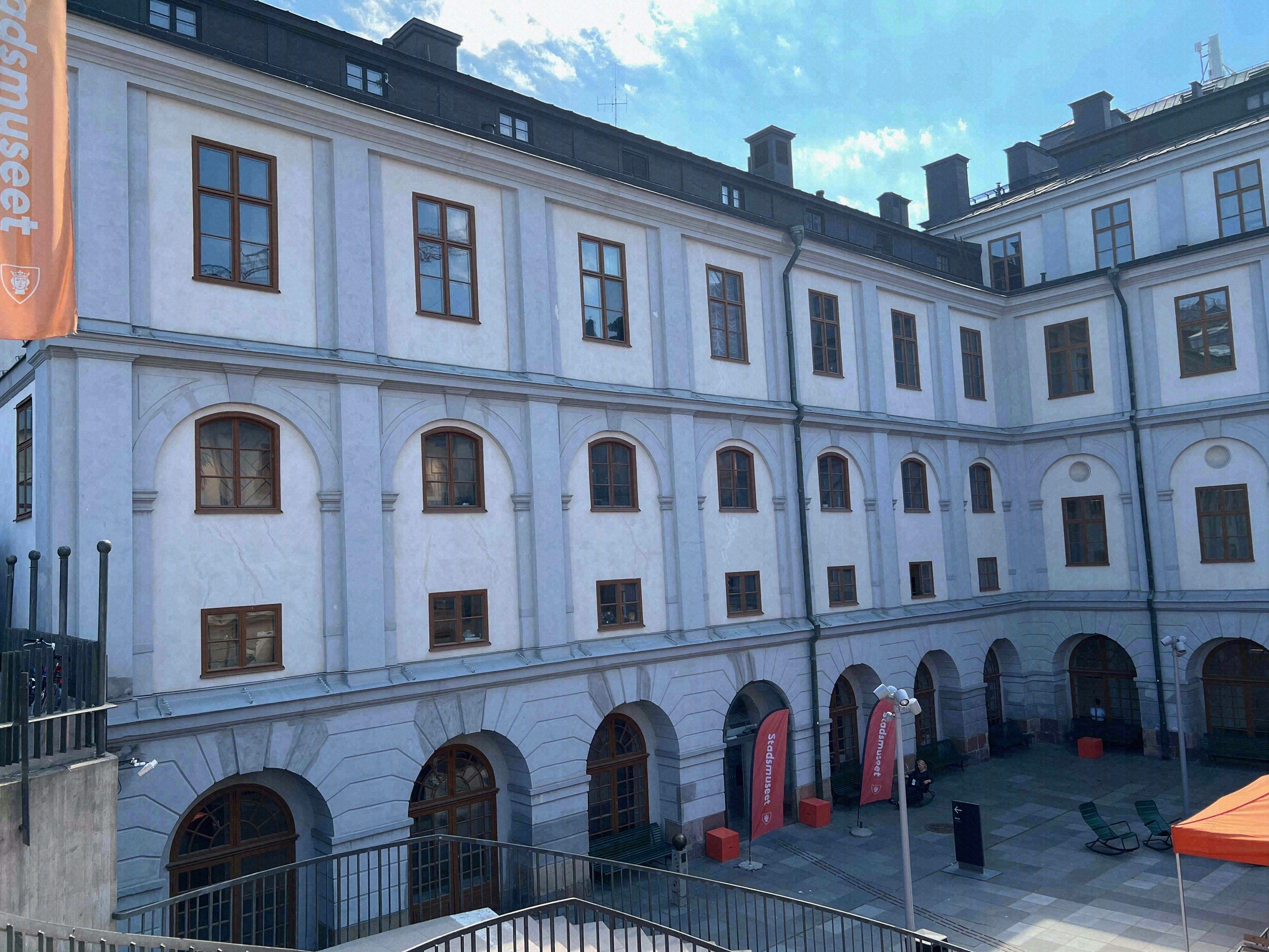
The Stadsmuseet (Stockholm City Museum), in a 1685 Baroque building at Slussen on Södermalm, tells the city's history through a collection of over 300,000 objects.
Contents
Stockholm's memory at Slussen
The Stadsmuseet is Stockholm's city museum and one of Sweden's largest municipal museums. It tells the story of the city from the early modern period to the present, how a trading town on the water grew into today's capital spread across fourteen islands.
Contrary to what many visitors assume, the museum is not in Gamla Stan (the old town). It stands at the Slussen interchange on the island of Södermalm, in the Södra stadshuset (Southern City Hall) at Ryssgården. The Baroque building dates from 1685 and is the work of Nicodemus Tessin the Elder. A short walk north across the bridge brings you to the Royal Palace and the old town, so the museum pairs well with a stroll around Gamla Stan.
From the Riddarholm ship to the City Museum
The museum was founded in 1937, prompted by the discovery of the Riddarholm ship, and first opened to the public in 1942. After a roughly four-year renovation, the building reopened on 27 April 2019. That renovation is now some years behind it, if you come across older travel write-ups describing a "newly renovated" reopening, what you'll actually find today is a well-established museum with a full programme running.
Behind the exhibitions is a remarkable collection: more than 300,000 objects, around 25,000 works of art and roughly four million photographs, plus a library of some 50,000 volumes. That makes the Stadsmuseet one of the most important sources on the city's history anywhere.
What to expect in the exhibitions
Two permanent exhibitions form the core of the museum:
- The Stockholm Exhibition - Based on a true story tells the city's history through four specific locations: Slussen, Östermalmstorg, Kungsträdgården and Sergels torg. Rather than a continuous chronicle, it makes individual episodes tangible at the real places where they happened.
- About houses looks at Stockholm's architecture and at how historic buildings are preserved and adapted for the present, a good starting point if the built city interests you more than individual objects.
There are also changing temporary exhibitions; in spring 2026, for instance, Teckna Live Jazz. If you're interested in medieval Stockholm, the neighbouring Medieval Museum is the better fit, the two museums complement each other in period.
Admission, opening hours and tours
Admission is free, for both the permanent and temporary exhibitions. Only the guided city walks and themed tours (Visningar) cost money; visitors under 19 pay half price, and anyone accompanying them goes free. Prices depend on the event and are quoted in SEK; you can book online or at the entrance.
The museum is closed on Mondays year-round. From mid-January to mid-June and from late August to mid-December it opens Tuesday and Thursday to Sunday 11:00-17:00, with Wednesdays until 20:00. In summer (15 June to 23 August) it's Tuesday to Sunday 11:00-17:00, without the long Wednesday evening. The exact 2026 closure days are listed in the note above; for current hours check the official website.
Visiting and the best time to go
1.5 to 2 hours is enough for the two permanent exhibitions. Add the temporary exhibitions and a break in the café and you can easily spend half a day here. It's quietest in the morning right after opening at 11:00, and on the long Wednesday evening outside summer; weekends and the summer months are busier.
The museum is thoroughly accessible: lifts and accessible toilets serve the ground floor plus the first and second floors, and there's a cloakroom with lockers and baby-changing rooms. Wi-Fi is free, and photography is allowed without flash or tripod. A handy detail for families: in the Mellanrummet room on floor 0, you're welcome to heat up food you've brought along. There's also a museum shop on site.
Getting there and combining your visit
The Stadsmuseet sits right at Slussen on Södermalm, a central hub for the metro (Tunnelbana), buses and passenger ferries, reachable quickly from almost anywhere in the city. A short walk north across the bridge takes you into Gamla Stan.
The location works well as the base for a day around Slussen and the old town: north of the bridge you have the Royal Palace, Stockholm Cathedral (Storkyrkan) and the central square Stortorget, plus the Medieval Museum and the German Church. If you want to explore the district to the south, see the overview of Södermalm; for planning your route, the guide to Stockholm's attractions by location is a good next stop.
Frequently asked questions
Is there an admission charge for the City Museum? +
What are the opening hours of the City Museum? +
Where exactly is the City Museum? +
How much time should I set aside? +
Is the City Museum accessible? +
Nearby
Katarinahissen
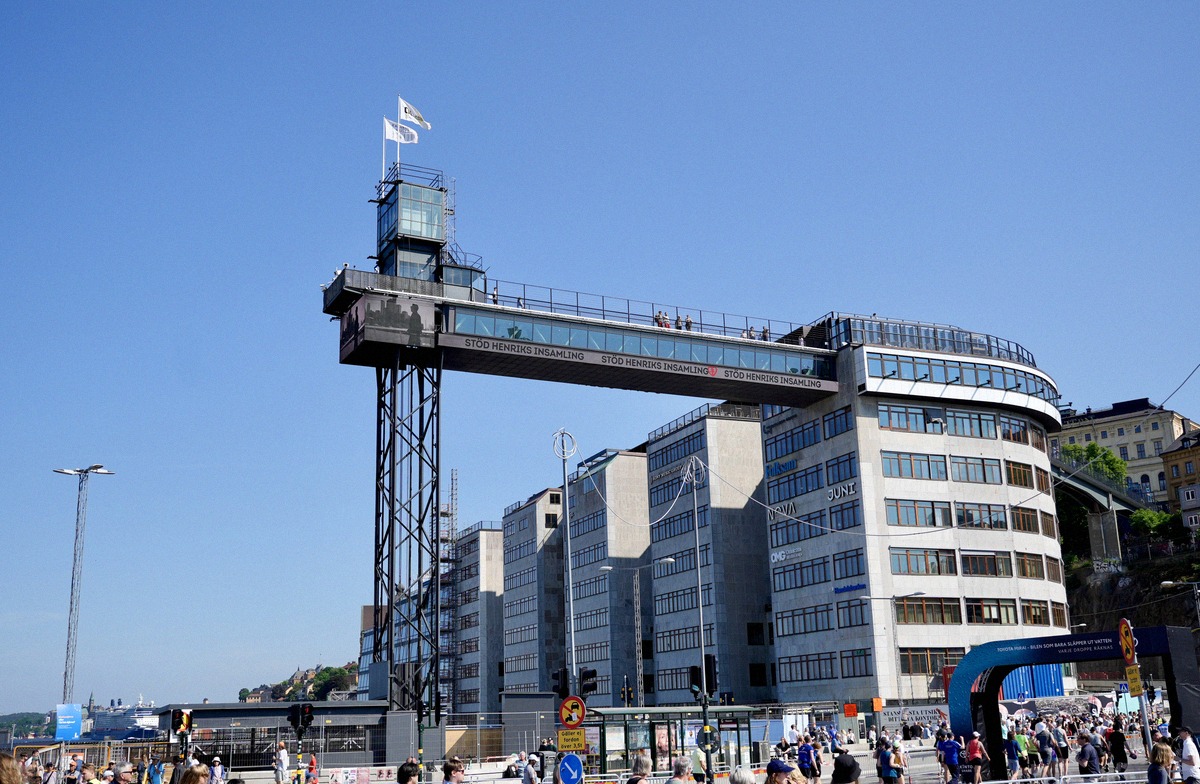
A steel lift from Slussen up to a hilltop walkway over Södermalm, with panoramic views over Gamla Stan, the harbour and the water. Ride and view are free.
Mårten Trotzigs gränd
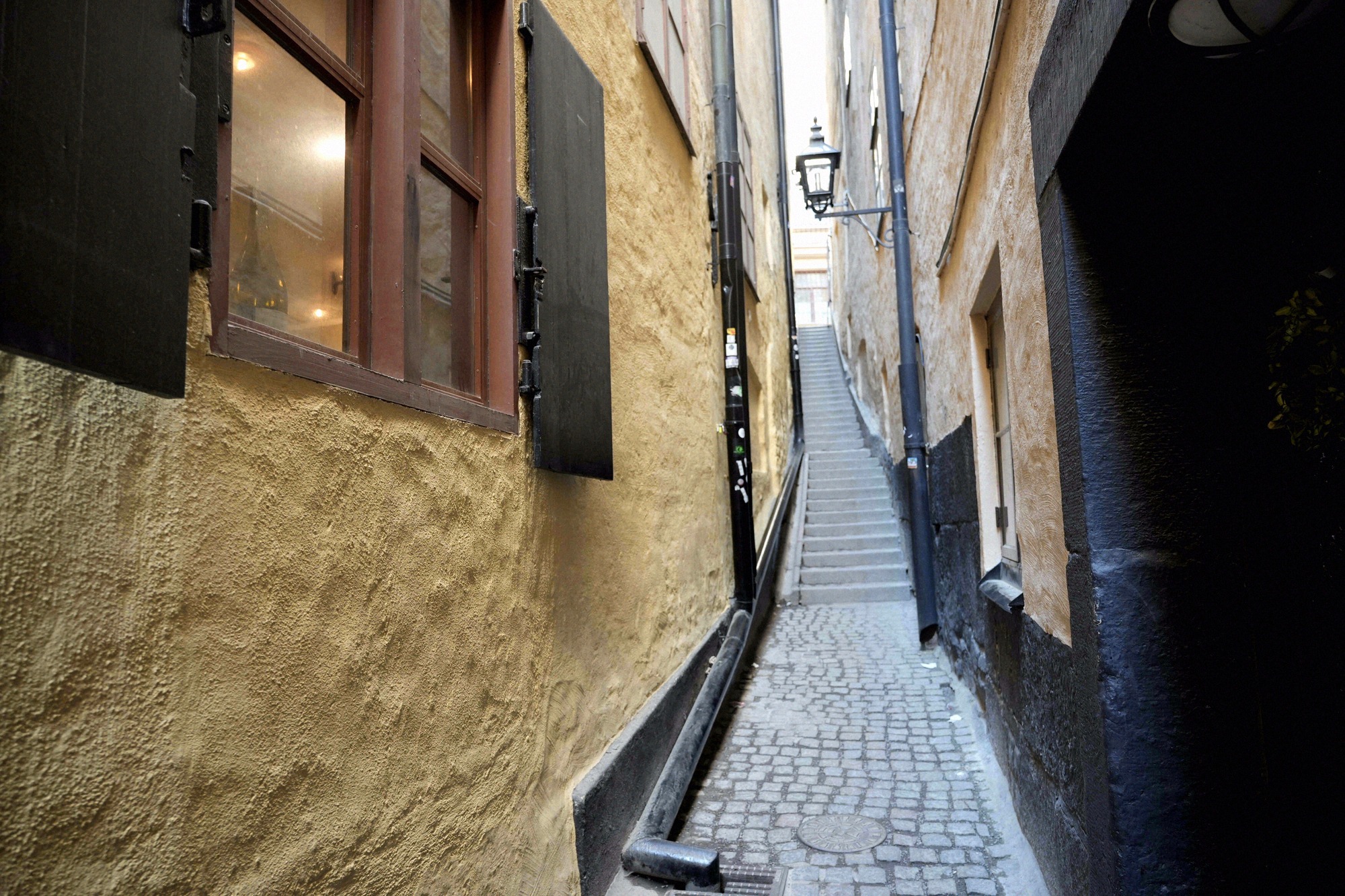
Mårten Trotzigs gränd in Gamla Stan measures 90 centimetres at its narrowest point, making it Stockholm's narrowest alley, a stepped lane of 36 steps.
Jewish Museum
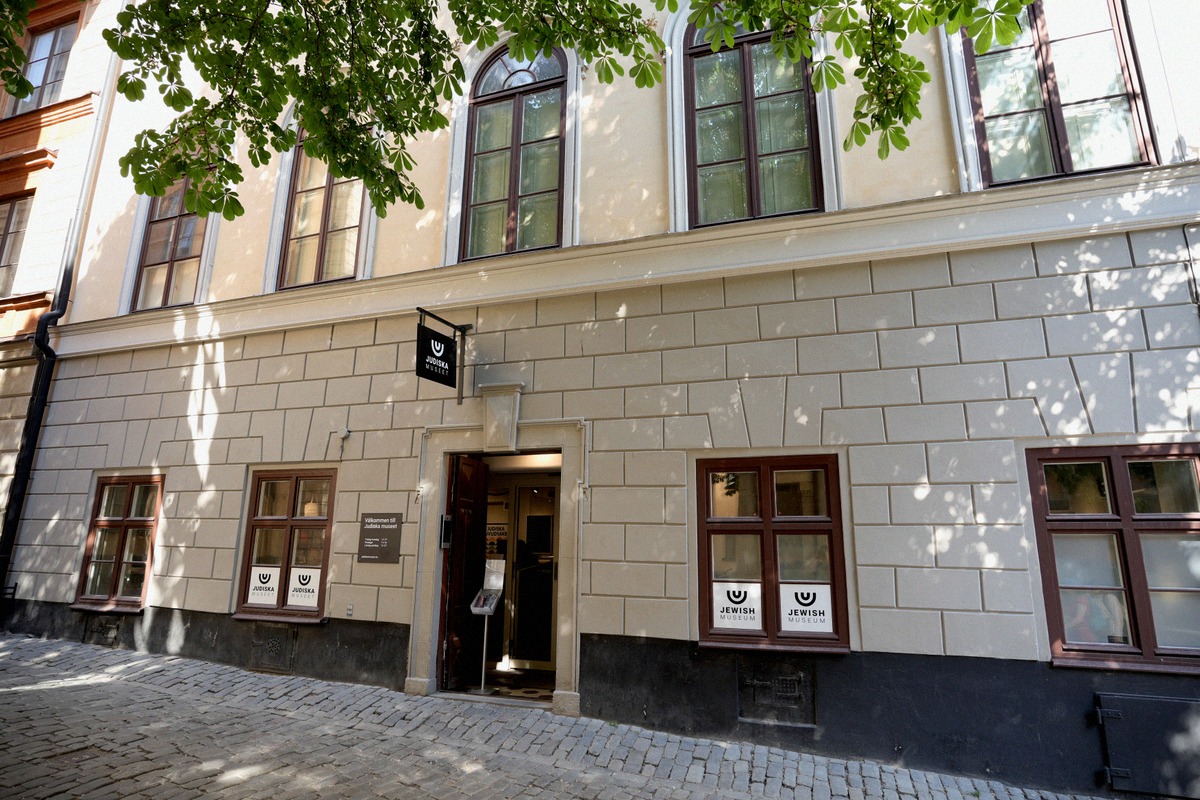
Judiska museet in Gamla Stan tells Sweden's Jewish history inside the city's oldest surviving synagogue, with the permanent exhibition The Jews & Sweden.
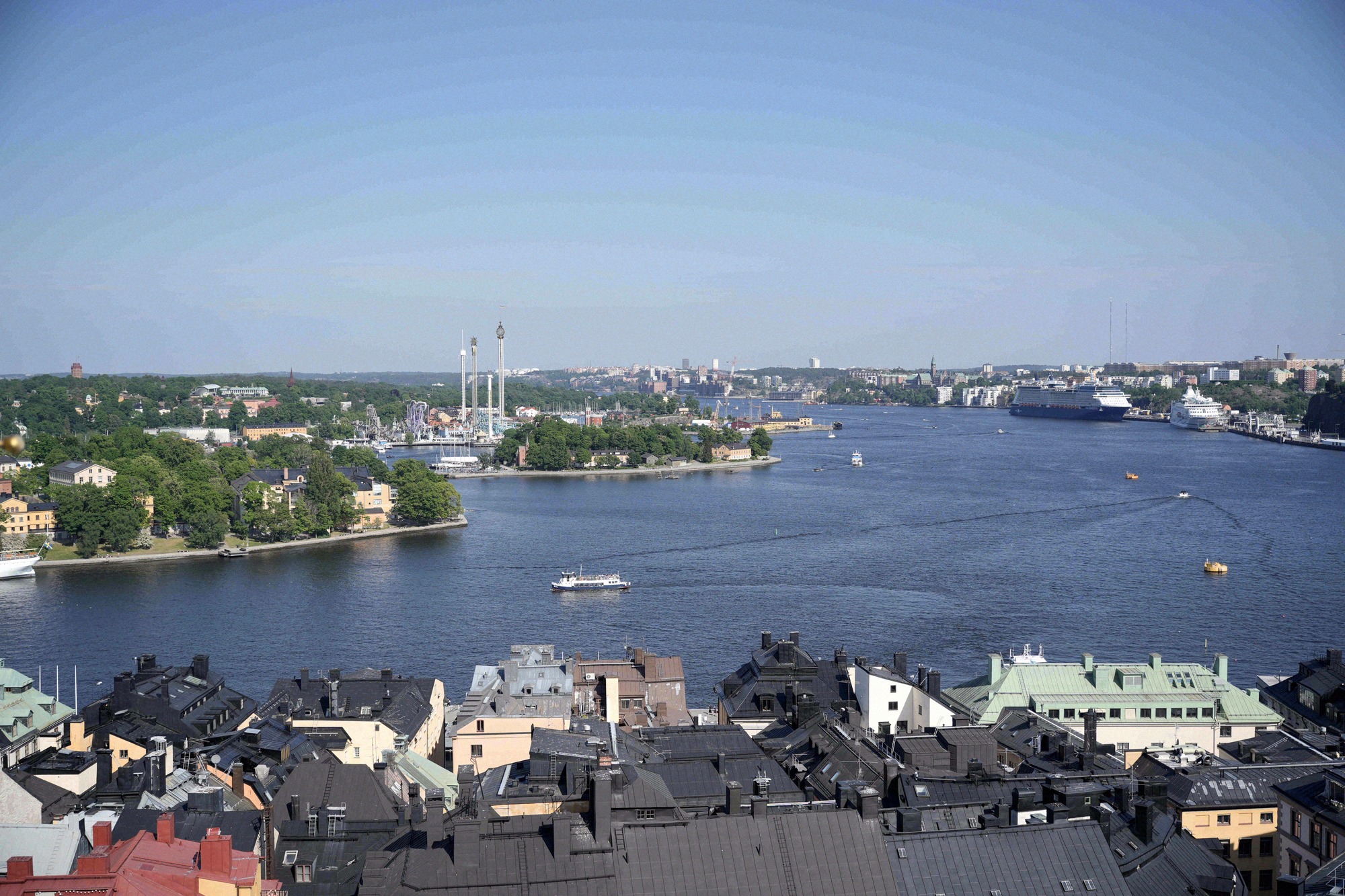
German Church
The German Church of St Gertrude in Gamla Stan has housed the oldest German congregation abroad since 1571; its 96-metre tower is the tallest building on the old town island.
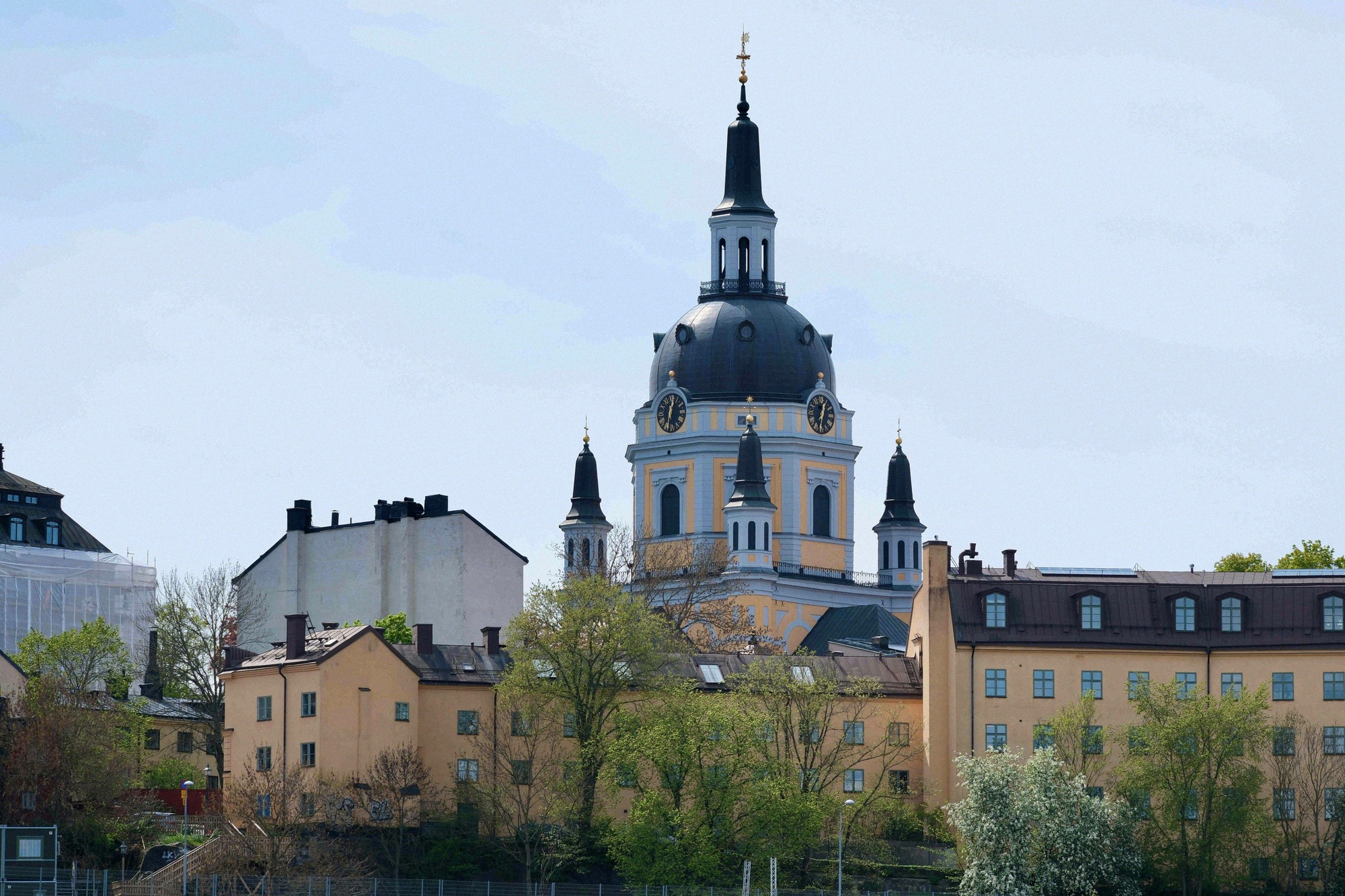
Katarina kyrka
A landmark Baroque church by Jean de la Vallée on Södermalm, rebuilt with historic techniques after the 1990 fire. Free admission.
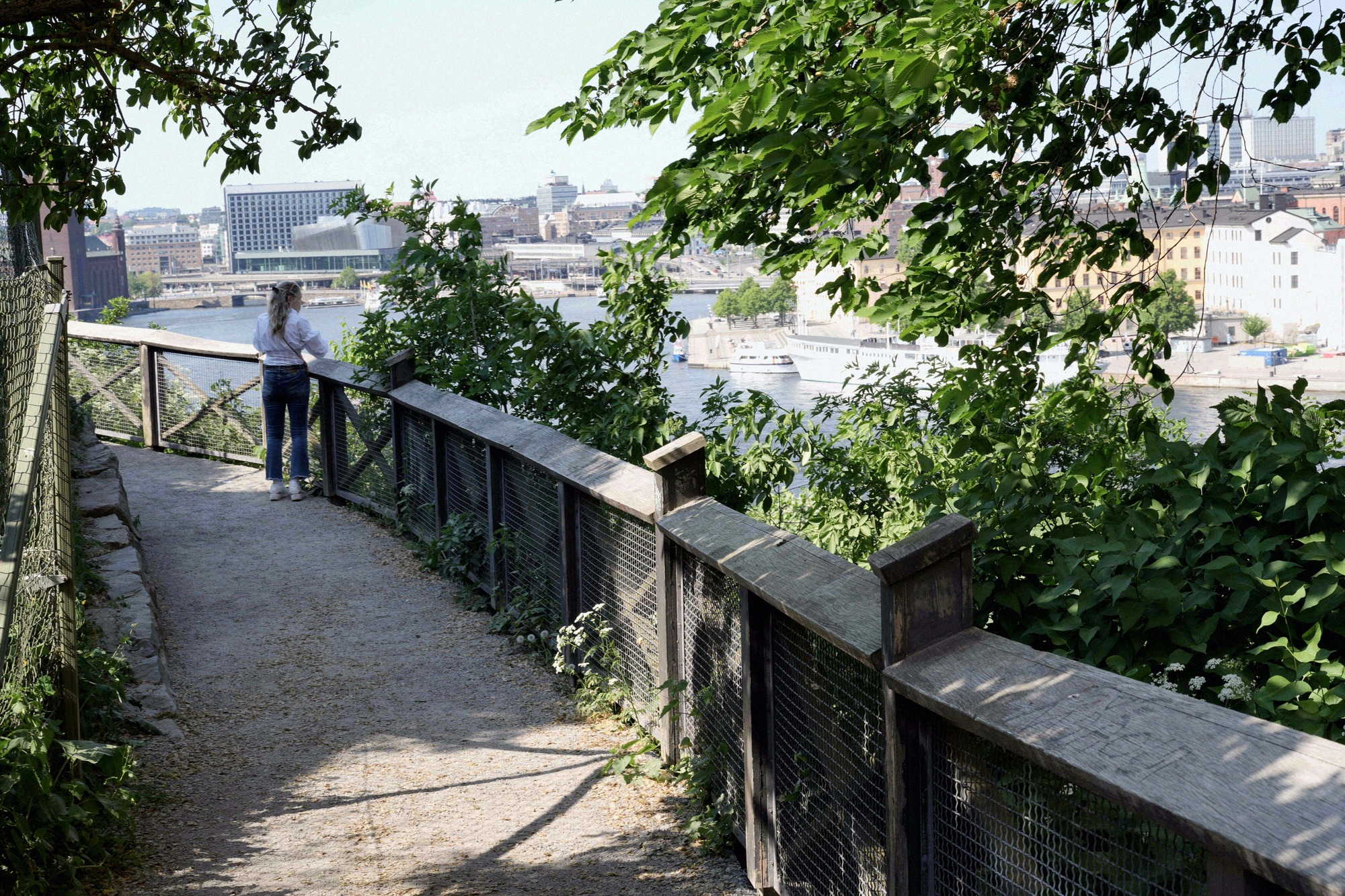
Monteliusvägen
Monteliusvägen is a 416-metre clifftop path on Mariaberget in Södermalm, with terraces, benches and the classic view across Riddarfjärden to Riddarholmen and the City Hall.