
Jewish Museum
Jewish history in the city's oldest synagogue
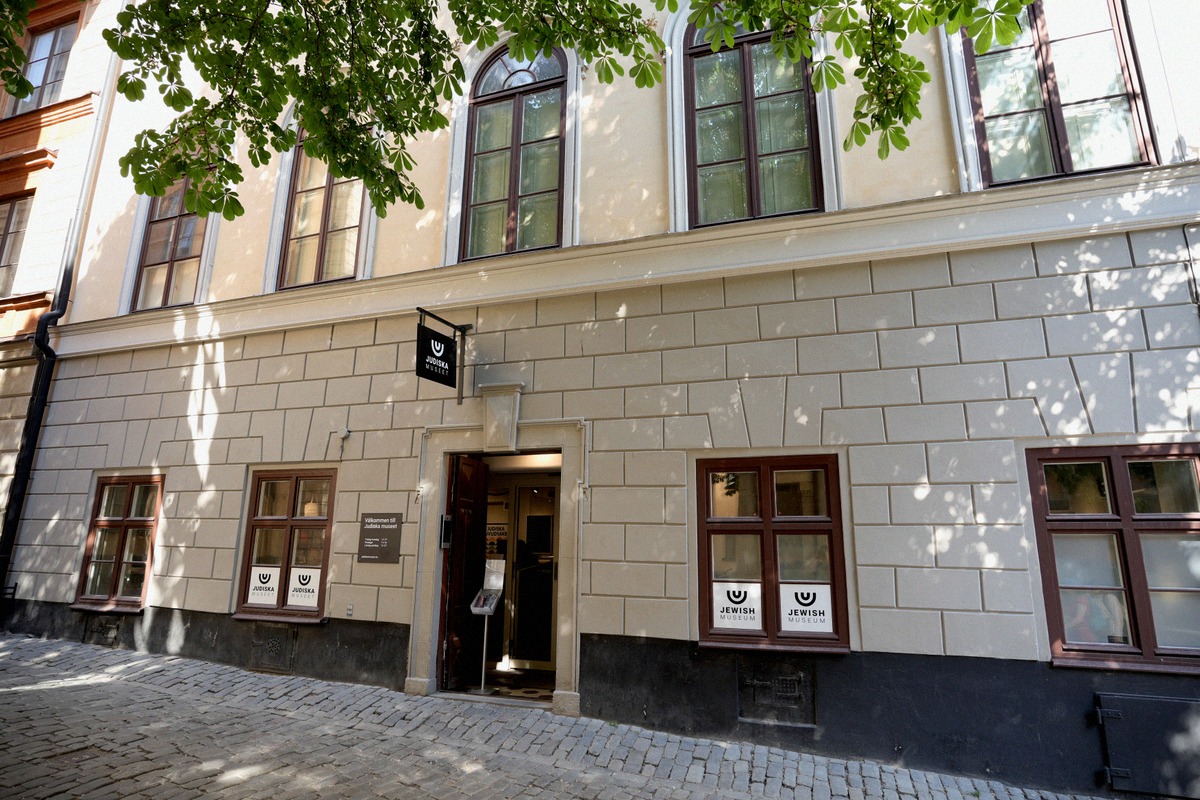
Judiska museet in Gamla Stan tells Sweden's Jewish history inside the city's oldest surviving synagogue, with the permanent exhibition The Jews & Sweden.
Contents
Jewish history in the city's oldest synagogue
Judiska museet is Sweden's Jewish museum, set at Själagårdsgatan 19 in the heart of Gamla Stan. What makes it special: it occupies the oldest surviving synagogue in Stockholm, a building where the city's Jewish community worshipped as far back as the late 18th and 19th centuries. The building itself is part of the exhibition.
This is a compact, focused museum, not a big-crowd attraction like the Vasa Museum. If you're interested in history and minority communities in Sweden, it's a quiet, dense little stop, ideal worked into a walk through the old town's lanes.
What to expect
The core of the museum is the permanent exhibition The Jews & Sweden. It traces Swedish-Jewish history from the 18th century to the present day, through objects, photographs and contemporary art. Rather than a straight chronicle, it focuses on individual lives, everyday experience, and what it has meant to be both Jewish and Swedish.
Alongside this are rotating special exhibitions staged in the historic synagogue room; in 2026 these include Shul! The Old Town's synagogue and the installation The Cloud of Unknowing. The official site doesn't always list exact run dates, so it's worth checking the website before you visit.
Handy for international visitors: all exhibits are labelled bilingually in Swedish and English, so you can easily visit independently without a guide. There's also a small museum shop on site.
Swedish-Jewish history in brief
The history behind the display cases is one of long-standing restrictions. Jewish life in Sweden was permitted only under strict conditions for a long time; full legal equality didn't arrive until the 1860s. Today an estimated 18,000 Jewish people live in Sweden, with Stockholm, Gothenburg and Malmö as the main centres. That arc, from exclusion through restriction to participation, is exactly what the museum makes tangible.
Opening hours and admission
The museum is closed on Mondays. Tuesday and Wednesday it opens 11:00-17:00, Thursday until 20:00, Friday until 16:00, and at the weekend again 11:00-17:00. Special hours may apply on public holidays, check the official site for current details.
Admission is 120 SEK for adults and 100 SEK concessions (seniors and students); children and young people up to 19 get in free. A nice touch: on Saturdays from 11:00 to 12:00 admission is free for everyone (the Shabbat hour). Find current prices and hours at judiskamuseet.se.
Best time to visit
Allow 1 to 1.5 hours. It's quietest on weekday mornings; weekends are busier. If you have an evening free, take advantage of the long Thursday opening until 20:00. Guided tours are offered in Swedish and English, check details and times directly with the museum.
Getting there and combining your visit
The address is Själagårdsgatan 19 in Gamla Stan, close to the German Church (Tyska kyrkan). The nearest metro station is Gamla Stan (green and red lines), just a few minutes' walk away.
Its old-town location makes it easy to combine with other sights nearby: the central square Stortorget with the Nobel Prize Museum, Storkyrkan (Stockholm Cathedral) and the Royal Palace. For planning your route, see the guide to Stockholm's highlights by district.
Frequently asked questions
What can you see at the Jewish Museum? +
How much does admission cost? +
What are the opening hours? +
How much time should I set aside? +
How do you get to the Jewish Museum? +
Nearby
German Church
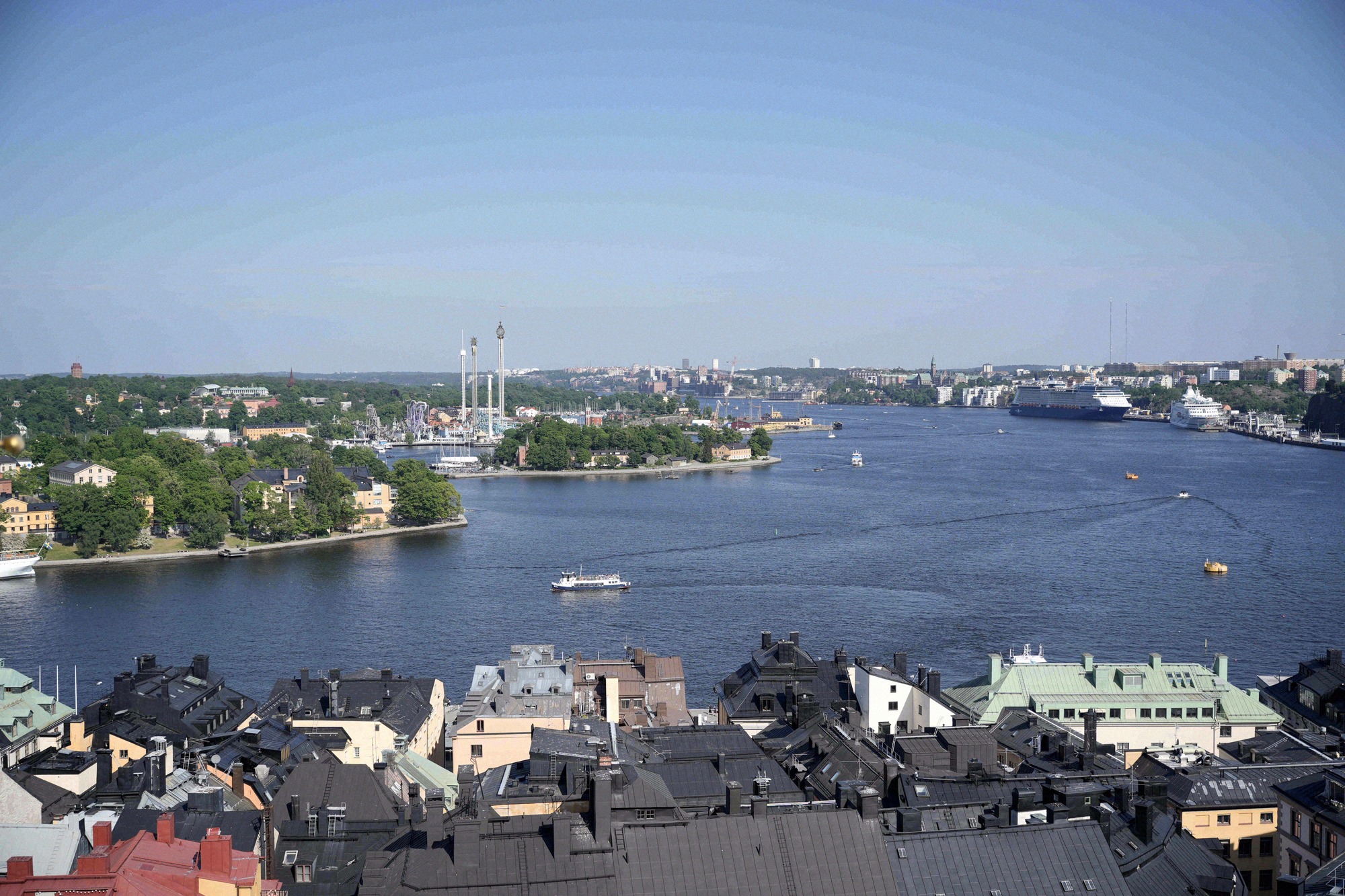
The German Church of St Gertrude in Gamla Stan has housed the oldest German congregation abroad since 1571; its 96-metre tower is the tallest building on the old town island.
Mårten Trotzigs gränd
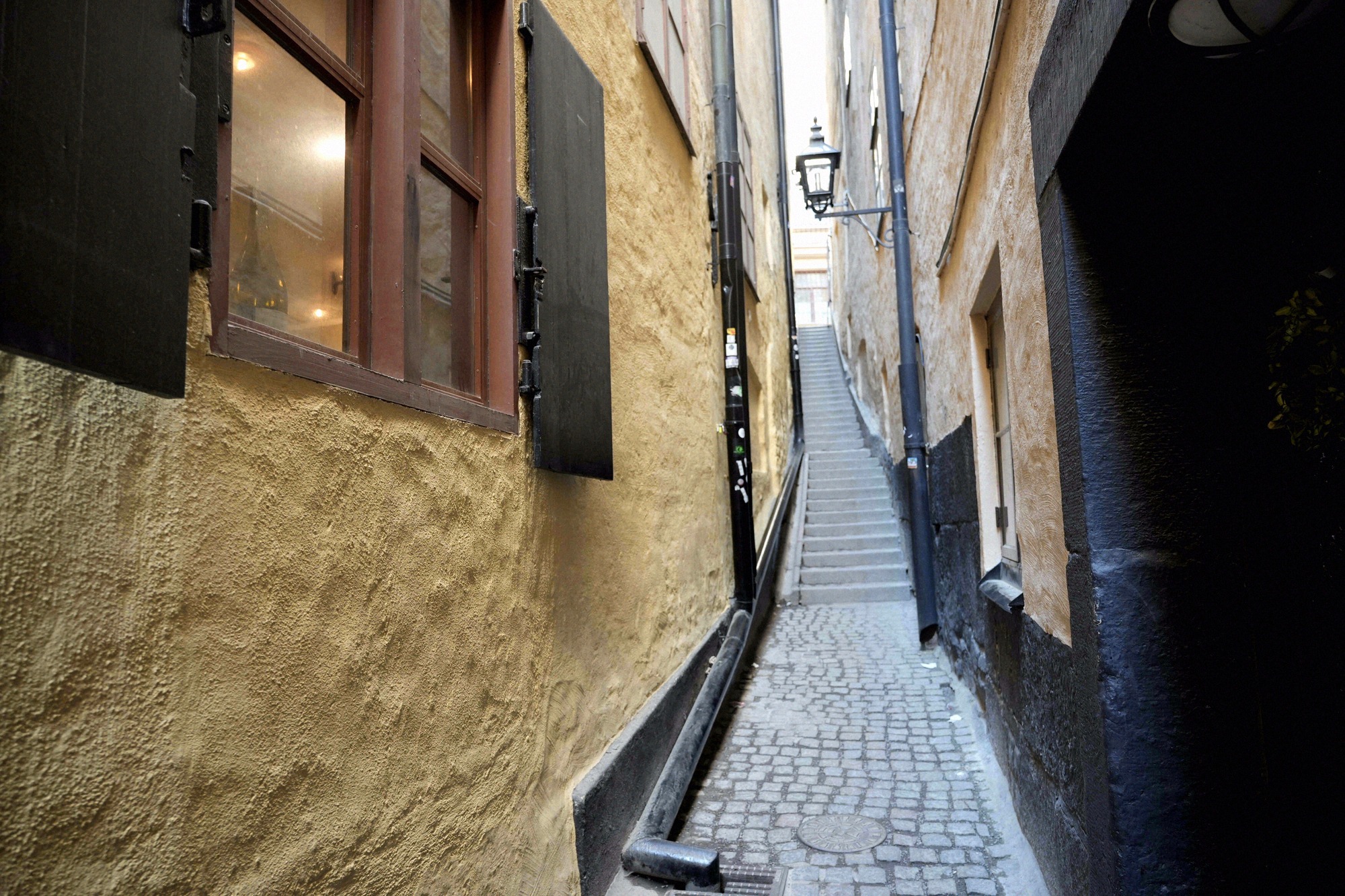
Mårten Trotzigs gränd in Gamla Stan measures 90 centimetres at its narrowest point, making it Stockholm's narrowest alley, a stepped lane of 36 steps.
Nobel Prize Museum
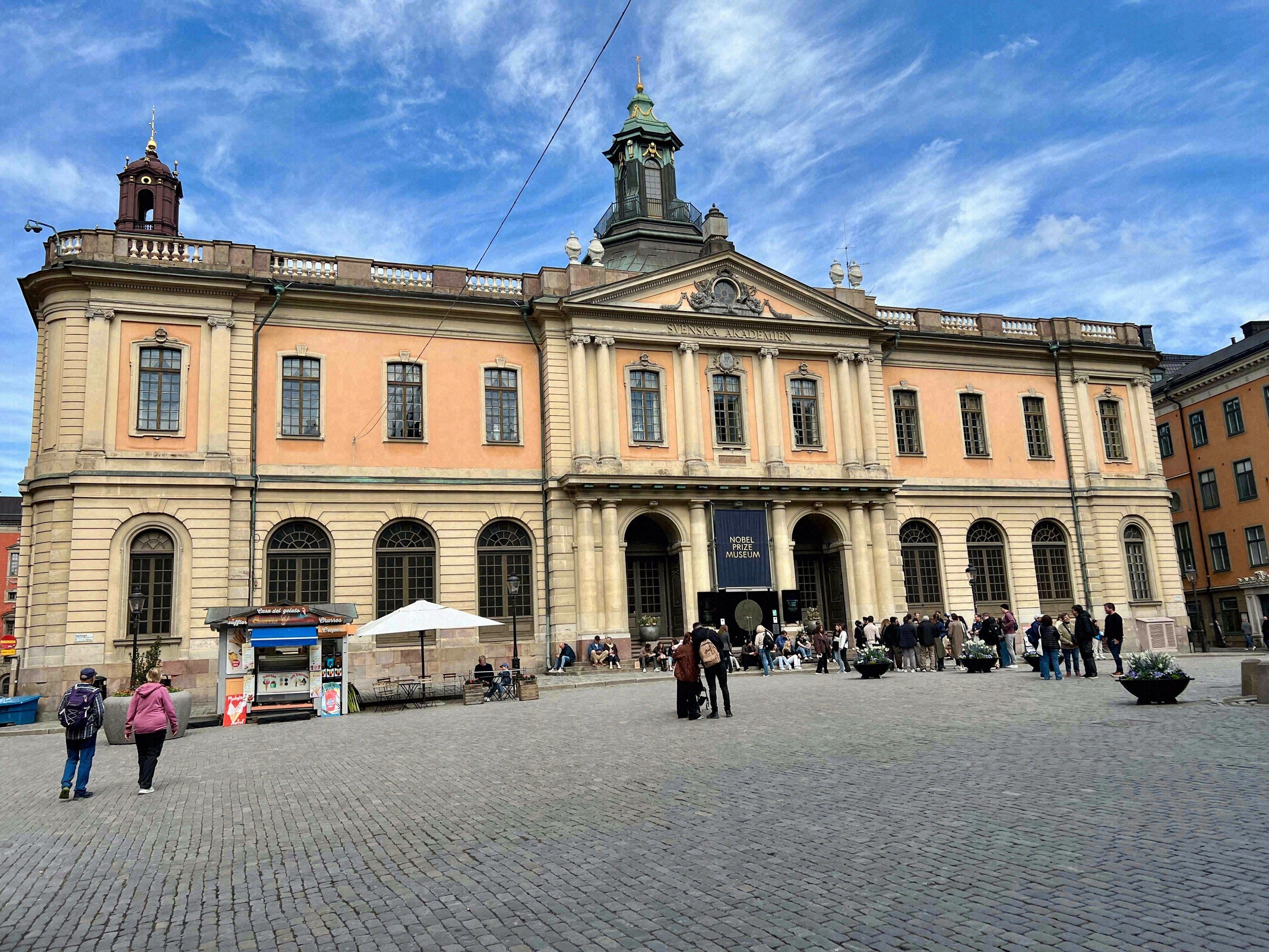
The Nobel Prize Museum on Stortorget in Gamla Stan celebrates Alfred Nobel and the Nobel laureates since 1901, with films, an overhead gallery and Café Satir.
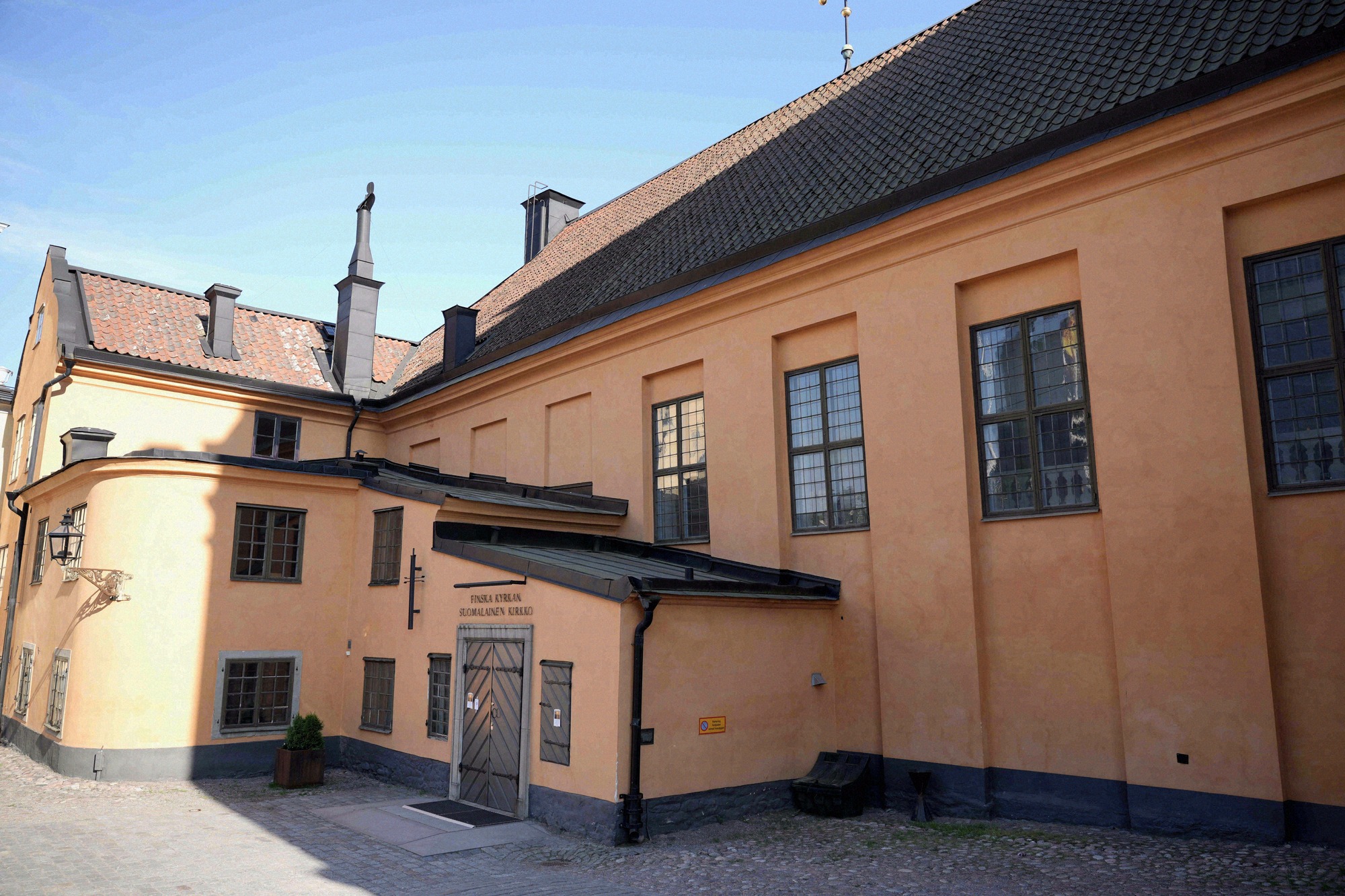
Finska kyrkan
Finska kyrkan (the Finnish Church, officially Fredriks kyrka) is a quiet Baroque church in Gamla Stan, facing the Royal Palace, with the tiny Järnpojken in its courtyard.
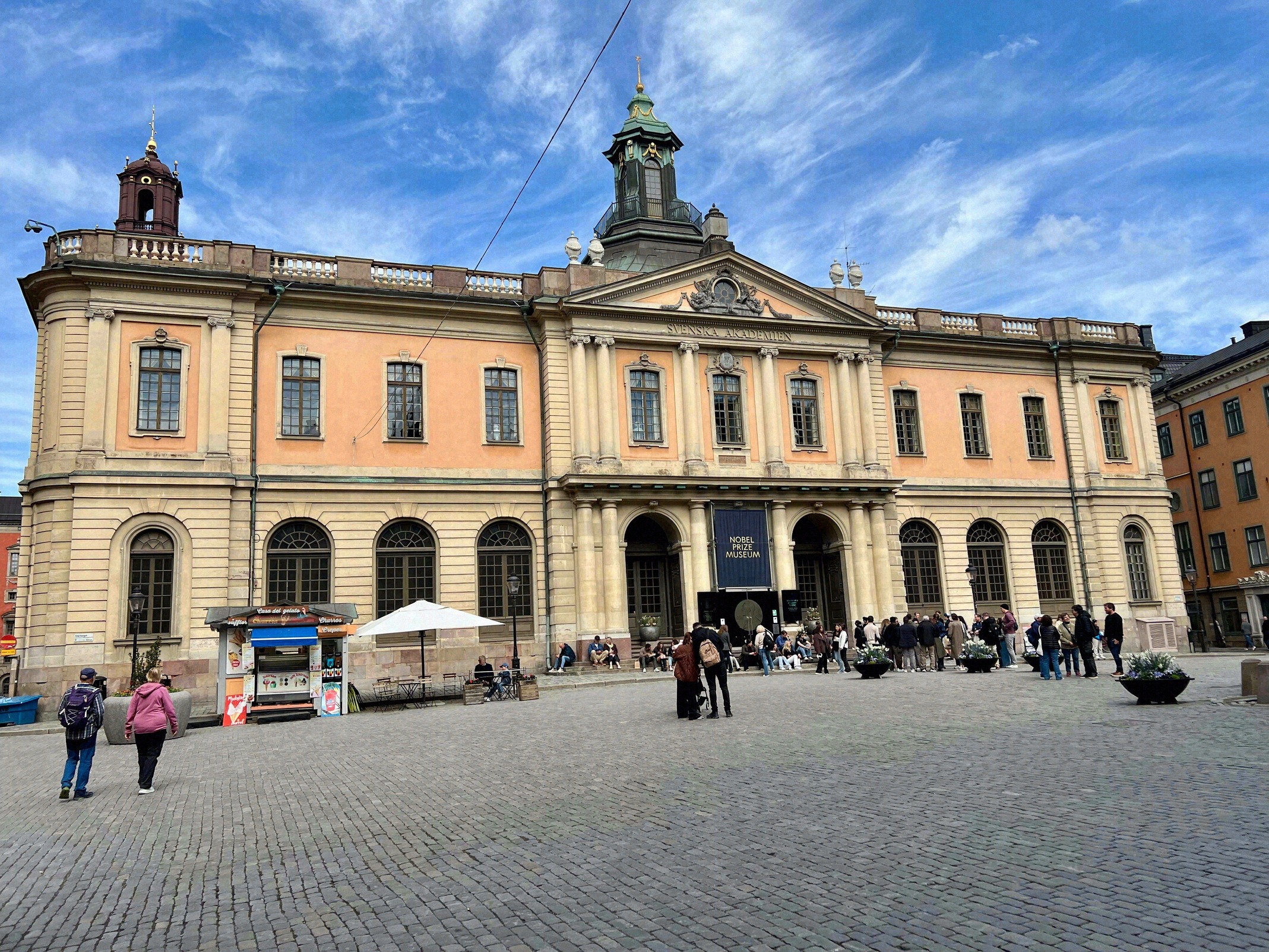
Stortorget
Stockholm's oldest square, in the heart of Gamla Stan, lined with colourful gabled houses and the Nobel Prize Museum, scene of the 1520 Stockholm Bloodbath.
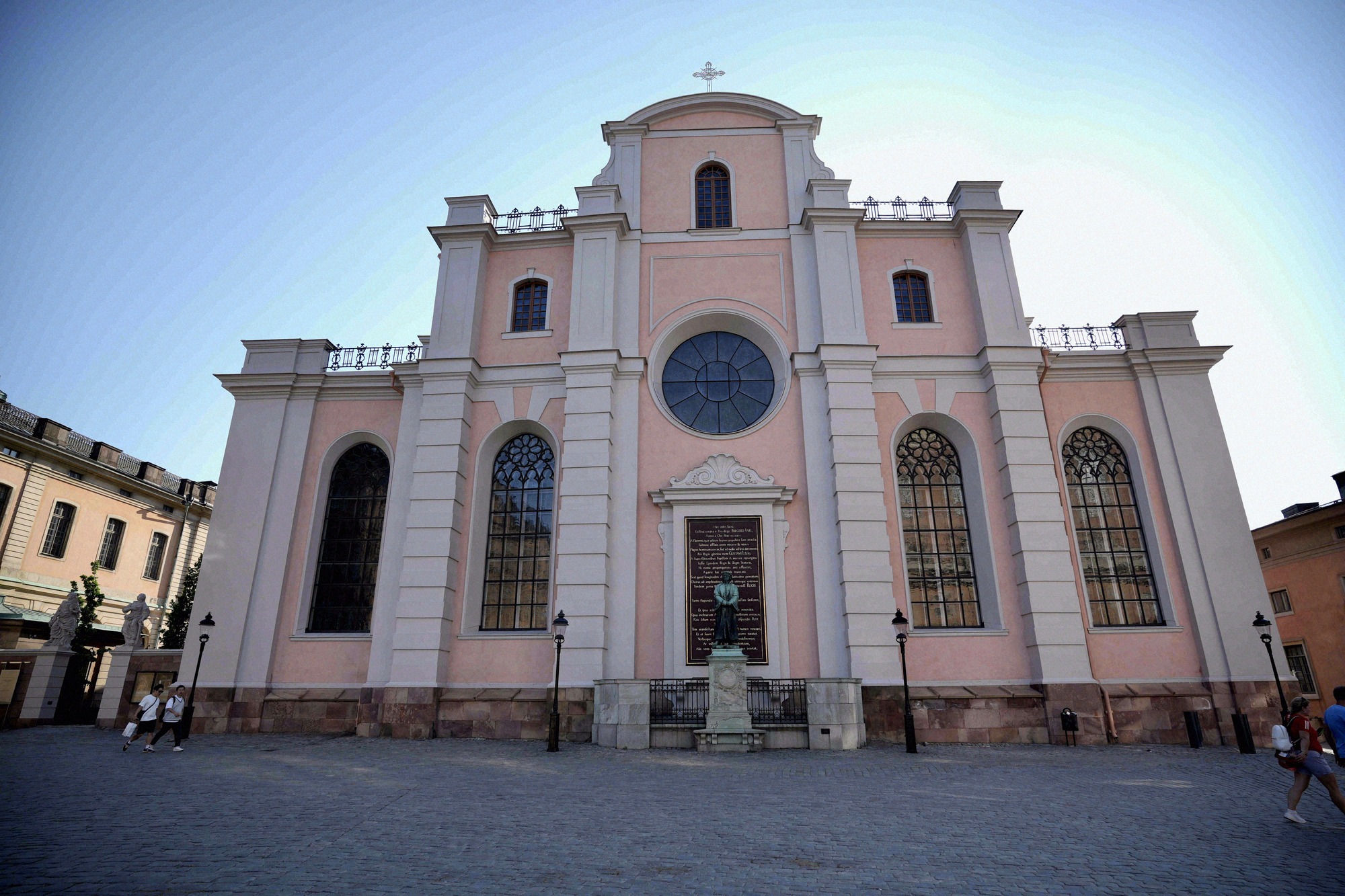
Stockholm Cathedral
Stockholm Cathedral (Storkyrkan), the city's oldest church: brick Gothic in Gamla Stan with the Saint George sculpture and the Vädersolstavlan.