
Gamla Stan
Medieval old town on its own island
Overview
Stockholm's six neighbourhoods at a glance, from the medieval old town of Gamla Stan to the green museum island of Djurgården and hip Södermalm. What you'll find where.
Medieval old town on its own island
Business & shopping district north of the Old Town
Elegant shopping and museum district
Trendy island district south of the Old Town
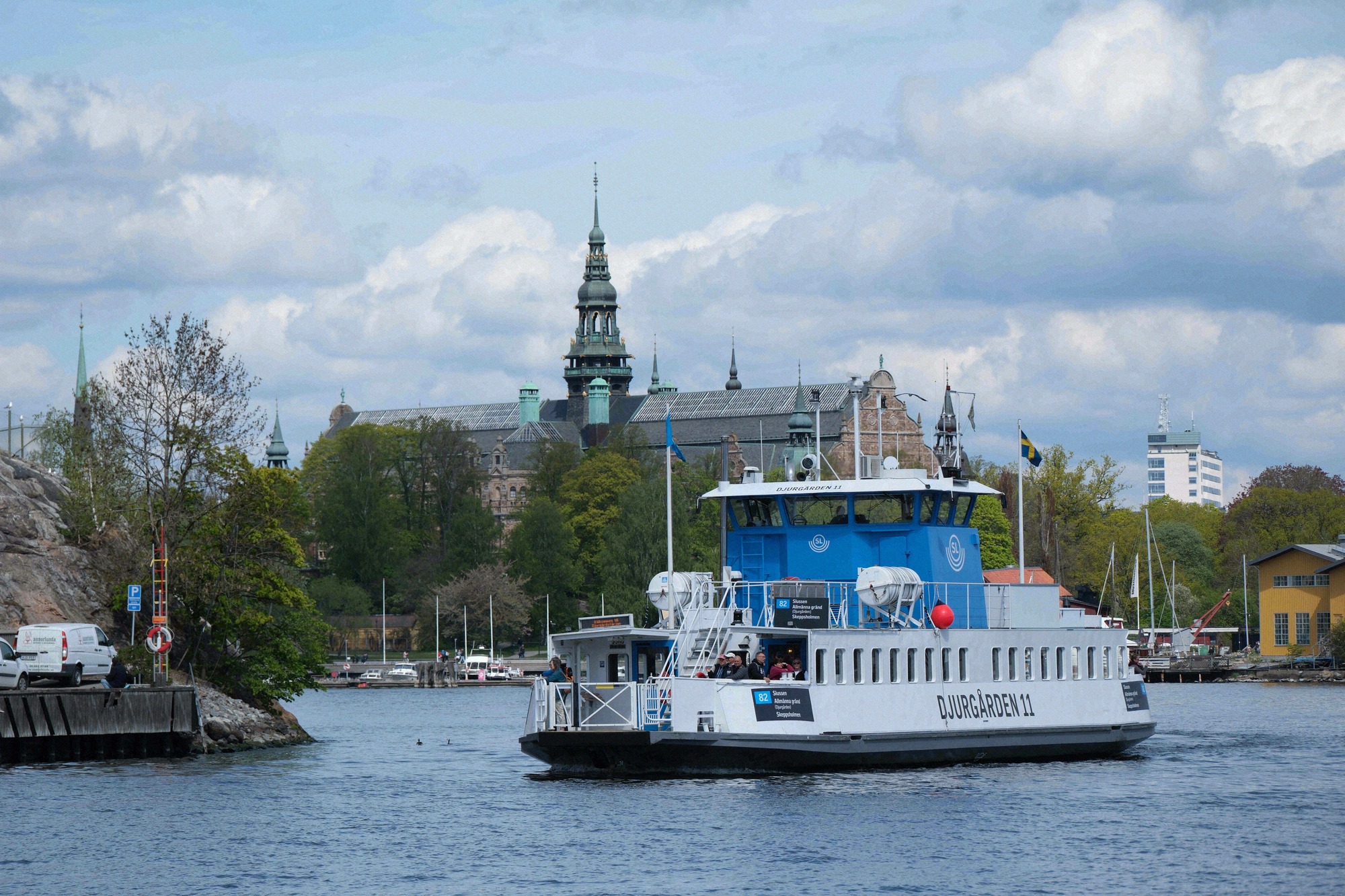
Green museum island with parks & attractions
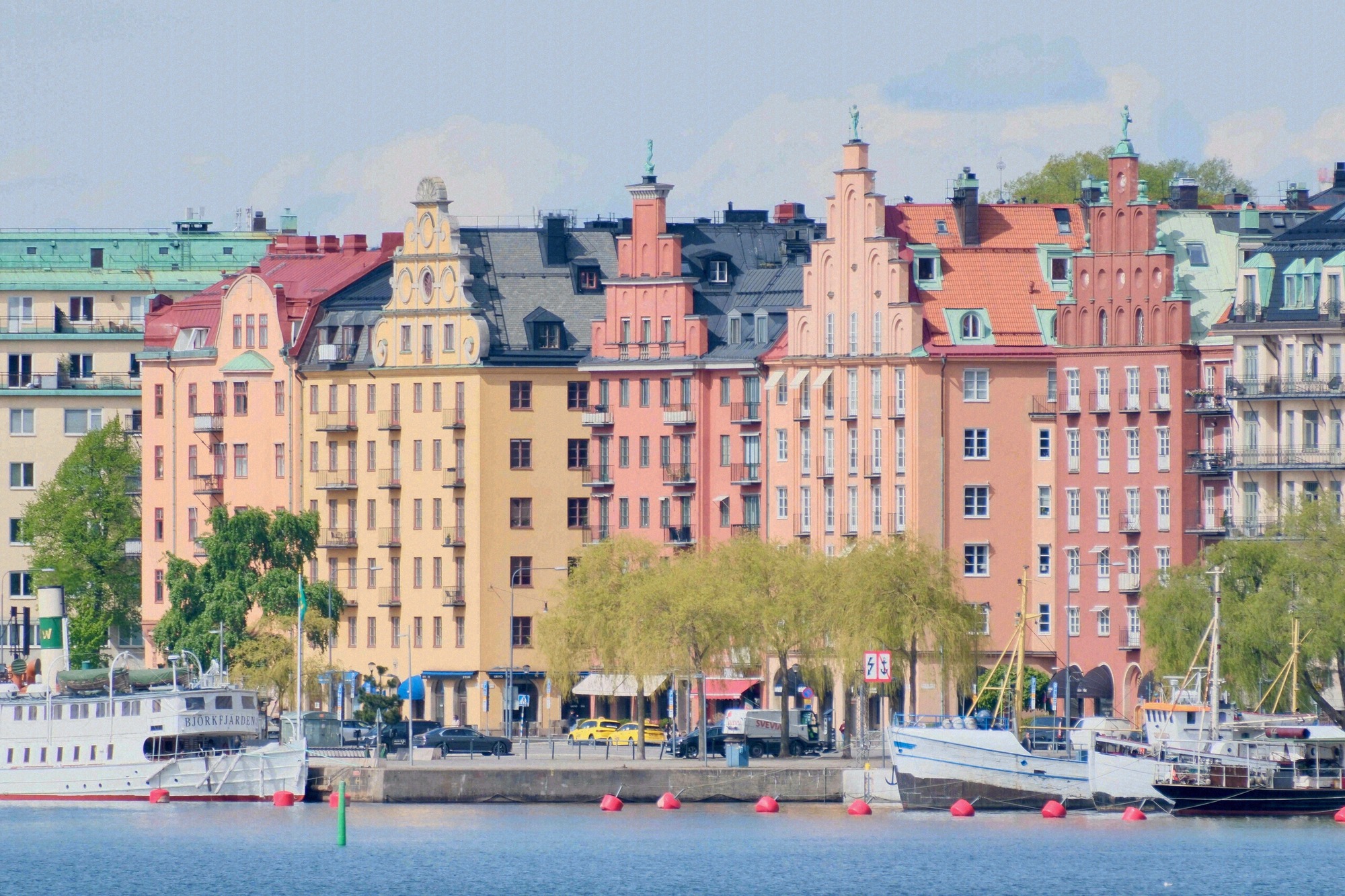
Relaxed island district with the City Hall & waterside promenades
No results found.
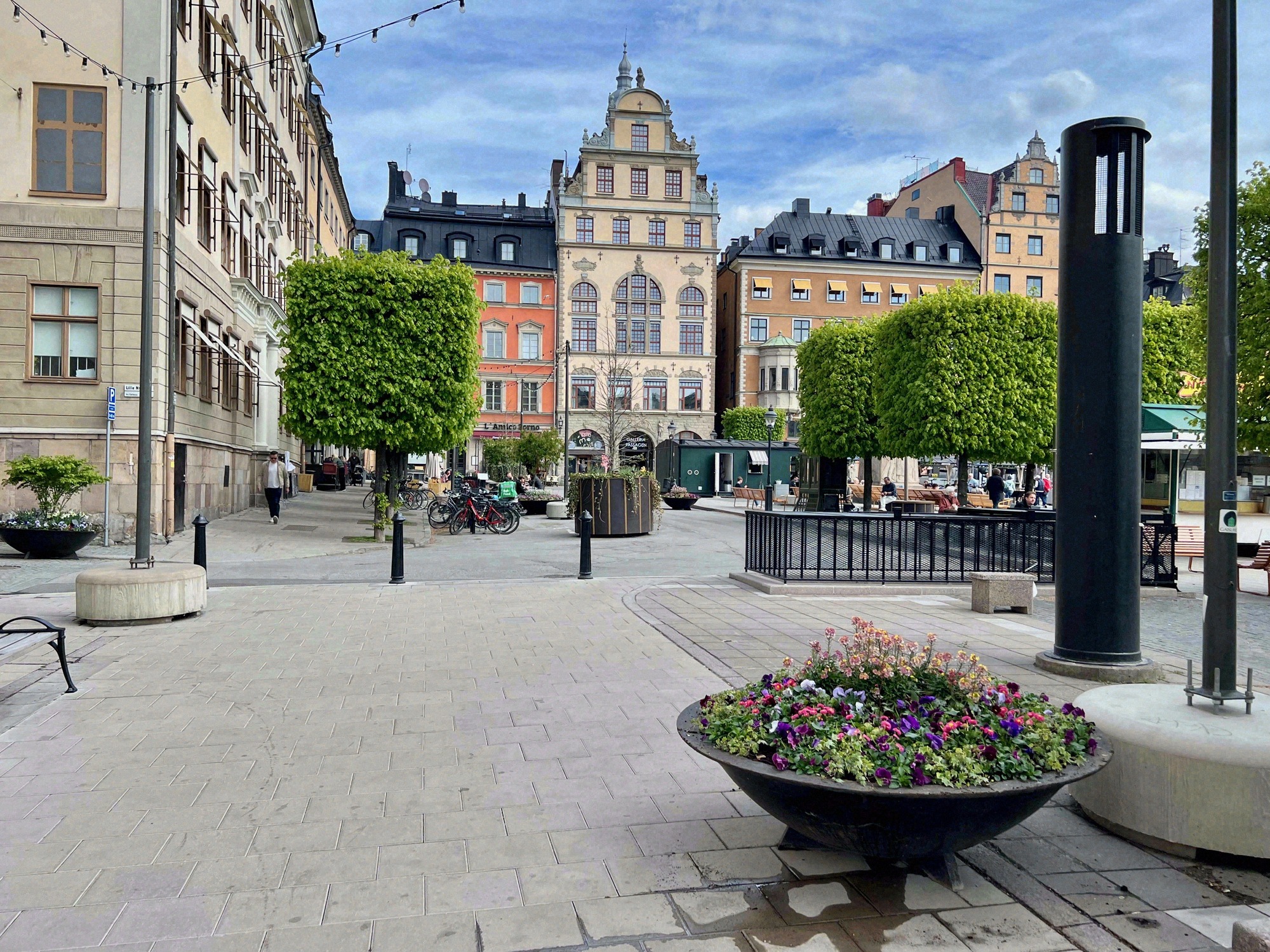
Stockholm is spread across fourteen islands, but for visitors, six neighbourhoods matter most. The historic core is Gamla Stan, the medieval old town on its own island, home to the Royal Palace, the cathedral Storkyrkan, the city's oldest square Stortorget with the Nobel Prize Museum, and, on the neighbouring island of Riddarholmen - Riddarholmen Church.
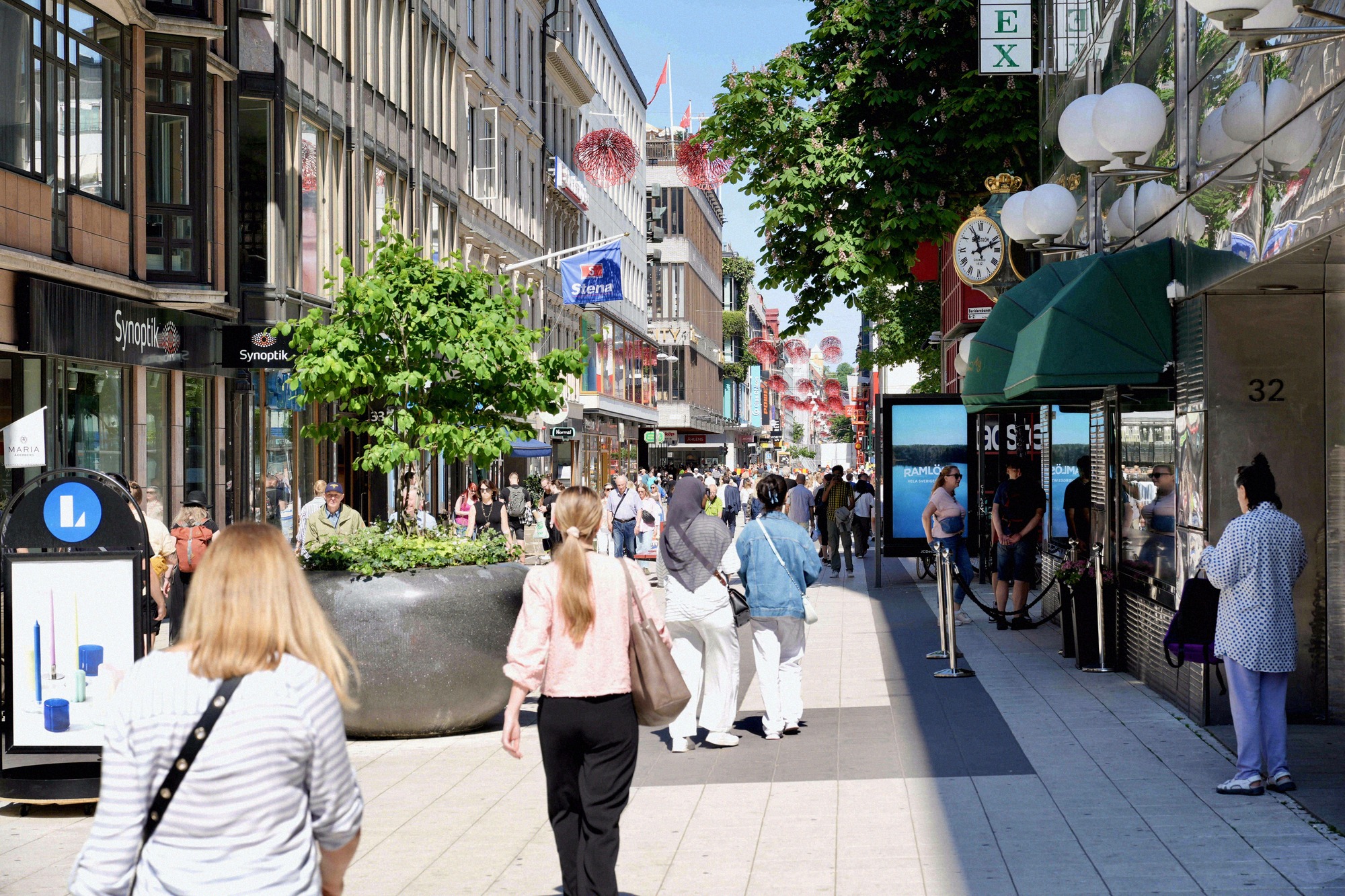
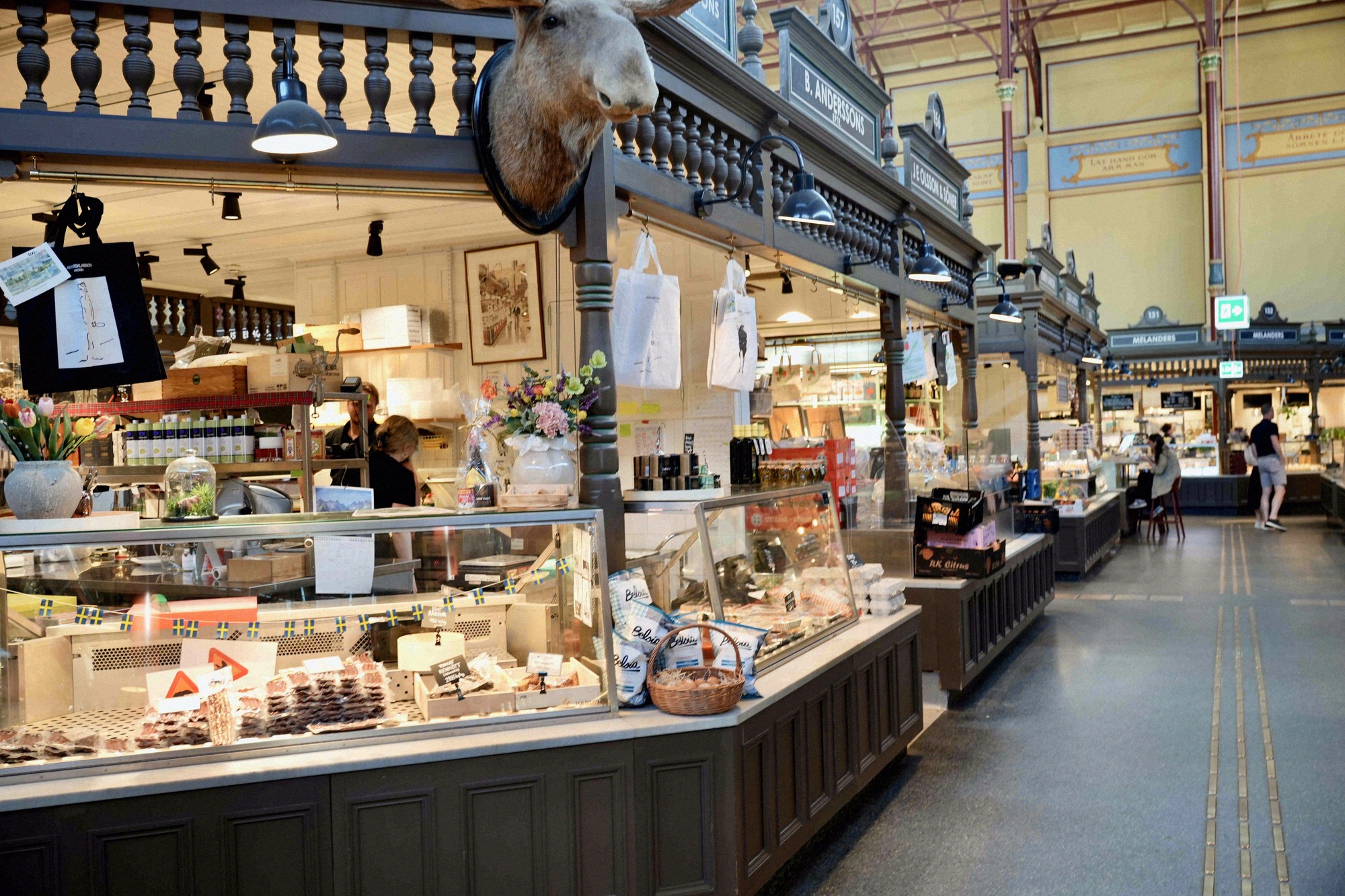
North of here lies Norrmalm & City, the modern business and shopping district around Central Station and the pedestrianised Drottninggatan. Here you'll find the green Kungsträdgården park, the waterfront Nationalmuseum, and the opulent Hallwyl Museum. To the east lies elegant Östermalm, with grand boulevards, the refined Östermalms Saluhall food hall, and the Swedish History Museum with its Viking treasures.
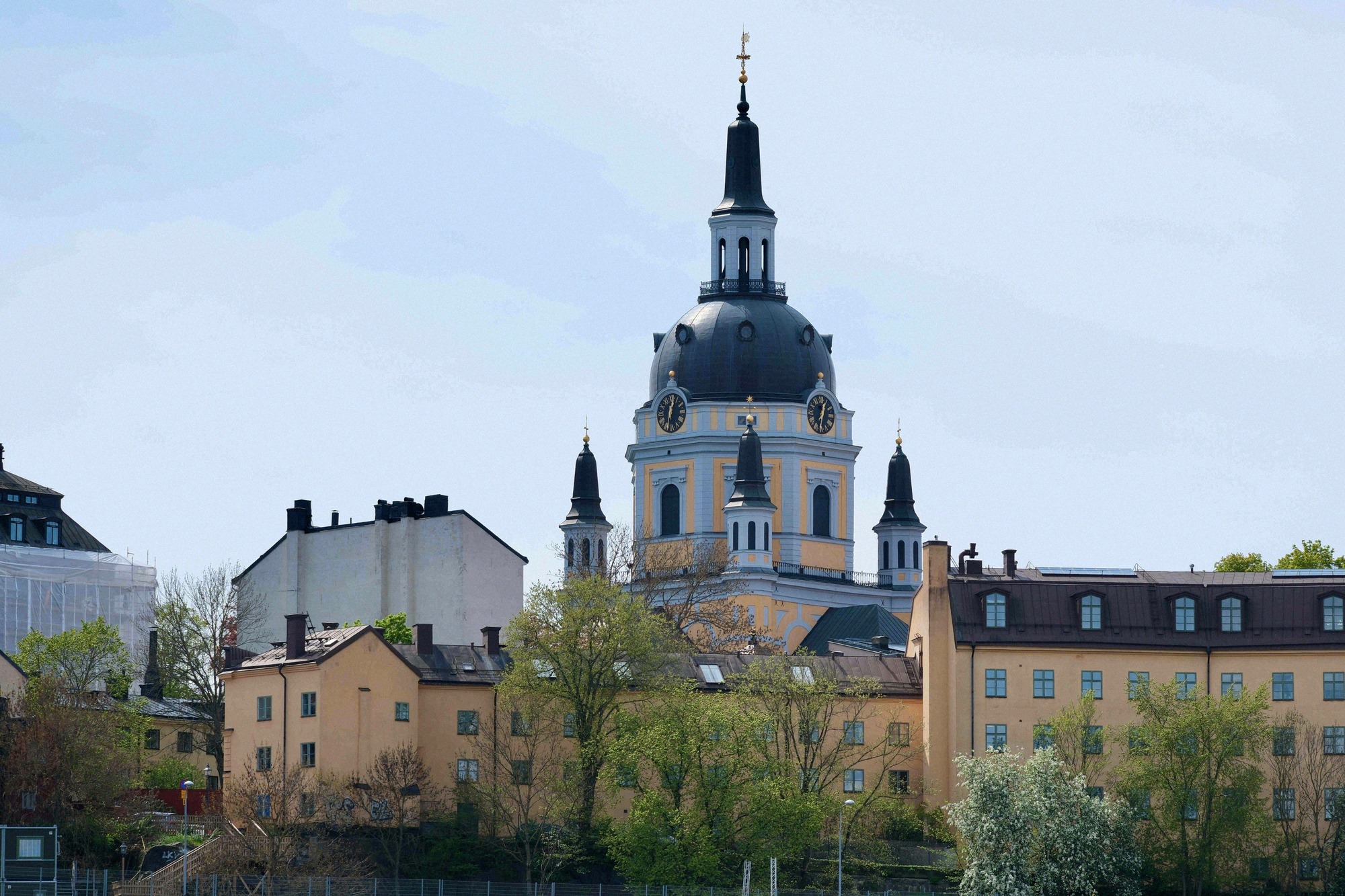
South of the old town lies Södermalm, the hip, creative neighbourhood with the SoFo quarter and the city's finest views, the terrace at Katarinahissen, the picturesque Fjällgatan, and the Monteliusvägen walkway. Down by the water sits the photography museum Fotografiska. To the west, Kungsholmen rounds off the picture: a relaxed residential district with waterside promenades, swimming spots, and the iconic Stockholm City Hall at its eastern tip.
If your time is limited, set aside a full day for Djurgården. This green island east of the centre packs in Stockholm's densest cluster of attractions: the Vasa Museum, the open-air museum Skansen, the Nordiska Museet, the ABBA Museum, the children's attraction Junibacken, and the amusement park Gröna Lund all sit within easy walking distance of each other. Between the buildings there's still plenty of room for woodland, meadows and waterside paths, it's hard to find a better combination of culture and a good walk anywhere in the city. The nicest way to reach the car-free island is aboard the vintage tram line 7 or by ferry from Slussen.
Which sights sit in which district, and what they cost, is sorted in Stockholm's attractions by neighbourhood.