
Katarinahissen
Lift and high walkway between Slussen and Mosebacke
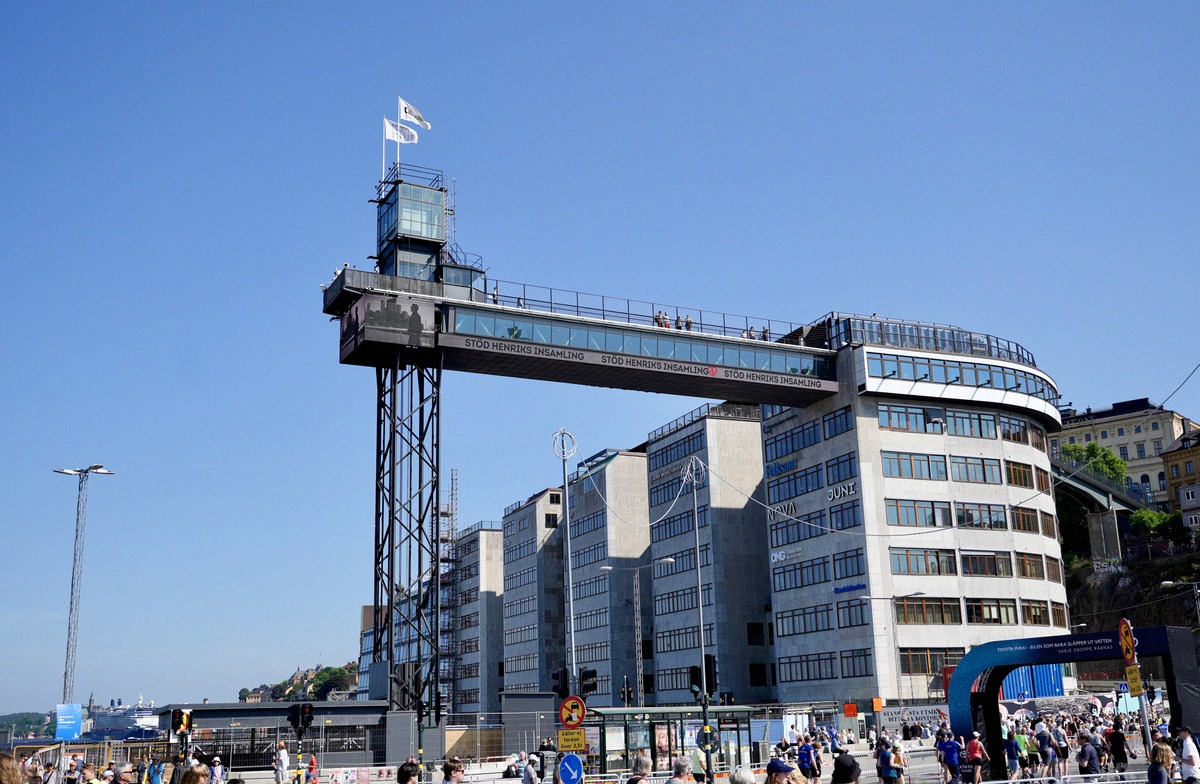
Free-standing lift tower on Katarinavägen: in under a minute you ride up free of charge to the walkway to Mosebacke, with a view over Slussen to Gamla Stan.
Contents
Katarinahissen is the shortest route from the waterfront road at Slussen up to the heights of Södermalm. If you want to reach Mosebacke torg without stairs, it saves you the climb, and if you just want to look, you get the view without paying. It is not worth a trip on its own, but it makes a good stop between Gamla Stan, the Stockholm City Museum (Stadsmuseet) and the viewpoint streets of Södermalm.
38 metres in under a minute
The cabin travels 38 metres up; at 1.6 metres per second it reaches the top in just over 20 seconds. Since the rebuild you board at quay level, because the shaft was extended downwards for the reopening. The cabin holds 33 people or 2,500 kilograms, and the lift can manage up to 180 trips an hour.
The machinery adapts to the weather. When the wind blows at 10 to 14 metres per second, the cabin only travels at one metre per second, and in stronger winds it is switched off. For the view, choose a calm day, when you will also want to linger at the top.
The walkway above Katarinavägen
At the top you step out onto Katarina gångbro, a steel walkway from 1936. Its structure is about 90 metres long and runs almost 26 metres above Katarinavägen. From almost 40 metres up you see both: the historic skyline of the city with Gamla Stan directly opposite, and the new road layout at Slussen. At this point a lock separates Lake Mälaren from Saltsjön, and the whole junction of waterways, roads and quaysides has been under reconstruction for years. From above you get a better overview of the construction site than from any street below.
Below you, Katarinavägen runs along the slope, and behind it is the quay of Stadsgården, where the waterfront road leads east. At the far end of the walkway you come out on Mosebacke torg. The ride is therefore most rewarding as a one-way trip: up in the cabin, across the walkway at the top and on foot from the square across the heights, rather than taking the lift back down.
From the first lift in 1883 to the reopening after the Slussen rebuild
Knut Lindmark was granted permission for a first lift in 1881, and it opened on 19 March 1883. It was electrified from 1915 and closed in 1933. Eskil Sundahl designed the current tower with the walkway together with Olof Thunström and Hjalmar Granholm, and it went into service in 1936. Film fans know it from the 1963 feature film “The Prize”.
In autumn 2010 the lift went out of service, and shortly afterwards the major rebuild of Slussen began. Only on 19 October 2023 at 08:00 did the cabin run again, after 13 years. The property company Atrium Ljungberg and the City of Stockholm own and manage it jointly. The lift is protected in the local development plan as being of cultural and historical value.
From Mosebacke to Katarina kyrka and down to the water
Down below, Slussen metro station on the green and red lines is only about 70 metres from the lift as the crow flies. From Gamla Stan you walk across Slussen and are at the foot of the tower within a few minutes. The Stockholm City Museum at Ryssgården is about 150 metres away. Admission to its exhibitions on the city's history is free, so the museum works well before or after the ride, even for half an hour.
From Mosebacke torg it is a good 200 metres as the crow flies to Katarina kyrka, whose dome rises above the rooftops of the neighbourhood. If you would rather stay by the water, walk east along Stadsgården below: Fotografiska is on the quay about 800 metres from Slussen and stays open until late in the evening. More views await at Fjällgatan in the east and Monteliusvägen in the west of the island.
Frequently asked questions
Does a ride on Katarinahissen cost anything? +
How do I get onto the walkway when the lift is not running? +
How are Katarinahissen and Gondolen connected? +
Can I reach the roof terraces of Katarinahuset with Katarinahissen? +
Nearby
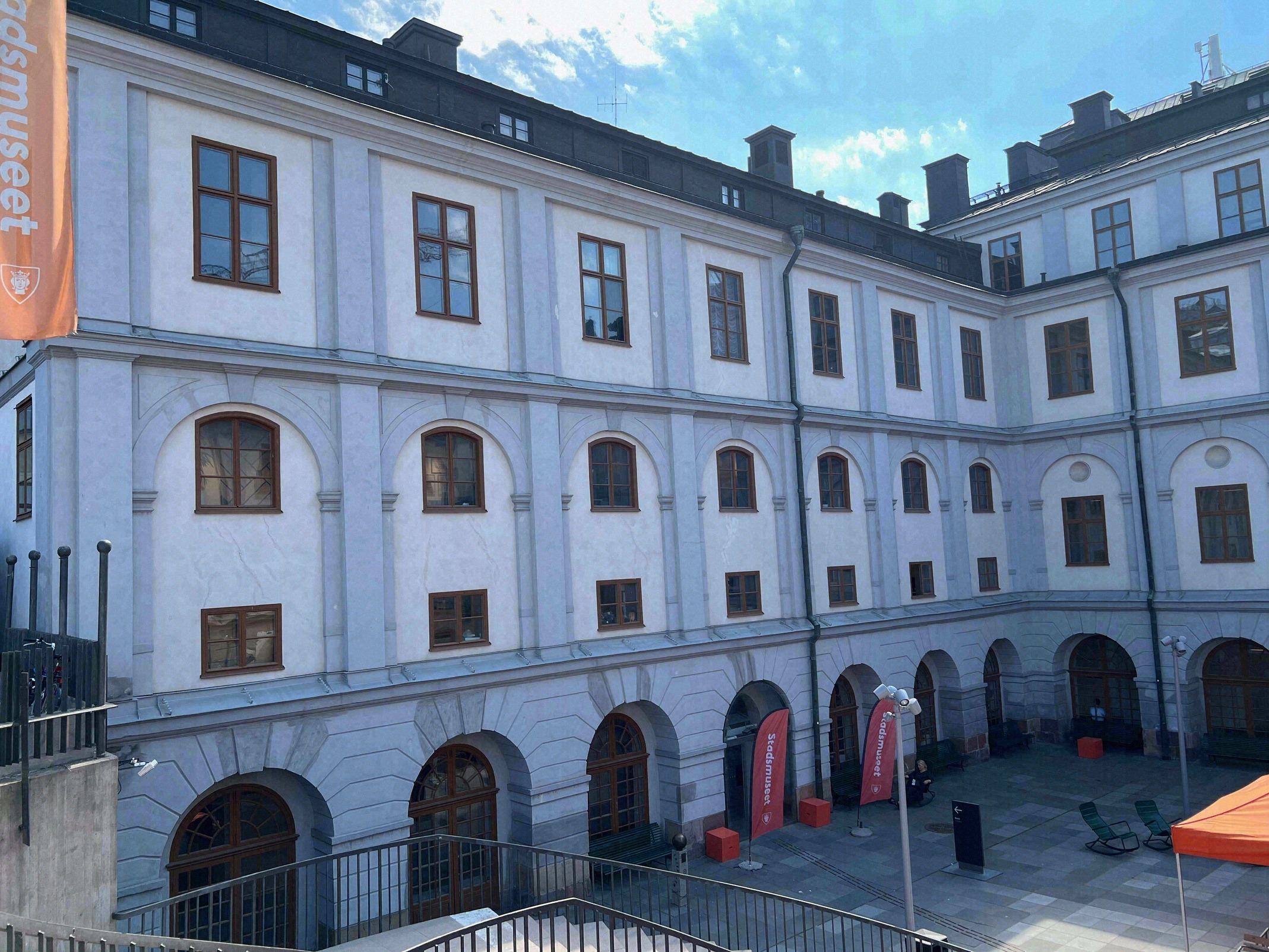
Stockholm City Museum
In Södra stadshuset, completed in 1680 at Slussen, the Stockholm City Museum (Stadsmuseet) shows on three floors how a small settlement on the edge of northern Europe became today's capital. Admission is free.
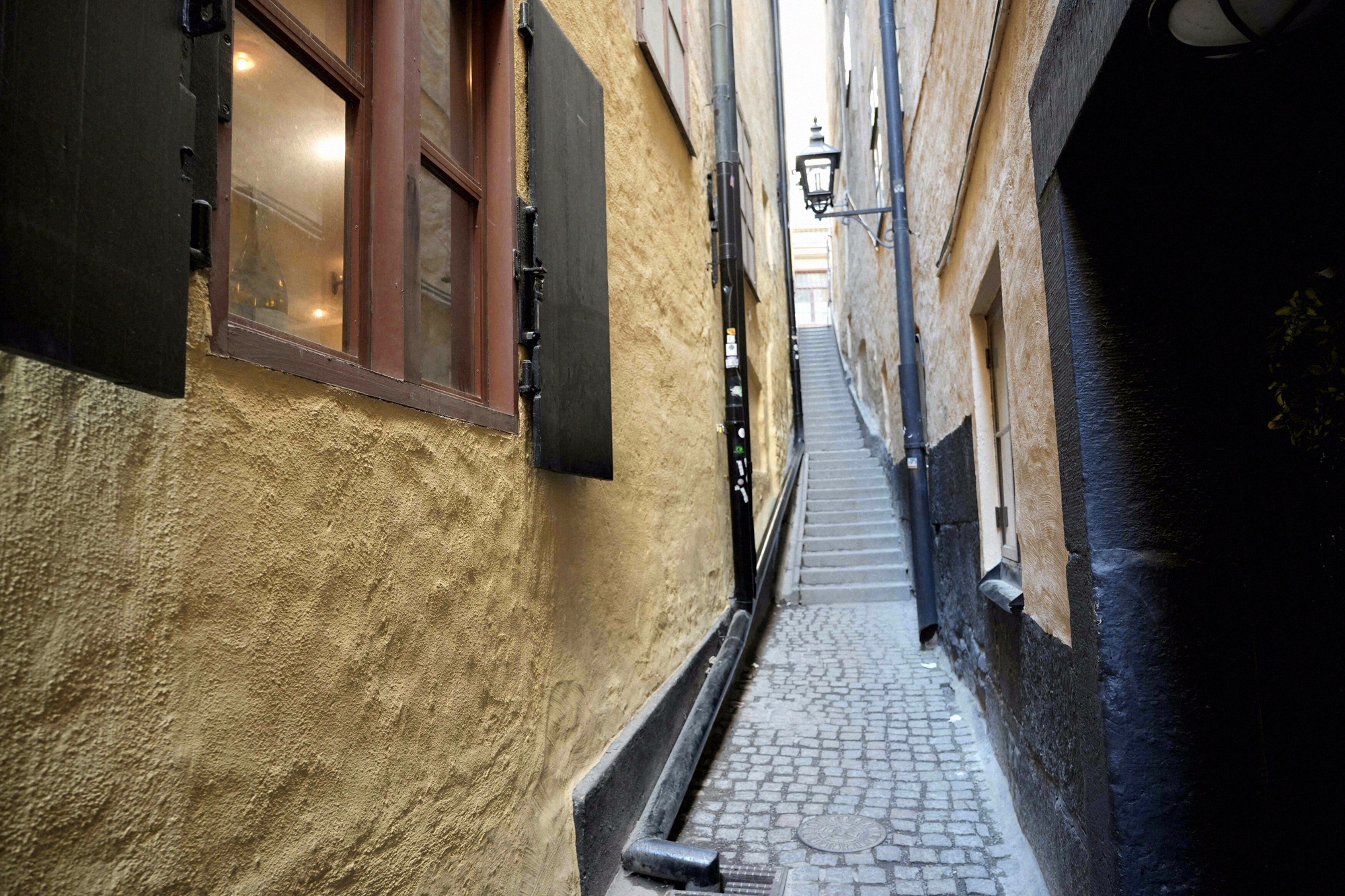
Mårten Trotzigs gränd
Stepped lane in the south of Gamla Stan, 90 centimetres wide at its narrowest point, named after a merchant from Wittenberg who bought plots here around 1600.
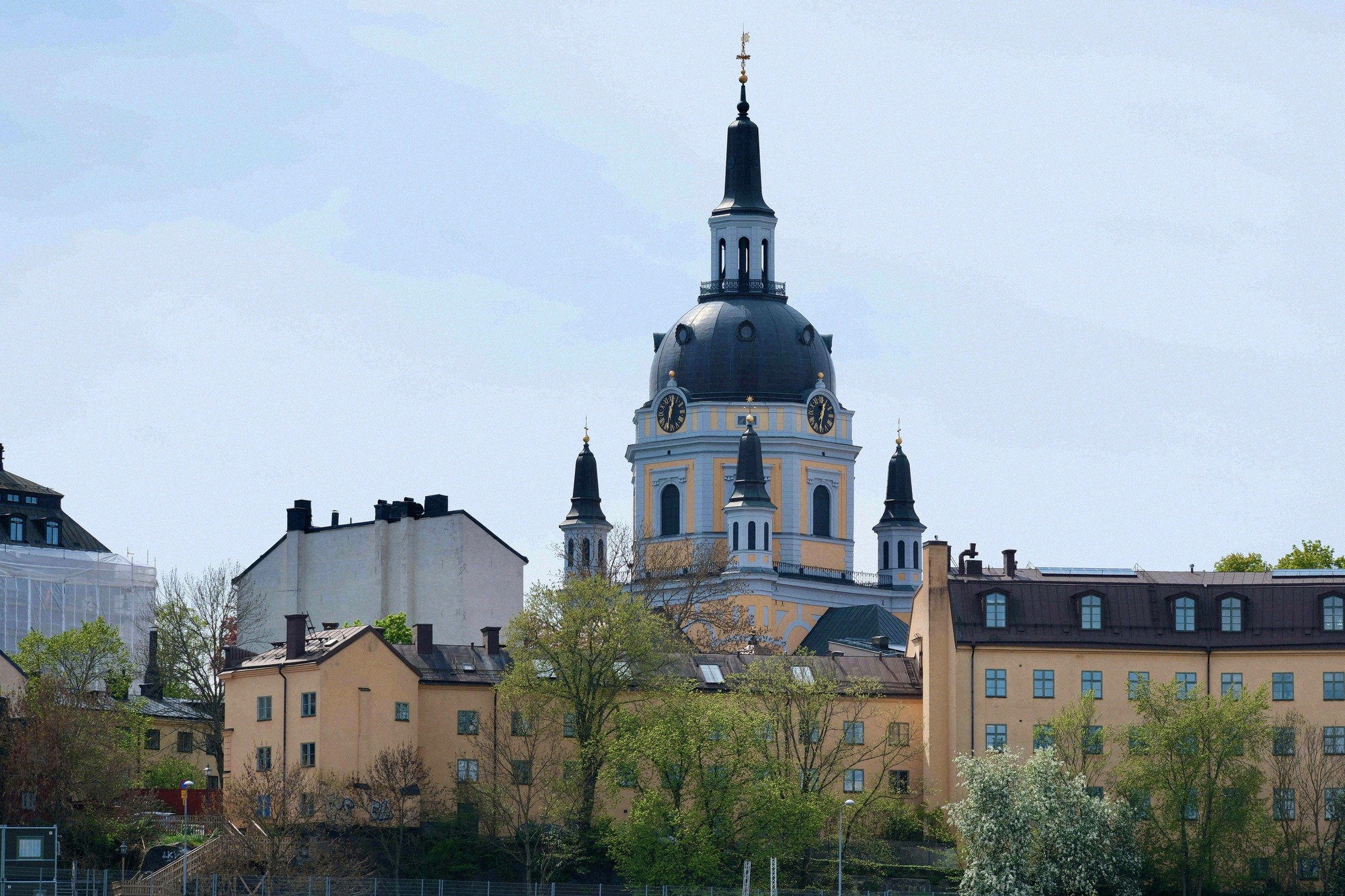
Katarina kyrka
The domed church in eastern Södermalm was rebuilt after the 1990 fire using 17th-century techniques. Anna Lindh and Tomas Tranströmer are buried in the churchyard.
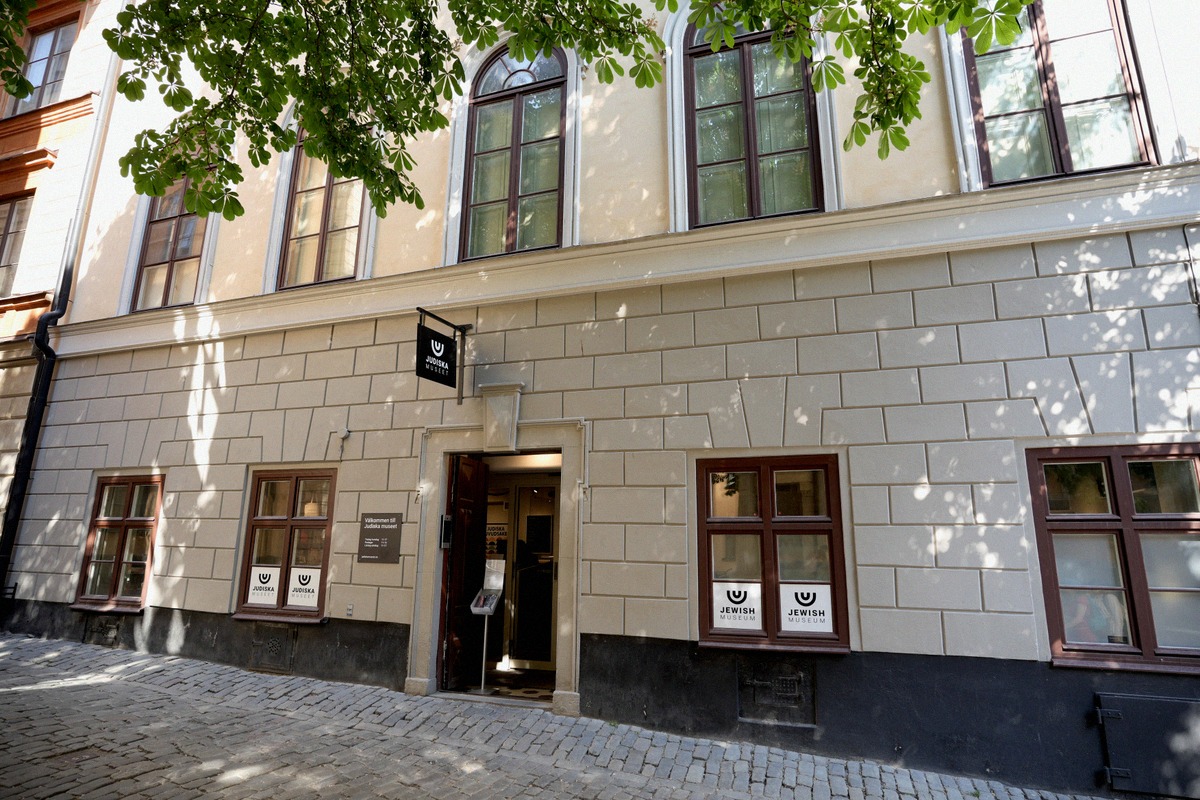
Jewish Museum
In 1795 the congregation set up its synagogue in a former auction house. Since 2019 the museum there has shown how Jews came to Sweden and how they lived here.
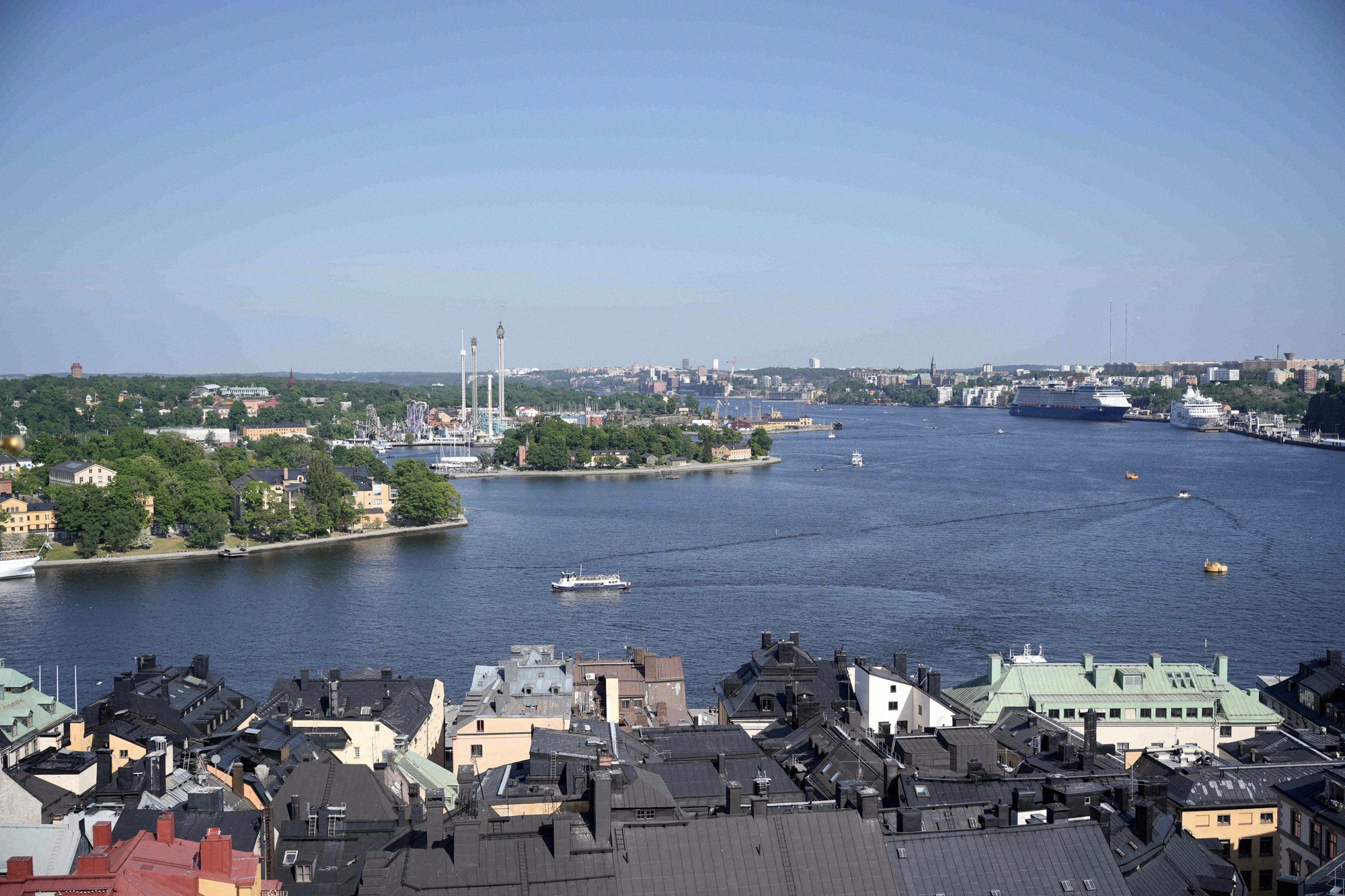
German Church (Tyska kyrkan)
Church of the German congregation in Gamla Stan with a 96-metre tower, Baroque altar and royal gallery, open to visitors Friday to Sunday.
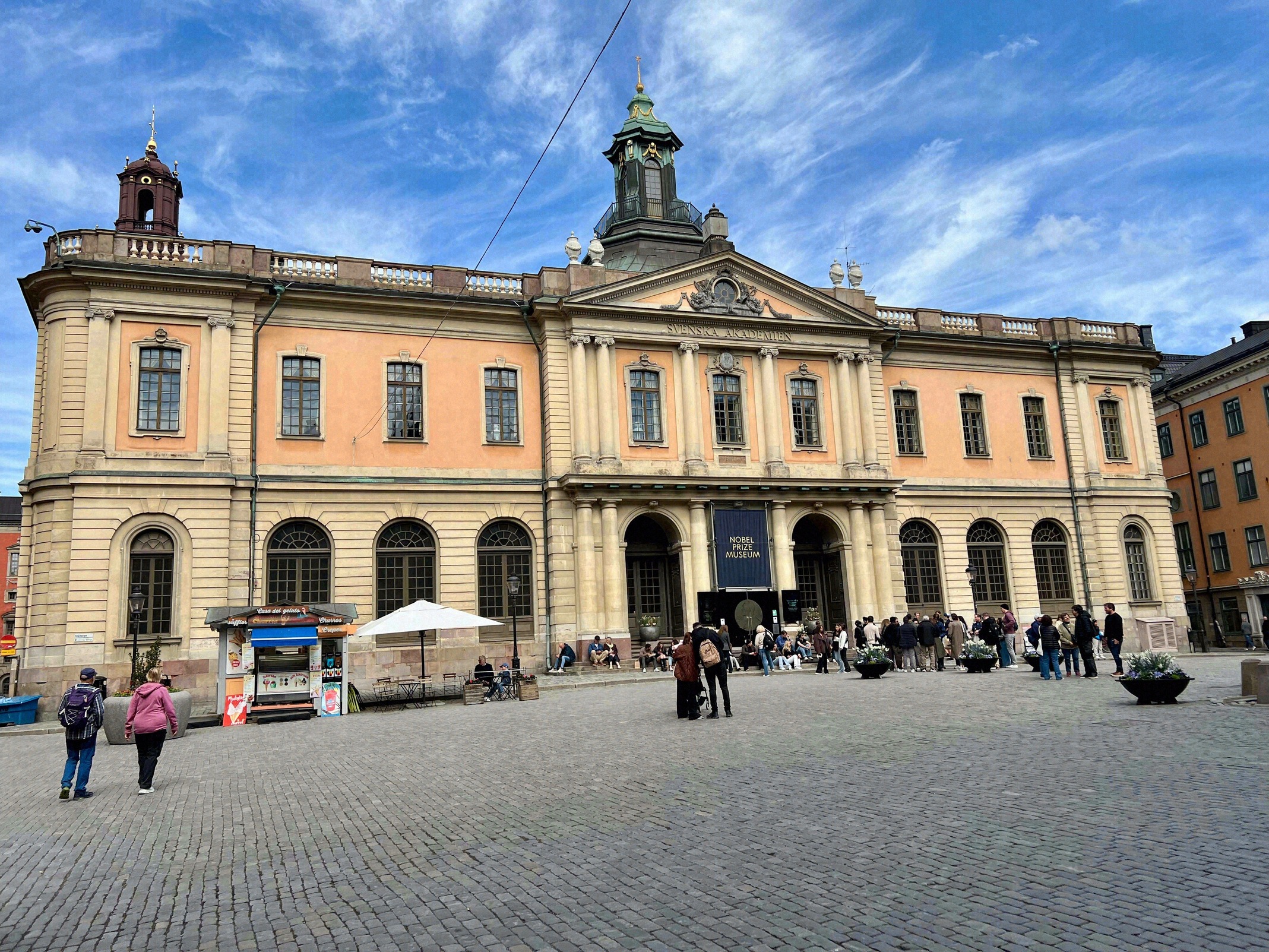
Nobel Prize Museum
The Nobel Prize Museum on Stortorget shows what laureates have given to the museum, including the scarf Malala Yousafzai wore at the UN on her 16th birthday.