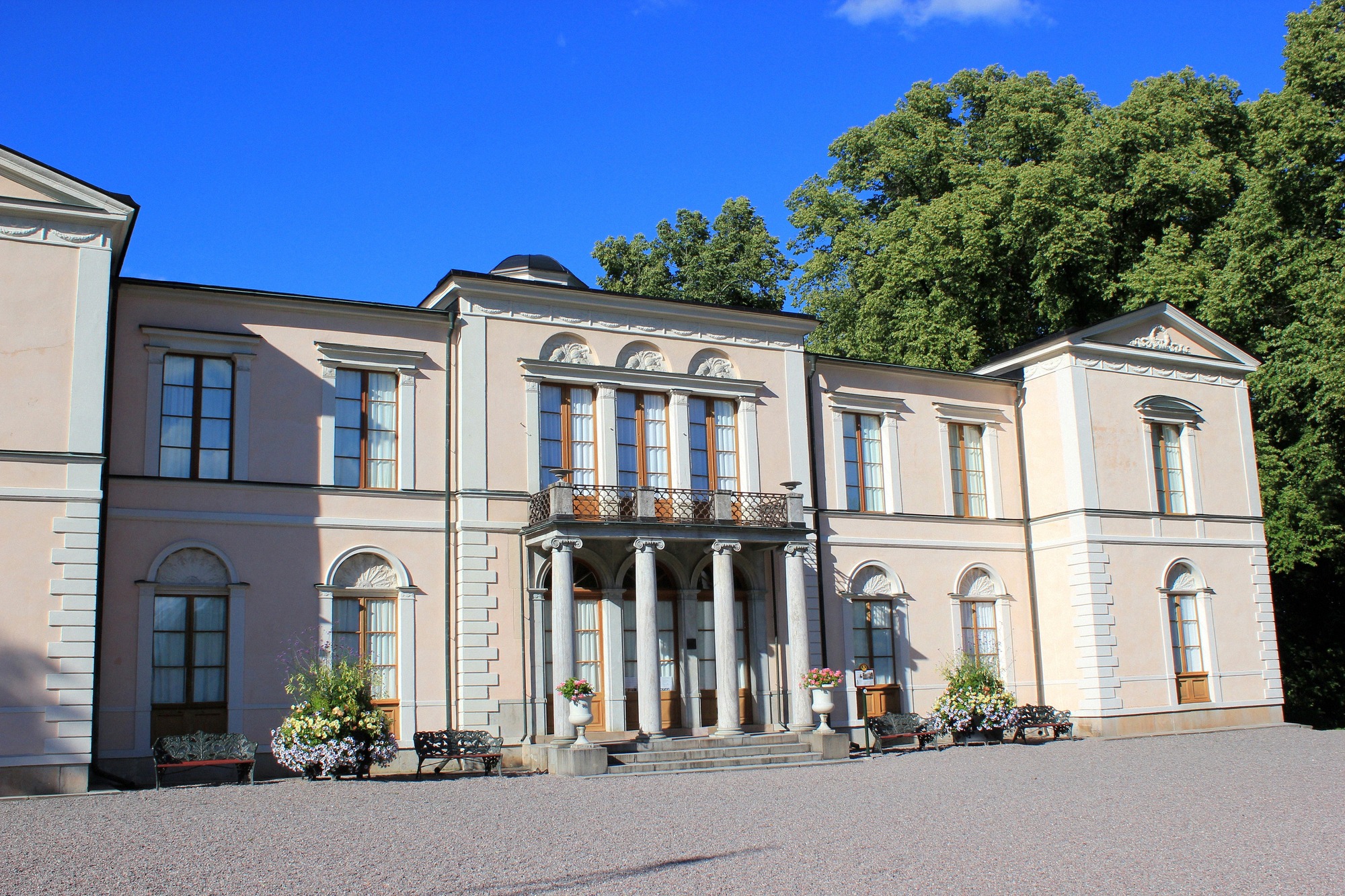
Rosendal Palace
Empire-style summer palace on Djurgården
Rosendals slott on Djurgården - Karl XIV Johan's Empire-style summer palace, preserved in the Karl Johan style and open only in summer by guided tour.
Contents
A summer palace in the Empire style
Rosendal Palace (Rosendals slott) stands a little apart, at the northern edge of Djurgården, behind the open-air museum Skansen. It is one of the royal palaces managed by the Kungliga slotten (the Royal Court), and is considered a key work of Sweden's Empire style, known locally as the Karl Johan style.
Unlike the ceremonial Royal Palace in Gamla Stan, Rosendal was never a seat of power but a private retreat, a summer pleasure palace built for King Karl XIV Johan, the founder of the House of Bernadotte. Visitors exploring the quiet, green expanse of Djurgården will find here a small, self-contained estate rather than a large museum complex.
King Karl XIV Johan and the Karl Johan style
Karl XIV Johan, born Jean-Baptiste Bernadotte, one of Napoleon's marshals, had a summer residence built on Djurgården in the taste of his era. The restrained, Neoclassical Empire style left such a mark on the building that the Swedish variant is still known simply as the Karl Johan style.
What makes it special: the interiors have remained largely unchanged since the 19th century. The original furnishings, furniture, textiles and decor in the Empire taste, make Rosendal less a reconstructed showpiece than a preserved slice of early-19th-century domestic life. That is precisely why the palace can only be seen on a guided tour: the fragile original fabric is not opened up for unaccompanied visits.
What to expect, guided tours only
The palace cannot be explored independently. Visits run exclusively via a guided tour of around 45 minutes, included in the admission price, taking in the preserved living and reception rooms. Tours run in Swedish and English, at 12:00, 13:00, 14:00 and 15:00.
- The tour opens up the original Karl Johan-style interiors, furnished as they were.
- Larger groups should book ahead through the official booking system.
- Visitors who prefer not to join a tour, or who arrive outside the summer season, will only see the building and surrounding park from the outside, in that case the freely accessible garden next door is the better option.
An honest assessment: Rosendal is a niche interest. Anyone drawn to Empire-era interiors or the Bernadotte story will get a rich, authentic experience. Travellers with limited time in Stockholm are usually better served by the bigger houses on Djurgården - the Vasa Museum, Skansen or Nordiska museet.
Rosendals trädgård, garden and café
Right beside the palace lies Rosendals trädgård ("Rosendal's garden"), a garden with flower beds, orchard meadows, a tree nursery and greenhouses. It was laid out in the 19th and early 20th centuries and is today run by its own foundation (Stiftelsen Rosendals Trädgård), meaning it is organisationally separate from the palace.
The garden café is a popular destination in its own right, baking with produce grown in the garden itself. The garden is open Monday to Thursday from 11:00 to 16:00 and Friday to Sunday from 11:00 to 17:00; it stays closed over Midsummer weekend (19-21 June). The foundation does not state a fixed admission fee, asking instead for a voluntary donation or entrance fee. Because the garden keeps noticeably longer hours and stays open outside the palace season too, for many visitors it is the real reason to come to Rosendal at all.
Visiting, tickets and getting there
The palace is open only in summer (June to August) on listed days, each day from 12:00 to 16:00, mainly weekends in June, and usually Tuesday to Sunday in July and August. The exact list of opening days is published each year on the official website. Allow around 45 minutes for the tour itself, or 1.5 to 2 hours with the garden and café included.
Admission costs 140 SEK (adults), 70 SEK (young people aged 7 to 17) and 120 SEK (students); children under 6 go free. The guided tour is included in the price. An annual pass for the Kungliga slotten, covering all the royal palaces, costs 500 SEK. Tickets are available in advance via the official booking page, with current times and opening days on kungligaslotten.se.
The address is Rosendalsvägen 49 on Djurgården. The simplest route is tram 7 to Bellmansro, from where the palace is signposted. Alternatively, take bus 67 from Karlaplan to Bellmansro, or bus 69 to Museiparken and walk from there across the Folke Bernadotte bridge. From Djurgårdsbron it is about a kilometre on foot.
A visit pairs well with the green northern half of Djurgården. For an overview of the neighbourhood, see Djurgården; for help deciding which sights are worth your time, see the guide to Stockholm's attractions by location.
Frequently asked questions
Can you visit Rosendal Palace without a guided tour? +
When is Rosendal Palace open? +
How much does admission cost? +
How do I get to Rosendal Palace? +
Is the garden part of the palace? +
Nearby
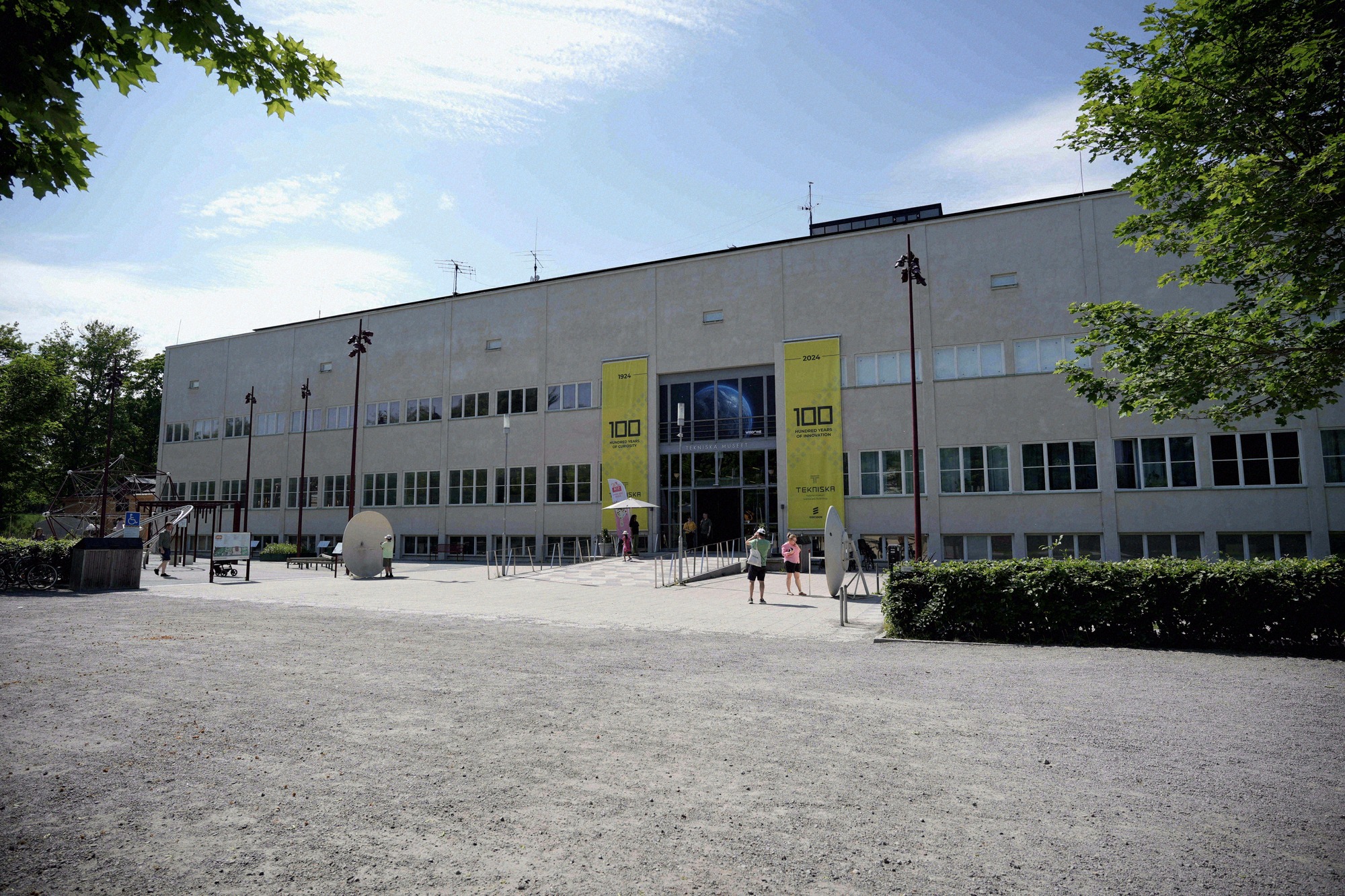
Tekniska Museet
Sweden's national museum of science and technology on Gärdet, with hands-on exhibits like MegaMind, the full-dome cinema Wisdome and a programme for families and adults alike.
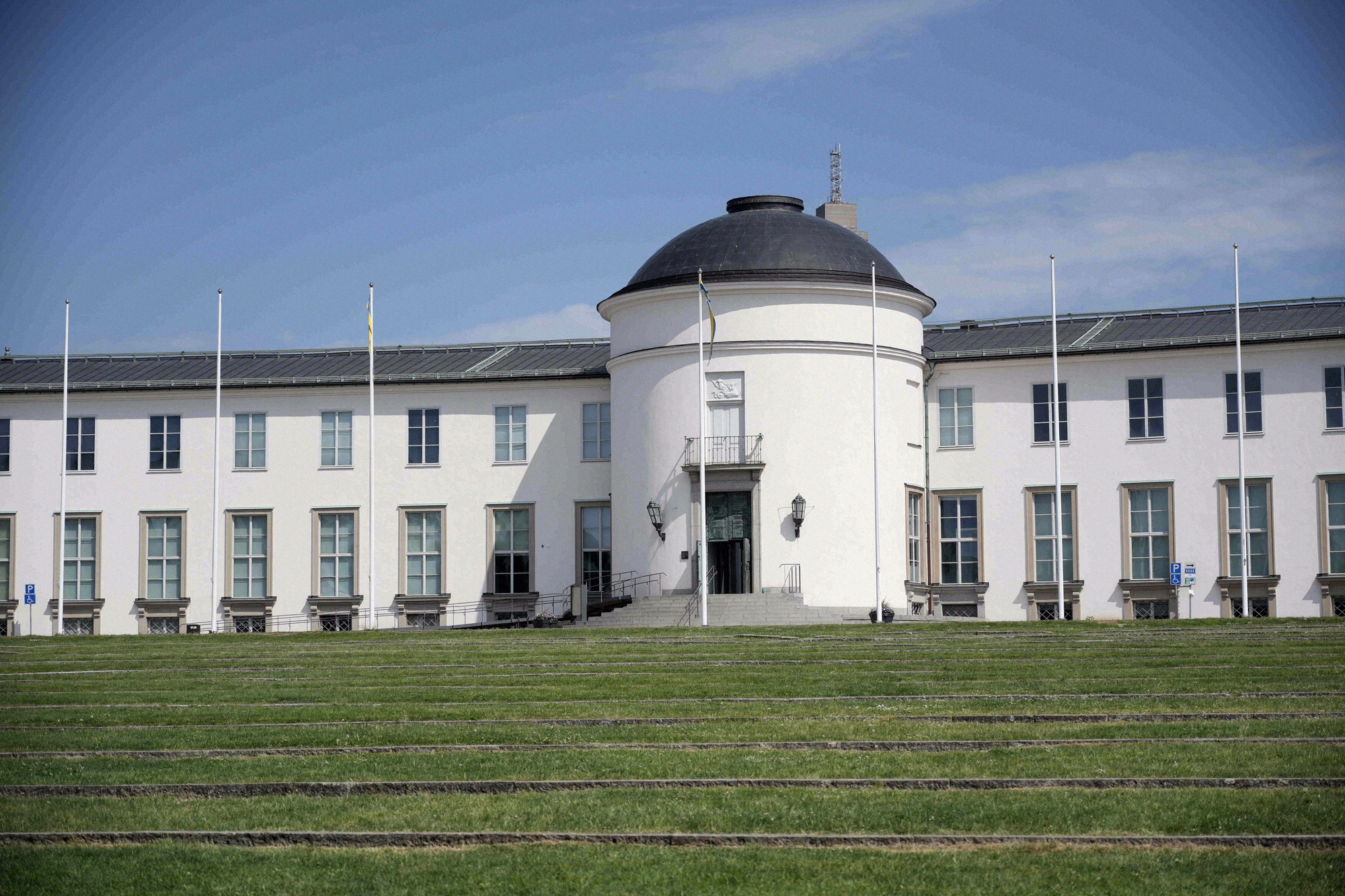
Sjöhistoriska museet
The Sjöhistoriska museet on Djurgårdsbrunnsviken tells Sweden's maritime and naval history, with the original stern of the 1778 royal yacht Amphion as its centrepiece.
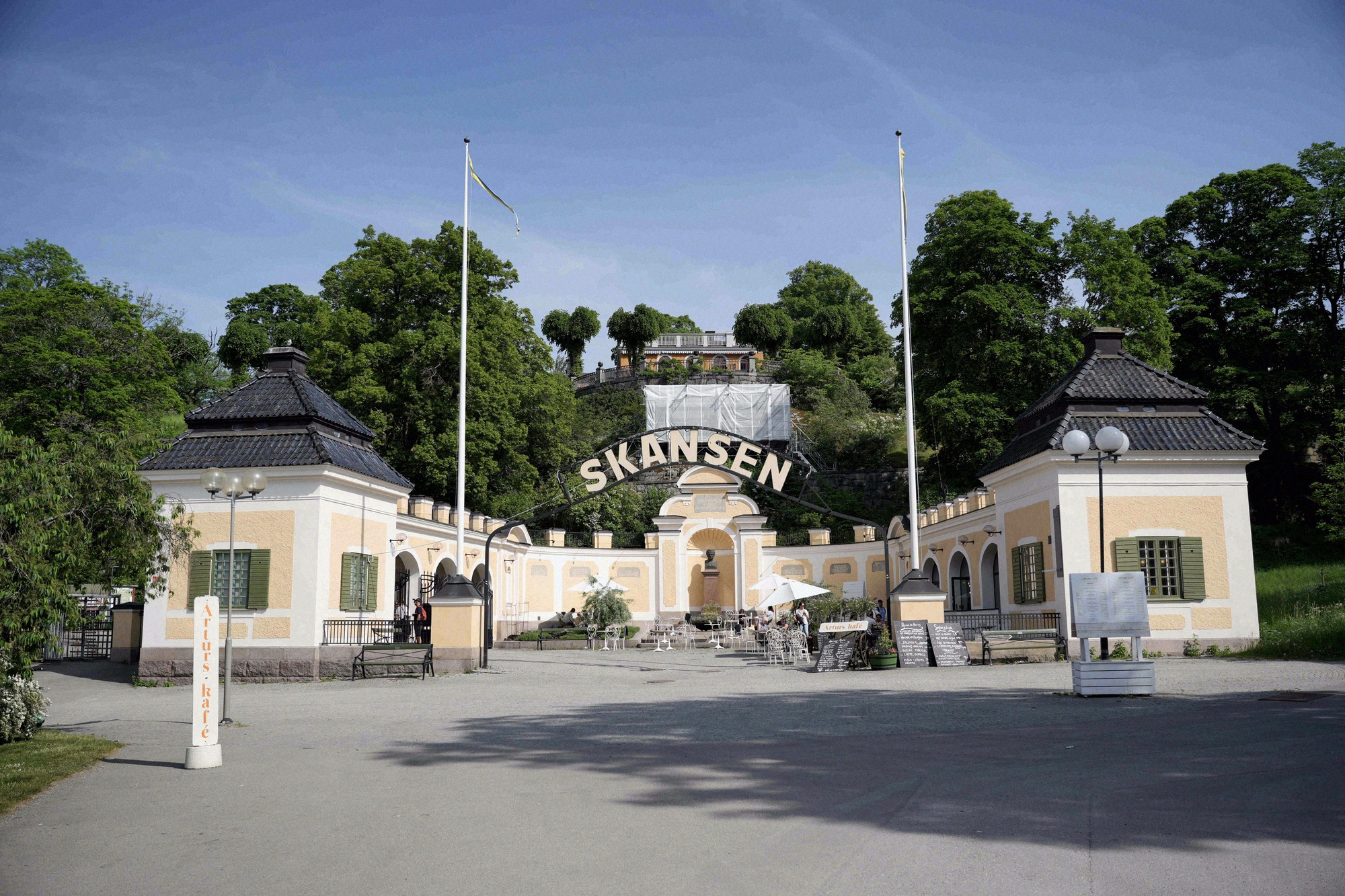
Skansen
Founded in 1891, the world's oldest open-air museum on Djurgården, around 150 historic houses from all over Sweden, a Nordic wildlife park and traditional crafts.
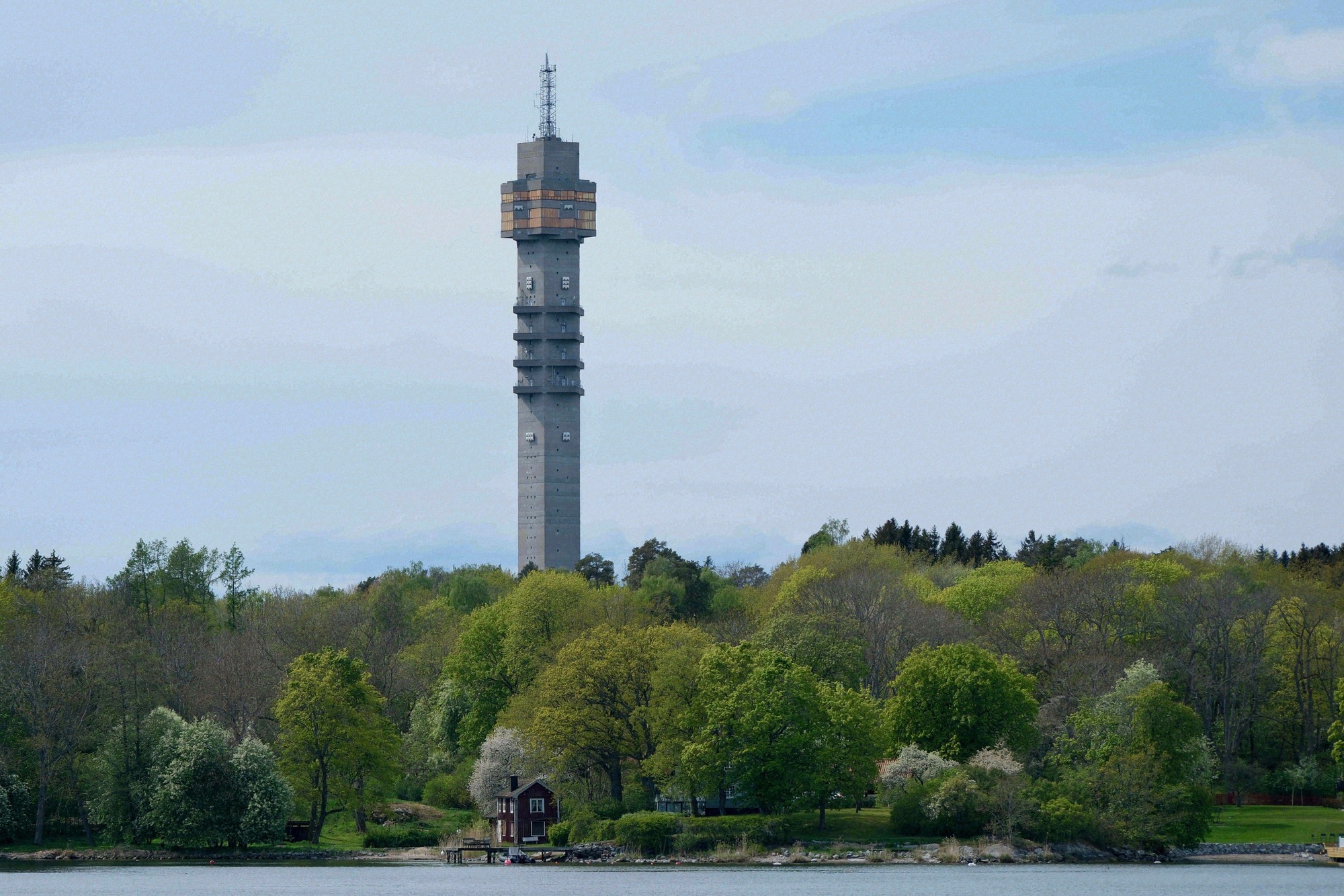
Kaknästornet
The 155-metre television tower in Gärdet was long Stockholm's best viewpoint. Since 2018, Kaknästornet has been permanently closed to visitors.
Liljevalchs konsthall
Municipal art gallery on Djurgården, in the 1916 Bergsten building plus the glass-bottle Liljevalchs+ wing. Changing exhibitions and the Vårsalongen since 1921.
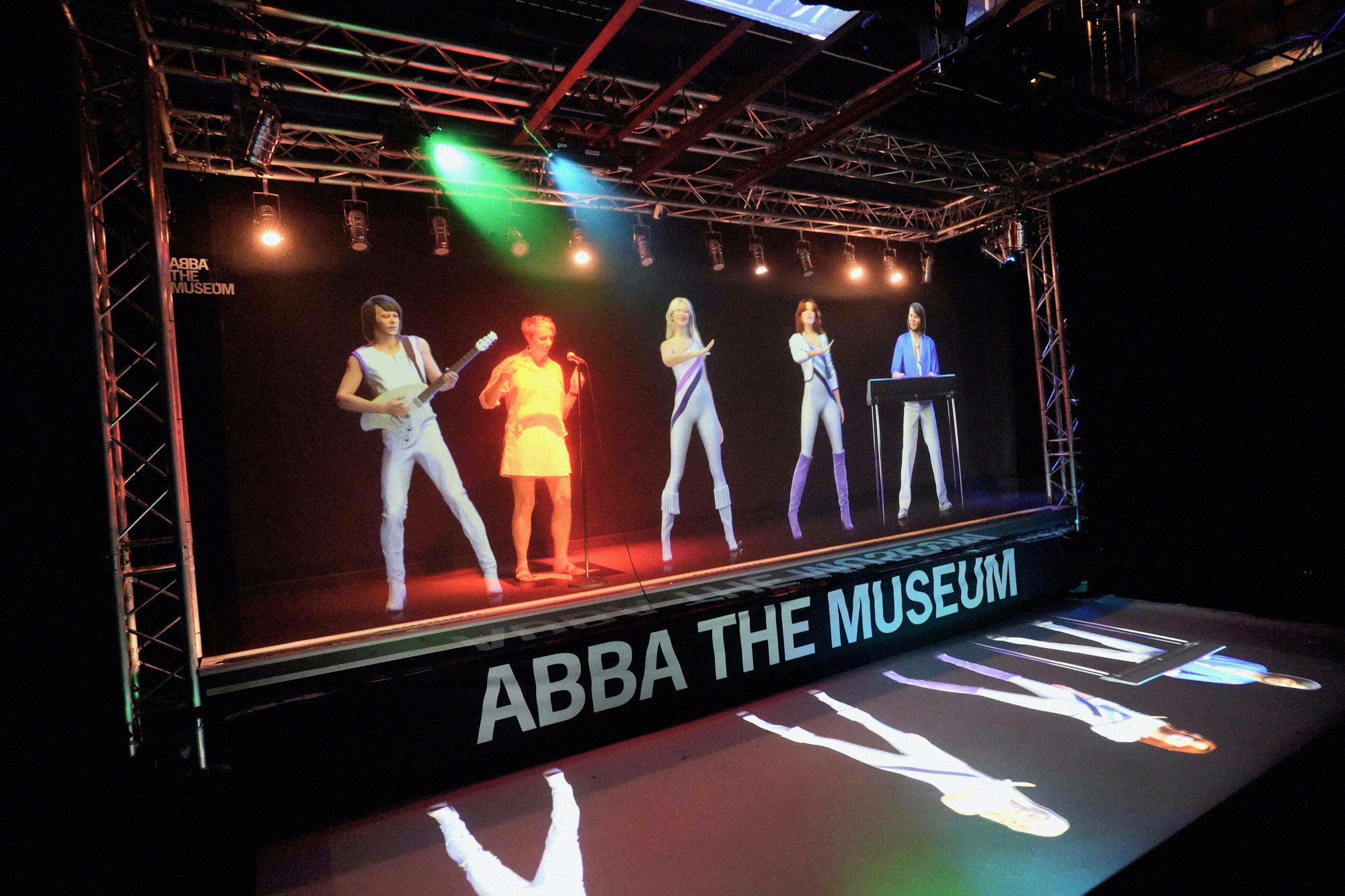
ABBA Museum
ABBA The Museum on Djurgården celebrates Sweden's most famous pop band: original costumes and stage recreations alongside a karaoke booth, hologram stage and mixing station.