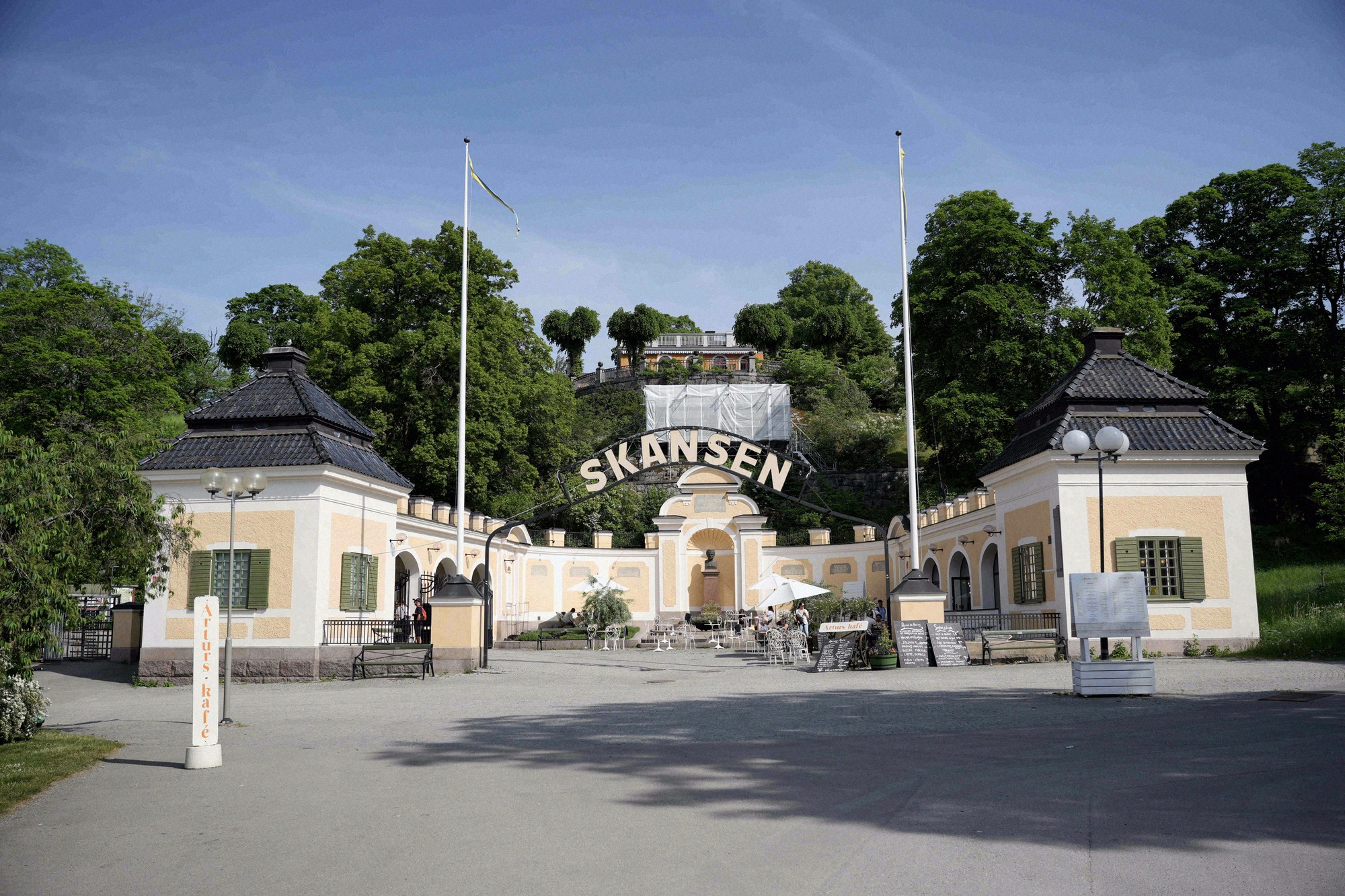
Artur Hazelius opened Skansen in 1891 as the world's oldest open-air museum. Today around 140 buildings from all over Sweden stand on 30 hectares, and in the workshops you can watch craftspeople at work. Skansen is a good choice for families, since children up to 15 get in free, and for anyone who wants to see how people in Sweden used to live and work.
A living museum since 1891
Hazelius was a linguist and a champion of popular education. His motto was "Know thyself": if you know history, you understand your own present better. In 1885 he bought the Moragården farm, the first building of the future museum, and then had houses from every part of the country moved to Skansenberget. Skansen opened on 11 October 1891.
At first the houses were filled with dolls in traditional dress. Later they were replaced by people demonstrating spinning and weaving, because Hazelius wanted a living museum. That still sets Skansen apart from a museum of display cases. Animals were part of it from the start: in 1911, 261 species of mammals and birds lived here, more than ever since. In 1918 the first European bison calf was born at Skansen, and in 1929 two bison went to Białowieża in Poland to reintroduce the species there. Hazelius died on 27 May 1901 and is buried on the grounds.
Farmsteads, a church and a town quarter
The buildings span several centuries. The Skogaholm manor house was built around 1690, and Seglora church was consecrated in 1730. Today it is a popular wedding church, and Skansen's horses take the bridal couples there. The Delsbo farmstead dates from around 1850; in August, on special days, people there show how linen and wool are processed.
The Stadskvarteren town quarter recreates a medium-sized 19th-century Swedish town. The small bakery shows what a town bakery looked like in the 1870s. Until 1948 it stood on Gotlandsgatan on Södermalm, and today you can buy cinnamon buns and coffee to take away there, baked with organic ingredients.
In the pottery, stoneware is thrown on the wheel as it has been since the 19th century, and you can have a go yourself. Only pieces made on site are sold. In the glassworks you can watch glassblowers; the typical product is Skansen glass with a crackle pattern, made here since 1933. Other workshops belong to a bookbinder and a goldsmith.
Nordic animals and a children's zoo
The zoo is home almost exclusively to Nordic species: brown bear and elk, lynx and wolverine, grey seal and harbour seal, arctic fox, otter and reindeer, plus eagle owl and great grey owl. Old Swedish breeds of domestic animals live on the farms. In spring the bears emerge from hibernation, and kids and lambs leap about in the meadows.
In the early afternoon there are short animal talks of 15 minutes each, at 12:30 about the horses and at 14:00 about the seals. At 13:30 a keeper introduces themselves at the Lill-Skansen children's zoo. Lill-Skansen has existed since 1955 and has been open all year since 2012. The aquarium was added in 1978, with a tropical house including a rainforest. For more ideas for a day with children, see Stockholm with kids.
Festivals from Walpurgis to Advent
In spring Skansen celebrates Walpurgis Night on 30 April: students sing, then the big bonfire is lit. On Sweden's National Day, 6 June, the royal family appears on the Solliden stage. At Midsummer the cattle are driven from Moragården to the summer pasture and the maypole is raised. All summer there are concerts on Solliden, and on Tuesdays the televised sing-along "Allsång på Skansen" takes place. The autumn market follows on the last weekend of September.
The Christmas market has been held since 1903, from the first weekend of Advent to the fourth Sunday of Advent, Fridays to Sundays. At the stalls you'll find crafts and design, sweets and handmade candles, plus waffles and glögg (mulled wine). In some historic houses, festive tables from different eras are laid. Lucia is celebrated on 13 December, and the Lucia concert in Seglora church has separate tickets. On New Year's Eve the year ends with a programme on Solliden and fireworks over the water.
Opening hours and day ticket
Skansen is open all year, with hours that follow the season:
Period
Opening hours
Early November to late March
Mon-Fri 10:00-15:00, Sat-Sun 10:00-16:00
Late March to late April
daily 10:00-16:00
May
daily 10:00-17:00
June to late August
daily 10:00-18:00
September
daily 10:00-17:00
October
daily 10:00-16:00
On Christmas market weekends Skansen stays open until 17:00 on Fridays and Saturdays, and until 16:00 daily during the Christmas holidays. On Walpurgis Night, on 6 June and on the Tuesdays with the sing-along concert, it is open later in the evening.
Skansen sets its day price by season. Tickets are cheapest online and cost a little more at the entrances. Students get a discount with ID, and the senior rate is only available with proof of a disability pension. You can cancel a booked day ticket free of charge until the day before. Allow half a day, as the grounds stretch across the whole hill.
By tram 7 or ferry
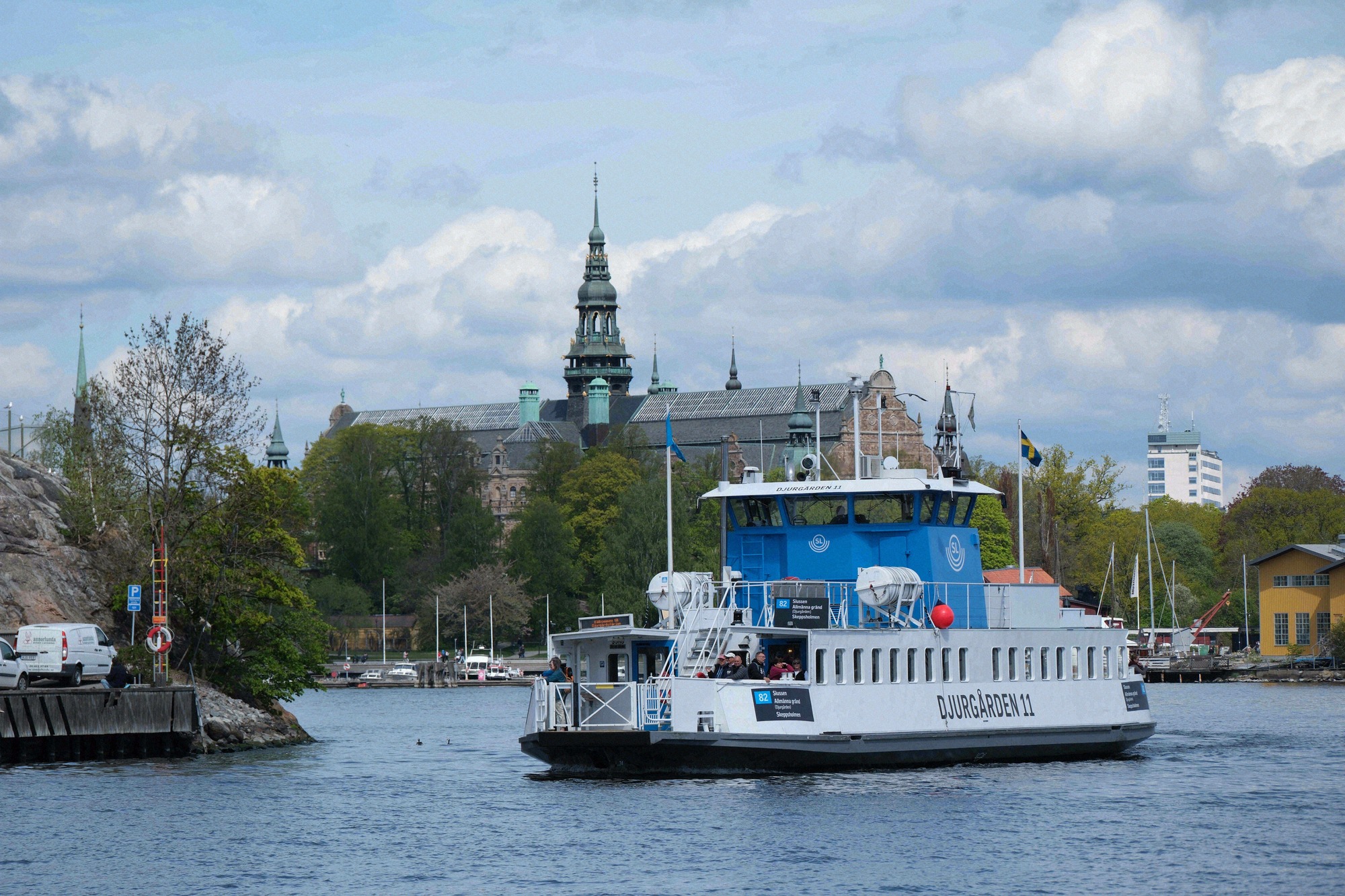
Tram 7 runs from T-Centralen across Djurgården to the Skansen stop, and bus 67 runs from Odenplan to Skansen. Buses 69 and 76 take you to the Djurgårdsbron, from where you walk the last 950 metres along Djurgårdsvägen, about ten minutes. By ferry you reach Allmänna gränd, 400 metres from Skansen, from Slussen (line 82) or from Nybroplan (line 80). If you come by car, park in the Gallerian car park at Hamngatan 37 or on Narvavägen near the Djurgårdsbron. Disabled parking spaces are reached via the Solliden entrance, and taxis stop at Sollidsbacken 9. For SL fares and zones, see public transport in Stockholm.
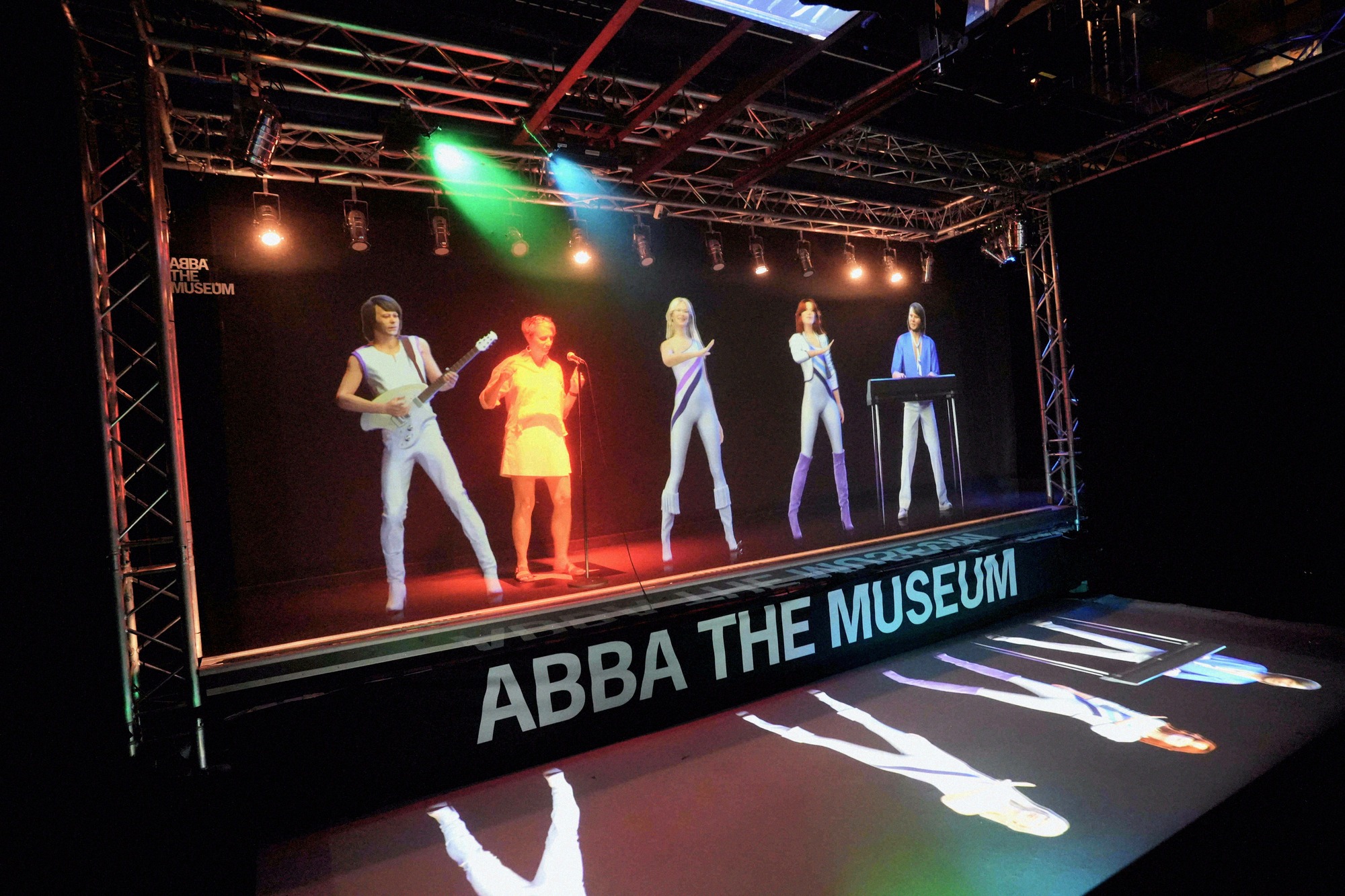
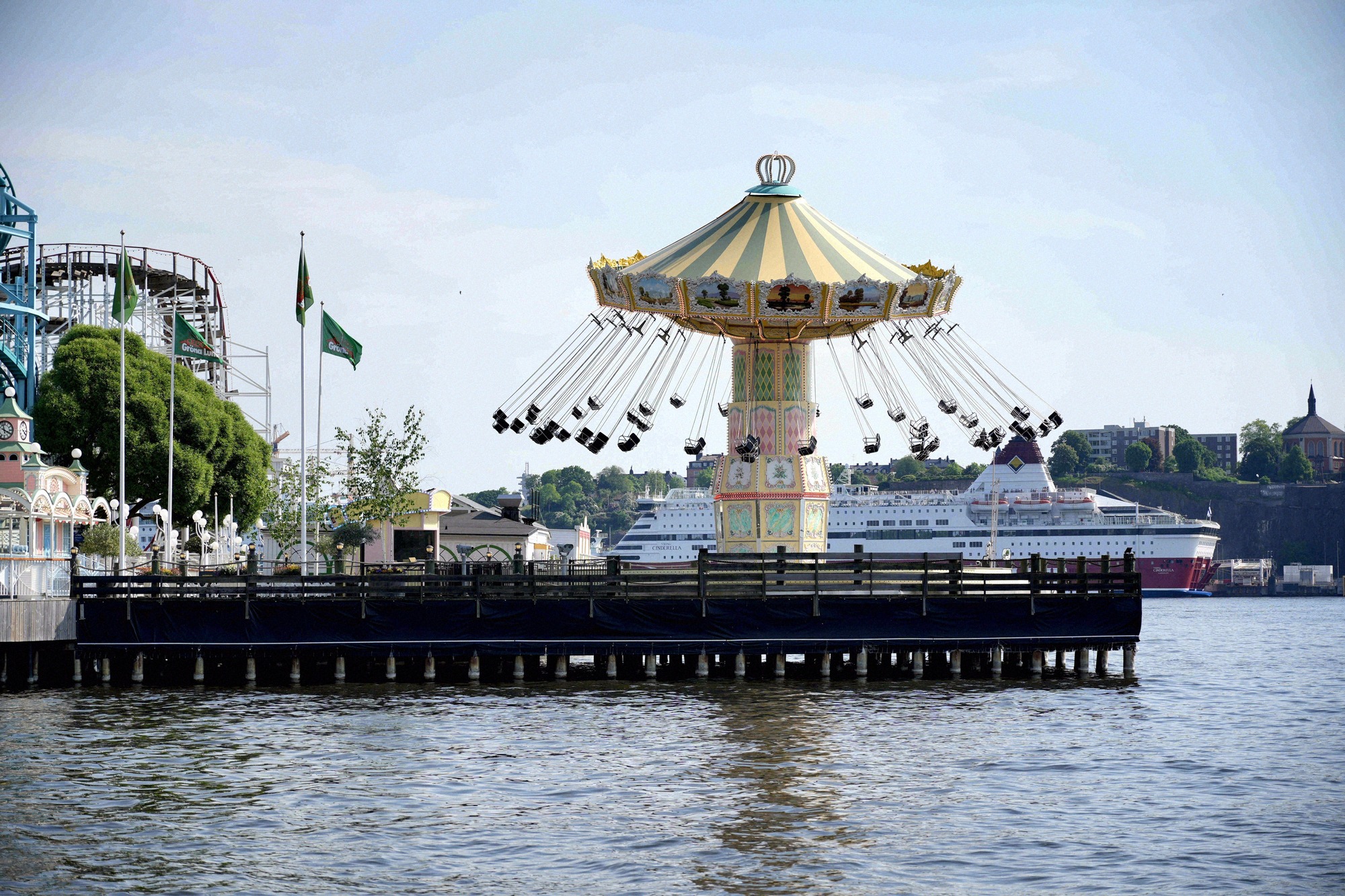
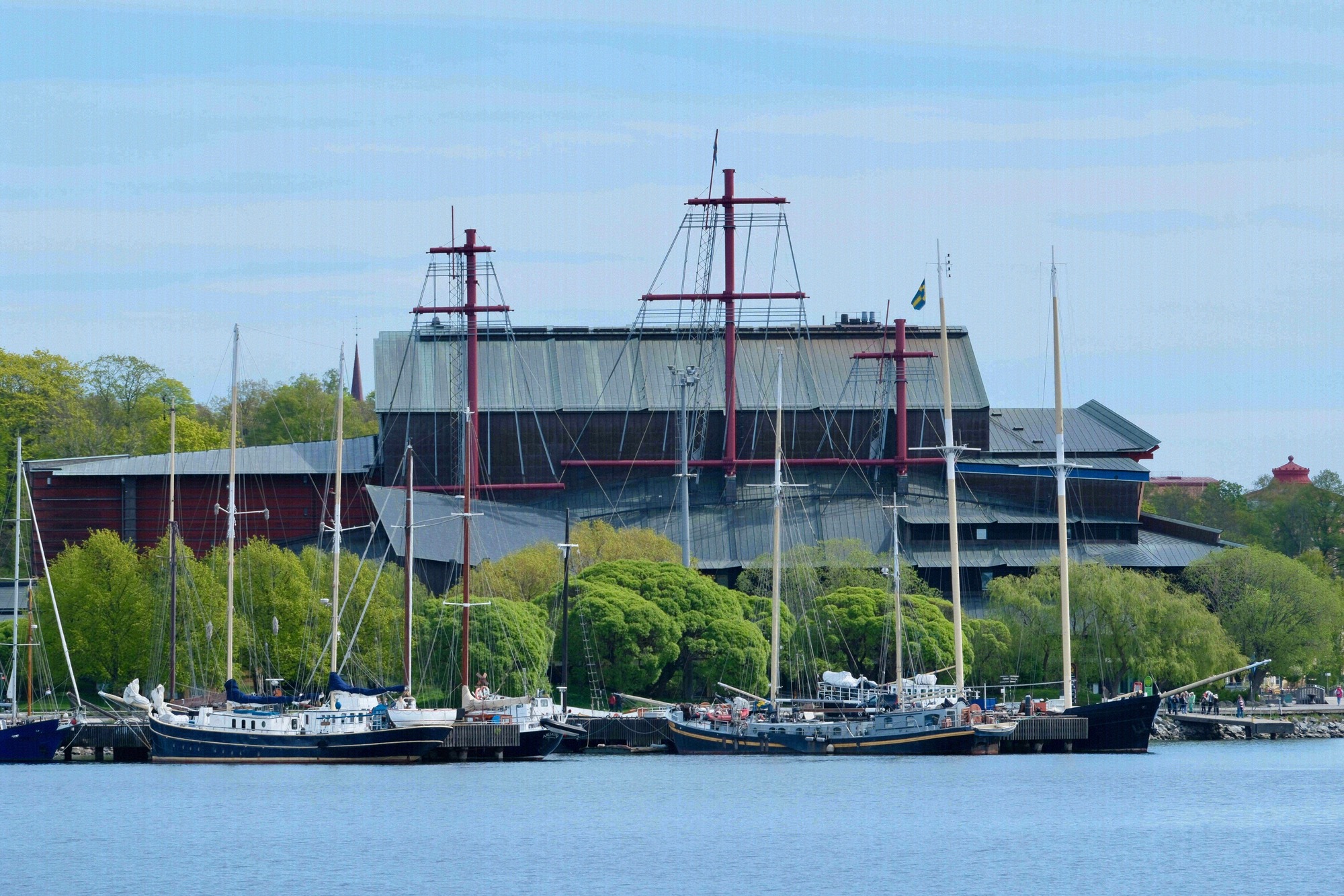
On the walk to the entrance you pass the Gröna Lund amusement park, and one stop before it is the Liljevalchs art gallery. Right next to Gröna Lund is ABBA The Museum. If you combine Skansen with the Vasa Museum, your day is full. For everything else the island offers, see Djurgården.
Frequently asked questions
Do children need a ticket even though they get in free? +
Yes. Children up to 15 pay nothing but need a free ticket. You add it to an adult ticket online or pick it up at the entrance. Children under 13 must be accompanied by an adult, and 13- to 15-year-olds are also better off with an adult.
Is the aquarium included in admission? +
No, you pay for the Skansen Aquarium separately at its own ticket desk on the grounds. The day ticket does include the Lill-Skansen children's zoo and the Baltic Sea Science Center, an exhibition about the Baltic Sea.
Is the Skansen annual pass worth it? +
It pays for itself by your second visit within twelve months. You activate it on your first visit, no later than three months after purchase, and register your contact details before your second visit. The pass also gives you a discount in Skansen's shops and restaurants.
Is there a railway up the Skansen hill? +
Yes, the Bergbanan funicular has run up from the Hazelius Gate since 1897, climbing around 35 metres over 196 metres of track. It operates over Easter and at weekends in April, then daily, and costs extra for everyone over four.
Do Skansen and Nordiska museet belong together? +
Both go back to Artur Hazelius. In 1880 he founded the foundation that became Nordiska museet, and in 1891 he opened Skansen. Until 1963 Skansen was organisationally part of Nordiska museet; since then it has been a foundation of its own. Nordiska museet is on your way if you walk from the Djurgårdsbron.