Stockholm Archipelago
Islands off the city with Vaxholm & Sandhamn
Some 30,000 islands and skerries off Stockholm, from close-in Fjäderholmarna and Vaxholm to the sailing hub of Sandhamn, with journey times and 2026 fares.
Contents
One of the world's largest archipelagos
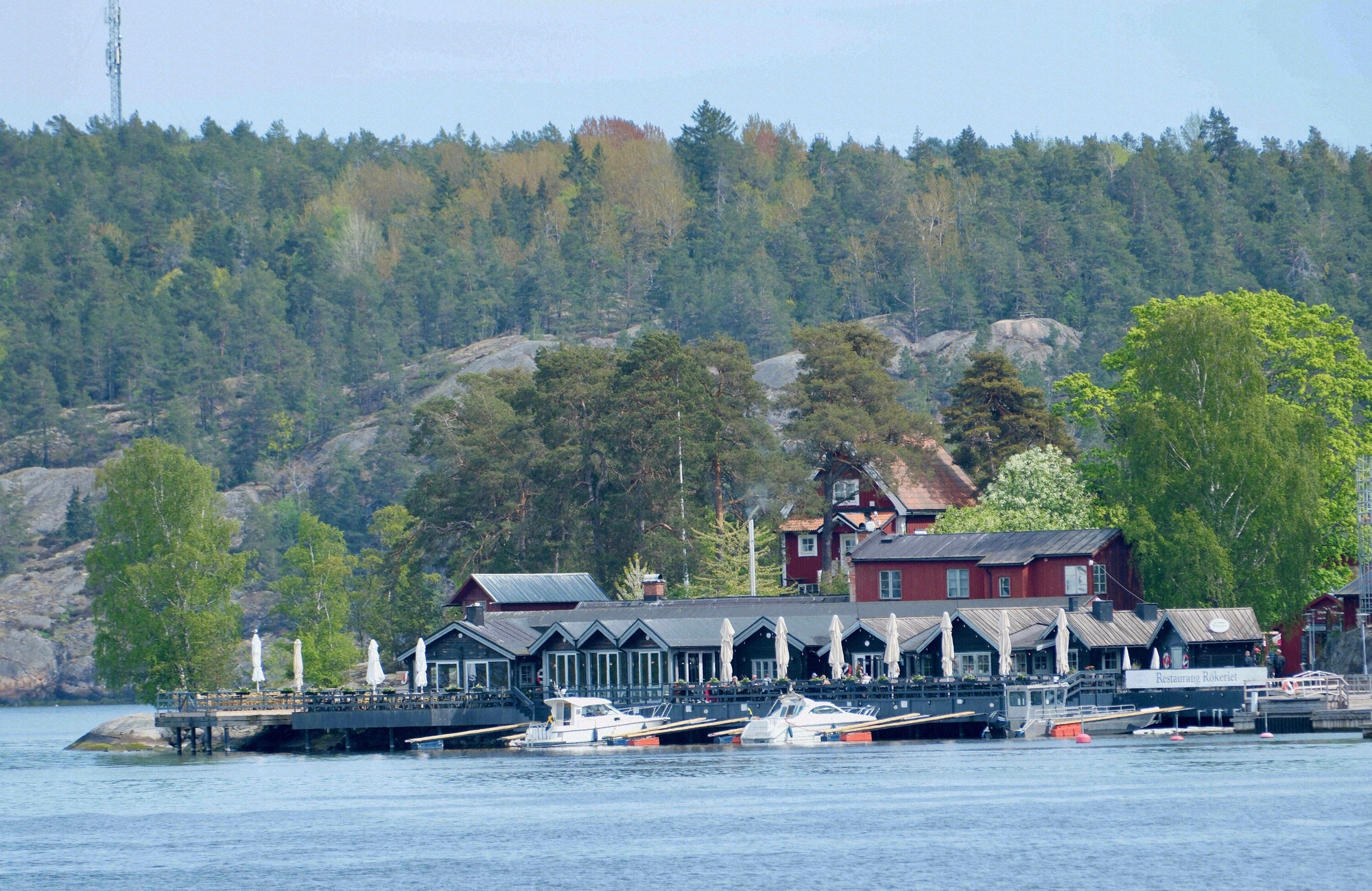
Stockholm doesn't end at the city limits. To the east, stretching roughly 80 kilometres out into the Baltic Sea, lies an archipelago that reaches from Arholma in the north to Landsort in the south. Visit Stockholm puts the figure at 30,014 islands, skerries and rocks; on a narrower count it is around 24,000 - the difference lies entirely in how small a rock has to be to count. Around 150 islands are inhabited year-round, rising to about 1,000 in summer, plus roughly 50,000 holiday cottages. The rest range from wooded islets with red wooden cottages to bare rocks that barely break the surface.
For many Swedes, the archipelago is inseparable from summer. It's the most varied day trip destination around the capital, and unlike a single museum, it isn't somewhere you simply "tick off", but a landscape from which you pick a destination depending on how much time you have. A short overview fits into half a day; for the larger islands, plan on a full one.
Which island for which kind of day?
Which island is worth it depends mainly on how much time you have. Five destinations cover the range:
- Fjäderholmarna, the closest islands to the city, about 25 to 30 minutes away by boat. The island is built around craft work: during the season, workshops and shops for wood, textiles, glass, metal and chocolate open up, among them a wool workshop, a weaving studio and a pottery, with courses in summer. There is also an exhibition of traditional Swedish boats. For food, the choice ranges from Fjäderholmarnas Krog to the Rökeriet smokehouse and the island brewery Fjäderholmarnas Bryggeri. Perfect for an afternoon when you don't have time for more - though being so close to the city, it does get busier.
- Vaxholm, a charming wooden town with an old centre, waterfront promenade and cafés you can reach on foot straight off the boat. Its landmark, the fortress Vaxholms kastell, founded by Gustav Vasa around 1540, sits on its own small island opposite. In summer the Kastellet boat shuttles across from the town jetty every 20 minutes (roughly 10:20 to 17:20); the crossing costs adults 110 SEK return (60 SEK one way), children aged 3 to 12 pay 80 or 45 SEK. The fortress museum costs adults 120 SEK in 2026, seniors 100 SEK and 13 to 18-year-olds 60 SEK; accompanied children up to 12 go free. It opens daily from 22 June to 23 August, 11:00 to 17:00, and at weekends either side, closed over Midsummer (19 to 21 June). The guided tours in summer (12:00, 14:00 and 16:00) are included in the admission price.
- Grinda, a car-free nature reserve with three public, family-friendly bathing spots at the southern and northern steamer jetties and at Källviken, all with dry toilets. A marked nature and culture trail of about 2.5 km loops around the south-eastern part of the island from Hemviken farm, taking in the Klubbudden viewpoint (35 m). Good for a full day outdoors.
- Sandhamn, a classic sailing and watersports hub in the outer archipelago, known internationally through the crime series "The Sandhamn Murders". Worth seeing are the relaxed village centre with the Missionshuset and the Sandhamnsbageriet bakery, the marina and the sandy Trouville beach.
- Utö is large and varied enough for a full day: historic iron ore mines with water-filled shafts more than 200 m deep and a mining museum, beaches such as the white sands of Ålö Storsand, plus cycle routes (about 13 km from Gruvbyn to Ålö). A rental station at Gruvbrygga has more than 300 bikes, including e-bikes and children's bikes, open daily in summer with no advance booking, subject to availability on the day.
If you prefer things quieter, go in June or September rather than high summer - or head further out: islands such as Nämdö or Möja are considerably calmer than the classics.
Getting there by archipelago boat
The archipelago is reached almost entirely by water, and there are two operators with quite different characters:
- Waxholmsbolaget is the public archipelago transport operator (part of SL, the Stockholm region's transport authority) and runs year-round. Tickets are available in the SL app or on board.
- Strömma runs the tourist-oriented Cinderellabåtarna boats from central jetties on Strandvägen and Nybroviken (tickets also available at the Strömkajen kiosk). Services run daily from late April to late September, busiest in summer.
If you want the flexibility to combine islands, Waxholmsbolaget is usually the cheaper choice; the Cinderellabåtarna are more comfortable and geared towards visitors. The main jetty, Strömkajen, is near the Royal Palace and the Grand Hôtel. From T-Centralen or Stockholm Central Station, take the Tunnelbana (metro) to Kungsträdgården (about a 7-minute walk) or bus 76; the SL commuter boats 80 and 80X also call at Strömkajen.
One thing to plan around: the islands are not all equally close, and the direct route from Stockholm is often not the fastest. If you are heading further out, it pays to combine the boat with a bus or car to a jetty closer to your destination.
| Destination | From Strömkajen | Faster via |
|---|---|---|
| Fjäderholmarna | approx. 25 to 30 min | - |
| Vaxholm | approx. 1 hr (Waxholmsbolaget), approx. 55 min (Cinderellabåtarna) | - |
| Grinda | approx. 1.5 to 2 hrs depending on route | - |
| Sandhamn | approx. 2 to 3 hrs | Stavsnäs, approx. 30 min |
| Utö | approx. 3¾ hrs (summer) | Årsta Brygga, approx. 35 to 40 min |
For how the public network connects the jetties, see our guide to getting around Stockholm.
Tickets and fares in 2026
The Waxholmsbolaget archipelago boats run on their own six-zone fare system (Taxa); a normal SL single ticket is not enough here. Single fares in 2026 by zone (standard / reduced):
- Taxa 1: 61 / 39 SEK
- Taxa 2: 84 / 52 SEK
- Taxa 3: 104 / 64 SEK
- Taxa 4: 125 / 79 SEK
- Taxa 5: 154 / 95 SEK
- Taxa 6: 186 / 114 SEK
Reduced fares apply to children aged 7 to 19, students and seniors from 65; children under 7 travel free with an accompanying adult. You can pay on board by card or in advance in the SL app, which is the easier option. Frequent travellers can get a 30-day pass from around 970 SEK, and in the low season from 14 September to 29 April ordinary SL travelcards (30-day and longer) are valid on the Waxholmsbolaget boats as well.
Strömma's tourist-oriented Cinderellabåtarna price differently. Guide prices for a one-way trip in 2026: Vaxholm from 190 SEK, Grinda and Gällnö from 235 SEK, Sandhamn from 255 SEK. The close-in Strömma boats to Fjäderholmarna have their own fares, around 185 SEK for a return ticket.
Practical tips for your visit
On the popular islands you don't need to carry much: Grinda, Utö, Sandhamn, Vaxholm and Fjäderholmarna all have toilets, restaurants, cafés or a wärdshus (inn) and in some cases grocery shops, Grinda for instance a wärdshus and a general store, Utö an inn and a bakery. On smaller or more distant skerries the offering is thin, so swimwear, food and water belong in your backpack, and sturdy shoes help on the smooth rocks.
The swimming season runs from June to August, and in high summer the water is usually around 17 to 20°C; sheltered bays get warmer during heatwaves, while the open Baltic stays cooler. Whether July or August brings the peak varies from year to year.
Depending on your destination, plan for half a day to a full day. An afternoon on Fjäderholmarna works well as a spontaneous add-on; for Grinda, Sandhamn or Utö, start early and above all keep an eye on return times, because the last boat often leaves earlier than you would expect. Check the current timetables in the SL app (Waxholmsbolaget) or with Strömma rather than relying on fixed times, as services run much less often outside the summer season. Families will find useful building blocks in our guide to Stockholm with kids.
Lake Mälaren: Birka and the freshwater islands
The islands in the freshwater of Lake Mälaren west of the city are a world of their own - they are not part of the archipelago, though they are often confused with it. They include Björkö with the Viking town of Birka (a UNESCO World Heritage Site about 30 km west), as well as Adelsö, Ekerö, Färingsö, Helgö and Arnö.
Birka is reached by Strömma boat from Klara Mälarstrand near the City Hall; the day trip from Stockholm takes around eight hours there and back including time on site, with a guided tour of the excavation site and museum admission included in the package. From November to April there is no scheduled service and the museum is closed.
An archipelago trip pairs well with a day in the old town, since the jetties are close to Gamla Stan and the Royal Palace. For other destinations around the city, see the Day Trips overview.
Frequently asked questions
Which archipelago island is best for a first visit? +
Does a normal SL ticket cover the archipelago boats? +
How much does the boat trip to the archipelago cost? +
Are Sandhamn and Utö worth a day trip? +
How warm is the water for swimming? +
Nearby
Thielska Galleriet
Art museum in a villa on Djurgården - Nordic art around 1900 by Munch, Carl Larsson and Liljefors, plus a sculpture park, café and Baltic Sea views at Blockhusudden.
Kaknästornet
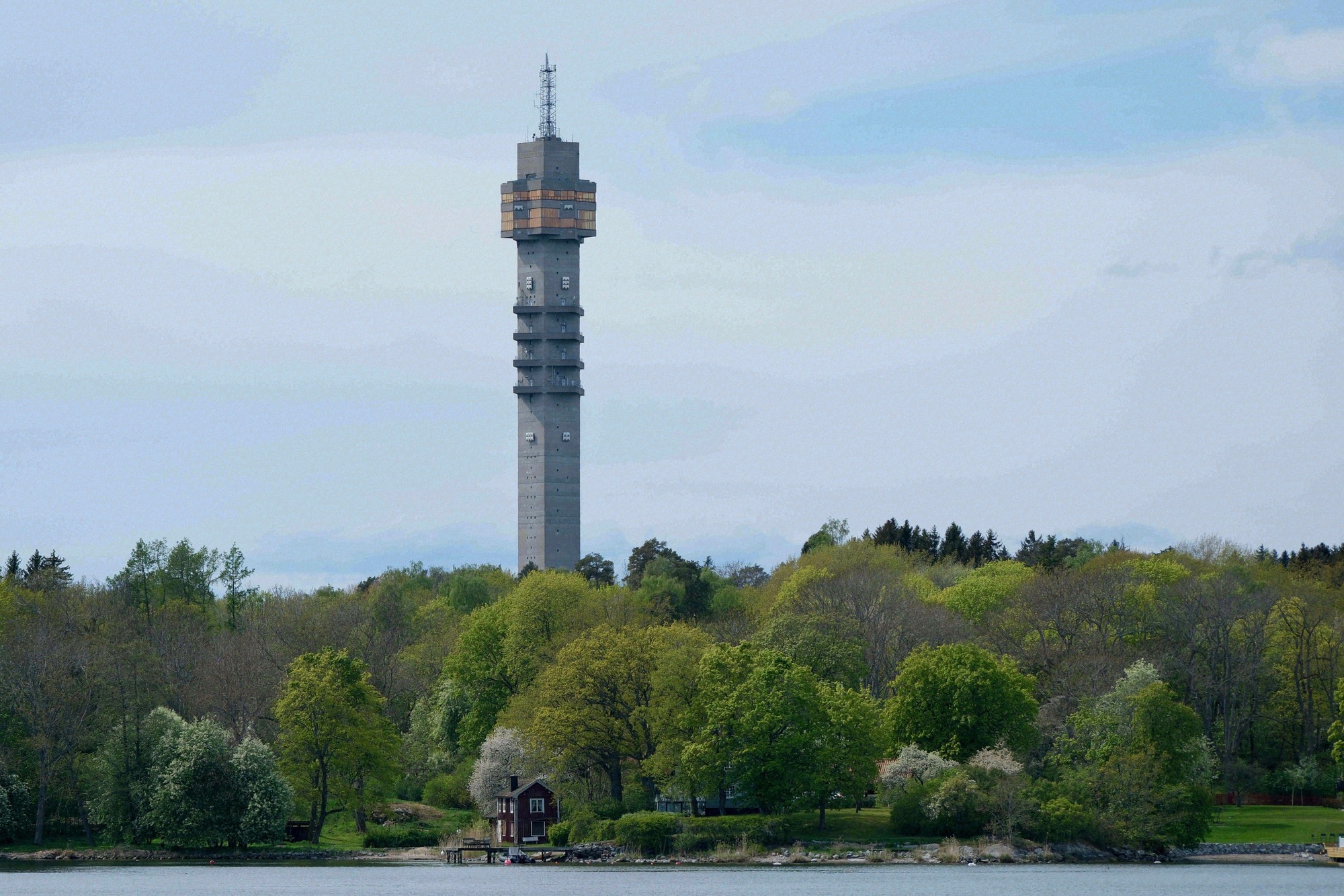
The 155-metre television tower in Gärdet was long Stockholm's best viewpoint. Since 2018, Kaknästornet has been permanently closed to visitors.
Tekniska Museet
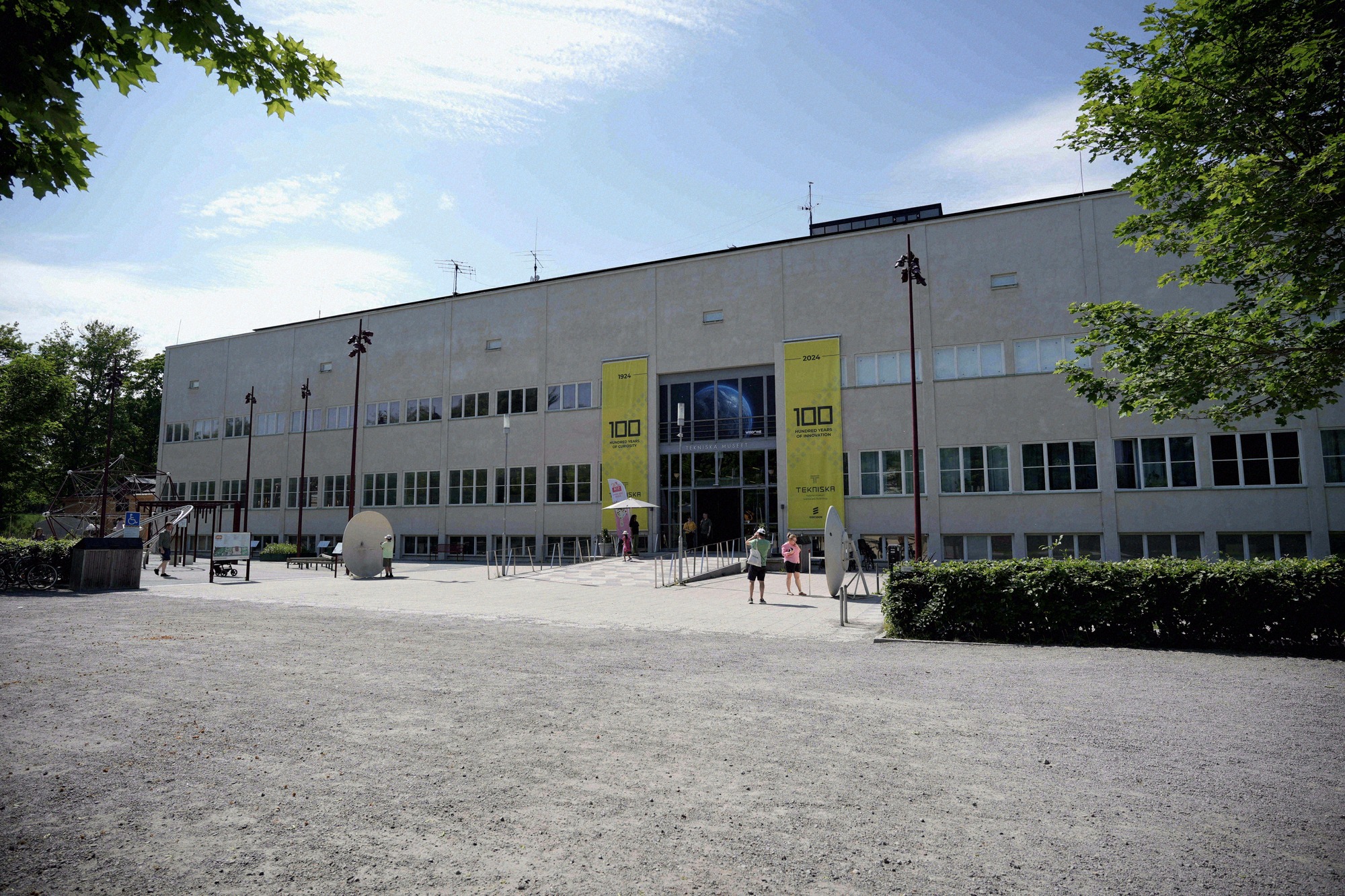
Sweden's national museum of science and technology on Gärdet, with hands-on exhibits like MegaMind, the full-dome cinema Wisdome and a programme for families and adults alike.
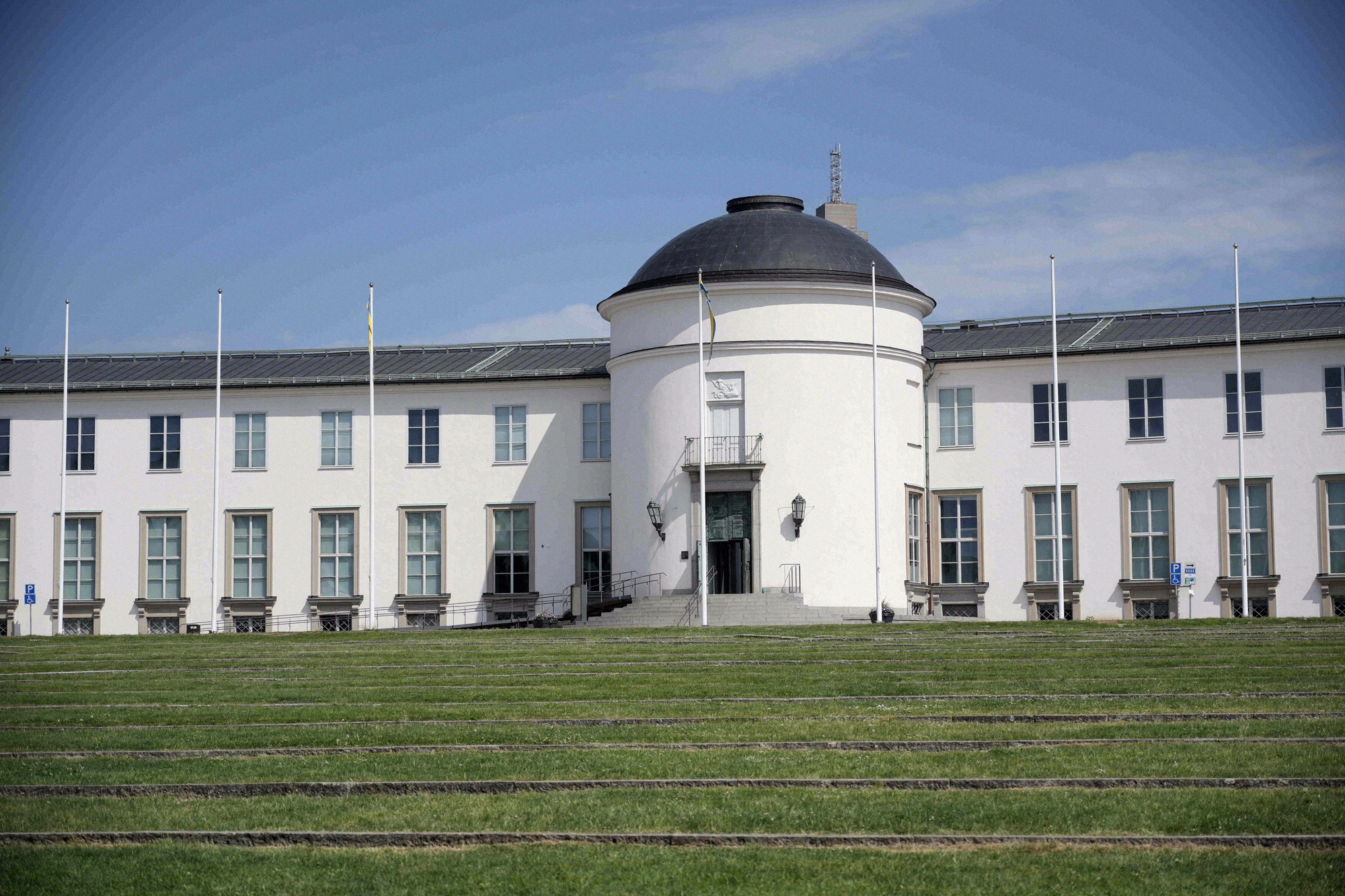
Sjöhistoriska museet
The Sjöhistoriska museet on Djurgårdsbrunnsviken tells Sweden's maritime and naval history, with the original stern of the 1778 royal yacht Amphion as its centrepiece.
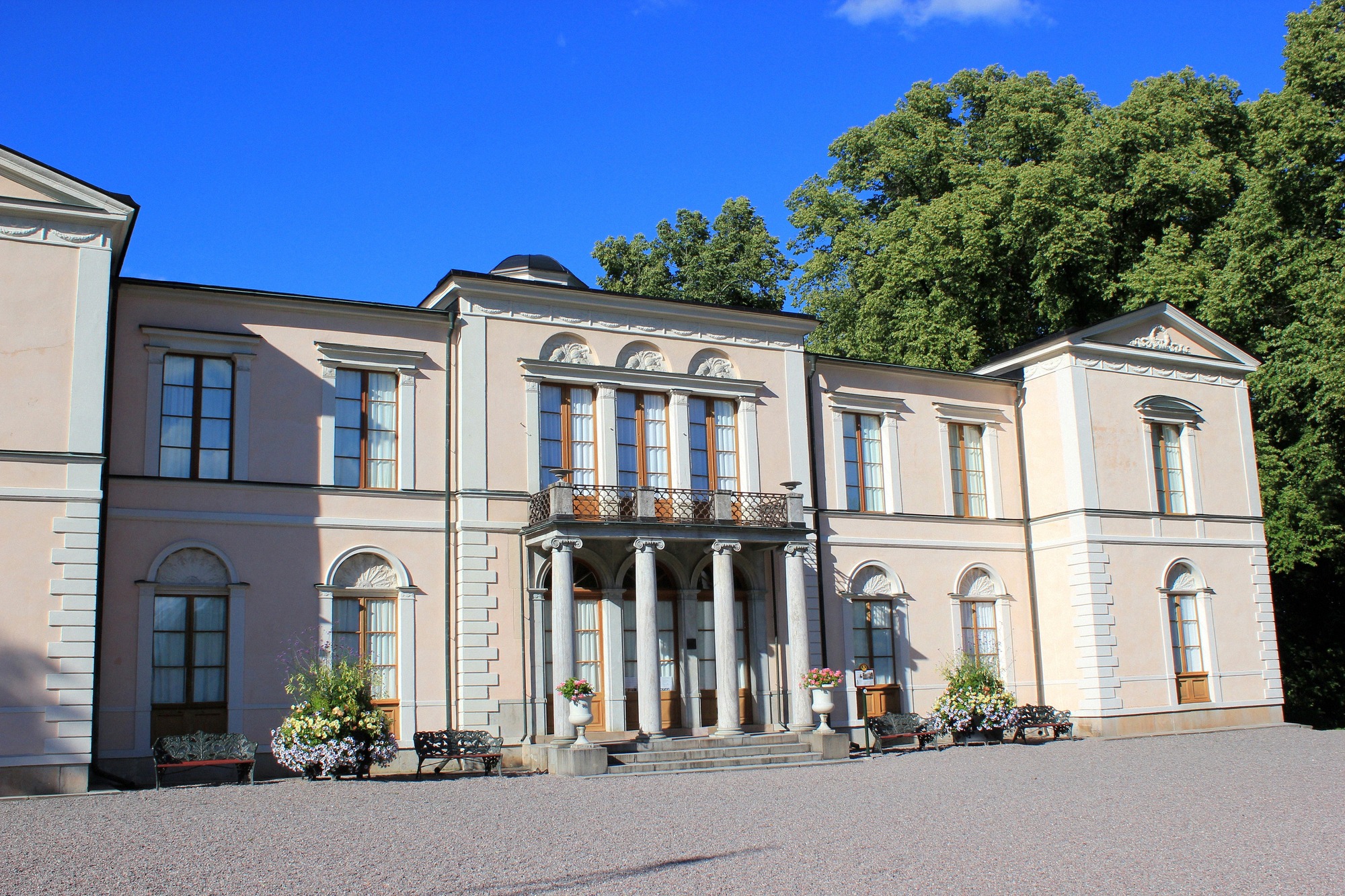
Rosendal Palace
Rosendals slott on Djurgården - Karl XIV Johan's Empire-style summer palace, preserved in the Karl Johan style and open only in summer by guided tour.
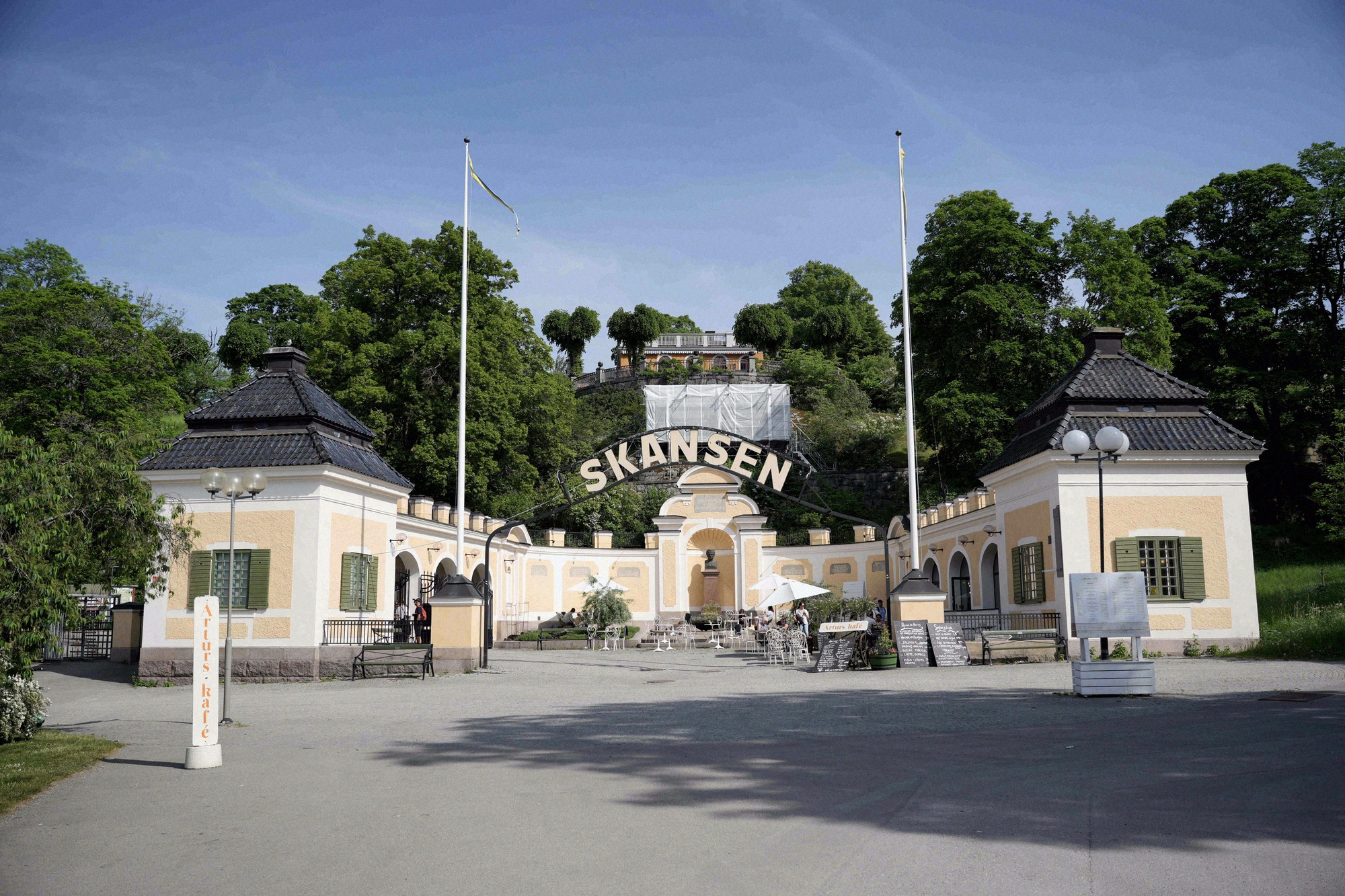
Skansen
Founded in 1891, the world's oldest open-air museum on Djurgården, around 150 historic houses from all over Sweden, a Nordic wildlife park and traditional crafts.