
Admission
Admission to the museum
Admission to the permanent and temporary exhibitions, valid for one day.
4.4 (359) · GetYourGuide
From €15.04
Free cancellation up to 24 hours in advance
Book TicketMuseum of cultural history on Djurgården
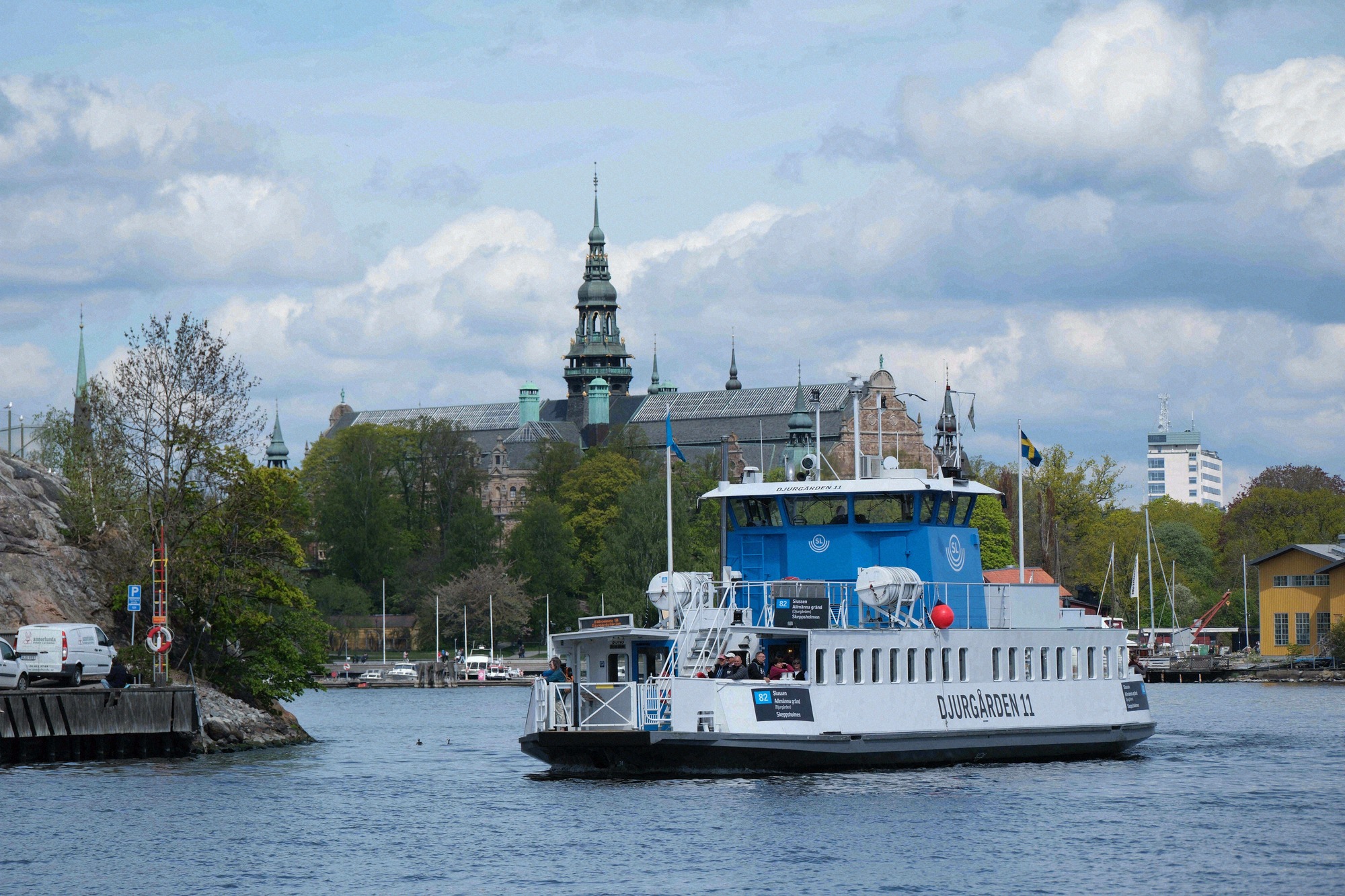
Palace-like museum on Djurgården covering 500 years of Swedish cultural history, with folk costumes, home life and the country's largest Sami collection.
Tickets
The ticket gets you into the permanent exhibitions, such as Nordic Life, and the current temporary exhibitions.
Admission
Admission to the permanent and temporary exhibitions, valid for one day.
4.4 (359) · GetYourGuide
From €15.04
Free cancellation up to 24 hours in advance
Book TicketThe Nordiska Museet occupies a palace-like Renaissance building at the entrance to the museum island of Djurgården. It's Sweden's great museum of cultural and everyday history, tracing life in the country from around 1520 to the present, from rural and craft life to fashion and home furnishings, festivals, traditions and Sami culture. The entrance hall alone is monumental, and it holds a larger-than-life wooden statue of King Gustav Vasa.
Unlike the neighbouring Vasa Museum, built around one great object, the Nordiska Museet is about the breadth of everyday life. If you want to understand how people in Sweden lived, celebrated and dressed, this is the place, a calm, content-rich museum that often gets overlooked amid the Djurgården crowds.
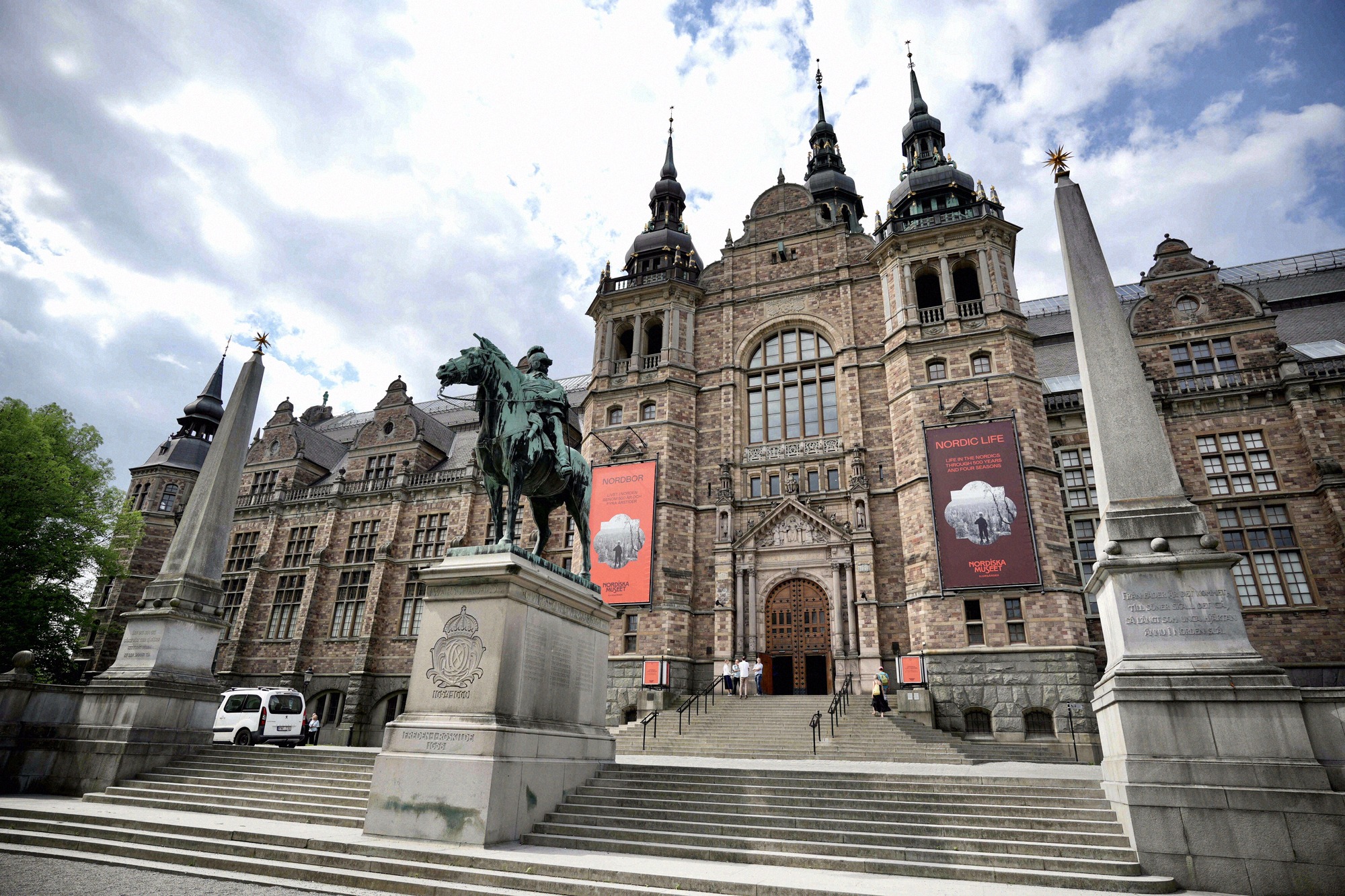
The museum's strength lies in its stable set of permanent exhibitions, including:
A particular focus is the museum's Sami collection. The permanent exhibition Sápmi (opened 2017) is devoted to the indigenous people of northern Scandinavia; the museum holds over 8,000 Sami objects, including the world's largest collection of surviving Sami drums. Further pieces appear in the Arctic exhibition, together making this one of the most important Sami collections anywhere.
The museum is open year-round, daily from 10:00 to 17:00, with extended hours on Wednesdays from September to May, until 20:00. In summer (June to August) there's no evening opening. Admission in 2026 costs 170 SEK for adults, 150 SEK each for seniors and students aged 19 and over, and 75 SEK for children and teens aged 3 to 18; under-3s go free. On weekdays during the school term, children aged 3 to 18 get in free. The Stockholm Go City Card and an ICOM card also grant free entry. Payment is card or Swish only, no cash; tickets are available online through the official shop or on site.
Facilities include a restaurant in the Great Hall (lunch 11:00-15:00) and Café Lusknäppen in the courtyard, toilets and baby-changing facilities on level 1, and free Wi-Fi. The building is largely accessible: step-free entrances, lifts, an accessible toilet and free wheelchair loans are all available. A free audio guide app runs in Swedish and English, with its own children's version. Allow 1.5 to 2 hours for a good overview.
It's quietest on weekday mornings. If you prefer a relaxed pace, come on a Wednesday between September and May, when the museum stays open until 20:00, a good evening option after a day outdoors. From 15 June to 14 August there are short free introductory tours every weekday, giving a quick way in. As a large indoor museum, the Nordiska Museet is also a reliable option in wet weather.
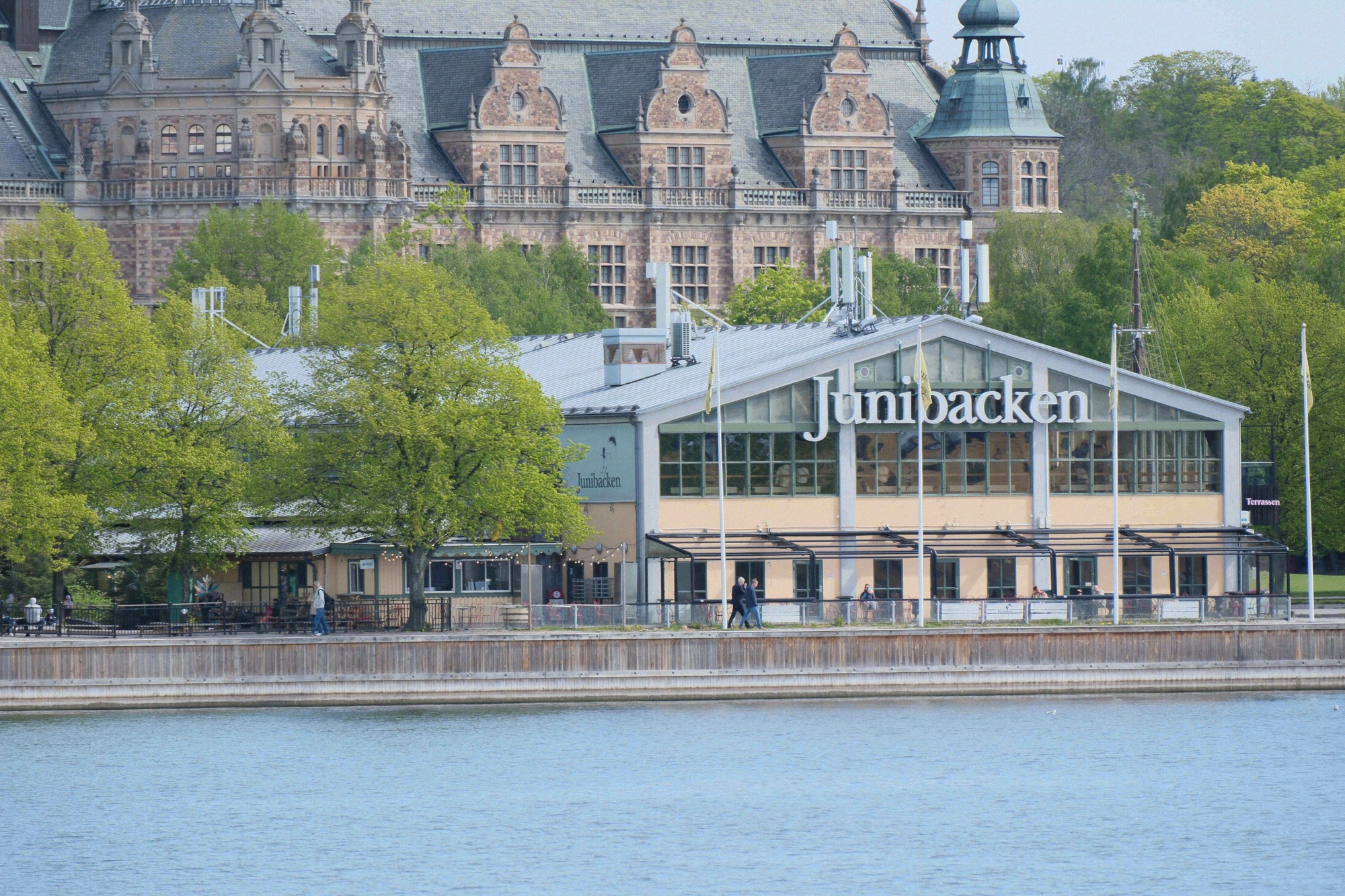
The museum sits right at the entrance to Djurgården and combines well with its neighbours: the Vasa Museum is a few steps away, as is the ABBA Museum and the open-air museum Skansen. Crossing the Djurgårdsbron bridge also brings you to the Swedish History Museum. For more on the island as a whole, see Djurgården.
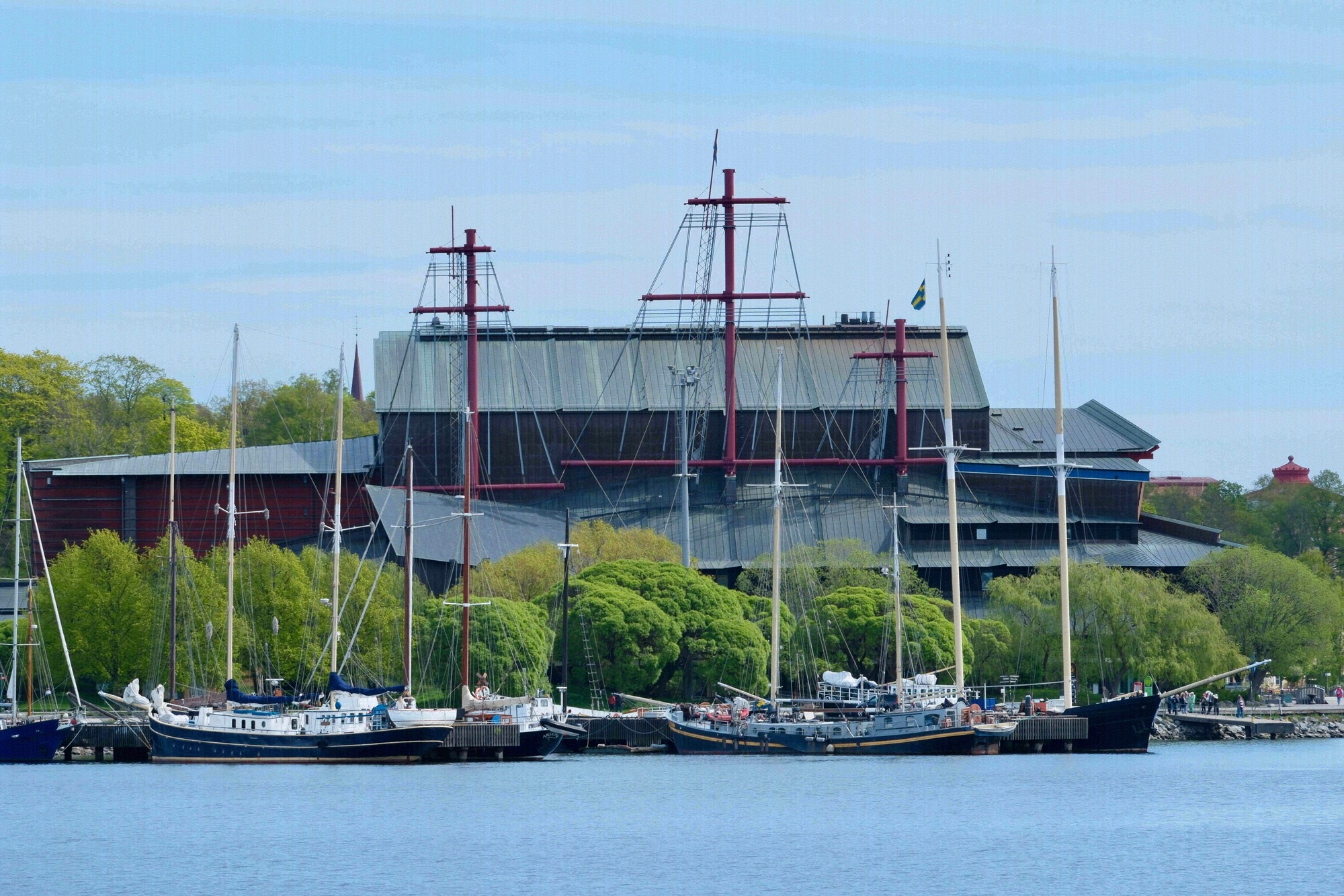
The Vasa Museum on Djurgården houses the only nearly intact 17th-century ship afloat, a warship that sank in 1628 and was raised in 1961.
Storybook house on Djurgården built around Astrid Lindgren's characters, with the overhead story train Sagotåget and Pippi Longstocking's walk-in Villa Villekulla.
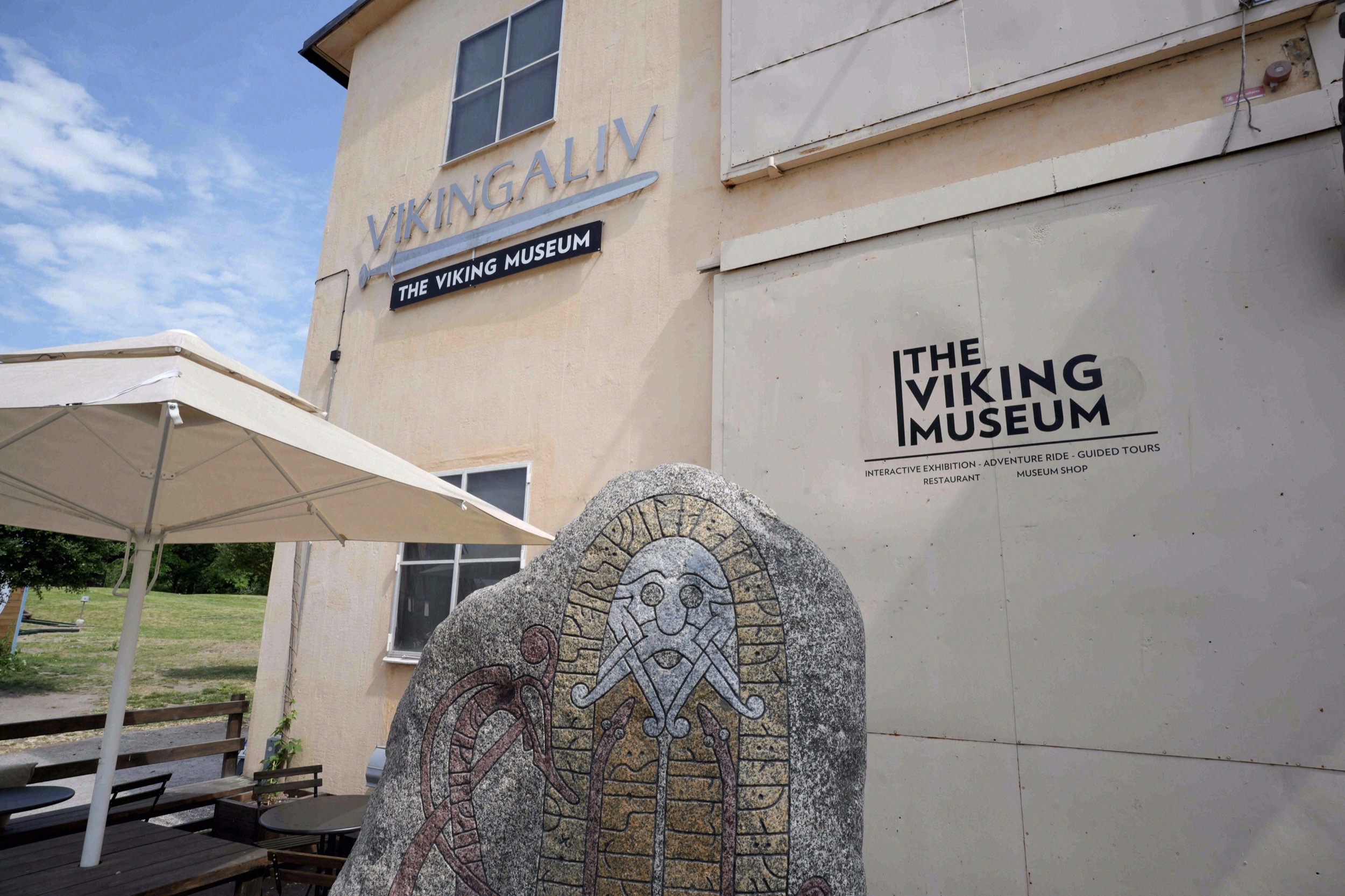
The Viking Museum (opened as Vikingaliv) on Djurgården tells the story of the Viking Age through archaeological finds. The centrepiece is the Ragnfrid saga ride through a village in the year 963.
Municipal art gallery on Djurgården, in the 1916 Bergsten building plus the glass-bottle Liljevalchs+ wing. Changing exhibitions and the Vårsalongen since 1921.
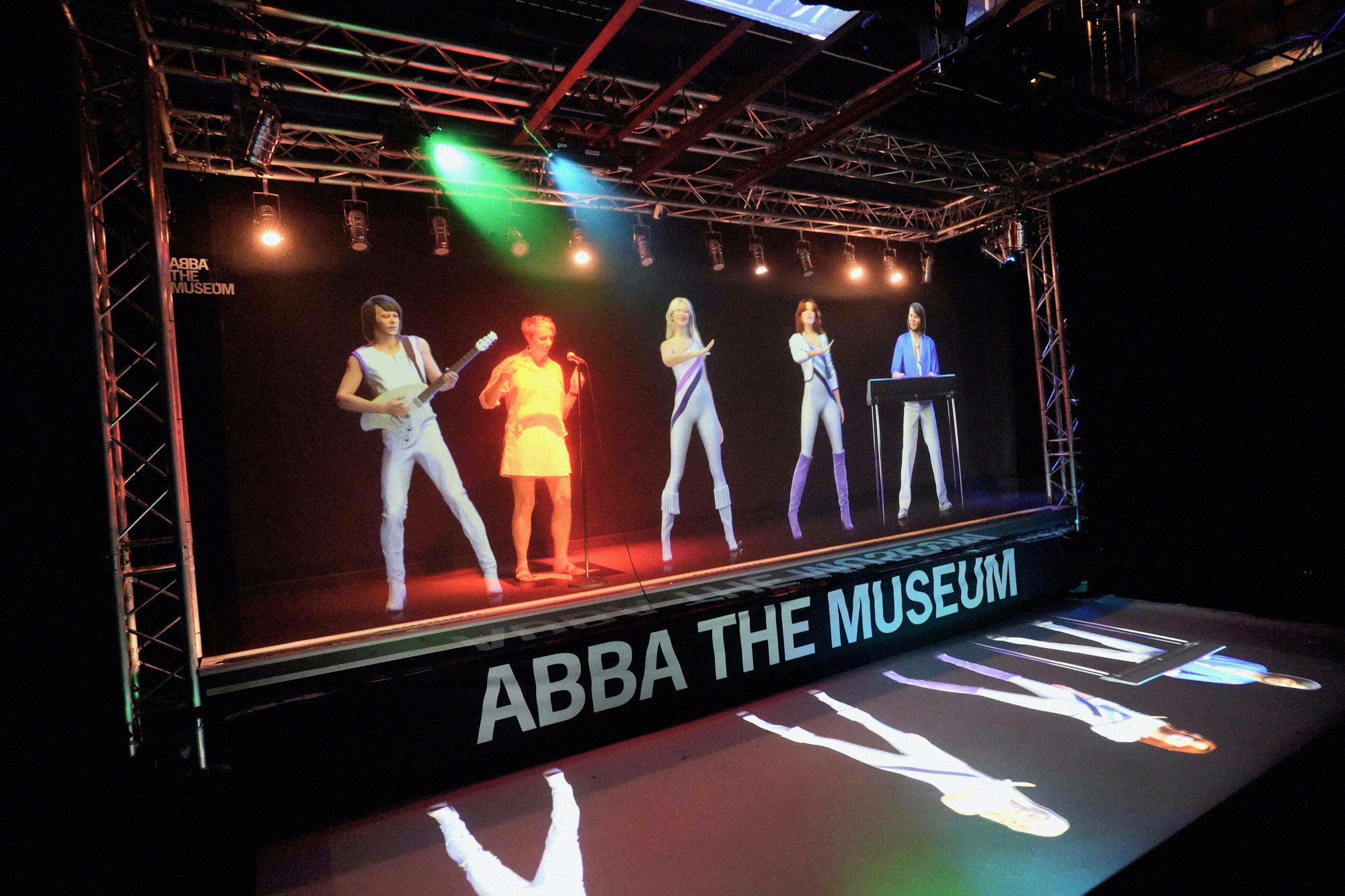
ABBA The Museum on Djurgården celebrates Sweden's most famous pop band: original costumes and stage recreations alongside a karaoke booth, hologram stage and mixing station.
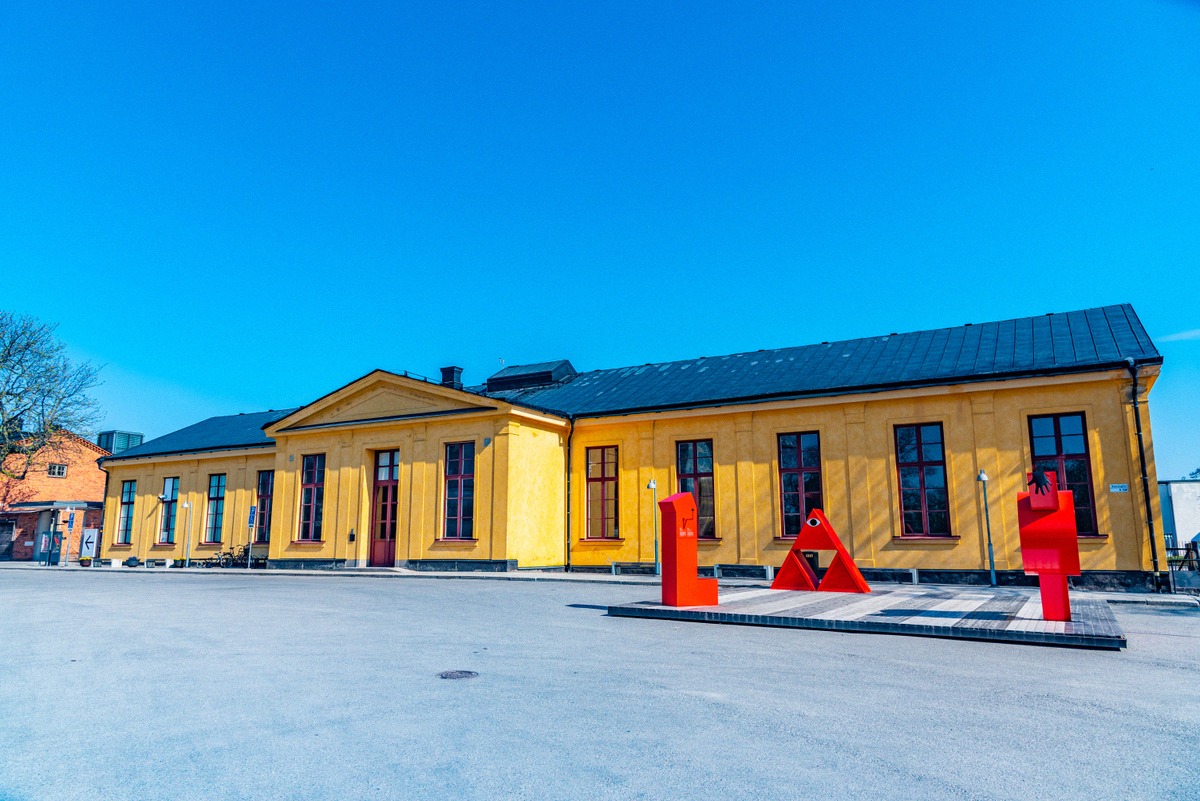
Sweden's museum of modern and contemporary art on Skeppsholmen - Picasso, Dalí, Matisse and Nordic modernism, free admission to the permanent collection.