
Riddarhuset
Baroque palace of the Swedish nobility on Riddarhustorget
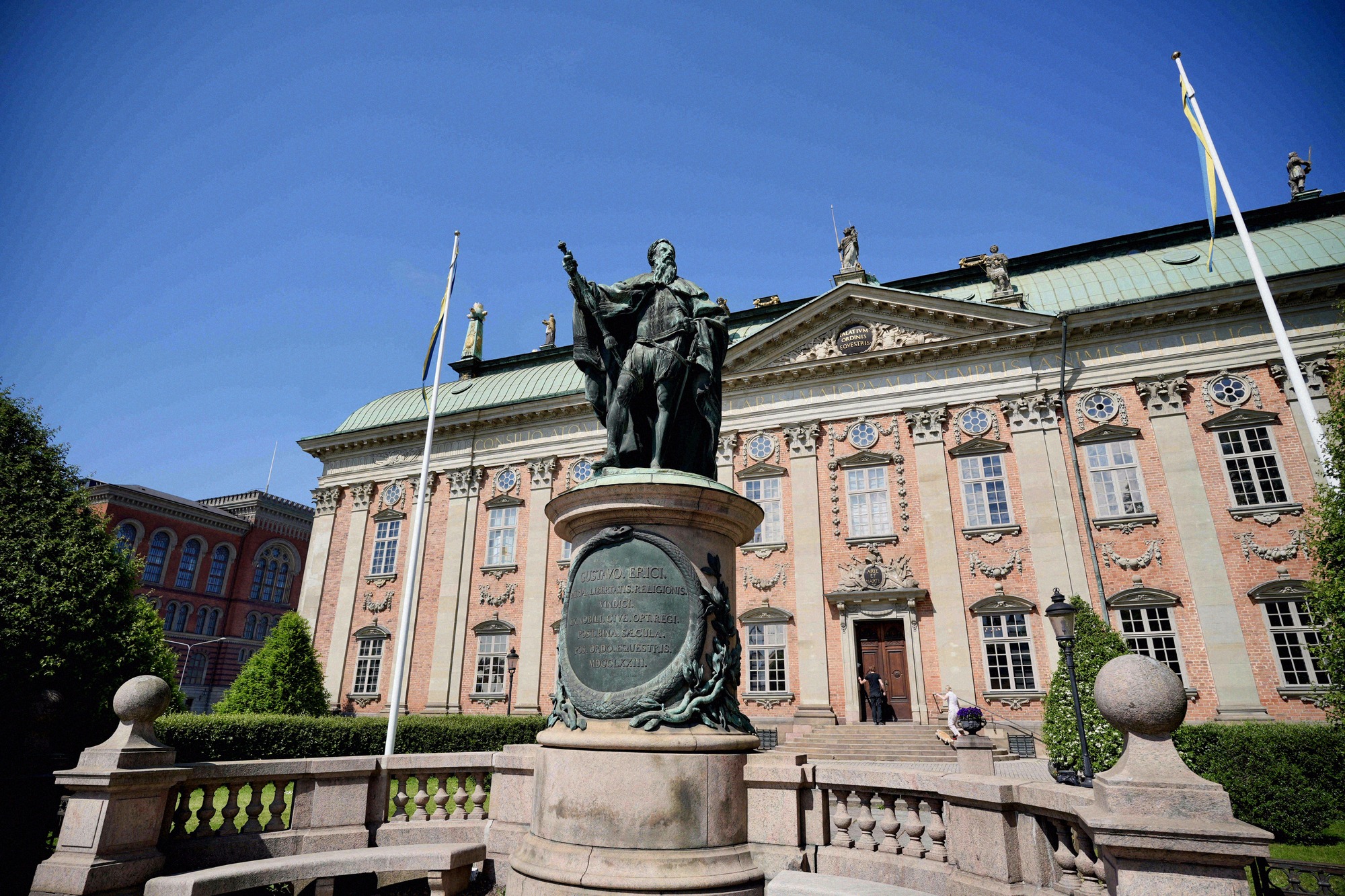
A curved roof that set the pattern for Swedish manor houses, lead figures by Dusart on the ridge and a limestone staircase from Öland inside.
Contents
Until 1866 the Swedish nobility met in Riddarhuset (House of Nobility) as one of the four Estates of the Realm. Today the coats of arms of 2,334 noble families hang in the great hall, beneath a ceiling painting from 1675. The building is worth a visit for anyone who likes Baroque architecture and Swedish history, and it stands on Riddarhustorget on the north-western edge of Gamla Stan, a few steps from the island of Riddarholmen. You can only see the inside on weekdays, though, and only for a single hour.
A palace modelled on a Dutch one
It was built between 1641 and 1674 under four architects in turn. Simon de la Vallée began the work and died in 1642; he was followed by Heinrich Wilhelm and, from 1652, Justus Vingboons. Jean de la Vallée completed the building. Apart from the roof, the palace closely follows the Mauritshuis in The Hague. The main façade is of brick and pale sandstone from Gotland, divided by Corinthian pilasters.
Jean de la Vallée designed the roof with its curved lower section. It is regarded as the model for the säteritak, the roof shape you will later find on many Swedish manor houses. On the ridge stand lead figures by Johan Baptista Dusart representing the house's motto: “Arte et Marte”, by art and by arms. The two free-standing wings were added only in 1870, designed by Adolf W. Edelsvärd.
Gustav Vasa in the front garden
The front garden on the south side was laid out in the 1910s. This is where the bronze statue of Gustav Vasa stands. As early as 1765 Riddarhuset gave part of its land to the city for a monument on the square, and when the square was remodelled between 1914 and 1916 the statue moved to its present position. In the park on the north side stands Chancellor Axel Oxenstierna, who had sold the plot in 1641.
On Riddarhustorget itself, Axel von Fersen the Younger was killed on 20 June 1810 by a crowd who held him responsible for the death of Crown Prince Karl August. Next to Riddarhuset, on the north side of the square, stands Bondeska palatset, built in 1662-1673.
The hall of arms and Ehrenstrahl's ceiling
During the opening hour you walk through four rooms without a guide: Stenhallen with its staircase of limestone from Öland, the great hall Riddarhussalen, Lantmarskalksvåningen and the Blue Room. In Riddarhussalen 2,334 coats of arms hang close together on the walls. Only 656 of them belong to families that still exist; the others have died out.
On the ceiling is “Dygdernas rådslag”, the Council of the Virtues, by David Klöcker Ehrenstrahl, signed in 1675. The painting measures 105 square metres and is made of 13 strips of canvas. Ropes originally ran through the seams so that the picture could be lowered and raised again. Ehrenstrahl restored it himself in 1684; after water damage in 1902 it was glued to the ceiling. The most recent conservation removed the yellowed varnish, and the painting now shows its original colours again.
Opening hour and culture evenings
The house is open Monday to Friday from 11:00 to 12:00, but not on public holidays. It is best to arrive shortly before 11:00, as the four rooms take around half an hour, or the whole hour if you want to look at the details. Children under 12 get in free. Around Christmas and New Year the house is closed on some weekdays, for example on 23 and 31 December.
On culture evenings a speaker gives a talk in Riddarhussalen from 18:00 to 19:00; doors open at 16:30 and admission is free. There are also concerts, for example for Lucia in December and for New Year in January.
Getting there via Mälartorget
The nearest metro (tunnelbana) station is Gamla stan, on the green and red lines. From the Mälartorget exit walk around 400 metres north, about five to six minutes. Across the bridge to Riddarholmen, around 200 metres further on, is Riddarholmen Church with the royal tombs; between May and September you can combine both visits in one morning. Through the lanes of the old town you reach Storkyrkan (Stockholm Cathedral) and the Royal Palace.
Frequently asked questions
Can I visit Riddarhuset at the weekend? +
Are there guided tours of Riddarhuset in English? +
Can I pay cash at Riddarhuset? +
Is there a lift in Riddarhuset? +
Nearby
Riddarholmen Church
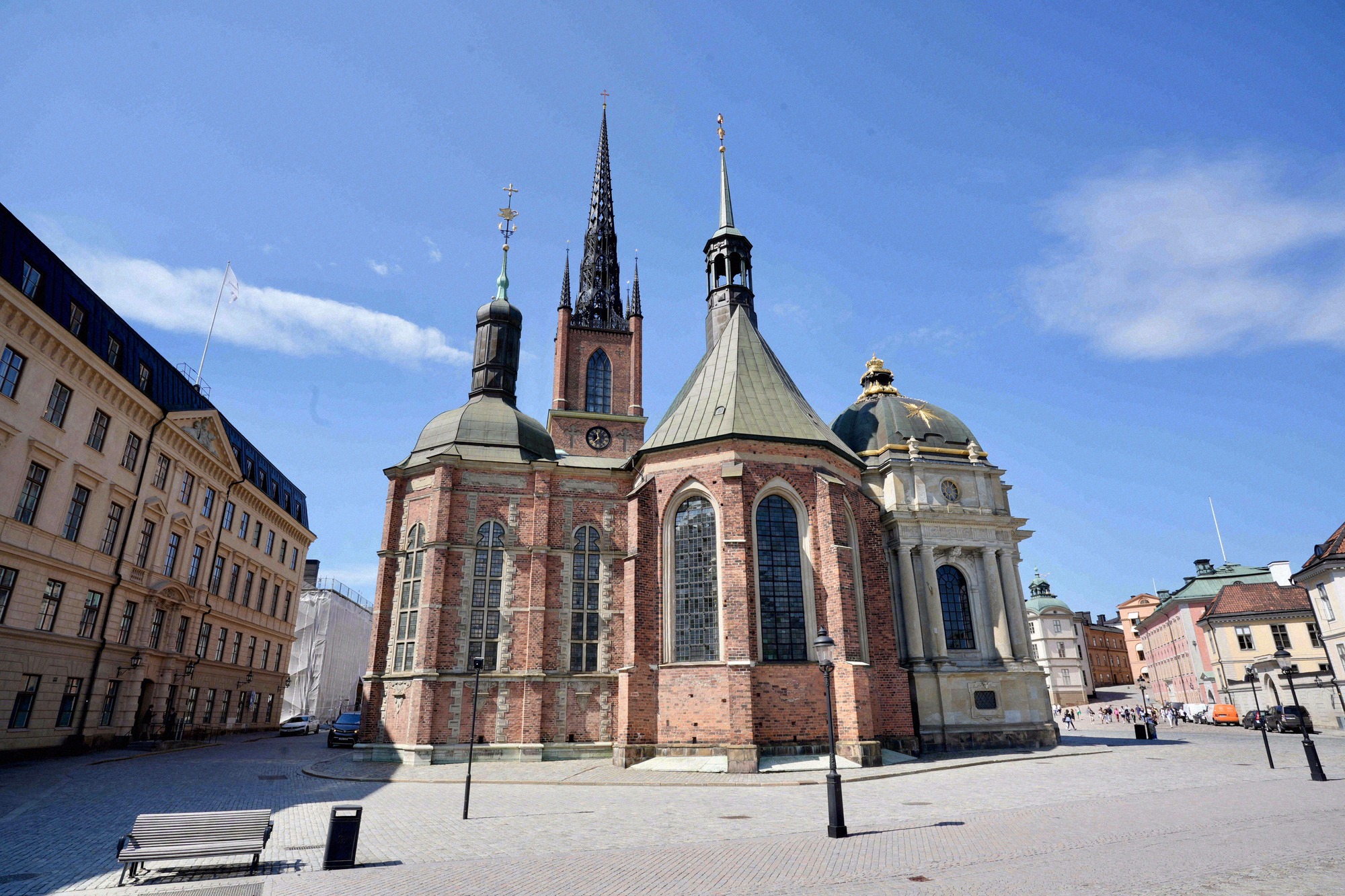
Former Franciscan church on Riddarholmen with the tombs of Swedish kings from the Middle Ages to 1950, open from May to September.
Storkyrkan (Stockholm Cathedral)
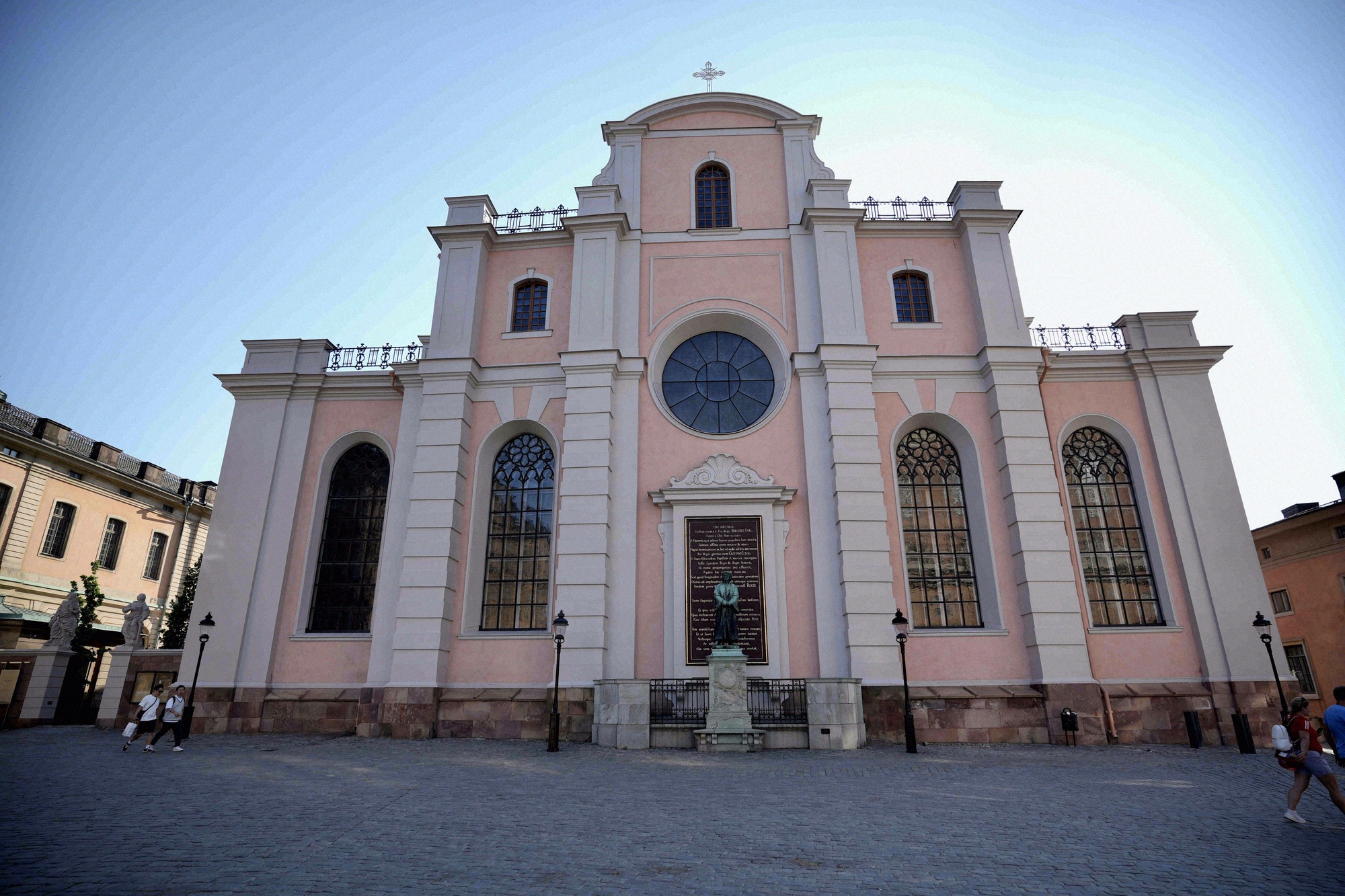
Behind the Baroque façade of Storkyrkan lies a medieval brick interior with St George fighting the dragon and the oldest colour image of Stockholm.
Stortorget
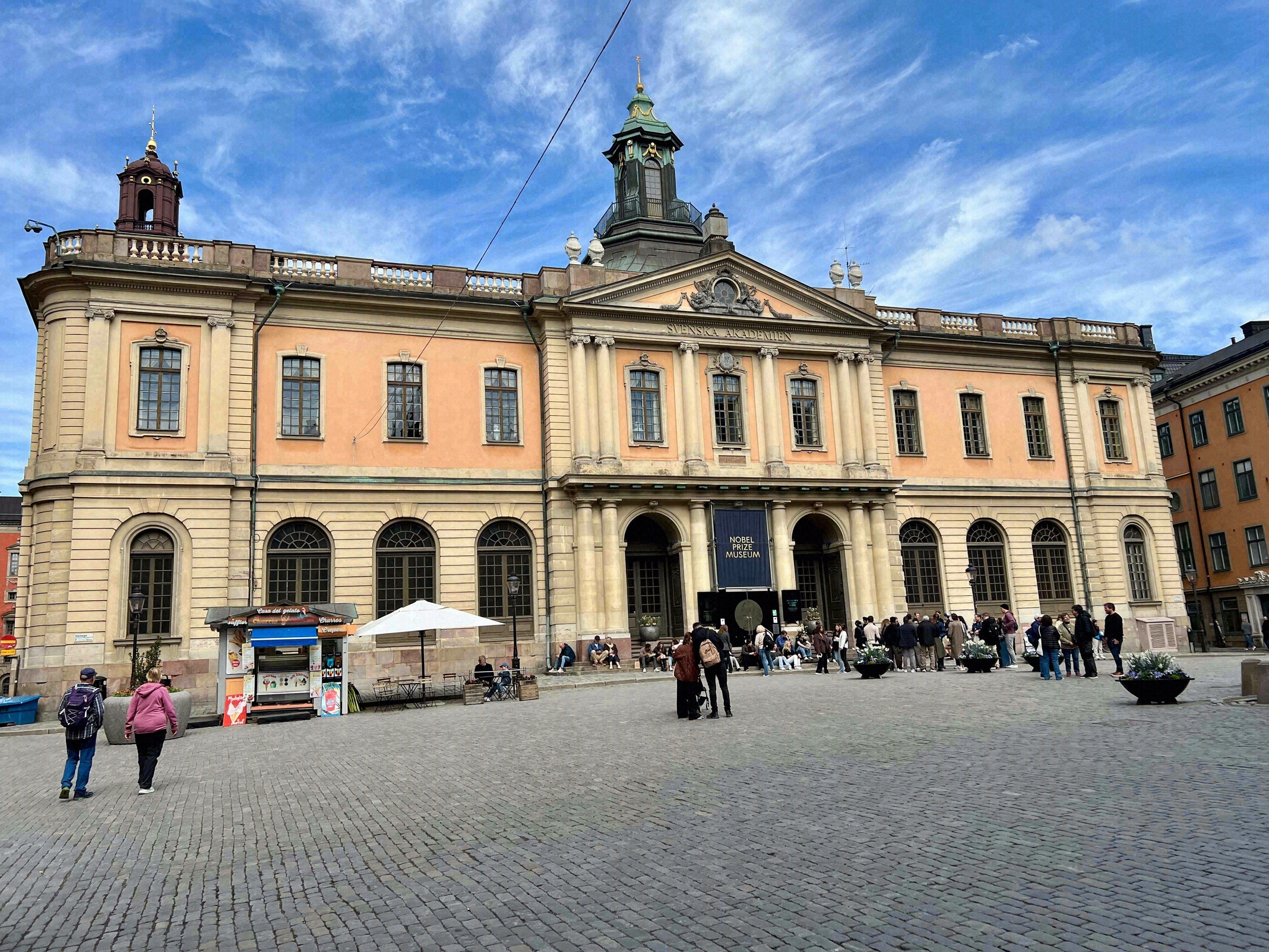
On Stortorget, Christian II had around 90 people executed in 1520. Today colourful gabled houses and Börshuset with the Nobel Prize Museum frame the square in Gamla Stan.
Nobel Prize Museum
The Nobel Prize Museum on Stortorget shows what laureates have given to the museum, including the scarf Malala Yousafzai wore at the UN on her 16th birthday.
Royal Palace
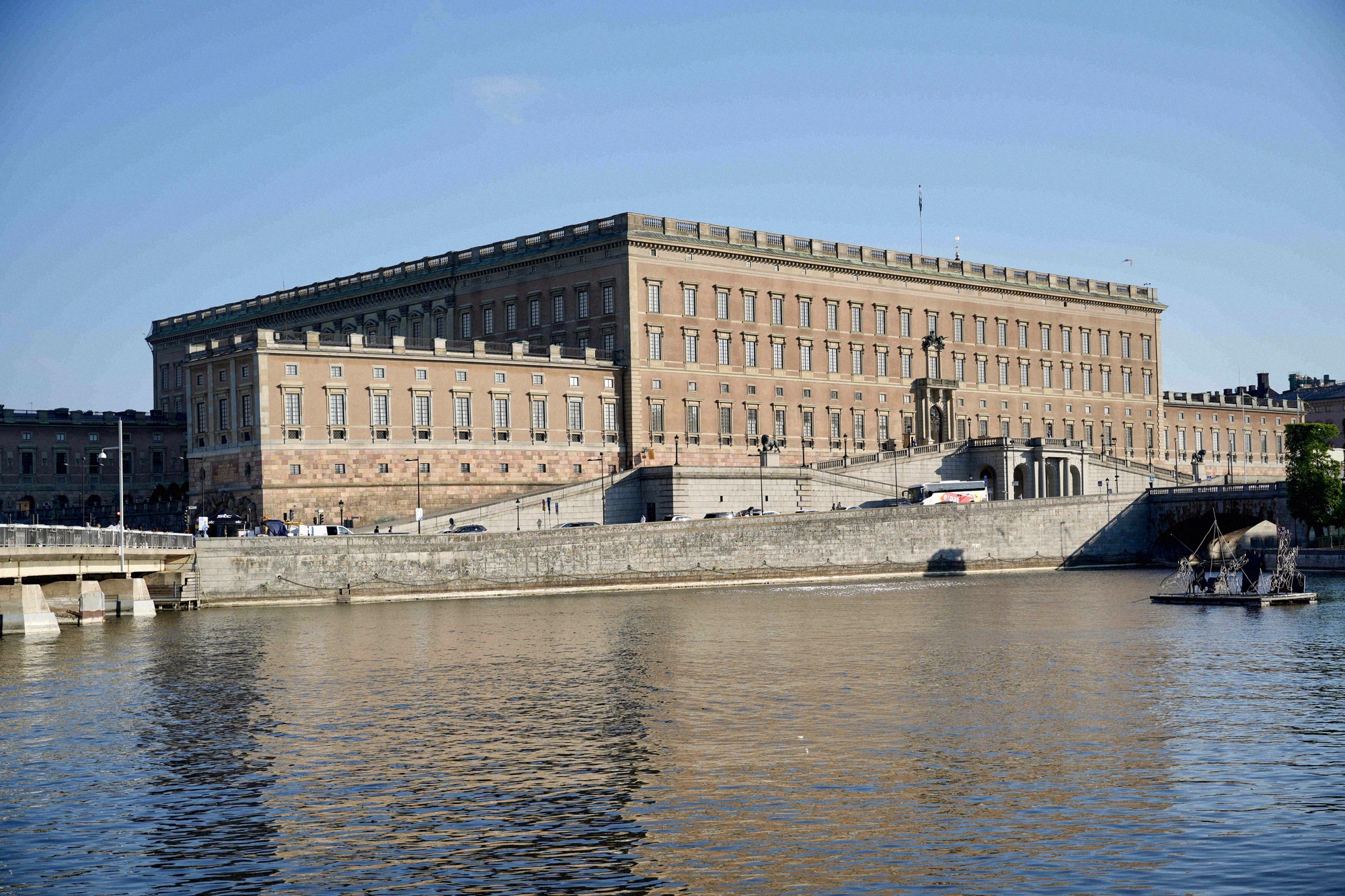
The Royal Palace (Kungliga slottet) in Gamla Stan is both the King's workplace and a museum, with Royal Apartments, a silver throne in the Hall of State, the crown jewels and the remains of Tre Kronor Castle.
Medeltidsmuseet
The building under Norrbro has been closed since November 2023, and the new museum in Börshuset has no opening date yet. Until then, the museum presents Stockholm's Middle Ages on guided tours.