
Bergius Botanic Garden
Botanic garden on Brunnsviken with giant water lilies and seven climate rooms under glass
A rhododendron valley, a Japanese pond and two glasshouses: one with saguaro cacti and boojum trees, the other with Victoria water lilies whose flowers open only after dark.
Contents
Bergius Botanic Garden (Bergianska trädgården) is Stockholm University's botanic garden, in Frescati on the shore of Brunnsviken. Its 20-plus hectares hold more than 6,000 species, from alpine plants in the rock gardens to the giant water lily, whose leaves grow up to 2.5 metres across. The outdoor garden is free all year; only the two greenhouses charge admission. The garden suits plant lovers, families with a picnic basket and anyone looking for a winter afternoon under glass when little is in flower outside.
From Bergielund to Brunnsviken
It all began in the mid-18th century in what is now the Vasastaden district. There the brothers Bengt and Peter Jonas Bergius laid out the Bergielund garden. Under a will of 1784, the estate passed in 1791 to the Royal Swedish Academy of Sciences and the Bergianska stiftelsen foundation. When a new city plan earmarked the site for housing, the garden moved to Brunnsviken in 1885.
Today the Academy and Stockholm University run the garden together, and since 1995 it has been part of the Royal National City Park. It is a research garden with around 10,000 individual plants in 90 sections. Every year the gardeners sow around 1,000 species afresh, most of them annuals.
A walk through the outdoor garden
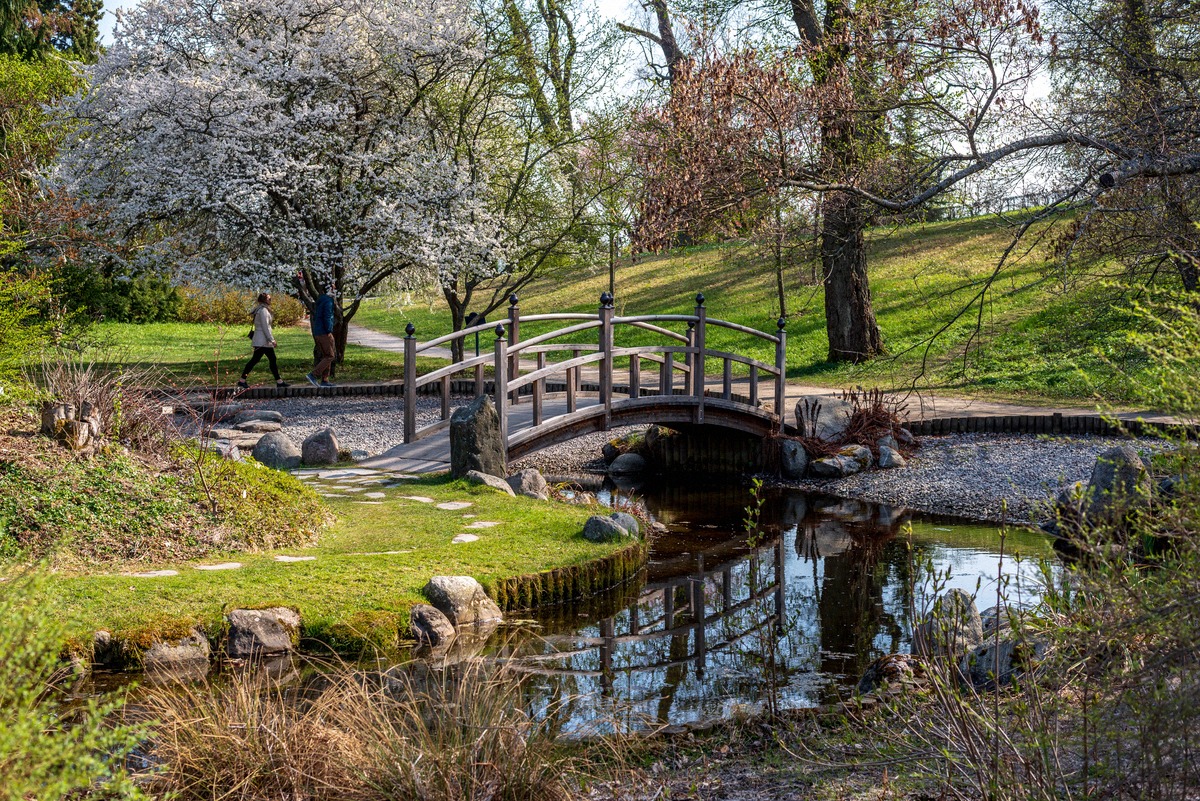
A good place to start is the Italian Terrace, a viewpoint over Brunnsviken that has been there since the garden was laid out in the late 19th century. Below it is the Japanese Pond, created in 1991 for the foundation's 200th anniversary as a miniature landscape in the Japanese tradition. The rhododendron valley holds around 70 species and many cultivars, at their best from late May to mid-June.
If you want to understand plants, head for the Systematic Section, where close relatives grow right next to each other. The rock gardens were built around 100 years ago for alpine plants, divided into Scandinavian and North American mountains. The Öland & Gotland section shows the low, open vegetation of the two Baltic islands, with alvar, meadows and shore. By the water lie the wet meadow, newly laid out from autumn 2009, and the horseshoe-shaped Victoriadammen pond from around 1890, with aquatic plants from cooler climates.
Seven climate rooms in Edvard Andersons växthus
The wholesale merchant Edvard Anderson (1865-1936) left his fortune to the foundation for a winter garden with plants from regions with a Mediterranean climate. The greenhouse, designed by the architect Per-Rune Semrén, was completed in 1995. It is open all year and divided into seven rooms.
Bougainvillea and silver wattle flower in the Mediterranean hall, while the California room has saguaro cacti and boojum trees. The Australia room shows the grass tree, the South Africa room living stones and aloes, and there is also a separate fern room. In the palm hall and the tropical room you'll find welwitschia, coffee, cocoa and carnivorous plants such as the Venus flytrap and pitcher plants.
Giant water lilies in Victoriahuset
The smaller glasshouse has been in use since 1900. Professor Veit Wittrock had it built with the architect Ivan Örtendahl for his research on aquatic plants. Today the pool holds Victoria cruziana and a hybrid of Victoria amazonica and Victoria cruziana. Their leaves reach up to 2.5 metres in diameter and the flowers almost 40 centimetres.
The flowers open only after dark, and each bud blooms for two nights: white on the first night, pink by the second. Around the large pool grow more water lilies, sacred lotus, papyrus and mangroves. Victoriahuset is open only from 1 May to 30 September.
On the red line to Frescati
Take the red metro line (tunnelbana) to Universitetet and walk about ten minutes from there. Roslagsbanan from Östra station is quicker: around five minutes to Universitetet, then about seven minutes on foot. Bus 50 stops at Bergiusvägen and bus 540 at Frescati. If you come by car, there is paid parking at the main north entrance and under Roslagsvägen; cycling is not allowed inside the garden. For metro and bus tickets, see public transport in Stockholm.
Less than 500 metres to the east as the crow flies is the Swedish Museum of Natural History. The museum has fossils, mounted animals and films in the Cosmonova dome cinema, the garden has living plants, so the two make a good day out together. Also on the red line is Bergshamra, where the walk to the park of Ulriksdal Palace begins.
When to visit
From May to September you get the full programme: outdoor garden, both greenhouses and the giant water lilies. In late May and early June the rhododendrons are in flower as well. In winter Edvard Andersons växthus and its climate rooms stay open, including a few holiday Mondays such as 28 December 2026. At Midsummer and on the Christmas and New Year holidays the greenhouses are closed. For lunch or coffee and pastries, go to Gamla orangeriet, a former greenhouse for tropical plants that is now a restaurant and café. For the months that suit Stockholm's gardens and parks, see the best time to visit Stockholm.
Frequently asked questions
Can I have a picnic in the garden? +
Can I bring my dog? +
How do I pay at Victoriahuset? +
What does the annual pass include? +
Can I take photos in the garden? +
Can I take plants or seeds home? +
Nearby
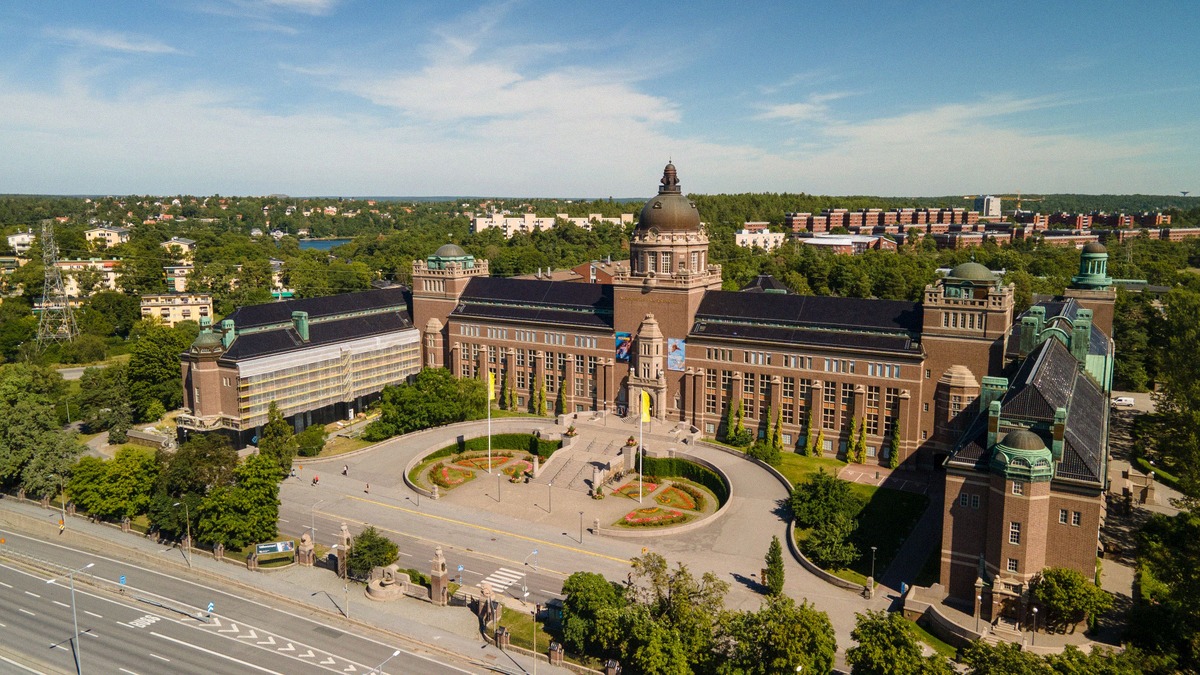
Swedish Museum of Natural History
At the Swedish Museum of Natural History in Frescati, the exhibitions lead from the dinosaurs through Sweden's wildlife to the polar regions. Children and young people up to 18 get in free, and next door the Cosmonova dome cinema shows nature films in IMAX format.
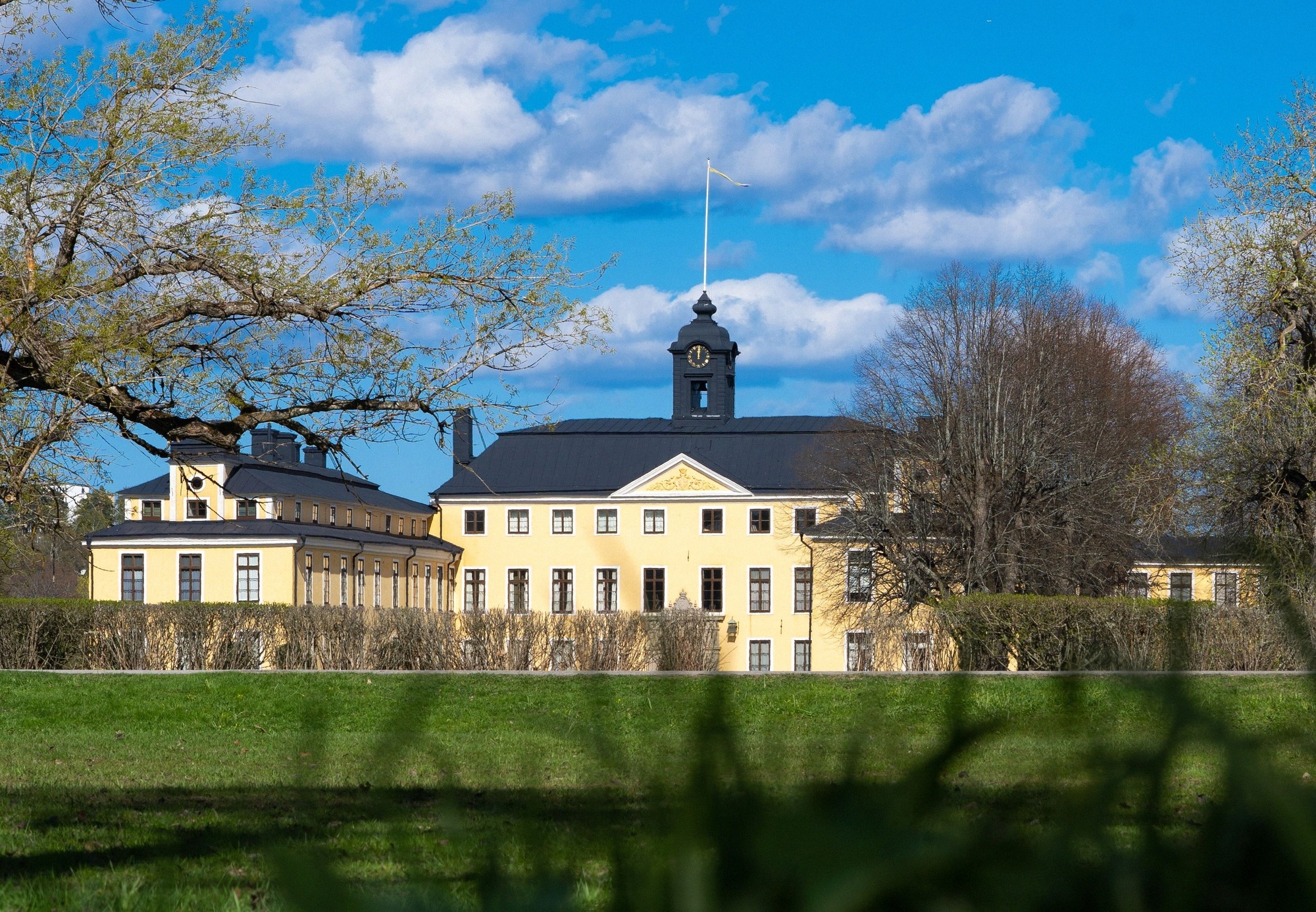
Ulriksdal Palace
Ulriksdal in Solna combines a 17th-century palace with Sweden's oldest rococo theatre, an orangery full of sculpture and a park on Edsviken that is open all year. The palace and orangery reopen in summer 2027.
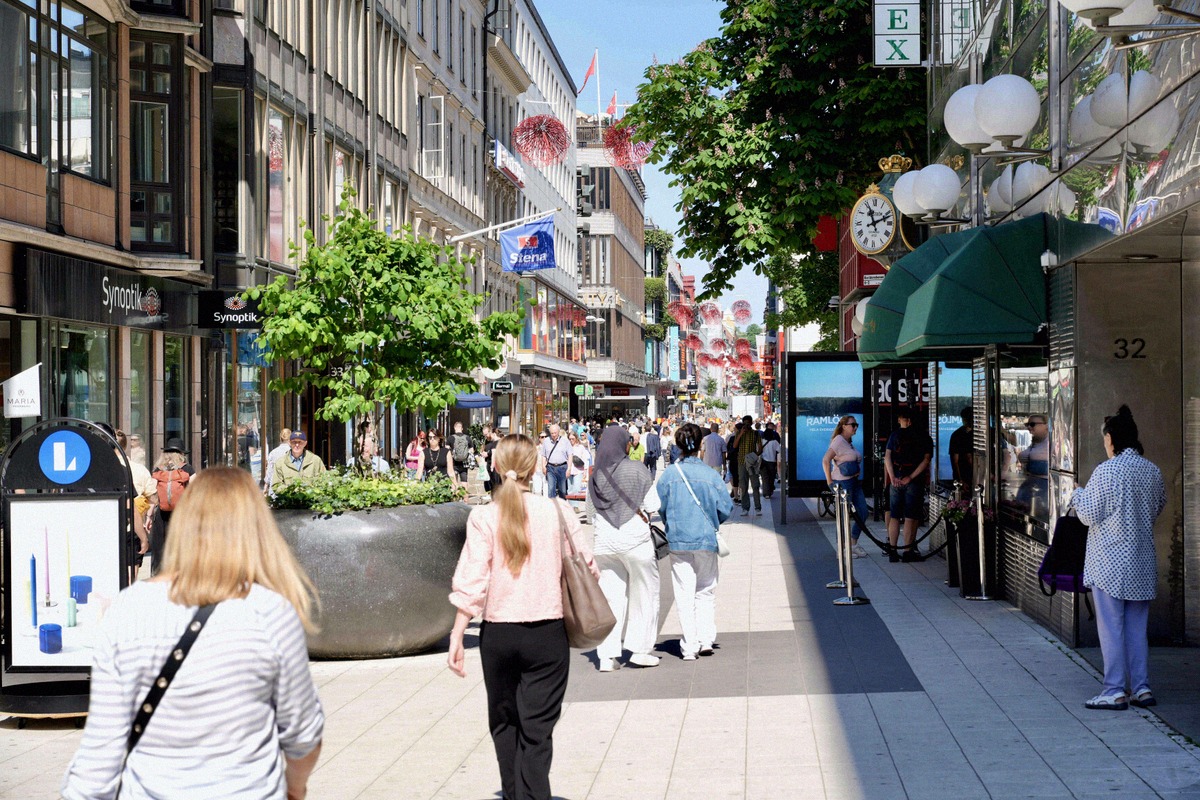
Strindberg Museum
August Strindberg lived in Blå tornet at Drottninggatan 85 from 1908 until his death in 1912. His flat is the only one of his 24 Stockholm addresses that you can visit.
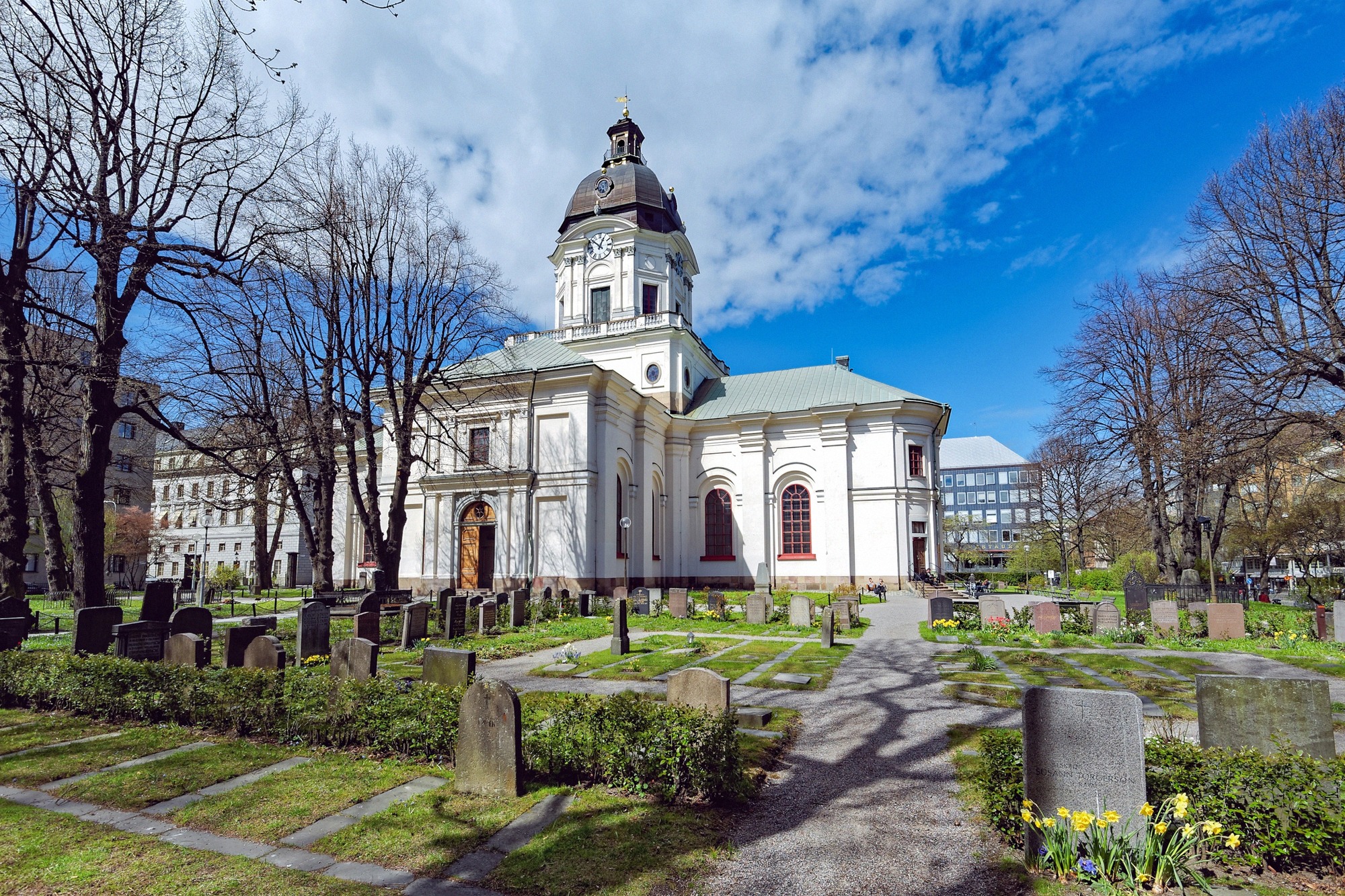
Adolf Fredriks kyrka
Adolf Fredriks kyrka on Sveavägen is a neoclassical parish church from 1774. Inside stands Sergel's Descartes monument, and Olof Palme is buried in the churchyard.
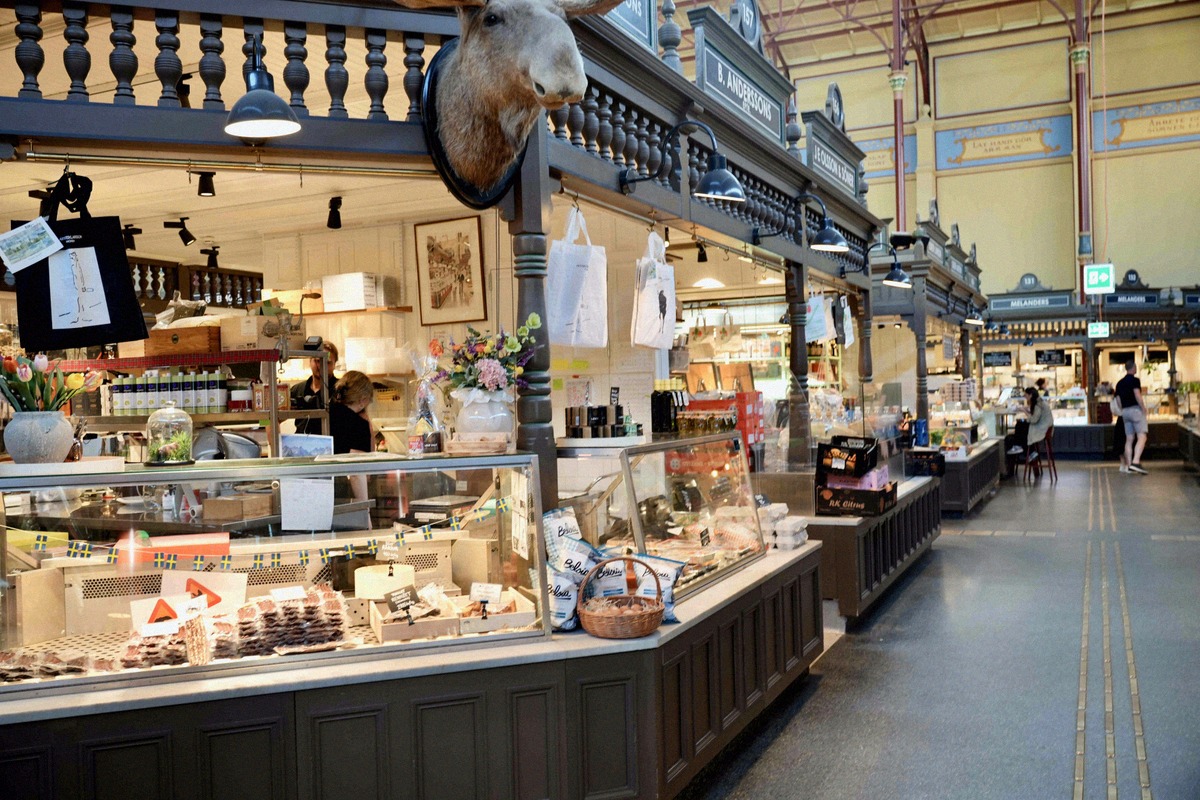
Östermalms Saluhall
Östermalms Saluhall, dating from 1888, is a brick building with a cast-iron hall on Östermalmstorg, where 17 traders and restaurants sell fish, game, cheese, fruit and lunch.
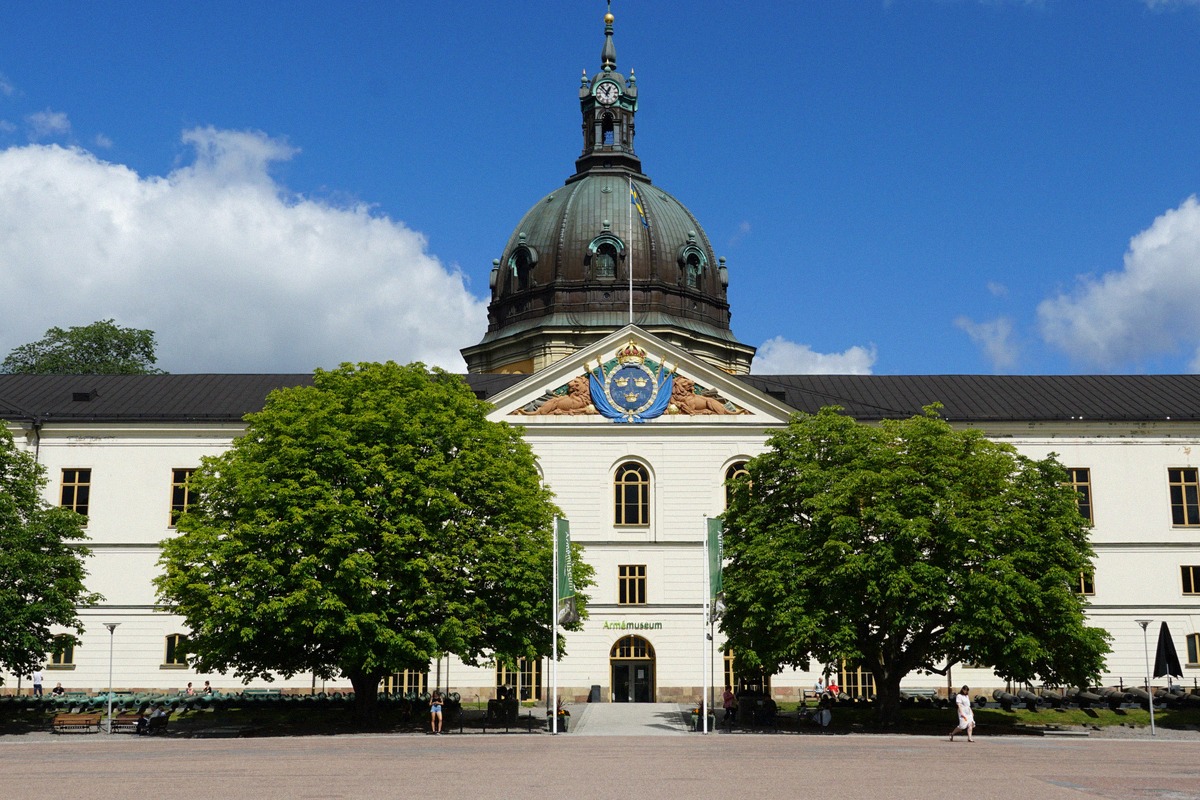
Armémuseum
Housed in an arsenal from 1770, Armémuseum (Army Museum) tells Sweden's history of war and peace since the 16th century in recreated scenes and shows Raoul Wallenberg's Budapest office.