Where to Stay
Overview
All our Stockholm guides bundled together – best time to visit, getting there and public transport, SL tickets and the pass question, hotels, food and ready-made day routes – plus the money-saving tips and museums' free time slots.
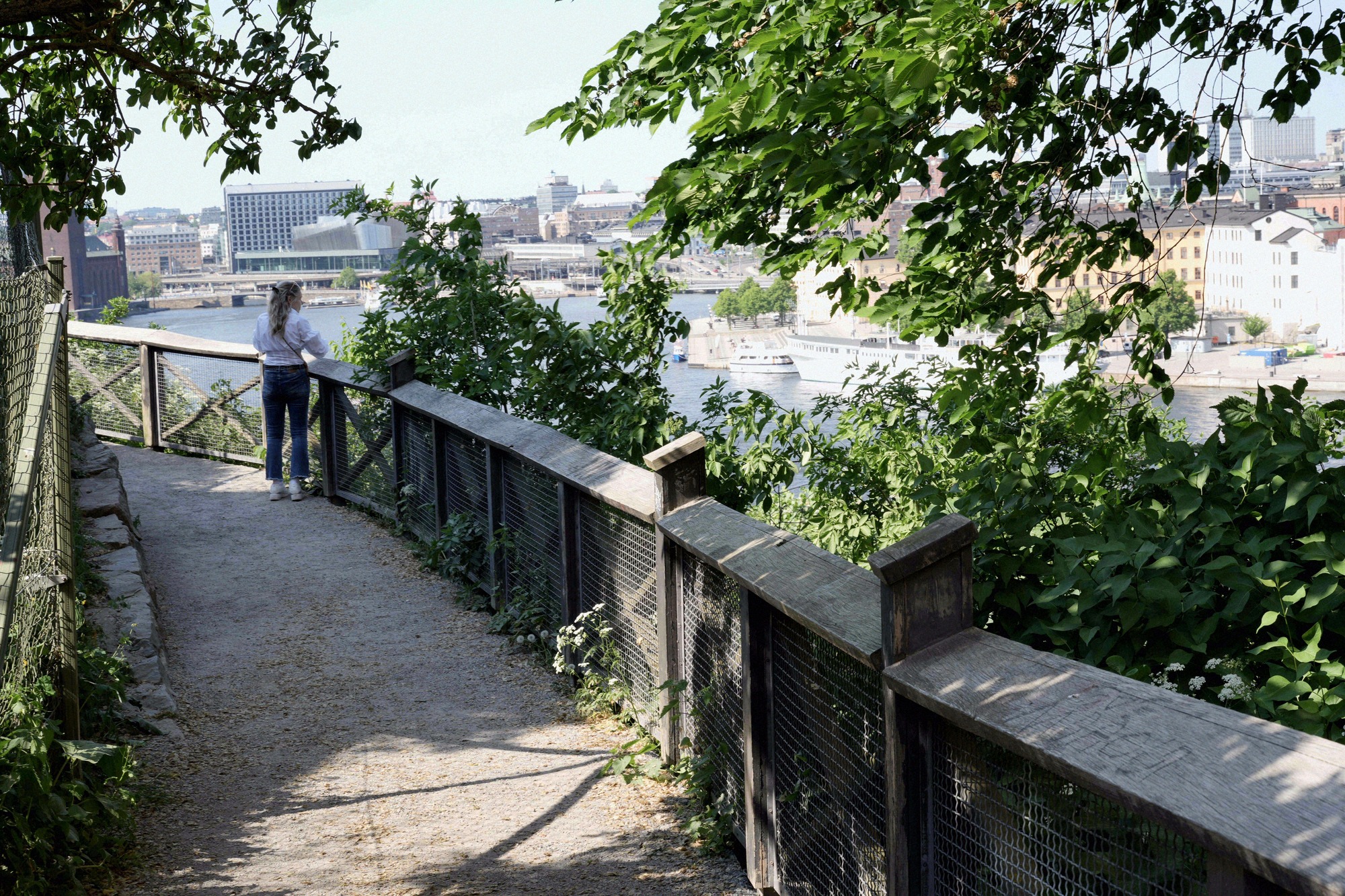
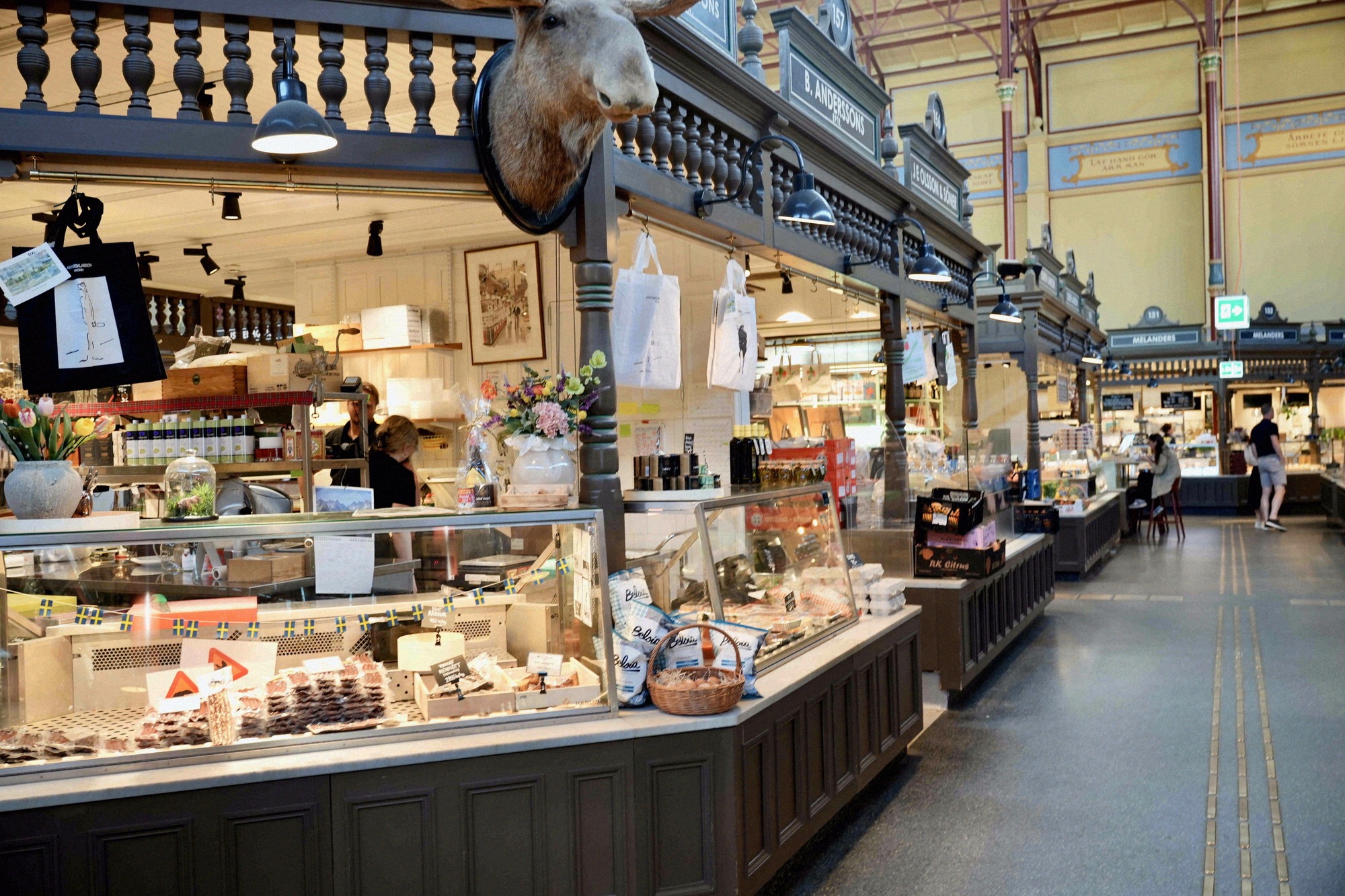
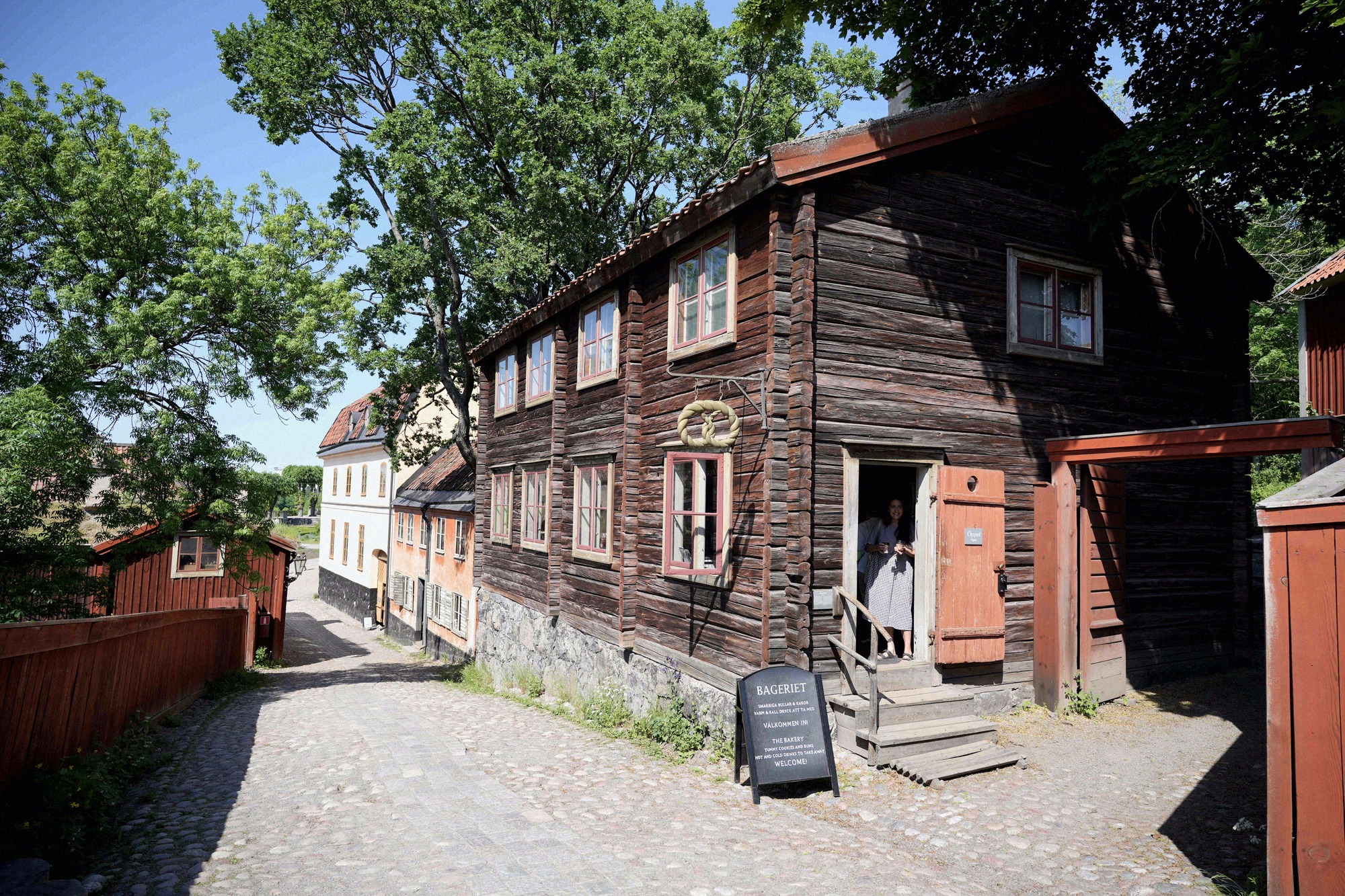
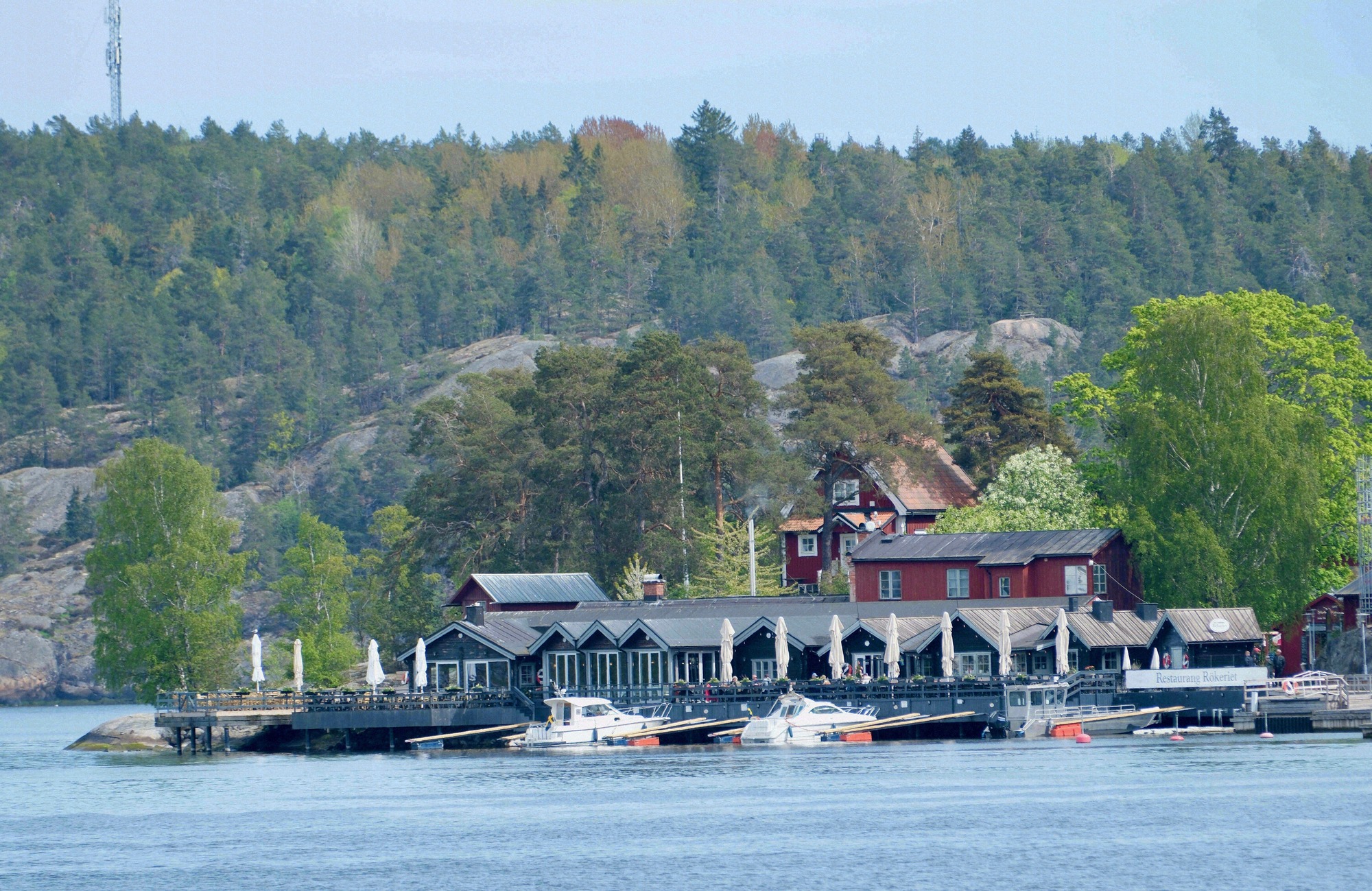
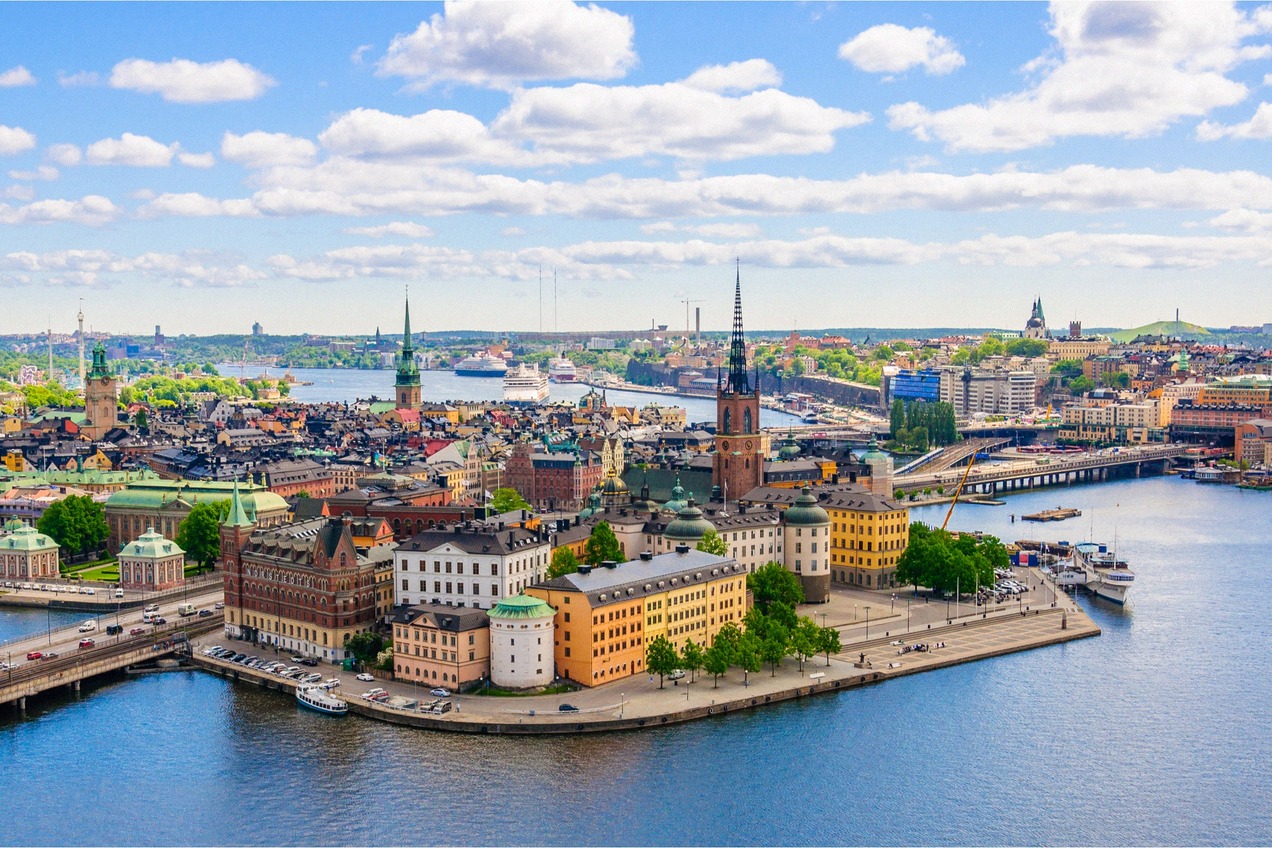
Stockholm is spread across fourteen islands between Lake Mälaren and the Baltic Sea – beautiful to look at, but worth planning for. This overview brings together our guides to the Swedish capital: the decisions to make before you travel, the practicalities on the ground and the money-saving strategy. For the details, each section links to the relevant guide. All prices are given in Swedish kronor (SEK).
Start with timing: May to September brings long, bright days and full boat timetables, along with more crowds and higher prices. Our best time to visit guide covers what suits you best.
For getting there, you can choose between flying, taking the train or arriving by ferry. The getting there guide gives the overview; if you're flying in, you'll find the transfer options from Arlanda Airport into the city centre, and for anyone crossing the Baltic, it's worth checking the ferry connections.
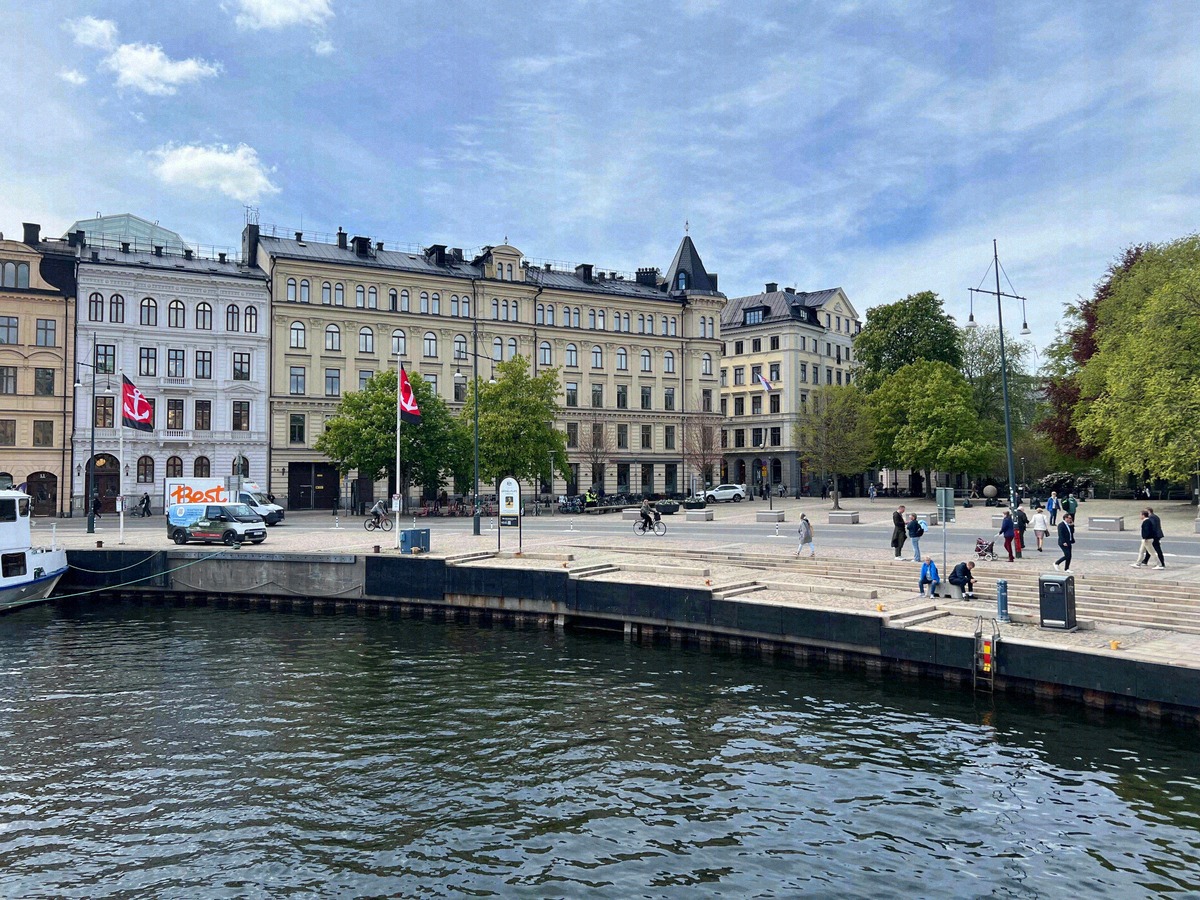
That leaves where to stay. Our where to stay in Stockholm guide explains which neighbourhood suits which kind of trip, while the best hotels selection names specific properties. For an overview of the neighbourhoods themselves, see the neighbourhoods guide.
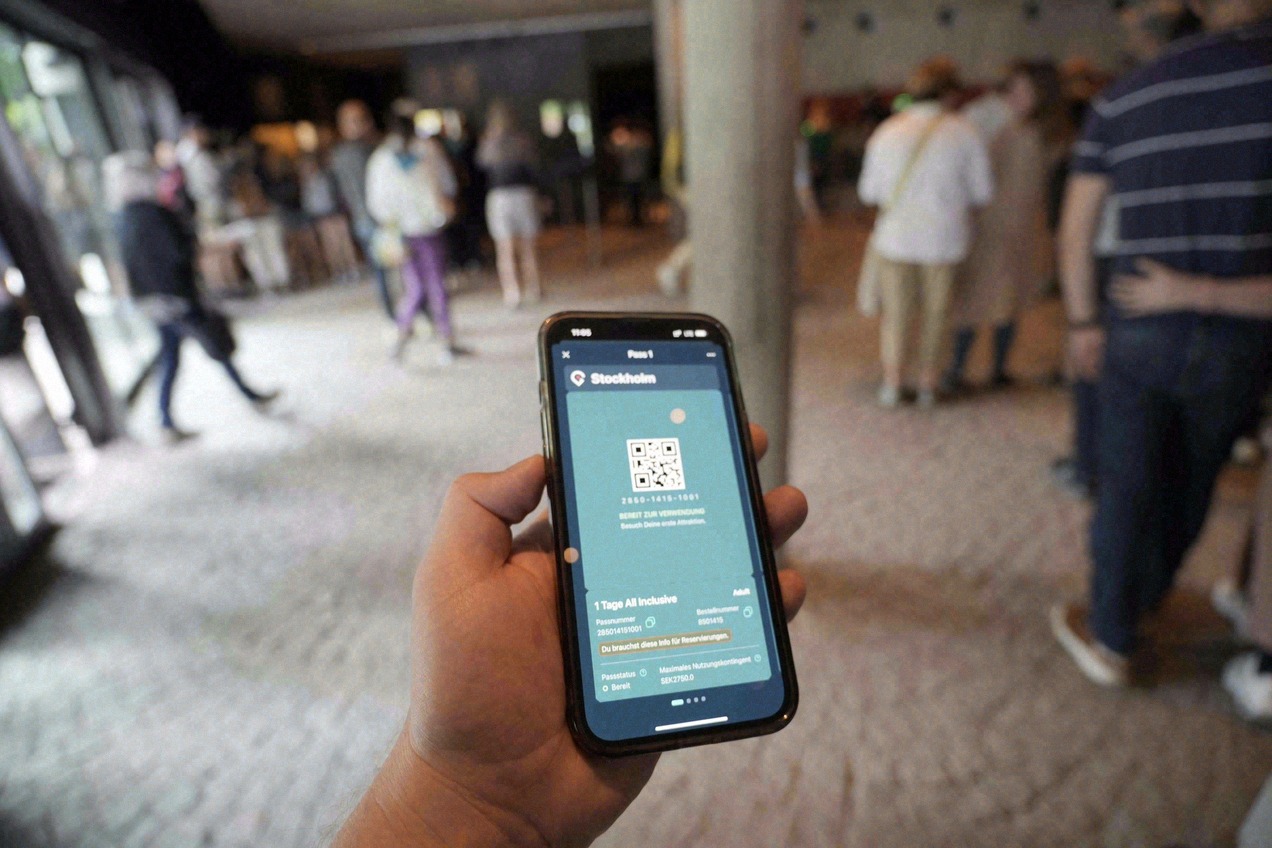
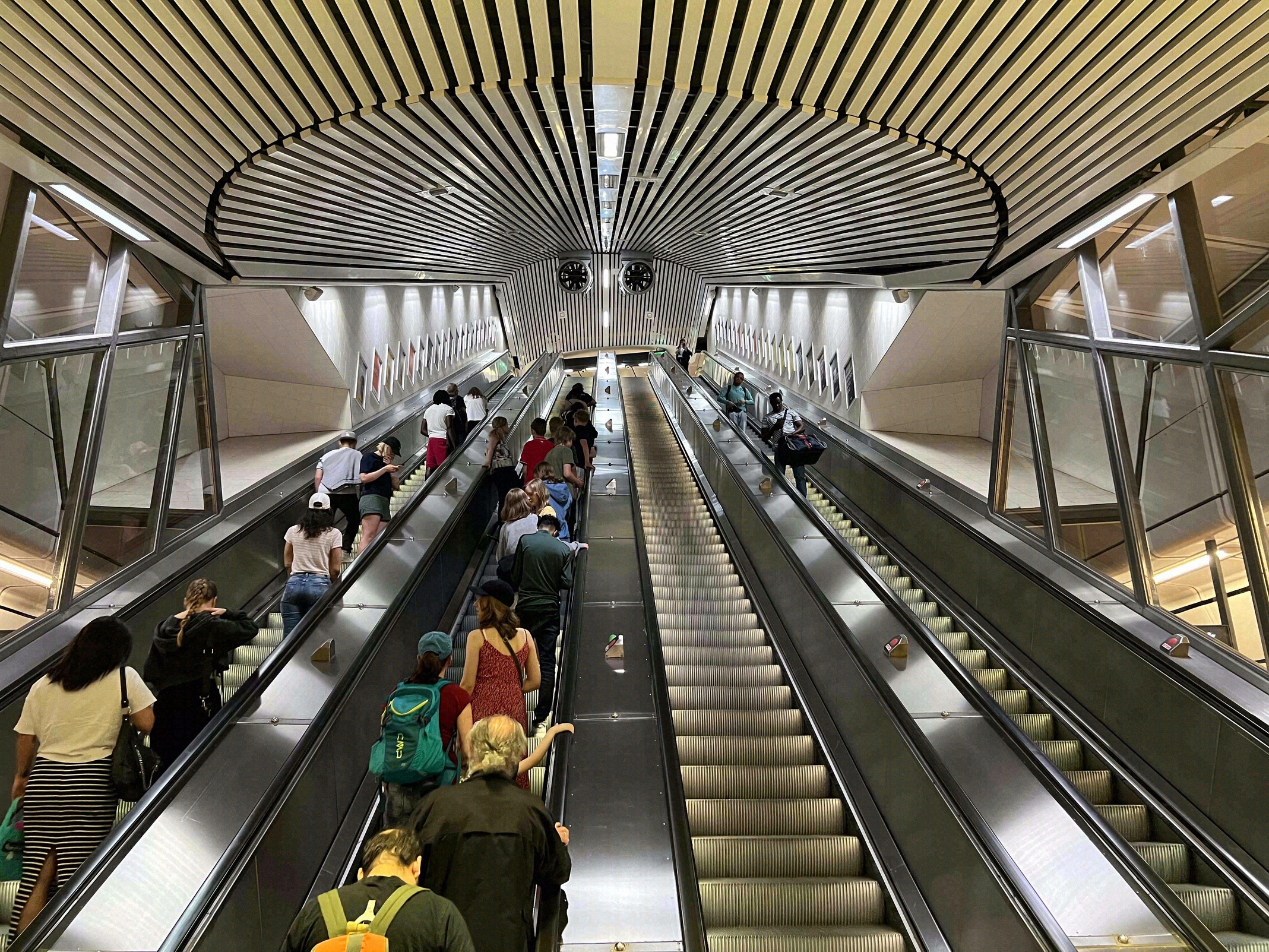
For city transport, the SL card is almost always the right choice – it covers the tunnelbana, buses, commuter trains and the ferry to Djurgården; a single ticket costs SEK 43 and is valid for 75 minutes. How the fare system works is explained in the public transport guide; worth a trip in its own right is the tunnelbana art, the world's longest art exhibition. Separate from that is the admissions question: whether the Go City Stockholm Pass, with its roughly 68 attractions, tours and activities (SEK 949 for one day), is worth it compared with single tickets is covered in our Stockholm Pass & SL tickets guide.
Once the framework is set, it's time to choose what to see. Start with the attractions overview – with prices, free tips and a focus on Gamla Stan and Djurgården. Sorted by theme, you'll find the museums centred on the Vasa Museum, the churches of the old town, the royal palaces and the offshore archipelago.
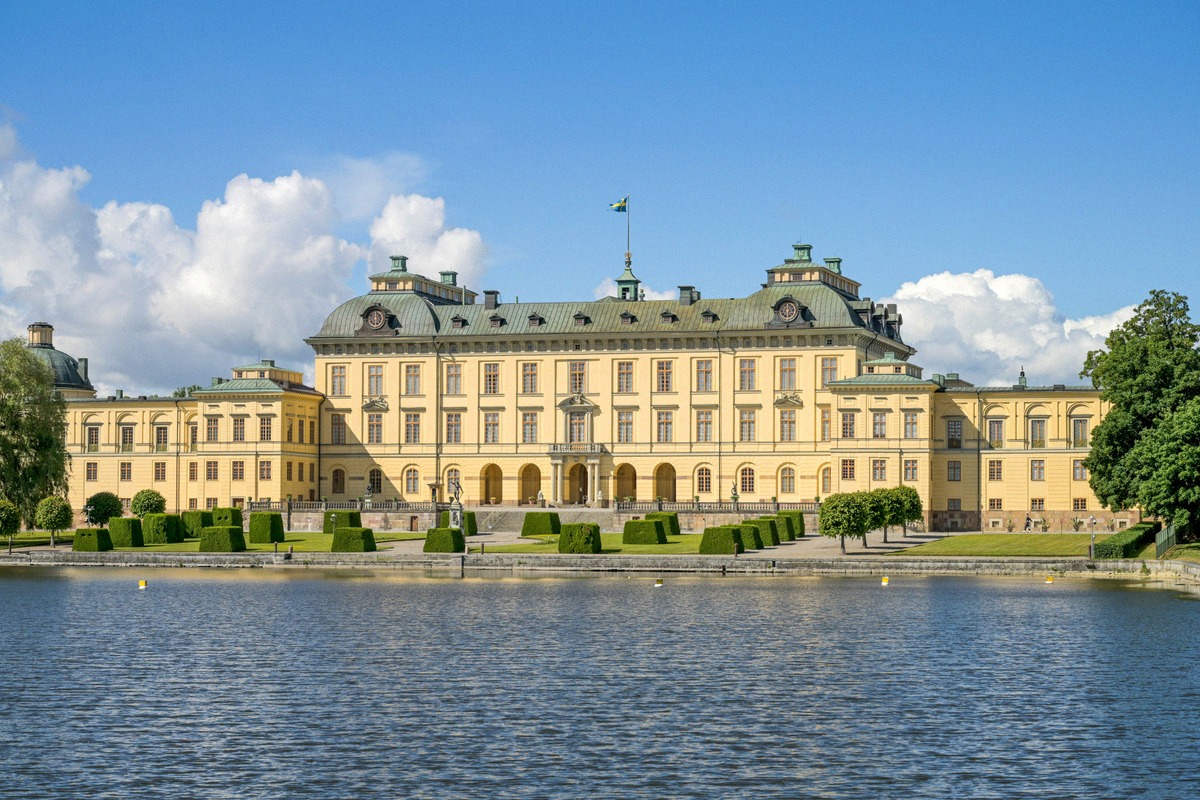
Stockholm isn't cheap, but it's manageable with a plan. Travelling with family? The Stockholm with kids guide has suitable building blocks; for a free day, consider the day trips to Drottningholm, Uppsala or the archipelago. For where to find the local flavours – from köttbullar to fika – see our food and drink guide.
On the money side, the rule of thumb is: take the free experiences first, then pay selectively for the must-sees. Free attractions include the Stockholm City Museum, the Moderna Museet collection, four of the six city-centre churches, plus the palace parks at Drottningholm and Ulriksdal and the changing of the guard at the Royal Palace. Several major museums have fixed free-entry windows: Nationalmuseum on Thursdays 17:00–20:00, Moderna Museet on Fridays 18:00–20:00 (not from mid-June to mid-August), and Liljevalchs konsthall all day on Mondays. The main costs are the Vasa Museum (SEK 195, SEK 240 May to September) and the Royal Palace (SEK 220 or SEK 240); for the pass comparison, see the Stockholm Pass guide. To pull it all together into a plan, use the trip planning guide with ready-made day routes.